Wyoming
Of The Greatest Westerns Ever Made, Wyoming Is Tops — Even If They Aren't Filmed Here


The American Film Institute defines Westerns as films “set in the American West that embody the spirit, the struggle and the demise of the new frontier.”
The themes and aesthetics of the Western genre are prevalent throughout the American West, but perhaps nowhere as pronounced and authentic as Wyoming, where Western culture is dominant. That why it makes sense that the Cowboy State is a favorite choice for setting and filming Westerns.
And Wyoming’s Westerns include some of the genre’s most revered films ever made.
But while it’s often a backdrop for Hollywood productions, it’s rarely a background. Wyoming can simultaneously be seen everywhere and almost nowhere.
The Good, The Better, And The Best
Steve Latshaw is a filmmaker and historian with more than 30 credits as a writer and director. He is also a historical advisor for the Museum of Western Film History in Lone Pine, California, a community used as a location for countless Western films and television shows.
Latshaw said he was “astonished” when he realized how prevalent Wyoming is in the Western genre.
“When I think of Westerns, you tend to default to the obvious states: California, Arizona, New Mexico, certainly Texas,” he said. “However, there were not only a significant number of Western films set in Wyoming, but a significant number of important Westerns. That’s critical.”
He is not alone in that opinion. In 2008, the American Film Institute (AFI) published its 10 Top 10, lists of the 10 greatest American films in 10 film genres, including Westerns.
Of the top 10 Westerns on AFI’s list, four — “Cat Ballou,” “Butch Cassidy and the Sundance Kid,” “Unforgiven” and “Shane” — are set in Wyoming. At 40%, that makes the Cowboy State better represented than any other state on the list.
But that’s representation as a setting for these films, not as a location for actually making them. Of those four, only “Shane” was set and shot in Wyoming. That’s because there are two sides to Wyoming’s place in Western films: as a setting and as a location.
-

The “Shane” cabin featured in the classic Western is still in Grand Teton National Park. (Getty Images) -
A scene from “Shane” set in front of a graveyard with the Grand Tetons in the background. (Cowboy State Daily Staff)


As A Setting
American writer Frank Gruber identified seven “basic plots” for Westerns. While not universal, most follow at least one of these seven storylines: the Union Pacific, the Ranch, the Empire, the Revenge, the Cavalry and Indian, the Outlaw, and the Marshal.
Each plot has its staples and characters, such as the elaborate chases and mystery of the Revenge Story or the threats of rustlers and nefarious landowners in the Ranch Story. Most Westerns incorporate some of these troupes.
Based on the basics of the seven plots, Latshaw can see why Wyoming is such a critical and prized setting for Western films. It’s a lot easier to build characters and stories when the state’s history already has such fertile history for the plot.
“Whenever you’re going to write a Western, particularly a period Western or historical Western, you’re going to look for story ideas in terms of the history that was there,” he said. “In other words, are there real-life stories? And there are so many dramatic events in Wyoming that would be a good setting for the characters and a story you want to tell.”
There are tons of precedents for all the basic Western plots in Wyoming’s history. The Johnson County Wars, the construction of the Transcontinental Railroad, the Hole in the Wall Gang, other outlaws and gunslingers, and countless other authentic histories rife with dramatic potential.
Of course, all Western states have historical fodder for Westerns, like The Alamo in Texas or the OK Corral in Tombstone, Arizona. But Wyoming has a little bit of everything.
“When you’re setting a film in the American West, you’re going to look for historical lynchpins to sort of hang your story on,” Latshaw said. “I think Wyoming is up there with many states with rich and vivid stories.”
Hollywood built its prestige and profits by transporting audiences to any place and time to tell compelling stories. But that doesn’t mean film studios actually have to go there to be there, and that has been Hollywood’s approach for most of Wyoming’s Westerns.
-
Paul Newman as Butch Cassidy with the Hole in the Wall Gang in a scene from “Butch Cassidy and the Sundance Kid.” (Cowboy State Daily Staff) -
Robert Redford as The Sundance Kid and Paul Newman as Butch Cassidy. (Cowboy State Daily Staff) -
Robert Redford as The Sundance Kid and Paul Newman as Butch Cassidy. (Cowboy State Daily Staff)


As A Location
While plenty of Westerns are set in Wyoming, the state is largely absent from its own filmography. In his research, Latshaw was equally surprised by its prevalence and absence.
“It appears that Wyoming has been more important as a dramatic setting than an actual filming location,” he said. “There haven’t been a huge number of Westerns that were actually filmed there, which was really interesting.”
There are frequent Wyoming “cameos” in Western cinema. “The Outlaw Josey Wales,” “Dances with Wolves” and “Django Unchained” are important Westerns that include scenes shot in Wyoming, usually the iconic facade of the Tetons.
-
Clint Eastwood and Morgan Freeman star in “Unforgiven.” (Cowboy State Daily Staff) -
“Unforgiven” won the Best Picture Oscar in 1993. Although not filmed in Wyoming, it was set in the Cowboy State. (Cowboy State Daily Staff)


Of AFI’s four Wyoming Westerns:
-
“Butch Cassidy and the Sundance Kid” filmed its Wyoming scenes in Utah.
-
“Unforgiven” was primarily filmed in Alberta, Canada (a popular Wyoming stand-in)
-
Buckskin Joe Frontier Town, a combination film studio and theme park in Cañon City, Colorado, was the location for “Cat Ballou’s” production.
Wyoming isn’t and hasn’t ever been a go-to location for Western films or films in general.
One much-noted reason is the lack of a state film incentive. Productions often choose to film in states that provide incentives to shoot there, usually in the form of tax credits, exemptions, cash grants and fee-free locations.
The latest attempt to make Wyoming more appealing to filmmakers by offering rebates based on their Wyoming expenses died on the state House floor during the 2023 session of the Wyoming Legislature.
Latshaw believes there’s another significant reason why Wyoming isn’t a more popular film location, and it’s one Wyomingites know all too well.
“That may be simply down to climate,” he said. “Looking at the weather tables, it appears that fall, winter and spring tend to be cold. That narrows the window of when you can shoot comfortably in Wyoming. So that may be a major factor.”
But bad weather and lack of incentives haven’t stopped passionate film producers in the past. A notable example is 1953’s “Shane,” which was almost entirely filmed in Jackson and Grand Teton National Park.
“George Stevens, a powerful A-list director at the time, (wanted) the best possible locations for his film,” he said. He didn’t want the movie “to look like it was shot in Chatsworth, California, or even Lone Pine. He wanted authentic locations and certainly had the clout to say, ‘No, I want to shoot regardless of whatever hardships. I want to shoot this in Wyoming because that’s what the look is.’”
In the case of “Shane,” the authenticity of Jackson’s picturesque landscapes contributes to the film’s overall effect, often cited as one of the greatest Westerns ever made. It’s one of several Western films preserved in the U.S. Library of Congress.
-
A scene from the Western “Cat Ballou.” (Getty Images) -
Lee Marvin played “the drunkest gun in the West” and Jane Fonda the title character in the Western comedy “Cat Ballou.” (Cowboy State Daily Staff) -
A scene, which the audience is supposed to believe is in Wyoming, in “Cat Ballou.” (Cowboy State Daily Staff)


Wyoming’s Westerns
Regardless of its lack of physical screen time, Westerns set in Wyoming are amongst the best told in the genre. They range from some of the earliest forays on film to vast epics of Western melodrama to the most stinging critiques of the genre and the history it draws from.
“I think writers and filmmakers saw that it was an important setting for a great Western film,” Latshaw said. “Wyoming has so much history, and it’s very picturesque. It’s just beautiful country. A lot of films have been set in Wyoming because of its history and because it was so deeply involved in the history of the Western expansion. That’s key to its success.”

Andrew Rossi can be reached at arossi@cowboystatedaily.com.



Gaining the knowledge to become an outdoorsy type of person isn’t easy. It takes time, dedication, and the desire to sometimes get out of your comfort zone. Sure, if you grew up in the outdoors, but it’s been a while since you’ve actually been out hunting, fishing, hiking, or camping, you may be a little rusty, but you have a leg up on those who haven’t.
If you’re in Wyoming, there’s a good chance that taking advantage of the incredible outdoor activities we have available has crossed your mind, but where to start is the big question. Asking others for help is one way, but there’s sometimes an element of intimidation or embarrassment involved.
If you’re a woman looking for that help and want to avoid the intimidation, you should really check out the Wyoming Game and Fish Department’s Becoming an Outdoor Woman (BOW) workshops this summer. It’s held at the Whiskey Mountain Conservation Camp near Dubois, and everything you need to learn about the outdoors is provided, including food and lodging.
The registration deadline is March 31, meaning you have just a couple of weeks to apply for one or all of the offered workshops.
There are multiple options available depending on your level of outdoor knowledge.
Basic BOW Workshop: Introductory level camp teaching outdoor survival, basic fly fishing, backpacking, how to shoot, outdoor photography, and more. There will be two of these workshops, June 5-7 and August 7-9. $150
Fly Fishing Beyond BOW Workshop: The focus here is on fly fishing. Learn the basics and then put them to use. This workshop runs July 30 – Aug 2. $150
Backpacking Beyond BOW: This workshop is all about backpacking, hiking, cooking on the trail, adjusting to the trail, and preparing for the trip. You’ll learn how to properly pack your bag, set up camp, and then head out on an overnight trip. July 30 – Aug 2. $150
Become a BOW Instructor: Here’s where you put your years of experience to work by sharing your skills and knowledge with others, helping them learn the tricks and tips of the outdoors.
Not only will these workshops help get you started on a life in the outdoors, but you’re likely going to gain some street cred with your family when you can teach them the skills they’ll need to get out and celebrate a Wyoming lifestyle.
PHOTOS: Wyoming Outdoor Weekend
16 Types Of Hikes Explained
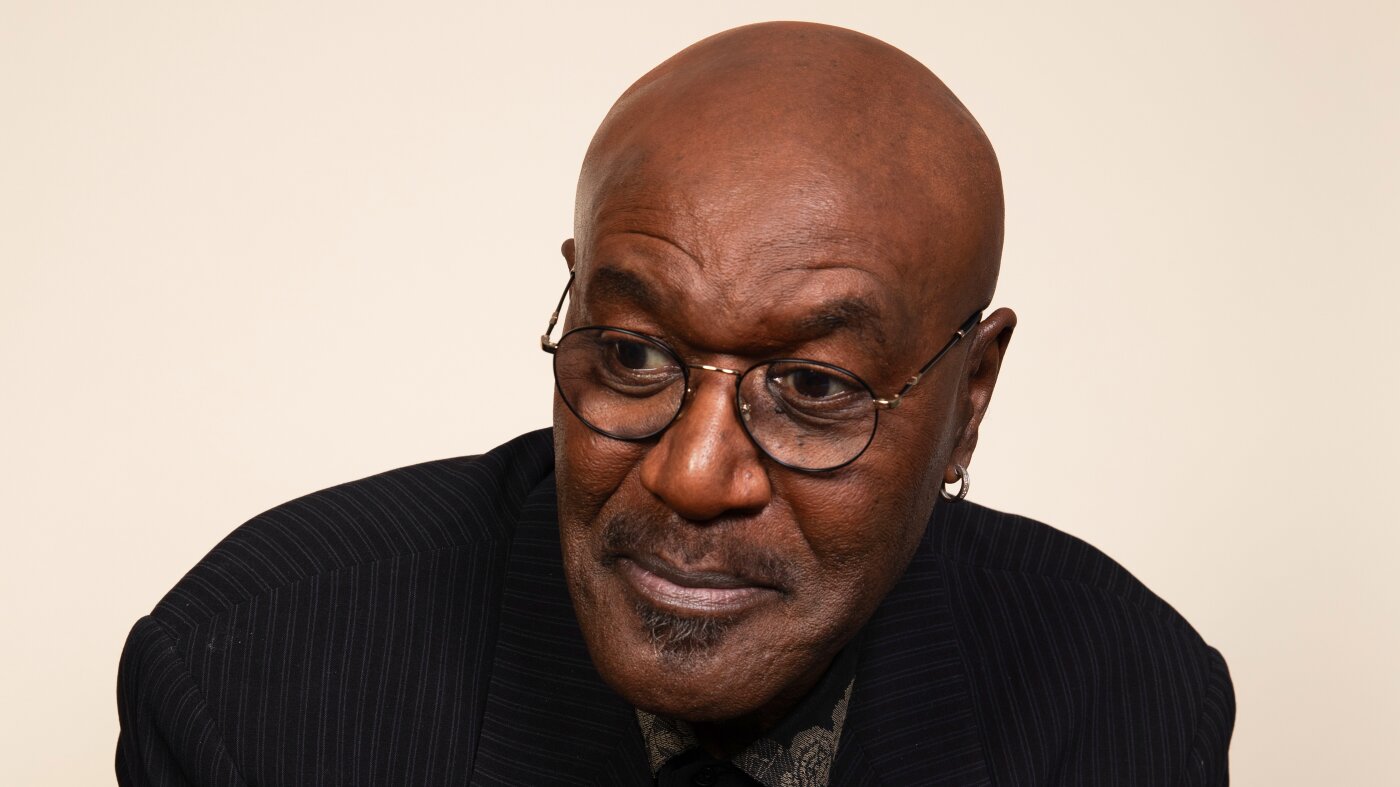
No matter what happens at the Oscars, Delroy Lindo embraces ‘the joy of this moment’

Amazon.com says things are fixed after some issues with logging in and checking out

Private flights account for 30% of departures from Oman airport as wealthy evacuate Middle East

DOJ continues Biden autopen probe despite former president unlikely to face charges

Ozempic-style drugs could slash complication risks after heart attacks, research suggests

Florida High School Football Rankings: Top 25 teams – Oct. 21

Cleary's 21 help Le Moyne down Central Connecticut State 69-64 in OT

How old is Bo Nix? What to know about Oregon quarterback ahead of 2024 NFL Draft

99th annual Pony Swim held in Virginia

Indiana Members Credit Union announced as new anchor tenant at Bottleworks District
DOJ continues Biden autopen probe despite former president unlikely to face charges
Fact check: Did French border guards mock influencers returning from Dubai amid Iran war?

Iran’s fight for survival / The widening war / Trump’s nebulous goals : Sources & Methods

Map: 4.9-Magnitude Earthquake Shakes Louisiana

Paxton vows he’s ‘staying in this race’ even if Trump backs Cornyn in Texas GOP clash
-

 World1 week ago
Exclusive: DeepSeek withholds latest AI model from US chipmakers including Nvidia, sources say
-

 Wisconsin4 days ago
Setting sail on iceboats across a frozen lake in Wisconsin
-

 Massachusetts1 week ago
Mother and daughter injured in Taunton house explosion
-

 Maryland5 days ago
AM showers Sunday in Maryland
-

 Massachusetts3 days ago
Massachusetts man awaits word from family in Iran after attacks
-

 Florida5 days ago
Florida man rescued after being stuck in shoulder-deep mud for days
-

 Denver, CO1 week ago
10 acres charred, 5 injured in Thornton grass fire, evacuation orders lifted
-

 Oregon6 days ago
2026 OSAA Oregon Wrestling State Championship Results And Brackets – FloWrestling