Washington
Meet the 2024 Washington Women in Journalism Award Winners


Print Journalism
Carol Leonnig
The Washington Post

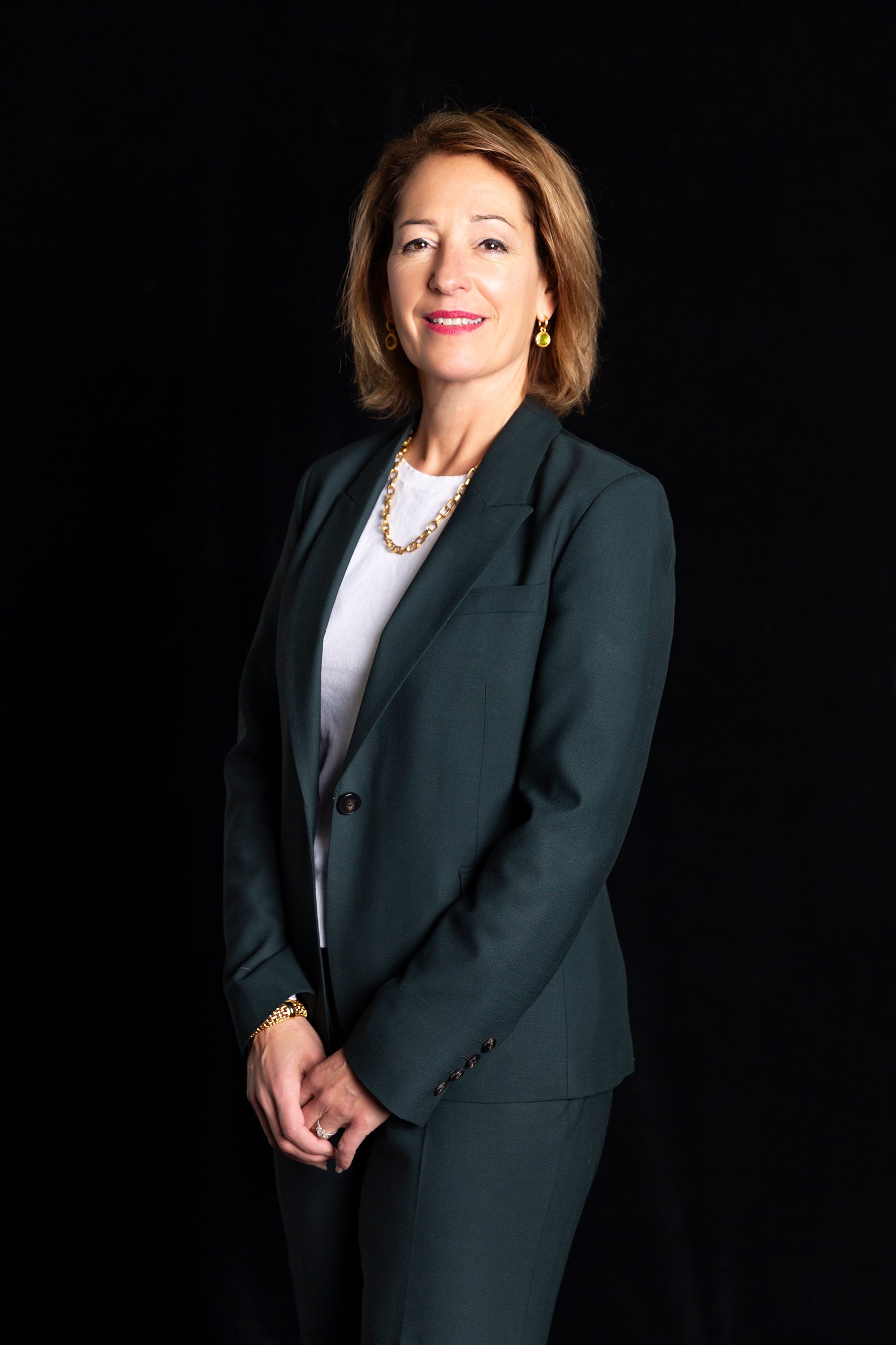
Carol Leonnig has spent much of her career reporting on local, state, and federal governments. Her hard-hitting investigations into the White House and federal agencies have earned her or teams she worked on four Pulitzer Prizes. At the Washington Post since 2000, she’s also an on-air contributor to NBC News and MSNBC and the author or coauthor of three New York Times bestsellers, including Zero Fail: The Rise and Fall of the Secret Service.
Where she grew up: Upper Marlboro.
First byline: “When I was a freshman, I got drafted by the editor of [the Bryn Mawr–Haverford College News] to report on a sledding accident involving students behind our dorm. She assigned me to go to the campus security office and look through their paper logs of how they responded to the accident, because there was a huge delay in getting emergency personnel to the site. I was able to piece together what caused the delay, and I was hooked.”
First journalism job: “In my senior year, I wrote some freelance pieces for the Philadelphia Inquirer. I ended up working there after college.”
First big story: “At the Charlotte Observer, I reported that the governor had overwritten state officials and career public servants’ recommendations to replace bridges [that were at risk of falling down] to get a big, new $8 million bridge built to help his neighbors in a rural community more quickly get from point A to point B. It was on the front page. We found out that the FBI was investigating the governor, and he held a press conference the next day and apologized.”
Hardest story she’s ever done: “Some of the hardest are the ones with people who don’t have boldface names. They are going through incredible trauma, like a mass shooting. The greatest honor that can be bestowed on us is to be entrusted to bring their experiences to a larger readership.”
Hardest part of her job: “Keeping your wits about you when you are being attacked in a very vicious way. The division in our country is so brutal in its attacks on journalists who report things that are factually true but that people don’t want to hear.”
Best journalism advice she’s received: “In the heat of the moment, in this competitive field, don’t let competition drive your decision. Stick to checking and rechecking every fact. No one will remember who published a minor story five minutes faster. Everyone will remember a mistake made in the rush of competition.”
Broadcast Journalism
Back to Top
Rachel Scott
ABC News


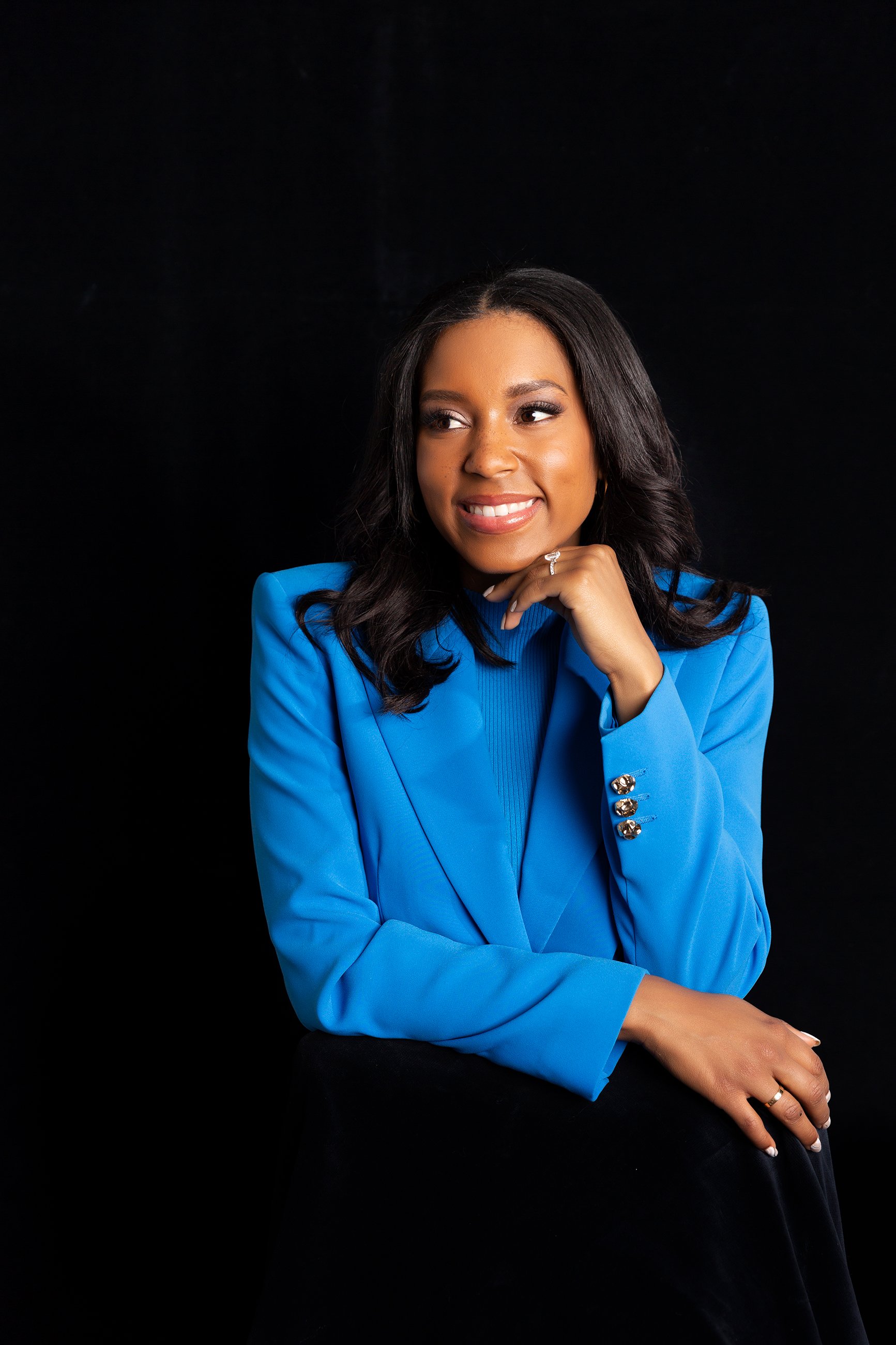
When Rachel Scott started reporting on Capitol Hill for ABC News in 2021, she couldn’t have predicted what she’d be covering her first day–January 6. The job has kept her on her toes ever since: taking her to Geneva, where she pressed Vladimir Putin on human rights; to Texas, where her coverage on the abortion ban earned her a Peabody Award; and to offices all over Capitol Hill.
Where she grew up: Diamond Bar, California.
First journalism job: Production associate for ABC News Live.
What drew her to journalism: “It wasn’t until I had an internship at the White House in 2012 that I discovered my passion for political journalism. I had the opportunity to sit in on several interviews that President Barack Obama did with Diane Sawyer and Barbara Walters, and it was in those rooms I realized that I wanted to be the one asking the tough questions on behalf of the American people.”
On covering January 6: “I was assigned to be outside of the Capitol for what was described as a Trump rally. I remember when things took a crazy turn. George Stephanopoulos asked me to describe what was going on, and what I described was chaos as rioters started to storm the Capitol. I reported outside for hours, stretching into the very late evening.”
Work she’s proudest of: “I traveled to Geneva for President Biden’s high-stakes meeting with Vladimir Putin, and we found out the day before that President Biden and Putin would be holding separate press conferences. I entered [Putin’s] press conference not knowing if he’d call on an American journalist. But he did. When I was called on, I raised the case of Alexei Navalny. I asked President Putin why all of his political prisoners were either dead, in prison, or poisoned. I asked what he was so afraid of. Coming back to my hotel that night, there were students gathered below the balcony of the hotel. They noticed me and started shouting, ‘Freedom of the press!’ In that moment, I understood the gravity of the questions we ask and how much it matters.”
One female journalist she admires: “Diane Sawyer—without question. When I was a USC student, Diane Sawyer came and spoke to journalism students. She told us, ‘Journalism is the business of changing the world.’ I have never forgotten it. When I came to ABC and started covering reproductive rights, Diane reached out to partner on a special. To reach out and partner with a younger journalist speaks volumes to what she has done for women in this industry.”
Lifetime Achievement
Back to Top
Kara Swisher
Vox Media/Podcaster

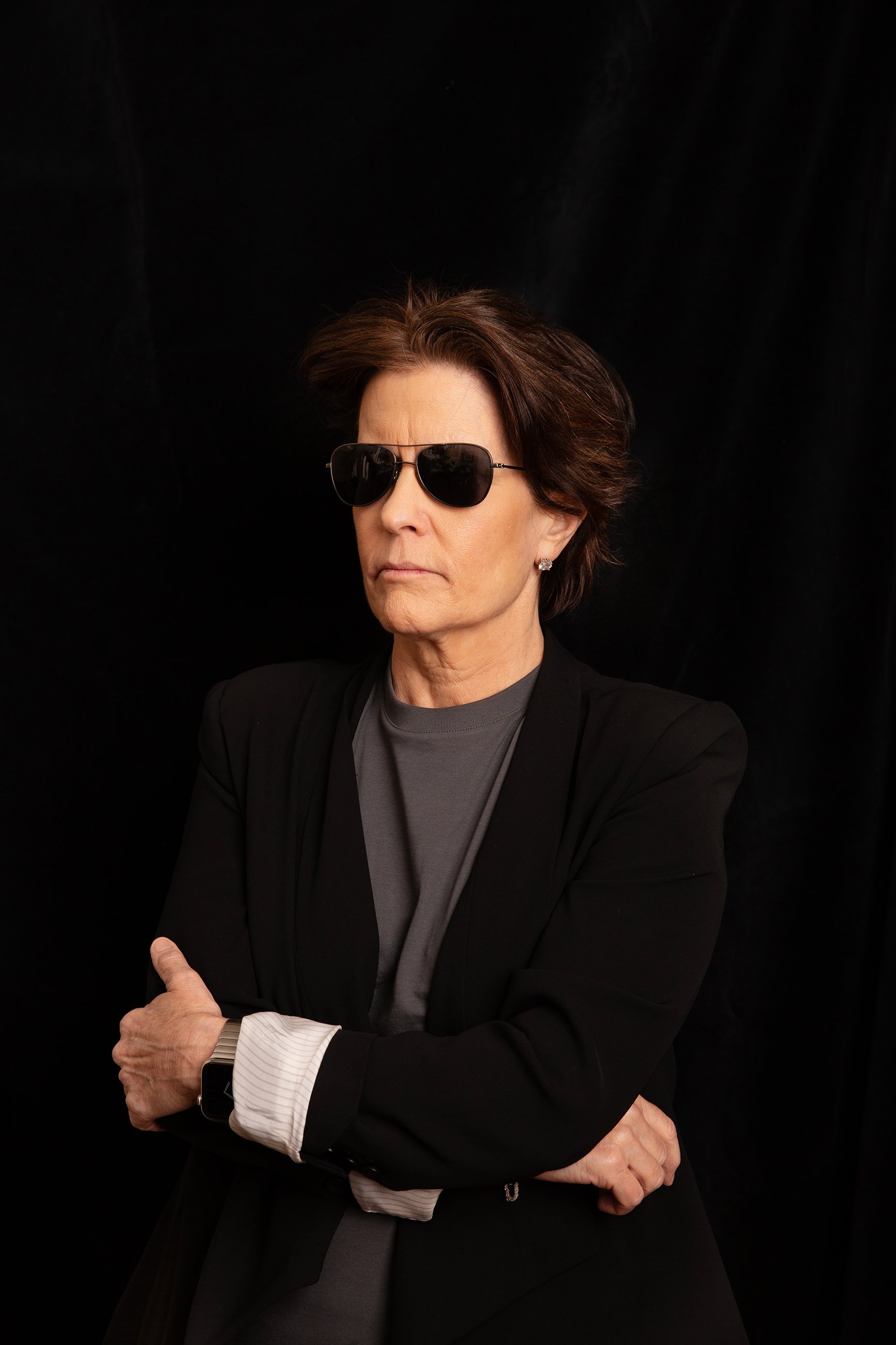
One of the earliest reporters on the internet beat, Kara Swisher has interviewed nearly every influential innovator and entrepreneur in the tech world. Between her commentary on CNN and her hit podcasts, On With Kara Swisher and Pivot, she has a knack for catching the latest scoops on the fast-moving industry. In her recent bestselling memoir, Burn Book: A Tech Love Story, Swisher gives an insider perspective into Silicon Valley’s titans and the impact of their innovations on our world.
Where she grew up: “A lot of places—Long Island and Princeton, New Jersey, principally.”
First byline: “I wrote columns at the Hoya at Georgetown University. I just wrote about campus life and things that affected students.”
First journalism job: “I started writing similar stories for the Washington Post. I was their stringer from the campus.”
First big story: “There was a family in Washington who was one of the wealthiest—they owned a string of retail stores. I wrote about the breakup of the family. Herbert Haft and Robert Haft—they were father and son, and they had a war. It was sort of like King Lear.”
What drew her to journalism: “I’m a curious person, and I like asking questions. I’m a good writer. I wasn’t good at other things. I wanted to be an architect, and I wasn’t good at that.”
One hard thing about her job: “Reporters play a really important part in society, and the current attacks on them are depressing and stupid.”
Best journalism advice she’s received: “Walt Mossberg, who I dedicated my book to, always was like, ‘Just go and find the truth and ask direct questions.’ It’s not very complicated, but I think it’s really important to do what you do with integrity and intelligence, as well as try to be interesting and be interested at the same time.”
A piece of advice she’d share to budding journalists: “Just work hard and ask good questions. You have to know what you’re talking about. You have to be accurate. You have to be prepared. Constantly assess what you need to improve on.”
What she’d like to see change to make the journalism industry better for women: “Hire the most diverse groups of people. I mean not just race and gender but backgrounds and political affiliation. I think it’s better to get different perspectives.”
Star to Watch
Back to Top
Meridith McGraw
Politico

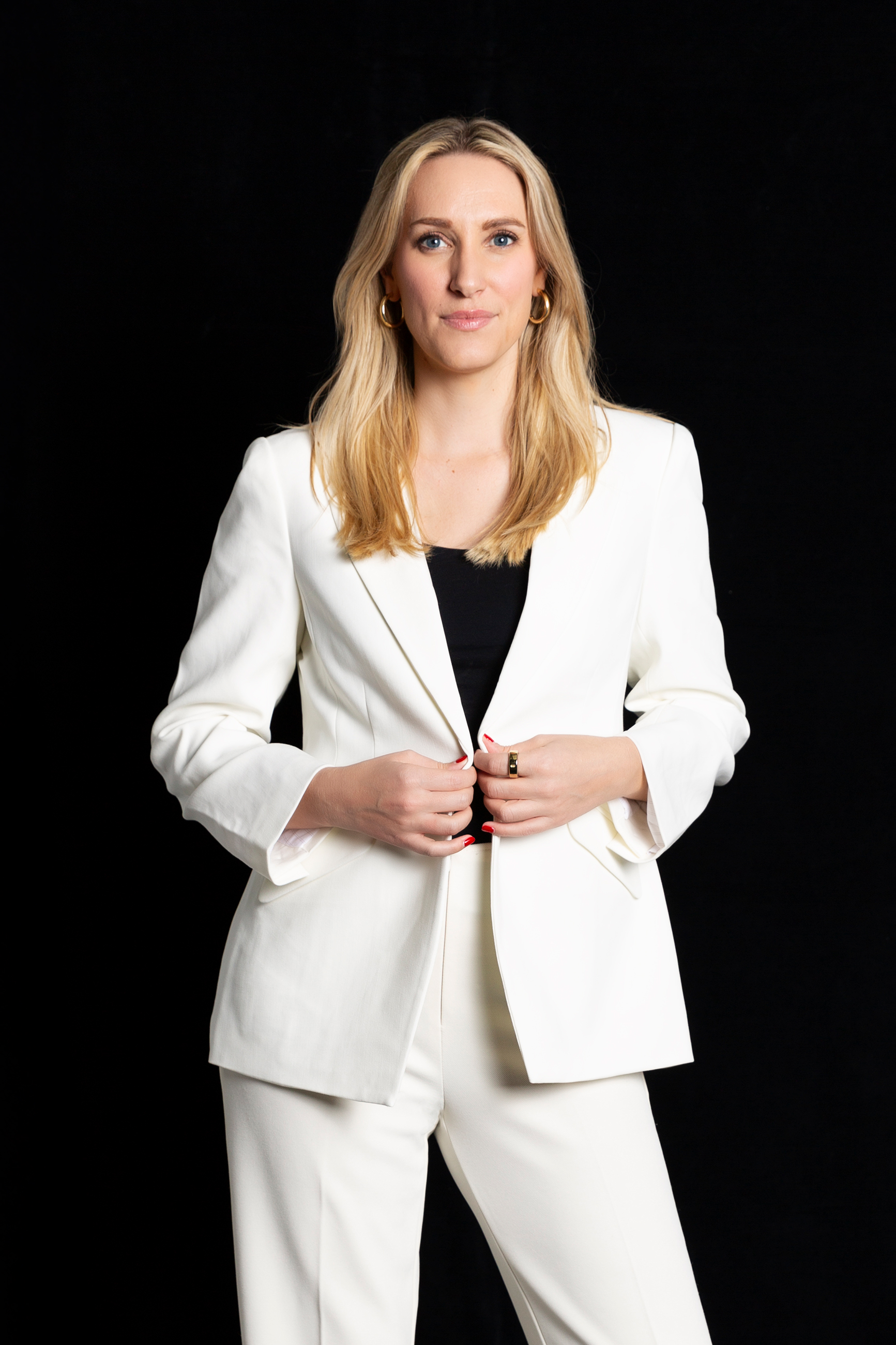
It would be an understatement to say that 2024 has been–and will continue to be–a whirlwind for Meridith McGraw. As Politico’s national political correspondent, she’s in charge of covering all things related to Donald Trump, the 2024 election, and Republican politics. Prior to joining Politico in 2019, she covered the White House and Capitol Hill for ABC News.
Where she grew up: Vienna, West Virginia.
What drew her to journalism: “I love to write. I’m interested in politics. And I grew up with parents who encouraged debate and conversation around the dinner table on what was going on in the world.”
First journalism job: “The Frank Reynolds Fellowship at ABC News. I went to Columbia Journalism School and had my eye on that internship from day one. I really wanted to come to Washington.”
First byline: “A very short story on the National Zoo’s new baby panda, which anybody in DC knows is a big deal.”
Hardest story she’s ever done: “It’s hard to pinpoint one story. [My first year at Politico] was such a challenging time. It was during the pandemic, and I was on the White House team. Nobody knew what was going on in terms of Covid. The George Floyd protests were happening. It was a particularly important and challenging time to be a reporter in DC.”
Best journalism advice she’s received: “Try to zig when other people zag. Think of unexpected or uncovered angles to the stories that everybody’s reading.”
Most challenging aspect of covering Trump: “At times, it feels hard to keep up with the volume of news. That’s why it’s important to cut through the noise and help people discern the most important things they need to know.”
How she stays sane covering politics in 2024: “I’m really lucky to have great friends and family, and an adorable dog [Daisy, a basset hound], but a big part of it is understanding the historic importance of the moment we’re in.”
What she’d like to see change in the journalism industry to make it better for women: “Pay equity continues to be something we need to see [improve].”
Favorite part of the job: “I’m happy not being the smartest person in the room and getting to learn from other people. I love that this job allows me to call up lawmakers, expert thinkers, [and] everyday people I wouldn’t normally encounter.”
Print Journalism
Back to Top
Carol Leonnig
The Washington Post
Carol Leonnig has spent much of her career reporting on local, state, and federal governments. Her hard-hitting investigations into the White House and federal agencies have earned her or teams she worked on four Pulitzer Prizes. At the Washington Post since 2000, she’s also an on-air contributor to NBC News and MSNBC and the author or coauthor of three New York Times bestsellers, including Zero Fail: The Rise and Fall of the Secret Service.
Where she grew up: Upper Marlboro.
First byline: “When I was a freshman, I got drafted by the editor of [the Bryn Mawr–Haverford College News] to report on a sledding accident involving students behind our dorm. She assigned me to go to the campus security office and look through their paper logs of how they responded to the accident, because there was a huge delay in getting emergency personnel to the site. I was able to piece together what caused the delay, and I was hooked.”
First journalism job: “In my senior year, I wrote some freelance pieces for the Philadelphia Inquirer. I ended up working there after college.”
First big story: “At the Charlotte Observer, I reported that the governor had overwritten state officials and career public servants’ recommendations to replace bridges [that were at risk of falling down] to get a big, new $8 million bridge built to help his neighbors in a rural community more quickly get from point A to point B. It was on the front page. We found out that the FBI was investigating the governor, and he held a press conference the next day and apologized.”
Hardest story she’s ever done: “Some of the hardest are the ones with people who don’t have boldface names. They are going through incredible trauma, like a mass shooting. The greatest honor that can be bestowed on us is to be entrusted to bring their experiences to a larger readership.”
Hardest part of her job: “Keeping your wits about you when you are being attacked in a very vicious way. The division in our country is so brutal in its attacks on journalists who report things that are factually true but that people don’t want to hear.”
Best journalism advice she’s received: “In the heat of the moment, in this competitive field, don’t let competition drive your decision. Stick to checking and rechecking every fact. No one will remember who published a minor story five minutes faster. Everyone will remember a mistake made in the rush of competition.”
Broadcast Journalism
Back to Top
Rachel Scott
ABC News
When Rachel Scott started reporting on Capitol Hill for ABC News in 2021, she couldn’t have predicted what she’d be covering her first day–January 6. The job has kept her on her toes ever since: taking her to Geneva, where she pressed Vladimir Putin on human rights; to Texas, where her coverage on the abortion ban earned her a Peabody Award; and to offices all over Capitol Hill.
Where she grew up: Diamond Bar, California.
First journalism job: Production associate for ABC News Live.
What drew her to journalism: “It wasn’t until I had an internship at the White House in 2012 that I discovered my passion for political journalism. I had the opportunity to sit in on several interviews that President Barack Obama did with Diane Sawyer and Barbara Walters, and it was in those rooms I realized that I wanted to be the one asking the tough questions on behalf of the American people.”
On covering January 6: “I was assigned to be outside of the Capitol for what was described as a Trump rally. I remember when things took a crazy turn. George Stephanopoulos asked me to describe what was going on, and what I described was chaos as rioters started to storm the Capitol. I reported outside for hours, stretching into the very late evening.”
Work she’s proudest of: “I traveled to Geneva for President Biden’s high-stakes meeting with Vladimir Putin, and we found out the day before that President Biden and Putin would be holding separate press conferences. I entered [Putin’s] press conference not knowing if he’d call on an American journalist. But he did. When I was called on, I raised the case of Alexei Navalny. I asked President Putin why all of his political prisoners were either dead, in prison, or poisoned. I asked what he was so afraid of. Coming back to my hotel that night, there were students gathered below the balcony of the hotel. They noticed me and started shouting, ‘Freedom of the press!’ In that moment, I understood the gravity of the questions we ask and how much it matters.”
One female journalist she admires: “Diane Sawyer—without question. When I was a USC student, Diane Sawyer came and spoke to journalism students. She told us, ‘Journalism is the business of changing the world.’ I have never forgotten it. When I came to ABC and started covering reproductive rights, Diane reached out to partner on a special. To reach out and partner with a younger journalist speaks volumes to what she has done for women in this industry.”
Lifetime Achievement
Back to Top
Kara Swisher
Vox Media/Podcaster
One of the earliest reporters on the internet beat, Kara Swisher has interviewed nearly every influential innovator and entrepreneur in the tech world. Between her commentary on CNN and her hit podcasts, On With Kara Swisher and Pivot, she has a knack for catching the latest scoops on the fast-moving industry. In her recent bestselling memoir, Burn Book: A Tech Love Story, Swisher gives an insider perspective into Silicon Valley’s titans and the impact of their innovations on our world.
Where she grew up: “A lot of places—Long Island and Princeton, New Jersey, principally.”
First byline: “I wrote columns at the Hoya at Georgetown University. I just wrote about campus life and things that affected students.”
First journalism job: “I started writing similar stories for the Washington Post. I was their stringer from the campus.”
First big story: “There was a family in Washington who was one of the wealthiest—they owned a string of retail stores. I wrote about the breakup of the family. Herbert Haft and Robert Haft—they were father and son, and they had a war. It was sort of like King Lear.”
What drew her to journalism: “I’m a curious person, and I like asking questions. I’m a good writer. I wasn’t good at other things. I wanted to be an architect, and I wasn’t good at that.”
One hard thing about her job: “Reporters play a really important part in society, and the current attacks on them are depressing and stupid.”
Best journalism advice she’s received: “Walt Mossberg, who I dedicated my book to, always was like, ‘Just go and find the truth and ask direct questions.’ It’s not very complicated, but I think it’s really important to do what you do with integrity and intelligence, as well as try to be interesting and be interested at the same time.”
A piece of advice she’d share to budding journalists: “Just work hard and ask good questions. You have to know what you’re talking about. You have to be accurate. You have to be prepared. Constantly assess what you need to improve on.”
What she’d like to see change to make the journalism industry better for women: “Hire the most diverse groups of people. I mean not just race and gender but backgrounds and political affiliation. I think it’s better to get different perspectives.”
Star to Watch
Back to Top
Meridith McGraw
Politico
It would be an understatement to say that 2024 has been–and will continue to be–a whirlwind for Meridith McGraw. As Politico’s national political correspondent, she’s in charge of covering all things related to Donald Trump, the 2024 election, and Republican politics. Prior to joining Politico in 2019, she covered the White House and Capitol Hill for ABC News.
Where she grew up: Vienna, West Virginia.
What drew her to journalism: “I love to write. I’m interested in politics. And I grew up with parents who encouraged debate and conversation around the dinner table on what was going on in the world.”
First journalism job: “The Frank Reynolds Fellowship at ABC News. I went to Columbia Journalism School and had my eye on that internship from day one. I really wanted to come to Washington.”
First byline: “A very short story on the National Zoo’s new baby panda, which anybody in DC knows is a big deal.”
Hardest story she’s ever done: “It’s hard to pinpoint one story. [My first year at Politico] was such a challenging time. It was during the pandemic, and I was on the White House team. Nobody knew what was going on in terms of Covid. The George Floyd protests were happening. It was a particularly important and challenging time to be a reporter in DC.”
Best journalism advice she’s received: “Try to zig when other people zag. Think of unexpected or uncovered angles to the stories that everybody’s reading.”
Most challenging aspect of covering Trump: “At times, it feels hard to keep up with the volume of news. That’s why it’s important to cut through the noise and help people discern the most important things they need to know.”
How she stays sane covering politics in 2024: “I’m really lucky to have great friends and family, and an adorable dog [Daisy, a basset hound], but a big part of it is understanding the historic importance of the moment we’re in.”
What she’d like to see change in the journalism industry to make it better for women: “Pay equity continues to be something we need to see [improve].”
Favorite part of the job: “I’m happy not being the smartest person in the room and getting to learn from other people. I love that this job allows me to call up lawmakers, expert thinkers, [and] everyday people I wouldn’t normally encounter.”
Back to Top
Past Winners
2023
Jacqueline Alemany
The Washington Post
Gloria Borger
CNN
Asma Khalid
NPR
Kelly O’Donnell
NBC
2022
Kaitlan Collins
CNN
Kathleen Parker
The Washington Post
Martha Raddatz
ABC
Ayesha Rascoe
NPR
2021
Yamiche Alcindor
PBS
Karen Attiah
The Washington Post
Susan Glasser
The New Yorker
Norah O’Donnell
CBS
2020
Molly Ball
Time
Rita Braver
CBS
Anna Palmer
Politico
Kristen Welker
NBC
2019
Andrea Mitchell
NBC
Ashley Parker
The Washington Post
Abby Phillip
CNN
Amanda Terkel
HuffPost
2018
Amanda Bennett
Voice of America
Audie Cornish
NPR
Lynn Sweet
The Chicago Sun-Times
Amy Walter
The Cook Political Report
2017
Mary Katharine Ham
CNN
Mary Louise Kelly
NPR
Jane Mayer
The New Yorker
Cokie Roberts
NPR/ABC/PBS
2016
Dana Bash
CNN
Kathryn Lopez
National Review
Susan Page
USA Today
Carolyn Ryan
The New York Times
This article appears in the May 2024 issue of Washingtonian.



A 26-year-old man had an argument with a co-worker before allegedly fatally shooting the colleague in Washington Heights, prosecutors said Friday.
Bobby Martin, who was charged with first-degree murder Thursday, made his first appearance Friday in Cook County court.
Martin, is accused of killing his co-worker, Antoine Alexander, 32, in a parking lot at 9411 S Ashland Ave about 3:30 p.m. on Tuesday, according to Chicago police.
Prosecutors said Martin and Alexander worked together at an armed security company and got into a verbal altercation inside the guard shack on Tuesday afternoon. During the altercation, prosecutors said Alexander removed his bullet proof vest and threw it to the ground. A witness, another co-worker, then told the defendant and the victim to take the altercation outside.
After stepping outside, the defendant pulled his firearm and fired one shot into the victims abdomen, prosecutors said. The victim’s firearm was holstered at the time of the argument and the shooting. The defendant fled the scene and came into contact with another co-worker, whom he told that he had just shot Alexander.
Alexander was then taken to Advocate Christ Medical Center in Oak Lawn, where he was pronounced dead.
Martin was arrested by authorities three blocks from his home approximately 20 minutes after the shooting, prosecutors said.
Martin was detained and will appear in court again on March 17, authorities said.
.

Trinity Rodman signs record deal with Washington Spirit
USWNT forward Trinity Rodman signed a three-year deal with the NWSL’s Washington Spirit. The deal makes Rodman the highest-paid female footballer in the world.
unbranded – Sport
Washington Spirit goalkeeper Aubrey Kingsbury has announced that she and her husband Matt are expecting a baby in July.
The couple made the announcement in a video on the Spirit’s social media channels, holding a baby goalkeeper jersey on the pitch at Audi Field.
Kingsbury becomes the most recent Spirit star to go on maternity leave, following defender Casey Krueger, midfielder Andi Sullivan and forward Ashley Hatch.
Sullivan gave birth to daughter Millie in July, while Hatch welcomed her son Leo in January.
Krueger announced she was pregnant with her second child in October.
Kingsbury has served as the Spirit’s starting goalkeeper since 2018, and has been named the NWSL Goalkeeper of the Year twice (2019 and 2021).
The 34-year-old has two caps with the U.S. women’s national team, and was named to the 2023 World Cup roster.
The club captain will leave a major void for the Spirit, who have finished as NWSL runner-up in back-to-back seasons.
Sandy MacIver and Kaylie Collins are expected to compete for the starting role while Kingsbury is on maternity leave.
The Spirit kick off their 2026 campaign on March 13 against the Portland Thorns.

YAKIMA, Wash. — Yakima could soon take a major step toward redesigning Sixth Avenue after the Washington State Public Works Board awarded the city a $985,600 loan.
The loan was approved for the design engineering phase of the Sixth Avenue project. The funding can also be used along Sixth Avenue for utility replacement and updated ADA use.
The Yakima City Council must decide whether to accept the award. If the council accepts it, the city’s engineering work will move forward with the design of Sixth Avenue.
The cost of installing trolley lines is excluded from the plan. The historic trolleys would need to raise the funds required to add trolley lines.
The award is scheduled to be discussed during next week’s City Council meeting.

Two-alarm fire damages hotel in Estes Park, 1 person taken to a Colorado hospital

Man shot, critically injured by police in Hartford; mayor says there will be a ‘full review’

Delaware history in News Journal March 1-7: Fire rescue, power rate jump

Golf roundup: Austin Smotherman plays ‘boring, simple’ to expand lead in Florida

Ga. lawmakers propose changes to state’s early voting process

Florida High School Football Rankings: Top 25 teams – Oct. 21

Cleary's 21 help Le Moyne down Central Connecticut State 69-64 in OT

How old is Bo Nix? What to know about Oregon quarterback ahead of 2024 NFL Draft

99th annual Pony Swim held in Virginia

Indiana Members Credit Union announced as new anchor tenant at Bottleworks District

ICE blasts Washington mayor over directive restricting immigration enforcement

Did the EU bypass Hungary’s veto on Ukraine’s €90 billion loan?
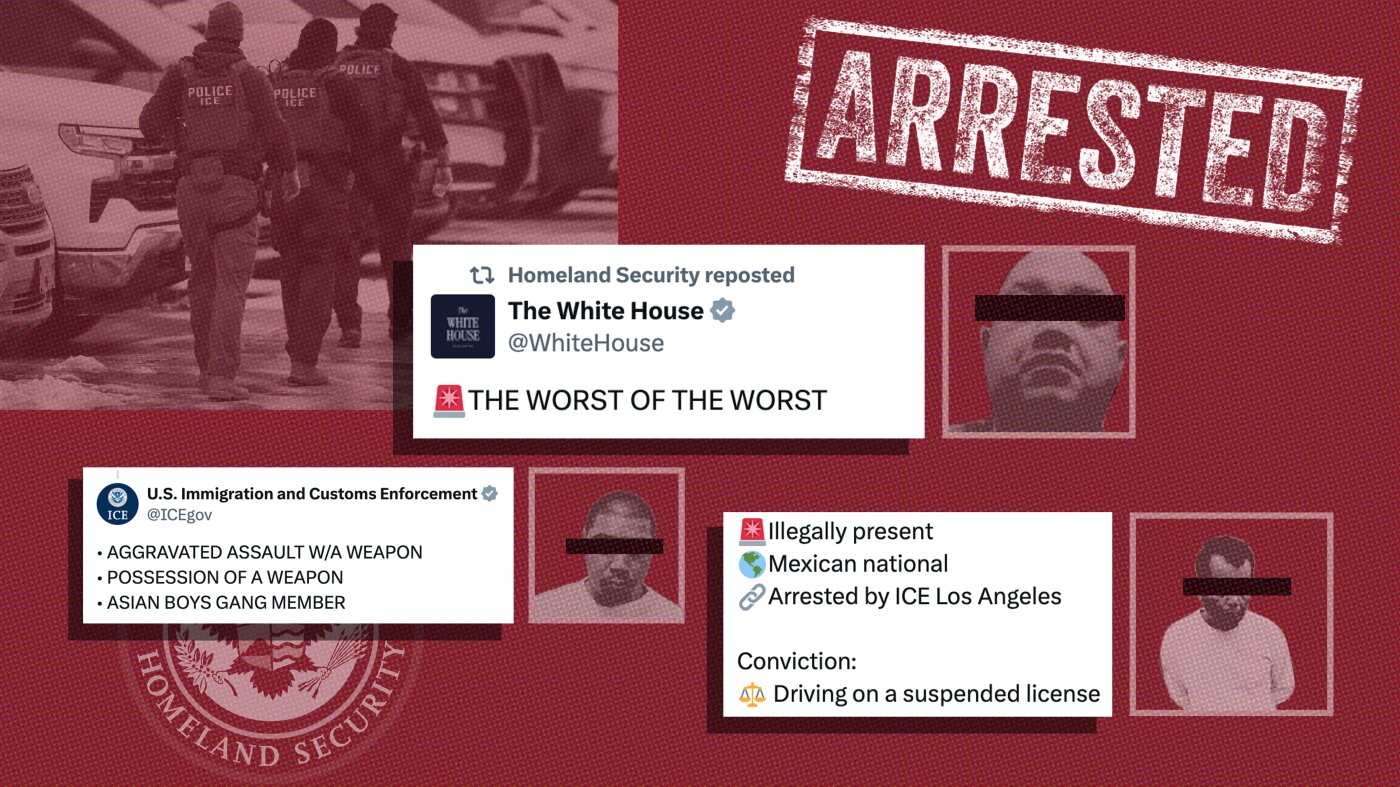
How the federal government is painting immigrants as criminals on social media

Where Iran’s ballistic missiles can reach — and how close they are to the US

Has India’s influence in Afghanistan grown under the Taliban?
-

 World2 days ago
Exclusive: DeepSeek withholds latest AI model from US chipmakers including Nvidia, sources say
-

 Massachusetts3 days ago
Mother and daughter injured in Taunton house explosion
-

 Montana1 week ago
2026 MHSA Montana Wrestling State Championship Brackets And Results – FloWrestling
-

 Louisiana5 days ago
Wildfire near Gum Swamp Road in Livingston Parish now under control; more than 200 acres burned
-

 Denver, CO2 days ago
10 acres charred, 5 injured in Thornton grass fire, evacuation orders lifted
-

 Technology7 days ago
YouTube TV billing scam emails are hitting inboxes
-

 Technology7 days ago
Stellantis is in a crisis of its own making
-

 Politics7 days ago
OpenAI didn’t contact police despite employees flagging mass shooter’s concerning chatbot interactions: REPORT