San Francisco, CA
Meet the District 2 candidates: How should SFUSD students be assigned to schools?


Welcome back to our “Meet the Candidates” series, where District 2 supervisor candidates respond to a question in 100 words or fewer. Answers are published every Tuesday.
District 2 covers neighborhoods in the north of the city including the Presidio, the Marina, Cow Hollow, Pacific Heights, Presidio Heights, Anza Vista and portions of the Western Addition and North of the Panhandle.
Every year, confused parents of children entering San Francisco’s public schools have to confront the lottery.
The system is theoretically simple. Parents provide a ranked list of their top choice San Francisco Unified School District picks by late January. SFUSD runs a lottery, and a few months later the district tells parents where their kid is assigned.
But parents hate it.
Making the list of schools is time consuming and the wait is anxiety-inducing, parents say. Plus, the results can be disappointing — an assignment to a school they didn’t want, or one with a start or end time that is impossible to coordinate around work schedules.
So why have a lottery system? The lottery started in 2002 after a court case that prohibited the district from considering race when making school assignments. But SFUSD didn’t want to simply send students to their nearest school, which would result in schools segregated by class and race, mirroring the city itself. So, it started using a lottery.
In the end, though, SFUSD data showed that the lottery system exacerbated inequality in the school system.
So, in 2020, SFUSD’s Board of Education voted to move San Francisco back to a zone-based system of school assignments. The hope was that the new zone system would lead to more predictability, students enrolled in schools closer to home, and more diverse classrooms.
In reality, figuring out how to divide the city into zones that allow for all three of those factors — predictability, proximity, and diversity — is a tall order. Though the new zones were supposed to be implemented by the 2026-2027 school year, there is no current proposal for what the zones would look like and no timeline for SFUSD switching over.
This week’s question: How should SFUSD students be assigned to schools?
Lori Brooke
- Job: President, Cow Hollow Association
- Age: 62
- Residency: Homeowner, moved to the district 31 years ago
- Transportation: Driving and walking
- Education: Bachelor’s degree from the University of California, Santa Barbara
- Languages: English
When assigning schools to students, SFUSD should prioritize accessibility, strong education and ensure schools across the city are equally resourced.
I have heard complaints from many parents that they would like the option to walk their kids to school and not have to send them an hour across the city every day.
We can improve the selection process to ensure that students can choose a school in their neighborhood. Limiting travel time will also give kids one less thing to worry about and ensure that they are more focused on their education.
See Brooke’s full response here.
Endorsed by: Former District 2 Supervisor Michela Alioto-Pier, former State Senator and Supervisor Quentin Kopp, UESF, CA Working Families Party … read more here.
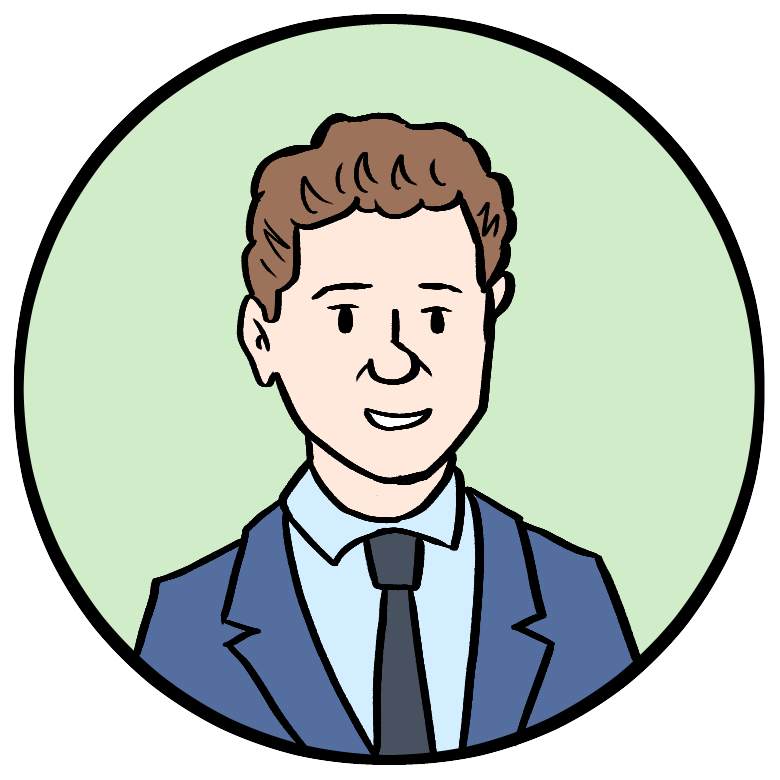
Stephen Sherrill
- Job: Appointed District 2 Supervisor
- Age: 39
- Residency: Homeowner, moved to the district 11 years ago
- Transportation: Driving, public transportation, biking
- Education: Bachelor’s degree from Yale University
- Languages: English
SFUSD should move to a simpler, more neighborhood-based assignment system. Families deserve a fair chance to attend a school closer to home, without a confusing citywide lottery or long commutes.
Assignment reform also has to be matched by a serious focus on school quality. In a district facing budget cuts and hard decisions about its footprint, resources should be concentrated so neighborhood schools can offer students the staffing, support, and academic programs they need. While the Board of Supervisors does not control SFUSD policy, I will continue to use this office to advocate for that approach.
See Sherrill’s full response here.
Endorsed by: Mayor Daniel Lurie, GrowSF, Nor Cal Carpenters Union, San Francisco Police Officers Association, SF YIMBY, Northern Neighbors … read more here.
Candidates are ordered alphabetically and rotated each week. Answers may be lightly edited for formatting, spelling, and grammar. If you have questions for the candidates, please let us know at io@missionlocal.com.
You can register to vote via the sf.gov website.



San Francisco, CA
Terrified passengers film Waymo autonomous vehicle driving into live fireworks in San Francisco

NEWYou can now listen to Fox News articles!
Passengers in a Waymo vehicle were terrified as the car drove into lit fireworks in the middle of a San Francisco street during Independence Day celebrations over the weekend.
Video footage of the incident shows a group of passengers who were shocked as the driverless car seemingly approaches lit fireworks in the middle of a street as the explosives are about to launch.
As the car gets closer, someone on the street appears to warn the vehicle to stop by waving their hand.
DELTA FLIGHT STRUCK BY FIREWORKS WHILE LANDING IN CHICAGO ON FOURTH OF JULY, FAA INVESTIGATES
Passengers in a Waymo vehicle were terrified as the autonomous car drove into lit fireworks in the middle of a San Francisco street during Independence Day celebrations. (Rose Peterson via Storyful)
“No, no, no, don’t go, don’t go, don’t go,” one of the passengers is heard saying off-camera.
The autonomous vehicle then passes over the colorful flames and sparks.
“Our Waymo just drove into a firework,” a passenger says in the clip.
ZOOX ROBOTAXI REDESIGN BRINGS BIG RIDER UPGRADES
A Waymo vehicle sits idling at an intersection with no operating traffic lights due to power outages, in San Francisco, Saturday, Dec. 20, 2025. (Jeff Chiu/AP Photo)
“Are we on fire, dude?” a fellow passenger asks.
A Waymo spokesperson told Fox News Digital that the company “is committed to keeping our riders safe and earning the trust of the communities where we operate.”
“We take situations like this seriously and are committed to evaluating and learning from these events,” the statement continued.
BROOKLYN BRIDGE CATCHES FIRE AMID NYC FIREWORKS DISPLAY AS TRUMP HAILS IT IN DC SPEECH
No injuries were reported to either the passengers or the vehicle, and the company reached out to the riders after their trip. The possession of fireworks, even “Safe and Sane” explosives, is illegal in San Francisco, the city’s fire department said.
One woman was killed and two other adults and a child were injured Saturday in a separate fireworks explosion, the San Francisco Chronicle reported.
Elsewhere in San Francisco, some Waymo vehicles were towed when their batteries died after vehicles became stuck in traffic for hours.
CLICK HERE TO DOWNLOAD THE FOX NEWS APP
“Our priority is keeping San Francisco moving safely, especially during major city celebrations,” the Waymo spokesperson said. “On the Fourth of July, extreme traffic congestion in northern San Francisco disrupted normal operations for several Waymo vehicles.”
“In coordination with local authorities and emergency services, our roadside assistance team worked quickly to clear our vehicles from the area,” the statement continued.
San Francisco, CA
A Locals-Approved Modern Guide to Fisherman’s Wharf: Seafood, Beer Gardens + Iconic Bay Views

Most locals wouldn’t come within a quarter mile of kitschy, over-touristed Fisherman’s Wharf if they didn’t have to.
But if the last time you visited the neighborhood was when family were in town, prepare to be surprised. There’s more to this waterfront neighborhood than meets the eye—and more to come, as the resurgence of the area, hit hard in the pandemic, picks up speed.
In our locals guide to Fisherman’s Wharf, we remove the wheat from the chaff, directing you only to the good stuff that’s hiding in plain sight—along with a neighborhood hotel recommendation for when those out-of-towners inevitably come to visit.
Where to Eat in Fisherman’s Wharf
Contemporary Filipino at Abacá
(Courtesy of @restaurantabaca)
Scoma’s (1965 Al Scoma Way) is one of the city’s best seafood spots, and not just because it’s located right where the city’s last working fishermen bring in their daily catch. The bayfront restaurant has been in business since 1965 and it has a classy, old-school vibe with a warren of small dining rooms with views, signed memorabilia on the walls, and a mid-century-style showpiece bar at its center. Their cioppino is legendary, along with their Dungeness crab cakes, Louie salads, and perfectly-spiced Bloody Marys. // A leader in San Francisco’s contemporary Filipino food boom, Abacá (2700 Jones St.) chef Francis Ang is known for his creative, California-influenced takes on traditional flavors and dishes. Inside an airy atrium on the ground floor of the Kimpton Alton, the bright and unintimidating restaurant has an extensive lineup of seasonal small plates, barbecued skewers, noodle and rice dishes (you must try the lobster noodles!), and mains like stuffed quail tinutungan with fava beans and morel mushrooms. Don’t skip the cocktails: they’re inventive, unexpected, and pair beautifully with the food. // Stop by Cafe de Casa (685 Beach St.) at breakfast and lunch for Brazilian cheese bread sandwiches, tapioca crepes, and escondidinho, along with a variety of espresso drinks. // A recent addition to the neighborhood is the Japanese-inspired grab-n’-go vegetarian eatery, coffee shop, and market, Bunny Cafe (1327 Columbus Ave.), so named for its lounge full of adorable, adoptable rabbits. They work with a different local rescue organization every quarter, helping to find needy bunnies new homes, and you can reserve a 30-minute spot to visit them whether you’re in the market for a rescue or not. // Korean restaurant Surisan (505 Beach St.) serves up a mix of American-style and K-breakfasts by morning (think jook, bulgogi fried rice, and benedicts) and Korean fried chicken, BBQ, and dishes like bibimbap for lunch and dinner in an inviting, industrial-accented space off the tourist track. // On the second level at the entrance to Pier 39 is Eagle Cafe (Pier 39, Floor 2, A-201), a Fisherman’s Wharf staple since 1928 serving up crowd-pleasing classic breakfasts and lunches like fish and chips and burgers. If the weather is cooperating, eat out on their balcony overlooking the water. // Fog Harbor Fish House is the best spot for dinner on Pier 39. You may be one of the few locals in the crowd but if you’re in the mood to crack into a whole Dungeness crab or take down some clam chowder in a sourdough bread bowl, this family-owned restaurant specializing in responsibly-sourced, sustainable seafood is the place to do it (plus, you can’t beat the views).
Coming Soon
The second location of affordable, delicious Saigon Sandwich (333 Jefferson St., #125) is set to open in Fisherman’s Wharf later this summer, adding soju cocktails to the menu alongside its beloved banh mi. // Cult-favorite fast-foodery Raising Cane’s is also planning to open later this summer, bringing their famous chicken fingers and Texas toast to the neighborhood (211 Jefferson St.).
Where to Drink Coffee, Cocktails + Beer

Humble Sea opened a beer garden on Pier 39 in 2025.
(Courtesy of @humblesea.sf)
The Buena Vista (2765 Hyde St.) has built its reputation on Irish Coffee, which was allegedly invented by a bartender here in 1952. But the classic cafe with wide windows overlooking the bay next to the cable car turnaround has charmed many a local and visitor for decades (check out the behind-the-bar memorabilia from frequent patron, Hunter S. Thompson). It’s an ideal spot for a nostalgic cocktail—coffee-flavored or otherwise. // Humble Sea (Pier 39, Unit N-111-1) may be a fairly recent addition to Pier 39 but the whimsical, ocean-themed brewery has been making waves since it opened its first taproom in Santa Cruz in 2017. Its newest location has a beer garden on the wharf, and a colorful indoor bar with plenty of hoppy IPAs on tap. // Tiny Signal Coffee Roasters (2701 Leavenworth St.) will brighten up your morning with small-batch, house-roasted coffee drinks and beans, specialty bevvies, and in-house bakes.
Coming Soon
Later this summer, homegrown SF brewery Woods Beer & Wine Co. will open their new taproom in the nautical-themed remains of the historic former seafood spot, Fishermen’s Grotto No. 9 (2847 Taylor St.). The long-term pop-up is slated to have a full liquor license that will add barrel-aged and batched cocktails to their craft beer and wine offerings.
What to Do in Fisherman’s Wharf
A scene from one of the antique games at Musée Mécanique
(Courtesy of @museemecaniquesf)
If you’re not charmed by the Musee Mechanique (Pier 45), you’re dead inside. No, seriously: This place is an absolute gem, featuring more than 300 antique mechanical arcade games (one of the world’s largest private collections) kept lovingly in working order. Many originally came from Playland, the amusement park that operated on Ocean Beach from 1928 to 1972, (along with creepy Funhouse mascot Laffing Sal) and each machine costs just 25 to 50 cents to play. // You don’t have to be from away to want to spend some time with the sea lions at the Viewing Area at K Dock (Pier 39). The pinnipeds post up here by the dozens all year round, barking, sparring, and swimming in the bay, oblivious to the crowd of onlookers. Come in spring to see babies just old enough to climb onto the docks. // If you get a kick out of the more gruesome side of science, check out the Truhlsen-Marmor Museum of the Eye (645 Beach St.). On the ground floor of the American Academy of Ophthalmology, it’s chock-full of interesting exhibits about eyeball anatomy, vision, perception, and medical innovation. // Despite its recent scandal, the Cartoon Art Museum (781 Beach St.), an institution endowed by comic god Charles Schulz, is worth a visit for its small but well-curated collection of cartoon and comic book art. // If you’re into naval history, step on board the S.S. Jeremiah O’Brien (Pier 35) or U.S.S. Pampanito (Pier 45), a restored naval ship and submarine from the World War II era.
Where to Stay in Fisherman’s Wharf
Guest rooms at Hyatt Centric Fisherman’s Wharf have just been completely renovated with an eye towards guest wellness and sustainability.
(Courtesy of Hyatt Centric Fisherman’s Wharf San Francisco)
If you’ve got friends or family coming into town who’d rather avoid staying in the hustle of downtown, Fisherman’s Wharf is a good, transportation-connected alternative. While the Kimpton Alton (2700 Jones St.) is the most luxurious option in the neighborhood, the Hyatt Centric Fisherman’s Wharf (555 North Point St.) is an excellent, more affordable alternative that’s just been completely renovated with a special emphasis on sustainable design and guest wellness. The freshly redone guest rooms—some of the most spacious in town—have a modern look accented in responsibly harvested wood and natural materials free of toxic substances, bronzed lighting and mirrors, patterned wall coverings, and subtle nautical accents.
An outdoor sun deck framed by the hotel’s upper floors has a heated pool and hot tub, along with new loungers and cabanas, and the 24-hour fitness center is full of top notch equipment including treadmills, bikes, and free weights (in-room yoga classes are also available on demand). Brick & Beam, the hotel’s signature, brick-walled gastropub, is open all day, serving generous plates of brioche French toast and croissant sandwiches at breakfast, and a wide range of handhelds, flatbreads, and other crowd pleasers at lunch and dinner. Note the happy hour at the full bar (5:30pm to 7:30pm), where margaritas, beer, and wine are just $6—definitely among the lowest prices in town. A 24-hour market in the lobby also offers snacks and drinks to go. You can’t beat the location which is just two blocks back from the water and a short walk from Pier 39.

San Francisco’s Fourth of July celebration along the city’s waterfront quickly turned into hours of gridlock, dangerous fireworks incidents and a surge in emergency calls.
Thousands packed Crissy Field to watch fireworks launched from the Golden Gate Bridge. But once the show ended, it wasn’t exactly a smooth ride home.
While many left with great memories. Others found themselves stuck for hours in gridlock, caught in a massive backup involving dozens of Waymo cars, while firefighters across the city were responding to fires and serious fireworks injuries.
For Rose Peterson, the ride home after San Francisco’s Fourth of July fireworks took an unexpected turn.
“We were pulling up to a four-way stop and this guy was shooting off a firework in the middle of the road, and then our Waymo starts driving, and we’re like ‘Wait, what’s happening?’,” she said.
No one inside was hurt, but Peterson says the experience left her questioning how autonomous vehicles respond in unpredictable situations.
“I definitely think it needs to be more sensitive of anything that can come into the path of the road,” she said.
That wasn’t the only challenge after the show.
As thousands left Crissy Field and the Presidio, traffic came to a standstill. Among those stuck was Dave Guingona, who had friends visiting from the Philippines and wanted to show them a memorable Fourth of July in San Francisco.
“Five minutes, 10 minutes, 15 minutes went by, then we realized people were getting out of their cars, yelling and screaming at these Waymos because there were no drivers,” he said.
He says nearly two hours later, Waymo employees finally began driving the vehicles out.
“They had a great time, but this is what they’re going to remember for the rest of their lives. This was unbelievable,” he said.
While traffic barely moved, San Francisco firefighters responded to more than 500 calls for service, including four fireworks-related wildfires, numerous outside fires across the city and a vehicle fire on Connecticut Street believed to have been sparked by illegal fireworks.
Crews also responded to two life-altering fireworks injuries.
Captain Jonathan Baxter says the incident Peterson experienced in the Waymo was another reminder of how quickly things could have turned tragic.
“That situation could’ve had a far worse outcome—not only for the individuals in the car that could’ve been injured or worse—but for the individuals who lit the fireworks. They could have their life altered for the rest of their lives as well,” Baxter said.
Waymo says extreme traffic congestion disrupted operations for several vehicles after the fireworks and crews worked with city officials to clear them from the area.
The company also says it’s evaluating the incident surrounding fireworks, adding it’s committed to learning from situations like this.
San Francisco fire officials are reminding people that even fireworks marketed as “safe” can cause devastating injuries and fires. As for Waymo, the company says it’s reviewing both last night’s traffic congestion and the incident involving Rose’s ride as it looks for ways to improve operations during major events.
-
Tennessee2 minutes ago
TN Lottery Powerball, Lotto America winning numbers for July 6, 2026
-

 Texas9 minutes ago
Supreme Court won’t block Texas from enforcing a law requiring age verification for app downloads
-

 Utah17 minutes ago
Memphis Grizzlies vs Utah Jazz Jul 6, 2026 Game Summary
-
Vermont24 minutes ago
VT Lottery Powerball, Gimme 5 results for July 6, 2026
-

 Virginia27 minutes ago
Virginia man charged with murder in crash that killed family of 4 on I-75 in Oakland County
-

 Wisconsin41 minutes ago
Wisconsin DOT begins $6.87M I-41 ramp deck overlay upgrades in Brown County Tuesday
-

 West Virginia47 minutes ago
11 Marshall student athletes suing NCAA over new rule – WV MetroNews
-

 Wyoming54 minutes ago
Election Q&A: Qwenton Eagle Oviatt for Wyoming secretary of state

