Montana
Montana Ag: Pheasant Program at State Prison Creates Unique Opportunities

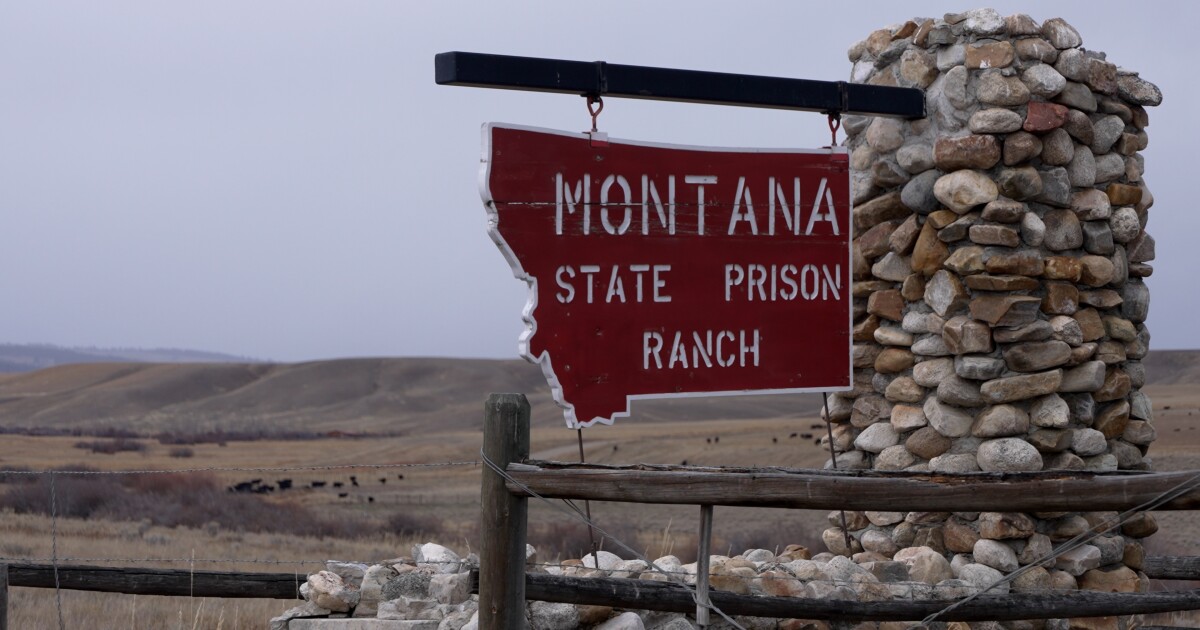
DEER LODGE — Just under a dozen inmates at the Montana State Prison spend their days working on the Pheasant Ranch, combining two Montana traditions: agriculture and hunting.
The program offers well-behaved inmates the opportunity to raise pheasants from hatchery to release, providing both valuable life skills and a sense of accomplishment that’s often missing behind bars.
(WATCH: Montana Ag: Pheasant Program at State Prison Creates Unique Opportunities)
Montana Ag: Pheasant Program at State Prison Creates Unique Opportunities
“Feels good to have done a hard day’s work and actually be able to feel like you’ve accomplished something instead of just sitting in a cell day long,” said Mark McGuire.
MTN News
The work provides more than just a daily routine. It offers a chance to contribute something meaningful to the community.
“Gives you a sense of pride, especially when you see the birds going out for other people to enjoy,” said Bill Dunmire.
The Montana Correctional Enterprises programs provide jobs like the ones in the pheasant operation. Other opportunities include range cattle, dairy and dairy processing, irrigation, and fire crew. Altogether, up to 85 inmates can work while serving time.
MTN News
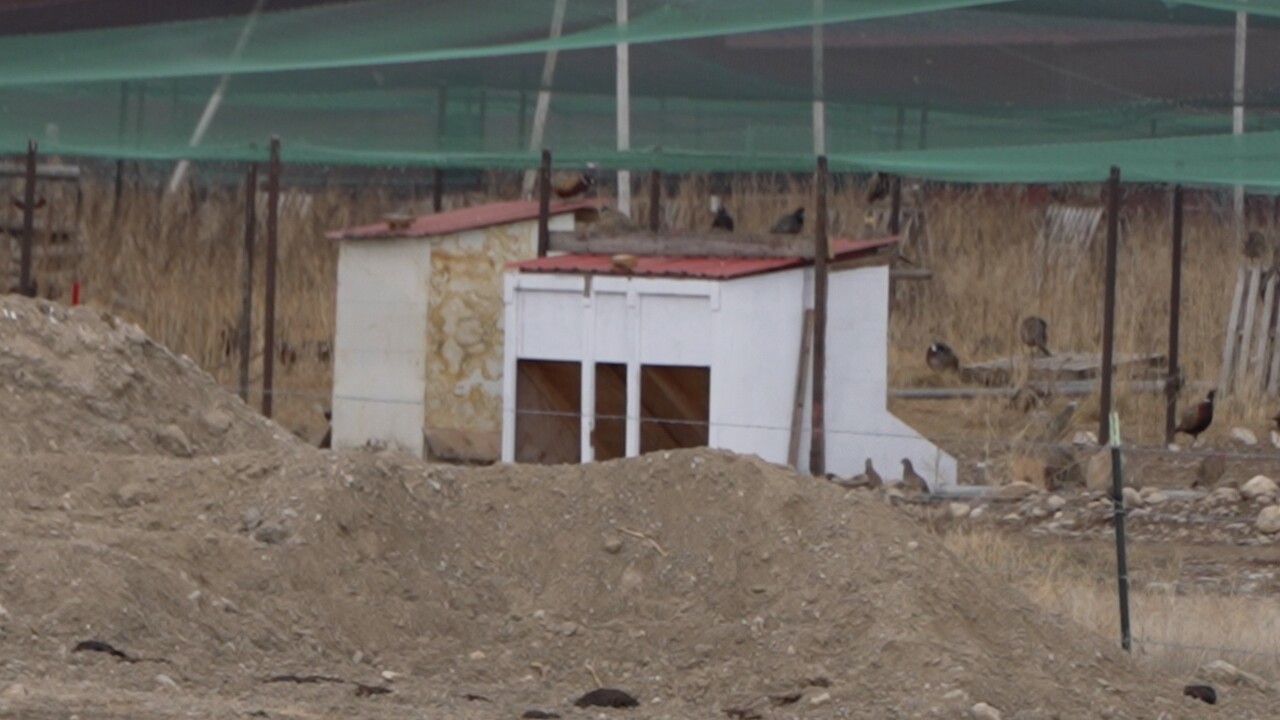
Nicholas McMaster, a ranch supervisor, said he finds it rewarding to watch the personal growth of the men in the program.
“Well, some of it is just learning how to get along with each other, you know? A lot of guys are here because maybe they couldn’t get along on the outside. I really try to work on them with that, and I’ve got a really good crew right now. They have fun and they work hard and they do what’s needed and then some,” McMaster said.
The inmates told MTN that prison can be a lonely place, but the pheasant program provides opportunities to care for the birds from the hatchery, all the way to their eventual release into Montana’s wild areas.
For some inmates, the experience is training them for goals beyond their sentence.
“For someone that aspires to open up his own dog rescue someday, it’s really been an experience on learning how to raise these animals,” McGuire said.
The pheasants are raised in collaboration with Montana Fish, Wildlife & Parks in their “Roosters for Recruitment” initiative to provide hunting opportunities for hunters, especially youth hunters. Thousands were transported from the prison and released this fall to about 30 different sites across the Treasure State.
Montana Department of Corrections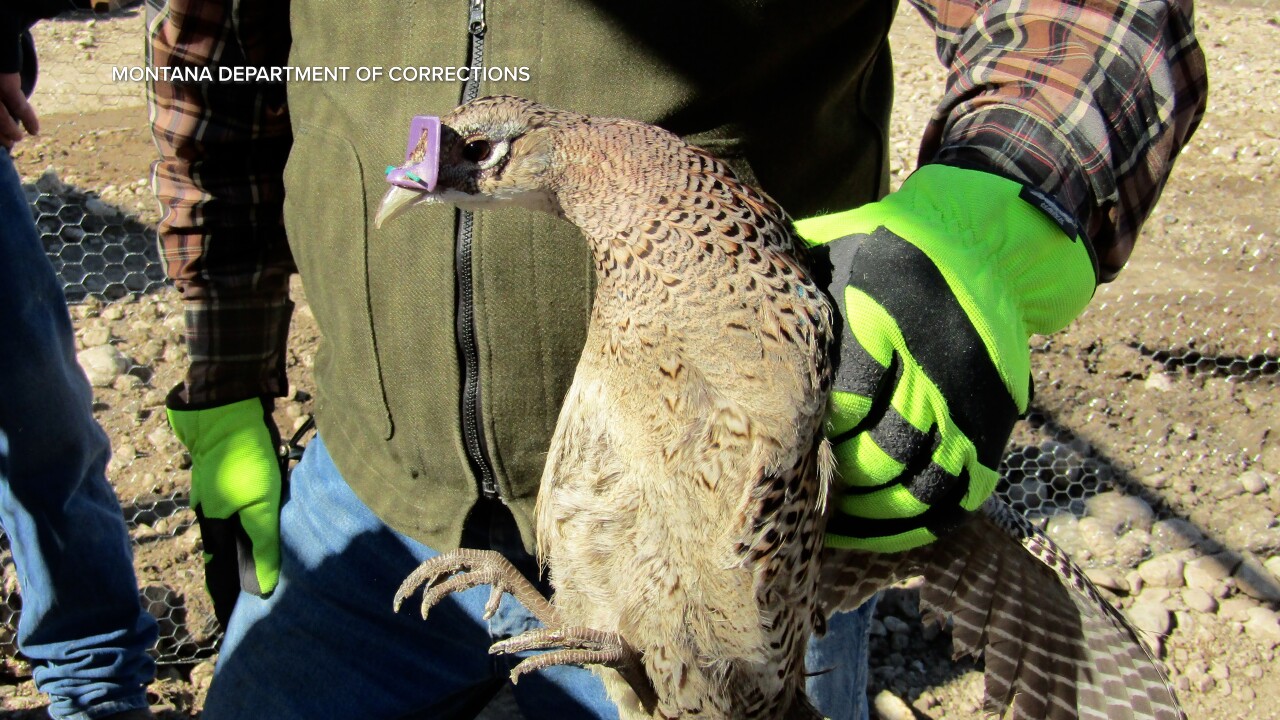
The prison ranch operates year-round, even after hunting season begins. Workers learn additional life skills, including maintenance, carpentry and welding.
National studies show a 7% reduction in recidivism for those who learn a new skill, and a 14% reduction when applying that skill to a job while in prison.
“It makes a world of difference to our morale and how we affect each other,” said Thomas Williams.
Strict biosecurity measures are in place to protect the flock from diseases like avian flu, limiting access to authorized personnel only.
Feeding, watering and preventing disease are among the daily requirements for maintaining a healthy pheasant flock. Some inmates had no prior knowledge of caring for the birds, but now they know better than just about anyone else in the state.
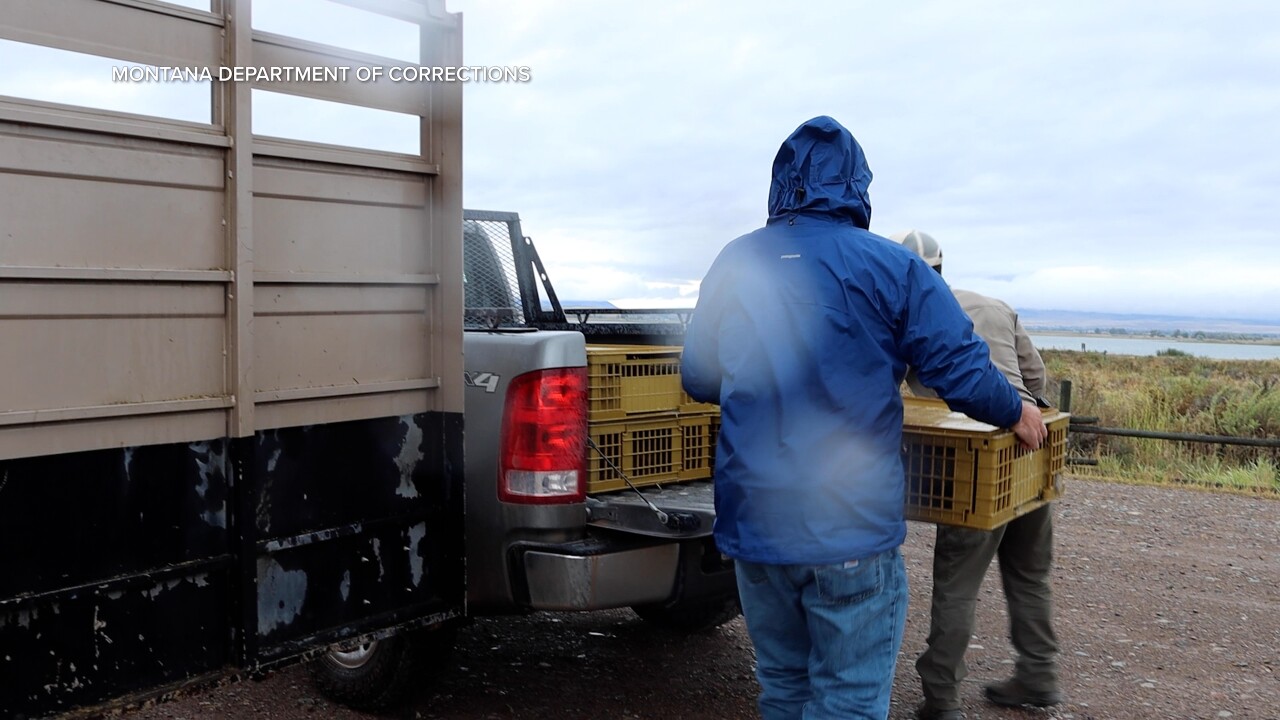
Montana Department of Corrections
Since pheasants started hatching in Deer Lodge, there have been 85,000 birds released across the state, with an estimated 60,000 set to be released next year, along with the addition of the flight pens at Pine Hills
With the program continuing to expand each year, more opportunities for incarcerated individuals will be created, while also furthering support for Montana’s hunting community.
Inmates said they take satisfaction in knowing their work benefits others.
“When I hear about people hunting the pheasants we raise. It just puts joy into my heart,” Williams said.





The Montana Lottery offers multiple draw games for those aiming to win big.
Here’s a look at April 16, 2026, results for each game:
Winning Big Sky Bonus numbers from April 16 drawing
08-16-24-30, Bonus: 13
Check Big Sky Bonus payouts and previous drawings here.
Feeling lucky? Explore the latest lottery news & results
When are the Montana Lottery drawings held?
- Powerball: 8:59 p.m. MT on Monday, Wednesday, and Saturday.
- Mega Millions: 9 p.m. MT on Tuesday and Friday.
- Lucky For Life: 8:38 p.m. MT daily.
- Lotto America: 9 p.m. MT on Monday, Wednesday and Saturday.
- Big Sky Bonus: 7:30 p.m. MT daily.
- Powerball Double Play: 8:59 p.m. MT on Monday, Wednesday, and Saturday.
- Montana Cash: 8 p.m. MT on Wednesday and Saturday.
- Millionaire for Life: 9:15 p.m. MT daily.
Missed a draw? Peek at the past week’s winning numbers.
This results page was generated automatically using information from TinBu and a template written and reviewed by a Great Falls Tribune editor. You can send feedback using this form.

The Montana Lottery offers multiple draw games for those aiming to win big.
Here’s a look at April 15, 2026, results for each game:
Winning Powerball numbers from April 15 drawing
13-21-27-43-45, Powerball: 26, Power Play: 5
Check Powerball payouts and previous drawings here.
Winning Lotto America numbers from April 15 drawing
17-18-31-46-51, Star Ball: 02, ASB: 02
Check Lotto America payouts and previous drawings here.
Winning Big Sky Bonus numbers from April 15 drawing
02-07-11-21, Bonus: 07
Check Big Sky Bonus payouts and previous drawings here.
Winning Montana Cash numbers from April 15 drawing
02-13-18-38-42
Check Montana Cash payouts and previous drawings here.
Feeling lucky? Explore the latest lottery news & results
When are the Montana Lottery drawings held?
- Powerball: 8:59 p.m. MT on Monday, Wednesday, and Saturday.
- Mega Millions: 9 p.m. MT on Tuesday and Friday.
- Lucky For Life: 8:38 p.m. MT daily.
- Lotto America: 9 p.m. MT on Monday, Wednesday and Saturday.
- Big Sky Bonus: 7:30 p.m. MT daily.
- Powerball Double Play: 8:59 p.m. MT on Monday, Wednesday, and Saturday.
- Montana Cash: 8 p.m. MT on Wednesday and Saturday.
- Millionaire for Life: 9:15 p.m. MT daily.
Missed a draw? Peek at the past week’s winning numbers.
This results page was generated automatically using information from TinBu and a template written and reviewed by a Great Falls Tribune editor. You can send feedback using this form.

Georgia Democrats try to make their move in a jumbled, low-dollar primary for governor

‘Really gross’: Windward Oahu school infested with millipedes
Idaho Lottery results: See winning numbers for Pick 3, Pick 4 on April 16, 2026

Before Beatlemania, George Harrison visited his sister in Illinois. The house is now for sale

Indiana targets businesses hiring workers in country without legal permission

Florida High School Football Rankings: Top 25 teams – Oct. 21

How old is Bo Nix? What to know about Oregon quarterback ahead of 2024 NFL Draft

Cleary's 21 help Le Moyne down Central Connecticut State 69-64 in OT

99th annual Pony Swim held in Virginia

Indiana Members Credit Union announced as new anchor tenant at Bottleworks District

Firefighters Likely Had Limited View of Approaching Plane in LaGuardia Crash

Tennessee governor signs nuclear family month resolution as critics push back on exclusions

Displaced Lebanese wary as ceasefire between Israel and Hezbollah begins

Retired Coast Guard officer with decades of public health experience is Trump’s pick to lead CDC | CNN

Video: A Look at the Plans for Trump’s ‘Triumphal Arch’
-

 Ohio3 days ago
‘Little Rascals’ star Bug Hall arrested in Ohio
-

 Georgia1 week ago
Georgia House Special Runoff Election 2026 Live Results
-

 Arkansas7 days ago
Arkansas TV meteorologist Melinda Mayo retires after nearly four decades on air
-

 Austin, TX1 week ago
ABC Kite Fest Returns to Austin for Annual Celebration – Austin Today
-

 Politics2 days ago
Dem fundraising giant in the hot seat as GOP lawmakers demand answers over dodged subpoena
-

 Politics5 days ago
Trump blasts Spanberger ahead of Virginia meetings, says state faces tax base exodus like New York, California
-

 Health1 week ago
Woman discovers missing nose ring traveled to her lungs, causing month-long cough
-

 San Francisco, CA4 days ago
President Trump terminates Presidio Trust