Idaho
Op-Ed: Compromise Politics – Do We Become More Free When We Compromise?


As I ponder this question, I cannot think of a single instance where compromise has made us better. Have we lessened our debt through compromise? Have we stopped shedding the blood of innocent unborn children because of compromise? Has education improved? Have we stopped the sodomy of our youth? How about protecting our lands, our borders, our water, our liberties, our freedoms—have these been safeguarded through compromise? How about gun control? Compromise will always infringe on the Second Amendment. Can you think of one thing that has improved because of compromise?
Did our Founding Fathers compromise to give us our Constitutional Republic? One of the fiercest arguments was over congressional representation—should it be based on population or divided equally among the states? The framers compromised by giving each state one representative for every 30,000 people in the House of Representatives and two representatives in the Senate. They agreed to count enslaved Africans as three-fifths of a person. Slavery itself was a thorny issue that threatened to derail the Union. It was temporarily resolved when the delegates agreed that the slave trade could continue until 1808.
They counted Africans as three-fifths of a person. Going back to the definition of compromise—“accept standards that are lower than desirable”—this would be a difficult compromise for me, to say someone is less than a person. Did we get the Constitution ratified because of this compromise? Yes, we did, but we later fought a Civil War to recognize their full humanity. Compromise always comes at a cost later.
Compromising on what song will be our National Anthem, what our State Flag will look like, or how many days we will be in session—these are compromises I can be flexible on. However, when it comes to compromising on life, suggesting that some are less than human, or compromising my morals, principles, or integrity, that is something I will protect and defend.
Adulterous people! Do you not know that friendship with the world is enmity with God? Therefore whoever wants to be a friend of the world makes himself an enemy of God. James 4:4

If you can think of one instance in the last ten years where compromise has protected life, liberty, and the pursuit of happiness, please share.
This Op-Ed was written by Idaho Senator Glenneda Zuiderveld and originally published on Substack. Op-Eds do not necessarily reflect the views and opinions of those at the Idaho Dispatch.
Tags: 2A, Abortion, Border, Compromise, Constitutional Republic, Education, Founding Fathers, Guns, Idaho Legislature, Land, Politics, Second Amendment, Senator Glenneda Zuiderveld, Water



ONTARIO, Oregon — A fire in a lot near W. Idaho Ave and South Oregon Street in Ontario has visibly damaged sheds and power lines.
Idaho News 6 arrived at the scene Sunday morning at around 12 p.m., finding nearby sheds across a fence line scorched, but standing. Power lines appeared to be damaged in the blaze.
No fire, police, or EMS were still on scene, and there were no surrounding road closures.
Idaho News 6 has reached out to officials and is awaiting additional information.

ADRIAN, Oregon — The Friends of the Owyhee organized a clean-up in Malheur County in Oregon, and volunteers came out to pick up trash and get rid of abandoned campers.
“We had two abandoned RV’S and a camper that were abandoned out on public lands,” said Tim Davis, who runs the Friends of the Owyhee. “They were sitting there for upwards of a year, and it is really clear that it is hard to get rid of these.”
WATCH| Check out the video to see volunteers demolish a camper—
Volunteers camp out for the Succor Creek Clean-Up in the Owyhees
Davis worked with the local sheriff’s office and the BLM to remove the campers, but he found it difficult because there was no place to take these recreational vehicles. The Gambler 500, an off-road group, brought out some people to demolish a camper with an excavator.
“That is awesome to see the turnout with the army of volunteers we have today,” said Brian Arndt of the Gambler 500 group. “We are going to be able to get the camper all in the dumpster, get it cleaned down to the frame, and then everything that can be recycled will be recycled.”
Volunteers camped out on Succor Creek Road on Friday night so they could get an early start on Saturday. Many volunteers will camp out again on Saturday night and finish the clean-up on Sunday.
“Malheur is the 12th largest county in the United States, and it’s 74 percent public land,” said Davis. “We have very few resources with the BLM; they are understaffed, they have one rec planner right now, so us, as public land owners, should be able to step up and keep this place clean.”
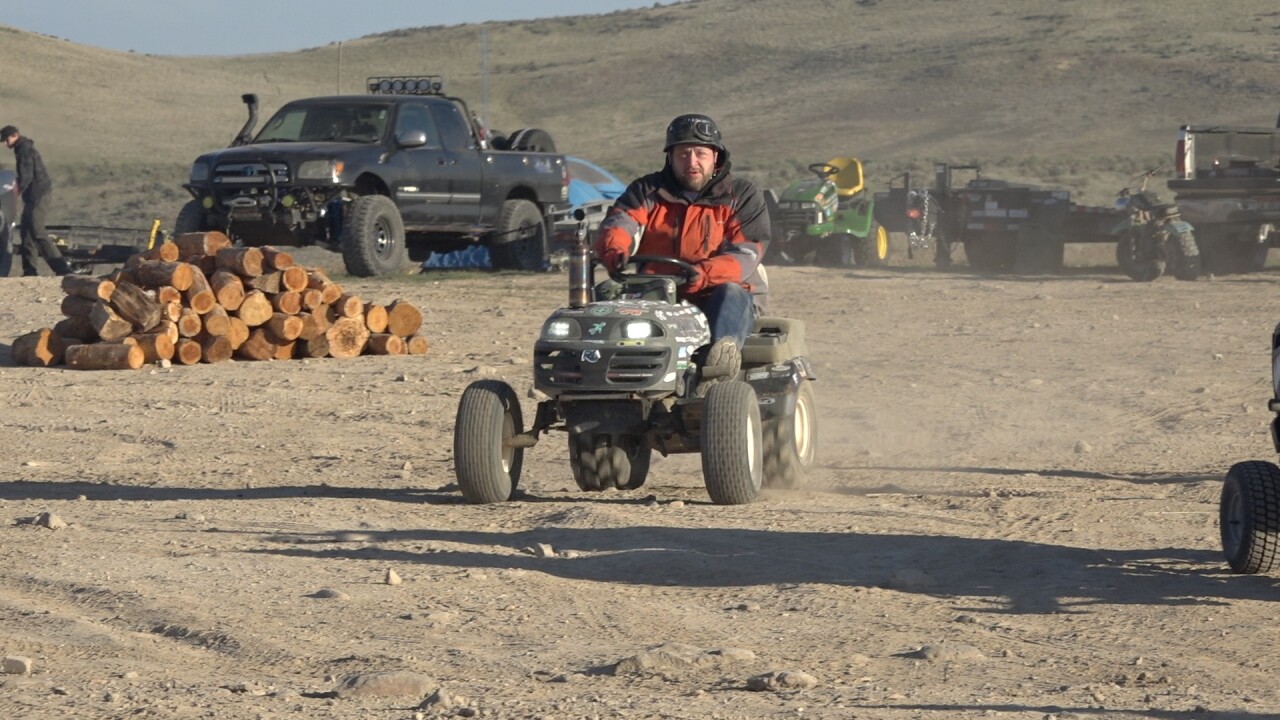
Lela Blizzard works as the lone recreational planner for the Vail District of the BLM, who says most sites have signs that say pack it in and pack it out. She says the BLM really needs the cooperation of the public because of how large it is, and she was happy to see how many volunteers showed up.
“I just want to tell them thank you because I know they are taking time out of their weekend to come out here to help us make sure the land continues to look nice for everyone who comes out to enjoy it,” said Blizzard.

Griz Ward is one of the volunteers, and he enjoyed camping out, but he also would like to see people pick up after themselves. When it comes to outdoor recreation, it is so important to be part of the solution and not part of the problem.
“If you come out here and play in the area, be respectful,” said Ward. “Pack it in and pack it out, leave no trace and do the right thing, or frankly, stay home.”
The Succor Creek Clean-Up also received a lot of support from the Treasure Valley, as they got donations from the Ontario Sanitation Service with the dumpsters, Tates Rents with the excavator, and United with porta-potties for the campsite.
Send tips to Idaho Backroads neighborhood reporter Steve Dent
Have an Idaho Backroads story idea? Share it with Steve below —

IDAHO — ‘No Kings 3’ protests will take place throughout Idaho on March 28, including in Boise and Twin Falls.
According to the Idaho 50501 Facebook page, there will be speakers & musicians playing at protests across the Treasure Valley.
Protests will take place in Boise, Caldwell, Nampa, Mountain Home, Twin Falls, and other Idaho cities.
NoKings.org
On March 28, Neighborhood Reporters Allie Triepke & Lorien Nettleton will bring coverage of the Boise & Twin Falls protests on Idaho News 6 at 10.
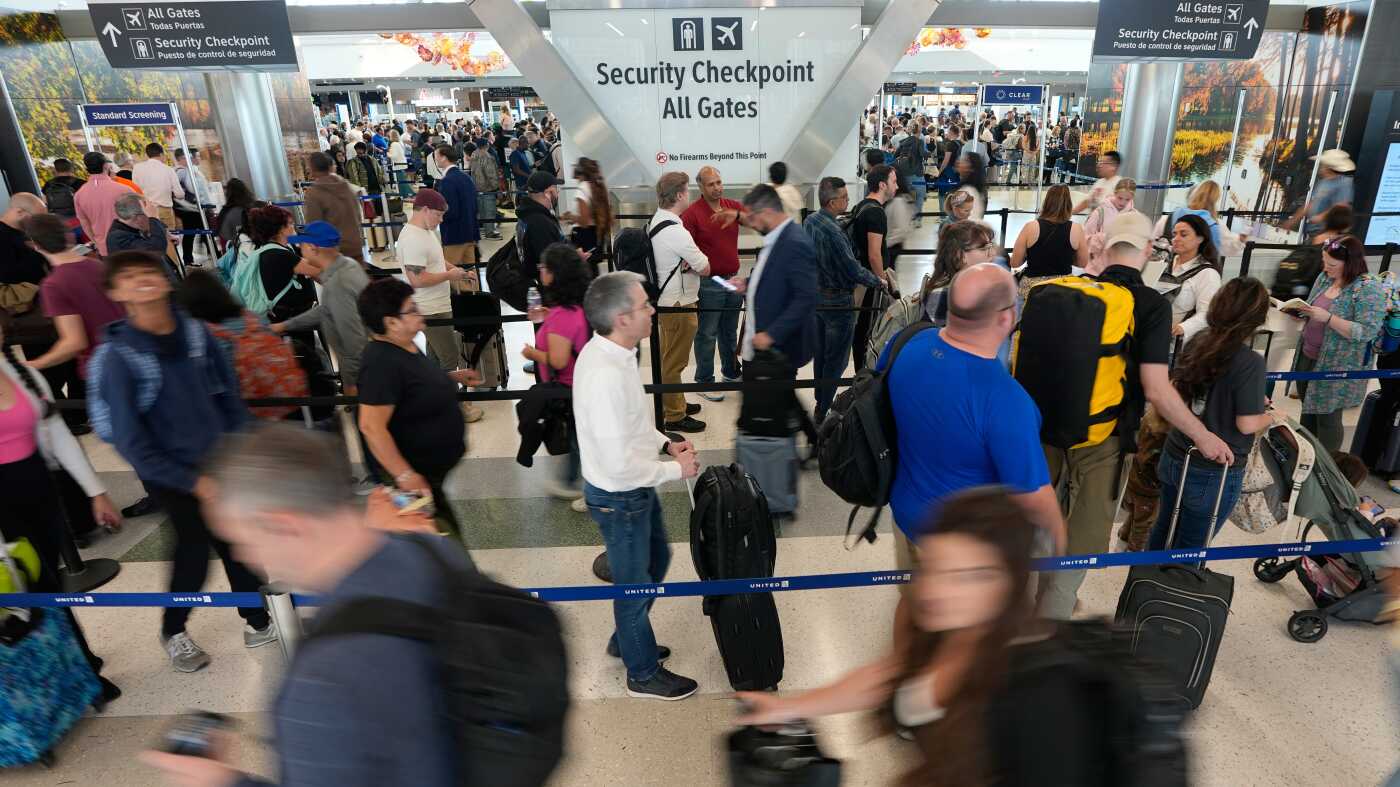
ICE officers could remain at airports after TSA workers are paid

Wolverines make Frozen Four

Bay Area residents hold rally in SF as war with Iran enters 2nd month

Dallas Jenkins says he is the ‘evangelical mascot of the LDS church’ and talks Easter celebrations

New video shows aftermath of police shooting in Downtown Miami

Florida High School Football Rankings: Top 25 teams – Oct. 21

How old is Bo Nix? What to know about Oregon quarterback ahead of 2024 NFL Draft

Cleary's 21 help Le Moyne down Central Connecticut State 69-64 in OT

99th annual Pony Swim held in Virginia

Indiana Members Credit Union announced as new anchor tenant at Bottleworks District
ICE officers could remain at airports after TSA workers are paid

Scathing report claims nation’s oldest labor union ‘betrayed’ MAGA members through ‘shocking’ spending

Republican US lawmaker demands Congress vote on any Iran troop deployment

So you went to a No Kings protest. Now what?

JD Vance says he was ‘obsessed’ with UFOs, believes aliens are actually ‘demons’
-

 Sports1 week ago
IOC addresses execution of 19-year-old Iranian wrestler Saleh Mohammadi
-

 New Mexico1 week ago
Clovis shooting leaves one dead, four injured
-

 Miami, FL4 days ago
Jannik Sinner’s Girlfriend Laila Hasanovic Stuns in Ab-Revealing Post Amid Miami Open
-

 Tennessee6 days ago
Tennessee Police Investigating Alleged Assault Involving ‘Reacher’ Star Alan Ritchson
-

 Minneapolis, MN4 days ago
Boy who shielded classmate during school shooting receives Medal of Honor
-

 Politics1 week ago
Schumer gambit fails as DHS shutdown hits 36 days and airport lines grow
-

 Science1 week ago
Record Heat Meets a Major Snow Drought Across the West
-

 Technology1 week ago
YouTube job scam text: How to spot it fast