Idaho
8 Best Lakeside Towns in The Pacific Northwest


The Pacific Northwest is a region of the United States that covers the states of Oregon, Washington, and Idaho. It is renowned worldwide for its natural beauty, with numerous iconic state and national parks sitting within it.
From the deserts of southern Idaho to the rainforests of Washington’s Olympic Peninsula, the Pacific Northwest is also home to a number of lakes that are worth checking out too. Let’s look at some of the best lakeside towns you can stop at in the PNW during your next trip to the region. From accommodations with great views to idyllic swimming holes, see what gems you can visit today!
Sandpoint, Idaho
Sandpoint, located on the northern shore of Lake Pend Oreille, is one of the most popular lakeside communities in the Pacific Northwest. This town of around 10,000 residents is surrounded by the Selkirk, Cabinet, and Bitterroot mountain ranges, making for a gorgeous backdrop against the waters of the lake.
Lake Pend Oreille, the largest lake in Idaho, provides ways for visitors and residents alike to go swimming, boating, and fishing during the summer months, while its 111 miles of shoreline offer plenty of scenic spots for picnicking and hiking.
Downtown Sandpoint contains many amenities, including locally owned shops, hotels, and restaurants. The town has a focus on the arts, which is showcased at the historic Panida Theater, which hosts concerts, plays, and film screenings throughout the year. For another unique experience in the summer, visit the Sandpoint Farmers Market, where local crafts, produce, and live music can be found.
Nearby, Schweitzer Mountain Resort is a year-round destination, offering skiing in winter and hiking and mountain biking in warmer months. Trails such as Mickinnick Trail provide unbeatable views of the lake and town below.
Chelan, Washington

Chelan is a cozy town in central Washington that is nestled at the southern tip of Lake Chelan, one of the biggest lakes in the state. It is a renowned gateway to both outdoor adventure and Washington’s thriving wine region.
Lake Chelan, stretching 50 miles into the Cascade Mountains, offers ample opportunities for boating, paddleboarding, fishing, and swimming. Visitors can also explore secluded areas of the lake by taking a ferry to the remote community of Stehekin, accessible only by boat, plane, or hiking.
Downtown Chelan is a walkable area with a mix of boutiques, art galleries, and eateries, many of which serve up wines produced in the area. The town is home to over 30 wineries, many of which are perched on hillsides overlooking the lake, offering tastings with picturesque views. Tsillan Cellars and Benson Vineyards are two popular stops for wine enthusiasts.
For outdoor enthusiasts, hiking trails such as Echo Ridge will take you to some excellent lookout points over the lake and surrounding mountains. During the warmer months, Slidewaters Waterpark is a family-friendly attraction, with a great selection of slides, pools, and a lazy river.
McCall, Idaho
Situated on the shores of Payette Lake, McCall is a central Idaho town best known for its plethora of outdoor recreational activities year-round.
Payette Lake is the clear centerpiece here, providing opportunities for boating, swimming, and fishing from its shores. Public beaches, such as North Beach, make it easy to enjoy the lake’s clear waters, while guided boat tours from McCall Lake Cruises will give you a unique look at the area’s immense natural beauty.
McCall’s downtown core is compact but lively, with a nice selection of craft breweries and restaurants to make a stop or two at. Also be sure to learn more about the region at the Central Idaho Historical Museum or visit while local festivals are being held, such as the annual Winter Carnival, which features intricate ice sculptures and family-friendly activities.
You will find miles of trails in nearby Ponderosa State Park, which juts into Payette Lake and offers options for hiking, biking, and wildlife sightseeing. In the winter, Brundage Mountain Resort, located just a short drive away, provides top-notch skiing and snowboarding.
Lake Oswego, Oregon
Located just south of Portland, Lake Oswego is centered around its namesake, Oswego Lake. Giving easy access to nature for many Portlandians gives this town a unique suburban atmosphere.
Oswego Lake is privately managed but both residents and guests of the town are invited to enjoy it for activities like swimming and boating. Public spaces like George Rogers Park along the Willamette River complement the lake with hiking trails and scenic picnic spots. Nearby, Tryon Creek State Natural Area offers a network of forested trails for hiking and biking, while Iron Mountain Park provides stunning views and native wildlife.
Lake Oswego’s downtown area near the lake is very walkable and features some fun locales like the Oswego Heritage House, a museum covering the history of the area’s earliest settlers.
With its proximity to Portland and its balance of natural beauty and other attractions, Lake Oswego is a standout destination for a lakeside escape near the Pacific coast of Oregon.
Priest Lake, Idaho
Priest Lake is located in Idaho’s panhandle near the Washington border. With a small year-round population, the area thrives as a destination for some true lakeside solitude in the mountains.
Often called “Idaho’s Crown Jewel,” Priest Lake spans 19 miles and features clear waters ideal for boating and fishing. Its northern end connects to the even more secluded Upper Priest Lake, accessible only by boat or hiking trails.
The nearby community of Coolin provides a quaint hub for visitors, with a handful of shops, lodges, local eateries, and other amenities. Bishop’s Marina, for one, is an idyllic boat launch, while Priest Lake Marina across the lake offers rentals for those wanting to explore the water. Shoreline beaches like Reeder Bay and Lionhead State Park provide excellent spots for swimming and sightseeing during the day.
Hiking and biking trails also weave through the surrounding Selkirk Mountains, where birdseye views of the lake and opportunities to spot wildlife, including moose and bald eagles, can be taken advantage of.
During winter, the area transforms when it is covered in snow, with options for cross-country skiing and snowmobiling dotting the nearby forests.
Loon Lake, Washington
Loon Lake, located in northeastern Washington just north of Spokane, is a small lakeside community seated on the shores of a lake of the same name.
Spanning over 1,000 acres, Loon Lake is known for its sandy bottom and clean waters, perfect for swimming on a hot summer day. Anglers will find trout, bass, and perch thriving in its depths too, as it is an ideal environment for these kinds of sport fish.
Surrounding Loon Lake, cabin rentals and campgrounds provide options for extended stays. In town, attractions like the Loon Lake Historical Society offer insight into the area’s pioneer history.
Scenic drives and quiet forest trails nearby offer additional opportunities for exploration in the wilds in this remote corner of the state, with the surrounding Colville National Forest a popular spot for hiking.
Roslyn, Washington
Roslyn, a small town in the Cascade foothills of central Washington, is near Cle Elum Lake. With a population under 1,000, Roslyn combines its rich history as a former coal-mining community that has since become a hotbed for outdoor adventure in the mountains.
Cle Elum Lake, located just a few miles west of town, stretches across 7,600 acres, and its pristine waters draw many who own boats or simply want to lounge on its sandy shores. Speelyi Beach Day Use Area is a large public area on the southern end of the lake (the end that is closest to Rosyln).
Roslyn’s historic downtown, listed on the National Register of Historic Places, retains its late 19th-century character, and features destinations such as the Roslyn Museum. Local favorites like The Brick, Washington’s oldest operating bar, make the town a great stop for a drink and some food too.
Nearby trails in the Okanogan-Wenatchee National Forest provide options for hiking and mountain biking, while the northern end of the lake is full of scenic campgrounds like the Cle Elum River Campground.
Detroit, Oregon
Detroit, Oregon, is a small lakeside town located just south of Portland on the shores of Detroit Lake, near the Cascade Mountains. Detroit Lake is 9 miles long and wows visitors with its deep blue waters. Many anglers come to the lake for its stocked trout and kokanee salmon too.
The town itself is home to general stores and a handful of eateries. Nearby campgrounds at the Detroit Lake State Recreation Area, cater to visitors looking to spend the night in the outdoors, as hotel options in the surrounding area are slim.
For those looking to explore beyond the lake, hiking trails such as the Stahlman Point Trail provide panoramic views of Detroit Lake and Mount Jefferson. In autumn, the surrounding forests burst into vibrant fall colors, while in spring and summer, the area blooms with wildflowers.
Enjoy a Slice of Lakeside Living in the Pacific Northwest
You don’t need a lakehouse or a cottage to enjoy lakeside living in the Pacific Northwest, all you gotta do is stay a day or two at one of these idyllic towns. Whether you’re in Idaho, Washington, Oregon, or any of the other states nearby, these easily accessible communities have a nice mix of useful amenities for visitors and residents alike and natural beauty, often with towering mountains providing a scenic backdrop. You really can’t go wrong with a visit to any of these towns if you need an escape from the city.


(KRON) — An Idaho man is recovering after a life-threatening rattlesnake bite during a family visit to Oroville, Northern California. Chris Howarth spent nearly two weeks in intensive care following the incident in his mother’s garden.
During his 12-day stay in intensive care, Howarth received 54 vials of anti-venom and multiple blood transfusions, split between six days at Oroville Hospital and six days after being flown to Stanford.
Six weeks after the incident, he is approximately 80% recovered.
Howarth initially believed the bites were a prick from a thorn or a “star thistle or one of those goat heads.” He described the sensation as feeling “like getting your blood drawn.”
“I think I got bit twice. I said ‘ow’ again and ‘ow’ again. It almost felt like getting your blood drawn,” said Howarth. Howarth also noted he “didn’t hear it at all” when his father went to inspect the area and observed the snake shaking its tail without making noise.
As his wife drove him to the hospital, his condition worsened.
“On the way there, he was started kind of feeling some numbness and tingling in his mouth and his tongue so I knew we needed to get to the closest hospital,” said Jenny Howarth.
Howarth is still experiencing lingering effects from the bite, including swelling, soreness and fatigue.
“My leg is still kind of sore and tender, my ankle still swells, I barely got able to tie a shoe just a few days ago and also still having lingering effects of fatigue,” Howarth said.
California’s Poison Control system has received 77 rattlesnake-related calls this year, with experts reporting encounters are occurring earlier and more frequently. Dr. Rafa Lima, an emergency physician at Kaiser Permanente in San Leandro, explained that rattlesnake venom “destroys local tissue and causes a lot of pain and swelling.”
Dr. Lima advised immediate medical attention for suspected venomous snake bites. “If you are bitten by a snake with a rattle or you suspect is venomous, you should really get care immediately,” Dr. Lima said.
He also dispelled common myths, stating, “There’s a common myth that you should just tourniquet up the wound and bind it and mobilize it, or even try to suck the venom out but all that does is delays the time to get treatment and the longer the venom is in the tissue, the worst prognosis.”
Howarth mentioned that the weather conditions were unexpected for a rattlesnake encounter.
“That day and even the day before, it kind of been cooler and it had been raining so we weren’t expecting to see a rattlesnake,” she said.
Howarth hopes his experience highlights that rattlesnakes pose a risk in garden areas, not just hiking trails, even during cooler weather. Howarth hopes to return to work next week.
Those who want to donate to a GoFundMe set up for Howarth can do so here.
All facts in this report were gathered by journalists employed by KRON4. Artificial intelligence tools were used to reformat information into a news article for our website. This report was edited and fact-checked by KRON4 staff before being published.
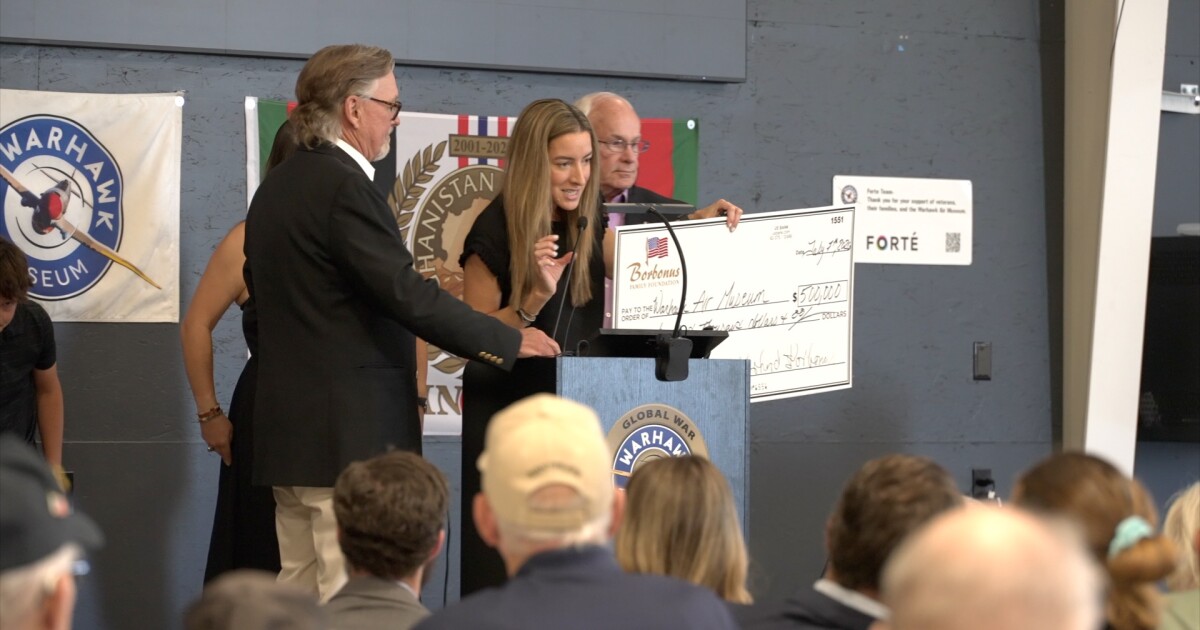
NAMPA, Idaho — Nearly 20 years after Idaho soldier John Borbonus was killed in Iraq, his legacy is continuing to serve fellow veterans.
The Borbonus Family Foundation, created in his honor, announced a $500,000 grant Tuesday to the Warhawk Air Museum in Nampa.
WATCH: One Idaho soldier’s legacy continues to serve fellow veterans
Warhawk Air Museum receives $500K grant honoring Idaho soldier John Borbonus
The museum says the unrestricted gift is its largest ever and will help cover operating costs as it continues to grow.
Executive Director Carson Spear says grants of this size often come with requirements to fund a specific project, but the Borbonus Family Foundation instead asked to use the funds where they are most needed.
Warhawk leaders say the funding will help preserve veterans’ stories and continue programs like the Kilroy Coffee Klatch, which brings together veterans from different generations each month.
RELATED | Kilroy Coffee Klatch brings veterans together at the Warhawk Air Museum
Vietnam veteran Emil Berry says the museum is more than a place to display history.
“It brings back memories, and also it helps the veteran, helps the military personnel. It’s just a special, very special establishment,” Berry said.
Borbonus’ sister, Alexa Borbonus, says Warhawk already preserves part of her brother’s story through a display dedicated to his service.
“The Warhawk Museum, they have a special place in our hearts,” Alexa Borbonus said. “They have John’s case on display now, and they provide a safe space for all our veterans in Idaho.”
RELATED | Skydivers honor fallen Boise soldier John Borbonus at annual memorial golf tournament
Sen. Jim Risch, who attended Tuesday’s announcement, said museums like Warhawk remind people that “freedom isn’t free” and help future generations appreciate the sacrifices made by those who served.
Following the announcement, the Borbonus family also donated John Borbonus’ challenge coin and the KIA bracelet worn by his family to Warhawk’s bar display, adding another piece of his legacy to the museum.
For Canyon County happenings, news, and more— join our Facebook Group: 2C Neighborhood News – Nampa, Caldwell, Middleton
This story was initially reported by a journalist and has been, in part, converted to this platform with the assistance of AI. Our editorial team verifies all reporting on all platforms for fairness and accuracy.
Send tips to Nampa neighborhood reporter Keith Burrell
Have a story idea from Nampa? Share it with Keith below —

UPDATE – 8:30 p.m. 7/7/26- IDL has mapped the fire at 4 acres. It has been ruled human-caused.
ORIGINAL STORY
The Idaho Department of Transportation says all lanes are blocked on I-84 south of New Plymouth due to multiple nearby brush fires.
ITD says all lanes of travel have been blocked from US-30 to Black Canyon Road. The brush fires are located between milepost 9 and milepost 12, officials say.
Drivers are being advised of travel danger and asked to consider an alternate route.
Idaho Department of Lands has mapped the fire at 0.10 acres. The cause is undetermined.
-

 Los Angeles, Ca33 minutes ago
Loved ones search for missing 34-year-old Southern California woman
-

 Detroit, MI53 minutes ago
Chickens, geese found at vacant home after nonprofit reports them stolen
-

 San Francisco, CA1 hour ago
What’s next for San Francisco Giants as MLB trade deadline approaches?
-
 Dallas, TX1 hour ago
Dallas millionaire files lawsuit against groundwater district
-

 Miami, FL1 hour ago
7 more women arrested at southwest Miami-Dade massage parlors, accused of prostitution in undercover sting
-

 Boston, MA1 hour ago
‘They’re my buddies’: 96-year-old Back Bay woman befriends French soccer team
-

 Denver, CO1 hour ago
Denver officers cited for separate incidents, 1 fired
-

 Seattle, WA2 hours ago
Study finds dangerous chemicals in the breast milk of Seattle moms

