West
Colorado woman wanted by FBI for alleged murder of 2 children, attempted murder of third


- A 35-year-old Colorado woman named Kimberlee Singler is being sought by authorities for the suspected killing of her two young children.
- Singler, from Colorado Springs, is wanted on charges of murder, attempted murder, and child abuse, according to an arrest warrant issued by the city.
- She was last seen on Dec. 24, and an arrest warrant was issued on Dec. 26.
A Colorado woman was being sought Thursday on suspicion of killing her two young children and wounding a third, authorities said.
Kimberlee Singler, 35, of Colorado Springs is wanted on an arrest warrant alleging murder, attempted murder and child abuse, according to a statement from the city.
Colorado Springs police answered a 911 call reporting a burglary at an apartment complex at around 12:30 a.m. on Dec. 19 and found the bodies of Singler’s 9-year-old daughter and 7-year-old son, the statement said.
MURDER CHARGES DROPPED AGAINST JAILED COLORADO MAN AFTER AUTOPSY DETERMINES GIRLFRIEND’S ACTUAL CAUSE OF DEATH
Singler was found injured along with her 11-year-old daughter. They were taken to local hospitals for treatment, the statement said.
The seal of the F.B.I. hangs in the Flag Room at the bureau’s headquaters on March 9, 2007, in Washington, DC. The FBI is assisting in the search for Singler. (Chip Somodevilla/Getty Images)
“As the investigation into this case unfolded, it was determined the initial report of a burglary was unfounded,” the statement said.
COLORADO MAN SENTENCED TO LIFE IN PRISON FOR KILLING HIS BROTHER WITH A SWORD: DA
Singler was last seen on Dec. 24. An arrest warrant was issued Dec. 26.
The FBI is assisting in the search for Singler, said Vikki Migoya of the agency’s Denver office.
Read the full article from Here


SAN FRANCISCO (KGO) — With the war in Iran about to enter a second month, calls for regime change continue.
“I’m here just to be a voice for the people of Iran. What they want? Free Iran. What they want? To have a normal life, which they can’t have. They are murdered by the Iranian government,” said Mahsa Garakani, Marin County resident.
Hundreds of Iranians from across the Bay Area marched along San Francisco’s Embarcadero on Sunday.
“We’re just echoing what our people want from the inside all our families. A lot of people don’t understand the minimal internet access they have. They are sending us videos telling us what they want, and we’re going to keep doing this every week until they have their freedom,” said Ali Lohrassebi from Pacifica
“We are here to support president’s actions, President Trump and all this administration’s actions on Iran taking strikes on the regime, killing them all and we are asking them to continue this until the regime changes,” said Sayna Ibrahimi, Los Altos Hills resident.
Iran live updates: IDF launches ‘widespread’ strikes in Tehran
And while this group of rallygoers is very much in favor of the war, there is a group of local Iranians with a much different opinion.
“The first thing we would like to see happen is bombs stopping. That’s the first thing. Before that, people are just in survival mode,” said Babak Sani, Oakland resident.
Babak Sani is one of the voices calling for an end to the war…and for the people of Iran to have control over who their next leader is.
“What the war does is it sets back any kind of movement for democracy. It sets back the aspirations of the people. The idea of self-determination is one of the first things that came up right away in our first gathering and it’s been in the heart of our discussions throughout,” Sani, Oakland resident.
Still there are no signs of the war ending soon, The Washington Post is reporting the Pentagon is preparing for weeks of limited ground operations, that could involve raids by special operators.
Axios reporting The White House is also considering deploying up to 10,000 more troops to the region.
Copyright © 2026 KGO-TV. All Rights Reserved.

Community Guidelines
Welcome to Denver Stiffs! We’re glad you’re here.
Denver Stiffs is a community where sports fans from all backgrounds gather to share their passion. We strive to create a fun and welcoming place for everyone to come fan with us. These guidelines help ensure that happens. Here’s the short version:
- Be respectful in your interactions with contributors and fellow fans.
- Don’t be a jerk, and don’t call other people jerks.
- We’ll remove anything we see that jeopardizes our communities.
- We ask that you do your best to keep the conversation to sports and primarily our favorite NBA team. Why? Because there are plenty of other sites where you can air your opinions about everything from politics to soup recipes.
- You can help with that. If you see something that doesn’t align with our guidelines, let us know. Flag any comments or usernames that violate our guidelines so our community managers can review them.
These rules extend to our communities everywhere: in our comments, on social media, and in real life.
We do not allow any of the following:
- Personal attacks: This includes name-calling, insults, threats, hurtful comments about someone’s appearance, voice, or style, and all other forms of attacks. We want our communities to be welcoming and fun. Personal attacks are the opposite of that.
- Attacks on staffers: It’s fine to critique a post, disagree with a take, or point out errors. We draw the line, however, at personal attacks (see above) about writers, editors, moderators, etc.
- Discriminatory or derogatory language: This includes racism, sexism, homophobia, transphobia, ableism, or other forms of discrimination.
- Harassment: This includes, but is not limited to, intimidation; stalking; unwanted photography; inappropriate physical contact; use of sexual or discriminatory imagery, comments, or jokes; and unwelcome sexual attention.
- Wishing harm on athletes: Don’t root for an injury, don’t root for harm to befall a coach or athlete. You can want someone to get fired or released, but please do not hope for bodily harm.
- Misinformation and disinformation: Sharing demonstrably false information about news or world events, beyond the scope of reasonable sports opinion or analysis, can be harmful to our communities. These comments will be removed and may result in a suspension or a ban.
- Illegal activity: Don’t promote, encourage, or make light of any kind of illegal activity, including DUIs, domestic violence, or sexual assault.
- NSFW images and comments: Keep it PG-13, or you will be removed. This includes language and images that are sexual, violent, or generally offensive in nature.
- Excessive profanity: Fans get worked up on game days, and we’re fans, too. We understand that. As a general rule, keep profanity to a minimum. Some communities prohibit profanity, so be sure to review guidelines for the individual communities you participate in.
- Multiple accounts and throwaway emails: These are a signal that you’re not interested in being a productive member of our communities, and we do not allow it.
- Trolling: We know it when we see it, and we’ll remove it. Don’t go to a rival team’s community for the sole purpose of riling up their fans, either. Moreover, you should never publish any private or personally identifiable information. Doxxing is strictly prohibited.
- The “first post” rule: If you break any of these guidelines with your very first post or interaction, it signals to our community managers you’re just here to be disruptive. Violators may be banned, blocked, or removed.
- Spam: We have a zero-tolerance policy on spam, which includes sharing links to illegal game streams or downloads. Spam will be deleted and spammers may be banned, blocked, or removed.
- Political commentary: Denver Stiffs is a site dedicated to the Denver Nuggets, not politics. There are many sites available on the internet to discuss politics, Denver Stiffs is not one of them. Please refrain from any political commentary while using our site.
Anyone who doesn’t follow these rules when engaging in our communities will at best be removed from the conversation, and at worst will end up banned from that community. These decisions will be made at the discretion of our community managers and other Mile High Sports personnel. Community managers and moderators have final say on interpretation of violating our community guidelines, and on all decisions resulting in a warning, suspension, and/or ban.
If you see any of these things happening in our communities, please flag it and it will be reviewed. You can also reach out via our contact page.

SEATTLE (AP) — Sarah Wozniewicz gave Ottawa the lead, rookie Peyton Hemp scored her first goal and Gwyneth Philips posted her first shutout of the season as the Charge blanked Seattle 2-0 on Sunday despite the return of Torrent’s captain Hilary Knight.
Ottawa (6-7-1-9) moved two points in front of the Toronto Sceptres for the fourth and final playoff spot with a match in hand and seven remaining in the regular season.
Seattle Torrent captain, Olympic champion Hilary Knight activated from injured reserve
Wozniewicz was in the right place to bang in a deflection after a shot by Kathryn Reilly hit the skate of a Seattle defender in front of the net at the 9:09 mark of the first period.
Hemp gave the Charge a 2-0 lead when she scored with 1:23 left in the second period. Hemp collected six assists through her first 22 matches.
Seattle began the third period on a two-minute power play after Ottawa forward Brianne Jenner was called for interference in the final second of the second. But Philips was up to the task, finishing with 25 saves.
Corinne Schroeder totaled 27 saves for Seattle (6-1-2-14). She saved a penalty shot by Jenner with 13:58 left to play.
Ottawa came in with a league-high 14 power-play goals but went 0 for 3 against Seattle. The Torrent came up empty on six tries with an extra skater.
Seattle activated Knight from long-term injured reserve before the match. Knight had three goals and seven assists in 14 games before sustaining an injury at the Winter Olympics.
The Charge beat the Torrent for a third straight time following a 4-1 loss in Seattle on Dec. 17.
Ottawa had been the only team without a regulation victory away from its primary home this season.
Up next
- Ottawa: Hosts the Toronto Sceptres on Wednesday.
- Seattle: Visits the New York Sirens on Saturday.
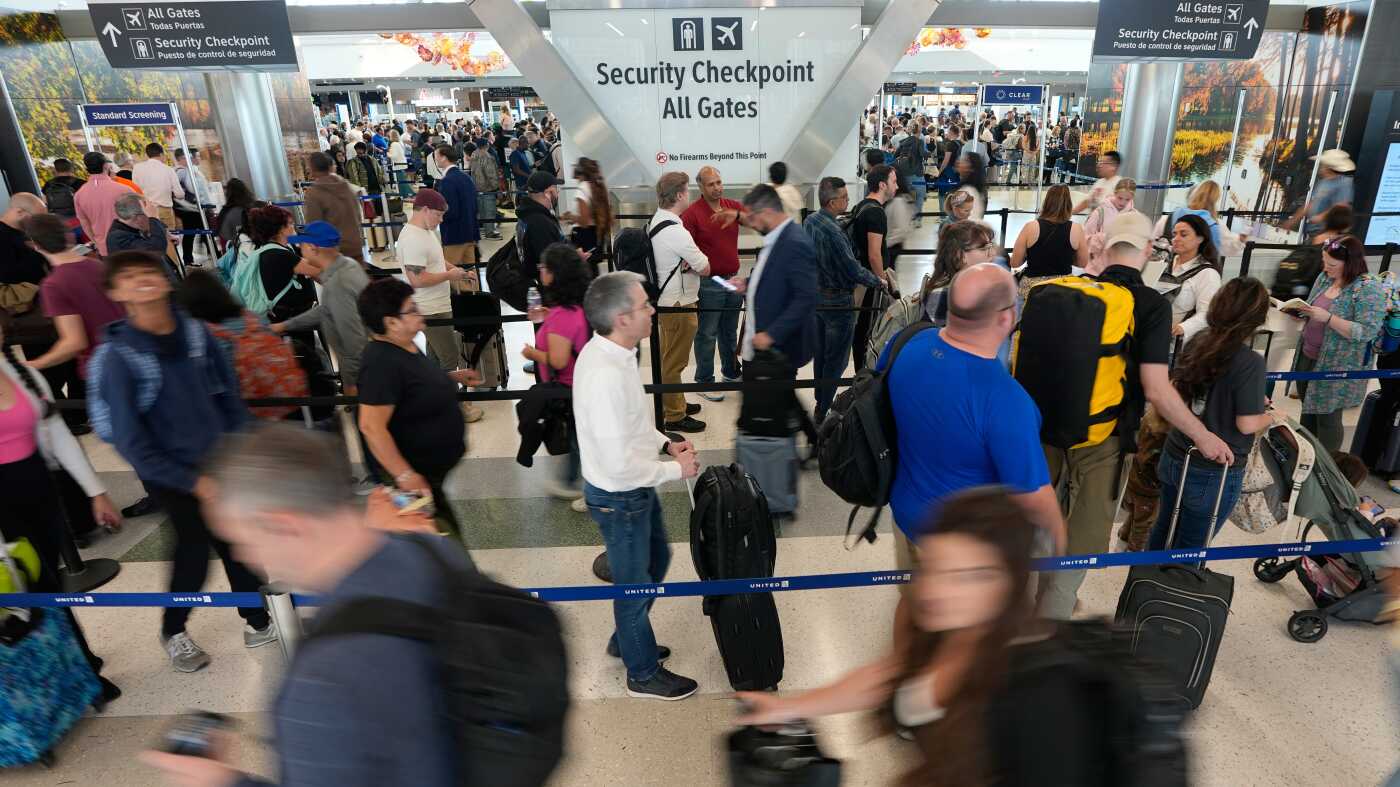
ICE officers could remain at airports after TSA workers are paid

Wolverines make Frozen Four

Bay Area residents hold rally in SF as war with Iran enters 2nd month

Dallas Jenkins says he is the ‘evangelical mascot of the LDS church’ and talks Easter celebrations

New video shows aftermath of police shooting in Downtown Miami

Florida High School Football Rankings: Top 25 teams – Oct. 21

How old is Bo Nix? What to know about Oregon quarterback ahead of 2024 NFL Draft

Cleary's 21 help Le Moyne down Central Connecticut State 69-64 in OT

99th annual Pony Swim held in Virginia

Indiana Members Credit Union announced as new anchor tenant at Bottleworks District
ICE officers could remain at airports after TSA workers are paid

Scathing report claims nation’s oldest labor union ‘betrayed’ MAGA members through ‘shocking’ spending

Republican US lawmaker demands Congress vote on any Iran troop deployment

So you went to a No Kings protest. Now what?

JD Vance says he was ‘obsessed’ with UFOs, believes aliens are actually ‘demons’
-

 Sports1 week ago
IOC addresses execution of 19-year-old Iranian wrestler Saleh Mohammadi
-

 New Mexico1 week ago
Clovis shooting leaves one dead, four injured
-

 Miami, FL4 days ago
Jannik Sinner’s Girlfriend Laila Hasanovic Stuns in Ab-Revealing Post Amid Miami Open
-

 Tennessee6 days ago
Tennessee Police Investigating Alleged Assault Involving ‘Reacher’ Star Alan Ritchson
-

 Minneapolis, MN4 days ago
Boy who shielded classmate during school shooting receives Medal of Honor
-

 Politics1 week ago
Schumer gambit fails as DHS shutdown hits 36 days and airport lines grow
-

 Science1 week ago
Record Heat Meets a Major Snow Drought Across the West
-

 Technology1 week ago
YouTube job scam text: How to spot it fast