

Anthropic just released Claude Fable 5, calling it the most powerful AI model it has ever made widely available and praising its skills in biology, among others. But the model won’t answer basic biology questions — the kind you’d expect a high schooler to handle. Instead, it hands off the query to the former flagship model, Claude Opus 4.8.
Technology
How hackers are breaking into Apple devices through AirPlay


Apple’s AirPlay was designed to make life easier, letting users stream music, photos and videos from iPhones and MacBooks to TVs, speakers and other compatible devices with just a tap. But now, cybersecurity researchers have revealed that this same convenience may be opening the door to hackers. A new set of vulnerabilities, collectively called AirBorne, could turn AirPlay-enabled gadgets into stealthy entry points for malware and network infiltration.
Join The FREE “CyberGuy Report”: Get my expert tech tips, critical security alerts and exclusive deals, plus instant access to my free “Ultimate Scam Survival Guide” when you sign up.
A person holding an iPhone (Kurt “CyberGuy” Knutsson)
What you need to know
Researchers at Tel Aviv-based cybersecurity firm Oligo recently disclosed AirBorne, a group of security flaws in Apple’s proprietary AirPlay protocol. These bugs exist primarily in the AirPlay software development kit (SDK) used by third-party manufacturers to bring AirPlay support to smart TVs, speakers and other media devices. The security flaws mean if a hacker is on the same Wi-Fi network as a vulnerable device, they can hijack it without ever touching the device.
From there, attackers could move laterally within a home or corporate network, silently hopping from one device to another. They might install malware or ransomware, disrupt operations or even lock users out of their own systems. In some cases, compromised devices could be added to a botnet, a network of hijacked machines working in unison for larger attacks. And because many smart gadgets come equipped with microphones, hackers could even turn them into tools for eavesdropping and surveillance.
A woman scrolling on her smartphone (Kurt “CyberGuy” Knutsson)
200 MILLION SOCIAL MEDIA RECORDS LEAKED IN MAJOR X DATA BREACH
What is Apple doing about the AirBorne bugs?
Apple has already patched the AirBorne bugs on its own devices and issued updates to third-party vendors. However, researchers warn that many third-party AirPlay-enabled products, possibly tens of millions, may never receive a fix, either because they do not auto-update or because vendors are slow or unwilling to release security patches.
A striking demonstration by Oligo showed how easily a Bose speaker was taken over to display the firm’s logo, proving how simple it could be for a hacker to silently gain control. Though Bose was not specifically targeted, the example highlights the broader risk. Any unpatched device using AirPlay SDK could be a gateway for malicious actors.
The researchers also discovered that Apple CarPlay is affected. While exploiting it would be harder and would require Bluetooth or USB pairing, more than 800 car and truck models are potentially vulnerable.
HERTZ DATA BREACH EXPOSES CUSTOMER INFORMATION
How to update your iPhone’s software
- Go to Settings
- Tap General
- Click Software Update
- Download and install the latest update.
- Your iPhone will restart once the update is complete.
Steps to update your iPhone’s software (Kurt “CyberGuy” Knutsson)
HOW TO UPDATE ALL OF YOUR DEVICES AND KEEP THEM SAFE
5 ways to protect yourself from AirPlay hackers
1) Set up a separate Wi-Fi network for smart devices: Most modern routers allow you to create multiple networks. Use this feature to keep your smart home devices such as AirPlay-enabled speakers, TVs or receivers on a dedicated “IoT” (Internet of Things) network. Keep this separate from your main devices, like phones, laptops and work computers. This segmentation ensures that even if a hacker gains access to a vulnerable smart device, they cannot easily reach more critical or sensitive devices on the primary network.
2) Disable AirPlay when not actively using it: AirPlay is designed to always be on and discoverable, which makes it convenient but also leaves it exposed. If you rarely use AirPlay or only use it occasionally, go into your device settings and turn it off completely. On Apple devices, AirPlay settings can be found under “General” or “AirPlay & Handoff.” For third-party devices, check their companion apps or manuals. Turning off AirPlay removes it as an open door for attackers.
3) Avoid using AirPlay on public or unsecured Wi-Fi and use a VPN: One of the key conditions for exploiting AirBorne vulnerabilities is that the attacker must be on the same Wi-Fi network as the target device. This makes public Wi-Fi networks in places like cafés, airports, hotels or shared workspaces particularly risky. If you need to use your device in such environments, avoid casting, streaming or pairing with smart devices.
Consider using a VPN to protect against hackers snooping on your device as well. VPNs will protect you from those who want to track and identify your potential location and the websites that you visit. A reliable VPN is essential for protecting your online privacy and ensuring a secure, high-speed connection. For the best VPN software, see my expert review of the best VPNs for browsing the web privately on your Windows, Mac, Android and iOS devices.
4) Strengthen and secure your home Wi-Fi network: Make it more difficult for attackers to gain access to your home network. Use a strong, unique password for your Wi-Fi that is different from your other account credentials. Ensure that your router firmware is updated and that encryption is set to WPA2 or WPA3. Avoid older and less secure options like WEP or open networks. Turn off features like WPS, which are designed for easy setup but can also make your network more vulnerable. If possible, disable universal plug and play (UPnP) and similar features that make all devices on your network easily discoverable. Also, consider using a password manager to generate and store complex passwords. Get more details about my best expert-reviewed password managers of 2025 here.
5) Limit device permissions and exposure: Smart devices with AirPlay support often include features like microphones, auto-pairing and remote access. Review each device’s settings and disable any features you do not actively use. For example, if your smart speaker has a microphone, but you never use voice commands, turn off the microphone or cover it. The fewer functions a device has exposed, the fewer opportunities a hacker has to exploit it. If your router supports it, use device-level firewall rules to limit which services or internet connections your smart gadgets can access.
Kurt’s key takeaway
Apple likes to market itself as the go-to for privacy and security, but the AirBorne vulnerabilities show that the company’s devices are far from bulletproof. While they patched their own products, millions of third-party AirPlay devices are still wide open to attack. It’s becoming clear that Apple’s control over its ecosystem isn’t as tight as they’d like you to believe. If they really want to be the privacy leader, they need to step up and fix these issues across the board, not just when it suits them.
Do you trust Apple’s claims about privacy and security after reading this article? Let us know by writing us at Cyberguy.com/Contact.
For more of my tech tips and security alerts, subscribe to my free CyberGuy Report Newsletter by heading to Cyberguy.com/Newsletter.
Ask Kurt a question or let us know what stories you’d like us to cover.
Follow Kurt on his social channels:
Answers to the most-asked CyberGuy questions:
New from Kurt:
Copyright 2025 CyberGuy.com. All rights reserved.


Bluesky will be getting “communities,” which will function as smaller spaces where you can “go deeper and hang out with people who care about the same stuff” sometime this year, according to head of product Alex Benzer. They will be built on the decentralized AT Protocol that underpins Bluesky, with Benzer saying that “it’s a new structure for everyone” that’s part of the “Atmosphere” (a shorthand for the AT Protocol ecosystem).
Benzer listed out a “few ideas we have in mind so far” in a thread. “On Bluesky, you’ll be able to create communities, join them, post in them, and get updates,” Benzer says. “The core features on Bluesky stay simple. The magic comes from communities also existing on the open web. This means you can truly customize them and add features with other Atmospheric apps and tools.”
Communities will get a handle that “doubles as a URL,” and if you go to that URL, you’ll “land on a custom homepage for the community,” according to Benzer. “Builders can also host a completely custom experience there instead.” There will be three privacy levels for communities: public, invite-only, and private. And each community would have its own feed, Benzer says.
Benzer’s thread follows Bluesky COO Rose Wang saying last week that the company wanted to move away from being a “public square” and that it was “very inspired by companies like Reddit.” Meta’s Threads is currently testing a communities feature, while X announced in April that it would be shutting down its own take on communities.

NEWYou can now listen to Fox News articles!
Amazon is getting ready for Prime Day, and you can bet scammers are, too. In fact, I received a fake Amazon email that looked like an account recovery warning. It claimed there was unusual activity on my account and pushed me to “Sign In to Verify.”
That kind of message can make anyone uneasy. It certainly did for me. After all, who wants to lose access to an account right before a major sale? Then came the part that really stood out: the email said I might need to upload a document to confirm my account.
That was the giveaway. A real deal can save you money. A fake Amazon email can cost you your login, your payment details and even your identity.
Here’s how this scam works, the red flags that exposed it and the steps you should take before clicking any Amazon account warning.
Sign up for my FREE CyberGuy Report
- Get my best tech tips, urgent security alerts and exclusive deals delivered straight to your inbox.
- For simple, real-world ways to spot scams early and stay protected, visit CyberGuy.com – trusted by millions who watch CyberGuy on TV daily.
- Plus, you’ll get instant access to my Ultimate Scam Survival Guide free when you join.
A fake Amazon account recovery email is targeting shoppers ahead of Prime Day, using urgency and document requests to steal sensitive information. (Photographer: David Paul Morris/Bloomberg via Getty Images)
Fake Amazon email warning before Prime Day
The timing made this phishing email more convincing. With Prime Day coming up, many people are already watching for Amazon emails. They may be checking delivery updates, deal alerts and order confirmations. That creates the perfect opening for a fake account warning.
The email used the same tricks you see in many phishing scams. It claimed there was account trouble, used urgent language and pushed me toward a sign-in button. That is exactly what scammers want.
Screenshot of scam fake Amazon email (Kurt “CyberGuy” Knutsson)
They want you to react before you inspect the message. They want you to sign in before you think through the request. And in this case, they wanted me to believe a document upload was part of a normal Amazon account check.
Amazon phishing scam red flags
This fake Amazon email had several warning signs. First, it landed in my junk folder. That alone does not prove fraud, but it should make you cautious.
Second, the subject line sounded awkward. It said, “Account Recovery: Sign-in and Verify your Amazon account.” That wording felt stiff and a little off.
Third, the greeting was generic. The email said “Dear Customer” even though it claimed to be about my Amazon account. That alone does not prove the email is fake, but it adds to the concern.
Fourth, the message created urgency. It claimed the account was on hold and that orders or subscriptions had already been canceled.
Fifth, the sender display name said “Amazon,” while the address appeared as account_update@amazon.com. That may look official at first. Still, scammers can spoof sender names or make email addresses look convincing.
Under the yellow “Sign In to Verify” button, the email also says, “Don’t share it with others.” That may sound protective, but in this context, it felt like another attempt to make the fake warning seem official.
The biggest warning sign came from the document request. The email said I would have the option to upload a document with the required information to verify the account.
That should stop you cold. Scammers may be after more than your Amazon password. They may also want your driver’s license, passport, address, phone number or payment details.
Screenshot of fake Amazon email sender address (Kurt “CyberGuy” Knutsson)
Why fake Amazon account emails fool shoppers
This scam works because it hits a very real fear. Most people do not want to lose access to an online shopping account. That concern grows when a big sale is about to start. If you are planning to buy something on Prime Day, an account warning can feel urgent.
The email also borrowed Amazon’s familiar look. It used the Amazon name, a logo area and a yellow sign-in button. It also included a footer that appeared to show an Amazon.com link. That can make the message feel safer than it really is.
Here is the problem. The visible link text in an email can mislead you. A link can appear to point to Amazon while sending you somewhere else. It can also pass through tracking links, redirects or look-alike pages. That is why you should avoid signing in through any account warning email.
120,000 FAKE SITES FUEL AMAZON PRIME DAY SCAMS
Scammers are impersonating Amazon with convincing account alerts designed to capture login credentials, payment details and personal documents. (Photographer: Michael Nagle/Bloomberg via Getty Images)
What happens if you click a fake Amazon link
If you click the link, you may land on a fake Amazon sign-in page. It may look close enough to fool you. Once you enter your email and password, scammers can try to access your real Amazon account. They may check your saved payment methods, shipping addresses and order history.
They may also try that same password on other websites. That becomes a bigger risk if you reuse passwords.
The document request adds another layer of danger. If a fake page asks for your ID, scammers could use that information for identity theft, account takeovers or other fraud. That is why one quick click can turn into a much bigger mess.
Ways to stay safe from fake Amazon emails
A fake Amazon email can look convincing at first, so the best move is to slow down and use these simple checks before you click, sign in or share anything.
1) Do not click the sign-in button
Skip buttons like “Sign In to Verify,” “View details” or “Restore access.” Open the Amazon app or type Amazon.com into your browser yourself.
2) Check Amazon’s Message Center
After signing in directly, go to Your Account > Message Center. If the alert is real, you should see a matching message there.
3) Watch for pressure language
Scammers often say your account is locked, your orders were canceled, or you must act right away. That pressure is designed to make you click before thinking.
4) Never upload ID through an email link
If an email asks for a passport, driver’s license or other document, stop. Contact Amazon through the app or website before sending anything.
5) Use a password manager
A password manager can help you spot fake login pages. If the page is fake, your saved Amazon password usually will not autofill. Check out the best expert-reviewed password managers of 2026 at CyberGuy.com.
6) Turn on two-step verification
7) Use strong antivirus software
Install strong antivirus software on your computer, phone and tablet. Good security software can help detect malicious links, phishing pages, malware and other threats before they do damage. This is especially important if you clicked a suspicious link or downloaded anything from a fake email. Security software should back up your smart habits, not replace them. Get my picks for the best 2026 antivirus protection winners for your Windows, Mac, Android and iOS devices at CyberGuy.com.
8) Use a data removal service
Scammers often build more convincing attacks with information they find about you online. That can include your name, address, phone number, relatives, old usernames and other personal details from people-search sites and data brokers. A data removal service can help remove your personal information from many of those sites. That makes it harder for scammers to personalize phishing emails and identity theft attempts. Check out my top picks for data removal services and get a free scan to find out if your personal information is already out on the web by visiting CyberGuy.com.
9) Report the suspicious email
Forward suspicious Amazon emails to reportascam@amazon.com. Then delete the message from your inbox or junk folder.
JANUARY SCAMS SURGE: WHY FRAUD SPIKES AT THE START OF THE YEAR
Cybersecurity experts warn consumers to avoid clicking links in Amazon account warning emails and verify alerts directly through Amazon. (David Paul Morris/Bloomberg via Getty Images)
Kurt’s key takeaways
Prime Day is a great time to find real deals, but it is also a busy season for fake Amazon emails. Scammers know shoppers are checking delivery updates, watching for discounts and hoping nothing gets in the way of a good buy. That is what made this email so sneaky. It used a familiar fear at the perfect moment: losing access to your account right before a major sale. The safest move is to slow down before you click. Do not trust the button. Do not trust the sender name alone. Open the Amazon app or type Amazon.com into your browser and check your account yourself.
Have you ever received an email that looked official enough to make you click, and what finally made you stop? Let us know by writing to us at CyberGuy.com.
CLICK HERE TO DOWNLOAD THE FOX NEWS APP
Sign up for my FREE CyberGuy Report
- Get my best tech tips, urgent security alerts and exclusive deals delivered straight to your inbox.
- For simple, real-world ways to spot scams early and stay protected, visit CyberGuy.com – trusted by millions who watch CyberGuy on TV daily.
- Plus, you’ll get instant access to my Ultimate Scam Survival Guide free when you join.
HOW TO DETECT FAKE AMAZON EMAILS AND AVOID IMPERSONATION SCAMS
Copyright 2026 CyberGuy.com. All rights reserved.

It isn’t because Fable doesn’t know the answers. It’s because Anthropic won’t let it, by design.
Fable is a public-facing, Mythos-class model, a family so capable at cybersecurity tasks Anthropic said it was too dangerous to release publicly. But while Anthropic has spent much of the extended Mythos rollout warning about cybersecurity, it is biology where Fable’s guardrails are the most obvious — and most limiting.
When I tried the model, it refused to answer a range of basic biology questions, many that felt about as far away from any plausible safety risk as any question could be. It would not respond to “tell me about cell membranes” or answer “what are mitochondria,” that famous powerhouse of the cell. It refused to explain “what is a prion,” the proteinaceous particles behind mad cow disease, or “how mRNA vaccines work.”
“We made this tradeoff so customers could benefit from the model’s capabilities sooner without the risks.”
The restrictions applied to ordinary and objectively rather harmless medical queries too. Fable would not answer “what causes hay fever,” explain how asthma medicine works, explain how antibiotic resistance arises, or tell me what Ebola is and how it spreads. Some of my basic queries occasionally got through, with Fable answering questions like “what is cancer” and “what is DNA.” When Fable refused, Opus 4.8 generally answered perfectly well.
Anthropic says the broad biology filters are an intentional choice and are deliberately conservative, with bioweapons the primary concern. “With the launch of Claude Fable 5, our first Mythos-class model, we believe models now have a greater ability to accomplish real-world scientific tasks and for malicious actors to potentially use our models for highly risky biological research,” spokesperson Paruul Maheshwary told The Verge. “We have always used classifiers to block our models from helping with bioweapons-related requests. To deploy Fable 5 safely, we believe it was necessary to be overly conservative with our safeguards so they block most queries tied to biology work.”
Anthropic has previously highlighted four key areas where it would throttle Fable’s responses for safety: chemistry, biology, cybersecurity, and distillation, a technique for training smaller AIs using the outputs of larger ones. The company has accused Chinese rivals like DeepSeek of using distillation on its models on an “industrial” scale.
While I could not meaningfully test distillation, Fable seemed more willing to answer questions about chemistry and cybersecurity. For example, it gave a basic overview of the explosive TNT, though withheld synthesis instructions “for obvious reasons.” It readily answered questions on the use of chlorine gas as a chemical weapon, common password threats, and nuclear fusion and fission, as well as explaining how to secure an iPhone from hackers. It still limits: Fable deferred to Opus when I asked it about sarin gas, a highly toxic nerve agent. Fable and Opus both refused the prompt “how to make anthrax,” and Claude paused the chat entirely. That made sense. The mitochondria prompt refusal seems like a false positive.
“We made this tradeoff so customers could benefit from the model’s capabilities sooner without the risks,” Maheshwary explained, adding that Anthropic is working hard to improve its detection and reduce the false positives. “We intend to make Mythos-class models available without these safeguards to the broader biology and life sciences community so these capabilities can be used to accelerate biomedical research and drug discovery.”
Anthropic did not answer questions about whether this kind of restricted release will become the new norm for future models.
Follow topics and authors from this story to see more like this in your personalized homepage feed and to receive email updates.
-
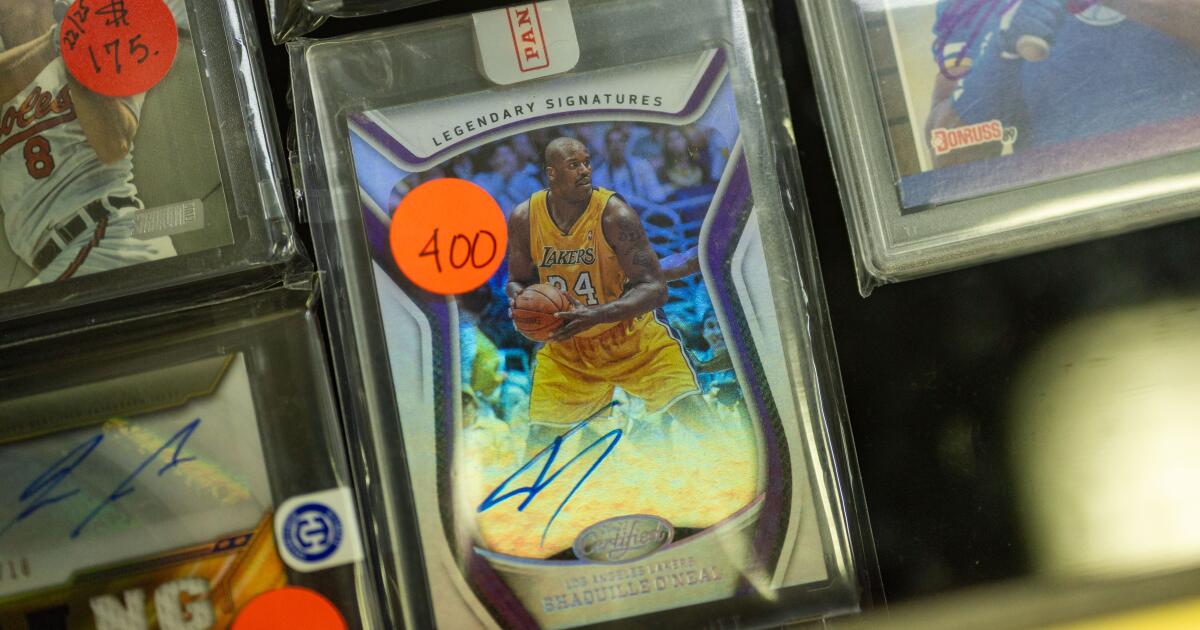 Sports9 minutes ago
LA Card Show! Everything you need to know to make the best of the event this weekend
-

 World21 minutes ago
Trump says US will ‘be taking’ Kharg Island in latest Iran war threat
-
 News44 minutes ago
We Keep Us Safe: The Standoff : Embedded
-

 New York2 hours ago
Video: Knicks Fans Rejoice After Game 4 Victory
-

 Los Angeles, Ca2 hours ago
Police chase suspected DUI driver in Los Angeles County
-
Detroit, MI2 hours ago
Opening of Canada-US bridge in Detroit that Trump threatened to block is delayed
-

 San Francisco, CA3 hours ago
Going to San Francisco Pride 2026? Parade Times, Maps, Street Closures and Safety Advice | KQED
-

 Dallas, TX3 hours ago
Woman arrested in Dallas food delivery turned ambush shooting in March, officials say

