


Happy ceasefire day and welcome to Regulator, a newsletter for Verge subscribers about Big Tech’s rocky journey through the world of politics. If you’re not a subscriber yet, you can do so here, but my only request is that you sign up before Donald Trump decides to revisit his previous threats toward Iran and kickstart World War III.
Technology
Android 16 is here, but its big redesign isn’t ready


Google rolled out a bunch of new features with Android 16 on Tuesday, but the company appears to be saving its big Material 3 Expressive redesign for a future update. The update doesn’t feature the design language’s revamped elements, and a source tells Android Authority’s Mishaal Rahman that Google is planning to launch the new look on September 3rd, 2025, instead.
With Android 16, Google is starting to roll out support for Live Updates with progress-centric notifications and enhanced settings for users with hearing aids. The updates are coming to Pixel devices first, but according to Google, Android users will have to wait for another update to see Live Updates “fully realized.”
Google officially took the wraps off Material 3 Expressive following a leak last month, which features updates to icon shapes, type styles, and color palettes with “more natural, springy animations” across the Android interface. You can still check out some Material 3 Expressive updates in the Android 16 QPR1 beta that’s available now, but Rahman notes that Google plans on launching more design updates in the next Android 16 QPR1 Beta 2.
Google is expected to include Android’s desktop mode in a September launch as well. The new mode, which builds on Samsung’s DeX platform, optimizes apps and content for large-screen devices. It will allow you to resize multiple app windows across your screens, as well as connect phones and tablets to external displays for a desktop-like experience. Users with a Pixel 8 and up can try out these features in the Android 16 beta, but the rest of us will likely have to wait a few more months.


NEWYou can now listen to Fox News articles!
You see a charge you don’t recognize. It looks like it came from a trusted brand. Your instinct kicks in. You want to fix it quickly and move on. That’s exactly what happened to Dorothy.
After a simple text, she found herself on the phone with someone who sounded official, confident and completely convincing. Here’s how she described it:
“I received a text from APPLE Pay, which I don’t even use… It said an Apple Store in CA wants to charge me $144… If I have questions, I should call. DUH! I called and was speaking with the scammer.”
“I received a text from APPLE Pay, which I don’t even use… It said an Apple Store in CA wants to charge me $144… If I have questions, I should call. DUH! I called and was speaking with the scammer.”
Within minutes, the situation escalated.
“He knew everything about me… He said I should take out $15,000… He said he was working with the FBI and the FDIC.”
That’s when the pressure really started. Dorothy told me this story when she joined me on my Beyond Connected podcast, and what happened next shows just how far these scams can go.
Sign up for my FREE CyberGuy Report
Get my best tech tips, urgent security alerts and exclusive deals delivered straight to your inbox. For simple, real-world ways to spot scams early and stay protected, visit CyberGuy.com – trusted by millions who watch CyberGuy on TV daily. Plus, you’ll get instant access to my Ultimate Scam Survival Guide free when you join.
10 WAYS TO PROTECT SENIORS FROM EMAIL SCAMS
The text sent to Dorothy shows how a fake Apple Pay alert uses urgency and a phone number to pull you into a scam. (Kurt “CyberGuy” Knutsson)
How this Apple Pay text scam actually works
This scam follows a pattern that is becoming more common. It combines a fake alert with a live phone call designed to build trust fast.
Here’s what is happening behind the scenes:
Step 1: The fake charge alert
You get a text about a suspicious charge. It looks urgent. It often includes a number to call.
Step 2: You call the scammer
The number connects you directly to a criminal. They pose as Apple, your bank or even law enforcement.
Step 3: They build credibility
They may know your name, address or bank. That information often comes from past data breaches.
Step 4: They create fear and urgency
You are told your money is at risk. You need to act immediately.
Step 5: They control your next move
In Dorothy’s case, the scammer told her to withdraw $15,000 and lie to her bank about why.
“He said he would stay on the phone with me while I drove to the bank… If anyone asked, I should say I was buying a car.”
That is a major red flag.
PHISHING SCAM EXPLOITS APPLE MAIL ‘TRUSTED SENDER’ LABEL
Once you call, scammers pose as trusted companies or agencies and pressure you to act quickly. (Kurt “CyberGuy” Knutsson)
The moment everything could have gone wrong
Dorothy drove to the bank with the scammer still on the phone. This is exactly what criminals want. They try to isolate you and keep control of the situation.
But something didn’t feel right.
“When I got to the bank, I recognized one of the employees and told her that I was uncomfortable… She said to hang up immediately.”
That decision changed everything.
The bank confirmed it was a scam. The calls kept coming from different numbers. Dorothy blocked them all. Fortunately, no money was lost.
Why the Apple Pay text scam feels so real
Scammers are getting better at one thing. They make you feel like you are solving a problem, not being scammed.
Here’s why this one works so well:
- It uses a trusted name like Apple Pay
- It creates urgency with a fake charge
- It moves quickly to a live conversation
- It uses real personal details to build trust
- It pressures you to act before you think
They also add authority. Claiming ties to the FBI or FDIC makes people feel like they must comply. In reality, no legitimate agency will ever ask you to move money this way.
The biggest red flags to watch for
If you remember nothing else, remember these:
- A text about a charge that tells you to call a number
- Someone is asking you to withdraw large amounts of cash
- Instructions to lie to your bank or keep a secret
- Claims that your money needs to be “protected”
- Pressure to act immediately
Each one is a warning sign. Together, they confirm it is a scam.
The biggest red flag is being told to move money or keep secrets from your bank or family. (Kurt “CyberGuy” Knutsson)
How to stay safe from Apple Pay text scams
You do not need to outsmart scammers. You just need to slow the situation down.
1) Never trust the number in the message
If you get a suspicious text, do not call the number provided. Look up the official number yourself.
2) Pause before you act
Scammers rely on urgency. Take a moment. Real companies will not rush you like this.
3) Never move money on someone else’s instructions
No bank, tech company or government agency will ask you to withdraw cash to “protect” it.
4) Use strong antivirus software
Strong antivirus software can help detect malicious links, block scam websites and warn you before you engage with risky content. Get my picks for the best 2026 antivirus protection winners for your Windows, Mac, Android and iOS devices at Cyberguy.com.
5) Remove your personal data from the web
Scammers often use data from breaches to sound convincing. A data removal service can help reduce your exposure and limit what criminals can find about you online. Check out my top picks for data removal services and get a free scan to find out if your personal information is already out on the web by visiting Cyberguy.com.
6) Talk to someone you trust
A quick conversation with a friend, family member or bank employee can stop a scam cold.
7) Add extra protection
Consider identity monitoring services that alert you if your information is being misused. See my tips and best picks on Best Identity Theft Protection at Cyberguy.com.
What to do if this happens to you
Even if you did not lose money, take a few steps right away:
- Contact your bank using the number on your card
- Place a fraud alert on your credit
- Consider freezing your credit
- Monitor your accounts closely
- Block any follow-up calls or texts
These steps help protect you from future attempts.
What this means for you
This scam did not begin with a complex hack. Instead, it started with a simple text. That is what makes it so dangerous. At first, it looks routine. Then urgency takes over. As a result, anyone can feel pressured to act quickly and without thinking.
In many cases, the situation feels real. That is how people get pulled into a conversation that seems legitimate. In Dorothy’s case, she trusted her instincts at the right moment. Because of that decision, fortunately, she did not lose $15,000.
CLICK HERE TO DOWNLOAD THE FOX NEWS APP
Kurt’s key takeaways
Scammers target more than technology. They focus on human behavior. They create pressure, build trust and keep you engaged long enough to make a mistake. However, you can break the cycle. A single pause can disrupt the scam. Asking one question can expose it. Even a quick conversation with someone you trust can stop it. If you’d like to hear more of Dorothy’s story, you can catch our full conversation on my Beyond Connected podcast at getbeyondconnected.com/
If you got a text like this right now, would you pause or would you call? Let us know by writing to us at Cyberguy.com.
Sign up for my FREE CyberGuy Report
Get my best tech tips, urgent security alerts and exclusive deals delivered straight to your inbox. For simple, real-world ways to spot scams early and stay protected, visit CyberGuy.com – trusted by millions who watch CyberGuy on TV daily. Plus, you’ll get instant access to my Ultimate Scam Survival Guide free when you join.
Copyright 2026 CyberGuy.com. All rights reserved.

I’m back after being waylaid last week by the deadly combo of a moderate cold and the beginning of pollen season. (Twenty-one percent of the District’s acreage is taken up by public green space, and DC is consistently ranked the best city park system in America. Unfortunately, I am allergic to every tree and grass.) If you’ve got tips on anything I may have missed or anything I should know about the upcoming weeks, send ’em to tina.nguyen+tips@theverge.com.
Do you actually believe anything OpenAI says?
On Monday, OpenAI published a 13-page policy paper addressing the impact that artificial intelligence would have on the American workforce. The company also proposed what it believed was the solution: putting higher capital gains taxes on corporations replacing their workers with AI and using that money to create a bigger public safety net. Its solutions included a public wealth fund, a four-day workweek funded by “efficiency dividends,” and government programs to help transition workers into “human-centered” work, all financed by the abundance that artificial intelligence would deliver.
Unfortunately, it was released the day that The New Yorker’s Ronan Farrow and Andrew Marantz published a meticulously reported, 17,000-word-plus article chronicling Sam Altman’s history of lying to everyone around him, including to his Silicon Valley backers, his employees, his board, and — relevant in this case — lawmakers trying to regulate AI. The New Yorker article reinforced a long-standing narrative about Altman, and OpenAI by extension: They may spout idealistic values, but would quickly jettison them for financial and political gains.
On its own, said several people I spoke to, the paper was a net positive to AI governance overall, in that it introduced new ideas into the political discourse around the emerging technology. But unless the company’s policy and political influence made good on those promises, said OpenAI’s critics, it may as well just be a piece of paper.
“My guess is that there are people on the team who care about the stuff, who’ve thought really hard about this document and are proud of it, and did good work, even if it’s not addressing all of the questions that I wish it would address,” Malo Bourgon, the CEO of the Machine Intelligence Research Institute (MIRI), told me. “And there’s still the question of: Are those people gonna find themselves in the position that many previous people at OpenAI have found themselves in, where they thought the company had certain values or aligned with things they cared about, and then ended up finding out that wasn’t the case, becoming disenchanted and leaving?”
With OpenAI proposing policy, it’s worth looking back at its history with the government, which the New Yorker piece details in depth. Altman had been one of the first major CEOs to publicly advocate for federal oversight for AI, going so far as to propose a federal agency to oversee advanced models in 2023 — but privately he worked to suppress the laws containing his own safety proposals. A state legislative aide in California accused OpenAI of engaging in “increasingly cunning, deceptive behavior” to kill a 2023 AI safety bill that it was publicly supporting. In 2025, the company subpoenaed supporters of a California state-level AI bill in an effort to, as one such supporter put it to The New Yorker, “basically scare them into shutting up.” And though Altman had once worked extensively with the Biden administration to build AI safety standards, the moment that Donald Trump became president, Altman successfully persuaded him to kill the initiatives he’d once advocated for.
Nathan Calvin, the general counsel at Encode, an AI policy nonprofit where he focuses on state legislative initiatives, had received one of those subpoenas. “What I’ve seen from their policy and government affairs engagement has just been abysmal,” he told me. While he believed that the team who’d written the OpenAI proposal, primarily from the technical safety research side, was acting with good intentions, he was still reserving judgment. “Will those folks remain engaged as we move from general policy principles towards the many other ways in which lobbying and government influence actually happens? Part of me is hopeful, but a lot of me is also quite skeptical about whether that will happen.” (OpenAI did not return a request for comment.)
A modest, absolutely not craven request:
Next week I plan on running an issue of Regulator cataloging the nerdiest events happening during Nerd Prom, aka the White House Correspondents’ Dinner party circuit. If you’re a tech founder, tech company, or someone that does something related to technology and you’re throwing an event during WHCD week, please let me know what you’re up to! From what I’ve heard so far, the tech world is about to shake up the normal social dynamics of the week — I’ve already caught wind of the Grindr party in Georgetown, and the Substack party, which famed looksmaxxer Clavicular is attending — and I’m so, so excited to pull together the most bonkers “SPOTTED” column that Washington’s ever experienced.
(Again, this is contingent upon whether we’re at war with Iran by the end of April, in which case, I imagine no one will be up for frivolity.)
Speaking of DC reporters, this is very true of all of us:
Follow topics and authors from this story to see more like this in your personalized homepage feed and to receive email updates.

NEWYou can now listen to Fox News articles!
After nearly two years on pause, Virgin Galactic is selling tickets again. The catch is the price. A seat now costs $750,000. That number is not a typo. It is also a sharp increase from the company’s earlier pricing, which was $600,000. Now the company is reopening sales with 50 new spots available.
The company says flight testing is expected to begin in the third quarter of 2026, with commercial service starting in the fourth quarter of 2026.
If you are thinking about booking, you are not alone. More than 675 customers are currently waiting for their turn to experience space travel.
Sign up for my FREE CyberGuy Report
Get my best tech tips, urgent security alerts, and exclusive deals delivered straight to your inbox. For simple, real-world ways to spot scams early and stay protected, visit CyberGuy.com – trusted by millions who watch CyberGuy on TV daily. Plus, you’ll get instant access to my Ultimate Scam Survival Guide free when you join.
AIR TAXIS IN THE U.S. COULD LAUNCH THIS SUMMER
Virgin Galactic’s spaceplane fires its rocket engine as it climbs toward the edge of space during a suborbital flight. (Virgin Galactic)
What a Virgin Galactic $750,000 ticket actually includes
Buying a ticket does not mean moving to space. These are short suborbital trips that last about 90 minutes. Here is how it works. Virgin Galactic uses a spaceship that launches from a carrier aircraft at high altitude. After release, the spaceplane fires its rocket engine and climbs to the edge of space. Passengers experience a few minutes of weightlessness before gliding back to Earth. It is closer to a thrill ride than a long mission. Still, for many, the appeal is simple. You get to see Earth from above the atmosphere.
Why space travel ticket prices keep rising
Going to space sounds incredible, but paying for it is a very different story. Building reusable spacecraft is expensive. Testing takes years. Safety requirements are intense. When something goes wrong, the entire program can slow down.
Virgin Galactic knows this firsthand. The company has faced delays, technical challenges and even tragedy. In 2014, a test flight operated by Scaled Composites, the company that designed and built the spaceplane, crashed and killed co-pilot Michael Alsbury. Since then, progress has been careful and at times slow. That helps explain the high ticket price. With only a limited number of flights and passengers, companies rely on premium pricing to stay afloat.
The company’s latest financials highlight that reality. Virgin Galactic reported a net loss of $279 million in 2025 and negative free cash flow of $438 million, underscoring how expensive it is to build and scale commercial spaceflight. CEO Michael Colglazier signaled that pricing could continue to climb as the company ramps up production and testing.
A new generation of spacecraft is driving the timeline
This latest ticket release is tied to a new development phase. Virgin Galactic says it expects its next-generation SpaceShip to enter ground testing in April 2026, with flight testing expected to begin in the third quarter of 2026. Commercial flights with this new vehicle are still on track for the fourth quarter of 2026.
A second SpaceShip is already in progress and is expected to enter service between late 2026 and early 2027, which is expected to increase flight frequency even more.
“We completed pivotal milestones during the first quarter of 2026, and with assembly of our first SpaceShip nearly complete and ground testing set to begin in April, we have released a limited number of Virgin Galactic Spaceflight Expeditions, each priced at $750,000,” said CEO Michael Colglazier.
That production ramp is key. The company is trying to move from monthly flights to a twice-weekly schedule per ship.
NEW PERSONAL EVTOL PROMISES PERSONAL FLIGHT UNDER $40K
Richard Branson floats in zero gravity during a flight, demonstrating the experience passengers can expect. (Virgin Galactic)
Who is competing in space tourism right now?
The timing of this relaunch is not random. Blue Origin has paused its tourist flights for at least two years. Meanwhile, SpaceX is focused on satellites, cargo missions and government contracts. That leaves Virgin Galactic as the only active option for private individuals who want a ticket to space right now. It is a small market, but for now, it is theirs.
Can space travel ever become affordable?
This is the big question hanging over the industry. Space tourism has been around for more than two decades, yet only a handful of people have actually gone. The dream has always been to make it more accessible. Right now, that dream still feels far away. Companies are trying to scale up. Virgin Galactic plans to increase flights from about four per month to as many as 10. If that happens, prices could eventually come down. But for now, the math is simple. Limited supply plus high costs equals very expensive tickets.
FLYING CAR NOW FOR SALE FOR $190,000
The view from the edge of space shows Earth’s curvature, one of the main draws of space tourism. (Virgin Galactic)
What this means for you
Even if you are not planning to spend $750,000 on a 90-minute trip, this still matters. First, it shows how close space travel is to becoming a real consumer experience. Not for everyone yet, but no longer something that feels out of reach. Second, the technology being developed for these flights often trickles down. Advances in materials, safety systems and aviation design can influence other industries over time. Finally, it is a reminder of how early we still are. Space tourism exists, but it is not mainstream. It is still in the phase where wealthy early adopters help fund the future.
Take my quiz: How safe is your online security?
Think your devices and data are truly protected? Take this quick quiz to see where your digital habits stand. From passwords to Wi-Fi settings, you’ll get a personalized breakdown of what you’re doing right and what needs improvement. Take my Quiz here: Cyberguy.com.
CLICK HERE TO DOWNLOAD THE FOX NEWS APP
Kurt’s key takeaways
Virgin Galactic reopening ticket sales is a signal. The industry is not fading away. It is evolving and trying to enter a new phase. At the same time, the higher price tag tells a different story. Space is still hard. It is still risky. It is still expensive. For now, the view from above remains one of the most exclusive experiences money can buy.
Would you ever pay for a trip to space if prices dropped enough, or does the risk still outweigh the thrill? Let us know by writing to us at Cyberguy.com.
Sign up for my FREE CyberGuy Report
Get my best tech tips, urgent security alerts, and exclusive deals delivered straight to your inbox. For simple, real-world ways to spot scams early and stay protected, visit CyberGuy.com – trusted by millions who watch CyberGuy on TV daily. Plus, you’ll get instant access to my Ultimate Scam Survival Guide free when you join.
Copyright 2026 CyberGuy.com. All rights reserved.

World4 minutes ago
Iran threatens to end ceasefire over Hezbollah’s exclusion from truce deal

Politics9 minutes ago
Spanberger ripped after taking credit for billions in investments secured under GOP predecessor: ‘Pathetic’

Health16 minutes ago
Simple dinner table habit linked to poor diet and higher health risks in adults over 60

Sports21 minutes ago
Bryson DeChambeau adds 3D-printed club to bag for Masters

Technology27 minutes ago
Apple Pay text scam almost cost her $15,000

Florida1 year ago
Florida High School Football Rankings: Top 25 teams – Oct. 21

Oregon2 years ago
How old is Bo Nix? What to know about Oregon quarterback ahead of 2024 NFL Draft

Connecticut2 years ago
Cleary's 21 help Le Moyne down Central Connecticut State 69-64 in OT

Virginia2 years ago
99th annual Pony Swim held in Virginia

Indiana2 years ago
Indiana Members Credit Union announced as new anchor tenant at Bottleworks District
Politics10 minutes ago
Spanberger ripped after taking credit for billions in investments secured under GOP predecessor: ‘Pathetic’

World1 hour ago
Newsletter: NATO holds amid fragile Iran ceasefire
News2 hours ago
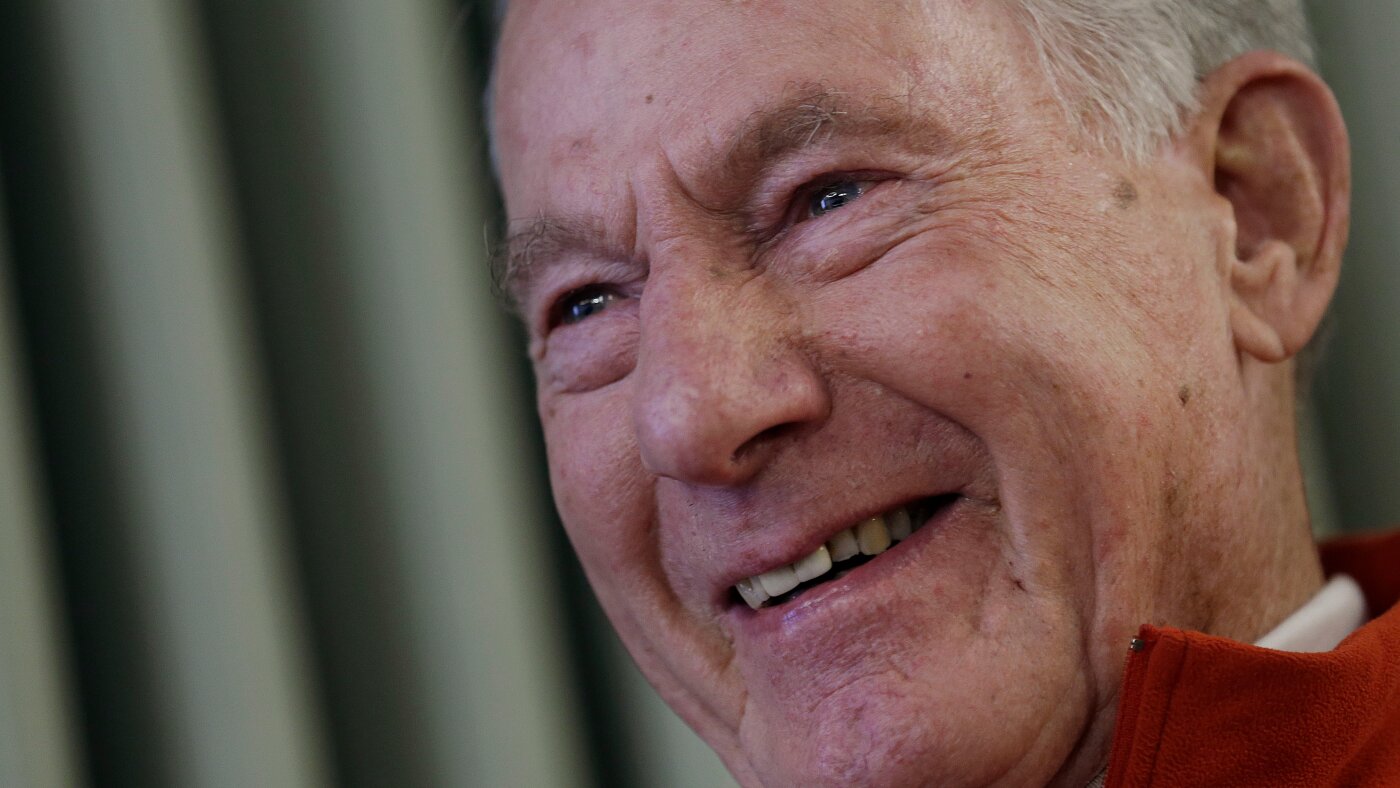
Jim Whittaker, the first American to summit Mount Everest, dies at 97

News11 hours ago
Video: Military Families Bear the Burden of War, Again

Politics12 hours ago
Fox News Poll: Record number say taxes are too high; government spending seen as wasteful
-

 Atlanta, GA4 days ago
1 teenage girl killed, another injured in shooting at Piedmont Park, police say
-

 Culture1 week ago
Do You Know Where These Famous Authors Are Buried?
-

 Movie Reviews1 week ago
Vaazha 2 first half review: Hashir anchors a lively, chaos-filled teen tale
-

 Georgia2 days ago
Georgia House Special Runoff Election 2026 Live Results
-

 Pennsylvania2 days ago
Parents charged after toddler injured by wolf at Pennsylvania zoo
-

 Education1 week ago
Video: We Put Dyson’s $600 Vacuum to the Test
-
 Milwaukee, WI3 days ago
Potawatomi Casino Hotel evacuated after fire breaks out in rooftop HVAC system
-
 Entertainment1 week ago
Inside Ye’s first comeback show at SoFi Stadium