North Carolina
UNC board committee passes policy that threatens DEI at NC public universities

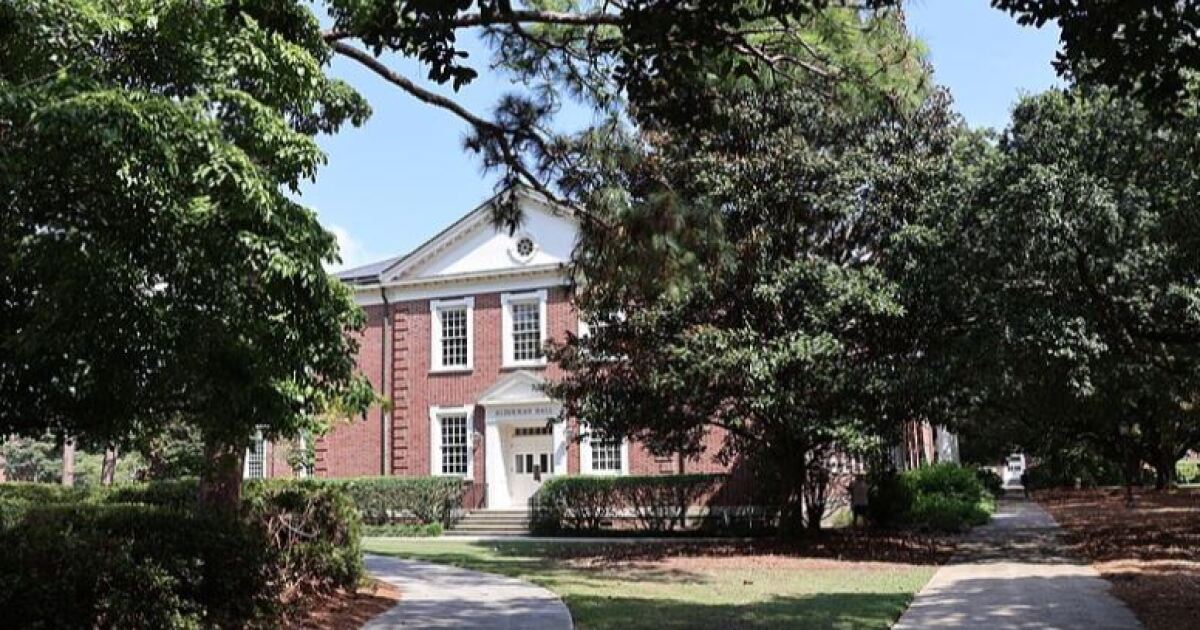
A UNC Board of Governors committee has passed a policy that could lead to the elimination of diversity, equity, and inclusion officers on all 17 UNC system campuses.
In an uncommon move, the University Governance committee did not discuss the new policy at all before unanimously passing it on Wednesday. It still needs to be voted on by the full Board of Governors in May.
The change replaces a policy passed in 2019 that created the DEI positions and data reporting at all 16 public North Carolina universities, and the NC School of Science and Mathematics. This includes a UNC System Diversity and Inclusion liaison and cross-university council, as well as individual institutional DEI officers.
The wording of the new policy makes it clear that, according to the UNC System, the DEI offices and officers do not “adhere to and comply with the strictures of institutional neutrality” as outlined in North Carolina’s Campus Free Speech law that prevents universities from participating in “political controversies of the day.”
“The changes do three things,” said Andrew Tripp, senior vice president and general counsel for the UNC System, in his short introduction to the Board of the new policy language. “They replace (the existing policy), they reaffirm the university’s commitment to non-discrimination and institutional neutrality, and they direct chancellors across the System.”
The committee then quickly voted on the new policy and immediately went into closed session.
Tripp is the former Chief of Staff to Republican Senate President Pro Tem Phil Berger.
If the new policy passes the full Board of Governors, individual chancellors will be required to send UNC System President Peter Hans a report by September 1 that details how their universities comply with “institutional neutrality.” The policy mandates that chancellors take certain “actions” to meet compliance, including reducing “force and spending” for DEI programs, and changing job titles and position descriptions.
Along with the certification report to Hans, chancellors must suggest ways to redirect funding from disbanded DEI programming to “student success” initiatives.
Most universities in the UNC System have robust DEI offices with chief diversity officers, support staff and student ambassadors. For example, offices at Appalachian State, North Carolina State, UNC Pembroke and other universities also include specific coordinators for accessibility, cultural, LGBTQ, women and other communities.
Schools also have website hubs for DEI efforts. This includes events, diversity dashboards, inclusive training programs, DEI research and anti-racism resources.
These efforts, as well as DEI staff positions, are almost assuredly in jeopardy with the new policy. It’s unclear if staff will be fired or moved to different positions within their universities.
North Carolina is one of many states changing their DEI policies. According to the Chronicle of Higher Education, more than 84 anti-DEI bills have been proposed since 2023. Ten states, including Florida, Alabama, and Texas, have signed some form of anti-DEI legislation into law.



The NC Lottery offers several draw games for those aiming to win big.
Here’s a look at Sunday, June 28, 2026 results for each game:
Winning Pick 3 numbers from June 28 drawing
Day: 2-0-8, Fireball: 7
Evening: 4-1-9, Fireball: 1
Check Pick 3 payouts and previous drawings here.
Winning Pick 4 numbers from June 28 drawing
Day: 7-7-6-5, Fireball: 4
Evening: 8-6-1-5, Fireball: 0
Check Pick 4 payouts and previous drawings here.
Winning Cash 5 numbers from June 28 drawing
06-08-11-16-37
Check Cash 5 payouts and previous drawings here.
Winning Double Play numbers from June 28 drawing
02-03-10-15-39
Winning Millionaire for Life numbers from June 28 drawing
04-11-31-54-58, Bonus: 03
Check Millionaire for Life payouts and previous drawings here.
Feeling lucky? Explore the latest lottery news & results
Are you a winner? Here’s how to claim your lottery prize
All North Carolina Lottery retailers will redeem prizes up to $599.
For prizes over $599, winners can submit winning tickets through the mail or in person at North Carolina Lottery Offices. By mail, send a prize claim form, your signed lottery ticket, copies of a government-issued photo ID and social security card to: North Carolina Education Lottery, P.O. Box 41606, Raleigh, NC 27629. Prize claims less than $600 do not require copies of photo ID or a social security card.
To submit in person, sign the back of your ticket, fill out a prize claim form and deliver the form, along with your signed lottery ticket and government-issued photo ID and social security card to any of these locations:
- Asheville Regional Office & Claim Center: 16-G Regent Park Blvd., Asheville, NC 28806, 877-625-6886 press #1. Hours: 9 a.m. to 5 p.m. Monday through Friday. This office can cash prizes up to $99,999.
- Greensboro Regional Office & Claim Center: 20A Oak Branch Drive, Greensboro, NC 27407, 877-625-6886 press #2. Hours: 9 a.m. to 5 p.m. Monday through Friday. This office can cash prizes up to $99,999.
- Charlotte Regional Office & Claim Center: 5029-A West W. T. Harris Blvd., Charlotte, NC 28269-1861, 877-625-6886 press #3. Hours: 9 a.m. to 5 p.m. Monday through Friday. This office can cash prizes up to $99,999.
- NC Lottery Headquarters: Raleigh Claim Center & Regional Office, 2728 Capital Blvd., Suite 144, Raleigh, NC 27604, 877-625-6886 press #4. Hours: 9 a.m. to 5 p.m. Monday through Friday. This office can cash prizes of any amount.
- Greenville Regional Office & Claim Center: 2790 Dickinson Avenue, Suite A, Greenville, NC 27834, 877-625-6886 press #5. Hours: 9 a.m. to 5 p.m. Monday through Friday. This office can cash prizes up to $99,999.
- Wilmington Regional Office & Claim Center: 123 North Cardinal Drive Extension, Suite 140, Wilmington, NC 28405, 877-625-6886 press #6. Hours: 9 a.m. to 5 p.m. Monday through Friday. This office can cash prizes up to $99,999.
Check previous winning numbers and payouts at https://nclottery.com/.
When are the North Carolina Lottery drawings held?
- Powerball: 10:59 p.m. Monday, Wednesday, and Saturday.
- Mega Millions: 11 p.m. Tuesday and Friday.
- Lucky for Life: 10:38 p.m. daily.
- Pick 3, 4: 3:00 p.m. and 11:22 p.m. daily.
- Cash 5: 11:22 p.m. daily.
- Millionaire for Life: 11:15 p.m. daily.
This results page was generated automatically using information from TinBu and a template written and reviewed by a Carolina Connect editor. You can send feedback using this form.

After four years at Duke, Grayson Allen is back in North Carolina, now a member of the Charlotte Hornets.
Former Blue Devil Grayson Allen will play home games in North Carolina for the first time in his professional career after four years at Duke. According to ESPN’s Shams Charania, Allen is on the move to the Charlotte Hornets after three seasons with the Phoenix Suns.
Allen was traded alongside Royce O’Neale and draft capital in return for Miles Bridges and draft picks. Allen was at Duke from 2014 to 2018, earning an NCAA championship and two All-ACC selections.
With Allen now a member of the Hornets, this will create a Duke trio in Charlotte, which includes Allen, Kon Knueppel and Sion James.
The NC Lottery offers several draw games for those aiming to win big.
Here’s a look at Saturday, June 27, 2026 results for each game:
Winning Powerball numbers from June 27 drawing
03-16-28-30-59, Powerball: 11, Power Play: 2
Check Powerball payouts and previous drawings here.
Winning Pick 3 numbers from June 27 drawing
Day: 7-6-8, Fireball: 2
Evening: 3-1-0, Fireball: 4
Check Pick 3 payouts and previous drawings here.
Winning Pick 4 numbers from June 27 drawing
Day: 8-0-2-2, Fireball: 9
Evening: 8-1-5-3, Fireball: 0
Check Pick 4 payouts and previous drawings here.
Winning Cash 5 numbers from June 27 drawing
02-08-10-17-28
Check Cash 5 payouts and previous drawings here.
Winning Double Play numbers from June 27 drawing
01-02-15-25-36
Winning Millionaire for Life numbers from June 27 drawing
26-32-38-51-52, Bonus: 05
Check Millionaire for Life payouts and previous drawings here.
Feeling lucky? Explore the latest lottery news & results
Are you a winner? Here’s how to claim your lottery prize
All North Carolina Lottery retailers will redeem prizes up to $599.
For prizes over $599, winners can submit winning tickets through the mail or in person at North Carolina Lottery Offices. By mail, send a prize claim form, your signed lottery ticket, copies of a government-issued photo ID and social security card to: North Carolina Education Lottery, P.O. Box 41606, Raleigh, NC 27629. Prize claims less than $600 do not require copies of photo ID or a social security card.
To submit in person, sign the back of your ticket, fill out a prize claim form and deliver the form, along with your signed lottery ticket and government-issued photo ID and social security card to any of these locations:
- Asheville Regional Office & Claim Center: 16-G Regent Park Blvd., Asheville, NC 28806, 877-625-6886 press #1. Hours: 9 a.m. to 5 p.m. Monday through Friday. This office can cash prizes up to $99,999.
- Greensboro Regional Office & Claim Center: 20A Oak Branch Drive, Greensboro, NC 27407, 877-625-6886 press #2. Hours: 9 a.m. to 5 p.m. Monday through Friday. This office can cash prizes up to $99,999.
- Charlotte Regional Office & Claim Center: 5029-A West W. T. Harris Blvd., Charlotte, NC 28269-1861, 877-625-6886 press #3. Hours: 9 a.m. to 5 p.m. Monday through Friday. This office can cash prizes up to $99,999.
- NC Lottery Headquarters: Raleigh Claim Center & Regional Office, 2728 Capital Blvd., Suite 144, Raleigh, NC 27604, 877-625-6886 press #4. Hours: 9 a.m. to 5 p.m. Monday through Friday. This office can cash prizes of any amount.
- Greenville Regional Office & Claim Center: 2790 Dickinson Avenue, Suite A, Greenville, NC 27834, 877-625-6886 press #5. Hours: 9 a.m. to 5 p.m. Monday through Friday. This office can cash prizes up to $99,999.
- Wilmington Regional Office & Claim Center: 123 North Cardinal Drive Extension, Suite 140, Wilmington, NC 28405, 877-625-6886 press #6. Hours: 9 a.m. to 5 p.m. Monday through Friday. This office can cash prizes up to $99,999.
Check previous winning numbers and payouts at https://nclottery.com/.
When are the North Carolina Lottery drawings held?
- Powerball: 10:59 p.m. Monday, Wednesday, and Saturday.
- Mega Millions: 11 p.m. Tuesday and Friday.
- Lucky for Life: 10:38 p.m. daily.
- Pick 3, 4: 3:00 p.m. and 11:22 p.m. daily.
- Cash 5: 11:22 p.m. daily.
- Millionaire for Life: 11:15 p.m. daily.
This results page was generated automatically using information from TinBu and a template written and reviewed by a Carolina Connect editor. You can send feedback using this form.
-

 New York13 minutes ago
How a Global Researcher Lives on $110,000 in Long Island City
-

 Los Angeles, Ca15 minutes ago
Mass shooting at L.A. street takeover leaves 1 dead, 6 injured
-

 Detroit, MI36 minutes ago
On the front lines of chronic absenteeism: What Detroit’s Health Hubs do to get kids to school
-

 San Francisco, CA45 minutes ago
S.F. police arrest 20 at 300-person SoMa block party during Pride
-
Dallas, TX50 minutes ago
CJ Goodwin announces retirement after 8 seasons with Cowboys
-

 Miami, FL52 minutes ago
Several people reportedly hurt in ‘mass casualty’ crash near Miami Gardens – WSVN 7News | Miami News, Weather, Sports | Fort Lauderdale
-

 Boston, MA57 minutes ago
Inside Britten’s Record-Breaking Boston Waterfront Activation
-

 Denver, CO1 hour ago
Denver area events for June 29

