Northeast
West Nile Virus detected at New York beach

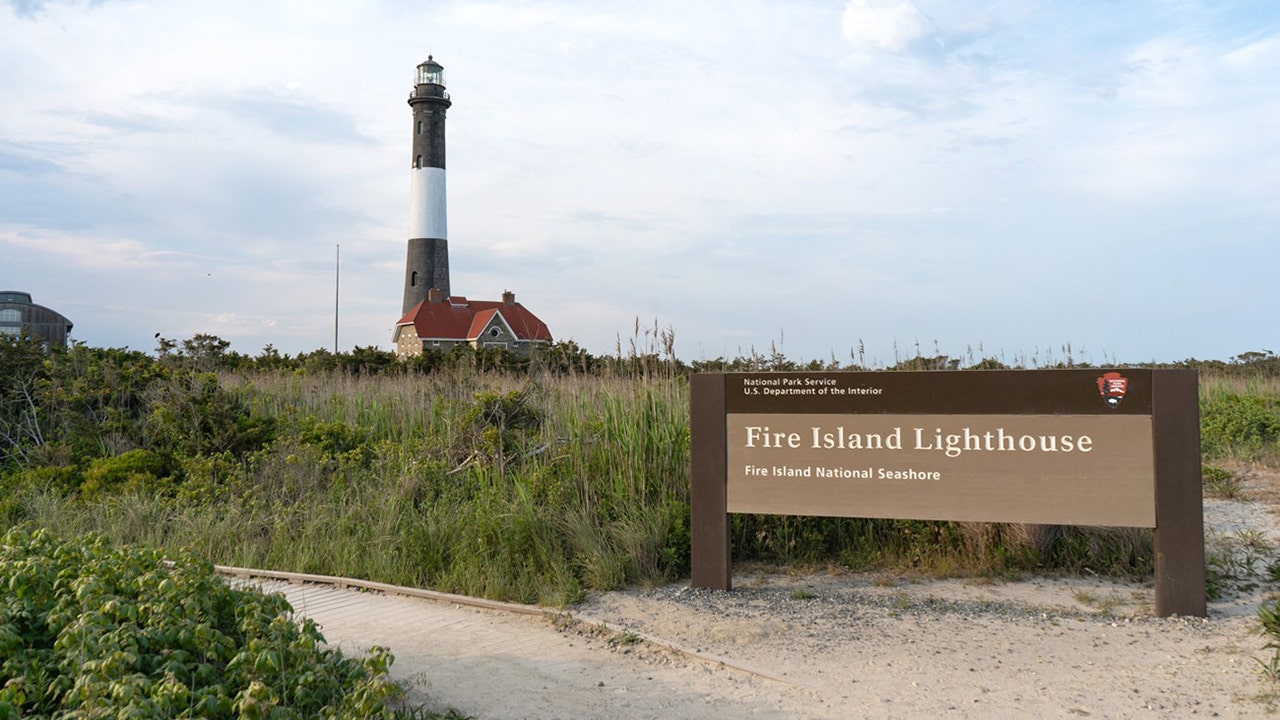
The year’s first case of West Nile virus at a popular New York beach and campground has been detected, officials said Friday.
The virus was found in a mosquito sample collected from a trap set at Watch Hill at Fire Island National Seashore, a 30-mile-long barrier island off Long Island, the U.S. National Park Service (NPS) said.
Watch Hill is a popular camping spot on federal land between Davis Park and the Fire Island Wilderness, and the trap was part of a collaborative mosquito monitoring program between NPS and Suffolk County Department of Health Services – Arthropod-Borne Disease Laboratory.
West Nile Virus was first confirmed in New York State in 1999 – the same year the virus first entered the U.S. The virus is the leading cause of mosquito-borne disease in the country, per the CDC.
FAUCI HOSPITALIZED AFTER TESTING POSITIVE FOR WEST NILE VIRUS, NOW RECOVERING AT HOME
The mosquito sample that tested positive for West Nile Virus was found in a trap at Watch Hill, a campground at the Seashore, officials said. (National Park Service)
The virus is transmitted to humans most commonly through the bite of an infected mosquito.
Symptoms include fever, headache, body aches, vomiting, diarrhea or rash, although a vast majority — around 80% — of the people who contract WNV will not experience any symptoms. There are no vaccines or treatments for the virus.
Fire Island National Seashore is a 30-mile-long, half-mile-wide barrier island off Long Island, New York. (National Park Service)
More than 1,800 people were hospitalized with the virus last year in the U.S., leading to 182 deaths, per CDC data.
Dr. Anthony Fauci, the public face of the U.S. coronavirus pandemic response, was hospitalized earlier this month with the West Nile virus, a spokesperson for Fauci told Fox News on Saturday. Fauci, 83, later returned home where he was recovering, and is expected to make a full recovery, the spokesperson said.
Officials advised visitors to avoid areas heavily populated with mosquitoes and to wear clothing that covers the body, such as pants, socks and long-sleeved shirts. (National Park Service)
NORTHEASTERN TOWNS ISSUE VOLUNTARY LOCKDOWN TO PREVENT SPREAD OF MOSQUITO-BORNE ILLNESS
Meanwhile, the NPS and Suffolk County will continue the weekly mosquito surveillance program to monitor the severity and extent of the virus within the Seashore. Watch Hill will also receive increased surveillance.
Control methods such as larviciding, spraying or area closures may occur if any threats to human health are identified, the NPS said.
Park officials said that those visiting Fire Island National Seashore should avoid areas with high volumes of mosquitoes, wear protective clothing such as long-sleeved shirts, socks, and long pants, and use insect repellent containing at least 30% DEET.
Fox Digital’s Michael Dorgan and Danielle Wallace contributed to this report.
Read the full article from Here

Boston, MA
Where to watch Boston Red Sox vs Chicago White Sox: TV channel, start time, streaming for July 7


What to know about MLB’s ABS robot umpire strike zone system
MLB launches ABS challenge system as players test robot umpire calls in a groundbreaking season.
The 2026 MLB season has surpassed the quarter mark, and after each team’s first 40 games, there’s plenty of reasons to tune in all summer long.
Chicago White Sox slugger Munetaka Murakami has already proven doubters wrong by launching 17 home runs, Pittsburgh’s Paul Skenes consistently looks like the best version of himself on the mound and Milwaukee ace Jacob Misiorowski is throwing harder than any starter in the majors.
The MLB action continues on Tuesday as the Boston Red Sox visit the Chicago White Sox.
Here’s everything you need to know to tune in for the first pitch.
See USA TODAY’s sortable MLB schedule to filter by team or division.
What time is Boston Red Sox vs Chicago White Sox?
First pitch between the Chicago White Sox and Boston Red Sox is scheduled for 7:40 p.m. (ET) on Tuesday, July 7.
How to watch Boston Red Sox vs Chicago White Sox on Tuesday
All times Eastern and accurate as of Tuesday, July 7, 2026, at 6:36 a.m.
- Matchup: BOS at CWS
- Date: Tuesday, July 7
- Time: 7:40 p.m. (ET)
- Venue: Rate Field
- Location: Chicago, Illinois
- TV: NESN and Chicago Sports Network
- Streaming: MLB.TV on Fubo
Watch MLB all season long with Fubo
MLB regional blackout restrictions apply
MLB scores, results
MLB scores for July 7 games are available on usatoday.com . Here’s how to access today’s results:
See scores, results for all of today’s games.

An overturned truck spilled hazardous materials onto the 62nd Street Bridge late Monday night and crews spent several hours working to contain the spill.
The Cherry City Volunteer Fire Company said it was assistant on a “large scale hazmat incident” along with crews from Allegheny County Emergency Services and the city of Pittsburgh’s Bureau of Fire.
A truck turned onto its side on the Sharpsburg side of the Senator Robert D. Fleming Bridge, also known as the 62nd Street Bridge, late Monday night and the fire company said crews were working to contain the leak.
An aerial view from the KDKA Drone Team around 3 a.m. Tuesday showed the large response from crews working at the scene of the crash.

A first responder told KDKA’s news crew at the scene that the chemical that was spilled was peroxide and the fire company said crews were working to keep the material from entering drainage systems.
Around 4 a.m. Tuesday, the fire company provided an update and said that all “hazardous materials have been mitigated,” but that the bridge is expected to remain closed for an extended period of time.
Drivers are being urged to use alternate routes for the morning commute.

Have you ever seen a porcupine in the wild? I haven’t. Honestly, it never even crossed my mind that they lived anywhere around Connecticut or New York. Apparently, I’ve been missing out. According to I-95 wildlife expert Jen the Zookeeper, your odds of spotting one is actually increasing. She says these prickly little animals are becoming more common throughout our area, meaning you may run into one sooner than you think. Here’s what Jen had to say about the newest furry neighbor making itself at home in our neck of the woods.
Prickly Population Boom: Connecticut’s Newest Neighbors
Move over deer—Connecticut has another backyard celebrity on the rise: the North American porcupine! These slow-moving, tree-climbing rodents have been popping up more often across the state, and they’re impossible to hug… for obvious reasons.
Despite what cartoons might suggest, porcupines can’t shoot their quills. Instead, they rely on a simple strategy: if a predator gets too close, the porcupine turns around and lets nature do the rest. Each quill has tiny barbs that make it surprisingly difficult to remove, making curious coyotes, dogs, and other predators think twice before trying again.
So why are more porcupines showing up? Scientists believe healthier forests, fewer natural predators, and plenty of tasty trees to nibble on have helped their numbers grow. They’re especially fond of bark, leaves, twigs, and even the occasional garden snack—though your favorite landscaping shrub may disagree with their menu choices.
Porcupines are also excellent climbers and spend much of their time in trees, often snoozing through the day and becoming active at night. If you spot one waddling across a trail, give it plenty of space and enjoy the rare chance to observe one of Connecticut’s most unique mammals.
The good news? Porcupines are peaceful, important members of our forest ecosystems. They help shape forest growth through their feeding habits and provide scientists with another reminder that healthy habitats support diverse wildlife.
So, if you notice a prickly visitor wandering through your neighborhood, remember: admire from a distance, keep curious dogs on a leash, and whatever you do… don’t ask for a hug.
More on Jen the Zookeeper
Jen has spent more than 30 years immersed in the fields of animal care, conservation, and science education. As the former Director of Animal Care for the New Canaan Nature Center in Connecticut, she oversaw the care of native mammals, reptiles, and birds of prey while educating the public about the important roles these wild neighbors play in our ecosystem. Her experience also includes time with both the Bronx Zoo and the Los Angeles Zoo, where she focused on the care of African and Asian wildlife and helped teach visitors about the delicate balance between humans and natural habitats.
Later, while working at a wildlife sanctuary in Half Moon Bay, California, Jen played a key role in training and handling nearly 50 exotic species. She also developed educational programs for at-risk and foster youth, helping historically underserved kids build trust, confidence, and healing connections with the non-releasable animals at the sanctuary.
In addition to her extensive wildlife work, Jen has experience in horse and dog training, animal control, veterinary care, and all things conservation education. Today, she owns and operates Jen Kotkin Pet Care, where she provides personalized care, exercise, and enrichment for dogs, cats, horses, birds, and more.
10 of the Best Places in Connecticut to Enjoy a Juicy Hot Dog
The Three Worst Parking Lots For The Nervous Drivers of Southbury
Do you ever dread going someplace because of it’s parking lot? That’s why I avoid any Trader Joe’s in Connecticut. There are three parking lots along Main Street in Southbury where I can’t let my guard down as I drive in.
Look Inside the Largest Indoor Collaborative Artwork in the World
I visited the American Mural Project in Winsted, Connecticut for the first time recently, and for those who haven’t seen it, here’s a quick peek at what to expect when you gaze upon the largest indoor collaborative piece of artwork in the world
Gallery Credit: Photos by Large Dave
-

 News20 minutes ago
Top Senate Democrats push Trump-affiliated companies for answers about IRS settlement
-

 Los Angeles, Ca2 hours ago
Missing 13-year-old with autism last seen at Los Angeles beach
-

 Videos2 hours ago
Charlie Kirk’s alleged killer appears in court
-
Detroit, MI2 hours ago
GET TO KNOW: Wide receiver Kendrick Law
-

 San Francisco, CA2 hours ago
Multiple people lose eyes, hands in illegal fireworks-related injuries in San Francisco
-
 Dallas, TX2 hours ago
Texas took this Dallas couple’s newborn baby for 3 weeks. A judge says their rights were violated
-

 Miami, FL2 hours ago
South Florida foundation empowering thousands of young girls through education, mentorship, community support
-

 Boston, MA3 hours ago
Where to watch Boston Red Sox vs Chicago White Sox: TV channel, start time, streaming for July 7


