Wisconsin
REAL ID deadline: Wisconsin reminders, TSA requirement starts May 7


Sample Wisconsin driver’s license ID card (Courtesy: WisDOT)
MILWAUKEE – The Wisconsin Department of Transportation Division of Motor Vehicles noted that over 64% of Wisconsinites already have a REAL ID driver’s license or identification card.
REAL ID requirement
Why you should care:
On May 7, the Transportation Security Administration will begin enforcing the requirement to show a REAL ID before boarding a domestic aircraft or visiting a federal building.
FREE DOWNLOAD: Get breaking news alerts in the FOX LOCAL Mobile app for iOS or Android
The most common form of acceptable identification is a driver’s license or ID card. The Wisconsin DMV has been offering the option to have a REAL ID or a non-compliant card since January 2013.
“We’re ready,” DMV Administrator Tommy Winkler said in a statement. “Over 3 million Wisconsinites already have a star in the upper right corner of their valid Wisconsin driver license or ID card. Some have a passport or other acceptable REAL ID document, and others will not need a REAL ID if they’re not planning to fly.”
How to get a REAL ID
What you can do:
While DMVs across the state have seen an increase in the number of people visiting to get a REAL ID, many people don’t need to come to a DMV for services, Winkler said.
“Several DMV transactions including all vehicle transactions can be done online, by mail or with a third party,” Winkler said.
For those who want to upgrade to a REAL ID before their next renewal, the DMV has an online tool. The Driver License Guide will review what documents a customer needs and will provide a printable checklist of what’s required to get a REAL ID. A list of the required documents is available on the DMV’s website.
SIGN UP TODAY: Get daily headlines, breaking news emails from FOX6 News
When all the documents are ready, customers may make an appointment at a DMV for faster service or stop in. DMV staff will review the information.
There is no additional fee for a REAL ID-compliant driver’s license or ID, according to the Wisconsin DMV. If a person upgrades to REAL ID at the time of renewing their driver license, they pay the renewal fee – typically $34. If they are upgrading to a REAL ID outside of their driver’s license renewal, they would pay the $14 duplicate or replacement card fee.
In most cases, the Wisconsin DMV said customers receive their driver’s license or ID card within 7-10 business days. TSA does not accept the paper receipt as proof of REAL ID.
The Source: The Wisconsin Department of Transportation released information for this report.



Manuel Franco claims his $768 million Powerball jackpot
Manuel Franco, 24, of West Allis was revealed Tuesday as the winner of the $768.4 million Powerball jackpot.
Mark Hoffman, Milwaukee Journal Sentinel
The Wisconsin Lottery offers multiple draw games for those aiming to win big.
Here’s a look at March 22, 2026, results for each game:
Winning Pick 3 numbers from March 22 drawing
Midday: 1-7-8
Evening: 4-2-4
Check Pick 3 payouts and previous drawings here.
Winning Pick 4 numbers from March 22 drawing
Midday: 8-9-6-0
Evening: 1-8-7-4
Check Pick 4 payouts and previous drawings here.
Winning All or Nothing numbers from March 22 drawing
Midday: 02-03-04-08-09-16-17-18-19-21-22
Evening: 01-02-04-10-11-12-14-18-19-21-22
Check All or Nothing payouts and previous drawings here.
Winning Badger 5 numbers from March 22 drawing
01-10-20-21-28
Check Badger 5 payouts and previous drawings here.
Winning SuperCash numbers from March 22 drawing
09-16-20-25-29-39, Doubler: N
Check SuperCash payouts and previous drawings here.
Feeling lucky? Explore the latest lottery news & results
Are you a winner? Here’s how to claim your lottery prize
- Prizes up to $599: Can be claimed at any Wisconsin Lottery retailer.
- Prizes from $600 to $199,999: Can be claimed in person at a Lottery Office. By mail, send the signed ticket and a completed claim form available on the Wisconsin Lottery claim page to: Prizes, PO Box 777 Madison, WI 53774.
- Prizes of $200,000 or more: Must be claimed in person at the Madison Lottery office. Call the Lottery office prior to your visit: 608-261-4916.
Can Wisconsin lottery winners remain anonymous?
No, according to the Wisconsin Lottery. Due to the state’s open records laws, the lottery must, upon request, release the name and city of the winner. Other information about the winner is released only with the winner’s consent.
When are the Wisconsin Lottery drawings held?
- Powerball: 9:59 p.m. CT on Monday, Wednesday, and Saturday.
- Mega Millions: 10:00 p.m. CT on Tuesday and Friday.
- Super Cash: 9:00 p.m. CT daily.
- Pick 3 (Day): 1:30 p.m. CT daily.
- Pick 3 (Evening): 9:00 p.m. CT daily.
- Pick 4 (Day): 1:30 p.m. CT daily.
- Pick 4 (Evening): 9:00 p.m. CT daily.
- All or Nothing (Day): 1:30 p.m. CT daily.
- All or Nothing (Evening): 9 p.m. CT daily.
- Megabucks: 9:00 p.m. CT on Wednesday and Saturday.
- Badger 5: 9:00 p.m. CT daily.
That lucky feeling: Peek at the past week’s winning numbers.
Feeling lucky? WI man wins $768 million Powerball jackpot **
WI Lottery history: Top 10 Powerball and Mega Million jackpots
This results page was generated automatically using information from TinBu and a template written and reviewed by a Wisconsin editor. You can send feedback using this form.

WEST BEND, WI — Washington County deputies say a Girl Scouts camp in West Bend, Wisconsin, was the site of a drug and illegal firearms operation uncovered earlier this month.
See Also: Firefighters save cat from third-floor blaze in Fort Pierce
Deputies responded to a domestic violence call at a home on the Camp Silver Brook grounds on March 15 where they located and arrested 48yearold Paul David. David lived at the property with his wife, who is a Girl Scouts employee, and their two children.
According to court documents, investigators found nearly 700 grams of marijuana, nine marijuana plants, psychoactive mushrooms, and 13 guns stored in areas accessible to children.
Deputies say David is a convicted felon and is prohibited from possessing firearms.
Girl Scouts officials said no scouts were harmed and confirmed the employee has been placed on leave. David has since posted bail, left the campgrounds, and is barred from coming within 1,000 feet of the property.
His next court appearance is scheduled for May.

Watch a time lapse video of the fog rolling in over Milwaukee
Check out a time lapse video of the fog rolling in over Milwaukee on Tuesday into Wednesday this week.
Looking past Saturday’s radiant sunshine is a reminder that, no matter how much we love Wisconsin’s early spring warm spells, Wisconsin weather will never love us back.
When the sun goes down, so too will the false spring, according to the National Weather Service.
The temperature overnight is forecasted to drop to the mid- to upper-30s, with winds up to 30 miles per hour in southeast Wisconsin.
By morning, the high temperature will reach the low-40s, with a 20% chance of light rain and up to 20 mile-per-hour winds.
From there, it will only get colder. Monday will see a brief return to cooler temperatures, with a mid-40 degree high. The prospect of spring may well return March 24, with Tuesday temperatures said to reach the lower 50s.

Do You Know the Comics That Inspired These TV Adventures?
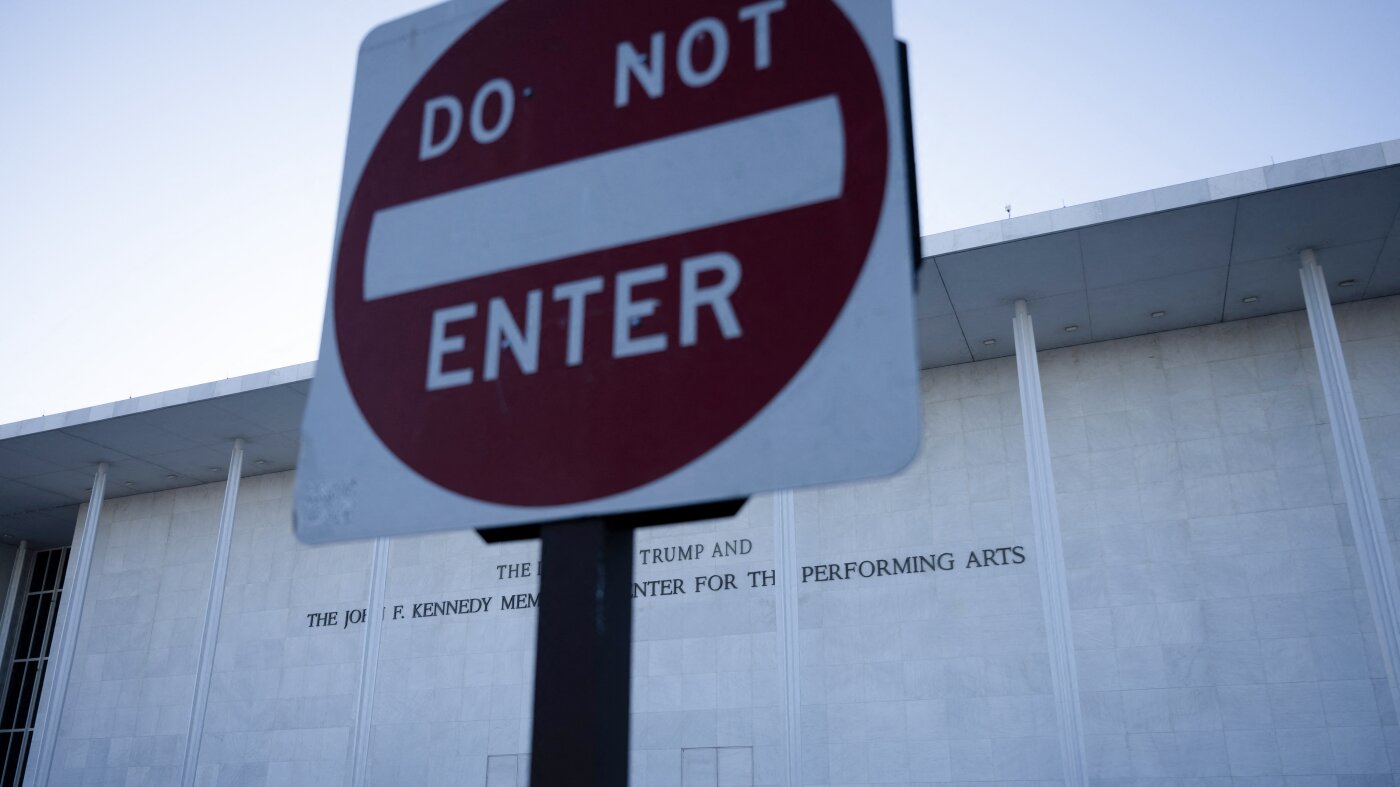
8 architecture and culture groups sue Trump and the Kennedy Center board

Two of my favorite color e-book readers are the cheapest they’ve been in months

UK counterterrorism police probe antisemitic arson attack as Iran-linked group claims responsibility

Senate hopeful with deep Dem ties slapped with scathing complaint targeting alleged family payout ‘scheme’

Florida High School Football Rankings: Top 25 teams – Oct. 21

How old is Bo Nix? What to know about Oregon quarterback ahead of 2024 NFL Draft

Cleary's 21 help Le Moyne down Central Connecticut State 69-64 in OT

99th annual Pony Swim held in Virginia

Indiana Members Credit Union announced as new anchor tenant at Bottleworks District
Senate hopeful with deep Dem ties slapped with scathing complaint targeting alleged family payout ‘scheme’

How the Iran war is about to hit your wallet

Suspect in slaying of Loyola University student was in the country illegally, officials say

Video: Plane Collides With Vehicle at LaGuardia Airport

As cattle herds shrink and beef prices rise, investors back AI cow collars
-

 Detroit, MI5 days ago
Drummer Brian Pastoria, longtime Detroit music advocate, dies at 68
-

 Oklahoma1 week ago
Family rallies around Oklahoma father after head-on crash
-

 Georgia1 week ago
How ICE plans for a detention warehouse pushed a Georgia town to fight back | CNN Politics
-
 Science1 week ago
Federal EPA moves to roll back recent limits on ethylene oxide, a carcinogen
-

 Alaska1 week ago
Police looking for man considered ‘armed and dangerous’
-

 Movie Reviews5 days ago
‘Youth’ Twitter review: Ken Karunaas impresses audiences; Suraj Venjaramoodu adds charm; music wins praise | – The Times of India
-
 Science1 week ago
Long COVID leaves thousands of L.A. county residents sick, broke and ignored
-

 Education1 week ago
Video: Turning Point USA Clubs Expand to High Schools Across America