Indiana
Indiana's overall child well-being scores decline in new national report • Indiana Capital Chronicle


A new state-by-state report shows Indiana’s child well-being ranking has dropped — in part due to Hoosier kids’ dismal math and reading scores, as well as increased rates of youth deaths.
Although Indiana continues to rank in the bottom half of states for its rates of teen births and children living in high-poverty or in single-parent households, those numbers are showing improvement.
The 2024 KIDS COUNT Data Book ranked Indiana 27th among states, three places lower than last year. It’s still a slight improvement, however, compared to 2022 and 2021, when the state ranked 28th and 29th, respectively.
In specific categories covered in the latest report, Indiana came in 15th for economic well-being, 17th in education, 31st in family and community, and 32nd in health.
“Indiana has significant opportunities and challenges ahead in supporting the well-being of our children,” said Tami Silverman, president and CEO of the Indiana Youth Institute.
“We should celebrate the progress we’ve made, especially in economic well-being areas such as parental employment rates and housing affordability; and we must acknowledge the disparities that persist for our kids,” Silverman continued. “Every child in Indiana should have access to quality education, regardless of their background or circumstances. By addressing these disparities head-on, we not only invest in the future of our children but also in the economic prosperity of our state.”
The report is prepared by the Annie E. Casey Foundation in conjunction with organizations across the county, including the Indiana Youth Institute. It rates states in 16 wide-ranging areas, which are lumped together under the categories of health, education, economic well-being, and family and community support.
Gaps in reading and math
The education portion of the latest edition — focused on student achievement — reiterates low numbers familiar to Hoosier education officials.
Just 32% of fourth graders nationally were at or above proficiency in reading in 2022, the latest year for which numbers were available. That was down from the 34% who were proficient in 2019, before the onset of the COVID-19 pandemic.
Scores were even worse for eighth grade math. Nationwide, only 26% of eighth graders were at or above proficiency in math two years ago, down from 33% in 2019.
Story continues below.
aecf-2024kidscountdatabook-2024
In Indiana, one-third of fourth graders performed at or above proficiency in reading — a four percentage-point decrease from the 2019 rate of 37%, the report showed.
Further, only 30% of Indiana eighth grade students performed at or above proficiency in math, marking an 11% decrease from 2019, ranking the state 11th nationally.
Among Indiana fourth graders in 2022, Black students had an average reading score that was 23 points lower than that of white students. Students eligible for the National School Lunch Program (NSLP) had an average reading score 18 points lower than those not eligible for NSLP, according to the KIDS COUNT report.
Meanwhile, eighth grade Black students in Indiana had an average math score that was 31 points lower than white students. Hispanic students in the same grade had an average math score that was 19 points lower than their white peers.
The Casey Foundation report contends that the pandemic is not the sole cause of lower test scores, though. Rather, the foundation says educators, researchers, policymakers and employers who track students’ academic readiness have been ringing alarm bells “for a long time.”
U.S. scores in reading and math have barely budged in decades. In Indiana, state education officials have repeatedly pointed out that Hoosier literacy exam scores have been on the decline since 2015.
During the 2024 legislative session, state lawmakers took decisive action as part of an ongoing push to improve literacy and K-12 student performance.
Paramount among the new laws passed was one to require reading-deficient third graders to be held back a year in school.
Stats on youth health and family life
Health-focused portions of the report show that — after peaking in 2021 — the national child and teen death rate stabilized at 30 deaths per 100,000 children and youth ages 1 to 19.
Indiana youth face mental health crises, declining school performance
But in Indiana, the death rate has continued to rise. While 29 deaths per 100,000 Hoosier children and youth were recorded in 2019, the rate increased to 36 deaths in 2022, per the report.
The Indiana Youth Institute (IYI) has already drawn attention, for example, to higher rates of mental health crises such as depression and suicidal ideation among the state’s youth. According to IYI data, one out of every three students from 7th to 12th grade reported experiencing persistent sadness and hopelessness. One out of seven students made a plan to commit suicide.
The most recent data available additionally show that nationwide and in Indiana, the child poverty rate improved and economic security of parents increased back to pre-pandemic levels.
Between 2018 and 2022, roughly 113,000 — or 7% — of Hoosier children were reportedly living in high-poverty areas. That’s a drop from 10% between 2013 and 2017, according to the report.
From 2019 to 2022, teen births per 1,000 declined from 21 to 17, and the percentage of children in single-parent families also dropped from 35% to 32%.
Still, some gains
Advocates pointed to “some bright spots” for Hoosier kids and their families in this year’s national report, as well:
- Between 2019 and 2022, more parents (75%) had full-time secure employment in Indiana — which surpassed both the national average and that of the four neighboring states: Illinois, Kentucky, Michigan and Ohio.
- In 2022, fewer children (22%) lived in households that faced a high housing cost burden, spending 30% of their income solely on housing expenses, in comparison to the national average (30%).
- In 2022, more Hoosier teens (95%) between the ages 16 and 19 were either enrolled in school or employed, an improvement from 93% in 2019.
- Far fewer children under 19 (5%) were also uninsured. Indiana saw the fifth-highest decrease nationally in uninsured children between 2019 and 2022 — a 29% improvement.
The report offers several recommendations for policymakers, school leaders and educators that include chronicling absenteeism data by grade, establishing a culture to pursue evidence-based solutions and incorporating intensive, in-person tutoring to align with the school curriculum.
“Kids of all ages and grades must have what they need to learn each day, such as enough food and sleep and a safe way to get to school, as well as the additional resources they might need to perform at their highest potential and thrive, like tutoring and mental health services,” said Lisa Hamilton, president and CEO of the Annie E. Casey Foundation. “Our policies and priorities have not focused on these factors in preparing young people for the economy, short-changing a whole generation.”
GET THE MORNING HEADLINES DELIVERED TO YOUR INBOX



INDIANAPOLIS (WISH) – The 2026 NCAA Division I Men’s Basketball Tournament’s Final Four is set.
Four teams have advanced to the Final Four and will compete for the national championship this upcoming weekend in Indianapolis.
The two national semifinal matchups will take place on Saturday. Tip times for the two games have been announced:
- 6:09 p.m. EDT – No. 3 seed Illinois vs. No. 2 seed UConn
- 8:49 p.m. EDT – No. 1 seed Michigan vs. No. 1 seed Arizona
The winners of Saturday’s games will then play in the National Championship Game on Monday, April 6.
Each game will take place inside Lucas Oil Stadium.

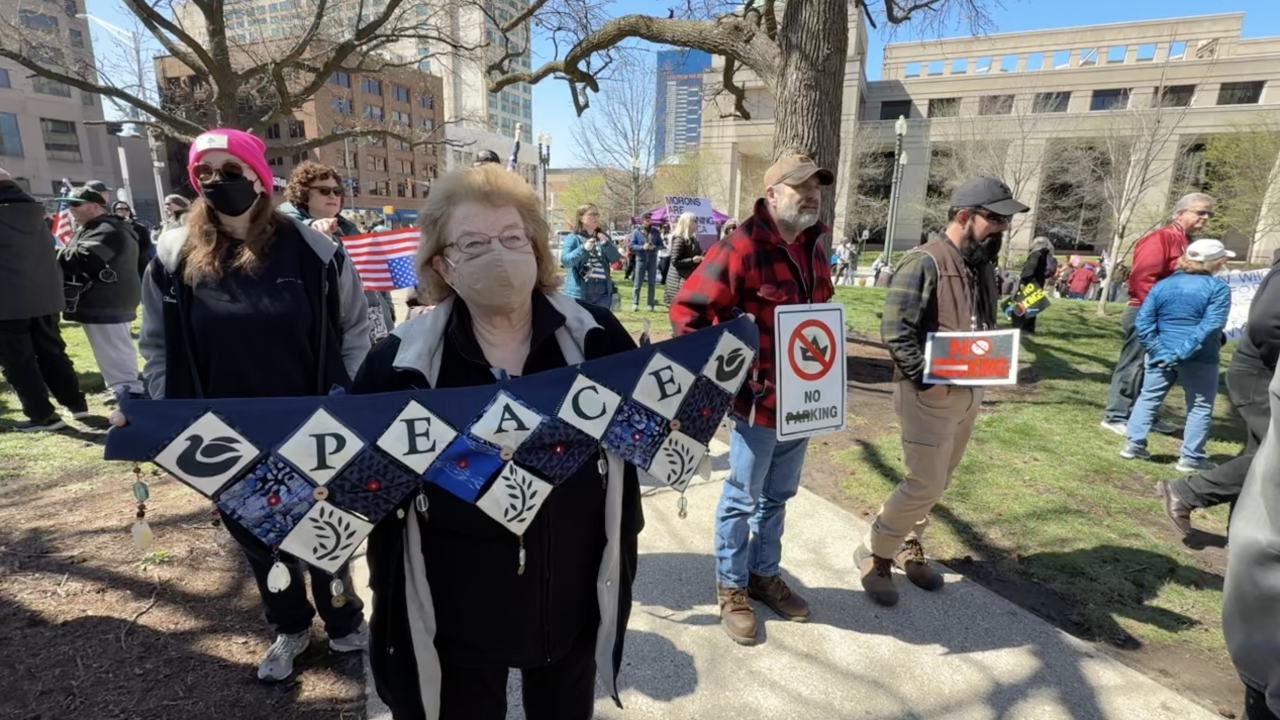
INDIANAPOLIS — Hundreds of Hoosiers gathered at the Indiana Statehouse Saturday morning as part of nationwide ‘No Kings’ events to voice their concerns about the current administration.
WATCH FULL STORY BELOW
Hundreds gather at Indiana State Capitol for ‘No Kings’ protest
“I’m out here today because what’s happening in our government is completely trash,” Donna Sipes told WRTV. “It’s wrong. We need to do something about it.”
“I’m tired of every single day when the TV comes on to see what stupid thing he’s done next,” Lindi Marti said.
WRTV
Attendees noted the growing popularity of the demonstrations.
“This is my fourth one to come to. I didn’t come to all of them when it was really cold, but I’m glad to see that they are getting a lot more people out here every time,” Marti added. “It seems like there’s more and more coming.”
Demonstrators highlighted specific foreign policy concerns, including the administration’s handling of the war in Iran.
“We’re bombing the heck out of them. We’re killing civilians,” Marti’s husband said. “We’re getting ready to send our Marines.”
WRTV
Others focused on the administration’s handling of immigration.
“That’s what I’m concerned about,” Reverend Kenny Little told WRTV. “Little kids, they’re taking them away from their family. And I’m just one of those people, I think everyone got rights.”
Indiana medical students also attended the rally to speak out against changes to the healthcare system.
“We’re really worried about the attacks on the health care system in general, but with Medicaid… current estimates range from anywhere from 325,000 to 450,000 Hoosiers will lose coverage by 2032,” Wade Catt said with concern.
WRTV
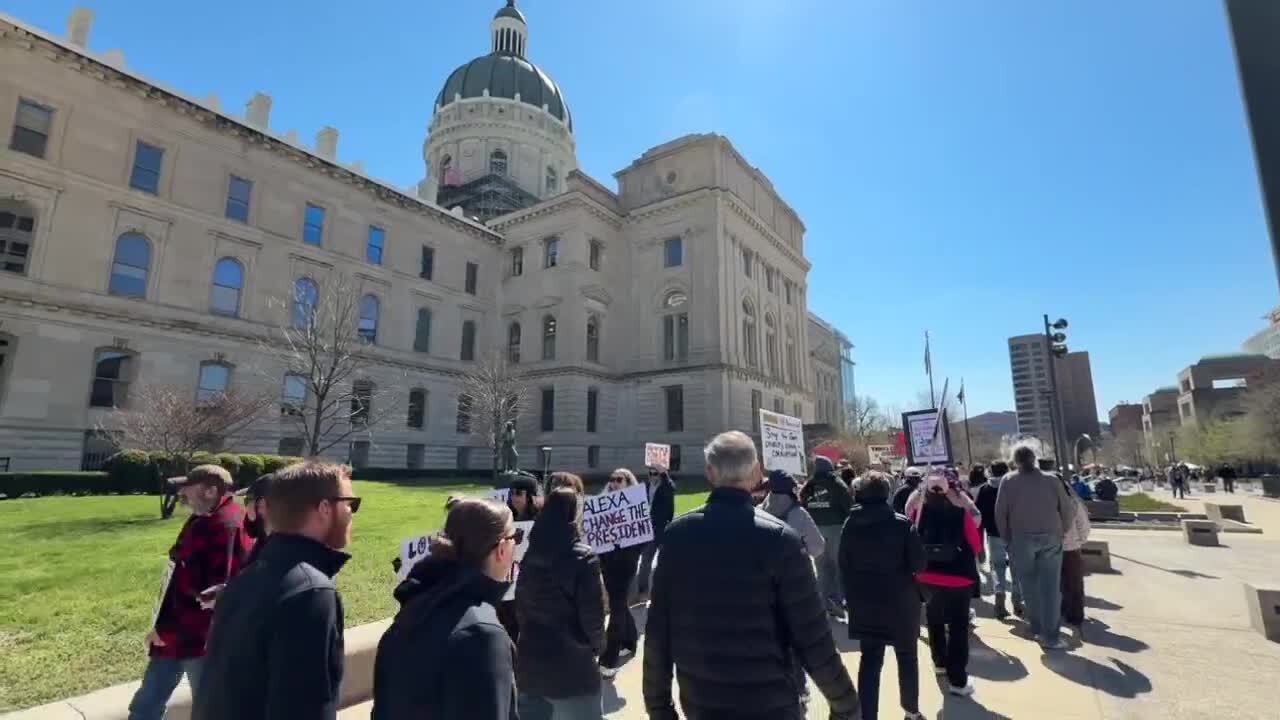
With midterm elections approaching later this year, attendees emphasized the importance of now taking action at the ballot box.
“If we don’t vote, then things are gonna not, they’re gonna stay the same,” a protester said.
Meanwhile, Indiana Lieutenant Governor Micah Beckwith says he’s happy to see Hoosiers exercise their First Amendment right to protest.
However, he takes issue with the idea that President Trump is acting like a king. Beckwith says the fact that people have the freedom to protest is proof that the president is not acting like a tyrant.
He acknowledges that bridging the gap between the sides is probably an uphill battle, but believes communication is key.
“I think when you sit down with people face to face, you’re confronted with humanity. There’s another human sitting across that table from you and talking to you. And so, all I have to say, I think that’s probably the thing I would encourage all Hoosiers to do is say, ‘Hey, if you don’t agree with somebody or if you don’t like somebody, why don’t you try grabbing coffee with them? And give it 30 minutes, and just see what happens.’ I bet most of the time people will walk away with a much softer heart and spirit towards that person before they came in,” Beckwith said.
Beckwith is currently on a 92-county tour of the state. He says all sides are welcome to attend his events.
__

INDIANAPOLIS (WISH) — Police say one “young man” is dead after a shooting at the 1200 block of Rue Rabelais at about 7:19 p.m. according to the Indianapolis Metropolitan Police Department.
That is near the intersection of 56th Street and Binford Boulevard.
Police say the victim was taken to Riley Hospital where he later died. Investigators say they are still working to identify the victim.
There was no known information about a suspect. Police did say that they believe this is a targeted incident.
There was no other information immediately available.
This story has been updated with information from the Indianapolis Metropolitan Police Department.

US allows Russian oil tanker to reach Cuba amid blockade as Trump says island ‘has to survive’

Dem senator warns deportation could let Virginia woman’s illegal immigrant killer ‘escape accountability’

Sleeping 11 minutes longer each night shows surprising health benefit, study finds

UConn’s Braylon Mullins hits game-winning 3-pointer to shock Duke, advance to men’s Final Four

Are robots coming to a McDonald’s near you?

Florida High School Football Rankings: Top 25 teams – Oct. 21

How old is Bo Nix? What to know about Oregon quarterback ahead of 2024 NFL Draft

Cleary's 21 help Le Moyne down Central Connecticut State 69-64 in OT

99th annual Pony Swim held in Virginia

Indiana Members Credit Union announced as new anchor tenant at Bottleworks District
Dem senator warns deportation could let Virginia woman’s illegal immigrant killer ‘escape accountability’

Newsletter: G7 ministers to hold talks on war’s economic fallout
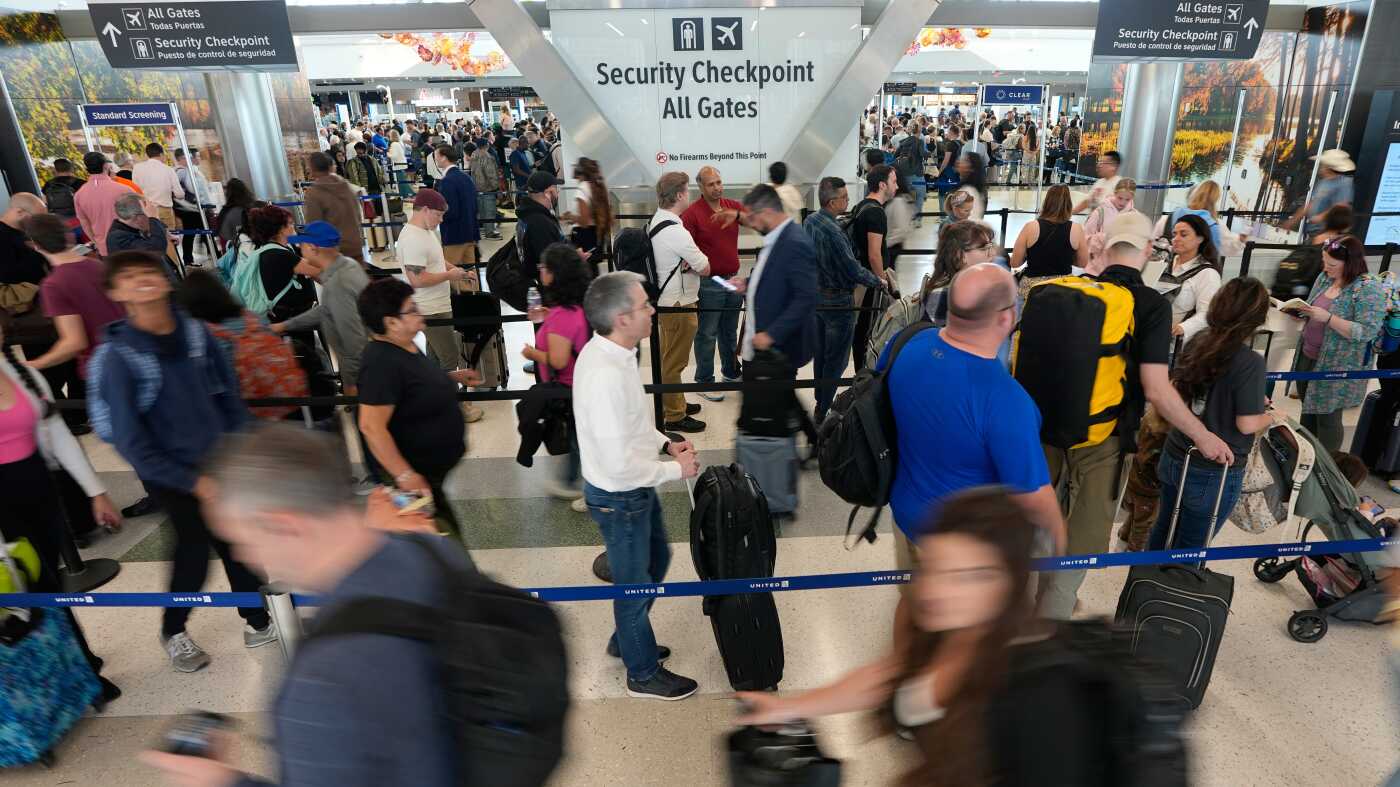
ICE officers could remain at airports after TSA workers are paid

Scathing report claims nation’s oldest labor union ‘betrayed’ MAGA members through ‘shocking’ spending

Republican US lawmaker demands Congress vote on any Iran troop deployment
-

 Sports1 week ago
IOC addresses execution of 19-year-old Iranian wrestler Saleh Mohammadi
-

 New Mexico1 week ago
Clovis shooting leaves one dead, four injured
-

 Miami, FL4 days ago
Jannik Sinner’s Girlfriend Laila Hasanovic Stuns in Ab-Revealing Post Amid Miami Open
-

 Tennessee6 days ago
Tennessee Police Investigating Alleged Assault Involving ‘Reacher’ Star Alan Ritchson
-

 Minneapolis, MN4 days ago
Boy who shielded classmate during school shooting receives Medal of Honor
-

 Politics1 week ago
Schumer gambit fails as DHS shutdown hits 36 days and airport lines grow
-

 Science1 week ago
Record Heat Meets a Major Snow Drought Across the West
-

 Technology1 week ago
YouTube job scam text: How to spot it fast