Lifestyle
In defense of Disney adults

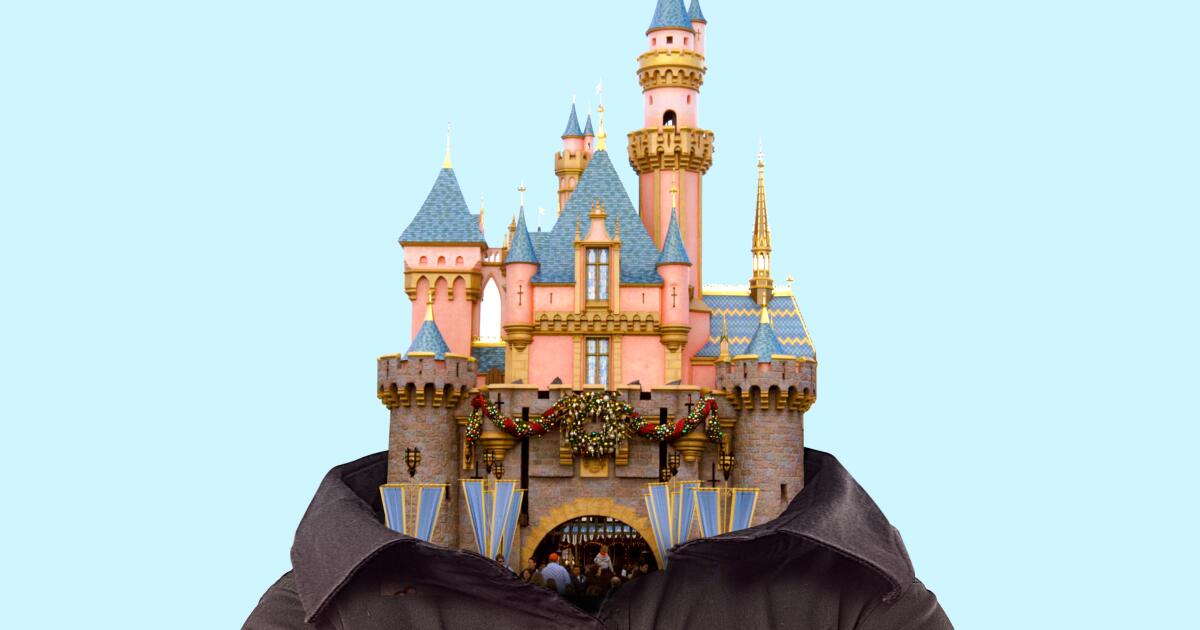
There are two words that will strike fear in a grown-up fan of a Disney theme park: Disney adult.
While some may wear the designation as a badge of honor, many associate it with a specific form of humiliation. For a Disney adult is typically seen as not an adult at all.
Their obsession, detractors argue, revolves around a capitalistic enterprise focused on childish happily-ever-after delusions. They are not living in reality, at least if the sneering definition on Urban Dictionary is to be believed; it argues that Disney adults are among “the most terrifyingly intense people you’ll ever encounter.”
What are the signifiers of a Disney adult? It varies, depending on how deep one goes. As a grown man in my mid-40s, I’ve been called a Disney adult. Perhaps it’s the Figment tattoo, or the plethora of monorail-inspired artwork in my home, items I justify as being a fan of art and design. Most likely it’s the fact that I go to the parks twice per month, often by myself, typically just to bask in the atmosphere.
But is there that big a difference between my love of Disney parks and that of live theater, museums or baseball? Culture, specifically online culture, often says yes, looking down upon those who spend their disposable income at a place devoted to fairy tales and people in costumes. Besides, Disneyland is crowded, expensive — so expensive some go into debt to experience it — and, worst of all, say deriders, fake.
If only all of that were true. Yes the parks can be prohibitively pricy, and they have found numerous ways to ruin the magic with nickel-and-diming. But is the Disney adult truly something to fear? Or are those who’ve held onto their love for Disney beyond childhood — specifically the die-hard fans who continue to pilgrimage to the parks — the sort of imaginative spirits from whom we could learn a thing or two?
To find out, I went to a number of people I consider experts in the Disney adult space — that is, designers, historians, writers, a psychologist and more. Disneyland is often said to be “fun” or “an escape,” but I wanted to dig deeper, to ask those who have thought critically about theme parks why these spaces matter, why millions are drawn to them and what, if any, emotional benefit they provide.
One word kept coming up: play. And with play comes not only silliness but vulnerability and community. Theme parks, everyone agreed, are facilitators of all of the above. And perhaps that’s why the phrase “Disney adult” causes such consternation. Belonging and frivolity are traits to crave, but increasingly they feel like luxuries.
Thoughts on Disney adults?
Are Disney adults to be envied or feared? Does a day at a theme park spark joy, or cause you stress? Leave a comment below with your take on the benefits — or lack thereof — of being a grown-up Disney fan.
Here’s my take: Humans survive on narrative, telling stories, often romanticized ones, to make sense of the world around us. Spaces that can create the illusion of separating us from our daily lives serve a crucial grown-up purpose: to envelope the guest and create a sense of wonder, grandeur and comfort. Imaginative design, be it Malibu’s Getty Villa or Sleeping Beauty Castle, are not just a balm but therapeutic, allowing us to embody idealized versions of ourselves. And after a week of juggling personal, professional and financial responsibilities, sometimes cavorting with singing pirates and dancing dolls simply takes the edge off.
But don’t just take my word for it. Here are multiple perspectives on the benefits of never graduating from a love of Disney parks.
The interviews have been lightly edited and condensed for clarity.
Bethanee Bemis
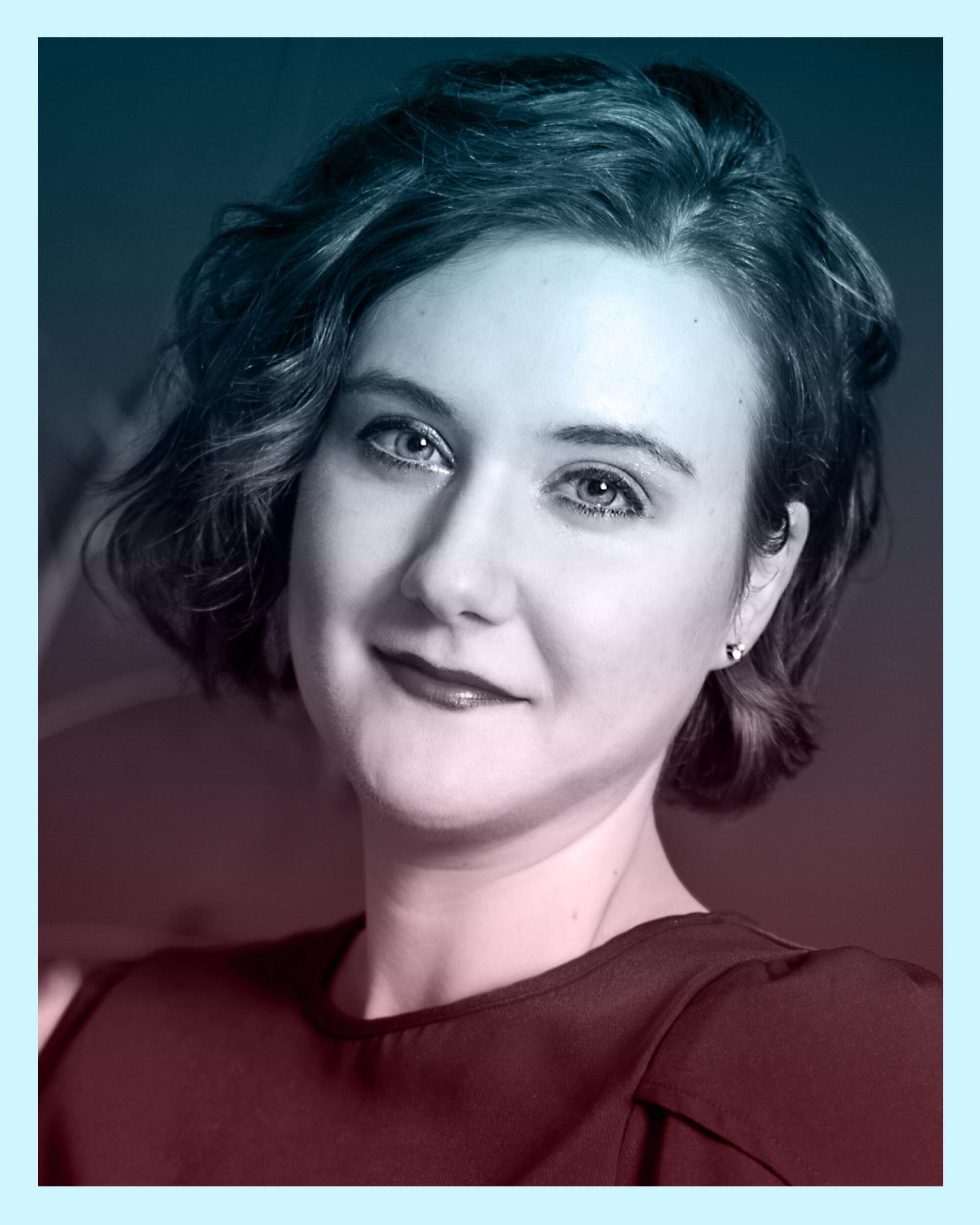
Bethanee Bemis.
(Photo illustration by Los Angeles Times; photograph by Sarah Treich.)
Museum specialist at the National Museum of American History and author of “Disney Theme Parks and America’s National Narratives”
One of the things that you see, if you’re looking at people going to the Disney parks over time — historically and today — is people saying they have a sense of safety. It’s physical. I’ve seen a lot of people who talk about having children with different abilities, and saying that at Disney they’re not afraid they’re going to run out into the street and be hit by a car. We also saw that during the pandemic. People returned to Disney before they returned to other spaces because they trusted Disney was going to keep them safe.
But it starts in the ’50s with Disneyland being a place of psychological safety, from the Cold War and the fraught political times. That continues today. There’s a sense that when you go to a Disney park, you put aside whatever you’re thinking of outside, and you just concentrate on the best of humanity. It’s physical and psychological safety, which people are seeking, whether they know that or not.
The Disney parks are very important. They are providing a narrative of what it means to be an American.
— Bethanee Bemis
I, as an adult, still suffer from anxiety. I remember growing up feeling a sense of calmness when I went to Disney because of its predictability and safety. I knew that when I was there I didn’t have to give in to that anxiety. I think that, in part, is what keeps drawing me back. But I saw that too in the research I did for my book. People go initially because they think they’re supposed to or their family went and they want to pass it down, but once they get that psychological release of feeling safe and feeling like they can be their most joyful self, that’s what people are chasing when they go back.
There are very few shared social institutions anymore in the U.S. We don’t belong to a dominant church. We very clearly don’t belong to one political ideology. But I’ve seen studies that say something like 83% to 90% will go to a Disney park at some point in their lifetime, whether they loved it, hated it or are a Disney adult. I think that’s one of the only shared experiences that as a country we still have. In that sense, I think the Disney parks are very important. They are providing a narrative of what it means to be an American. And one of the reasons we keep going back is because it represents the best. If we were functioning at peak humanity, how would we act to each other? If America were functioning at peak optimal performance, could we be as magical as this place?
Fri Forjindam
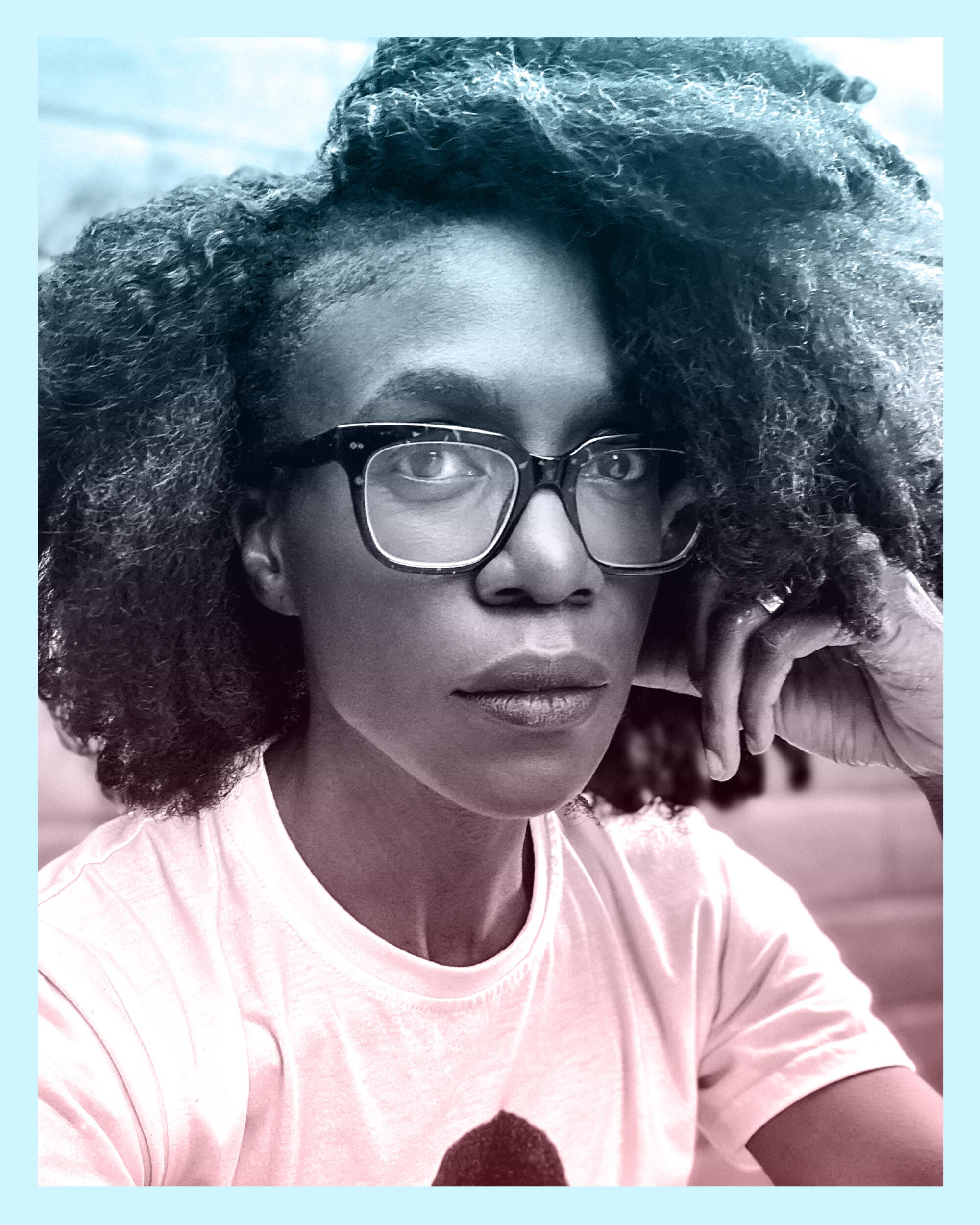
Fri Forjindam.
(Photo illustration by Los Angeles Times; photograph by Nahla Sophie)
Chief development officer at Mycotoo, a Pasadena-based experiential design firm with an emphasis on theme parks
We were born with the language to play and be curious before we even understood letters and alphabets. Curiosity, cause and effect, and gaming have always been in our DNA as a species, and that’s across all cultures. Over time, parameters, ideology and all these things erode the ability to be curious — or the right to be curious. Then it goes from a right to a privilege, where it’s just about whether you can afford to do it, or if you’re in a space that’s welcom[ing] to that mind-set.
I’m talking about what it means to play and see the world from a different lens — ultimately, that’s what play is, to be able to pretend. All of those things are about changing the lens, and as we age and get older the opportunities to enact that lens get smaller and more limited. So now it becomes a privilege thing, as to whether you can afford it. And I don’t just mean money. Also, time. There’s a cultural affordance. It is a privilege to be able to play.
You can be more vulnerable and you can open up more and have more meaningful connections. I think that’s what theme parks, at a high level, offer.
— Fri Forjindam
You’re commenting on people looking at you with a sense of judgment but also a sense of envy: “How come you can and I can’t? What is it that you do that allows you to do it?” I either wish I could, or I hate that, because it means you’re not a serious person. It changes from person to person and by gender and by ethnic group, but it changes from a right to a privilege and I think that’s unfortunate.
Even as adults, we’re constantly searching for where we fit and how we can affect people on a micro or macro level. That’s all play, because it’s testing and reacting. If that’s done in an environment that feels safe and judgment-free, you can be more vulnerable and you can open up more and have more meaningful connections. I think that’s what theme parks, at a high level, offer. Once you get deeper, there’s different expressions of that because it’s escapism. But that’s really what it offers. It’s an opportunity to find your tribe and your community.
My experience with Super Nintendo World is different from that of my 14-year-old and 11-year-old, and that’s OK. There was still a sense of possibility through these cute little characters that you were able to embody — these other worlds, these adventures, these challenges and these fantastical scenarios. That never ages. And the minute it does, we are no longer creative. As humanity, when we stop being curious about problem solving and being creative in how we look at things differently, we slowly atrophy.
Mikhael Tara Garver
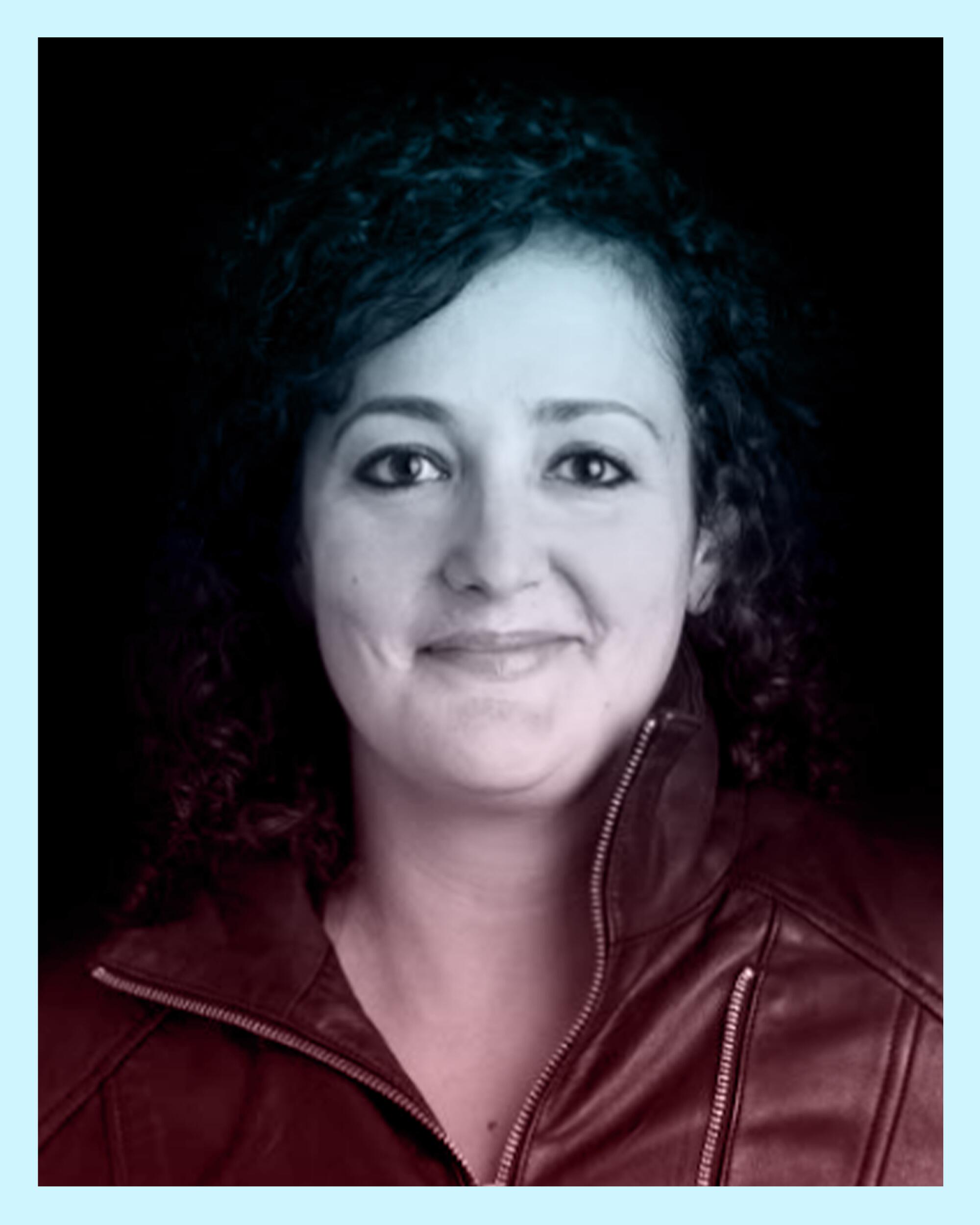
Mikhael Tara Garver.
(Photo illustration by Los Angeles Times; photograph by J Bascom)
Co-founder of Culture House Immersive, the experiential entertainment arm of L.A.-based production company Culture House. Garver previously worked with Walt Disney Imagineering and immersive theater production “Sleep No More.”
I think that there are very few places that we go to that the entire intent is joy. As an adult, I actually think practicing figuring out how to go to a place like that, and how to do that with people I love, is really important. Am I here to say that all the challenges that exist in theme parks — lines, all that stuff — support that? No. But ultimately, why we are going is that it’s built as a place for wonder, joy and play.
I think sports is the other place where that happens for people. But why do we judge if the way you connect to the world is through story, joy and play versus if you connect through the story of fandom, joy and play? That’s kind of how sports identifies itself. I believe they’re interconnected. And I’m a sports fan. I’m wearing my Notre Dame shirt right now. But it’s a misconception.
We crave fandom and we find it in music, but we don’t call people a Beyoncé adult.
— Mikhael Tara Garver
The first time I worked at a theme park was the [Star Wars: Galactic Starcruiser]. I’ve worked in massive immersive themed work, and I came to theme parks in my 40s as a creator. And the way I approach anything I’ve done, I’m super curious. So the Disney adult phenomena, I became obsessed with understanding. And truly, it’s the same thing as people who are intense about a sports team. It’s the same thing.
It has problems, like fandom around a sports team, but it has beauty and belonging. Yet we don’t say the Dodgers adult. We say the Disney adult. We crave fandom and we find it in music, but we don’t call people a Beyoncé adult. But it’s just narrative. Disney is about living in narrative play worlds. It’s narrative play. Sports is sports play. Music is music play. We dance together.
Margaret Kerrison
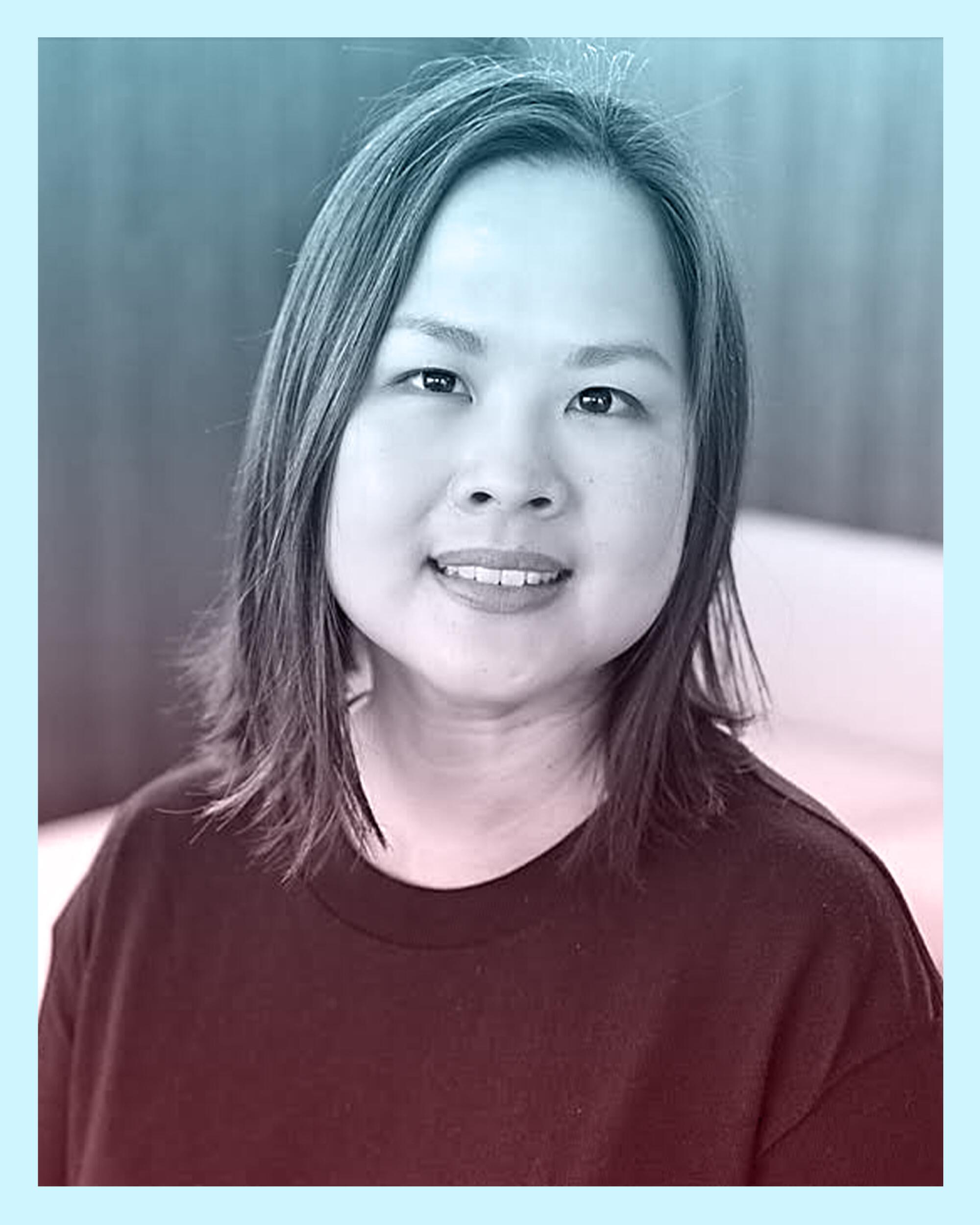
Margaret Kerrison.
(Photo illustration by Los Angeles Times; photograph by Foster Kerrison)
Former theme park designer with Walt Disney Imagineering, helping to lead the creation of Star Wars: Galaxy’s Edge, and author of two books, including “Reimagined Worlds: Narrative Placemaking for People, Play, and Purpose”
If people take a stance against Disney, it’s against mega-corporations or mass consumption. But there’s so many of us who understand it’s more than that. It’s about stories and characters and all the things that give us hope, optimism and fun. Is that so wrong to want that?
I had to coach my husband when I first started working for Imagineering. My husband is a hiker, a birder, a nature person. People were asking me, “So you’re going to be designing theme parks?” And my husband was like, “Yes, that’s right, but I’d rather be going to a national park.” On the drive home I had a serious conversation. “You can’t say stuff like that. You have to be supportive of what I do.” And now, he’s asking to go to Disney theme parks more than I suggest.
It’s about stories and characters and all the things that give us hope, optimism and fun. Is that so wrong to want that?
— Margaret Kerrison
I think a lot of designers need to be reminded that places that are open to the public are our gathering places. We’re lacking in them. I write in my book about how we’re losing our “third place.” We do everything from home. We go to the gym at home — yoga online — and we can get everything delivered. No matter where you come from, you can step into a place like a Disney theme park and feel like you’re coming home. It’s a place of collective memory. For me and you talking about Disneyland, we’ve never been there together, but we can talk about it like it is our home because we have shared memories.
A lot of the time people are like, “It’s all just made up. It’s fictional. They’re fabricating.”
Everything — any place you go to — is fabricated, unless you go into nature, but even that is by nature’s design. If your feelings are real, if you feel happy and joy and connected, who’s to say whether it’s “real” or not? Do I feel safe and secure? Do I feel like I belong? And is there an invitation to play? For those who say, “Yes, I want to do this. Let’s play,” then those are the ones who benefit the most. Theme parks are meant to be social and meant to promote connection, with the people you’re with or with strangers. It’s the chance to connect with something bigger than yourself. It’s a shared identity, and that’s what makes community.
In the example of my husband, a lot of it is the fear of the unknown — the fear of not knowing how I’m supposed to act or if other people will look at me funny as a grown adult being silly and having fun. But at Disneyland, you see people of all ages dancing in the queue and laughing. In this place, you have permission to be as playful as you want. This is a land of play.
Drea Letamendi
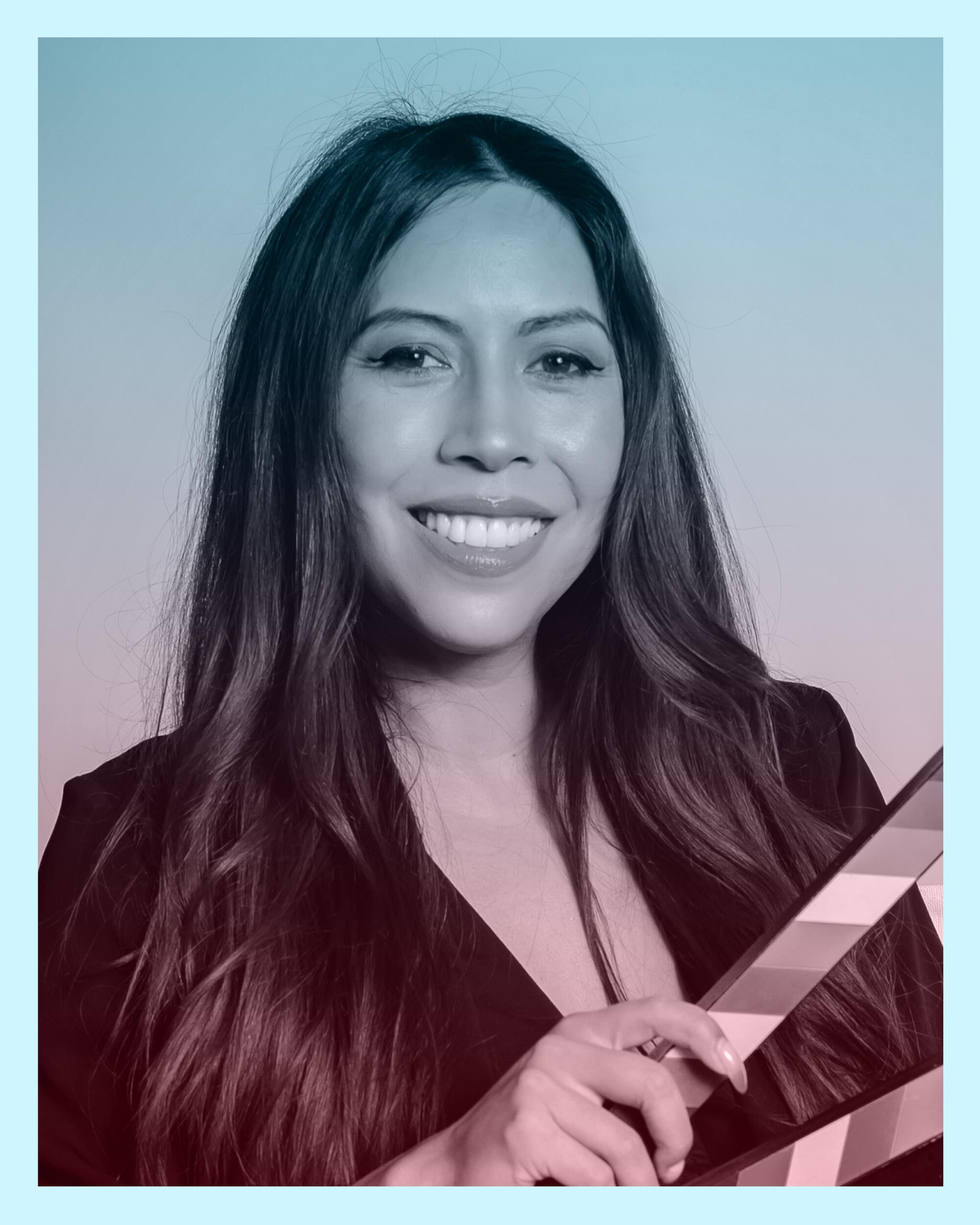
Drea Letamendi.
(Photo illustration by Los Angeles Times; photograph by Idriss Njike)
Psychologist, mental health strategist at UCLA and co-host of the podcast “The Arkham Sessions: Psychology of Batman & More”
I go to the theme parks relentlessly, without guilt, and continue to buy the passes that I know they’re overcharging me [for]. It is an enjoyment that I cannot and will not give up. I know a lot of people like me who don’t have children but continue to enjoy the Disney theme parks. The first element I think of is play. Everybody can benefit from play. A lot of therapists will agree that adults need play on a consistent basis. More and more, adults are not necessarily discouraged, but not encouraged, to introduce play into their everyday lives. We have a lot of responsibilities — our finances, our relationships and our work relationships. We have very few cues in our lives to participate in play. The Disney parks, without question, give us nonstop cues.
It’s about sparking youthfulness. I don’t mean age by that. I mean a sense of creativity.
— Drea Letamendi
Why is play important? Play relieves stress. Some people will say Disney planning can be stressful, but for the most part this is the kind of play that reduces stress, and therefore release these wonderful chemicals called endorphins. These are the feel-good chemicals we need to help manage our anxiety, our mood disorders, our feelings of self-doubt and the everyday stress that a lot of us carry. Secondly, play can help improve our brain functions — it’s just a sense of executive functioning. How are we interacting socially? How are we planning our day?
The last thing I’ll say about play: It accelerates and stimulates social interaction. Even if you’re an adult who goes on your own, being connected to other people who enjoy the same things that we enjoy can be incredibly therapeutic. It’s validating. It’s very affirming. We get the sense that our enjoyment of that very thing is shared. There’s a community aspect to it, and you don’t even have to know the people around you for that community benefit to happen. Fundamentally, I really want to underscore the importance of the Disney parks. It’s about sparking youthfulness. I don’t mean age by that. I mean a sense of creativity and getting permission to be free-flowing and fluid in those thoughts.
There’s nothing necessarily wrong with someone who positions themselves or talks about themselves as a Disney adult. The stigma around the term Disney adult is that it might be associated with fandoms or lifestyles that some people are trying to stay away from. As a Disney adult, that seems wild to me. Someone would stay away from a person who loves creativity and fictional characters and immersing themselves in imaginative worlds? I think some people feel deterred by that. At the end of the day, anything that provides positive well-being that doesn’t harm other people should be well accepted.
Robyn Muir
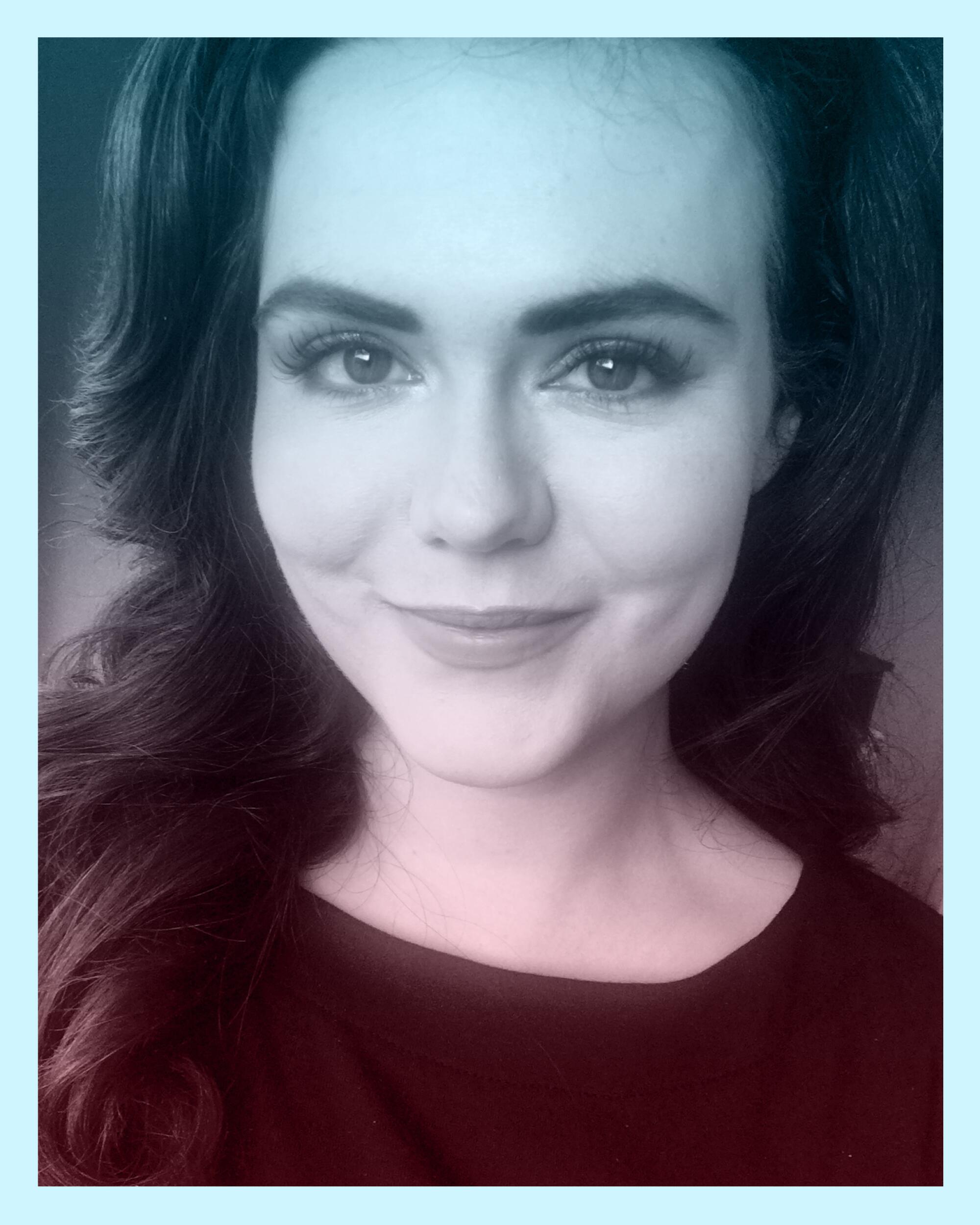
Robyn Muir.
(Photo illustration by Los Angeles Times; photograph by Robyn Muir)
University lecturer, author of “The Disney Princess Phenomenon: A Feminist Analysis” and founder of the scholarly community the Disney, Culture and Society Research Network
Life is really hard, right? Life as an adult is really hard. I think for a long time as a child you are desperate to grow up, and then when you grow up, you think, “Oh God, what have I done that for?” I don’t want to speak for all adults, but there is a notion of, “Here I am, I’ve grown up and now I have all this responsibility. I’ve got to pay bills and I just want to go back to having fun with my friends every so often.”
Disneyland and Walt Disney World, and even the films themselves, they were designed not just for children. They were very aware they wanted to expand that target market. Unfortunately, over the years, what seems to have happened is that Disney and Disney films have become associated with childhood. That’s not how we should think about things. It’s a place for people of all ages. That’s why you’ve got dark rides, where you can go on a nice little boat ride, and you’ve got huge thrill rides like Space Mountain. They want to offer a space for everyone, and that will of course have benefits with profits.
I’ve read Plato and Aristotle, but I know I’m going to have a better time at a Disney theme park, to be honest with you.
— Robyn Muir
I’ve done research with people where they’ve explained that they might not want to admit that they’re Disney adults. They don’t want judgment because it’s seen as a children’s thing. It’s seen as childish if you’re engaging with it. I don’t think that’s the case. You can be a responsible adult and be very serious while allowing yourself to play and have fun and engage in something that brings you joy. For example, sports fans. It’s the same thing, just in a different setting. Sports fans buy the merchandise. They buy tickets to games. But yet that is not deemed childish. So I think there’s a real issue around how society sees Disney. Is there’s a “sports adult”? Is there a “video game adult”? They’re the same fan practices.
I’m a feminist media scholar, so I’m often looking at media that women are engaging with, and you often see how anything to do with women’s media — a “chick flick” or a rom-com — can’t be taken seriously. And anything associated with children’s media is all kind of suctioned into this idea of being lowbrow. I don’t think that’s a way to categorize media. To go and see the theater one day, and then go to a Disney park, one is highbrow and one is lowbrow and that’s elitist. I’ve read Plato and Aristotle, but I know I’m going to have a better time at a Disney theme park, to be honest with you. I don’t live near a Disney park. If I were able to go to Disneyland every two weeks? What a dream that would be.
Paul Scheer
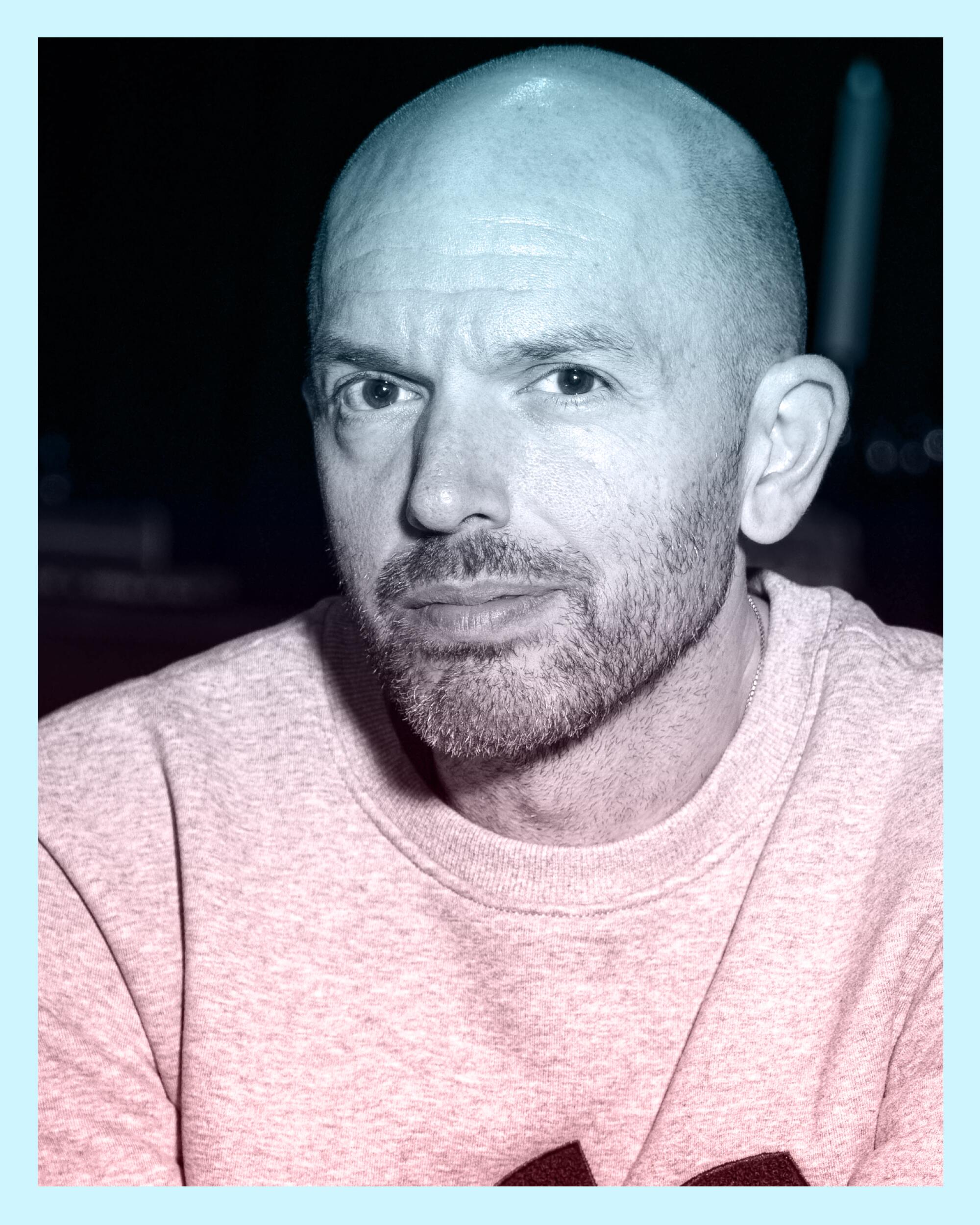
Paul Scheer.
(Photo illustration by Los Angeles Times; photograph by Luke Dellorso)
Actor, comedian, podcaster and author of “Joyful Recollections of Trauma,” which documents his formative memories of Disney theme parks
While I like the movies a lot, I don’t have a slavish devotion to them. I love these movies, but I’m a Disney parks adult. I love the parks.
There are days that I’ve gone to Disneyland, and I’ve sat on Main Street, on a bench or off in a little corner, and I just watch people. I watch people enjoying ice cream at 10 a.m. I watch families go by. You can see community. For most people who don’t live in L.A. or near a park, it’s expensive. It’s expensive even if you live in L.A. So it’s an important day. I grew up with this idea that if you go to church, you put on your nice clothes. Disney is like, “We’re going to have a good day.” Everyone brings their A-game.
I think it actually recharges your mind. You’re seeing an alternate world where people are happy, things are fun and everything is delicious. You can go and escape into this other alternate reality, which is jumping on a ride. I love Haunted Mansion. I love Pirates of the Caribbean. But I will say, [Star Wars:] Galaxy’s Edge is, in the grand scheme of what Disney does, one of the most amazing things. You’re transported into a different world. How did they do that? I’ve never felt like that. I walk into Galaxy’s Edge, and I’m like, “Am I at Disney anymore?”
When you are in your lowest moment or you’re with your friends, it can take you to another place — a place outside of the world you’re in.
— Paul Scheer
But in general, it’s a place that is safe, that is magical, and when you are in your lowest moment or you’re with your friends, it can take you to another place — a place outside of the world you’re in. There’s a reason I don’t like Six Flags as much. It’s an amusement park. A theme park, to me, you walk through the gates and you’re transported into a land of safety and comfort. I grew up in a household where I had an abusive stepfather, and one of the reasons I loved Disney with my dad was because it was truly an escape and a place I didn’t have to worry about anything else.
As an adult, I love bringing my kids there. They can run around and they’re not going to get hurt. There’s this safety of someone looking after you. A theme park, in the grand scheme of things, is a loving hug from a parent. It’s going to tell you a story, it’s going to feed you good food and it’s going to keep you safe, as long as you buckle your safety belt and pull down on the handlebars. It’s the personification of a hug from Nana.
Justin Sonfield
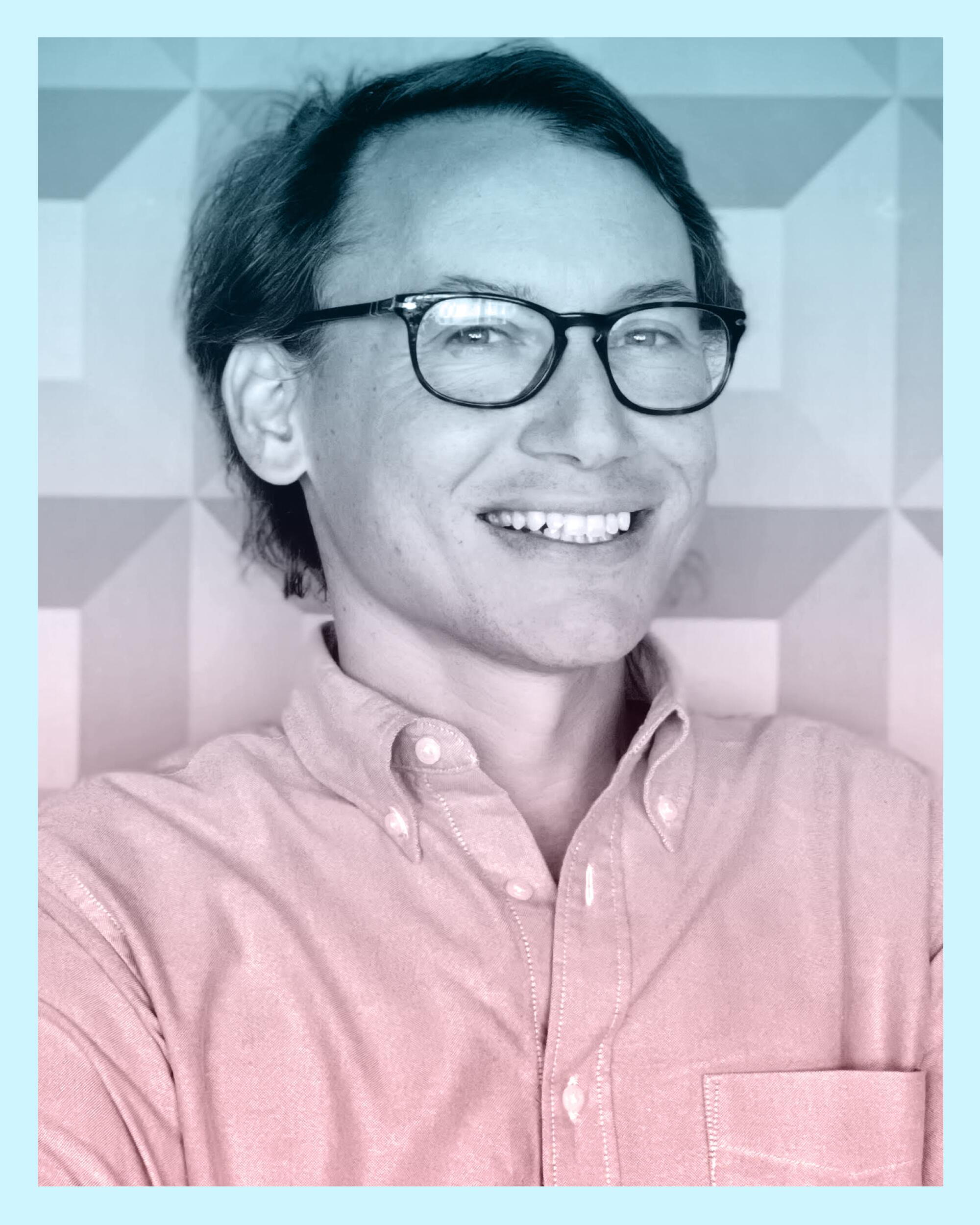
Justin Sonfield.
(Photo illustration by Los Angeles Times; photograph by Ethan Barber)
CEO of home furnishing company Jonathan Adler and “commanding officer” of the 501st Legion, a “Star Wars” costuming community
I am bullied consistently by [company founder] Jonathan Adler about why I go to Walt Disney World all the time. There’s definitely a thing. “You’re a Disney what?” “Oh, we’re Disney adults.” “So that means you never grew up?” No, that means we go back and enjoy these things as adults. It’s a mind-resetting wonderful thing. I would say most people around us don’t get it. But then we started meeting other Disney adults, and here we are going back more and more, but people don’t get it. And I understand why. On the outside looking in, Disney is a very expensive time.
And there is a perception that it is meant for kids, and if you are that much into Disney you are maybe missing some grown-up gene. I personally don’t believe any of that. Disney people and Disney adults are some of the best people we know, and I think the reason is because they have, in their minds, been able to let go of some of the grind. They can focus on some of the things that made them happy throughout their lives.
Disney people and Disney adults are some of the best people we know, and I think the reason is because they have, in their minds, been able to let go of some of the grind.
— Justin Sonfield
I’m one of those adults who never gave up play. I always thought that play was essential in my adult life. And there’s science to it. When you go to a corporate retreat, for example, and then all of a sudden you do the “trust game.” You’re going to work together as a team and problem solve. You will find that almost every single time everyone has a good time. It’s very hard to not find out more about co-workers and find out more about yourself in those type of situations. So when you have a theme park, and you’re giving yourself license to relax and play, there’s no question that it’s a positive effect.
How many times have you gone to Disney and seen a family having a day from hell? At the end of the day, they’re yelling at the kids and this and that. With Disney adults, there’s none of that. It’s just positive vibes. So it’s one hell of a reset. I have no idea why people would be against it other than the cost-prohibitive nature to it. There could be the connotation that you’re a little less mature, but honestly? I think it’s the exact opposite. It’s people that are truly in touch with who they are and just love it for what it is.

Lifestyle
John Cena wanted to step away from the WWE ring before he became ‘too slow for the show’ : Wild Card with Rachel Martin

A note from Wild Card host Rachel Martin: First a confession: I have never watched a WWE match in its entirety. Don’t get me wrong, I appreciate the athleticism and the performance, it’s just not my thing. But there is something about John Cena I’ve never been able to shake.
Yes, he is a wrestling legend, but he has built a career as an entertainer that transcends the ring. The first time I saw him lead a cast was the 2019 family movie “Playing with Fire” and his rapport with kids in that film didn’t seem like acting at all. The man contains multitudes!
He co-stars with Eric Andre in his newest film, “Little Brother.”

Xie Miao and Yang Enyou in The Furious.
Norachai Kajchapanont/Lionsgate
hide caption
toggle caption
Norachai Kajchapanont/Lionsgate
There have been some fantastic movies released this year, and we know you can’t see them all. So we’re recommending four recent movies we missed that you should add to your watchlist: The Furious, Tuner, She’s The He, and Heresy.
If you need a few more fun film recommendations, check out these episodes:
Fun movies you may have missed
Our favorite movies on Tubi
We debate the best movies to watch on an airplane
Connect with Pop Culture Happy Hour:
Letterboxd / Facebook
Our weekly newsletter
Support Pop Culture Happy Hour+

A tarp covers the facade of the John F. Kennedy Memorial Center for the Performing Arts in Washington, D.C., on June 13. A federal judge has asked the arts complex’s leadership to explain the purpose of the tarp and the surrounding scaffolding.
Alex Wroblewski/AFP via Getty Images
hide caption
toggle caption
Alex Wroblewski/AFP via Getty Images
On Wednesday, the federal judge overseeing the Kennedy Center lawsuit ordered the center to give him a status report on the center’s operation and programming within the next few weeks. Judge Christopher R. Cooper also said that the Kennedy Center must explain the purpose and status of the tarp and scaffolding that have been placed over the front of the arts complex, where until recently both President Trump and President John F. Kennedy’s names were both displayed.
In a directive issued last Tuesday, Judge Cooper had given Kennedy Center administrators three days to update him on the arts complex’s immediate plans regarding construction, programming and public access. Trump, who now serves as the center’s chairman, had announced July 5 as the date the venue would close for major renovations.

Last Friday, on Cooper’s due date, lawyers for the Kennedy Center filed a request asking for an extension. In that filing, Matt Floca, who was promoted as the center’s president and CEO in March, said that the Kennedy Center’s current management intends to present its board with “an array of options” for trustees to vote on at their next meeting on an unspecified date in mid-July.
According to Floca, the options are a complete closure for extensive renovations; a partial closure “enabling some continued public access and limited programming” while some renovations are undertaken; and “a highly limited series of phased closures to address only the center’s most serious infrastructure needs while scheduling and maintaining a full slate of programming.”
In his newest order, Cooper denied Floca’s request for an extension. And he mandated that the center file a status report within seven days of the center’s July board meeting or by July 31, whichever date is earliest. He also ruled that the report must “indicate the purpose for and status of the tarp and scaffolding,” which were erected by workers over the center’s front signage in the early morning hours of June 13.
When asked for comment Wednesday, the Kennedy Center pointed back to the documents its legal team submitted to the court.
The tarp and scaffolding on the center’s front portico went up after the Kennedy Center’s administration slow-walked the court-mandated removal of President Trump’s name from the front of the center and from all digital materials, which was supposed to happen no later than June 12. Workers removed the lettering overnight into the following morning, hours after the federal court’s original deadline, and covered the center’s sign with a tarpaulin.
As of Monday, the sign remains hidden from the public.

Trump’s name was scrubbed from all of the Kennedy Center’s digital content on June 4, the same day an email order to do so was issued by the complex’s legal team; NPR obtained this memo the day it was sent out to Kennedy Center staff.
These court orders are part of the ongoing lawsuit filed by Rep. Joyce Beatty, D-Ohio, against President Trump and the board of the Kennedy Center. Earlier this year, Cooper ruled that Beatty, an ex-officio member of the Kennedy Center board, must be allowed to participate in board meetings. NPR has asked Beatty if she plans to vote at the July board meeting, but did not receive an immediate response.
It would be very difficult for the Kennedy Center to revive a thriving programming lineup for the months ahead. Over the past year, many prominent artists canceled their planned appearances, citing the politicization of the venue. Most of the center’s programming staff have departed, either via layoffs or resignations. Unlike top administrators at other major performing arts venues around the country, Matt Floca has no experience in artistic direction, fundraising or arts administration; formerly, he was the center’s head of facilities, and he holds a bachelor’s degree in construction management.
Established artists who typically perform at the Kennedy Center generally have their touring schedules set at least a year in advance, if not multiple years ahead. In years past, the center has publicly announced its upcoming season in mid-spring for performances beginning in September and running through the following summer.

Currently, only a handful of outdoor free movie screenings of nostalgic favorites like The Princess Diaries and Clue appear on the center’s calendar of events, along with some participatory workshops for kids. In the past, the Kennedy Center presented over 2,000 arts and education events each year.
The center also recently became ensnarled in litigation with one of its longtime tenants and artistic partners. On June 12, the Washington National Opera, a company formerly in residence at the Kennedy Center, sued the complex for $17 million. It claims that the Kennedy Center had withheld “years’ worth of donor gifts, bequests and endowment funds” that had been intended specifically for the WNO.
-
Lifestyle10 minutes ago
John Cena wanted to step away from the WWE ring before he became ‘too slow for the show’ : Wild Card with Rachel Martin
-

 Technology22 minutes ago
Here’s a bunch of Prime Day deals on keyboards, mice, and other peripherals we like
-

 World25 minutes ago
Israel slams UN report as ‘political blood libel’ for alleging deliberate targeting of Palestinian children
-

 Politics30 minutes ago
Biden judge rejects Trump’s sanctuary cities lawsuit, says even a win wouldn’t solve DOJ’s problem
-

 Health38 minutes ago
Latest COVID vaccine may have unexpected health benefit, study suggests
-

 Sports40 minutes ago
How to watch USA vs Turkey: Live stream the 2026 FIFA World Cup
-

 Technology46 minutes ago
Bionic hands are now teaching robots to feel
-
 Business52 minutes ago
Snap CEO Evan Spiegel and Miranda Kerr help erase $550 million in medical debt for Californians

