

Connect with us

Fitness

If You're Not Practicing 'Preventative Fitness' You Need to Start—Here's Why

Published

on

If You're Not Practicing 'Preventative Fitness' You Need to Start—Here's Why

Amid life’s hectic daily hustle, it’s common to focus solely on your main fitness goal during workout sessions. However, more and more people are jumping on the “preventative fitness” bandwagon, aka staying ahead of health issues and injuries to keep their bodies fit, strong, and in all-around good condition. We spoke with a fitness expert who shares everything you need to know about preventative fitness and why it should be a key part of your fitness routine.

What Is Preventative Fitness?

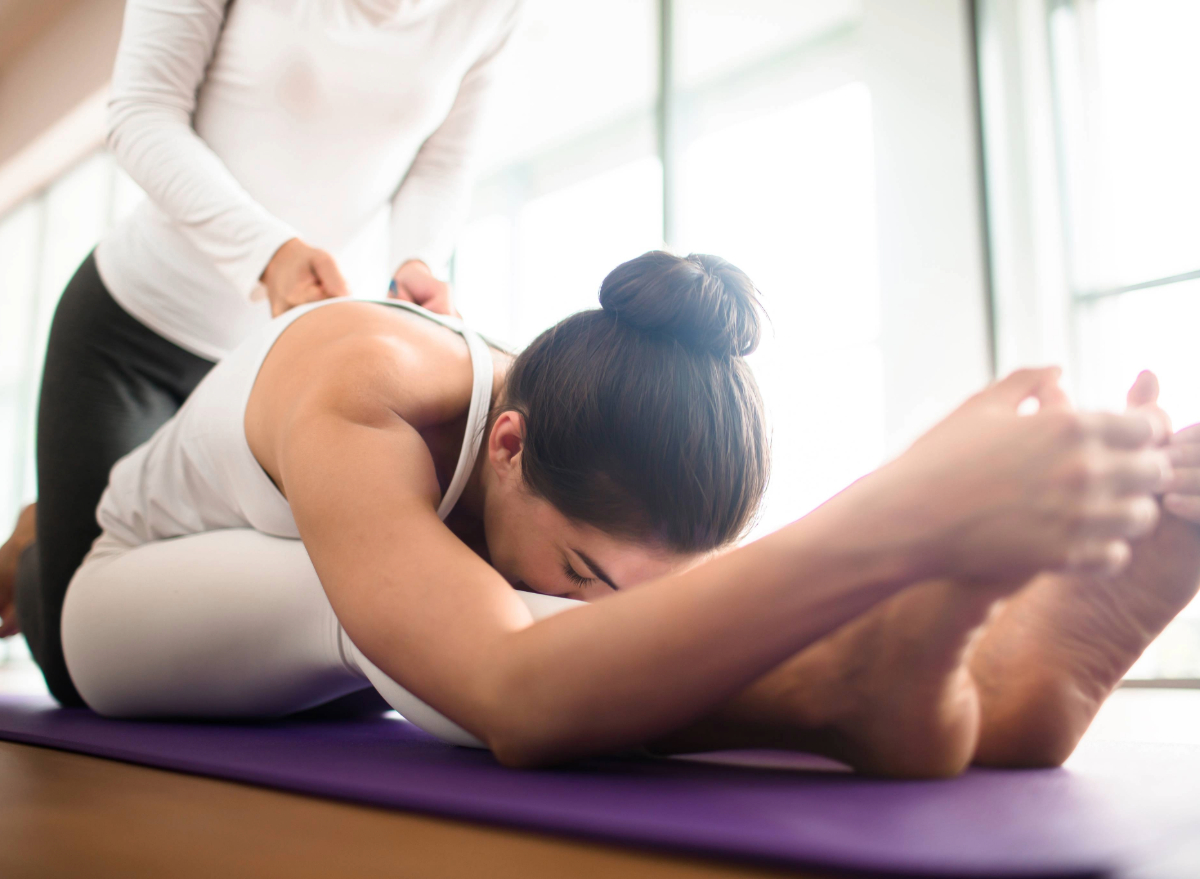
woman doing assisted stretching
Shutterstock

Preventative fitness is all about staying strong, fit, and resilient while successfully tackling life’s daily demands. This method spotlights healthy habits and exercises that boost your balance, flexibility, muscle endurance, and joint health while decreasing injury risk. No matter your fitness goal or level, preventative fitness is a smart addition to your regimen to help you avoid any potential setbacks.

“A big part of [preventative fitness] is stretching—it helps improve flexibility, range of motion, and muscle recovery, which can prevent strains and other injuries,” explains Bonnie Strati, NASM CPT, 200 hr E-RYT yoga instructor, and master instructor with StretchLab. “By combining strength, flexibility, balance, and cardio, you’re setting yourself up to avoid problems down the road. It’s key to staying fit and feeling good long-term, both physically and mentally.”

10 Essential Daily Stretches You Should Be Doing After 50

The Benefits of Incorporating Stretching into Preventative Fitness

runner stretchingrunner stretching
Shutterstock
  • Injury Prevention: Regular stretching enhances mobility and flexibility, decreasing the likelihood of suffering from common injuries, especially in the muscles and joints.
  • Improved Flexibility and Posture: Stretching addresses any imbalances in your muscles, boosts your range of motion, and enhances posture. These benefits can help you avoid issues such as neck and back pain.
  • Increased Cardiovascular Health: Adding stretching to your fitness regimen will help you move better in your favorite sports and cardiovascular activities, ultimately improving your heart health.
  • Boosted Mental Wellness: When you stretch, you immediately feel a sense of calm and release. Stretching your muscles alleviates any tension, anxiety, and stress, improving your overall well-being.

A 63-Year-Old Yoga Instructor’s Top 3 Moves for Better Mobility

Key Components of a Preventative Fitness Routine

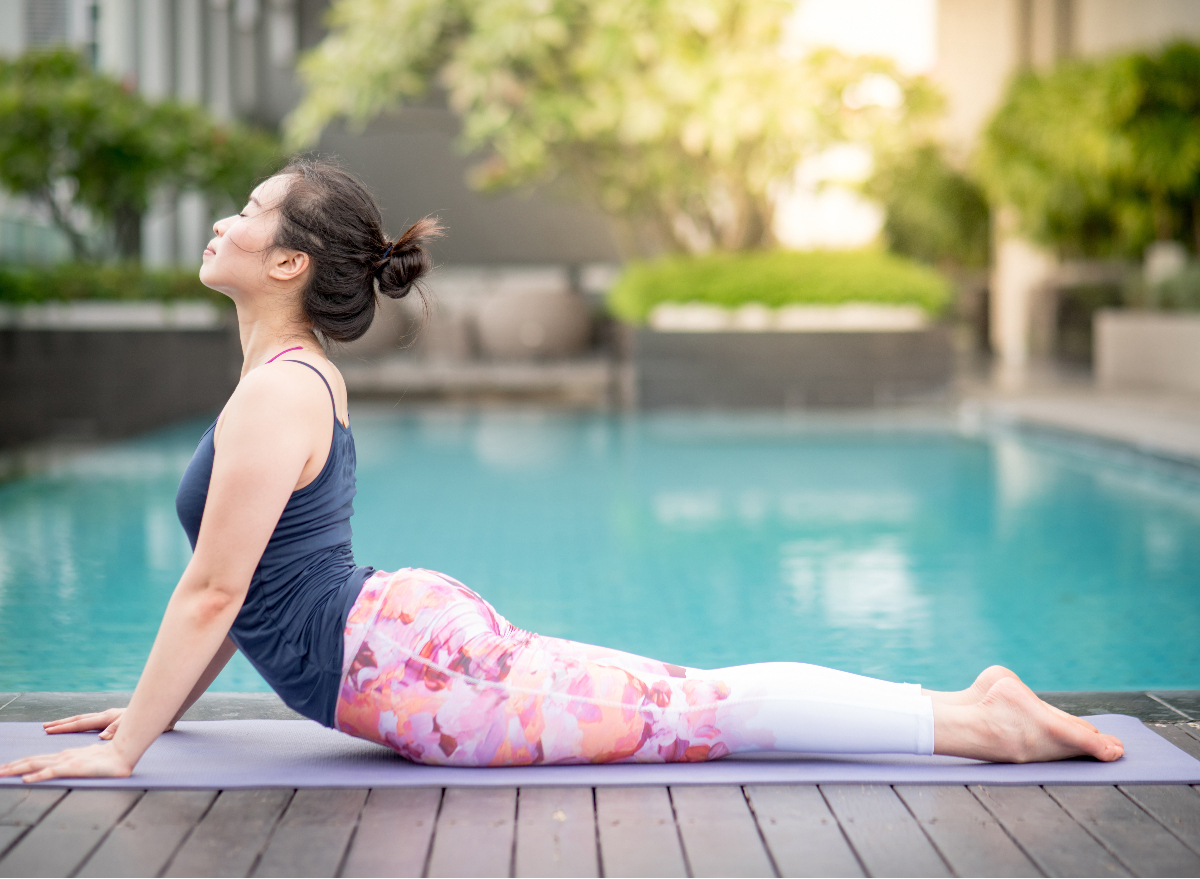
woman doing cobra yoga posewoman doing cobra yoga pose
Shutterstock

Strati has several tips for putting together your own successful preventative fitness routine.

“Preventative fitness, with stretching at its core, is about setting yourself up for long-term success by keeping the body mobile, balanced, and resilient,” she tells us. “Incorporating the [below] elements into your fitness routine ensures a healthy, active lifestyle for years to come. Prioritizing your body’s care now means fewer problems down the road—keep stretching, and stay strong!”

10 Best Mobility Exercises to Improve Your Range of Motion

Advertisement
  • Strength Training: Incorporating strength training into your routine is essential. Focus on exercises with free weights, resistance bands, or your body weight to sculpt lean muscle and boost your strength.
  • Cardio: Exercises such as cycling, walking, jogging, running, or swimming benefit your lungs and heart. Stretching before your cardio workouts helps boost your overall performance and decrease soreness.
  • Mobility Work: Whether you perform yoga, static stretches, or dynamic movements, mobility work betters your range of motion and joint and muscle flexibility, all of which is crucial in preventing injuries.
  • Core Stability: Don’t forget about your core! Ab exercises like planks, Russian twists, and mountain climbers enhance your posture and balance.
  • Recovery: Rest and recovery are just as important as the workouts themselves. Be sure to give your body ample time to recover and drink plenty of water to stay hydrated. “Stretching during recovery aids muscle repair, relieves tension, and prevents stiffness, allowing for better performance and fewer injuries [in the] long term,” Strati says.

Alexa Mellardo

Alexa is the Mind + Body Deputy Editor of Eat This, Not That!, overseeing the M+B channel and delivering compelling fitness, wellness, and self-care topics to readers. Read more about Alexa

Fitness

Study shows the antioxidants in this tea improve exercise recovery

Published

on

Study shows the antioxidants in this tea improve exercise recovery

I love many different herbal teas just as much as I enjoy a good old-fashioned British cup of PG tips, Earl Grey, or Glengettie — a Welsh favorite from the rolling valleys where I was born. In an interesting study, researchers explored whether drinking green or matcha tea can improve sports performance and exercise recovery, and the results might have you reaching for a vibrant green drink. If you want to get straight to the results, the short answer is that drinking green and matcha tea can support hydration, body fat control, and exercise recovery. Still, it definitely won’t be a game-changer when it comes to your performance in the gym, on the court, or on the field.

Hydrating with tea

In a study published in Nutrition and Food Technology, researchers reviewed existing studies of athletes and active adults that focused solely on drinking tea — no pills or extracts. They revealed that green or matcha tea can help hydrate the body when consumed in normal amounts. Tea counts toward your daily water intake.

Antioxidants and recovery

The research highlighted how the widely-studied antioxidants in green and matcha tea can improve exercise recovery and help protect your cells from the stress associated with intense exercise. That said, the research shows that drinking tea won’t lead to faster or better strength gains, so it’s no silver bullet for helping you achieve your fitness goals. However, they also concluded that low-caffeine green tea could even improve sleep quality, which I would argue could potentially help you power through that workout if you’re getting better sleep the night before.

Linked to lower body fat

Interestingly, the study authors also concluded that drinking around two or three cups of green or matcha tea per day was associated with slightly lower body fat and improved body composition and fat burning. While the effects weren’t overly significant, they were noted in the research. Cup of tea, anyone?

Continue Reading

Fitness

Taylor Swift’s fitness strategy that made 632 days long Eras Tour possible: Her exercise routine to stay energized

Published

on

Taylor Swift’s fitness strategy that made 632 days long Eras Tour possible: Her exercise routine to stay energized
Taylor Swift’s Eras Tour was a feat few artists could imagine. Spanning 632 days from March 2023 to December 2024, the tour included 149 shows across five continents and became the highest-grossing tour in history. Behind the glittering performances, Swift relied on an intense and meticulously planned exercise routine to sustain the stamina required for her marathon three-and-a-half-hour concerts.

Preparing for a Physical Marathon

Before the tour began, Swift recognized the physical challenge she was about to face. “I never would’ve believed you if you told me we were doing a three-and-a-half-hour show. Saying it is one thing, doing it is another,” she admitted in the Disney+ docuseries The End of an Era. For comparison, her longest previous show had lasted just two hours and 15 minutes.

To meet these demands, Swift began training six months ahead of her first rehearsal. Her daily treadmill sessions mirrored the tempo of the songs she would perform live, with faster tracks prompting running and slower songs calling for brisk walks or light jogging. “You just don’t want them to see you panting,” she explained to TIME.

Strength and Conditioning Regimen

While cardio built endurance, strength training ensured she could perform high-energy choreography without fatigue. Under the guidance of longtime trainer Kirk Myers, Swift tackled exercises such as battle ropes, medicine ball throws, assisted pull-ups, sledgehammer workouts, leg raises, and Russian twists. Myers described her as “the most resilient person I have ever met,” highlighting her ability to persevere through challenging workouts.

Swift’s humor surfaced even during difficult exercises. “In no way do I ever apply this … at any point in the show, I just want to flag that as I do every time I have to do pull-ups. Strong dislike. Two thumbs down,” she said, referring to resistance band-assisted pull-ups. She jokingly attributed her increasing strength to “all the pent-up rage and resentment” she felt toward the moves.

Advertisement

Dance Training and On-Stage Precision

Beyond the gym, Swift committed three months to dance rehearsals with choreographer Mandy Moore to ensure every move was second nature. “I wanted to be so over-rehearsed that I could be silly with the fans, and not lose my train of thought,” she shared with TIME. The precision extended to rapid costume changes, often completed in under 1 minute and 15 seconds, with the fastest taking just 39 seconds.

Swift ran an estimated eight miles per show while performing over 40 songs that spanned her musical eras. High-cardio sections, including the 1989 and Reputation sets, were particularly demanding. Yet she described the physical challenge as secondary to the personal purpose the tour provided, especially during a period marked by two breakups.

Add as a Reliable and Trusted News Source

Advertisement
Continue Reading

Fitness

I’ve been doing this standing exercise for six months and it’s transformed my core strength

Published

on

I’ve been doing this standing exercise for six months and it’s transformed my core strength

I’ve been working out for years and I can do sit-ups in my sleep—but I still struggle to activate my core.

I’ve always found it difficult to build strength in this area, until a trainer recommended trying a standing exercise called the Pallof press.

Continue Reading

Trending

