


Horror is having a moment. In 2026, the genre is especially well-represented: new blood is dominating the box office through films like Backrooms and Obsession, established names like Sam Raimi and Damian McCarthy are at the top of their game, and long-running franchises like 28 Years Later and Resident Evil continue to stay relevant. But the most impressive piece of horror this year might just be found in the world of TV comedy: Widow’s Bay, a series that manages the delicate balance of mixing scares with laughs, while also doubling as a loving tribute to the genre. It’s the kind of combination that often doesn’t work, which is part of what makes the show so remarkable.
Technology
AI deepfake romance scam steals woman’s home and life savings


NEWYou can now listen to Fox News articles!
A woman named Abigail believed she was in a romantic relationship with a famous actor. The messages felt real. The voice sounded right. The video looked authentic. And the love felt personal.
By the time her family realized what was happening, more than $81,000 was gone — and so was the paid-off home she planned to retire in.
We spoke with Vivian Ruvalcaba on my “Beyond Connected” podcast about what happened to her mother and how quickly the scam unfolded. What began as online messages quietly escalated into financial ruin and the loss of a family home. Vivian is Abigail’s daughter. She is now her mother’s advocate, investigator, chief advocate and protector.
Sign up for my FREE CyberGuy Report
Get my best tech tips, urgent security alerts and exclusive deals delivered straight to your inbox. Plus, you’ll get instant access to my Ultimate Scam Survival Guide – free when you join my CYBERGUY.COM newsletter.
FROM FRIENDLY TEXT TO FINANCIAL TRAP: THE NEW SCAM TREND
Vivian Ruvalcaba says a deepfake video made the scam against her mom, Abigail, feel real, using a familiar face and voice to build trust. (Philip Dulian/picture alliance via Getty Images)
How the scam quietly started
The scam did not begin with a phone call or a threat. It began with a message. “Facebook is where it started,” Vivian explained. “She was directly messaged by an individual.” That individual claimed to be Steve Burton, a longtime star of “General Hospital.” Abigail watched the show regularly. She knew his face. She knew his voice.
After a short time, the conversation moved off Facebook. “He then led her to create an account with WhatsApp,” Vivian said. “When I discovered that, and I looked at the messaging, you can see all the manipulation.”
That shift mattered. This is a major red flag I often warn people about. When a scammer moves a conversation from a public platform like Facebook to an encrypted app like WhatsApp, it is usually deliberate and designed to avoid detection.
Grooming through secrecy and isolation
At first, Abigail told no one. “She was very, very secretive,” Vivian said. “She didn’t share any of this with anyone. Not my father. Not me.”
That secrecy was not accidental. “She was being groomed not to share this information,” Vivian explained.
This is a tactic I see over and over again in scams like this. Once a scammer feels they have someone emotionally invested, the next step is to isolate them. They push victims to keep secrets and avoid talking to family, friends or police. When Vivian finally started asking questions, her mother reacted in a way she never had before. “She said, ‘It’s none of your business,’” Vivian said. “That was shocking.”
The deepfake video that changed everything
When Vivian threatened to go to the police, her mother finally revealed what had been happening. “That’s when she showed me the AI video,” Vivian said. In the clip, a man who looked and sounded like Steve Burton spoke directly to Abigail and referred to her as “Abigail, my queen.” The message felt personal. It used her name and promised love and reassurance.
“It wasn’t grainy,” Vivian said. “To the naked eye, you couldn’t tell.” Still, Vivian sensed something was off. “I looked at it, and I knew right away,” she said. “Mom, this is not real. This is AI.”
Her mother disagreed and argued back. She pointed to the face and the voice. She also believed the phone calls proved it. That is what makes deepfakes so dangerous. When a video looks and sounds real, it can override common sense and even years of trust within a family.
From gift cards to life savings
The money flowed slowly at first. A $500 gift card request raised the first alarm. Then, money orders and Zelle payments. What Vivian discovered next still haunts her. “She pulled out a sandwich baggie,” Vivian said. “About 110 gift cards ranging from $25 up to $500.” Those cards were purchased with credit cards. Cash was mailed. Bitcoin was sent. In total, the Los Angeles Police Department (LAPD) tallied the losses at $81,000. And the scam was not finished.
The scam against Abigail moved from social media to encrypted messaging, a common tactic used to avoid detection. (Kurt “CyberGuy” Knutsson)
When the scammer took her home
After draining Abigail’s available cash, the scam did not stop. It escalated again. The scammer began pushing her to sell the one asset she still had: her home. “He was pressing her to sell,” Vivian told me. “Because he wanted more money.” The pressure came wrapped in romance. The scammer told Abigail they would buy a beach house together and start a new life. In her mind, this was not a scam. It was a plan for the future. That belief set off a chain reaction.
How the home sale happened so quickly
Abigail sold her condo for $350,000, even though similar homes in the area were worth closer to $550,000 at the time. The sale happened quickly. There was no family involvement. Her husband was still living in the home, yet he did not sign the documents. “She just gave away about $200,000 in equity,” Vivian said. “They stole it.”
What makes this even more troubling is who bought the property. According to Vivian, the buyer was a wholesale real estate company that moved fast and asked very few questions. Messages later reviewed by the family show Abigail actively trying to hide the sale from her husband. In one text exchange, she warned the buyer not to park in the driveway because her husband had access to a Ring camera. That alone should have raised concerns. Instead, the buyers went along with it. “They appeased whatever she asked for,” Vivian said. “They were getting a property she was basically giving away.”
These buyers were not the original scammers, but they benefited from the pressure the scammer created. The scammer pushed Abigail to sell. The buyers took advantage of the situation and the deeply discounted price. The home was not extra money, it was Abigail’s retirement. It was the only real security she and her husband had after decades of work. By the time Vivian uncovered the sale, Abigail was days away from sending another $70,000 from the proceeds to the scammer. Had that transfer gone through, nearly everything would have been gone.
This is the part of the story people struggle to process. Modern AI-driven scams are no longer limited to draining bank accounts or gift cards. They now push victims into selling real property, often with opportunistic players waiting on the other side of the deal.
Why police and lawyers could not stop the damage
Vivian contacted the police the same day she realized her mother was being scammed. “They assigned an investigator,” she told me. “He was already very aware of the situation and how little they can help.” That reality is difficult for families to hear, but it is common.
Many large-scale scams operate overseas. The money moves quickly through gift cards, wire transfers and crypto. By the time victims realize what is happening, the trail is often cold. “Most of these scammers are out of the country,” Vivian said. “No one is being held accountable.”
When the case shifted from criminal to civil
Law enforcement documented the losses and opened a case, but there was little they could do to recover the money or stop what had already happened. The deeper damage came from the home sale, which fell into a legal gray area far beyond a typical fraud report. Once the condo was sold, the situation shifted from a criminal scam to a complex civil fight.
Vivian immediately began searching for legal help. The first attorneys she contacted discouraged her. One told her it could cost more than $150,000 to pursue a case. Another failed to act even after being told about Abigail’s mental illness and history of bipolar disorder. At one point, an eviction attorney testified in court that Vivian never mentioned the romance scam, something she strongly disputes.
By March, Abigail and her husband were forced out of their home. By October, they were fully evicted and locked out. Both parents are now displaced. Abigail is living with family out of state. Her husband, now in his mid-70s, is still working because the home was his retirement.
It was only after reaching out through personal connections that Vivian found an attorney willing to fight. That attorney is now pursuing the case on a contingency basis, meaning the family does not pay unless there is a recovery. The legal argument centers on Abigail’s mental capacity and whether she could legally understand and execute a home sale under the circumstances. The buyers dispute that claim. The outcome will be decided in court.
This is why stories like this rarely end with a police arrest or quick resolution. Once a scam crosses into real estate and civil law, families are often left to navigate an expensive and exhausting legal system on their own. And by then, the damage has already been done.
Why shame keeps scams hidden
Many victims never report scams. Only about 22% contact the FBI. Fewer than 30% reach out to their local police department. Vivian understands why that happens. “She’s ashamed,” Vivian said. “I know she is.” That shame protects scammers. Silence gives them room to move on and target the next victim.
INSIDE A SCAMMER’S DAY AND HOW THEY TARGET YOU
What started as online messages escalated into gift cards, lost savings and the sale of a family home. (Kurt “CyberGuy” Knutsson)
Red flags families cannot ignore
This case reveals warning signs every family needs to recognize early.
Red flags to watch for
- Sudden secrecy about finances or online activity
- Requests for gift cards, cash or crypto
- Pressure to move conversations to encrypted apps
- AI videos or voice messages used as proof of identity
- Emotional manipulation tied to urgency or romance
- Requests to sell property or move large assets
I want to be very clear about this. It does not matter how smart you are or how careful you think you are. You can become a victim and not realize it until it is too late.
Tips to stay safe and protect your family
These lessons come from both Vivian’s experience and the patterns I see repeatedly in modern scams. Some are emotional. Others are technical. Together, they can help families spot trouble sooner and limit the damage when something feels off.
1) Watch for platform changes
Moving a conversation from Facebook to WhatsApp or another encrypted app is not harmless. Scammers do this to avoid moderation and make messages harder to trace or flag.
2) Question AI proof
Deepfake videos and cloned voices can look and sound convincing. Never treat a video or voice message as proof of identity, especially when money or property is involved.
3) Slow down major financial decisions
Scammers create urgency on purpose. Any request involving large sums, property sales or retirement assets should pause until a trusted third party reviews it.
4) Never send gift cards, cash or crypto
Legitimate people do not ask for payment through gift cards or cryptocurrency. These methods are a common scam tactic because they are hard to trace and nearly impossible to recover.
5) Talk openly as a family
Silence helps scammers. Regular conversations about finances, online contacts and unusual requests make it easier to spot problems early and step in without shame.
6) Reduce online exposure with a data removal service
Scammers research their targets using public databases. They pull names, phone numbers, relatives and property records. Removing that data reduces how easily criminals can build a profile.
While no service can guarantee the complete removal of your data from the internet, a data removal service is really a smart choice. They aren’t cheap, and neither is your privacy. These services do all the work for you by actively monitoring and systematically erasing your personal information from hundreds of websites. It’s what gives me peace of mind and has proven to be the most effective way to erase your personal data from the internet. By limiting the information available, you reduce the risk of scammers cross-referencing data from breaches with information they might find on the dark web, making it harder for them to target you.
Check out my top picks for data removal services and get a free scan to find out if your personal information is already out on the web by visiting Cyberguy.com.
Get a free scan to find out if your personal information is already out on the web: Cyberguy.com.
7) Use strong antivirus protection
Malware links can expose financial accounts without obvious signs. Good antivirus software can block malicious links before they lead to deeper access or data theft.
The best way to safeguard yourself from malicious links that install malware, potentially accessing your private information, is to have strong antivirus software installed on all your devices. This protection can also alert you to phishing emails and ransomware scams, keeping your personal information and digital assets safe.
Get my picks for the best 2026 antivirus protection winners for your Windows, Mac, Android and iOS devices at Cyberguy.com.
8) Protect assets early
Living trusts and proper estate planning add protection before a crisis hits. They can help prevent rushed property sales and limit who can legally move assets without oversight.
9) Use conservatorship when capacity is limited
“Conservatorship is the only way,” Vivian said. “Power of attorney may not be enough.” When a loved one has diminished capacity, a conservatorship adds court oversight and can stop unauthorized financial decisions before serious damage occurs.
Kurt’s key takeaways
This scam did not rely on sloppy emails or obvious mistakes. It used emotion, familiarity and AI that looked real. Once trust was built, the damage followed quickly. Money disappeared. Secrecy grew. Pressure increased. The home was sold. What makes this case especially painful is the speed. A few messages led to gift cards. Gift cards turned into life savings. Life savings became the loss of a home built over decades. Most families never expect this to happen. Many do not talk about it until it has already happened. The lesson is clear. Awareness matters more than intelligence. Open conversations matter more than embarrassment. Acting early matters more than trying to undo the damage later. If you want to hear Vivian tell this story in her own words and understand how fast these scams unfold, listen to our full conversation on the “Beyond Connected” podcast.
If a deepfake video showed up on your parent’s phone tonight, would you know before everything was gone? Let us know by writing to us at Cyberguy.com.
CLICK HERE TO DOWNLOAD THE FOX NEWS APP
Sign up for my FREE CyberGuy Report
Get my best tech tips, urgent security alerts and exclusive deals delivered straight to your inbox. Plus, you’ll get instant access to my Ultimate Scam Survival Guide – free when you join my CYBERGUY.COM newsletter.
Copyright 2026 CyberGuy.com. All rights reserved.


We’re doing our best to mitigate the huge increases that are being passed to us, and we’ve been trying to shield our customers from the increases, but the situation has become unsustainable.
Cook doesn’t say when Apple plans on raising prices or which products will be affected. The company has already stopped selling the Mac Studio with 512GB of RAM in March and later raised the starting price of the Mac Mini to $799 after dropping the cheaper $599 option from its lineup. Analyst Tim Culpan also suggested that Apple could discontinue the base configuration of the MacBook Neo, while keeping the $699 model with 512GB of storage.
As AI companies continue to demand more memory in their sprawling data centers, suppliers are struggling to keep up. The shortage has led to surging RAM and storage costs, as well as price increases across game consoles, laptops, and other devices.
“There’s less supply at a time when consumers want devices and the memory guys are passing along huge price increases,” Cook tells the WSJ. “We definitely need memory pricing and supply to return to reasonable levels for consumer products.”
Apple is getting ready to take the wraps off its latest lineup of iPhones later this year, though it’s unclear how big an impact the memory shortage will have on pricing. The WSJ estimates that the upcoming iPhone 18 Pro could cost $1,299, a jump from the $1,099 iPhone 17 Pro.

Empty Waymo vehicles swarm Atlanta neighborhood
Atlanta residents captured alarming video of dozens of Waymo driverless cars continually circling their quiet neighborhood for hours. Tech expert Kurt Knutsson warns this ‘AI takeover’ raises significant safety concerns, especially for children, highlighting a critical lack of human intervention and company accountability from Waymo regarding these autonomous vehicles and potential glitches.
NEWYou can now listen to Fox News articles!
A getaway car with no driver? That is a new one. Police say that is what happened outside Hot 8 Yoga in San Francisco’s Marina district. Police records reportedly show that a burglar slipped inside the studio, grabbed activewear and got out in under three minutes. Waiting outside was a Waymo robotaxi.
The suspect allegedly loaded the stolen clothing into the trunk, climbed in and rode away as if the whole thing were a normal pickup.
That is what makes this case so wild. A basic burglary suddenly turned into a bigger question about self-driving cars, privacy and police evidence. What happens when a robotaxi becomes part of a crime scene?
Sign up for my FREE CyberGuy Report
- Get my best tech tips, urgent security alerts and exclusive deals delivered straight to your inbox.
- For simple, real-world ways to spot scams early and stay protected, visit CyberGuy.com – trusted by millions who watch CyberGuy on TV daily.
- Plus, you’ll get instant access to my Ultimate Scam Survival Guide free when you join.
UBER UNVEILS A NEW ROBOTAXI WITH NO DRIVER BEHIND THE WHEEL
Police say a San Francisco burglary suspect used a Waymo robotaxi as a getaway car after stealing activewear from a yoga studio. (Frederic J. Brown/AFP via Getty Images)
How a Waymo robotaxi became the getaway car
The suspect allegedly used the autonomous vehicle the same way someone might use a regular ride-hail car. The Waymo vehicle dropped him off near the yoga studio, waited while the burglary happened and then drove him away. That is the part that makes you stop and say, wait, what?
There was no driver to look back and wonder why someone was loading stolen activewear into the trunk. No one behind the wheel to say, “Something feels off here.” The car simply followed the ride request.
In a statement to CyberGuy, San Francisco Police Department confirmed officers responded on Jan. 9, 2026, to a business on the 3300 block of Fillmore Street regarding a burglary that occurred at about 4:07 a.m. Police said an employee reported that an unknown suspect burglarized the business, stole items and fled in a vehicle.
SFPD described the case as an “open and active investigation” and said, “No arrest has been made at this time.” Anyone with information can call SFPD at 415-575-4444 or text a tip to TIP411 and begin the message with SFPD.
Police believe this may be San Francisco’s first known case of someone using a self-driving car to flee a crime scene. And yes, the stolen haul reportedly included men’s shorts. That bizarre detail gives the whole thing a strange twist. But underneath it all, there is a real question here. What happens when a robotaxi becomes part of the crime?
Why the Waymo getaway car case is hard to solve
At first, this sounds like an easy case to solve. Waymo vehicles have cameras. Riders need accounts. Payment information is usually tied to the trip. So, you might think the police would have a clear trail. That did not happen here.
Police reportedly obtained a search warrant for Waymo account information and footage from the vehicle. The detective on the case said the account information did not lead police to the suspect. He also said the company no longer had interior footage by the time the warrant was filed months later.
The outside footage had another issue. Faces were blurred for privacy. That created a strange problem. The same privacy protections that help protect innocent bystanders may also make it harder to identify someone suspected of a crime.
Waymo says it balances safety and privacy
When contacted by CyberGuy, Waymo declined to comment on this specific burglary. More broadly, Waymo says it carefully reviews each law enforcement request to make sure it satisfies applicable laws and has a valid legal basis. The company says it closely scrutinizes those requests and may narrow the scope or push back when needed.
Waymo also says it does not use facial recognition or other biometric identification technologies to identify people. That detail is important here because these cars see a lot as they move through a city. Waymo says its cameras and sensors help the vehicle understand its surroundings and drive safely in real time. The company also says that information helps improve the Waymo Driver over time. In other words, Waymo says its technology can recognize that it sees a person, but it does not match that person to an individual identity.
To me, that is where this story gets complicated. If a real crime happens, you want the police to have useful evidence. At the same time, you probably do not want every self-driving car turning into a rolling surveillance camera with no clear limits. That balance between safety, privacy and police access may become a much bigger issue as robotaxis show up in more cities.
Why robotaxis could complicate crime investigations
This case shows how quickly an old-fashioned crime can run into new technology. A burglar once needed a friend, a taxi or a stolen car. Now, someone can call a driverless ride with an app and leave the scene without ever dealing with a human driver.
That creates a problem for the police. If the ride was ordered with stolen information or a burner phone, the account may not point to the person who actually committed the crime. And even with all those cameras, the footage may not show what investigators need.
That is the part that stands out to me. We often assume more cameras mean more answers. But this case shows that assumption can fall apart fast. If key video gets deleted, faces stay blurred or the account information leads nowhere, a high-tech getaway car may still leave police with very old-fashioned detective work.
FACIAL RECOGNITION JAILS INNOCENT GRANDMOTHER, ATTORNEY SAYS
A Waymo robotaxi became part of a San Francisco burglary investigation after police say a suspect loaded stolen clothing into the trunk and rode away. (Smith Collection/Gado/Getty Images)
What this Waymo case means to you
If robotaxis operate where you live or where you travel, this story should get your attention. These cars are no longer test vehicles quietly roaming around a few streets. They are picking people up, dropping them off and now, in this case, showing up in a police investigation.
That is what makes this so important. A self-driving car can become a witness, a source of evidence or even the ride someone uses to leave a crime scene.
At the same time, privacy protections can create a real tradeoff. Blurring faces may protect people walking down the street who have nothing to do with a crime. But it may also limit what police can use later.
And this case proves something else. Cameras alone do not guarantee answers. A vehicle can record plenty of data and still miss the one image, account detail or clue investigators need.
For riders, here is the part to remember. A robotaxi may feel private because no driver sits up front. But it still leaves a digital trail. Before you climb in, assume the trip, the account and some vehicle data may be recorded.
How to protect your privacy in a robotaxi
This case also gives riders something to think about. A robotaxi may feel more private because no driver sits up front. But the vehicle can still collect trip details, account information and sensor data.
Check the robotaxi privacy policy
Review the company’s privacy policy so you understand what it collects, how long it may keep certain data and when it may share information with law enforcement. You do not need to read every line like a lawyer. Look for sections about cameras, audio, trip history, account data and legal requests.
Secure your ride-hail account
Use a strong, unique password for your ride-hail account, and consider using a trusted password manager to create and store it securely. Check out the best expert-reviewed password managers of 2026 at Cyberguy.com. Turn on two-factor authentication (2FA) when available. Also, keep your phone locked with a passcode, Face ID or fingerprint protection. If someone gets into your phone, they may also get into your ride apps.
Be careful what you say during the ride
Avoid sharing sensitive personal details during a robotaxi ride unless you really need to. That includes financial information, passwords, medical details or private family matters. Also, be careful about phone calls on speaker. Even without a human driver, you should treat the space like a connected vehicle.
Protect your payment information
Use a credit card instead of a debit card when possible. Credit cards often offer stronger fraud protections if an account gets compromised. Check your ride receipts and payment alerts. If you see a trip you did not take, report it right away.
Know what to do if something goes wrong
If you feel unsafe during a ride, use the app’s help or emergency option. Take screenshots of your trip details if you can do so safely. If you see a robotaxi near a crime or emergency, remember that useful footage may depend on timing and legal process. Police may need a warrant or another valid request before a company turns over data. That gap between what the car saw and what investigators can later use can make a big difference.
HOW SURVEILLANCE TECH LED POLICE TO ACCUSE THE WRONG PERSON
Police reportedly obtained a warrant for Waymo account information and vehicle video, but investigators said the records did not identify a suspect. (AP Photo/Terry Chea, File)
Watch the CyberGuy Live replay: Lock Down Your Phone in 30 Minutes
Your phone holds your email, passwords, photos, banking apps and personal data. In this free CyberGuy Live replay, Kurt the CyberGuy walks you step by step through simple phone security fixes you can do at your own pace. You’ll learn how to improve your privacy settings, spot the latest phone scams, use trusted security tools and walk away with a simple checklist to stay protected. Watch the replay here: CyberGuyLive.com
Kurt’s key takeaways
A burglar using a Waymo as a getaway car sounds almost ridiculous, but the privacy questions are very real. These vehicles can capture a lot of what happens around them. Still, that does not mean police will always get clear evidence or a quick answer. This case also shows why timing matters. If footage is deleted, blurred or tied to a stolen account, a high-tech vehicle may not solve the crime as easily as you might expect. To me, this is where cities need to catch up. Robotaxis are already on the road. Now we need clearer rules for how long footage is kept, when police can access it and how innocent people’s privacy is protected.
CLICK HERE TO DOWNLOAD THE FOX NEWS APP
Would you feel safer knowing robotaxis keep more footage for police, or more concerned about what that could mean for your privacy? Let us know by writing to us at CyberGuy.com.
Sign up for my FREE CyberGuy Report
- Get my best tech tips, urgent security alerts and exclusive deals delivered straight to your inbox.
- For simple, real-world ways to spot scams early and stay protected, visit CyberGuy.com – trusted by millions who watch CyberGuy on TV daily.
- Plus, you’ll get instant access to my Ultimate Scam Survival Guide free when you join.
Copyright 2026 CyberGuy.com. All rights reserved.

Widow’s Bay just wrapped up its first season — a second has already been confirmed — and it tells a story that at first sounds incredibly derivative. It takes place on an isolated island in New England, which has a sordid history due to what the locals believe is a curse. In the first episode, a terrifying fog rolls into town, suggesting that a powerful evil is waking up again. Cue the Stephen King comparisons.
But it’s not long before Widow’s Bay’s distinct brand of horror / comedy makes itself clear. The show is largely centered on the island’s hapless mayor, Tom (Matthew Rhys), who has a misguided desire to turn Widow’s Bay into a tourist destination that can rival Martha’s Vineyard and Cape Cod. This, of course, runs counter to the whole curse thing. And the incoming fog is just the first sign that things are not going to go well for him and his plan, though Tom ignores the signs at every opportunity.
Image: Apple
What makes the show work is that, at its core, it’s just a really scary and tense story. From the very first episode, when Tom is stressing out about a visiting travel writer from The New York Times, there’s a steadily rising sense of dread: a tour through the island’s history that’s full of stories of death and, uh, cannibalism; a calendar about wolves that for some reason also has car crash photos; a ferry captain who says simply “bad things happen here.” The show makes you feel as uneasy as the island’s residents.
That sensation only grows over the course of the season, as each episode explores a different horror genre while building on the cursed lore of the island. The second episode takes place in a clearly haunted hotel, complete with a killer clown; later there’s a demonic party planning book that leads to a terrifying and unsettling beach gathering. Tom’s assistant Patricia (Kate O’Flynn) gets hunted by a Jason Voorhees–style slasher villain, and there’s even a darkly inventive take on a drug trip sequence, complete with jarring time skips.
It’s because it’s such a well-crafted horror story that the comedy in Widow’s Bay hits so hard. It’s not the easiest genre mix to pull off, as creator and showrunner Katie Dippold — who knows a thing about how funny horror can be — told me ahead of the show’s premiere in April. “It can be a great combo, but it can also be a bad combo,” she explained, noting that projects that successfully blend the two genres are “few and far between.” As if to prove her point, the new Scary Movie released this month was entirely toothless.
But unlike more overt attempts at infusing horror with comedy, most of the gags in Widow’s Bay are comparatively subtle — and scary in their own way. When Tom is looking through a collection of board games at the local inn, he finds one simply called Teeth; inside, there’s nothing but a pair of pliers. When Patricia finally kills the “boogeyman” who has been stalking her, she keeps her shotgun trained on his corpse at all times — from the ambulance to cremation — just in case. Even the episode titles can be hilarious. The finale, where just about everything goes wrong, is called “We hope you enjoyed your time!”

Image: Apple
This means that the jokes not only fit into the eerie nature of the world, they actually heighten it. And that was the goal all along. “I never wanted to have a moment where something scary happens and the characters don’t react truthfully,” Dippold told me. “If you’re truthful, then eventually you’ll find the comedy. That was the very hard rule.”
This all comes to a head as the show wrapped up its first season. Leading into the finale, Tom was put in an impossible situation, forced to choose whether to kill his adorably inept secretary Ruth (K Callan) in order to end the curse for good, or doom the island by not acting. In the last episode, with the town’s residents and tourists stuck in a shelter due to a destructive storm, Tom finds himself in Ruth’s house, and it’s genuinely painful watching him try to decide the right path. But amidst all of this tension, there are still funny bits, like Ruth casually noting that an old boyfriend “got bit by an animal and became that animal,” or a cheerful instructional video on ritual sacrifice. And this being Widow’s Bay, things are a bit more complex than they appear, leaving Tom with an even more difficult task in front of him.
You don’t just have to take my word for it. Guillermo del Toro recently called the series “hands down one of the most mesmerizing acts of narrative prestidigitation in horror.” That’s some high praise. But so is the fact that Widow’s Bay has managed to claim its own distinct lane in such a crowded moment. The finale title turned out to be incredibly accurate: I did, in fact, enjoy my time.
The first season of Widow’s Bay is streaming now on Apple TV.
Follow topics and authors from this story to see more like this in your personalized homepage feed and to receive email updates.
-

 Pittsburg, PA2 minutes ago
Penn Township votes to ban e-bikes, e-scooters in Municipal Park Complex
-

 Augusta, GA9 minutes ago
Augusta man sentenced to federal prison on illegal firearm possession
-
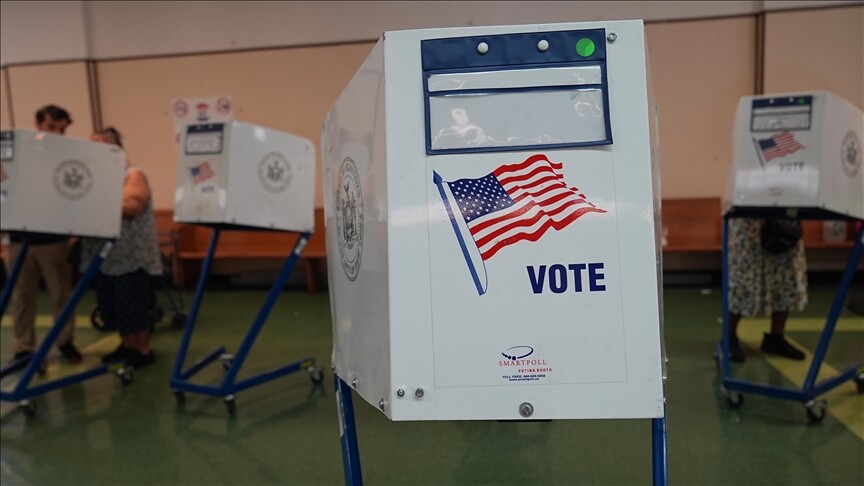 Washington, D.C12 minutes ago
Janeese Lewis George leads vote count in Washington, DC Democratic mayoral primary
-

 Cleveland, OH17 minutes ago
Storms trigger tornado warnings, knocks out power to thousands in Northeast Ohio
-

 Austin, TX24 minutes ago
Texas Volts begin first home slate Thursday at Dell Diamond
-

 Alabama27 minutes ago
Alabama’s Self-Proclaimed ‘AI Watchman’ Unseats Incumbent Public Service Commissioner – Inside Climate News
-
 Alaska32 minutes ago
Gagnon Coal Seam Fire reported near Healy
-
Arizona39 minutes ago
GOP candidates pitch themselves the person to beat Arizona’s Democratic governor


