Hawaii
Your Insider Guide to Honolulu Pride Weekend 2024


Photo: Courtesy of Hawai‘i LGBT Legacy Foundation
October has been packed with celebrations of the MVPFAFF/LGBTQIA+ community in honor of Honolulu Pride Month. Now, the big finale weekend is upon us with the highly anticipated parade, festival and more. Expect all of your favorite bright and bold moments, new additions and a few surprises.
This year, the parade and festival on Saturday, Oct. 19, have been moved later in the day, taking advantage of Waikīkī’s golden hour glow and cooler temperatures. Marina Summers, star of Drag Race Philippines and RuPaul’s Drag Race UK vs the World, and Nymphia Wind, Taiwanese-American winner of the sixteenth season of RuPaul’s Drag Race, will headline the festival.
Also new and noteworthy, the Pink Pony VIP Lounge Pass ($150) gets you VIP festival access, hosted cocktails, light bites, comfortable seating in front of the main stage, festive cowboy hats and free admission to two additional VIP events during Pride Weekend.
Hosted by the Hawai‘i LGBT Legacy Foundation, the festivities shine a spotlight on the spirit of equality for all people of Hawai‘i and provide a fun and safe space for everyone to celebrate who they are.
SEE ALSO: Honolulu Pride: LGBTQIA+ Events in October 2024
What to Do

Photo: Courtesy of Hawai‘i LGBT Legacy Foundation
Vincent Rodriguez III
Thursday, Oct. 17, 7 p.m.
Attend this opening night concert and cabaret by Filipino-American actor and master performer who will wow you with song, dance, magic and storytelling.
$25–$75, Hawai‘i Theatre Center, 1130 Bethel St., Downtown, hawaiitheatre.com
Kathy Griffin
Friday, Oct. 18, 8 p.m.
The two-time Emmy and Grammy Award-winning comedian shares messages of equality through activism and humor as part of her latest live tour, My Life on the PTSD-List.
$45–$125, Hawai‘i Theatre Center, 1130 Bethel St., Downtown, hawaiitheatre.com

Photo: Courtesy of Hawai‘i LGBT Legacy Foundation
Official HNL Pride Opening Party
Friday, Oct. 18, 10 p.m.
Dance the night away on two dance floors and watch the delightful drag show at 11 p.m., performed on the renowned pineapple stage.
21+, $20 cover, Scarlet Honolulu, 80 S. Pauahi St., scarlethonolulu.com
Parade
Saturday, Oct. 19, 4 p.m.
With more than 150 entries, the sunset parade down the main thoroughfare of Waikīkī will include a sea of rainbow participants, including businesses, non-profit organizations, social groups, government agencies and five grand marshals and founding board members of the Hawai‘i LGBT Legacy Foundation, Dr. David McEwan, Sheri Mann, David Brustein, Puakea Nogelmeier and Bill Char.
Free, Kalākaua Avenue from Magic Island to Kapi‘olani Park, honolulupride.com
SEE ALSO: Miss Hawai‘i 2024 Hayley Cheyney Kāne Is Unapologetically Authentic
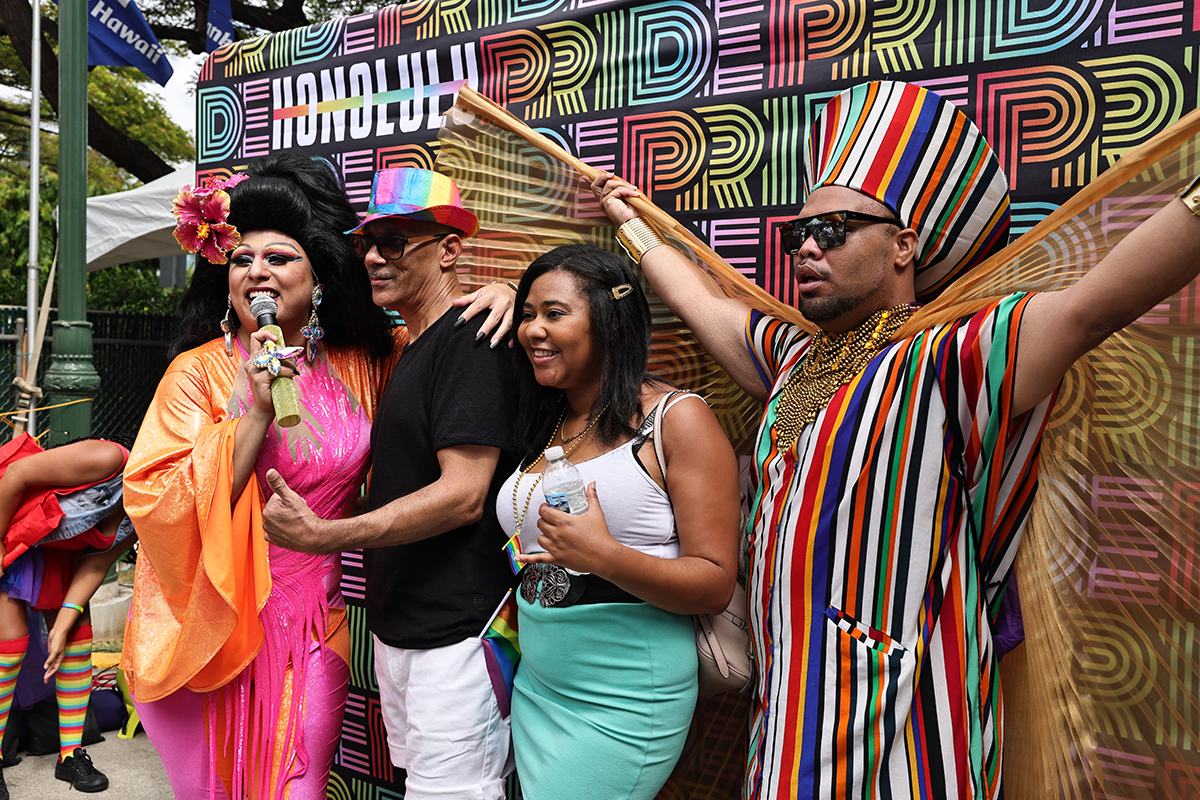
Photo: Courtesy of Hawai‘i LGBT Legacy Foundation
Festival
Saturday, Oct. 19, 5 to 9 p.m.
Watch entertainment by headliners Marina Summers and Nymphia Wind, as well as Chardonnay and pride groups from across the islands, browse festival booths with community resource information and enjoy food and drinks.
Free admission, Waikīkī Shell Diamond Head Greens, honolulupride.com
Official HNL Pride After-Party
Saturday, Oct. 19, 9 p.m.
If you don’t want the evening to end, it’s just a short walk from the festival to the after-party at one of the longest-running LGBTQ+ bars in the world.
21+, Hula’s Bar & Lei Stand, 134 Kapahulu Ave., hulas.com
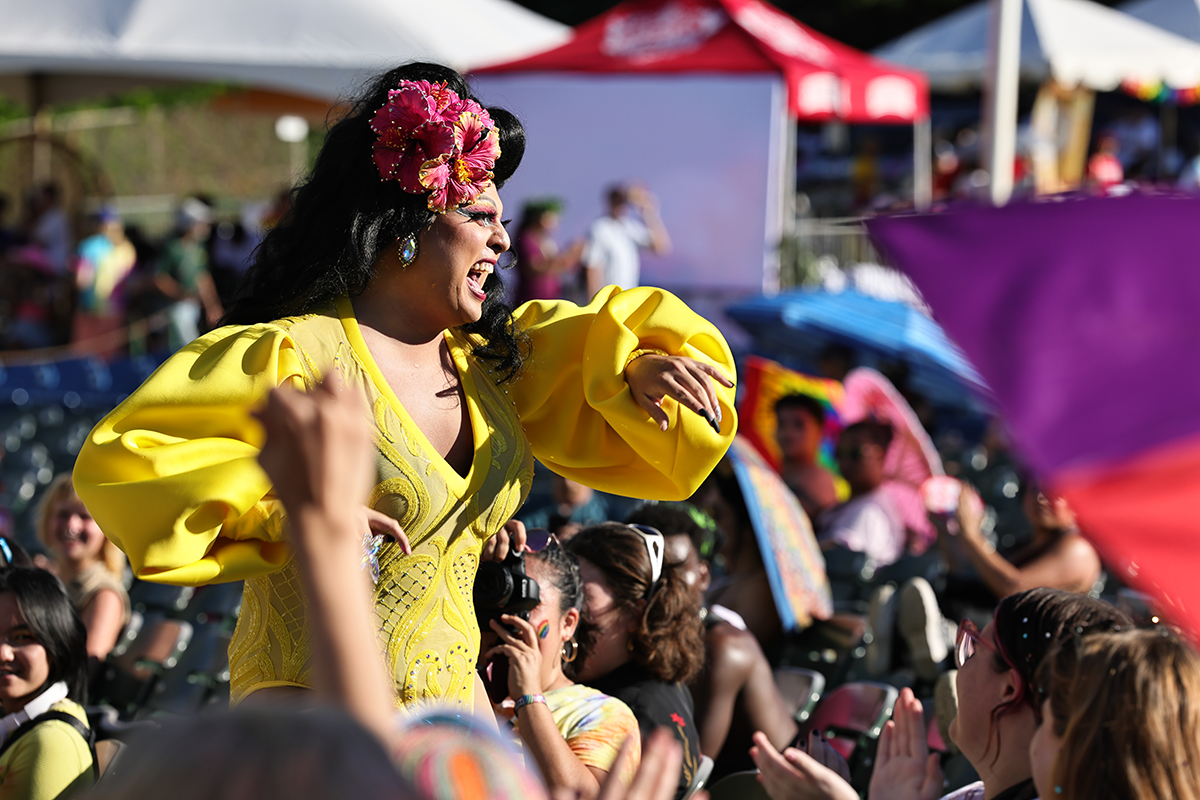
Photo: Courtesy of Hawai‘i LGBT Legacy Foundation
Drag Brunch
Sunday, Oct. 20, 11 a.m. to 1 p.m.
Sunday is funday at this brunch buffet and drag show with performances by RuPaul’s Drag Race queens Marina Summers and Nymphia Wind.
$100, ‘Alohilani Resort Waikīkī Beach, 2490 Kalākaua Ave., eventbrite.com
Lei Pride Pool Party
Sunday, Oct. 20, 2 to 7 p.m.
Vibe with sunshine and sounds from live DJs, Kristin Lush, Cowboyjarvis, Caldee and Deepend4ever.
$50 general admission, $150 VIP, $2,500–$5,000 VIP cabanas, ‘Alohilani Resort Waikīkī Beach, 2490 Kalākaua Ave., eventbrite.com
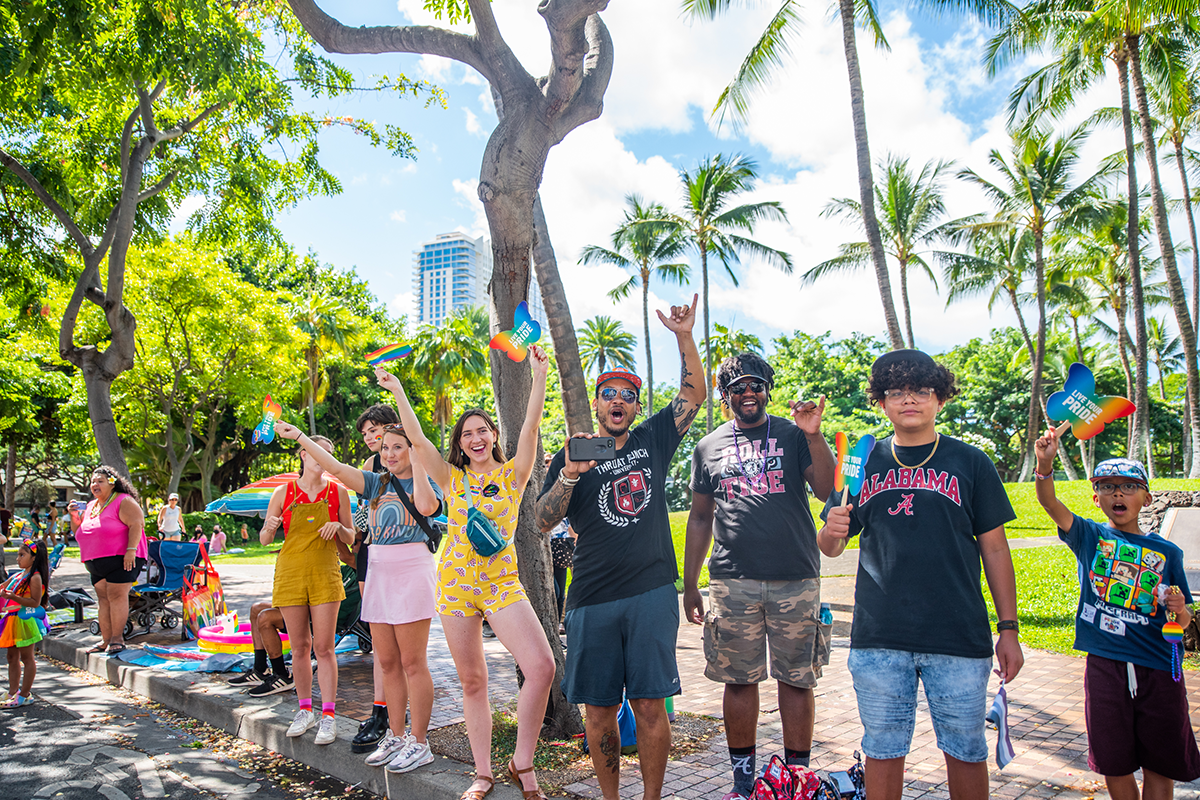
Photo: Courtesy of Hawai‘i LGBT Legacy Foundation
Tips for the Parade and Festival
- Arrive early. The parade starts at 4 p.m., but Kalākaua Ave. from Atkinson Dr. to Kapi‘olani Park will be closed by 3:30 p.m.
- Stay cool. Bring water, a hat and a fan. Heads-up: outside drinks are not allowed inside the festival.
- Dress comfortably. Wear breathable clothing and comfortable shoes to ensure you can celebrate all night long.
- Bring cash. Some vendors will only accept cash for food and drinks. Plus, you’ll want to give tips to your favorite drag queens!
- Be in the know. Sign up to receive emails with the latest Pride Weekend news at honolulupride.com.
- Use hashtags #HonoluluPride2024, #HawaiiLGBTQ and tag @honolulupride in your photos to be featured on the official Honolulu Pride social media channels.
Honolulu Pride Weekend, Thursday, Oct. 17, through Sunday, Oct. 20, various locations, honolulupride.com, @honolulupride


Gov. Josh Green today issued a statement regarding a federal lawsuit challenging the eligibility requirements within the Hawaiian Homes Commission Act.
“The Hawaiian Homes Commission Act was established to address the historic dispossession of Native Hawaiians and reflects a longstanding commitment to them by both the federal government and the state of Hawaiʻi,” said Green.
“This lawsuit threatens that commitment. I have directed the Department of the Attorney General to vigorously defend the Hawaiian Homes program. We will fight this lawsuit with everything we have,” he said.
The lawsuit was filed by Eric Ryan, an Oʻahu resident who is not Native Hawaiian and tried to apply for a lease, but was denied due to the 50% Native Hawaiian blood quantum requirement, according to Hawaiʻi News Now and court documents published at Courthouse News Service.
The Class Action Complaint argues that the “explicitly ancestry-based requirement” establishes a “permanent government mandate for state officials to engage in outright racial discrimination, perpetuates stereotypes, and limits housing opportunities for most Hawai‘i residents. The blood-quantum requirement thus violates the Equal Protection Clause of the Fourteenth Amendment and the Due Process Clause of the Fifth Amendment to the United States Constitution,” the complaint alleges.
Green said the administration “stands firmly with the Department of Hawaiian Home Lands and the thousands of Native Hawaiian beneficiaries who rely on this program and its promise for future generations.”
Attorney General Anne Lopez also issued a statement saying the state of Hawaiʻi has both a legal and moral obligation to uphold the commitments embodied in the Hawaiian Homes Commission Act.
“This lawsuit seeks to dismantle a program that has provided opportunities, stability and hope to generations of Native Hawaiian beneficiaries,” said Lopez.
Solicitor General Kalikoʻonālani Fernandes, who has extensive experience handling complex constitutional litigation on behalf of the state, will lead the legal team in defending the state against the challenge.
“We are prepared to vigorously defend the Hawaiian Homes program and the promises it represents,” said Lopez.
Under the Green administration, the Department of Hawaiian Home Lands has accelerated the delivery of homestead opportunities and expanded pathways to homeownership for Native Hawaiian beneficiaries.
In 2025 alone, DHHL offered more than 2,500 lease awards and continues to advance major housing projects, including Hale Mōʻiliʻili on Oʻahu, which will provide 278 affordable rental units for beneficiaries.
“These efforts reflect the administration’s commitment to reducing wait times, strengthening Native Hawaiian communities and fulfilling the promise of the Hawaiian Homes Commission Act,” according to the governor’s announcement.

HONOLULU (HawaiiNewsNow) – Concrete fell from the exterior of an Ala Moana Center parking structure Monday afternoon near the Kapiolani Boulevard exit, damaging a vehicle.
No injuries were reported.
Security blocked an exit lane as debris scattered across the roadway. Ala Moana Center said they are grateful no one was hurt, and the lane will remain closed while structural engineers and construction professionals assess the damage and make repairs.
Copyright 2026 Hawaii News Now. All rights reserved.
Hawaii
Hawaii weather: USGS revised 4.6 magnitude earthquake off Kona coast, south swell, passing showers

-
 Iowa4 minutes ago
One dead and another injured after train strikes semi-truck in Iowa
-

 Kentucky9 minutes ago
Kentucky’s Mark Pope can look to Joe B. Hall entering pivotal season
-
 Kansas11 minutes ago
Kansas City’s Crossroads Arts District gets a new media tech museum ahead of the World Cup
-

 Louisiana19 minutes ago
Louisiana among states selected to receive federal funding for rare earth projects
-

 Maine26 minutes ago
Six Maine food producers win Good Food Awards
-

 Maryland28 minutes ago
Spotted lanternflies are reemerging in Maryland. Here’s what to know.
-
 Michigan34 minutes ago
2 historic Michigan lighthouses to split $120K in preservation grants
-

 Massachusetts41 minutes ago
Karen Read files lawsuit against Massachusetts State Police and Canton Police

