Fitness
The Importance of Consistent Exercise for Mental Health | BOXROX


Exercise has long been recognized for its physical health benefits, such as improving cardiovascular fitness, building muscle strength, and enhancing flexibility. However, in recent years, there has been a growing body of research highlighting the profound impact of consistent exercise on mental health. Regular physical activity is not only a powerful tool for preventing and managing mental health conditions but also a vital component of overall well-being.
This article delves into the importance of consistent exercise for mental health, examining the scientific evidence, the mechanisms involved, and practical recommendations for integrating exercise into daily life.
Understanding Mental Health and Its Challenges
Defining Mental Health
Mental health refers to a person’s emotional, psychological, and social well-being. It encompasses how individuals think, feel, and behave in their daily lives. Good mental health is essential for effective functioning and coping with the stresses of life. It is also crucial for building healthy relationships and making meaningful contributions to society. Mental health is not merely the absence of mental illness; it is a dynamic state that can fluctuate over time.
Prevalence of Mental Health Disorders
Mental health disorders are widespread and affect individuals of all ages and backgrounds. According to the World Health Organization (WHO), approximately 1 in 4 people worldwide will experience a mental health disorder at some point in their lives (World Health Organization, 2022). Common mental health disorders include depression, anxiety, bipolar disorder, schizophrenia, and substance use disorders.
Exercise Superior than Medicine to Manage Depression, Study Finds
Challenges in Mental Health Care
Despite the high prevalence of mental health disorders, many individuals do not receive the care they need. Stigma, lack of access to mental health services, and insufficient funding for mental health care are significant barriers to treatment. Moreover, the COVID-19 pandemic has exacerbated mental health challenges, leading to increased rates of anxiety, depression, and stress-related disorders (Czeisler et al., 2020).
The Science Behind Exercise and Mental Health
Exercise as a Preventive Measure
Regular exercise has been shown to reduce the risk of developing mental health disorders. A large cohort study published in the American Journal of Psychiatry found that individuals who engaged in at least one hour of physical activity per week had a lower risk of developing depression compared to those who did not exercise (Harvey et al., 2018). The study followed over 33,000 adults for 11 years, highlighting the long-term protective effects of exercise on mental health.
12 Must-Have Exercises In Your Training Program
Exercise as a Treatment for Mental Health Disorders
Exercise is also an effective treatment for various mental health disorders. A meta-analysis of 49 studies published in the Journal of Clinical Psychiatry found that exercise significantly reduced symptoms of depression, anxiety, and stress-related disorders (Kvam et al., 2016). The analysis included both aerobic and resistance training, indicating that different types of exercise can benefit mental health.
Mechanisms of Action
Neurotransmitter Regulation
Exercise influences the release and regulation of neurotransmitters, such as serotonin, dopamine, and norepinephrine. These chemicals play a crucial role in mood regulation and are often targeted by pharmacological treatments for mental health disorders. For example, serotonin is known to contribute to feelings of well-being and happiness, while dopamine is associated with motivation and reward. Exercise increases the availability of these neurotransmitters in the brain, enhancing mood and reducing symptoms of depression and anxiety (Dishman & O’Connor, 2009).
Neurogenesis and Brain Plasticity
Exercise promotes neurogenesis, the process of generating new neurons in the brain. This process is particularly important in the hippocampus, a region associated with memory and emotional regulation. A study published in the Journal of Neuroscience demonstrated that exercise increased hippocampal neurogenesis in animal models, leading to improved cognitive function and reduced symptoms of anxiety (van Praag et al., 1999). Additionally, exercise enhances brain plasticity, allowing the brain to adapt and reorganise in response to new experiences and challenges.
Stress Reduction
Exercise reduces the body’s physiological response to stress by decreasing the production of stress hormones, such as cortisol, and increasing the release of endorphins, which are natural mood elevators. Regular physical activity also improves resilience to stress by enhancing the body’s ability to cope with stressful situations (Salmon, 2001). This is particularly relevant in today’s fast-paced world, where stress is a common trigger for mental health disorders.
Inflammation and Immune Function
Chronic inflammation has been linked to the development of mental health disorders, including depression and anxiety. Exercise has anti-inflammatory effects and modulates immune function, reducing the risk of inflammation-related mental health issues (Pedersen, 2017). By lowering levels of pro-inflammatory cytokines, exercise helps create an anti-inflammatory environment that supports mental well-being.
Specific Mental Health Benefits of Consistent Exercise
Depression
Depression is one of the most prevalent mental health disorders, characterised by persistent sadness, loss of interest in activities, and a range of physical and emotional symptoms. Exercise has been shown to be as effective as antidepressant medications and psychotherapy in reducing symptoms of depression, particularly in cases of mild to moderate depression (Blumenthal et al., 2007). A systematic review published in the Cochrane Database of Systematic Reviews found that exercise had a moderate-to-large effect on reducing depressive symptoms (Cooney et al., 2013). The review also highlighted that exercise can be a viable adjunctive treatment for individuals who do not respond to traditional therapies.

Anxiety
Anxiety disorders encompass a range of conditions characterised by excessive worry, fear, and nervousness. Exercise has been shown to reduce symptoms of anxiety through several mechanisms, including the regulation of neurotransmitters, reduction of stress hormones, and promotion of relaxation (Herring et al., 2010). A meta-analysis published in the Depression and Anxiety journal found that both aerobic and resistance exercise significantly reduced symptoms of anxiety in individuals with diagnosed anxiety disorders (Jayakody et al., 2014).
Stress and Resilience
Chronic stress can have detrimental effects on mental health, leading to conditions such as burnout, depression, and anxiety. Exercise is a powerful stress reliever, promoting relaxation and enhancing the body’s ability to cope with stressors (Stults-Kolehmainen & Sinha, 2014). Regular physical activity improves resilience by strengthening the body’s physiological and psychological response to stress, making individuals more adaptable to challenging situations.
Cognitive Function
Exercise has been shown to enhance cognitive function and protect against cognitive decline, particularly in older adults. A study published in the Journal of Alzheimer’s Disease found that individuals who engaged in regular physical activity had a lower risk of developing Alzheimer’s disease and other forms of dementia (Hamer & Chida, 2009). Exercise improves cognitive function by increasing blood flow to the brain, promoting neurogenesis, and enhancing synaptic plasticity. These effects contribute to better memory, attention, and executive function, which are essential for maintaining mental health.
Sleep Quality

Sleep disturbances are common in individuals with mental health disorders and can exacerbate symptoms of depression, anxiety, and stress. Exercise has been shown to improve sleep quality by regulating circadian rhythms, reducing anxiety, and promoting relaxation (Kredlow et al., 2015). A study published in the Journal of Clinical Sleep Medicine found that regular exercise was associated with improved sleep quality and a reduced risk of insomnia (Lang et al., 2016). Better sleep quality, in turn, supports mental health by enhancing mood, cognitive function, and overall well-being.
14 Exercise Myths Debunked by Physical Therapists
Self-Esteem and Body Image
Regular exercise can boost self-esteem and improve body image, particularly in individuals with low self-worth or body dissatisfaction. A meta-analysis published in the Journal of Health Psychology found that exercise interventions had a positive effect on self-esteem, particularly when individuals perceived improvements in physical fitness and body composition (Spence et al., 2005). Enhanced self-esteem and body image contribute to better mental health by reducing symptoms of depression, anxiety, and social withdrawal.
Exercise Recommendations for Mental Health
Types of Exercise
Different types of exercise can benefit mental health, and individuals should choose activities that they enjoy and that fit their preferences and lifestyle. The following are some common types of exercise and their potential mental health benefits:
- Aerobic Exercise: Activities such as walking, running, cycling, and swimming have been shown to reduce symptoms of depression and anxiety and improve overall mood.
- Resistance Training: Strength training exercises, such as weightlifting and bodyweight exercises, can improve self-esteem, reduce symptoms of anxiety, and enhance cognitive function.
- Mind-Body Exercises: Practices such as yoga, tai chi, and qigong combine physical movement with mindfulness and relaxation techniques, reducing stress and promoting mental well-being.
- Recreational Activities: Engaging in recreational activities, such as dancing, hiking, or team sports, can enhance social connections and improve mood.
Frequency and Duration
The frequency and duration of exercise required to achieve mental health benefits can vary depending on individual preferences and goals. The following are general recommendations based on current research:
- Frequency: Engaging in exercise at least three to five times per week is associated with significant mental health benefits (Schuch et al., 2016).
- Duration: Sessions of 30 to 60 minutes of moderate-intensity exercise are typically recommended for optimal mental health benefits (Craft & Perna, 2004).
- Intensity: Both moderate and vigorous-intensity exercise can improve mental health. Individuals should aim to engage in activities that elevate their heart rate and breathing but are still enjoyable and sustainable.
Overcoming Barriers to Exercise

Despite the numerous mental health benefits of exercise, many individuals face barriers that prevent them from engaging in regular physical activity. Common barriers include lack of time, motivation, and access to facilities. The following strategies can help overcome these barriers:
- Goal Setting: Setting realistic and achievable exercise goals can enhance motivation and provide a sense of accomplishment.
- Social Support: Exercising with a friend or joining a group can provide accountability and make exercise more enjoyable.
- Incorporating Physical Activity into Daily Life: Finding opportunities for physical activity throughout the day, such as walking or cycling to work, taking the stairs, or engaging in active hobbies, can make exercise more accessible.
- Mindfulness and Enjoyment: Focusing on the positive aspects of exercise, such as the enjoyment of movement and the opportunity for relaxation, can enhance motivation and adherence.
Special Considerations
Exercise and Mental Health Disorders
While exercise can be an effective treatment for mental health disorders, it may not be sufficient as a standalone treatment for individuals with severe or complex conditions. In such cases, exercise should be integrated into a comprehensive treatment plan that includes psychotherapy, medication, and other interventions. It is essential for individuals with mental health disorders to consult with healthcare professionals before starting an exercise program to ensure that it is safe and appropriate for their needs.
Exercise and Vulnerable Populations
Certain populations, such as older adults, individuals with disabilities, and those with chronic health conditions, may face unique challenges when engaging in exercise. Tailoring exercise programs to accommodate individual needs and limitations is crucial for maximising mental health benefits. Healthcare professionals and exercise specialists can play a vital role in designing safe and effective exercise programs for vulnerable populations.
12 Unusual Exercises That Will Get You Ripped
The Role of Technology
Technology can be a valuable tool for promoting exercise and mental health. Fitness apps, wearable devices, and online exercise programs can provide guidance, motivation, and support for individuals seeking to improve their mental well-being through physical activity. Additionally, virtual exercise classes and communities can enhance social connections and provide a sense of belonging, particularly during times of physical distancing.
Conclusion
The importance of consistent exercise for mental health cannot be overstated. Regular physical activity is a powerful tool for preventing and managing mental health disorders, enhancing mood, reducing stress, and improving overall well-being. The scientific evidence supporting the mental health benefits of exercise is robust, highlighting its role as both a preventive measure and an effective treatment for various mental health conditions. By understanding the mechanisms involved and implementing practical strategies for integrating exercise into daily life, individuals can harness the full potential of physical activity to support their mental health and well-being.
Key Takeaways
| Key Takeaway | Description |
|---|---|
| Mental Health Disorders | Common mental health disorders include depression, anxiety, bipolar disorder, schizophrenia, and substance use disorders. |
| Exercise as Prevention and Treatment | Regular exercise reduces the risk of developing mental health disorders and is an effective treatment for depression, anxiety, and stress-related disorders. |
| Neurotransmitter Regulation | Exercise influences neurotransmitter release, enhancing mood and reducing symptoms of mental health disorders. |
| Neurogenesis and Brain Plasticity | Exercise promotes neurogenesis and brain plasticity, improving cognitive function and emotional regulation. |
| Stress Reduction | Exercise reduces stress hormones and increases endorphins, improving resilience and stress management. |
| Types of Exercise | Aerobic, resistance, mind-body, and recreational exercises offer mental health benefits. |
| Frequency and Duration | Engaging in exercise 3-5 times per week for 30-60 minutes can improve mental health. |
| Overcoming Barriers | Strategies such as goal setting, social support, and incorporating activity into daily life can enhance exercise adherence. |
| Exercise and Mental Health Disorders | Exercise should be integrated into a comprehensive treatment plan for severe mental health conditions. |
| Exercise and Vulnerable Populations | Tailored exercise programs are essential for accommodating the needs of vulnerable populations. |
| Role of Technology | Technology can promote exercise and mental health through apps, devices, and virtual communities. |
References
Blumenthal, J.A., Babyak, M.A., Doraiswamy, P.M., Watkins, L., Hoffman, B.M., Barbour, K.A., Herman, S., Craighead, W.E., Brosse, A.L., Waugh, R., Hinderliter, A. and Sherwood, A. (2007). Exercise and pharmacotherapy in the treatment of major depressive disorder. Psychosomatic Medicine, 69(7), pp.587-596.
Cooney, G.M., Dwan, K., Greig, C.A., Lawlor, D.A., Rimer, J., Waugh, F.R., McMurdo, M. and Mead, G.E. (2013). Exercise for depression. Cochrane Database of Systematic Reviews, 9.
Craft, L.L. and Perna, F.M. (2004). The benefits of exercise for the clinically depressed. Primary Care Companion to the Journal of Clinical Psychiatry, 6(3), p.104.
Czeisler, M.É., Lane, R.I., Petrosky, E., Wiley, J.F., Christensen, A., Njai, R., Weaver, M.D., Robbins, R., Facer-Childs, E.R., Barger, L.K., Czeisler, C.A., Howard, M.E. and Rajaratnam, S.M.W. (2020). Mental Health, Substance Use, and Suicidal Ideation During the COVID-19 Pandemic — United States, June 24–30, 2020. MMWR Morb Mortal Wkly Rep, 69, pp.1049–1057.
Dishman, R.K. and O’Connor, P.J. (2009). Lessons in exercise neurobiology: the case of endorphins. Mental Health and Physical Activity, 2(1), pp.4-9.
Hamer, M. and Chida, Y. (2009). Physical activity and risk of neurodegenerative disease: a systematic review of prospective evidence. Psychological Medicine, 39(1), pp.3-11.
Harvey, S.B., Øverland, S., Hatch, S.L., Wessely, S., Mykletun, A. and Hotopf, M. (2018). Exercise and the Prevention of Depression: Results of the HUNT Cohort Study. American Journal of Psychiatry, 175(1), pp.28-36.
Herring, M.P., O’Connor, P.J. and Dishman, R.K. (2010). The effect of exercise training on anxiety symptoms among patients: a systematic review. Archives of Internal Medicine, 170(4), pp.321-331.
Jayakody, K., Gunadasa, S. and Hosker, C. (2014). Exercise for anxiety disorders: systematic review. British Journal of Sports Medicine, 48(3), pp.187-196.
Kredlow, M.A., Capozzoli, M.C., Hearon, B.A., Calkins, A.W. and Otto, M.W. (2015). The effects of physical activity on sleep: a meta-analytic review. Journal of Behavioral Medicine, 38(3), pp.427-449.
Kvam, S., Kleppe, C.L., Nordhus, I.H. and Hovland, A. (2016). Exercise as a treatment for depression: A meta-analysis. Journal of Affective Disorders, 202, pp.67-86.
Lang, C., Kalak, N., Brand, S., Holsboer-Trachsler, E., Pühse, U. and Gerber, M. (2016). The relationship between physical activity and sleep from mid adolescence to early adulthood. A systematic review of methodological approaches and meta-analysis. Sleep Medicine Reviews, 28, pp.32-45.
Pedersen, B.K. (2017). Anti-inflammatory effects of exercise: role in diabetes and cardiovascular disease. European Journal of Clinical Investigation, 47(8), pp.600-611.
Salmon, P. (2001). Effects of physical exercise on anxiety, depression, and sensitivity to stress: A unifying theory. Clinical Psychology Review, 21(1), pp.33-61.
Schuch, F.B., Vancampfort, D., Richards, J., Rosenbaum, S., Ward, P.B. and Stubbs, B. (2016). Exercise as a treatment for depression: A meta-analysis adjusting for publication bias. Journal of Psychiatric Research, 77, pp.42-51.
Spence, J.C., McGannon, K.R. and Poon, P. (2005). The effect of exercise on global self-esteem: a quantitative review. Journal of Sport and Exercise Psychology, 27(3), pp.311-334.
Stults-Kolehmainen, M.A. and Sinha, R. (2014). The effects of stress on physical activity and exercise. Sports Medicine, 44(1), pp.81-121.
van Praag, H., Kempermann, G. and Gage, F.H. (1999). Running increases cell proliferation and neurogenesis in the adult mouse dentate gyrus. Nature Neuroscience, 2(3), pp.266-270.
World Health Organization (2022). Mental health: strengthening our response
Was this article helpful?

Fitness
Boutique Fitness Is Redefining How Americans Work Out. Which Drop-In Classes Are Worth Booking?

Just For You




Use left and right arrow keys to navigate between menu items.
Use escape to exit the menu.
Sign Up
Create a free account to access exclusive content, play games, solve puzzles, test your pop-culture knowledge and receive special offers.
Already have an account? Login

In January 2025, I attended my first bootcamp class.
I had spent the day hunched over my laptop, anxious and craving an intense workout that would dispel my worries. I booked the class at a nearby gym, and the five-star reviews promised the all-consuming exercise I wanted: “Militant style instructor, but very motivating,” read one. Another: “Hardest workout of my life; extremely rewarding.”
The gym was no-frills – just a room with a mirror. After a standard warm-up, we did four sets of lateral shuffle push-ups across the floor, interspersed with standing, weight-bearing exercises.
When my turn came, I dropped to plank position and started doing steady, shallow reps, focusing on my form.
But caution soon fell away. Upbeat music was booming and someone was always advancing beside me. When the instructor encouraged us to lower all the way down, I obeyed, even though my form suffered. I had rarely done more than a handful of pushups at a time, and in the final set, I was exhausted, collapsing on every rep and barely prying my torso off the floor.
The rest of class was a blur. I became nauseated, told the instructor I needed to pause, and stepped outside to suck cold winter air into my lungs.
Back in the studio, I sat on the sidelines and waited for the dizziness to recede before slinking to my spot for the core section and cooldown.
Later that night, I felt what I thought was typical post-workout muscle soreness. I was satisfied; the ache was proof of a successful workout.
But the next day, lifting my arms to wash my face was exhausting. Searing pain kept me awake that night. Two days after the class, my arms were so stiff I couldn’t raise them more than a few inches, even to brush my teeth.
When I Googled my symptoms – pain, weakness and a new one, dark urine – something frightening came up: exertional rhabdomyolysis, a condition wherein extreme exercise causes muscle cell contents to flood the bloodstream, potentially overwhelming the kidneys. One article warned that debilitating pain after a new, intense activity was a sign to visit the emergency room.
I went to the ER but suspected I was overreacting. After all, the internet always offers the worst possibility.
Doctors use bloodwork to test for exertional rhabdomyolysis; typically, they diagnose it if a patient has too much of a muscle enzyme called creatine kinase (CK) in their blood – at least 1,000 units per liter, or five times the normal range. However, there is little consensus on this number, says Dr Barry Boden, an orthopaedic surgeon at The Orthopaedic Center in Maryland, who specializes in sports medicine. Some recent guidelines suggest that only higher amounts – as much as 10,000 units – warrant diagnosis and inpatient treatment.
My CK count was so high the machine in the emergency room couldn’t measure it; a nurse had to do a second blood draw and send it to a more precise lab. They put me on an IV drip and eventually reported the exact number: 57,000.
Thus began my seven-day hospital stay. My mom and sister traded shifts, acting as my arms for the week – scrubbing my teeth, feeding me, washing my face. I had never felt so helpless and irresponsible. What had I done to myself?
What is exertional rhabdomyolysis?
Normally, during exercise, muscles tear a little and then rebuild. There may be a little extra CK in a person’s blood as a result, which healthy kidneys can filter out.
But excessive exercise can harm muscle cells so much that their contents – including CK and a protein called myoglobin – overload the system. “When the cell membrane starts to break down, the chemicals within the muscle cells start to get released, which can cause damage to other organs around the body,” said Boden. “ If there’s enough of those chemicals from the muscle that reach the kidney, it can cause damage to the kidney.”
The symptoms are muscle pain (even while at rest), weakness and dark urine, though few people experience all three. Treatment involves early and aggressive administration of IV fluids to help the kidneys filter the toxins. It’s possible to manage a mild case with at-home oral hydration, but it’s always important to consult a doctor because mild symptoms don’t always mean low CK elevation, said Dr Petr Schlegel, a CrossFit trainer and professor at the department of physical education and sports at the University of Hradec Králové in the Czech Republic.
Exertional rhabdomyolysis is dangerous and fatal in very rare cases; researchers estimate that 10% of patients develop acute kidney injury (AKI), and some suffer other serious complications.
How common is exertional rhabdomyolysis?
Before I had rhabdomyolysis, I had never heard of it; I thought the worst that could come from a workout was a broken bone or a regurgitated lunch. I now know it can happen to anyone, although people with certain conditions, such as sickle-cell trait and hypokalemia, are predisposed. Despite the common misconception that only unfit people can get it, even elite athletes are susceptible.
“Anybody can get it – anybody that’s pushed to an extreme, taking a big jump in their exercise level, or doing something they’re not used to doing,” said Boden. “Everybody has muscles, and if the muscles are damaged enough, you can develop rhabdomyolysis.”
Boden authored a study estimating there were over 40,000 exertional rhabdomyolysis cases in US hospitals from 2000 to 2019. But he said it’s impossible to get a precise count, as no organization collects the data.
This number is likely an underestimate, as the condition is probably under-reported, said Schlegel. Since the symptoms closely resemble those of delayed onset muscle soreness – the normal ache people expect after a workout – individuals may not seek care.
Data indicate exertional rhabdomyolysis is on the rise. In Norway, Australia and the US, researchers have observed an increase in hospital records between the 2000s and 2010s. This year, hospitals in a Canadian province reported a surge in cases.
Researchers suspect the popularity of high-intensity workouts is behind the rise. They are efficient and produce measurable progress, but are risky if misused, said Schlegel: “Evidence suggests that high-intensity exercise, especially when combining strength and endurance elements, carries the greatest potential to induce [exertional rhabdomyolysis].”
after newsletter promotion
Can you prevent exertional rhabdomyolysis?
Prevention guidance has been pretty consistent since the earliest studies from the 1960s: vary exercises to avoid overloading one muscle group, incorporate rest, and gradually build intensity when starting something new or after time off.
Starting low is especially important when targeting large muscle groups – such as biceps, triceps and quads. “It’s that hyperintense going from zero to 100, really intense workouts of large muscle groups, that puts people at risk,” said Dr Bryant Walrod, a sports medicine physician and the head team physician for the Ohio State Buckeyes. Weight matters, but so do reps; an outrageous number of low-weight exercises or calisthenics – hundreds of pushups or squats, for example – is the trigger in many cases. Walrod also advises doing a different kind of workout from one day to the next.
Eccentric exercises like push-ups – where muscles lengthen – are particularly likely to cause injury. In a 2024 article about how to prevent rhabdomyolysis in student athletes, the National Federation of State High School Associations called push-ups the “No 1 cause” of rhabdomyolysis. In April, Texas families filed a lawsuit against a charter school after 20 children were hospitalized after hundreds of pushups.
Walrod said collegiate sports professionals became more vigilant about prevention after University of Iowa football players were hospitalized with exertional rhabdomyolysis in 2011. “That case spurred better control of workouts, better monitoring, and better input from the trainers and strength coaches.”
“Where we see most of the cases is that athletes are being pushed or threatened or punished [contrary to industry standards],” said Dr Rebecca Stearns, COO at the Korey Stringer Institute for preventing sudden death in sports. Coaches are not exercise physiologists, and even when well-intentioned may not have adequate training to prevent overexertion, said Boden.
Similarly, there’s no guarantee fitness instructors understand the risk. “People may be going in unconditioned and doing too much too soon,” said Walrod of these classes. CrossFit incorporated prevention into its trainer curriculum after reports of severe cases among participants, but in general, class participants should self-monitor.
How do you identify overexertion?
I was discharged from the hospital with a firm instruction: no exercise except walking for a month. I had to learn what an appropriate challenge felt like – how to self-monitor, discern between safe discomfort and overexertion, and advocate for myself. But when is hard too hard?
Unfortunately, sensing that something is wrong is a subjective measure; there is no universal metric.
“I never have a very satisfying answer to that, but I do think it’s a line we need to be vigilant about always, and it changes from day to day,” said Dr Natalia Petrzela, author of Fit Nation: The Gains and Pains of America’s Exercise Obsession, longtime fitness instructor, and professor of history at The New School.
“You know your body the best, and if you feel like something isn’t right, it’s time to speak up,” said Walrod. Sports medicine physicians advise people to stop exercise immediately if unusual pain occurs; in the event that there is excessive muscle breakdown, it’s critical to stop the movement right away.
Speaking up in a class setting can be difficult. Many feel self-conscious about pausing or modifying activity, especially if an instructor is singling them out. Petrzela said that she motivates participants in her class but also expresses a key caveat: “Only you know what you can do today.” She said this language “helps [them] find that very important and difficult-to-discern line”, adding that this nuance might get lost in classes with less experienced instructors who give inflexible instructions.
During that fateful class, I ignored the alarm bells. Maybe I was desperately chasing endorphins or wanted to prove to myself that I wasn’t weak. Ironically, my arms atrophied to below baseline as a result.
Over a year later, I’m still building my strength back – but not at bootcamp. I opt for low-impact methods such as barre and pilates where I can modify if needed, and there is no need to keep pace with others.
Sometimes I tell instructors about my medical history, so they understand what’s happening if I pause. Verbalizing it also reminds me to be careful. Finally, I avoid anything new or especially difficult when I’m having a hard day.
Fitness culture taught me that pain is gain – but now I know that’s not always true.

10
Fitness Point gym has state of the art machines to help in health exercises.
KIGALI – There are 10,080 minutes in a week. Health experts recommend that adults spend at least 150 minutes of moderate-intensity physical activity each week in order to build a healthy body.
For those who prefer structured workouts, three one-hour gym sessions amount to just 180 minutes, less than two percent of the time available over seven days.
It is a surprisingly small investment for something associated with better heart health, stronger muscles, improved mental wellbeing and reduced risk of many chronic diseases.
That simple idea found an unlikely ambassador recently when Rwanda’s Minister of Health, Dr. Sabin Nsanzimana, reflected on a birthday gift he had given himself.
“Healthy habits are the best gifts we can give ourselves,” he wrote after completing a demanding hike to the summit of Karisimbi volcano.
Many people may admire the endurance behind the journey but perhaps the most powerful part is the reminder that good health is rarely built through one extraordinary achievement. It is built through habits repeated week after week.
The Growing Urban Philosophy
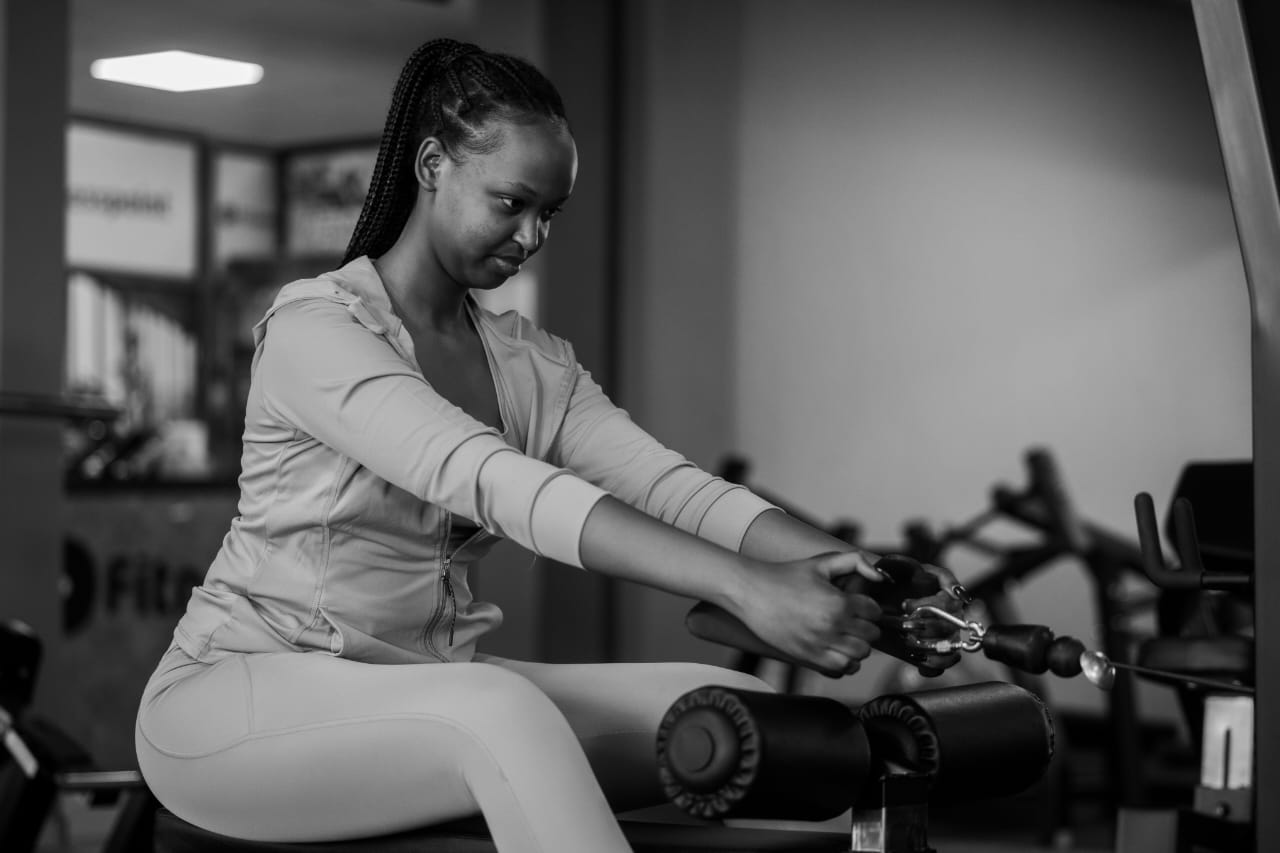
A lady working out at a Fitness Point gym located in Gacuriro.
Every evening across Kigali, people filter through the doors at various Fitness Point’s branches carrying laptops, gym bags and the fatigue of another workday to quietly bring that philosophy to life in a different setting.
In Remera, Gacuriro and Kimihurura, some arrive before sunrise, squeezing in a session before the office. Others come long after business hours, determined to honour a promise they made to themselves despite packed schedules.
They are not training to conquer volcanoes or prepare for competitions. Most are simply trying to become healthier than they were yesterday.
As work becomes increasingly desk-based and daily routines leave little room for movement, the challenge is not understanding that exercise is important. It is finding a way to make it part of ordinary life.
For many, that begins with putting just three appointments on the calendar each week.
Consistency Better Than Intensity

Jean Baptiste Muganza, a Kigali-based physiotherapist and frequent guest at Fitness point, says one of the biggest misconceptions he encounters even in his work is that meaningful health improvements require extreme effort.
“People often believe they have to exercise every day or spend several hours in the gym before they can see results. In reality, consistency matters much more than intensity,” he says.
A structured routine done regularly, he says, delivers far greater benefits than occasional bursts of very demanding exercise. And the benefits extend well beyond appearance.
“We see improvements in cardiovascular health, muscle strength, posture, flexibility and energy levels. Regular exercise also plays an important role in managing stress, improving sleep quality and reducing the physical effects of spending long hours sitting,” he explains.
Ironically, he says, the hardest exercise often happens before anyone touches a treadmill or lifts a weight.
“The biggest challenge isn’t completing the workout. It’s building the habit. Once exercise becomes part of your weekly routine, it stops feeling like an obligation and becomes part of your lifestyle,” Muganza says.
Leading by Example

Rwanda’s Minister of Health, Dr. Sabin Nsanzimana recently took a hike to the top of Karisimbi volcano as a birthday gift to himself.
That change is becoming increasingly visible at Fitness Point, where trainers say members are arriving with goals that seem less visible but perhaps more valuable than just chasing dramatic body transformations.
Many are seeking something lower stress, better mobility, freedom from persistent back pain, improved fitness and enough energy to keep pace with demanding jobs and family life.
The gym itself has gradually evolved into more than a room filled with equipment. Before work, it offers a fresh start. After work, it becomes a place where the pressures of the day give way to movement.
Between those moments, friendships are formed, routines are strengthened and small victories accumulate, one workout at a time.
That is perhaps why Minister Nsanzimana’s message resonated with so many people. Healthy habits are gifts not because they require extraordinary effort, but because they reward ordinary consistency.
A birthday hike or a workout at the gym may inspire thousands, but the habit that made it possible was almost certainly built long before that day.
For most people, good health may begin in a neighborhood gym, during an evening workout after work, or in the simple decision to dedicate less than two percent of an entire week to taking care of the one body they have.
Sometimes, the smallest investment of time turns out to be the one with the greatest returns.

Visited 25 times, 5 visit(s) today
-

 Denver, CO3 minutes ago
Lavender festival, Tennyson Street Fair and more free and cheap things to do in July
-

 Seattle, WA15 minutes ago
Seattle’s solution for the middle-class housing squeeze: government housing | CNN Business
-

 San Diego, CA18 minutes ago
An Apprentice Program for Commercial Fishing
-
Milwaukee, WI23 minutes ago
Connecting Milwaukee teens to summer work
-

 Atlanta, GA30 minutes ago
Conference offers safe space for gay men to unpack the stigmas, challenges of adoption and surrogacy
-

 Minneapolis, MN32 minutes ago
Westbound I-94 reopens in Minneapolis after fatal crash
-

 Indianapolis, IN38 minutes ago
Edwards Checks Out At Indianapolis – SPEED SPORT
-

 Pittsburg, PA39 minutes ago
Analysis: Here’s why the Pittsburgh Symphony’s budget just jumped by $7 million to $42 million


