Colorado
Bill Designed to Incentivize Colorado's Quantum Ecosystem Clears Major Legislative Hurdle


Insider Brief
- A bill to incentivize the adoption of quantum tech in Colorado has passed its third reading in the state Senate without any amendments.
- With this third reading without alterations, the bill has cleared a critical legislative hurdle and moves on in the process.
- The legislative success is a sign of support for Colorado’s quantum technology ecosystem with strategic tax incentives, among other programs and initiatives.
In what might be another critical step in the development for Colorado’s ambition to become a quantum initiative center, a bill to incentivize the adoption of quantum tech in that state has passed its third reading in the Senate without any amendments earlier this week.
The passage of its third reading means that the bill has cleared a critical legislative hurdle in the state Senate. It has maintained its original form without any alterations, and will now move on to the next step in the legislative process.
Supporters say this legislative success is a hopeful sign of the state’s backing of its quantum technology ecosystem with strategic tax incentives, among other programs and initiatives. The bill introduces tax credit programs aimed at fostering the development of quantum technology in Colorado, contingent upon the state securing substantial federal funding.
Corban Tillemann-Dick, CEO of Maybell and Co-Founder of Elevate Quantum, is excited about this next step in the process, as well as the overall program, which he says will significantly boost the growing quantum ecosystem in that state. The program is only part of the investment potential generated by the bill.
“As the CEO of a rapidly growing quantum startup, it’s exciting to see the State of Colorado seize the initiative by backing globally-unique policies like the loan guarantee program,” said Tillemann-Dick. “Scale-up loan capital is particularly hard to access for new companies in new industries, holding back the development of important technologies like quantum. This $74 million bill will unlock $1 billion in private capital for fast growing Colorado companies. It gives US companies the capital they need to compete with China, currently the only place globally where quantum organizations can access loan capital at this scale. I’m confident this program alone will generate billions in returns and deliver key capabilities for our nation’s security.”
The bill’s primary focus is the creation of a 100% refundable income tax credit for investments in fixed capital assets — long-term physical assets used in business operations — to establish a shared quantum facility. This incentive, effective for income tax years starting January 1, 2025, and ending before January 1, 2033, aims to support projects that create central hubs for quantum business activities. The maximum aggregate amount for this facility credit is capped at $44 million, with a limit of $24 million for credits claimed in the year the project is placed in service. Qualified applicants may be individual entities or consortia working on eligible projects, as long as they are approved by the Office of Economic Development.
The process for claiming the facility credit involves several steps. Applicants must submit a facility credit reservation application to the Office of Economic Development, undergo preliminary and final reviews and obtain a facility credit reservation. Upon completing the project, applicants must certify their qualifying investments, after which the office reviews the project and investments before issuing a tax credit certificate. This certificate must be filed with the Department of Revenue. The bill also includes provisions for recapturing the credit if the project fails to maintain its eligibility status during a specified compliance period.
Additionally, the bill introduces a 100% refundable income tax credit to offset losses from loans made to quantum companies, effective for income tax years starting January 1, 2026, and ending before January 1, 2046. This loan loss reserve tax credit aims to mitigate financial risks for lenders supporting the quantum technology sector, according to the legislation. The credit amounts to up to 15 cents per dollar of an eligible loan, with a total cap of $30 million for all loan loss credits.
The Office of Economic Development or a contracted third-party administrator will manage the credit distribution, potentially using a competitive lender selection process.
Expanding Economic Impact
By providing these tax incentives, Colorado could draw in additional federal funds, with the ultimate aim being the creation of a robust quantum technology ecosystem. That expanded ecosystem could include the construction of new physical spaces that attract students, researchers and entrepreneurs, said Massimo Ruzzene, University of Colorado Boulder vice chancellor for research and innovation and dean of the institutes.
“This bill takes a pivotal step by supporting the construction of a state-of-the-art quantum technology incubator,” said Ruzzene. “This facility—a collaboration between CU Boulder, Colorado School of Mines, CSU, and Elevate Quantum—will bridge the gap between higher education research labs and the quantum industry, exponentially expanding the economic impact of quantum science and technology in Colorado.”
Zachary Yerushalmi, CEO and Regional Innovation Officer of Elevate Quantum, added that the legislation is a good example of the intentionality needed to craft technological ecosystems, in this case, quantum tech, which could perhaps be history’s most complex technological endeavor.
“From semiconductors to biotech leadership, history has shown that globally leading technology clusters don’t emerge at random. Their success comes from deliberate and bold investments in the tools of innovation engines,” said Yerushalmi. “The investments by the State of Colorado that passed the General Assembly this week follow in the footsteps of the most defining and forward-looking technology investments of our time,” said. “These policies will create tens of thousands of jobs, billions in impact, and ensure that Colorado and the US will continue to lead the quantum economy for decades to come.”
Loan Program Specifics
The legislation offers a glimpse into the mechanics of the loan program. For example, lenders must register their loans with the administrator to qualify for the loan loss credit, which can be claimed only after incurring a loss on a registered loan. The administrator will review applications, issue loan loss tax credit certificates and then periodically update the status of registered loans. Qualified applicants can use these certificates to offset losses incurred on registered loans, ensuring financial stability while supporting the growth of quantum businesses.
The bill mandates annual reporting to the General Assembly by the Office of Economic Development and the administrator on the status and effectiveness of the facility and loan loss credits. Legislators how this transparency improves accountability and allows for policy adjustments along the way to optimize the implementation and impact of the incentives.
This is a summary of the legislation and program, for a deeper dive into the legislation, please review terms of the bill here.



- Very hot and dry ahead
- Fire weather highlights issued
- Fire danger continues into Independence Day
TUESDAY NIGHT: Winds will slow down a little bit into the overnight hours letting elevated fire conditions ease slightly. Overnight lows will be in the 50s and 60s.
WEDNESDAY: The morning will be less hazy, but that will quickly change with more smoke being dragged across the I-25 corridor with gusts up the 45 MPH. Hot temperatures in the 80s and 90s are expected with very low humidity too. Red flag warnings are active from 10 AM until 10 PM.
Download the KKTV 11 Alert Weather App here:
THURSDAY: Fire weather watches are active for now, but I think those will be upgraded to red flag warnings. Gusty winds, low humidity and temperatures in the 90s and triple digits are expected for some.
FRIDAY: Very similar conditions are expected for Friday compared to Thursday. Very hot temperatures still stick around with gusty winds and low humidity.
THE WEEKEND: The Fourth of July will be hot, windy and dry. Sunday will be the first day that southern Colorado sees any sort of chance for moisture on the horizon.
Copyright 2026 KKTV. All rights reserved.

From towering red-rock formations and wildflower-filled meadows to waterfall hikes and rugged mountain scenery, the best Colorado state parks showcase the state’s geographic diversity.
Colorado’s national parks often get the spotlight, but many of Colorado’s top state parks are vying for attention, too, and offer just as memorable outdoor adventures, often with fewer crowds. Across the state’s 43 parks, visitors can hike or bike scenic trails, paddle lakes, spot moose and elk, rock climb world-class routes and camp beneath star-filled skies. Whether you’re planning a quick day trip to a park from Denver or a multi-day road trip to see multiple sites, Colorado’s state parks offer something for every type of outdoor traveler.
Colorado’s Top State Parks
Colorado is a top state for parks because of outdoor engagement. Many host programming, including guided wildflower hikes, yoga classes, wildlife talks and stargazing events. The state park system also showcases the beauty of Colorado, introducing travelers to lesser-known canyons, grasslands, reservoirs, rivers and prairies that often get overshadowed by the state’s famous mountain destinations.
Colorado’s largest state park is State Forest State Park, which encompasses 71,000 acres of rugged mountains, alpine lakes, wildflower-filled meadows and dense forests in the northern part of the state near the Wyoming border. Nicknamed the “Moose Viewing Capital of Colorado,” the park is home to an estimated 600 moose, making wildlife watching one of its most enticing draws. Meanwhile, the smallest park is Rifle Falls, which is just 48 acres and is the closest thing you’ll get to the tropics in this landlocked state. The park’s main draw is a triple waterfall, with the falls each cascading 60 feet.
For this list, parks were selected based on scenic value, recreation opportunities, accessibility, my experience as a long-time parks pass holder, uniqueness and their ability to appeal to different types of travelers.
1. Golden Gate State Park
A scenic landscape in Golden Gate Canyon State Park near Golden, Colorado.
Getty
Thirty miles west of Denver, Golden Gate Canyon State Park offers travelers an easy mountain escape without a long drive. Spanning more than 12,000 acres of forests, meadows and rocky peaks, the park is best known for its Panorama Point Scenic Overlook, where visitors can see the Continental Divide.
Established in 1960, the park offers more than 35 miles of hiking trails, including routes that wind through aspen groves, wildflower-filled meadows and dense pine forests.
Summer and fall are especially popular, with colorful wildflowers and autumn turns the Aspens a brilliant gold, drawing visitors and showing off why the state is nicknamed “Colorful Colorado.” Winter brings opportunities for snowshoeing, cross-country skiing, and sledding and hunting for the perfect Christmas tree.
The park’s proximity to Denver makes it ideal for day-trippers, while cabins, yurts, campgrounds, and backcountry campsites invite longer stays. Nearby, visitors can explore the historic mountain towns of Black Hawk, a casino destination, or check out Golden, which has shops, restaurants, Coors Brewery tours, and kayaking at the Clear Creek Whitewater Park. This is my go-to park that I take out-of-town friends and family members to because it gives them a nice snapshot of Colorado’s scenery, and we can take a quick day hike, ending in downtown Golden with happy hour or an early dinner.
2. State Forest State Park
Located northwest of Fort Collins near Walden and close to the Wyoming border, State Forest State Park is Colorado’s largest state park, spanning more than 70,000 acres. Nicknamed the “Moose Viewing Capital of Colorado,” it’s one of the best places in the state to spot wildlife, with an estimated 600 moose calling the area home.
Established in 1938 through a land exchange between the state of Colorado and the U.S. Forest Service, the park remains a haven for outdoor enthusiasts seeking wide-open spaces and fewer crowds. Visitors can hike to alpine lakes, drive scenic mountain roads, fish, camp, horseback ride and watch for moose, elk, black bears, river otters and bald eagles.
Summer and early fall are ideal for hiking and wildlife viewing, while winter brings snowmobiling, snowshoeing and cross-country skiing. Campgrounds, cabins, yurts, and nearby lodging in Walden make it easy to extend a stay. The park also pairs well with a trip to nearby Rocky Mountain National Park, offering a quieter and more remote complement to one of Colorado’s most visited destinations.
3. Ridgway State Park
Sunset on the Uncompahgre River at Ridgway State Park, Colorado with the snow capped San Juan Mountains.
Getty
Travelers looking to combine lake recreation with mountain adventures will find plenty to love here. In southwestern Colorado, Ridgway State Park pairs the dramatic peaks of the San Juan Mountains with one of the state’s top recreation reservoirs. Opened to the public in 1989, the park is known for boating, paddling, fishing and camping.
Centered around Ridgway Reservoir, the park offers swimming, paddleboarding, sailing, water skiing and excellent fishing for trout. Or, fly fish along the Uncompahgre River in the fall for a chance to catch Kokanee Salmon.
More than 14 miles of trails wind through the park, while wildlife watchers may spot elk, deer, foxes, osprey, bald eagles and other bird species. Summer is the busiest season, but the park serves as a year-round base camp for exploring nearby Ouray (15 miles away), famous for its hot springs, ice climbing and via ferrata routes and nicknamed “Switzerland of America.” Park visitors can camp in tent and RV sites, stay in one of the park’s heated yurts or book a hotel in Ouray.
4. Chatfield State Park
One of Colorado’s most popular state parks, Chatfield State Park sits just 20 miles south of Denver, where a sprawling reservoir draws boaters, water skiers, paddlers and anglers. Its easy access and wide range of outdoor activities make it a favorite escape for both locals and visitors seeking nature close to the city.
Established in 1975, the park sits where the South Platte River emerges from the foothills at the mouth of Waterton Canyon. The U.S. Army Corps of Engineers built the dam after a flood 10 years earlier. Today, the mix of prairie, wetlands and reservoir habitat makes Chatfield a standout for wildlife viewing and birdwatching, with more than 345 documented bird species, including bald eagles, American white pelicans and burrowing owls. Visitors can enjoy 26 miles of hiking, biking and horseback riding trails, and a large off-leash dog park, boat rentals, a marina and campgrounds.
With a sandy beach, Chatfield is a popular spot to cool down in the warmer months. Summer is by far the busiest season for water recreation, with paddleboarding available at both the reservoir and a nearby “Gravel Pond,” which is my favorite spot in the park. I love bringing my dog here, putting a life jacket on him, and renting a dog-friendly paddleboard that he can captain. I suggest going on a weekday summer evenings when the crowds thin out.
5. Roxborough State Park
Sunset at Roxborough State Park in Colorado.
Getty
Roxborough State Park is best known for its towering red-rock formations that rival those at nearby Red Rocks Amphitheatre. Its dramatic sandstone fins, abundant wildlife and scenic trail network make it one of Colorado’s premier day-trip destinations for hikers, birdwatchers and photographers.
Established as a state park in 1975, Roxborough protects nearly 4,000 acres where the Great Plains meet the foothills of the Rocky Mountains. That unique landscape supports a rich diversity of plant and animal life, including mule deer, foxes and more than 140 bird species.
Hiking is the main draw, with trails ranging from easy nature walks to the 6.2-mile round-trip climb to Carpenter Peak, which rewards visitors with sweeping Front Range views. Spring brings vibrant wildflowers, while fall offers crisp temperatures and golden grasslands that beautifully complement the park’s red-rock scenery.
To protect its fragile ecosystem, Roxborough limits recreation more than many Colorado parks. Pets are not allowed on trails, rock climbing is prohibited and bicycles are restricted to designated routes. The result is a remarkably peaceful natural setting that feels far removed from the city, despite being less than an hour from downtown Denver.
6. Eldorado Canyon State Park
Eldorado Canyon State Park is best known for its world-class rock climbing, with more than 500 routes scaling the park’s steep sandstone walls. Just nine miles south of Boulder (the new home of the Sundance Film Festival) the dramatic canyon also attracts hikers, photographers and wildlife watchers drawn to its towering cliffs and scenic beauty.
The state park is in the same area as one of my favorite swimming spots in Colorado: The historic Eldorado Springs Pool. If you’re visiting between Memorial Day and Labor Day, I recommend an afternoon at the pool after a morning in the park. The swimming destination, which first opened in 1905, is spring-fed and has gorgeous mountain views.
Established as a state park in 1978, Eldorado Canyon protects a landscape shaped by more than 1.6 billion years of geologic history. While climbers come from around the world to tackle iconic formations like the Bastille, Wind Tower and Whale’s Tail, the park’s 17 miles of trails offer plenty for non-climbers, too. Visitors can hike among soaring sandstone cliffs, fish in South Boulder Creek, spot mule deer and golden eagles or enjoy a picnic beside the water. Summer is the busiest season, particularly on weekends, while spring and fall bring pleasant temperatures for hiking and climbing.
Because of its popularity and limited capacity, timed-entry reservations are required on weekends and select holidays from May through September. The park is day-use only, but if you’re looking to camp you could do so in metro area parks such as Golden Gate Canyon State Park or St. Vrain State Park.
Tips For Visiting Colorado And Its State Parks
Ready to visit a state park in Colorado? Plan ahead for reservations, be ready for the state’s high altitude and changing weather, and follow Leave No Trace principles to help protect Colorado’s landscapes for future visitors.
Here are some tips for making the most of your visit:
1. Give yourself time to adjust to the altitude: Many visitors arrive from lower elevations and are surprised by how quickly Colorado’s high altitude can affect them. To adjust to the altitude, drink plenty of water, take it easy on your first day and limit alcohol.
2. Pack for changing weather: It’s not uncommon to experience sunshine, wind, rain and even snow (well into late spring!) on the same day, especially in the mountains. Layers are a good idea year round.
3. Reserve campsites early: Popular parks such as Chatfield, Ridgway and Golden Gate Canyon can book up far in advance during the busy summer and fall months. Colorado’s state parks let you book campsites up to six months in advance.
4. Pack your sunscreen: Colorado’s high elevation means stronger UV exposure. Sunscreen and sunglasses are must-haves when you’re venturing into the parks. Consider a wide-brimmed hat, too.
5. Respect wildlife: Watch animals from a safe distance, and never feed or touch them. Here’s some more tips for what you should do if you encounter wildlife while in the parks.
6. Stay on designated trails: Many parks protect fragile ecosystems and remaining on designated trails helps preserve the landscape.
7. Check conditions before you go. Weather, wildfire activity, seasonal road closures and trail conditions can prompt closures or affect your travel plans.
8. Consider a state park pass. If you’re planning to visit multiple parks, an annual park pass can save money on entrance fees.
9. Pair parks with nearby destinations: Many state parks are close to mountain towns, hot springs, scenic byways and national parks, making them easy additions to a larger Colorado road trip.
10. Know the pet rules: Policies vary by park. While many parks welcome dogs on trails others like Roxborough prohibit them to protect sensitive wildlife habitat.
Whether you’re looking for a wildflower-filled hike, a red-rock adventure, world-class rock climbing, a chance to spot wildlife or a reservoir packed with water sports, Colorado’s state parks offer an impressive variety of outdoor experiences. Better yet, they often deliver the same scenery and recreation as national parks, but with fewer crowds.
Frequently Asked Questions (FAQs)

Colorado’s Democratic primaries on Tuesday will help answer a question the party has increasingly faced nationally: Are voters gravitating toward a younger, more progressive generation of leaders or sticking with established veterans?
That choice is starkly reflected in the fight to represent the state’s 1st Congressional District, where incumbent Rep. Diana DeGette has been in office for as long as her challenger, a 29-year-old democratic socialist named Melat Kiros, has been alive. Likewise in the U.S. Senate race, Sen. John Hickenlooper has spent nearly three times as many years in public office as his challenger, state Sen. Julie Gonzales, who fashions herself as an “insurgent progressive.”
And a similar, if smaller, divide separates the two Democrats competing for the U.S. House in the state’s lone swing district, a seat that will be one of the keys to controlling the chamber in President Donald Trump’s final two years in office.
In the Democratic primary for governor, however, the opposite is the case: Colorado Attorney General Phil Weiser and U.S. Sen. Michael Bennet have struggled to meaningfully distinguish their agendas. Instead, the two Democrats have accused each other of pulling punches against Trump.
Democratic socialists have another shot in Denver
DeGette has comfortably controlled her House seat in Denver for nearly 30 years, then came Melat Kiros.
In a March Democratic assembly, a process to decide which candidates get on the primary ballot, DeGette barely qualified as Kiros, a first-time candidate, blew past her with more than double the votes.
While the assembly process is far from determinative of who will win Tuesday, it was a jolt for the Democratic establishment and DeGette, who’s been a progressive lawmaker herself.
Melat Kiros participates in a League of Women Voters Congressional District 1 candidate forum at Montview Presbyterian Church on May 28, 2026, in Denver. Credit: AP/RJ Sangosti
Then, in New York last week, two democratic socialists and a progressive beat out establishment-backed candidates — two of whom were incumbents — in Democratic primaries for U.S. House, energizing a movement that’s just finding some political purchase.
Similar to the New York races, Kiros has the endorsement of Sen. Bernie Sanders, while DeGette is backed by Colorado’s established Democratic House delegation.
A victory by Kiros in Colorado, while far from guaranteed, would work toward cementing the nascent but clear uprising of democratic socialist candidates, which has filled some Democratic leaders with anxiety.
DeGette argues that experience in Congress is needed right now to combat Trump, while Kiros, a former attorney, accuses DeGette of ineffectiveness. Also running is University of Colorado Regent Wanda James, who may split the anti-DeGette vote.
Sen. Michael Bennet, D-Colo., announces his plan to run for Colorado’s governorship in the 2026 election at an event outside the Museum of Nature and Science, April 11, 2025, in Denver. Credit: AP/David Zalubowski

The ‘insurgent progressive’ versus the political veteran
Gonzales, the state senator and self-fashioned “insurgent progressive,” is trying to kick Hickenlooper, the more centrist former governor of Colorado, out of his U.S. Senate seat.
She’s leaning into the same arguments that others used in challenging establishment incumbents, including that Hickenlooper is an “incrementalist.”
Gonzales has said she previously joined the Democratic Socialists of America in 2018, but that her membership has lapsed.
Hickenlooper is favored in the statewide race.
A swing district may help decide control of the House
Colorado’s 8th Congressional District is a relatively new district that stretches from the northern suburbs of Denver up through farming country.
Since its creation in 2021, it’s swung from Democratic to GOP control and is held now by Republican Rep. Gabe Evans. With Democrats aiming to take back control of the House and obstruct Trump’s agenda, the race is closely watched.
Party leaders thought a moderate like state Rep. Shannon Bird was best equipped to challenge Evans, but the district is also heavily Hispanic and poorer than much of the rest of the state.
That’s where Bird’s Democratic primary opponent state Rep. Manny Rutinel, who is Latino, has planted a flag, arguing his personal story and more aggressive economic agenda will be more potent against Evans.
Who has hit Trump harder?
Weiser and Bennet are slugging that question out in the governor’s race after struggling to show major differences in their political agendas.
Weiser attacked Bennet for voting for Trump nominees and Bennet lambasted Weiser for not joining state lawsuits against first Trump administration.
“The attorney general says he’s really tough but was completely missing in action in Donald Trump’s first term,” Bennet said in a recent debate.
Weiser accused Bennet of a weak response to the president. But he also says Bennet should remain in the Senate instead of running for governor.
“You’ve made some mistakes; you didn’t stand up the way you should. I know you can shape up, use your seniority,” Weiser told Bennet during a debate. “With all that experience, to throw it away, would be such a waste for Colorado.”
With Colorado a blue state, Tuesday’s Democratic winner will be seen as the favorite to defeat the winner of the GOP primary and take over from term-limited Gov. Jared Polis.
The three main candidates seeking the Republican nomination include state Rep. Scott Bottoms, a farther right state lawmaker. State Sen. Barbara Kirkmeyer is considered the more conventional Republican, while Victor Marx is something of a wild card candidate with an eclectic past.
Candidate vying for Tina Peters’ old seat echoes her conspiracy theories
Peters was the Mesa County clerk who was convinced by Trump’s debunked claims of mass fraud in the 2020 election and eventually convicted in a scheme to make a copy of the county’s election computer system.
Candidate Abby Silzell is vying for Peters’ old job and repeating similar claims as she challenges incumbent Bobbie Gross.
Both are Republicans, and Silzell told CPR News that she believes Peter’s conviction was a “miscarriage of justice” and that in the 2020 election there was enough fraud to “affect the outcome.”
-

 Lifestyle3 minutes ago
ICICLE: Capturing Interest in Chinese Brands
-
 Politics10 minutes ago
Newsom signs off on 100% California tax for money from Trump’s $1.8-billion ‘slush fund’
-
 Science12 minutes ago
After bold pledge, EPA shelves microplastics testing in U.S. drinking water
-
 Sports18 minutes ago
Walter Alston, Dave Roberts and everyone in between: The 10 managers in L.A. Dodgers history
-

 World28 minutes ago
World’s oceans experience hottest June ever, scientists say more heat ahead
-
 News55 minutes ago
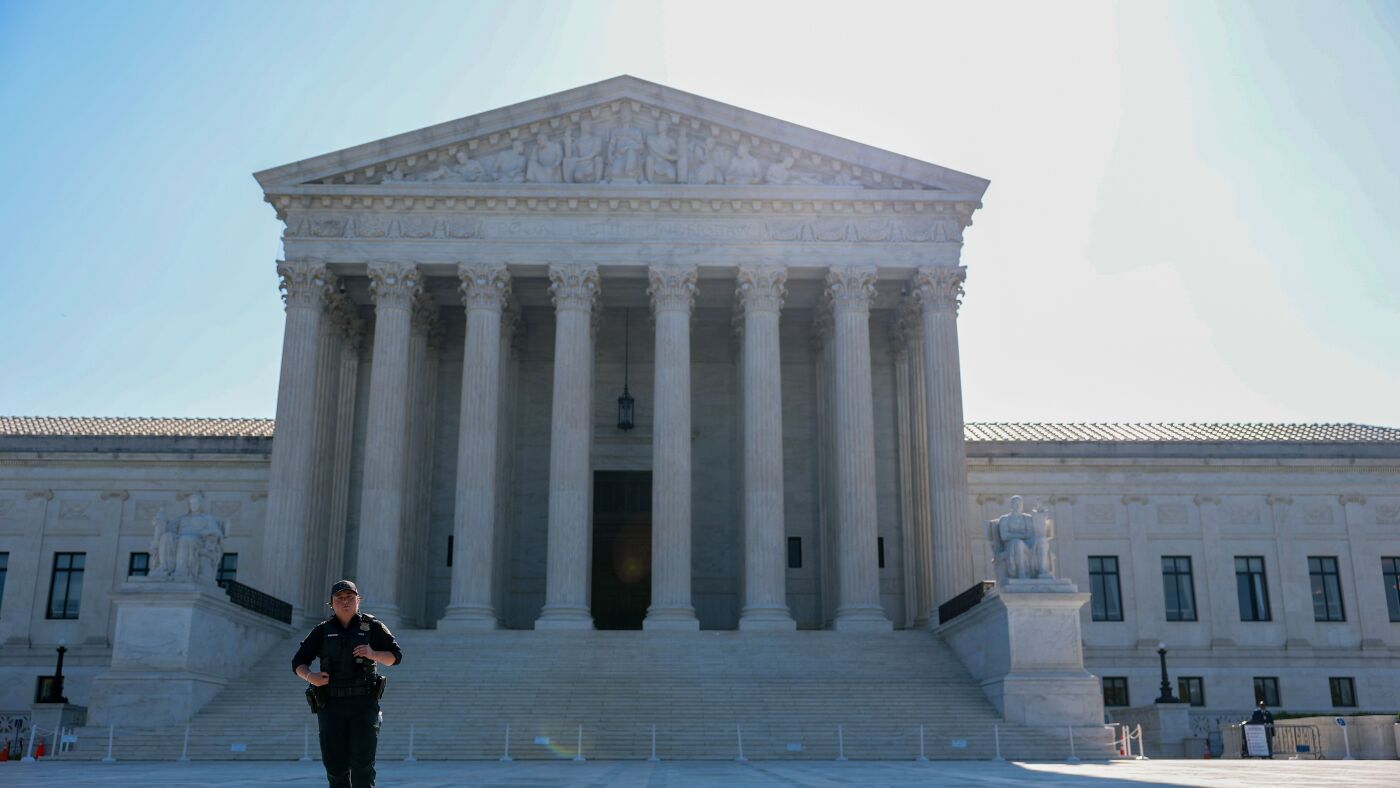
What the Supreme Court did on the final day of its term
-

 Los Angeles, Ca2 hours ago
Los Angeles County man convicted of sex trafficking, abusing woman he was dating
-

 Detroit, MI3 hours ago
Detroit Tigers tee off on New York Yankees with 5 homers in win

