Montana
I moved to Montana after getting priced out of California. I work in the trades — not all transplants are rich remote workers buying up property.

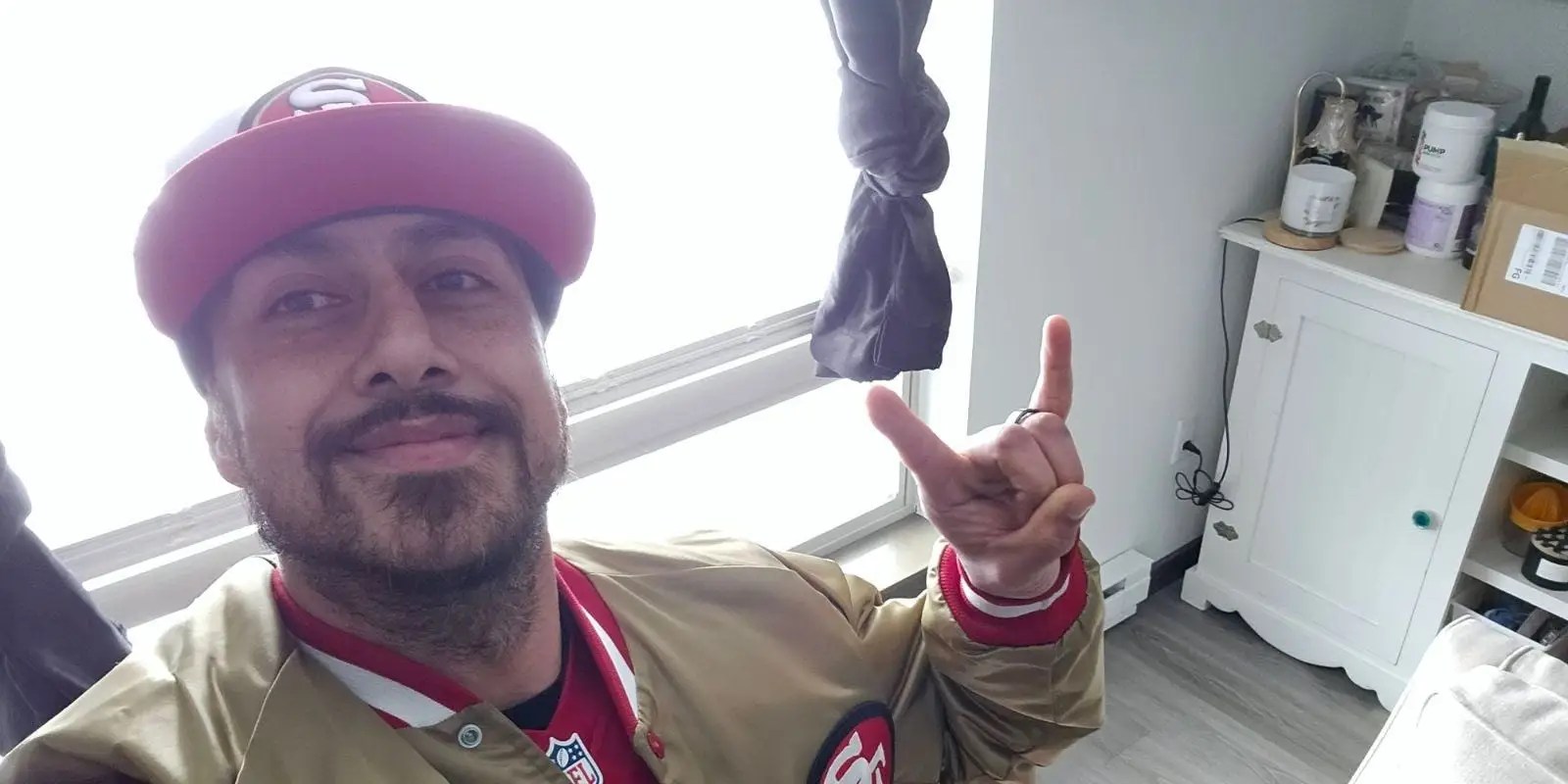
- Ian Baylon moved to Montana in April 2022 after watching “Yellowstone” and visiting the state.
- The 34-year-old said you get more bang for your buck renting in Montana than in the Bay Area.
- Baylon said not all Montana transplants are remote workers buying property and driving up prices.

This is an as-told-to essay based on a conversation with 34-year-old Ian Baylon, a tradesman who moved from California to Montana in April 2022. The essay has been edited for length and clarity.
I was born and raised in the Bay Area, San Francisco. Later as an adult I lived in Crockett, which is a beautiful little coastal Bay Area town. Even in Crockett the housing was expensive.
When my girlfriend, now wife, and I moved in together, the cheapest thing we could find for ourselves was in Vallejo, which is super busy, super violent. But that’s what we could afford, even though I was a manager at a granite shop and my wife was working as an esthetician.
During COVID, we got sucked into “Yellowstone,” watched the whole series, and decided to book a trip to Montana in February 2022 just to see how it is.
We stayed in West Yellowstone and had a blast here. One of the days, I decided to look for a job, just to see who was hiring and what they were willing to pay. I googled a couple of granite spots and a company was hiring in Bozeman. I went in for an interview. They asked me, “What will it take for you to move up here?”
They were willing to pay me my $89,000 a year salary plus moving costs, plus a deposit on the place we rented.
From March to April, within a month, I got the job, we rented the house, and we packed up and moved here.
Jacob Boomsma/Getty Images
The culture shock has mostly been good
Moving up here was a little bit of a culture shock, but more in a good way.
People are a lot nicer up here. I’m Mexican American, my wife is white, and no one says anything racist or out of pocket to us. I was super worried about that. A gentleman the other day opened the door for me at the gas station. He was wearing a MAGA hat.
Montana is not what people think. There’s a huge diversity. I equate Bozeman to Berkeley.
I tell people I’m from California and they say “boo” at first, but it’s more of a tit-for-tat. They make fun of me, I make fun of them, and we still get along.
One not good culture shock has been the younger generation. It’s a college town, and they’re not as friendly as my generation is or the generation before me.
Here in the Gallatin Valley where we live now, which includes Bozeman, the housing market is ridiculous. There’s a huge shortage of housing and everything is really expensive.
We thought we were going to be able to come in here and buy property. Or buy a ranch with some land and have animals. Nope. There’s a reason why they call it Boz Angeles. But renting you do get more bang for your buck up here.
Here in Montana there’s a huge shortage of labor too.
While it was very competitive in California, there’s a lot of demand for the trades up here, but nobody up here really wants to learn the trades. The young kids coming into the trades don’t know jack diddly and they expect everything to be handed to them and not work hard.
Gordon Calhoun/Getty Images
Not all Montana transplants are the same
One thing that native Montanans don’t like is that a lot of people that live here in the Gallatin Valley are from out of state, not only from California, but from Washington, New York, Texas, you name any state, they’re here.
I’ve seen both types of transplants. The ones that got out of California because they couldn’t afford it, and the ones that have that expendable money.
That’s where the problem lies. The people that move in and buy up the properties, drive up the cost for the locals, and who don’t really need to work or contribute to the economy here. A lot work in tech or finance, and there’s no need for them to work locally. They can work from home remotely.
But a lot of people moving up here from California are not your techies or your white collar people. It’s people like me, who work in the trades.
We’re just regular people, just like you guys. We got priced out of our own native place.
You do have your trust fund babies from back east and your techies from the West Coast, but the bulk of us are escaping that chokehold. Just to still chase the American dream.
I think we are more happy here than we would’ve been in California, even though we miss it. We do miss our friends, the diversity, and everything that California has to offer.
But living there 24/7 kind of overwhelmed us. The lifestyle was always hurry up and go. Here we work, but there’s so much natural beauty around you. We’re in the valley surrounded by mountains.
On my way home after an 11-hour day, looking at the beautiful mountains and the meadows and the streams and the rivers and the snow-capped Bridgers, how can you be angry? It’s just so soothing.



If a furry, playful, hugg-able, lovable kitten would be a great addition to your place, now’s the time to visit the Humane Society of Western Montana.
MEET BAKER AND BUSBOY
It was another Take Me Home Tuesday at the radio stations with the Humane Society. Katie brought in “Baker” (black kitty) and “Busboy” (gray kitty), who along with their two siblings “Chef” and “Cook” form a Fantastic Four of pure joy.
These two-month-old little ones were found in the Polson area and surrendered to the shelter. They just had their spay/neuter surgeries Monday (July 13) and they will be looking for their forever homes starting Wednesday (July 15).
Whether you are looking for one kitten or the whole “kitchen,” visit the shelter and fall in love with Baker, Busboy, Chef and Cook.
EVER CONSIDERED BEING A FOSTER HOME FOR SHELTER PETS?
It is kitten season at the Humane Society of Western Montana. The Humane Society is always looking for Fosters to take care of tiny kittens until they are old enough to be adopted. They currently have some that are with mom cats, and some that are bottle babies. And there is always a need for volunteers willing to nurture them until they are of adoption age.
And of course one of the perks of being a Foster is, if you fall in love with a kitten, you pretty much get first dibs.
READ MORE: Volunteers Hit ‘The Ridge’ To Improve Montana Elk Hunting Opportunities
So, whether you are looking to adopt or would like more information about being a foster home, be sure to visit the Humane Society of Western Montana soon. They are open from 1:00 – 6:00 pm Wednesdays through Sundays at 5930 Highway 93 South in Missoula. See more cats AND dogs waiting to be adopted on the shelter’s ADOPT webpage here.
LOOK: Can you tell the difference between these common pets?
Can you tell the difference between a hamster and a guinea pig? How about a betta and a guppy? Test your pet ID skills in our cute quiz.
Gallery Credit: Stephen Lenz


HEBGEN LAKE, Mont. — A man was rescued after nearly drowning while swimming in Rainbow Point, located 10 miles north of West Yellowstone.
The Gallatin County Sheriff’s Office, along with Hebgen Basin Rural EMS personnel and Montana Fish, Wildlife and Parks, responded to reports of a swimmer in distress.
Officials say bystanders saw a man become unresponsive while swimming roughly 100 yards off the shoreline.
They, along with a boating group, located the man, pulled him out of the water, and performed life-saving measures until first responders arrived.
The man was airlifted to Eastern Idaho Regional Medical Center. Officials say he is in critical condition.
The Gallatin County Sheriff’s Office released the following information:
-
 Business6 minutes ago
Commentary: Trump greenlights California’s dumbest water project
-
 Entertainment12 minutes ago
‘Hail Satan? Not me.’ Charley Crockett fires satanic duo Twin Temple, so Jack White hires them
-
 Lifestyle18 minutes ago
It’s time for the night trip to the beach — the grunion are running
-
 Politics24 minutes ago
After lawsuit, ICE pauses construction of Bay Area detention facility
-
 Science30 minutes ago
Anger grows in Boyle Heights as warehouse fire leaves stench, flies and vermin in its wake
-
 Sports36 minutes ago
Spain delivers surprise rout of France, clinches berth into World Cup final
-

 World48 minutes ago
US says latest Iran strike wave over, IRGC claims damage to US Naval HQ
-
 News1 hour ago
Supreme Court Justices give chilling accounts of threats to their safety

