San Francisco, CA
San Francisco Chinatown native praises resilience of her community


As Lunar New Year festivities continue around the Bay Area, a student who grew up in San Francisco’s Chinatown gave KPIX her unique perspective on the neighborhood’s rich history, struggle and strength.
San Francisco’s Chinatown is the oldest Chinatown in the nation, with one of the largest Lunar New Year celebrations in the country. For Tracy Law, the world famous enclave was her backyard growing up. Every street, every alleyway reminds her of her childhood.
“This alleyway is very nostalgic, because this is where I learned how to ride a bike with my little four wheels,” said Law.
Walking through the streets of Chinatown, it was clear why Tracy had such a deep connection with the neighborhood.
“We’re going to go to the park right now,” said Law. “It’s called Woh Hei Yuen or we started calling it the Y and everyone thinks we’re talking about the YMCA. This is the place that I basically grew up. Every Friday after school, I was here for meetings. Saturdays and Sundays, I was here for events. It has a special place in my heart.”
Law grew up translating not just for her mom, but for her entire neighborhood – where many could only speak Cantonese.
“Growing up here you might think this is normal,” said Law. “Everyone does this! Like, everyone translates for their family at home, right?”
She, her mother and younger brother lived in a small 100-square foot single room at an SRO hotel growing up. It was all she knew.
“It was never anything shameful or weird,” said Law. “Until I went to high school, then it really was a difference because my high school was so far, near the Sunset. I was like, ‘Oh, kids have their own rooms! You all don’t live in a cramped space.’”
Law is now a freshman at UC Berkeley, but she still comes back to volunteer with the Chinatown Community Development Center. One of her mentors is Chao Zhang, a community organizer with the program who also grew up in Chinatown.
Zhang spoke about the heart and power of the community.
“The strength of the community cannot be underestimated,” said Zhang. “I think people don’t see Asians, Chinese, people in Chinatown as fighters. They think a lot of us are pushovers due to stereotypes and other stuff that I won’t get into, but this community has fought back. There’s always been strength in numbers, and it speaks volumes of how much we can all come together and push for what we need and respect our community.”
Law and other students are tour guides with Chinatown Alleyway Tours, a student-developed and student-led program through the Chinatown Community Development Center.
The CCDC has also started a program to help families who are trying to transition out of SROs into new homes.




San Francisco, CA
5 Top-Rated Brunch Spots In San Francisco With Breathtaking Coastal Views – Islands

San Francisco is the definition of a dynamic destination. Although it’s known as a tech hub and for attractions like Alcatraz Island, a national park filled with history and mystery, this California city is also notable for its food scene. After all, San Francisco is home to renowned restaurants and is the “undisputed culinary capital” of America. What’s more, diners have the opportunity to enjoy many of the city’s offerings as they look out onto San Francisco’s iconic waterfront. For visitors looking to start the day with a meal complemented by coastal scenery, we’ve rounded up a list of San Francisco’s top-rated brunch spots with bay views.
Chosen based on ratings from Google, Yelp, and Tripadvisor, these five establishments come highly recommended for their brunch offerings and scenic San Francisco vistas. Not to mention that our chosen selections, serving everything from classic brunch dishes to seafood and German-inspired fare, highlight the city’s eclectic gastronomy. All that’s left to do is to decide which eateries to include on your San Francisco itinerary, but this will perhaps be easier said than done.
Mission Rock Resort
A short walk away from Chase Center, a stadium that hosts NBA games and concerts, is Mission Rock Resort. The eatery is located in Mission Bay, a vibrant, modern enclave with a walkable waterfront. Included in a list by Eater San Francisco highlighting the city’s best restaurants for views, this spot offers a heated patio overlooking the bay and docked boats. And as general manager Nick Osborne explained in a 2025 interview with the San Francisco Examiner, “Being on the water gives you a chance to take a moment to relax and enjoy our beautiful city.”
Mission Rock Resort, whose logo fittingly features a mermaid, primarily serves seafood-forward mid-morning meals. Forget pancakes; the brunch menu consists of oysters and dishes like Dungeness crab Benedict and grilled fish tacos (if you do happen to be craving something sweet, you can always opt for the French toast). On Yelp, Mission Rock Resort has a 4.0 rating, with one reviewer who dined here for brunch writing, “There were 7 of us so we truly explored the menu and no one was disappointed!! From appetizers to desserts everything was delicious.”
Mission Rock Resort is open every day except Monday, but brunch is only offered on Saturday and Sunday from 10 a.m. to 3 p.m. Reservations are recommended and can be made on Yelp. Diners may be able to find street parking. If you’re looking for more to do in the area, perhaps before your meal, Crane Cove Park is within walking distance and features onsite kayak and paddleboard rentals.
Eagle Cafe
San Francisco’s Fisherman’s Wharf is packed with character and old-timey fun. Still, this wildly popular California destination has been called the “world’s worst tourist trap.” However, you shouldn’t necessarily write it off, as it’s here you’ll find what Tripadvisor calls one of the top restaurants in the city with a view: Eagle Cafe. The eatery, which features an outdoor patio with counter seating, has a 4.0 rating on the platform and earned a Tripadvisor Travelers’ Choice award in 2025. “Eagle Cafe is one of those old school San Francisco spots that never really goes out of style. The location right on the water at Pier 39 is hard to beat and the views of the bay are amazing,” reads one diner review.
On top of this, some reviewers on Google, where Eagle Cafe has a 4.1-star rating, point out that on clear days, you can see Alcatraz and even the Golden Gate Bridge from the patio. But as one individual explained, “Not only is the view great but food is amazing and the servers are usually very attentive and excellent.” Dating back to 1928, this long-standing family-owned restaurant has nautical and diner vibes, and a menu reflecting its classic ambiance.
Eagle Cafe dishes up an assortment of traditional breakfast, brunch, and lunch fare. Popular items on Yelp include the avocado toast on Boudin Bakery bread and a breakfast burrito, filled with eggs, bacon, and cheese. Eagle Cafe is open daily from 8 a.m. to 3 p.m. No reservations required; only walk-ins are accepted, and if needed, the eatery does validate parking.
Radhaus
For a combination of beer and brunch, check out Radhaus at the Fort Mason Center for Arts and Culture, a former military site. This industrial-style beer hall with earthy elements features expansive windows that provide natural light and waterfront views. With a 4.2 rating on Yelp, one reviewer described Radhaus as a “beautiful place to have Brunch at with spectacular views of the Golden Gate Bridge.” While there is outdoor seating, you can take in the panoramic scenery and vistas of the marina from inside the dining room.
Even so, another reviewer who recommended this spot for brunch advised, “Come for views, stay for the great food and drinks.” As you might have already guessed, Radhaus offers German-inspired brunch fare — think dishes like a wurst sandwich with a fried egg and bacon jam, and a pretzel French toast (which does sell out) topped with berries and whipped cream. Of course, there’s plenty of brews, ranging from dark lagers to cider, on tap as well.
Radhaus is open daily but only serves brunch on Saturday and Sunday until 4 p.m., perfect for late risers. However, there’s more to do on the weekends at the Fort Mason Center for Arts and Culture, situated in the Marina District, located between Fisherman’s Wharf and Golden Gate Bridge. For instance, SF Camerawork, a photography gallery, is open on Saturdays. Additionally, there is a farmers’ market held every Sunday.
Beach Chalet
Golden Gate Park, San Francisco’s most beloved attraction, is full of wildlife, museums, and gardens. And that’s not all; you can also have a scenic brunch within this famed green space, courtesy of the Beach Chalet. Housed on the second floor of a renovated 1920s-era structure, this restaurant features panoramic windows with views of Ocean Beach. “Sitting here watching the waves roll in while enjoying lunch or brunch never gets old,” wrote a Tripadvisor user. That said, this classy yet casual establishment with a modern coastal vibe serves a mix of seafood and classic brunch dishes.
At the Beach Chalet, you can dine on everything from clam chowder to corned beef hash, as you stare at the Pacific in the distance (plus, you could take a beach stroll after you’ve wrapped up brunch). If you’re feeling fancy, there is a champagne brunch option to consider, complete with a starter, entree, dessert, and mimosas, for a fixed price. On Google, Beach Chalet has a 4.1-star rating, with an individual writing that it has, “Great views, impeccable service, delicious food and reasonable prices.” They added, “This place really has it all.”
The Beach Chalet only serves brunch on Saturday and Sunday from 10 a.m. to 2:30 p.m. Reservations are encouraged, and bookings can be made on Yelp (be sure to request a window seat so you have an optimal view of the sand and sea). Parking is conveniently located at the front of the eatery and is free.
ATwater Tavern
Located a couple of blocks away from Oracle Park, ATwater Tavern on Pier 50 is an industrial-style eatery surrounded by urban scenery. However, this establishment’s rear patio offers waterfront and East Bay views. Although ATwater Tavern is open daily before noon, primarily offering seafood, sandwiches, and salads, brunch specials are served on Saturday and Sunday from 10:30 a.m. to 2 p.m.
“One of our favorite dog-friendly places we go to regularly for brunch on the weekends. One of the best Huevos Rancheros I’ve ever had,” states a review from Google, where ATwater Tavern features a 4.4-star rating. Other brunch specials include pancakes and crab cake Benedict, but you could always order from the rest of the menu as well (the fish and chips are a crowd-pleaser on both Google and Yelp). While ATwater Tavern has a range of beverages, those who need a caffeine fix will be happy to learn that espresso-based coffee drinks are served here.
Guests highlight brunch on the patio with waterfront views. “Came here with a friend and it was super pretty looking across the water!” reads a review posted on Yelp. This individual went on to write, “The vibes are good for a lazy Sunday afternoon catchup.” Moreover, countless others say that they have stopped by for a bite to eat before catching a game at Oracle Park. Reservations for ATwater Tavern are available on Yelp, and a paid parking lot is available nearby.
Methodology

To find the five top-rated brunch spots in San Francisco with breathtaking coastal views, Islands utilized rankings from Google, Yelp, and Tripadvisor. We combed these platforms for reviews that frequently commended eateries for their waterfront views and brunch offerings. Once these criteria were met, we concentrated our search on establishments that featured a minimum of a 4.0 rating on at least one of these websites. To better showcase San Francisco’s beauty, we narrowed down our selections to restaurants with varying scenery.
Mission Rock Resort, Eagle Cafe, Radhaus, Beach Chalet, and ATwater Tavern checked all these boxes. For example, Beach Chalet overlooks the Pacific Ocean, while diners can catch a glimpse of the Golden Gate Bridge from Radhaus. Of course, cuisine and ambiance were just as important, with this list including eateries for an ultra-casual quick brunch, a boozy brunch, or a more upscale-style experience. For additional Bay Area eats, read a local’s guide on the five tastiest restaurants they always take friends to when they visit San Francisco.
San Francisco, CA
Former 49ers defensive coordinator Robert Saleh ‘pumped’ for Dre Greenlaw’s return to San Francisco

The 49ers had an eventful offseason when it comes to roster acquisitions, with wide receivers Mike Evans and Christian Kirk marking the most exciting additions for most fans.
While bolstering the wide receiver room for Brock Purdy made more headlines around the NFL, 49ers fans rejoiced when San Francisco brought back star linebacker Dre Greenlaw. After signing a three-year, $31.5 million contract with the Denver Broncos before this past season, Greenlaw was released by the team after appearing in just eight games.
Despite the Broncos being out on Greenlaw, the Faithful and All-Pro linebacker Fred Warner have expressed excitement regarding the move. However, those around the Bay aren’t the only ones pleased by the move, as former defensive coordinator and first-year Tennessee Titans head coach Robert Saleh recently told the media how excited he was for Greenlaw.
“So happy for him,” Saleh said. “For Dre, good chance for him to get his feet back underneath him in a place where he’s familiar, knocking people around like he used to. I mean, he did it last year too, but pumped for Dre.”
Saleh, a former linebackers coach himself, coached Greenlaw during the 2019 and 2020 seasons with San Francisco.
The 28-year-old Greenlaw is heading into his eighth NFL season, totaling 498 tackles, 4.5 sacks and four interceptions.
It’s unclear how much he has left in the tank, but clearly the 49ers were willing to find out.
Download and follow the 49ers Talk Podcast
San Francisco, CA
Elderly driver sentenced to probation in West Portal crash that killed family of 4

SAN JOSE, Calif. – An elderly driver who killed a family of four in San Francisco’s West Portal neighborhood two years ago was sentenced Friday to probation.
No jail time
What we know:
Mary Fong Lau, 80, learned in court that she will not serve any jail time or home detention for the March 2024 crash.
The collision killed Diego Cardoso de Oliveira, a 40-year-old father; his wife, Matilde Moncada Ramos Pinto, 38; their 1-year-old son, Joaquim; and their 3-month-old son, Caue. The family was waiting at a Muni bus stop at the time. They were headed to the zoo.
No contest plea
Lau pleaded no contest to four felony counts of vehicular manslaughter, and a judge accepted the plea.
The Superior Court judge said Lau’s age, remorse and lack of criminal history were factors in the sentencing decision. She was placed on probation for two years and is banned from driving for three years. She also has to complete 200 hours of community service.
2024 crash
The backstory:
Prosecutors said that on March 16, 2024, Lau was driving more than 70 mph in an SUV when she jumped a curb and struck the victims at a bus stop at Ulloa Street and Lenox Way.
Family, prosecutors criticize sentence
What they’re saying:
Friends and relatives of the victims said the sentence fell far short of the justice they were seeking.
District Attorney Brooke Jenkins also criticized the outcome.
“The court is not requiring Ms. Lau to even acknowledge her guilt,” Jenkins said. “Rather than requiring a guilty plea, the court decided it is sufficient for her to enter a no contest plea. That isn’t justice. That isn’t taking responsibility for the loss of four innocent lives.”
Jenkins added that Lau could eventually regain her driving privileges, which she called “troubling.”
“This is someone who has demonstrated she can’t be trusted on the roads of California nor San Francisco,” she said.
Defense cites remorse
The other side:
Lau’s defense attorney said his client is remorseful.
“Ms. Lau feels the pain of this tragic loss,” attorney Seth Morris said. “She has taken accountability by pleading no contest and not requiring the case to go to trial, which could have taken years with an unknown outcome.”
He added that Lau hopes the plea will help begin the healing process for the victims’ families and the community.
The Source: Sentencing hearing for the defendant, Mary Fong Lau

Fayetteville artist imagines quail, wins contest | Northwest Arkansas Democrat-Gazette

How Colorado funeral homes are rebuilding trust eroded by years of industry scandal

Between NYC And New Haven Is One Of Connecticut’s Oldest State Parks With Scenic Beaches And Fishing – Islands

Suspect on the run after armed robbery at Christiana Mall in Newark: Police

From the Archives: Hospital has 70-year history in Southwest Florida

Florida High School Football Rankings: Top 25 teams – Oct. 21

How old is Bo Nix? What to know about Oregon quarterback ahead of 2024 NFL Draft

Cleary's 21 help Le Moyne down Central Connecticut State 69-64 in OT

99th annual Pony Swim held in Virginia

Indiana Members Credit Union announced as new anchor tenant at Bottleworks District

Video: Former F.B.I. Director Robert Mueller Dies at 81

Trump gives Iran 48-hour ultimatum to reopen Strait of Hormuz or face strikes on power plants

Macron pushes tougher EU digital action ahead of key votes
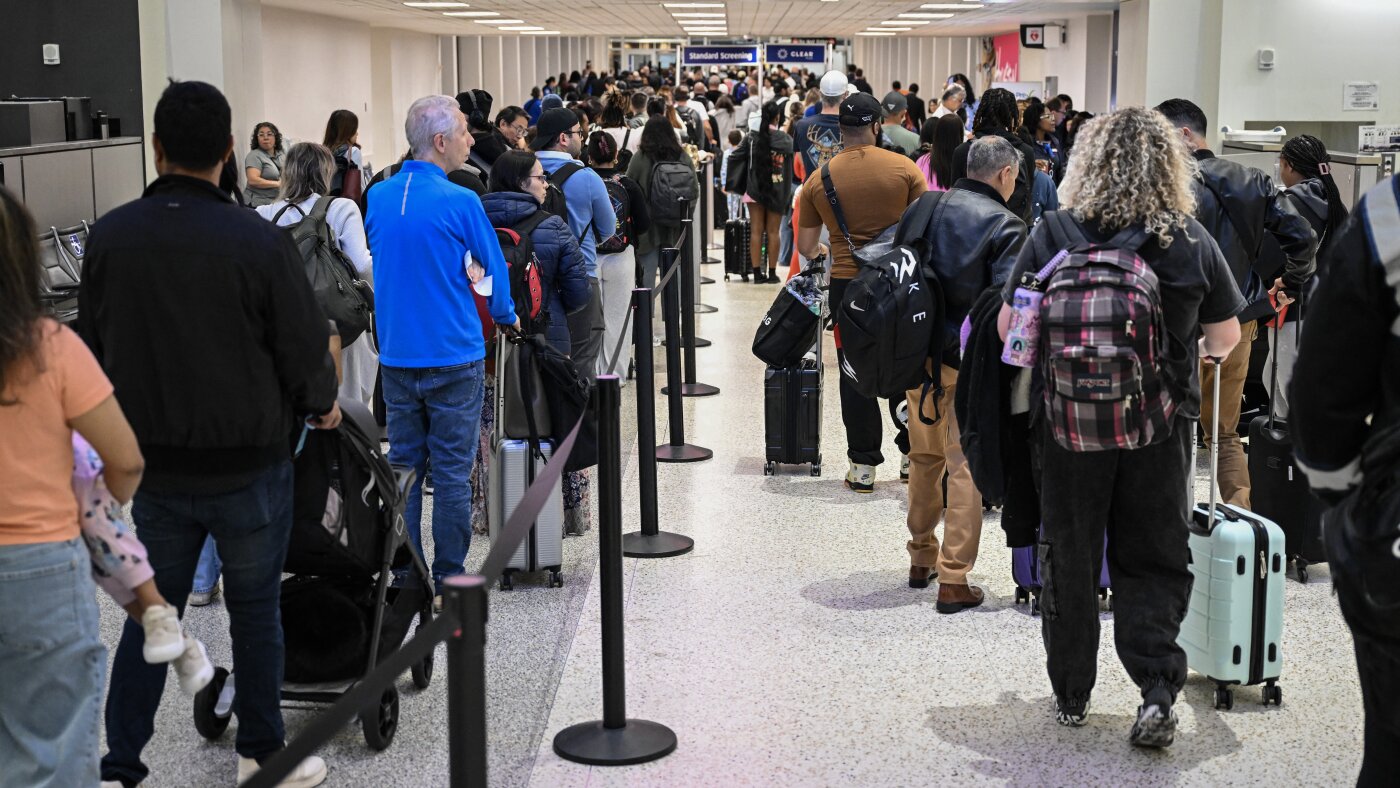
Airport security lines are long. Here’s what to know if you’re flying

Schumer gambit fails as DHS shutdown hits 36 days and airport lines grow
-

 Detroit, MI3 days ago
Drummer Brian Pastoria, longtime Detroit music advocate, dies at 68
-

 Oklahoma1 week ago
Family rallies around Oklahoma father after head-on crash
-

 Nebraska1 week ago
Wildfire forces immediate evacuation order for Farnam residents
-

 Georgia6 days ago
How ICE plans for a detention warehouse pushed a Georgia town to fight back | CNN Politics
-

 Alaska1 week ago
Police looking for man considered ‘armed and dangerous’
-
 Science1 week ago
Federal EPA moves to roll back recent limits on ethylene oxide, a carcinogen
-
 Science1 week ago
H5N1 bird flu spreads to sea otters and sea lions along San Mateo coast, wildlife experts say
-

 Movie Reviews3 days ago
‘Youth’ Twitter review: Ken Karunaas impresses audiences; Suraj Venjaramoodu adds charm; music wins praise | – The Times of India