Denver, CO
Dead leaf, pumpkin drop-off recycling program opens in Denver


Wondering what to do with your piles of dead leaves and rotting pumpkins this fall? Recycle them with Denver’s annual LeafDrop program.
The LeafDrop program turns those leaves and pumpkins into compost instead of allowing them to end up in the landfill, according to Denver’s Department of Transportation and Infrastructure.
City officials said people can drop off their expired fall vegetation to select collection centers between Monday, Oct. 7, and Saturday, Nov. 30. The following locations are open weekdays from 8 a.m. to 2 p.m.:
- Cherry Creek Transfer Station at 7301 East Jewell Ave.;
- Havana Nursery at 10450 Smith Road; and
- Central Platte Campus at 1271 West Bayaud Ave..
The Cherry Creek Transfer Station is the only site that accepts loose leaves and hitched trailers, city officials said Monday. Otherwise, leaves should be bagged.
Weekend drop sites will be open from Nov. 2 to Nov. 17 between 10 a.m. and 2 p.m., city officials said. The November weekend locations include:
- Cherry Creek Transfer Station at 7301 East Jewell Ave.;
- Bruce Randolph High School at East 40th Avenue and Steele Street;
- Kennedy High School at Newland Street and Brown Place;
- Sloan’s Lake northwest parking lot at West Byron Place and Yates Street; and
- Veterans Park at South Vine Street and East Iowa Ave.
When preparing to recycle fall trash, city officials said people should not:
- Include branches or other materials in leaf bags;
- Use twine or staples to secure paper leaf bags, just roll and crimp them;
- Rake or blow leaves into the streets; they can clog storm sewer inlets and street sweepers.
Current city compost customers can put leaves and pumpkins in their compost cart, city officials said.
Get more Colorado news by signing up for our daily Your Morning Dozen email newsletter.
Originally Published:



Denver, CO
Denver police use Aurora’s license-plate reading system to ID, arrest a teenage murder suspect

Denver police used license-plate reader technology from neighboring Aurora to identify and arrest a 19-year-old man on suspicion of murder.
Police arrested Daniel Villegas on Saturday on suspicion of shooting and killing another 19-year-old male in the 10100 block of East Virginia Avenue two days earlier.
Denver police said in a news release posted to X that they conducted interviews and reviewed surveillance video, digital forensics and the Aurora Police Department’s automated license plate reader system to identify the suspect’s vehicle, which police said had traveled through Aurora before and after the April 2 shooting.
Villegas was arrested on Saturday with help from the Aurora Police Department and is being held on suspicion of first-degree murder.
Denver police responded to a report of a shooting at 12:35 p.m. on Thursday, April 2 and found the teenage victim suffering from a gunshot wound on East Virginia Avenue. The victim was transported to the hospital, where he was pronounced dead.
The investigation by the Denver Police Department revealed Villegas and the victim were known to each other and that they may have been involved in a dispute over money owed by the victim.
Sign up to get crime news sent straight to your inbox each day.

DENVER (KDVR) — A new video captured several shots being fired in a deadly shooting in broad daylight at a Denver park on Easter Sunday.
On Sunday, around 6 p.m., the Denver Police Department said it responded to a shots-fired call in the area of the 3600 block of North Vine Street. This is at Russell Square Park in the Cole Neighborhood.
Police said two people were sent to the hospital, and they were still looking for a suspect. On Monday morning, police said a woman was pronounced dead, and they were still working on developing suspect information.
FOX31’s Jim Hooley spoke with neighbors in the area on Monday morning, who captured a video of the shots being fired. On a smart home camera in the area, it showed a video of the park, with the sound of over 20 gunshots.
Neighbors told Hooley there were more than 50 people, as many as 100, at the park celebrating Easter. Neighbors believe it was a drive-by shooting, and they all ran for cover once the shots were fired.
At this time, it’s unclear what led up to the shooting.
Anyone with information is asked to call the Metro Denver Crime Stoppers at 720-913-7867.

The Local newsletter is your free, daily guide to life in Colorado. For locals, by locals.
In 1996, a group of strangers arrived in Denver with their cleats and a common goal: to build professional soccer in America from the pitch up. Two years earlier, the United States had hosted the FIFA World Cup, igniting a national fervor for the sport. That energy helped birth Major League Soccer, with the Colorado Rapids as one of its 10 founding clubs. Players from around the globe converged on what was then Mile High Stadium (where the Rapids played until the 2007 debut of Dick’s Sporting Goods Park in Commerce City).
Thirty years later, the team has drawn stars, hoisted the 2010 MLS Cup, and earned a devoted local following. Ahead of the Rapids’ return to Empower Field at Mile High on April 18 for a special anniversary match against Inter Miami CF, we spoke with players from that first season about the mayhem and mirth that helped bring the world’s most popular sport to America.
Colorado Rapids History: The First MLS Season in Denver
“We literally went to a liquor store [on Federal Boulevard] in rush-hour traffic. We were outside with a table with banners, and we were waving Rapids flags. People would roll down their windows and ask ‘Who are the Rapids?’ as they’re stuck in traffic.” —Marcelo Balboa, center back, 1996–2002
“For the July 4 game, we had a massive crowd. We played the [New York/New Jersey] MetroStars, and it was like, Wow, to be able to play in front of over 20,000 people. The lower bowl was packed and loud.” —Denis Hamlett, defender, 1996
“We trained in the Westminster rec center. I remember the first month we were there, we would walk down the hill from the rec center. It was pretty much an open park…. There’d be people coming from the street to work out, and they [would] look at us like, ‘Are you guys a college team?’ ” —Chris Henderson, midfielder, 1996–1999 and 2002–2005
“After the first few games, we started realizing that people were staying after [for autographs]. Almost every game, I would walk off the field without a shirt and without my socks. Kids wanted socks.” —Balboa
“Being a guy who played on the national team and played in the two World Cups leading up to the league—we were always hoping and praying that we were finally going to be able to get a league in the United States…. So when we all got to the stadium and saw [so many] people there, we were like, ‘OK, we got something here.’ ” —Balboa
“We had a mascot called RapidMan [who would go] on all these appearances with us. His costume was like water inside a river. I remember him high-fiving the fans and taking photos with the players.” —Henderson
Tickets for the Colorado Rapids match at 2:30 p.m. on Saturday, April 18, at Empower Field at Mile High start at $100.

Science10 minutes ago
Video: Artemis II Completes Historic Journey Around the Moon

Health16 minutes ago
How To Quiet Food Noise Fast and Make Weight Loss After 50 Easier
Lifestyle34 minutes ago
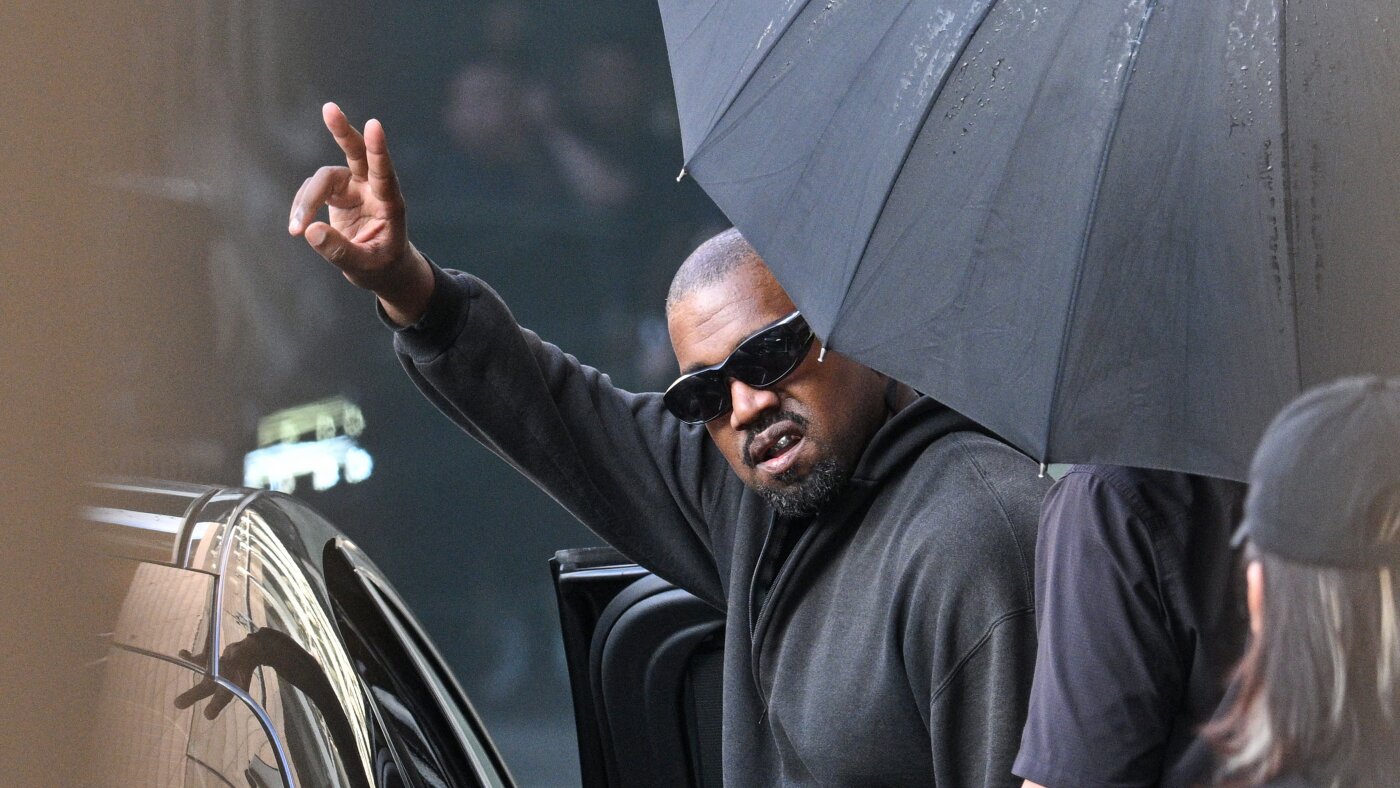
A music festival booked Kanye West, now known as Ye, and lost major sponsors

Technology46 minutes ago
Gemini is making it faster for distressed users to reach mental health resources

World52 minutes ago
CENTCOM commander directed strike against an IRGC headquarters in underground facility: sources

Florida1 year ago
Florida High School Football Rankings: Top 25 teams – Oct. 21

Oregon2 years ago
How old is Bo Nix? What to know about Oregon quarterback ahead of 2024 NFL Draft

Connecticut2 years ago
Cleary's 21 help Le Moyne down Central Connecticut State 69-64 in OT

Virginia2 years ago
99th annual Pony Swim held in Virginia

Indiana2 years ago
Indiana Members Credit Union announced as new anchor tenant at Bottleworks District

Politics58 minutes ago
Ilhan Omar calls Trump an ‘unhinged lunatic,’ urges booting him out of office
World2 hours ago
Between Budapest and Brussels: Péter Magyar’s political tightrope
News3 hours ago
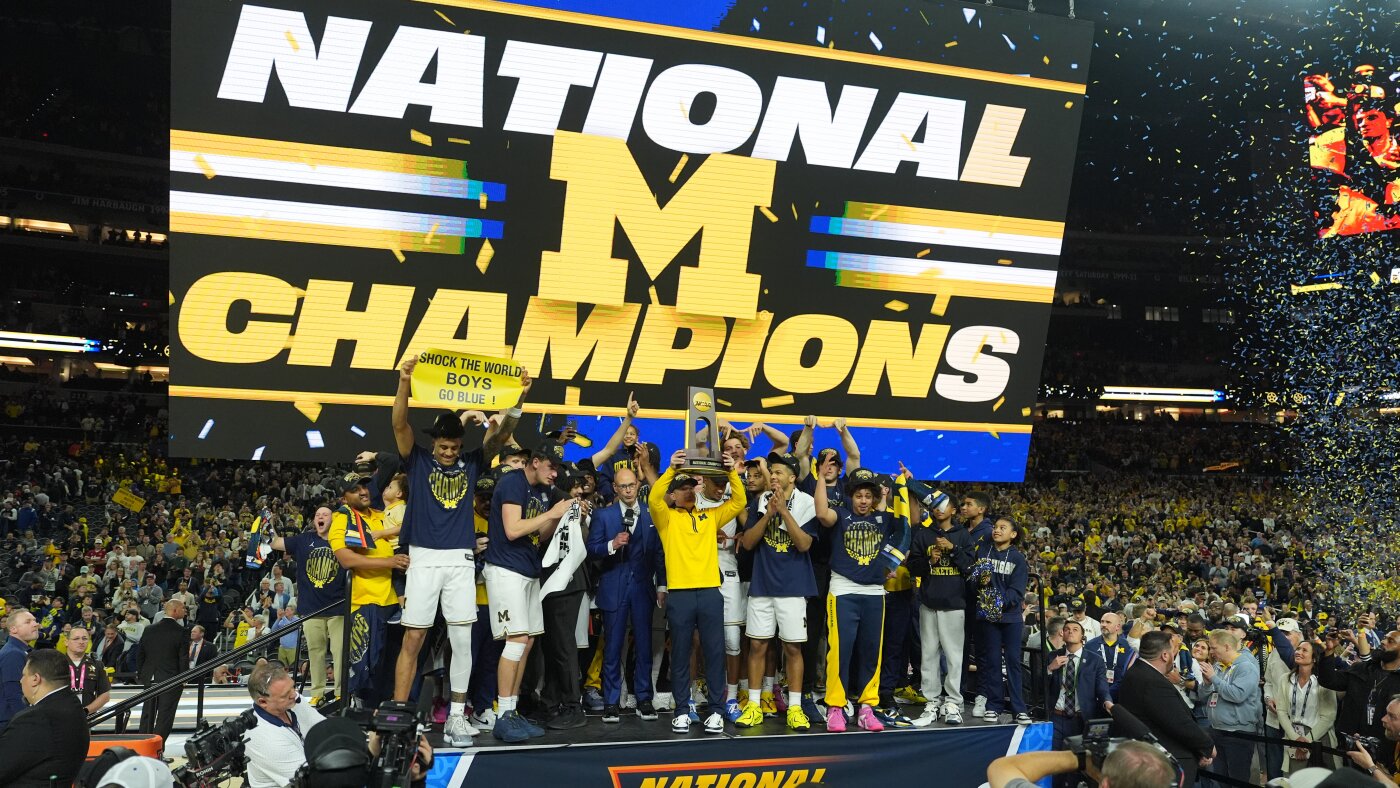
Michigan muscles its way to program’s 2nd NCAA basketball title, beating UConn

News12 hours ago
Map: Minor Earthquake Strikes Near San Diego

Politics13 hours ago
Trump claims he’d win as the president of Venezuela — just needs to ‘quickly’ learn Spanish
-

 Atlanta, GA2 days ago
1 teenage girl killed, another injured in shooting at Piedmont Park, police say
-

 South-Carolina1 week ago
South Carolina vs TCU predictions for Elite Eight game in March Madness
-

 Movie Reviews5 days ago
Vaazha 2 first half review: Hashir anchors a lively, chaos-filled teen tale
-

 Vermont1 week ago
Skier dies after fall at Sugarbush Resort
-

 Politics1 week ago
Trump’s Ballroom Design Has Barely Been Scrutinized
-

 Politics1 week ago
JD Vance says he was ‘obsessed’ with UFOs, believes aliens are actually ‘demons’
-
 Entertainment5 days ago
Inside Ye’s first comeback show at SoFi Stadium
-

 Politics1 week ago
Jeffries declines to break with indicted Democrat after ethics panel’s guilty verdict