Technology
The secret meaning of your iPhone clock’s 4 different colors


While casually scrolling on your iPhone, you may have noticed different colors behind the clock in the top left corner. These colors are not random, and you should know what they mean.
You might see a blue, green, red or purple color as a bubble behind your clock at the top left corner status bar if you own an iPhone X or later, or across the entire status bar if you have an iPhone 8 or earlier.
Knowing what these different colors mean can improve how you use your phone and enhance your privacy and security. Learn more about what these different colors behind the clock mean for iPhones (X or later) below.
CLICK TO GET KURT’S FREE CYBERGUY NEWSLETTER WITH SECURITY ALERTS, QUICK VIDEO TIPS, TECH REVIEWS AND EASY HOW-TO’S TO MAKE YOU SMARTER
Four colors of bubbles in upper left corner of an iPhone screen (Kurt “CyberGuy” Knutsson)
What does it mean if you see the blue bubble on the top-left of your iPhone?
A blue bubble in the top-left corner of an iPhone (Kurt “CyberGuy” Knutsson)
When a blue bubble appears in the top-left corner of your screen — right behind your time or clock — this means an app is actively using your iPhone’s location or you are using Screen Mirroring.
CHANGE THIS APPLE MUSIC SETTING ASAP TO PROTECT YOUR PRIVACY
What does it mean if you see the green bubble on the top-left of your iPhone?
The green bubble in the top-left corner of an iPhone (Kurt “CyberGuy” Knutsson)
When a green bubble appears in the top-left corner of your screen — right behind your time or clock — this means you’re on a call or your iPhone is being used as a personal hot spot. If you’re not using it and you see the green bubble, another device may be connected to your hot spot and potentially using your data without your knowledge.
How to prevent unauthorized use
To prevent unauthorized access to your personal hot spot, ensure you have a strong password set up.
- Go to Settings
- Click Personal hot spot
- Tap on Wi-Fi Password to create a secure password. It’s also a good practice to regularly check and change this password.
Identifying who is using your hot spot
You can see how many devices are connected to your hot spot by opening the Control Center. For iPhones with Face ID, swipe down from the top-right corner; for iPhones with a home button, swipe up from the bottom. Press and hold the wireless section to see the number of connected devices.
Kicking off unauthorized users who are using your hot spot
If you find an unknown device connected to your hot spot, you can disconnect it by changing the hot spot password or turning off the personal hot spot feature.
- Go to Settings
- Click Personal hot spot
- Toggle off Allow Others to Join.
- Then, turn it back on and share the new password only with trusted devices. Also, consider using a password manager to generate and store complex passwords.
Remember, monitoring your hot spot connections regularly is important to ensure no unauthorized usage, which can lead to data loss and potential security risks.
MORE: AVOID PUBLIC WIFI BY USING YOUR IPHONE AS A HOT SPOT
What does it mean if you see the red bubble on the top-left of your iPhone?
A red bubble in the top-left corner of an iPhone (Kurt “CyberGuy” Knutsson)
When a red bubble appears in the top-left corner of your screen — right behind your time or clock — this means your iPhone’s recording sound or your screen.
MORE: THE NEW IPHONE SECURITY THREAT THAT ALLOWS HACKERS TO SPY ON YOUR PHONE
What does it mean if you see the purple bubble on the top-left of your iPhone?
A purple bubble in the top-left corner of an iPhone (Kurt “CyberGuy” Knutsson)
When a purple bubble appears in the top-left corner of your screen — right behind your time or clock — this means your iPhone is using SharePlay, which can be used to share content such as games across iPhones.
Navigating apps, calls and hot spots with a tap
Now that you know what these different colors mean, you can be more aware if your iPhone is doing something you don’t want it to do.
Curious to see exactly what app or iPhone function is being used with these different color bubbles? If you tap on the clock when there is a color behind it, it will take you to the app or the control settings for the function that is being utilized.
For example, if you tap the clock when the bubble is green, and you are on a call, it will return you to the main window where you can see who you are speaking with.
If your iPhone is being used as a personal hot spot, tapping the green bubble will send you to the personal hot spot section of settings, where you can see who is using it and turn it off if you never intended it to be used as a hot spot in the first place.
An iPhone personal hot spot being used (Kurt “CyberGuy” Knutsson)
This is where knowing what these color bubbles are comes in handy. On one hand, you can use them to maneuver apps or settings on your iPhone easily. From the security and privacy perspective, you can now be alerted when any apps or other people are utilizing information or functions from your iPhone you don’t want them to.
Uncover and block unwanted access to your iPhone’s camera and microphone
If you see that your iPhone’s microphone and/or camera are in use even though you don’t have an app opened, it likely means that an app has permission to use those features on your phone even when it isn’t being used or your phone may have been hacked. In our article, “Is your device spying on you?” you will find step-by-step instructions to see which apps have permission to access your microphone or camera and how to turn those features off.
If you’ve gone through your permission settings and your microphone and camera are being accessed without your consent, there is a chance that some malicious spyware may be using your device to spy. If you’re not sure your phone has been compromised, you can check for these additional signs outlined in our article, “How to tell if your phone has been hacked.”
To avoid this, consider adding good antivirus software to your phone to prevent malware. Also, the best way to protect yourself from clicking malicious links that install malware that may get access to your private information is to have antivirus protection installed on all your devices. This can also alert you of any phishing emails or ransomware scams. Get my picks for the best 2024 antivirus protection winners for your Windows, Mac, Android & iOS devices.
MORE: ‘IN CASE OF EMERGENCY’ IPHONE SHORTCUT COULD SAVE YOUR LIFE
Kurt’s key takeaways
The colorful indicators on your iPhone serve as a visual guide to what’s happening behind the scenes. Whether it’s the blue bubble alerting you to location services or screen mirroring, the green bubble indicating an active call or hot spot usage, the red bubble warning of recording in progress or the purple bubble signifying SharePlay activity, each color plays a crucial role in enhancing your awareness and control over your device’s functions.
By understanding what these colors represent, you can take proactive steps to protect your privacy, manage your connections and optimize your iPhone experience. This subtle yet powerful feature underscores the importance of being informed and vigilant about the digital footprints we leave. So, the next time you notice a colored bubble behind the clock, remember it’s more than just a design choice — it’s a gateway to understanding and managing your iPhone’s diverse capabilities.
How do you think Apple could further improve the color notification feature to assist iPhone users in managing their devices’ functions? Let us know by writing us at Cyberguy.com/Contact
For more of my tech tips and security alerts, subscribe to my free CyberGuy Report Newsletter by heading to Cyberguy.com/Newsletter
Ask Kurt a question or let us know what stories you’d like us to cover
Answers to the most asked CyberGuy questions:
Copyright 2024 CyberGuy.com. All rights reserved.



This week, Anthropic delivered a master class in arrogance and betrayal as well as a textbook case of how not to do business with the United States Government or the Pentagon.
Our position has never wavered and will never waver: the Department of War must have full, unrestricted access to Anthropic’s models for every LAWFUL purpose in defense of the Republic.
Instead, @AnthropicAI and its CEO @DarioAmodei, have chosen duplicity. Cloaked in the sanctimonious rhetoric of “effective altruism,” they have attempted to strong-arm the United States military into submission – a cowardly act of corporate virtue-signaling that places Silicon Valley ideology above American lives.
The Terms of Service of Anthropic’s defective altruism will never outweigh the safety, the readiness, or the lives of American troops on the battlefield.
Their true objective is unmistakable: to seize veto power over the operational decisions of the United States military. That is unacceptable.
As President Trump stated on Truth Social, the Commander-in-Chief and the American people alone will determine the destiny of our armed forces, not unelected tech executives.
Anthropic’s stance is fundamentally incompatible with American principles. Their relationship with the United States Armed Forces and the Federal Government has therefore been permanently altered.
In conjunction with the President’s directive for the Federal Government to cease all use of Anthropic’s technology, I am directing the Department of War to designate Anthropic a Supply-Chain Risk to National Security. Effective immediately, no contractor, supplier, or partner that does business with the United States military may conduct any commercial activity with Anthropic. Anthropic will continue to provide the Department of War its services for a period of no more than six months to allow for a seamless transition to a better and more patriotic service.
America’s warfighters will never be held hostage by the ideological whims of Big Tech. This decision is final.

NEWYou can now listen to Fox News articles!
When you open a chatbot, stream a show or back up photos to the cloud, you are tapping into a vast network of data centers. These facilities power artificial intelligence, search engines and online services we use every day. Now there is a growing debate over who should pay for the electricity those data centers consume.
During President Trump’s State of the Union address this week, he introduced a new initiative called the “ratepayer protection pledge” to shift AI-driven electricity costs away from consumers. The core idea is simple.
Tech companies that run energy-intensive AI data centers should cover the cost of the extra electricity they require rather than passing those costs on to everyday customers through higher utility rates.
It sounds simple. The hard part is what happens next.
Sign up for my FREE CyberGuy Report
Get my best tech tips, urgent security alerts and exclusive deals delivered straight to your inbox. Plus, you’ll get instant access to my Ultimate Scam Survival Guide — free when you join my CYBERGUY.COM newsletter.
At the State of the Union address Feb. 24, 2026, President Trump unveiled the “ratepayer protection pledge” aimed at shielding consumers from rising electricity costs tied to AI data centers. (Nathan Posner/Anadolu via Getty Images)
Why AI is driving a surge in electricity demand
AI systems require enormous computing power. That computing power requires enormous electricity. Today’s data centers can consume as much power as a small city. As AI tools expand across business, healthcare, finance and consumer apps, energy demand has risen sharply in certain regions.
Utilities have warned that the current grid in many parts of the country was not built for this level of concentrated demand. Upgrading substations, transmission lines and generation capacity costs money. Traditionally, those costs can influence rates paid by homes and small businesses. That is where the pledge comes in.
What the ratepayer protection pledge is designed to do
Under the ratepayer protection pledge, large technology companies would:
- Cover the full cost of additional electricity tied to their data centers
- Build their own on-site power generation to reduce strain on the public grid
Supporters say this approach separates residential energy costs from large-scale AI expansion. In other words, your household bill should not rise simply because a new AI data center opens nearby. So far, Anthropic is the clearest public backer. CyberGuy reached out to Anthropic for a comment on its role in the pledge. A company spokesperson referred us to a tweet from Anthropic Head of External Affairs Sarah Heck.
“American families shouldn’t pick up the tab for AI,” Heck wrote in a post on X. “In support of the White House ratepayer protection pledge, Anthropic has committed to covering 100% of electricity price increases that consumers face from our data centers.”
That makes Anthropic one of the first major AI companies to publicly state it will absorb consumer electricity price increases tied to its data center operations. Other major firms may be close behind. The White House reportedly plans to host Microsoft, Meta and Anthropic in early March to discuss formalizing a broader deal, though attendance and final terms have not been confirmed publicly.
Microsoft also expressed support for the initiative.
“The ratepayer protection pledge is an important step,” Brad Smith, Microsoft vice chair and president, said in a statement to CyberGuy. “We appreciate the administration’s work to ensure that data centers don’t contribute to higher electricity prices for consumers.”
Industry groups also point to companies such as Google and utilities including Duke Energy and Georgia Power as making consumer-focused commitments tied to data center growth. However, enforcement mechanisms and long-term regulatory details remain unclear.
CHINA VS SPACEX IN RACE FOR SPACE AI DATA CENTERS
The White House plans talks with Microsoft, Meta and Anthropic about shifting AI energy costs away from consumers. (Eli Hiller/For The Washington Post via Getty Images)
How this could change the economics of AI
AI infrastructure is already one of the most expensive technology buildouts in history. Companies are investing billions in chips, servers and real estate. If firms must also finance dedicated power plants or pay premium rates for grid upgrades, the cost of running AI systems increases further. That could lead to:
- Slower expansion in some markets
- Greater investment in renewable energy and storage
- More partnerships between tech firms and utilities
Energy strategy may become just as important as computing strategy. For consumers, this shift signals that electricity is now a central part of the AI conversation. AI is no longer only about software. It is also about infrastructure.
The bigger consumer tech picture
AI is becoming embedded in smartphones, search engines, office software and home devices. As adoption grows, so does the hidden infrastructure supporting it. Energy is now part of the conversation around everyday technology. Every AI-generated image, voice command or cloud backup depends on a power-hungry network of servers.
By asking companies to account more directly for their electricity use, policymakers are acknowledging a new reality. The digital world runs on very physical resources. For you, that shift could mean more transparency. It also raises new questions about sustainability, local impact and long-term costs.
ARTIFICIAL INTELLIGENCE HELPS FUEL NEW ENERGY SOURCES
As AI expansion strains the grid, a new proposal would require tech firms to fund their own power needs. (Sameer Al-Doumy/AFP via Getty Images)
What this means for you
If you are a homeowner or renter, the practical question is simple. Will this protect my electric bill? In theory, separating data center energy costs from residential rates could reduce the risk of price spikes tied to AI growth. If companies fund their own generation or grid upgrades, utilities may have less reason to spread those costs among all customers.
That said, utility pricing is complex. It depends on state regulators, long-term planning and local energy markets.
Here is what you can watch for in your area:
- New data center construction announcements
- Utility filings that mention large commercial load growth
- Public service commission decisions on rate adjustments
Even if you rarely use AI tools, your community could feel the effects of a nearby data center. The pledge is intended to keep those large-scale power demands from showing up in your monthly bill.
Take my quiz: How safe is your online security?
Think your devices and data are truly protected? Take this quick quiz to see where your digital habits stand. From passwords to Wi-Fi settings, you’ll get a personalized breakdown of what you’re doing right and what needs improvement. Take my Quiz here: Cyberguy.com.
Kurt’s key takeaways
The ratepayer protection pledge highlights an important turning point. AI is no longer only about innovation and speed. It is also about energy and accountability. If tech companies truly absorb the cost of their expanding power needs, households may avoid some of the financial strain tied to rapid AI growth. If not, utility bills could become an unexpected front line in the AI era.
As AI tools become part of daily life, how much extra power are you willing to support to keep them running? Let us know by writing to us at Cyberguy.com.
CLICK HERE TO DOWNLOAD THE FOX NEWS APP
Sign up for my FREE CyberGuy Report
Get my best tech tips, urgent security alerts and exclusive deals delivered straight to your inbox. Plus, you’ll get instant access to my Ultimate Scam Survival Guide – free when you join my CYBERGUY.COM newsletter.
Copyright 2026 CyberGuy.com. All rights reserved.
Related Article


Amazon has slowly been teasing out casting details for its live-action adaptation of God of War, and now we have our first look at the show. It’s a single image but a notable one showing protagonist Kratos and his son Atreus. The characters are played by Ryan Hurst and Callum Vinson, respectively, and they look relatively close to their video game counterparts.
There aren’t a lot of other details about the show just yet, but this is Amazon’s official description:
The God of War series storyline follows father and son Kratos and Atreus as they embark on a journey to spread the ashes of their wife and mother, Faye. Through their adventures, Kratos tries to teach his son to be a better god, while Atreus tries to teach his father how to be a better human.
That sounds a lot like the recent soft reboot of the franchise, which started with 2018’s God of War and continued through Ragnarök in 2022. For the Amazon series, Ronald D. Moore, best-known for his work on For All Mankind and Battlestar Galactica, will serve as showrunner. The rest of the cast includes: Mandy Patinkin (Odin), Ed Skrein (Baldur), Max Parker (Heimdall), Ólafur Darri Ólafsson (Thor), Teresa Palmer (Sif), Alastair Duncan (Mimir), Jeff Gulka (Sindri), and Danny Woodburn (Brok).
While production is underway on the God of War series, there’s no word on when it might start streaming.

Defense secretary Pete Hegseth designates Anthropic a supply chain risk

UN Human Rights Council chief cuts off speaker criticizing US-sanctioned official

ICE blasts Washington mayor over directive restricting immigration enforcement

‘SuperAgers’ stay mentally sharp well past 80, as scientists reveal the reason

USA Rugby to introduce ‘open’ gender category for trans athletes

Florida High School Football Rankings: Top 25 teams – Oct. 21

Cleary's 21 help Le Moyne down Central Connecticut State 69-64 in OT

How old is Bo Nix? What to know about Oregon quarterback ahead of 2024 NFL Draft

99th annual Pony Swim held in Virginia

Indiana Members Credit Union announced as new anchor tenant at Bottleworks District
ICE blasts Washington mayor over directive restricting immigration enforcement

Did the EU bypass Hungary’s veto on Ukraine’s €90 billion loan?
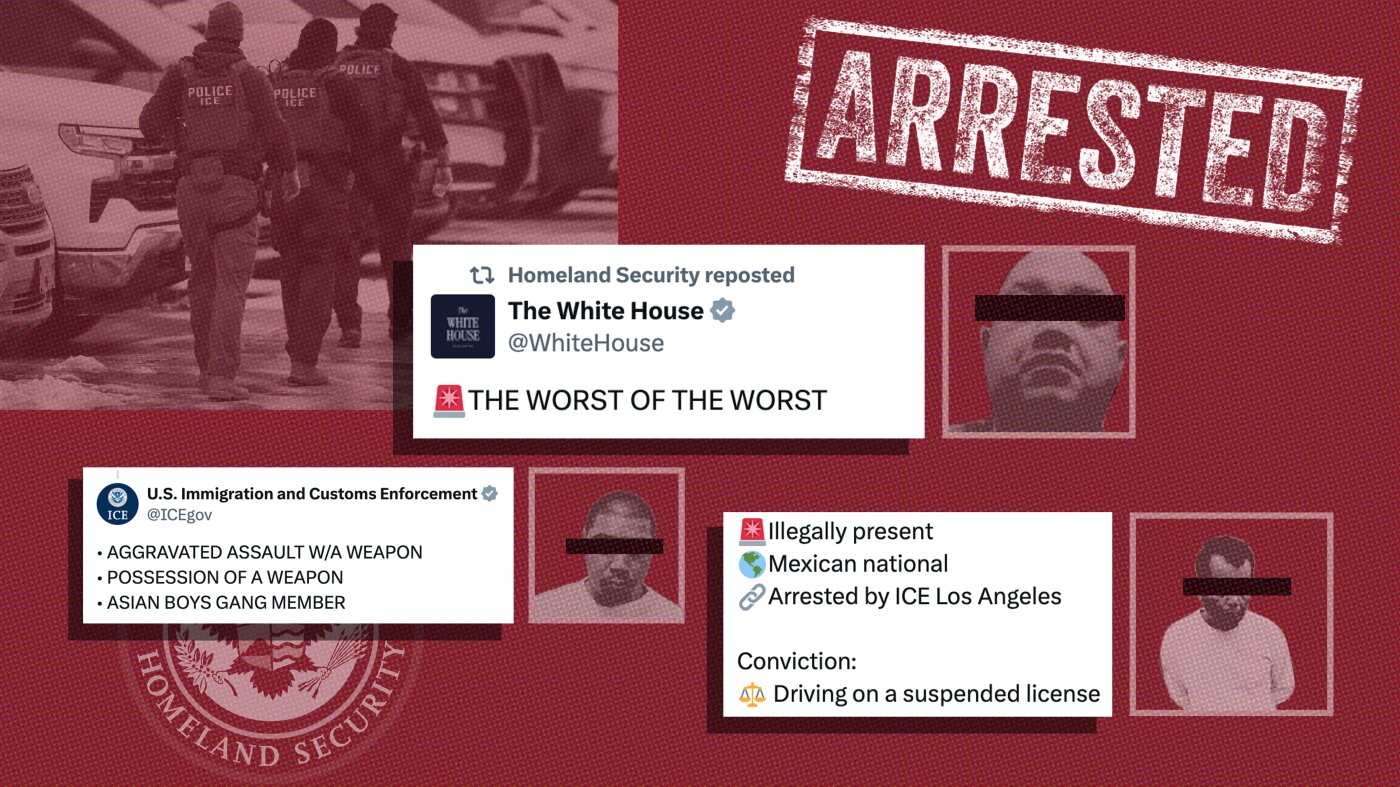
How the federal government is painting immigrants as criminals on social media

Where Iran’s ballistic missiles can reach — and how close they are to the US

Has India’s influence in Afghanistan grown under the Taliban?
-

 World2 days ago
Exclusive: DeepSeek withholds latest AI model from US chipmakers including Nvidia, sources say
-

 Massachusetts2 days ago
Mother and daughter injured in Taunton house explosion
-

 Montana1 week ago
2026 MHSA Montana Wrestling State Championship Brackets And Results – FloWrestling
-

 Louisiana5 days ago
Wildfire near Gum Swamp Road in Livingston Parish now under control; more than 200 acres burned
-

 Oklahoma1 week ago
Wildfires rage in Oklahoma as thousands urged to evacuate a small city
-

 Denver, CO2 days ago
10 acres charred, 5 injured in Thornton grass fire, evacuation orders lifted
-

 Technology7 days ago
YouTube TV billing scam emails are hitting inboxes
-

 Technology7 days ago
Stellantis is in a crisis of its own making