Dallas, TX
Vacant Oak Cliff hospital building languishes amid rancor


What was once a community asset in central Oak Cliff will likely become just another missed opportunity for Dallas.
The asset is a 12-acre tract of parking lots and dormant lawn anchored by a vacant hospital building. The city of Dallas bought the property in 2022 with $6.5 million in bond funds meant to provide housing and services to homeless people.
Three years later, it sits idle, generating mostly rancor and frustration.
It could be so much more. It’s in a convenient location. Twelve acres is nine football fields. That’s enough room for townhomes — for purchase or rent — and perhaps a modest amount of co-working or office or retail space.
There is even enough space for the empty hospital to fulfill its intended, though highly controversial, purpose as permanent supportive housing. The building’s upper floors could be repurposed into small but functional studio apartments for formerly homeless individuals. Residents would be screened before they’re offered a lease, and supervised once they move in.
With a thoughtful site plan as one safeguard, the renovated hospital could co-exist with other uses on the property. More important, it could co-exist safely and peacefully with the surrounding residential neighborhood and nearby library and Brashear Elementary school.
District 3 Dallas City Council member Zarin Gracey, who represents the area, wants to sell the property. He suggests the city could use the proceeds to renovate a vacant hotel in his district that the city also bought with homeless facility bond funds. But that wood-frame building near Interstate 20 is in worse shape than the concrete hospital, and in a much worse location. The hospital property will provide a better return on taxpayers’ investment.
In happier times, the property at Hampton Road and Perryton Drive bustled with activity.
Dallas Family Hospital, owned by a company in Pennsylvania, opened in 1985. It had 104 patient rooms, all private, eight ICU beds and a 24-hour emergency room. A Dallas ISD janitor who was struck by lightning at work was treated there, as were accident victims. Dallas high school students interested in health care careers completed short-term operating room internships at the hospital.
The campus also housed the offices of Dallas Southwest Osteopathic Physicians Inc., and its affiliated foundation, and a satellite learning center for Mountain View college. A medical building provided offices for doctors. Those buildings remain on the campus.
In the mid-2000s, Dallas ISD and the city of Dallas collaborated to build a new elementary school and branch library across Perryton Drive from the hospital. The library is closest to the hospital and connects to the school via an enclosed walkway.
Apartments for tenants over 55 were built on land behind the hospital. On the southeast corner of Hampton Road and Perryton Drive, Kiest Park sprawls south and east for 263 acres. It’s well-loved and well-used by residents of all ages.
Dallas Family Hospital changed names and changed ownership multiple times and eventually closed in 2014. The property’s ownership reverted to the osteopathic physicians’ group.
A few years later, a local developer and a nonprofit organization attempted to work with the owner on a mixed-use project that would have included affordable housing. The owners never signed off and the plan fell apart. Then the city bought the property.
To say that city leaders, both elected and professional, mishandled initial community outreach is like saying Hurricane Harvey was a bit damp: A gross understatement.
In news stories, residents said they knew nothing about the deal to buy the hospital and were angry when they learned it might be used for housing and services for homeless people. The city didn’t return calls or emails for comment for this editorial.
Two people interviewed for this editorial said an early community meeting grew so tense they were afraid it would devolve into a physical fight. Those poisonous interactions undermined the chance of developing a project that answered neighbors’ concerns and helped alleviate the city’s homeless crisis.
As challenging as it may be, we need to keep trying.
Critics have valid concerns. The vacant hospital is near an elementary school. It is not an appropriate location for a year-round homeless shelter, an inclement weather shelter, or walk-up or drop-off crisis intervention services. That said, landscaping and new construction, such as townhomes, could serve as attractive, multipurpose buffers between the hospital property and the library.
They also note that District 3 has two sites intended for homeless facilities, while a few districts have none. Small wonder some Oak Cliff residents feel their community is being asked to do more than its fair share. The city should offload District 3’s second site, the hotel near I-20, and lagging council districts need to step up.
Some District 3 residents say, as Gracey did at a recent housing committee meeting, that “right in that particular area, there isn’t a homeless problem.” That’s not what we saw.
On a recent weekday afternoon, as parents waiting to pick up their children from Brashear Elementary backed up traffic along Hampton Road, a sunburned, shirtless man pushed a grocery cart with a jumble of possessions along the sidewalk next to the school. Inside the library, another apparently homeless man sat quietly near a window, surrounded by a collection of plastic grocery bags.
Homelessness is a citywide problem.
At Gracey’s behest, the city will develop a request for information, a way to test whether there is a market for the hospital property. It’s a complicated property. Almost any redevelopment would require zoning changes, and at least one of the ancillary buildings onsite has multiple owners, according to appraisal district records.
Permanent supportive housing could succeed at the site, but only if neighbors are partners in the planning for it, and only if a different entity, perhaps a nonprofit organization, leads the process. The property has space for other uses, too. It could become a community asset again.
We welcome your thoughts in a letter to the editor. See the guidelines and submit your letter here. If you have problems with the form, you can submit via email at letters@dallasnews.com



The glitz. The glam. The parties. The trips. The allure of high fashion bedazzled with a life of luxury. As with much of the filter-polished nature of social media, all is not as it appears.
For Shaun Balkum, he was living a dream as a high-fashion model with ties to New York and as one of Dallas’ most recognizable faces. The statuesque king of pose was living the high life — or so it seemed. Gracing the runways and booked for Dallas’ marquee fashion shows like DIFFA, Balkum appeared to have it all. Behind closed doors, though, was a past riddled with pain, trauma, suicide ideation and repeated bouts with homelessness. With nowhere to turn and little help, he internalized in the dark, not knowing that many of his peers were also struggling in the same deafening silence.
“Being in the industry for about 15 years now, I’ve been through a lot,” the 34-year-old father of two tells the Observer. “Working in New York at a young age and seeing so many people going down different, dark paths, and the industry just eating them up, was eye-opening for me. A lot of people on the outside will wonder ‘why is this actor on drugs’ or ‘why is there so much suicide within these careers?’ What they don’t realize are the things that these individuals put themselves through. They don’t express or talk about it because they feel like they’re going to be judged at the end of the day by their peers and family.”
Going digital-second
With the dominance of a digital-first culture, creatives today face unprecedented pressure, from constant content demands, online comparison, scrutiny, burnout and isolation. According to a recent study conducted by Creators for Mental Health, an organization that aims to provide resources to digital creators, approximately 1 out of 10 creators say that they’ve experienced suicidal thoughts, with nearly 2 out of 3 creators admitting to mental health challenges such as anxiety and depression. Higher incidence rates rank even more among tenured creators.
According to the National Institute of Health (NIH), suicide continues to be one of the leading causes of death in the U.S. The rate observed among influencers is nearly double the NIH’s reported national average.
And, as online content creation has become an increasingly lucrative path, market oversaturation has fueled added stressors of competition and gig instability.
“There’s an influx of constant competition,” says Jessica Serna, a veteran influencer behind My Curly Adventures. “People don’t realize that it’s not enough just to take good pictures and videos. A lot of times there’s way more going on [behind the scenes] so that you can stand out amongst 100,000 other influencers and creators. I think that’s where the burnout comes – it’s the pressure to stay above in such a competitive field.”
In videos captured across the country, the Dallas-based Serna is all smiles and full of vibrancy as she and her husband traverse turquoise Caribbean waters and dive deep into the ocean blue. Posting daily, she has amassed an audience of over 300,000 Instagram followers sourcing tips on travel, lifestyle and food. Over on TikTok, her reach extends even further with 571,000 followers.
While Serna admits that all that glitters can be gold in the influencer lifestyle, there can also be a dullness when creators face the not-so-glamorous business side of being a creative in order to stand out among a sea of others.
“This has been the most stressful job I’ve ever [had],” Serna says. “I go to sleep thinking about things. I wake up and there’s the pressure of… so many businesses that don’t value your time, or wait two weeks to issue you a paycheck, and then want something the next day, only to ghost you again for another three weeks. Or, a paycheck that you were supposed to get three months ago is now taking its time because it got caught up in something corporate.”
Late paychecks and the pressure to be perfect are only the tip of the iceberg of what creatives experience.
In a recent Youtube confessional titled “being a full time influencer ruined my life,” Dallas creator Ashley Devonna candidly detailed what life was really like for her behind the filters, hashtags and sponsorships. After a 4-year hiatus to recover, the Texas Woman’s University graduate is back, but now on her own terms. Many others are still stuck in the cycle.
Finding community on and offline
Balkum cites a lack of community and safe spaces for honest reflection, as well as a shortage of affordable mental health resources, as inspiring him to launch his House of Balkum Foundation, a 501(c)(3) initiative stemming from the inadequacies of the fashion industry, and now offering emergency relief assistance, emotional support, community gatherings and mental health and wellness resources. His upcoming event, Saving the Creatives —dubbed the “church for creatives” — will feature an all-star panel of Dallas’ top talent including Celebrity Stylist KJ Moody, Actor and Model Kamen Casey, Photographer Jamie House and others, to discuss the challenges suffocating the industry, but also to provide solutions and support.
“We’re all intertwined in a way, and we all need each other,” Balkum says. “You know, the models need the photographers, and the photographers need the makeup artists, and the makeup artists need the models. At the end of the day, I want creatives to understand that they finally have somebody here for them, and that’s looking after them. For all of the creatives that have felt alone, that have struggled in silence – we hear you. You can talk to us and we’ll provide whatever help that we can for you.”
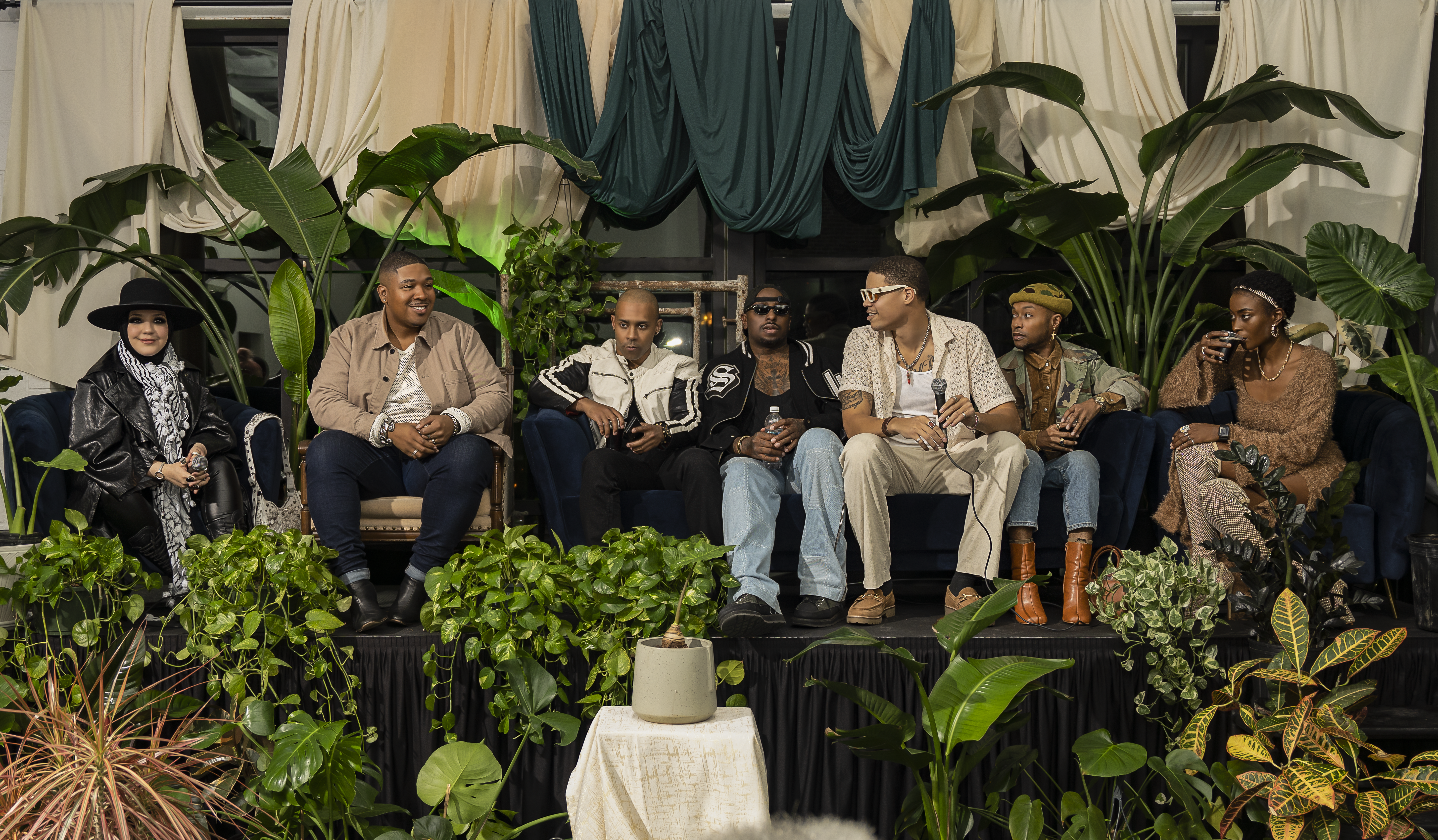
Dallas startup RM11 is on a similar mission. The creator-first platform was founded by Natasha August and boasts numerous perks that allow creators to own their relationships with their followers, receive fair monetization and build a sustainable business – and, hopefully, a less stressful one.
“Creators are entrepreneurs in every sense of the word,” August says. “They’re building brands, communities, revenue streams and entire businesses around their voice and audience. The more I learned about the creator economy, the more I realized how underserved creators really are. They’re expected to be talent, a marketer, customer support, content strategist, community manager and business owner all at once. I saw an opportunity to build something that gave creators more control, better tools and a more supportive way to monetize directly from their audience.”
Recently, RM11 strategically partnered with both Revive Health Therapy and Creators 4 Mental Health – a major step in its mission to support creator well-being, reduce burnout and build a healthier creator ecosystem through its CreatorCare approach. RM11 creators have access to licensed mental health professionals who specialize in creator-specific stressors, as well as affordable, flexible therapy options, community support and wellness tools to help manage burnout and emotional fatigue.
“One of the biggest misconceptions that the general public has is that creating content is easy or not a ‘real job.’ In reality, creators are running small businesses, often by themselves, while also putting their personality, image and personal life in front of the public,” August says. “There’s also a misconception that if someone has followers or makes money online, they must be confident, happy or unaffected by negative comments and pressure. But creators can experience burnout, isolation, anxiety and emotional exhaustion just like anyone else, sometimes even more intensely because their work is so personal and public.”
According to a 2026 study with data from Social Blade, Texas ranks fourth among the nation’s largest hubs for online influencers, accounting for roughly 8% of the most-followed creators. The state is also home to 1 out of 10 creators ranked in the top 500 of the creator ecosystem. If you want to make it to the top of the creator economy, Dallas is where you come. Therefore, Dallas-based businesses like House of Balkum and RM11 are not only essential but necessary with growing demand.
“Being an influencer is easy, but when something’s easy, and you actually want to be successful in it, that’s when it gets harder than people even realize. I’m extremely grateful for it though,” Serna says. “It’s so funny how something can be so simultaneously amazing and so draining at the same time.”
Saving the Creatives will be hosted by The House of Balkum on Sunday, July 12, at 6:00 p.m. at Four Day Weekend, 5601 Sears Street. Tickets are available for $35.
If you or someone you know is struggling with suicidal thoughts, help is available. You can call or text 988 to reach the Suicide & Crisis Lifeline, or chat via 988lifeline.org for free, confidential support 24/7.

Subscribe to The Y’all — a weekly dispatch about the people, places and policies defining Texas, produced by Texas Tribune journalists living in communities across the state.
Two companies tied to a Dallas investor filed a federal lawsuit to lift a moratorium in an ongoing East Texas water dispute, alleging a groundwater district has illegally blocked their efforts to extract water from beneath land they own.
This is the latest legal action taken in a growing battle over groundwater resources in East Texas.
Kyle Bass, a venture capitalist and owner of Redtown Ranch Holdings LLC and Pine Bliss LLC, is seeking to end a moratorium on large-scale water extraction projects imposed by the Neches & Trinity Valleys Groundwater Conservation District. The lawsuit, filed through Redtown Ranch and Pine Bliss, argues that the conservation district violated the constitutional rights of Bass and his companies by denying access to water beneath the land and also seeks an undisclosed amount of compensation.
Redtown Ranch and Pine Bliss, both funded by Bass’ private equity firm Conservation Equity Management, filed permits with the Neches & Trinity Valleys Groundwater Conservation District to drill 43 water wells across two counties that, when fully operational, could extract billions of gallons of water from the Carrizo-Wilcox Aquifer.
“What we’re trying to do here is just prevent the district from weaponizing its regulatory power to strip my clients of their property rights,” said Mollie Mallory, an attorney with Tillotson Patton, the law firm representing Redtown Ranch and Pine Bliss LLC. “The whole purpose here is just to hold them accountable and to get them to follow their own rules.”
Bass said he hasn’t been treated fairly by the district despite following its rules for years. He said the roadblocks enacted by the district, such as the moratorium, prevented his company from testing the groundwater beneath land he owns.
“This is bigger than just what happened to me,” Bass wrote in a statement to The Texas Tribune. “My lawsuit is about protecting the property rights of all Texas landowners and making clear that government regulators cannot simply change the rules to pick winners and losers.”
The groundwater district had not been served with the new lawsuit as of Wednesday afternoon, said Holli Pryor-Baze of Skelton Slusher Barnhill Watkins Wells PLLC, the attorney representing the groundwater district.
“We certainly disagree with the allegations, but are not prepared to say more than that,” she said.
A board meeting for the district will be held next week, at which time Pryor-Baze said she hoped to have been served and given time to think through the lawsuit.
Battle over water rights
The lawsuit follows a yearslong battle over groundwater access that reached a fevered pitch during the second special session of the 2025 legislative session in August. State lawmakers at the time tried and failed to set a statewide moratorium on projects of this magnitude until the state could study its aquifers to determine how much water is available and how quickly the groundwater supply replenishes.
It all began when Conservation Equity Management purchased thousands of acres in Houston, Anderson and Henderson counties with the intent to drill 43 high-capacity water wells. The latter two counties are represented by a groundwater conservation district that gave initial approvals for the project to move forward because the applications were administratively complete, a legal term meaning they were filled out properly.
The project drew the ire of East Texans, who were already angry at a number of Dallas-area organizations seeking to extract water from the region. But poultry producer Wayne-Sanderson Farms LLC, which has operations in East Texas, sued to stop the project, claiming that the wells would drain the area of its main water source and impact its operations. Wayne-Sanderson Farms uses water from the Carrizo-Wilcox Aquifer for its processing plants and feed mills.
A district judge approved a settlement between the groundwater conservation district and Sanderson Farms and barred the district from approving certain applications until the aquifer could be studied. It also voided the original decision that the applications were administratively complete.
Then, on May 21, 2026, the district adopted a resolution calling for a moratorium on any “new non-exempt groundwater permit applications.” This moratorium prevents the district from taking action on applications for projects that don’t provide water for local use, such as for households, agriculture or local businesses.
The moratorium will end in October or when the district finishes reviewing and updating its rules — whichever is later. The district is in the process of doing so right now, Pryor-Baze said.
Conservation Equity Management sued to vacate the judge’s moratorium, then filed the latest lawsuit to stop the district’s moratorium in federal court in Tyler on July 7.
The goal is to allow Pine Bliss and Redtown Ranch to finish the administrative process as laid out in the district’s bylaws. This would include going through the State Office of Administrative Hearings before beginning operations.
“We would just continue down that road with the hope that we eventually get to do exploratory drilling to see what water is on their land,” Mallory said.
Source link

(Editor’s Note: As part of the preparation for training camp, this series will introduce 25 players who are new to the Cowboys’ roster, rookies and veterans alike. We’ll continue with outside linebacker Tyrus Wheat.)
The 2026 season will mark a homecoming for Wheat, who is now back in Dallas for his second stint with the Cowboys. As an undrafted free agent out of Mississippi State, Wheat signed with the Cowboys in 2023 on the practice squad before quickly being signed to the active roster a few months afterwards.
In his rookie season, Wheat saw a majority of his snaps come on special teams with 197, and only 31 snaps on defense. That would flip in his second season, with 165 snaps on defense and 46 on special teams. Through two years, Wheat played in 20 games and tallied 18 tackles and half a sack before spending a year with the Lions in 2025.
As is true across all levels of football, you can never have enough pass rushers. Wheat gives the Cowboys another pass rusher, who has the added ability to be able to help out on special teams as well as a blocker on kickoffs.
As for how much he’ll be in the defensive rotation, that’ll have to be something he earns in training camp. The Cowboys have some younger pass rushers ahead of him now like Donovan Ezeiruaku and first-round pick Malachi Lawrence, so there’ll need to be some proving done. That said, Wheat is also coming off his best year yet with the Lions. Will it be enough to find a role in the pass rush rotation? Oxnard will give us a good idea of that.
- Wheat played a vital special teams role for the Lions last season, tallying 11 special teams tackles which was the third-most for Detroit in 2025. He played a career-high 215 special teams snaps in order to get to that point.
- Wheat’s one and only season away from the Cowboys thus far in his career saw him play in 15 games for the Lions, where he also tallied a career-high 15 tackles and 1.5 sacks despite only playing 66 defensive snaps.
- After wearing 91 in his first stint with Dallas, Wheat returns to the Cowboys wearing 90 now, which was last worn by defensive tackle Solomon Thomas.
-

 Tennessee3 minutes ago
Tennessee State men’s hockey cancels 2026-27 inaugural season for second straight year
-

 Texas8 minutes ago
Ted Cruz warns Talarico has ‘real chance’ to flip Texas’ U.S. Senate seat
-

 Utah15 minutes ago
Man suspected in 2006 Utah murder left suicide note in Las Vegas jail cell: police
-
 Vermont17 minutes ago
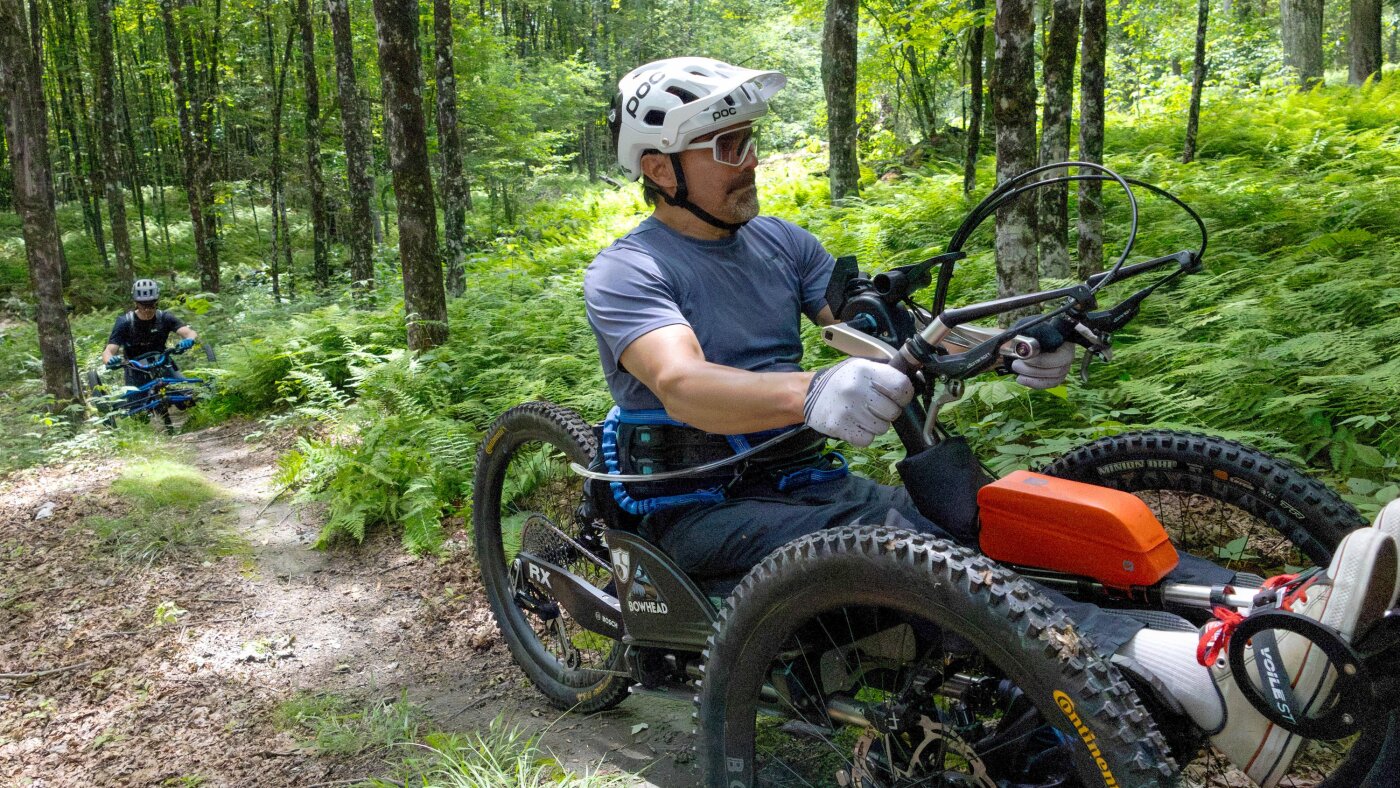
OUTDOOR ACCESS FOR DISABLED IN VERMONT
-
 Virginia23 minutes ago
4 indicted in Virginia double homicide; second victim ID’d as grandmother of 6
-

 Washington30 minutes ago
Washington Commanders are retiring Hall of Famer John Riggins’ No. 44
-

 Wisconsin33 minutes ago
Wisconsin State Patrol rides with truck and bus drivers to spot violations in five areas
-

 West Virginia37 minutes ago
West Virginia town fires entire police force after chief resigns, sergeant alleges evidence room break-in

