Dallas, TX
Mailbag: Why waste offensive talent?


(Editor’s Note: Time to check the mail! The DallasCowboys.com staff writers answer your questions here in ‘Mailbag’ presented by Miller Lite.)
Is it more valuable for the Cowboys to hold their draft capital rather than use it to trade for a difference maker to create pressure and sacks? Why waist the offensive talent you have this year and hold on to the draft picks when it’s clear that Dallas has half a super bowl contending team? – Will Epler/Colorado Springs, CO
Patrik: I’ve made it no secret about where I stand on this topic: trade for one or two players to not waste this window of elite offensive play. You simply don’t know if Dak Prescott will equal or better this form in the years to come and, oh by the way, he’s already in his early 30s, and not in his mid-20s. Additionally, you can’t predict if George Pickens sticks around to keep the same level of weaponry surrounding Prescott, so forth and so on. Having shiny extra draft picks to use is fun, because of imagination. You get to imagine what might be and who they might select and, maybe, just maybe, that the pick turns out to be a Hall of Famer every … single … time. In reality, though, even for a team that drafts well, like the Cowboys, it’s still a crapshoot every … single … time. More picks are great fuel for draft show talks and mock drafts, but ask Dak Prescott if he gives an iota of a crap about any of that. Win now, while you have the quarterback and offense to do it, and stop pretending you have time to waste.



Whether it’s with one of their two first-round picks, via trade or in free agency, the Mavs have to add someone who can lighten Cooper Flagg’s offensive workload. He spent way more time on-ball than expected, and while his self-creation around the basket is impressive, he’ll be best served on a roster that can tap into more of his play-finishing.
Counting on Kyrie Irving isn’t good enough. He is 34 and working his way back from an ACL injury. Dallas needs a short- and long-term alternative.
Addressing the issue in the draft would be ideal, if only because an inbound rookie fits the Flagg window. But that route depends on where the Mavs land in the lottery. They could jump up to AJ Dybantsa or Darryn Peterson territory, end up in range of Darius Acuff Jr. or Kingston Flemings or miss out on all four.
Free agency probably doesn’t hold the answer. Dallas will most likely wind up operating over the cap and have the non-taxpayer’s mid-level exception ($15 million). That doesn’t get you in the door for Austin Reaves, while contingencies like Collin Sexton and Ayo Dosunmu aren’t Plan A material.
Coby White could be interesting if he leaves Charlotte. Otherwise, trade targets who won’t fetch the moon should be the Mavs’ jam: Cam Spencer, Tre Jones, T.J. McConnell, Ty Jerome, Dejounte Murray, etc. If the new front office wants to swing higher, but not too high, Ryan Rollins and Tyler Herro are worth keeping on the radar.

Head coach Brian Schottenheimer recently expressed confidence in the young running backs on the Dallas Cowboys roster.
Dallas has plenty of faith in Javonte Williams, who signed a three-year $24 million deal after running for 1,210 yards in his first season with the franchise. Behind him, however, there’s no proven option.
Malik Davis was their top reserve in 2025, rushing for 250 yards. They also have Jaydon Blue, who was inactive for 12 games, and Phil Mafah who played in the finale after spending the majority of the year on the IR. While Schottenheimer claims he has faith in them, the Cowboys should still look for more depth in the 2026 NFL draft.
Javonte Williams’ injury history should be taken into account
One of the primary reasons the Cowboys need a backup capable of stepping up is Williams’ injury history. Williams struggled with health during his tenure with the Denver Broncos, even admitting he thought his career could be in doubt following a significant knee injury in 2022.
In Dallas, he stayed relatively healthy, playing in 16 games. That said, a shoulder injury did slow him down as the season went along. Williams had to leave during their Week 17 win over the Washington Commanders, then sat out the season finale due to the injury.
Keeping him fresh would be key to success down the stretch, which is why the Cowboys need someone on the roster who can take some of the weight off of Williams.
Which running backs make sense for the Cowboys?
The good news is that Dallas doesn’t need to use an early pick on a running back. They can find someone who can contribute on Day 3, and they’ve shown interest in a couple of backs.
Dallas sent running backs coach Derrick Foster to Wake Forest’s Pro Day where he watched Demond Claiborne run his drills. While Foster was at Wake Forest, assistant running backs coach Jamel Mutunga attended Emmett Johnson’s Pro Day for Nebraska.
At 188 pounds, Claiborne is a potential scat back with breakaway speed whereas Johnson would be a more traditional RB2 for Dallas. The 202-pounder is known for his consistency and while he won’t break many big runs, he can move the chains.
Our own Mike Moraitis identified an under-the-radar option in Kentucky’s Seth McGowan. Another potential Day 3 pick, McGowan is a 223-pounder who not only does the dirty work between the tackles, but is a decent option in the passing game as well.
The Cowboys could improve their backfield with any of these three selections, without using a premium pick. What they shouldn’t do, however, is bank on unproven players at such a key position.
— Sign up for the Cowboys Daily Digest newsletter for more free coverage from Dallas Cowboys on SI —
Dallas, TX
Heika’s Take: Stars wrap up regular season home slate with stingy shutout win over Rangers | Dallas Stars

“I told them it’s no fun to just defend,” he said. “I think our team is really good without the puck. We are very good without the puck, but it is more fun to play with the puck, and that was really the message here. We have to do some things holding on to pucks and start to get our forecheck and get our feet moving through the neutral zone so that we can play with it. I mean, who wants to defend all night? So, that was the message there and it’s been the message for about a month. Let’s get better with it and do some more things with it.”

Why Jimmy Butler wore an Iowa State volleyball shirt before NBA game

Alert Days ahead: Multiple chances for rain, thunderstorms this week in the Kansas City metro

Ports in Cincinnati, Kentucky part of operation that seized 50K dried shark fins in U.S. last year

Raceland man charged in fatal March wreck, Louisiana State Police report

New York homicide suspect arrested in Maine

Florida High School Football Rankings: Top 25 teams – Oct. 21

How old is Bo Nix? What to know about Oregon quarterback ahead of 2024 NFL Draft

Cleary's 21 help Le Moyne down Central Connecticut State 69-64 in OT

99th annual Pony Swim held in Virginia

Indiana Members Credit Union announced as new anchor tenant at Bottleworks District

Melania Trump’s Epstein remarks turn up the heat on DOJ, Acting AG Todd Blanche to do more
Newsletter: Cautious optimism in Brussels as Orbán ousted in landslide Hungarian opposition win
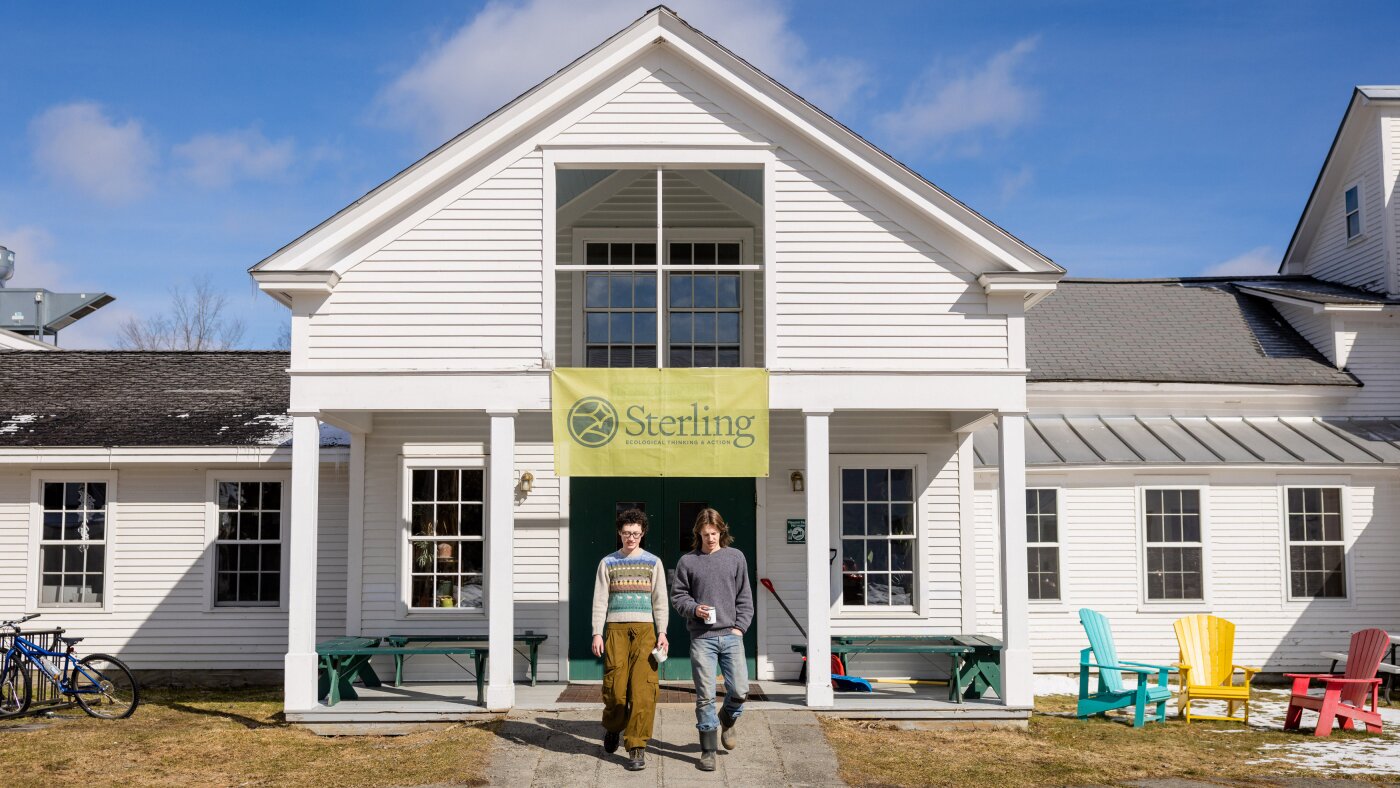
More than a quarter of private colleges are at risk of closing, a new projection shows

NYC mayor cites $180K racial wealth gap to justify taxes, police cuts

Abuse allegations against lead Democrat shake race for California governor
-

 Atlanta, GA1 week ago
1 teenage girl killed, another injured in shooting at Piedmont Park, police say
-

 Georgia6 days ago
Georgia House Special Runoff Election 2026 Live Results
-

 Arkansas3 days ago
Arkansas TV meteorologist Melinda Mayo retires after nearly four decades on air
-

 Pennsylvania7 days ago
Parents charged after toddler injured by wolf at Pennsylvania zoo
-
 Milwaukee, WI7 days ago
Potawatomi Casino Hotel evacuated after fire breaks out in rooftop HVAC system
-

 Technology1 week ago
Anthropic essentially bans OpenClaw from Claude by making subscribers pay extra
-

 Austin, TX5 days ago
ABC Kite Fest Returns to Austin for Annual Celebration – Austin Today
-

 World1 week ago
Two dozen Democrat-led states sue Trump over mail-in ballot limits