Politics
'How are we going to defend ourselves?' Inside the Capitol during the Jan. 6 insurrection


Many Americans watched video footage of the crowd attacking the Capitol on Jan. 6, 2021, but few have a firsthand account of what happened inside. Three years ago, Times reporter Sarah D. Wire wrote about her experience, typing it out on a cellphone from the House safe room. She was one of three reporters to make it inside.
Now, with the aid of time and surveillance footage recently made available by the House, along with additional firsthand accounts from Rep. Norma Torres (D-Pomona), Sen. John Boozman (R-Ark.) and freelance congressional correspondent Matt Laslo, Wire provides a more expansive view of what it was like inside the Capitol that day.
Protesters gather Jan. 6, 2021, outside the Capitol, fueled by President Trump’s continued claims of election fraud.
(Kent Nishimura / Los Angeles Times)
I knew there was going to be a massive protest in Washington on Jan. 6, 2021. Then-President Trump had been talking about it for weeks. I knew violence was likely. A mid-December MAGA event had become violent. Social media platforms were full of open calls for civil war and revolution, and dozens of news outlets had written about it.
But I worked inside the U.S. Capitol, the safest place on Earth, as I reminded my husband the night before — I was worried about the reporters who would be outside. While I obliged my husband’s pleas to wear plain clothes and get into the building as swiftly as possible, I never thought twice about working that day.
There was nothing I loved more than being in the House or Senate chambers for important events, including a ceremonial moment like the counting of the electoral college votes. Many Americans never get to set foot in their Capitol, and I felt a responsibility to tell them what happens there.
I arrived about 11:15 a.m. COVID-19 restrictions had greatly reduced the number of people allowed on Capitol Hill. Rather than the thousands of staff members and tourists who typically fill the building, I passed just handfuls of people on their way to offices or the Capitol.
The protest ramps up as Congress finalizes the results of the 2020 presidential election.
(Kent Nishimura / Los Angeles Times)
Rep. Norma Torres (D-Pomona), worried that protesters might cause traffic, had arrived early. She bought a Boston cream pie doughnut on her way in, a nod to the Día de Los Tres Reyes celebration she would normally have on Jan. 6 with her staff, who were working from home.
Rep. Norma Torres (D-Pomona) in her office on Capitol Hill.
(Kent Nishimura / Los Angeles Times)
Since then, she’s been unable to eat Boston cream pie doughnuts.
“I have purchased at least half a dozen, and they stay and rot in my bag,” she said.
The joint session begins
I settled into my seat in the press gallery above the speaker’s dais at about 12:45 p.m. and prepared to watch the joint session of Congress convene for the electoral vote count. I’ll always consider that front-row spot my seat.
Capitol Police lost control of the first barrier on the west side of the building at 12:53 p.m. as senators walked to the House chamber.
Rioters were streaming over fences and barricades by the time then-House Speaker Nancy Pelosi (D-San Francisco) gaveled in the joint session of Congress at 1:05 p.m.
House Speaker Nancy Pelosi (D-San Francisco) and Vice President Mike Pence officiate Jan. 6, 2021, as a joint session of the House and Senate convenes to confirm the electoral college vote.
(Jim Lo Scalzo / Associated Press)
Because of COVID-19 precautions, only members chosen to present for their states were allowed on the House floor. Many watched from their offices. Torres joined the members sitting in the gallery above the chamber.
Senators and representatives counted the votes in alphabetical order of states. When they reached Arizona, Sen. Ted Cruz (R-Texas) and Rep. Paul Gosar (R-Ariz.) objected to recording the state’s 11 electoral votes. The House and Senate retired to their respective chambers to debate the objections.
I stayed in the House. Just half a dozen lawmakers had spoken when I learned there might be trouble. My phone buzzed at 1:41 p.m. — I received a Capitol Police alert saying House office buildings had been locked down.
Sen. John Boozman (R-Ark.) said he had no inkling of what was happening as senators headed back to their chamber to debate. He’s used to the noise; protests are common on Capitol Hill.
Boozman joked with his old friend Mike Pence before the then-vice president ascended the dais that they needed to go golfing.
“He said, ‘Well, I’ve got plenty of time to do it now,’” Boozman recalled.
At 1:42 p.m., congressional correspondent Matt Laslo noticed Pence’s Secret Service detail in the hallway outside the Senate chamber.
“You could feel their nervousness,” Laslo said.
Vice President Mike Pence’s Secret Service detail speak in a Capitol hallway on Jan. 6, 2021. Rioters breached the building moments after this image was taken.
(Matt Laslo)
He watched through a second-floor window as the crowd surged up the steps under the inaugural platform to reach the West Terrace. The Capitol shook with the force of percussion grenades, and smoke rose above the crowd. At 2:11 p.m., Laslo recorded the rioters’ first breach of the Capitol, at the Senate-wing doors.
“You felt the roar of the crowd as they entered,” he said.
Meanwhile, inside the Senate chamber, Boozman realized something was wrong when he saw someone whisper in Pence’s ear.
Senate Parliamentarian Elizabeth MacDonough works beside Pence during the certification of electoral college ballots, shortly before the Capitol was stormed by rioters.
(J. Scott Applewhite / Associated Press)
“We have lots of drills around here. And there’s a difference in having a drill and then looking at the sergeant of arms … seeing a look of worry on their face,” he said. “You could just tell that they were very concerned.”
Officers scrambled to lock the chamber doors at 2:13 p.m.; Sen. Charles E. Grassley (R-Iowa), third in line for the presidency, was pulled out of the chamber one minute later. Senate staff members scurried to gather their belongings and raced into the chamber. Capitol Police officers barricaded one of the senators-only stairways with office furniture.
Laslo saw Capitol Police officer Eugene Goodman tell Sen. Mitt Romney (R-Utah), who was leaving the chamber, to turn around because he would be safer inside. Goodman ran downstairs and slowed rioters’ ascent to the second floor, buying time to lock the Senate chamber.
Matt Laslo, a congressional reporter, documented the events during the riot at the Capitol.
(Matt Laslo)
Laslo raced up the stairs to the third-floor windows to take photos of what was happening outside. The hallway was empty; the officers who’d been stationed outside the Senate public galleries had been called elsewhere.
“There was this weird calm before the storm” on the third floor, he told me. “You could tell stuff was happening down there, but up here was just dead quiet.”
The Capitol locks down
At 2:13 p.m., I walked into the House press offices in time to hear the emergency radio crackle to life.
“Due to an external security threat located on the West Front of the U.S. Capitol Building, no entry or exit is permitted at this time,” a panicked voice said. “You may move throughout the building[s], but stay away from exterior windows and doors. If you are outside, seek cover.”
I ran back to my seat in the House gallery to alert my editors. I looked over the railing into the chamber and noticed that Pelosi, second in line to the presidency, had been spirited away by her security detail.
Torres received a text at 2:18 p.m.: “Capitol: Internal security threat: move inside office/lock doors, seek cover and remain silent. USCP.”
Behind me, about a dozen reporters were ushered into the gallery from the press offices before police shut and locked the doors. Officers interrupted the proceedings to announce that tear gas had been deployed in the Capitol rotunda. They told representatives to pull air filtration hoods from beneath their seats.
Riot police clear a hallway inside the Capitol.
(Kent Nishimura / Los Angeles Times)
A staff member handed out more hoods in the gallery, and we passed them down the row until everybody had one.
Rep. Ruben Gallego (D-Ariz.), a former combat Marine, stood on a table and yelled instructions to other members on how to use the hoods.
Suddenly, the doors to the chamber closed one by one. It was about 2:20 p.m.
“When these wooden doors that are 8 foot tall slam, that echo is so disturbing,” Torres said.
Police began to escort lawmakers off the House floor through the Speaker’s lobby. Representatives in the gallery were told to get on their hands and knees and crawl. Suddenly there was a frantic demand to get up and run for the center door.
Representatives were ordered to put on emergency air filtration hoods because tear gas had been deployed to clear the rioters. Once activated, the motors emitted a high-pitched whine for hours. (Rep. Norma Torres)
Emergency air filtration hoods and other Capitol Police gear were strewn about. Reporters encountered the mess as they were escorted from the building. (Matt Laslo)
Torres stayed behind to help representatives who couldn’t run. The doors to exit the gallery slammed shut before she and the members could reach them.
“I didn’t think we were going to ever leave,” she said. “We started to look for [makeshift] weapons. How are we going to defend ourselves? How are we going to fight back?”
A few lawmakers still on the floor assisted plainclothes officers in shoving a bookcase in front of the chamber’s main entry — the same one the president passes through for the State of the Union address.
Officers on the floor shouted at reporters to move from their seats across from the main doors and get out of a direct line of fire. We scrambled over railings and chairs.
“Crouch on the floor!” an officer shouted. “Get as low as you can!”
I slid to my belly behind a row of chairs in the box where the first lady sits during the State of the Union.
Outside the chamber, Capitol Police were quickly overwhelmed as they fought to prevent access to the building at multiple points on the east and west fronts of the Capitol, while others worked to secure representatives and senators.
A Pro-Trump insurrectionist mob streams into the rotunda of the Capitol after breaking through the east door.
(Kent Nishimura / Los Angeles Times)
If COVID-19 hadn’t limited the number of people in the building that day, Torres said, there’s no telling what might have happened.
“I’m terrified what it would have been like if the gallery would have been full of people, innocent members of the public who come here to see … magic happen on this floor or to just participate in the ceremony,” Torres said. “And every member of Congress [would have been] here. What would Capitol Police have been able to do?”
The Senate evacuates
The Secret Service rushed Pence out of the Senate and down a private set of stairs at 2:25 p.m.
Five minutes later, officers moved the furniture barricading the stairs, and senators and staff evacuated, winding down several flights to reach the subway between the Capitol and Senate office buildings. Officers headed in the opposite direction and into the Capitol building.
Police arrive at the Capitol.
(Kent Nishimura / Los Angeles Times)
Women took off their heels to run down the lengthy tunnel to the Senate office buildings. Staff members carried large boxes full of electoral votes, preventing rioters from gaining control of the official records sent by the states declaring which candidate received the most votes.
Boozman noticed Sen. Dianne Feinstein (D-Calif.), who had been deteriorating physically and mentally, fall toward the back of the pack of senators. She was on the phone and looked confused, he said, ignoring a young staff member who urged her to hurry up.
“I could talk to her in a different way than he could,” Boozman said. “So I said, ‘Senator, you need to put your phone away. This is very serious. We need to go,’ essentially. And so she put her phone away, and I kind of grabbed her and started walking.”
Boozman placed his arm across Feinstein’s back and clasped his hand around her upper arm as he led her away.
As they walked down Senate tunnels toward a safe room, Feinstein recounted finding the bodies of San Francisco Mayor George Moscone and Supervisor Harvey Milk after they were assassinated in 1978. Boozman had heard the story many times during their time together in Washington.
“She was aware of what was going on in the sense that that immediately came to her mind,” he said.
Two floors above them, at 2:44 p.m., the first rioter reached the door Pence used to escape from the Senate. Realizing the door was locked, the rioter dropped to his knees and began to pray. More rioters arrived and rifled through staff desks in search of keys to get in.
Smoke fills the walkway outside the Senate chamber as rioters are confronted by U.S. Capitol Police officers.
(Manuel Balce Ceneta / Associated Press)
Soon rioters entered the Senate gallery. They jumped down onto the floor, looked through senators’ desks and opened the doors to let the waiting crowd inside.
Leaving the House gallery
Meanwhile, officers were doing everything they could to slow the crowd’s progress from the rotunda and buy time for representatives to evacuate the House floor, surveillance footage shows. In a burst of strength, the crowd shoved police officers backward until they reached the main House chamber doors at 2:36 p.m.
The glass on the main doors began to crack and shattered. I peeked over a chair into the chamber as then-Rep. Markwayne Mullin (R-Okla.) attempted to reason with the rioters who were trying to push their way in.
Inside the chamber, officers aimed their service weapons through the shattered glass.
“Oh, my God, they are going to fire on them,” Torres said in a video she recorded at the time.
An officer told representatives to get as low as possible. There was a frenetic pounding on the second-floor doors to the chamber and to the gallery doors on the third floor.
People shelter in the House chamber as rioters try to break in.
(Andrew Harnik / Associated Press)
The second-floor crowd expanded, filling the east hallway. The officers guarding the House chamber and the east exterior entrance doors had moved into the chamber. Rioters opened the exterior doors to the throngs outside.
The crowd reached the entrance to the Speaker’s Lobby behind the House chamber. The rioters pounded on the glass doors, which had been barricaded shut with antique furniture, and broke the glass with their fists, flagpoles and helmets. Just yards away, more than a dozen members of Congress evacuated through the lobby.
San Diego Air Force veteran Ashli Babbitt began crawling through a hole in the glass. She was struck by a single, fatal gunshot to her left shoulder, fired by a Capitol Police officer at 2:44 p.m.
A minute later, officers fired tear gas in an effort to break up the crowd outside the main House doors. After receiving little response, officers fired more canisters. A cloud of gas billowed to fill the hall. Finally, the crowd dissipated.
“You could see the smoke coming up [into the House chamber],” Torres said. “I couldn’t believe it, any of it.”
The gunshot and the tear gas immediately quieted the crowd. Representatives’ prayers and the whine of the air-filtration hood motors echoed in the chamber. That whine would be a constant throughout the day, and still haunts my nightmares.
I crawled over to Torres. She took a photo of me to share online so my bosses would know I was safe. I tried to shake the thought that it might be the last photo of me alive.
Torres took this photo of Times reporter Sarah D. Wire as they were locked in the House gallery and tweeted it to let Wire’s bosses know she was safe.
(Rep. Norma Torres)
“Can I do the hardest part of my job and ask you what you are thinking right now?” I asked her.
“It’s horrible that this is America, this is the United States of America, and this is what we have to go through because Trump has called homegrown terrorists to come to the Capitol and invalidate people’s votes,” she replied.
Feet from us, in the hallway outside the locked doors, the crowd on the third floor had grown. Security footage shows the rioters pounding on doors, rattling doorknobs and filing in and out of an unlocked office.
Officers started retaking control of the hall by 2:45 p.m.
Lawmakers and police officers argued inside about whether to run for it. One of the doors briefly opened, and a few people made it out before the rioters noticed. Officers locked the door from inside seconds before the rioters reached it.
Rep. Norma Torres shares video of members of Congress and reporters waiting to be evacuated from the gallery while rioters try to break into the House chamber on Jan. 6, 2021.
“We were saying, ‘Where are we going to go?’ We were scared what was going to be on the other side of the door,” Torres said. “The pounding on the doors was horrible.”
Video shot by Torres shows a female officer telling people in the gallery to prepare to move quickly and calmly once the door opened again.
“Wait for the direction. They are going to make sure it is clear first,” the unidentified officer said, her voice rising to be heard.
Security footage at that time shows a phalanx of officers carrying assault-style weapons marching up a flight of stairs and ordering rioters to the ground. One officer pointed a grenade or tear gas launcher at the rioters’ heads.
Capitol Police hold rioters at gunpoint near the House chamber.
(Associated Press)
The evacuation of the House gallery began at 2:51 p.m. I zeroed in on the rioters peering up at us from the floor and was shaken by how close they were. A few feet from me in the crowd, Torres first saw blood on an officer, she said.
Torres and other members screamed when white officers in plainclothes ran toward them, thinking they were rioters.
“I never thought I would be afraid of a person because of the color of their skin or how they look. These experiences were all new to me,” Torres said.
As my foot hit the first step of the marble staircase that was our escape route, I realized that I hadn’t told my husband I was safe.
“I’m ok. Being evacuated,” I texted him at 2:57 p.m., too overwhelmed to give details.
“Big exhale,” he replied. “Ok. Keep me updated. Love you.”
As she started down the stairs, Torres took a phone call from one of her sons.
“I regret so much saying to him that I was running for my life. He’s a police officer, and he was watching on TV, and it looked horrible,” she said.
Torres asked staff to update her family the rest of the day. She knew she would lose composure if she spoke to her husband or her other children.
We passed the tear-gas-filled hall on the second floor and made our way down a warren of hallways, a winding staircase and a long tunnel. I interviewed lawmakers on the way.
House members hustle down a tunnel under the Capitol complex to get to a safe room. The tunnels are normally used to move between buildings during bad weather.
(Rep. Norma Torres)
The representatives who had evacuated from the House floor carried gas masks and weapons made from broken furniture or anything else they found along the way. They reached the safe room by 2:50 p.m., security footage shows.
Somehow, I wasn’t blocked like other reporters and made it into the safe room, where I continued my interviews.
As members typed on their phones and received updates from security officials, staff handed out snacks and bottles of water.
A member pleaded with colleagues not to give interviews, worried we might accidentally betray our location.
“Lady, I’m in here too,” I thought.
Fleeing the Senate
Meanwhile, in the Senate safe room, senators, reporters and staff watched coverage of the riot happening around them.
Laslo, a congressional reporter and new media professor at John Hopkins University, documented the events. (Matt Laslo)
Laslo at the Capitol. (Matt Laslo)
“You could actually see on television what was happening to the areas that you just left,” Boozman said. “I think that’s really when we realized the full extent of what was going on.”
Surveillance footage shows officers clearing Senate staff and reporters from third-floor offices at about 3:20 p.m.
While reporters waited to be evacuated, they pulled down signs on desks identifying the news organizations that used them, turned off lights and hid so they couldn’t be seen through a window in the door.
Laslo hung a blazer over the sign for the radio-TV press gallery. He prepared for the possibility that reporters would have to get out of the building on their own by hiding his press pass and ripping his shirt to expose his tattoos. He armed himself with a wrench and a wooden doorstop that he fashioned into a shiv.
“I was walking around all the booths looking for anything that could be a makeshift weapon,” he said.
Laslo took a shot of moonshine from the bottle in his desk and left with another reporter at 3:54 p.m. He spotted a Gadsden flag left behind by rioters and ripped it from its pole, thinking he might drape it over himself to blend into the crowd.
At 4:01 p.m., Laslo passed the Senate-wing windows from which he had filmed rioters breaking in hours before, finding they were blocked with broken furniture. Officers braced the barricade with their bodies as the crowd outside screamed at them through broken panes.
Moments later, Laslo caught up with a group of about 25 staffers who had hidden under a conference-room table for hours as the mob ransacked Pelosi’s suite. Security footage shows officers amassing on the upper West Terrace around the same time to repel rioters who remained on the presidential inauguration stand or the West Lawn.
After police separated Laslo from Pelosi’s team, he spent hours waiting in a cafeteria with dozens of other reporters and staffers, watching teams of armed federal agency officers rush down the halls toward the Capitol or up the stairs of the office building to look for rioters hiding inside.
At one point, Laslo climbed out an upper-story window, planning to jump to a nearby tree in order to get off Capitol grounds.
“I was getting claustrophobic,” he said. “I needed to be gone.”
An officer at the street level waited for Laslo to finish a cigarette, then ordered him back inside.
In the House safe room, then-Rep. Jackie Speier (D-Hillsborough) repeatedly put her hand on my shoulder as she walked by. I realized I was visibly trembling. It would be hours before I stopped.
Congress finishes its work
Around 5:30 p.m., the House’s top security official announced that the Capitol was secure. He urged members to stay in the safe room until the grounds were cleared. At 5:45 p.m., police regained control of the West Terrace and West Lawn.
At about 6:30 p.m., Pelosi entered the room. She condemned the “mobs desecrating the halls of the Capitol of the United States” and declared that the House and Senate would return immediately to finish their work.
Pelosi tells representatives that they are immediately going back to the chamber to finish certifying the results of the 2020 presidential election.
(Rep. Norma Torres)
Laslo and others in the cafeteria were allowed to leave at 7:14 p.m. He walked to the edge of the Capitol campus and hailed a taxi. It took him hours to make it home.
Representatives were allowed to leave the safe room at roughly the same time.
On my way back to the House gallery to finish covering the electoral count certification, I slipped in the tear gas and fire extinguisher residue that coated the floors. Custodial staff who had remained hidden for hours as the insurrection raged worked quickly to clean up glass shards, broken furniture, blood and even feces smeared on the walls so that Congress could resume its work.
At 8 p.m., the Capitol complex was officially declared secure.
“Today was a dark day in the history of the United States Capitol,” Pence said when he gaveled the Senate back into session six minutes later.
Pence looks at a mobile device from a secured loading dock at the Capitol.
(Associated Press)
Boozman said he stayed until the very end.
“I think the consensus on both sides was, ‘We’re going to do our job,’” he said. “‘We’re not going to succumb to any delay based on that kind of activity.’”
Torres sat in the last row of seats on the House floor as deliberations resumed.
“That’s when my skin started burning,” she said. A few minutes later, an officer cautioned members that the tear gas hadn’t been cleaned off the chairs.
Debate continued for hours. Torres headed back to her office around midnight.
“I felt so scared and alone,” she said. “I grabbed a baseball bat from the [congressional] women’s softball team, and I cleared my offices with that to make sure nobody was in there, nobody had gotten in there. And once I did that, I sat down and cried, and I finally called my husband.”
At 3:44 a.m., Congress certified Joe Biden’s win.



John Thune blasts Democrats’ DHS shutdown demands
Senate Majority Leader John Thune accuses Democrats of playing politics with the DHS shutdown, explaining how the Senate passed a bill to fund most agencies. He also addresses President Donald Trump’s remarks on rising gas prices.
NEWYou can now listen to Fox News articles!
A party-line tactic to ram legislation through Congress and bypass the Senate filibuster has become a dumping ground for Republicans’ legislative priorities throughout the year.
Now, as Democrats refuse to fund immigration operations, Republicans are once again readying a budget reconciliation package. The hard part will be getting enough of the GOP on the same page to craft a bill that can pass and survive the strict rules underpinning the process.
Republicans used the same process to pass President Donald Trump’s “big, beautiful bill” last year. It’s a time-consuming, labor-intensive legislative maneuver that nearly blew up and could fail unless both the Senate and House align on what exactly they want to include.
SENATE PASSES BILL TO FUND MOST OF DHS AFTER HOUSE GOP CAVES
President Donald Trump answers questions from reporters after signing an executive order in the Oval Office of the White House Tuesday, March 31, 2026, in Washington. (Alex Brandon/AP Photo)
Trump officially backed using reconciliation again this week as a way to skirt Democrats’ refusal to fund Immigration and Customs Enforcement (ICE) and Customs and Border Protection (CBP), as Congress inches closer to ending the ongoing Department of Homeland Security (DHS) shutdown.
Trump demanded that Republicans get the bill on his desk by June 1.
“We are going to work as fast and as focused as possible to replenish funding for our Border and ICE agents, and the Radical Left Democrats won’t be able to stop us,” Trump said on Truth Social.
Still, Republicans have viewed reconciliation as a vehicle to tackle fraud, affordability, Trump’s tariff authorities, additional tax provisions, healthcare, funding for the Iran war, supplemental agriculture spending, and election integrity measures in the months since passing the “big, beautiful bill.”
DHS SHUTDOWN BREAKTHROUGH COMES AT COST FOR REPUBLICANS AS FUNDING FIGHTS NEARS END
Senate Majority Leader John Thune, R-S.D., said Republicans need to “keep our expectations realistic.” (Stefani Reynolds/Bloomberg via Getty Images)
Senate Majority Leader John Thune, R-S.D., has warned that if reconciliation is going to work — especially given the limited timeframe lawmakers have to start and finish the process — Republicans need to “keep our expectations realistic.”
“Our theory of the case behind all this was to keep that thing as narrow and focused as possible, and that maximizes the speed at which we can do it and the support for it,” Thune said.
“There will probably be some attempts to add things,” he continued. “There are things out there that, obviously, many of us are interested in. But on a reconciliation vehicle like this — which we need to move with haste, as the president has pointed out — it’s probably not a likely magnet for all these other issues.”
Senate Budget Committee Chair Lindsey Graham, R-S.C., told voters at an event this week in South Carolina that he is eyeing two new reconciliation packages, which could ease concerns about cramming all the GOP’s priorities into one massive bill.
GOP RAILS AGAINST ‘S— SANDWICH’ DEAL AS ALL EYES TURN TO HOUSE TO END DHS SHUTDOWN
Sen. Lindsey Graham, R-S.C., walks to the Senate chamber for votes after meeting behind closed doors with fellow Republicans on the Homeland Security budget stalemate, at the Capitol in Washington, March 26, 2026. (J. Scott Applewhite/AP Photo)
“We want to do it quick — ICE, Border Patrol — fund it as much as you can, multi-year,” Graham said. “Then there’s another one coming. I just made news. There’s another one coming in the fall, and that’s going to be about going after fraud.”
House Republicans spent their recent policy retreat earlier this year pushing a so-called “reconciliation 2.0,” gearing up to load the package with several provisions that could drain time and struggle to earn support in the Senate — where strict guidelines could kill proposals entirely if they don’t comply with the rules.
The Republican Study Committee (RSC), which has long called for a second reconciliation bill, also wants to add proposals addressing affordability concerns.
“We support pursuing funding for military readiness and Homeland Security through this legislative process, while simultaneously codifying the president’s agenda to deliver lower costs for working families,” the RSC Steering Committee said in a statement to Fox News Digital.
Some Republicans are also pushing to include the latest policy fight: the Safeguarding American Voter Eligibility (SAVE) Act. The voter ID and citizenship verification legislation has no chance of passing the Senate given unified Democratic opposition.
CLICK HERE TO DOWNLOAD THE FOX NEWS APP
It’s also unlikely to survive the Senate’s reconciliation rules, which allow only provisions that directly impact spending.
“I think we have to set our sights a little bit lower on this reconciliation bill,” Sen. Roger Marshall, R-Kan., told Fox News Digital. “It’s got to be targeted to fund ICE for 10 years — I think that’s the number one thing for us. If we can nibble at the edges of the SAVE Act, that would be great, but the parliamentarian is not going to let us do the SAVE Act. That’s just an impossibility.”
Some of the loudest proponents of the bill in the House GOP acknowledge that adding the SAVE Act to reconciliation would be a challenge — largely because they would prefer to keep the bill intact and push it through the Senate.
“Look, it’s time for them to do a walk-and-talk and filibuster, and let’s make this thing happen,” Rep. Ralph Norman, R-S.C., said. “The American people are watching — piecing it together just to try to get a piece.”

President Trump endorsed conservative commentator Steve Hilton for California governor late Sunday night.
The endorsement could have a major impact on a race that remains up for grabs, with recent opinion polls showing Hilton and his top Republican rival, Riverside County Sheriff Chad Bianco, as top contenders in the 2026 contest.
“He is a truly fine man, one who has watched as this once great State has gone to Hell,” Trump posted on Truth Social, adding that he has known Hilton for many years.
Trump in his endorsement praised Hilton while attacking the record of California Gov. Gavin Newsom, using a derogatory name for the governor. Newsom is serving the last year of his final term as governor as he weighs running for president in 2028.
“Gavin Newscum and the Democrats have done an absolutely horrendous job. People are fleeing, crime is increasing, and Taxes are the highest of any State in the Country, maybe the World. Steve can turn it around, before it is too late, and, as President, I will help him to do so! With Federal help,” Trump said.
Hilton’s campaign called the president’s endorsement “powerful.”
“Thank you, Mr. President!” his campaign posted on the social media platform X. “This is the moment California has been waiting for!”
Despite California’s solidly Democratic electorate, a recent poll by UC Berkeley’s Institute of Governmental Studies and co-sponsored by the Times found Hilton and Bianco leading the crowded field of candidates just months before the June 2 primary — leading to the possibility of Democrats being shut out of a November election that will determine California’s next governor. The crowded field of Democrats in the race has splintered their party’s voters, providing an opening for the Republicans, the poll showed.
Under the state’s top-two primary system, the top two candidates advance to the general election, regardless of their party affiliation.
If Trump’s endorsement leads to California Republican voters coalescing behind Hilton, severely damaging Bianco’s campaign, that likely would reduce the odds of two GOP candidates finishing in first and second place in the primary.
In California’s 2018 governor’s race, Trump’s endorsement of Republican businessman John Cox helped cement him as the GOP frontrunner and led to his second place finish in the primary election. That propelled Cox to the general election, where he was trounced by Newsom.
Trump’s endorsement came the day after Hilton and Bianco squared off in a testy debate in Rancho Mirage that was moderated by Richard Grenell, Trump’s former ambassador to Germany, and days before the state GOP meets in San Diego to consider an endorsement in the race.
On Saturday, Bianco said he suspected that Trump would weigh in on the race and that his team had been in talks with the president’s advisors.
“Of course, I would want him to support me. He’s the president of the United States,” Bianco said in an interview.
Hilton on Saturday questioned whether the president would weigh in on the race.
“I’ve said that I’d be honored to have the President’s endorsement. I think that the California Governor’s race is pretty low on his [agenda] right now,” he said in an interview. “I haven’t asked for that, and I’m not expecting him to weigh in.”
Jon Fleischman, the former executive director of the California Republican Party, wrote on Substack late Sunday that he believes that Trump’s endorsement will significantly boost Hilton’s support among GOP voters.
“This Timing Is Not Accidental,” he wrote, noting that it was previously unclear whether either candidate could receive the 60% of delegate votes to secure the party nod at its upcoming convention. “Well, obviously this endorsement from the President for Hilton will supercharge his momentum going into the weekend convention”

NEWYou can now listen to Fox News articles!
Tax season is stressful enough, but avoidable mistakes can turn a routine filing into an expensive headache.
With Tax Day just 10 days away, even small errors can mean the difference between a smooth refund and frustrating delays. In some cases, they can even trigger IRS notices or unexpected penalties.
Here are five common filing missteps to watch out for and how to avoid them:
1. Choosing the wrong filing status
Tax scams have evolved from unemployment fraud to social media “tax hacks,” with the IRS warning of new threats for the 2026 filing season. (Michael Bocchieri/Getty Images)
Your filing status is one of the most important choices on your tax return because it helps determine your tax rate, your standard deduction and which credits you may be eligible to claim. Pick the wrong one, and you could end up paying more than you owe, getting a smaller refund or triggering delays if the IRS flags the return for review.
For many taxpayers, the confusion comes from life changes that happened during the year, like getting married or divorced, having a child, moving in with a partner, supporting an aging parent or sharing custody. Even if your situation feels straightforward, the IRS rules can be less intuitive, especially for taxpayers who aren’t sure whether they qualify as “head of household” or whether they can still file as “qualifying surviving spouse” after a spouse has died.
RETIRED? HERE’S WHEN THE IRS MIGHT TAKE A CLOSER LOOK AT YOUR FINANCES
Head of household, in particular, can be costly to get wrong. It typically comes with a larger standard deduction and more favorable tax brackets than filing as single – but it has strict requirements tied to paying more than half the cost of keeping up a home and having a qualifying dependent. If you don’t meet the rules and claim it anyway, you may have to pay back tax benefits later, plus penalties and interest.
When in doubt, the IRS has an online filing-status tool, and many tax software programs will walk you through the questions to help you choose the right category.
2. Leaving credits on the table
A woman preparing her taxes. (Kurt “CyberGuy” Knutsson)
One of the biggest and most expensive tax-season mistakes is failing to claim every credit or deduction you qualify for. That can mean a smaller refund or a higher bill.
“I think the top mistake people make is not fully understanding or taking the time to really research what are all the different deductions and the ways that you can put a little bit of extra money in your pocket that are available to you,” said Bill Sweeney, senior vice president of government affairs at AARP.
AVERAGE TAX REFUND TOPS $3,700 MIDWAY THROUGH FILING SEASON, TREASURY SAYS
Sweeney also warned taxpayers not to rely on last year’s return as a blueprint for filing because of recent changes to the tax code from the One Big Beautiful Bill Act.
“This would be a good year given that there are these changes to the tax code, to make sure not to assume that what you did last year will convey over to this year. Really take a fresh look at your tax situation and see if there’s money that you’re leaving on the table,” he said.
3. Missing key deadlines
A couple is seen going over tax paperwork. (iStock)
An extension can buy you time to file your paperwork, but it doesn’t give you extra time to pay. For most taxpayers, the IRS deadline to pay what you owe is April 15, 2026 – even if you request an extension to file later.
“Remember that even if you claim an extension, the money is owed on April 15,” said Mike Faulkender, co-chair of American Prosperity at the America First Policy Institute.
WHAT TRUMP’S NEXT PICK TO LEAD THE FEDERAL RESERVE MEANS FOR YOUR WALLET
Faulkender, a former Treasury official and IRS commissioner, said taxpayers who need more time should still estimate their bill and pay by the filing deadline to help avoid added costs.
“You have to actually send in a check or have the payment deducted from your account by the filing deadline,” he said.
If you can’t pay in full by April 15, pay what you can to help limit penalties and interest on top of your tax bill.
4. Entering bank account details incorrectly
If you choose direct deposit for your refund, the IRS relies on the routing and account numbers you provide. One wrong digit can lead to delays.
If you pay what you owe by direct debit, incorrect banking details can also lead to a rejected payment and potentially result in penalties and interest.
5. Filing before all your tax forms arrive
Timing matters when it comes to filing your taxes. Submitting your return before you’ve received all your key paperwork, like W-2s or 1099s, can lead to errors, missing income or a return you have to amend later.
Faulkender said there’s a simple way to double-check what’s been reported under your name before you file.
CLICK HERE TO DOWNLOAD THE FOX NEWS APP
“One of the things that I learned last year when I was IRS commissioner, was that if you create an account on irs.gov, you can see everything that’s been filed under your tax ID,” he said.
“We’re supposed to receive all of our W-2s and our 1099 forms in the mail in January and February. But if you’re missing one, or you misplaced it rather than requesting it again, you can actually go and see what was filed under your taxpayer identification number if you create an account on IRS.gov.”
Filing late can also cost you extra money, especially if you owe. The goal is to wait until you have what you need, then file as soon as you’re ready.
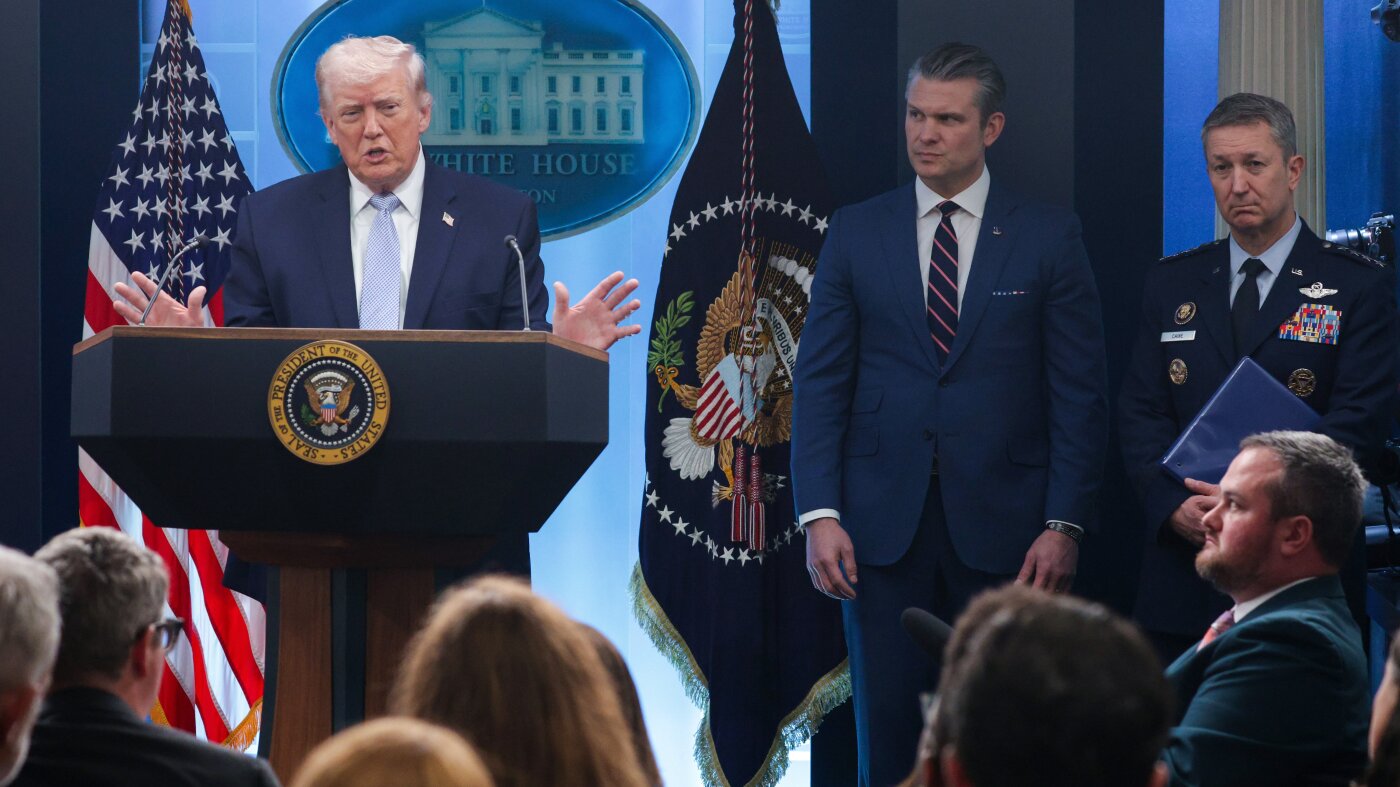
Trump reiterates threats to bomb Iran’s power plants and bridges

How a Family of 3 Lives on $25,000 in Corona, Queens

Trick Trick joined Waka Flocka onstage at ‘The Boys 4 Life Tour’ stop in Detroit – Detroit Metro Times

NFL Experts Continue to Link Former 49ers WR Back to San Francisco

What we learned in FC Dallas’ win vs DC United

Florida High School Football Rankings: Top 25 teams – Oct. 21

How old is Bo Nix? What to know about Oregon quarterback ahead of 2024 NFL Draft

Cleary's 21 help Le Moyne down Central Connecticut State 69-64 in OT

99th annual Pony Swim held in Virginia

Indiana Members Credit Union announced as new anchor tenant at Bottleworks District
Trump reiterates threats to bomb Iran’s power plants and bridges

Trump threatens Iranian infrastructure over Strait of Hormuz | BBC News

GOP races to pass ICE, Border Patrol funding bill as priorities pile up, divisions emerge
Jet fuel crisis: Rationing triggered at four airports in Italy
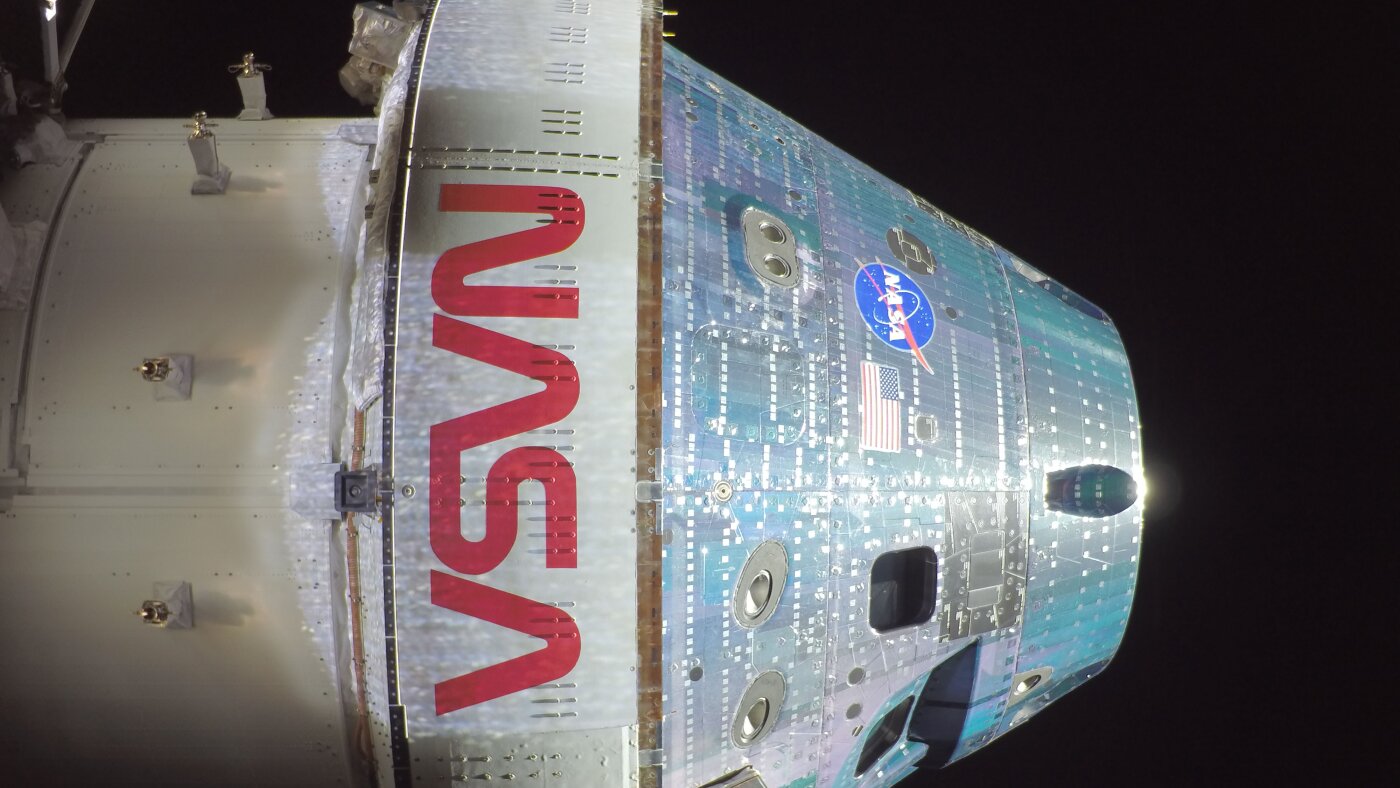
NASA’s Artemis II crew readies for Monday’s lunar flyby. Here’s what you need to know
-

 South-Carolina1 week ago
South Carolina vs TCU predictions for Elite Eight game in March Madness
-

 Atlanta, GA2 days ago
1 teenage girl killed, another injured in shooting at Piedmont Park, police say
-

 Vermont1 week ago
Skier dies after fall at Sugarbush Resort
-

 Movie Reviews4 days ago
Vaazha 2 first half review: Hashir anchors a lively, chaos-filled teen tale
-

 Politics1 week ago
Trump’s Ballroom Design Has Barely Been Scrutinized
-

 Atlanta, GA1 week ago
Fetishist ‘No Kings’ protester in mask drags ‘Trump’ and ‘JD Vance’ behind her wheelchair
-
 Entertainment5 days ago
Inside Ye’s first comeback show at SoFi Stadium
-

 Politics1 week ago
JD Vance says he was ‘obsessed’ with UFOs, believes aliens are actually ‘demons’