News
Two Bodies Found in Plane’s Landing Gear at Fort Lauderdale Airport


Two bodies were discovered in the landing gear compartment of a JetBlue plane on Monday after a flight to Fort Lauderdale, Fla., the airline said in a statement on Tuesday.
JetBlue Flight 1801 departed Kennedy Airport in New York at 7:49 p.m. Monday and landed at Fort Lauderdale-Hollywood International Airport at 11:10 p.m., according to flight tracker data. The bodies were discovered during a routine post-flight maintenance assessment of the plane, the airline said.
Paramedics pronounced the two people dead at the scene, according to the Broward County Sheriff’s Office. It was unclear how long the people had been in the landing gear compartment.
The Port Authority of New York and New Jersey, which manages Kennedy Airport, did not immediately respond to a request for comment about how the individuals may have gained access to the aircraft.
Landing gear compartments, located under an aircraft’s wings and at the front of the plane, have long been used by people attempting to travel undetected on airplanes. The airline did not say whether the two people who were found dead on Monday were stowaways.
Such attempts to hide in landing gear compartments have proven deadly in the past. The compartments open and close upon takeoff and landing to deploy and retract wheels and other landing components, and other stowaways have fallen to their deaths from the openings, sometimes landing in public spaces along flight paths.
Those who can stay within the compartment risk being crushed by landing gear when it is withdrawn back into the aircraft, along with other hazards, including severe temperatures, pressure changes and lack of oxygen. Many stowaways die of hypothermia.
As recently as Christmas Day, a body was discovered in a wheel well of a United Airlines flight from Chicago to Hawaii. In 2023, a man was found alive in a landing gear compartment after a commercial flight from Algeria to France, though he was suffering from severe hypothermia.
An investigation was underway on Tuesday to determine the identities of the two individuals discovered in Fort Lauderdale and how they might have accessed the aircraft before it departed from New York, JetBlue said.
“This is a heartbreaking situation, and we are committed to working closely with authorities to support their efforts to understand how this occurred,” the airline said.



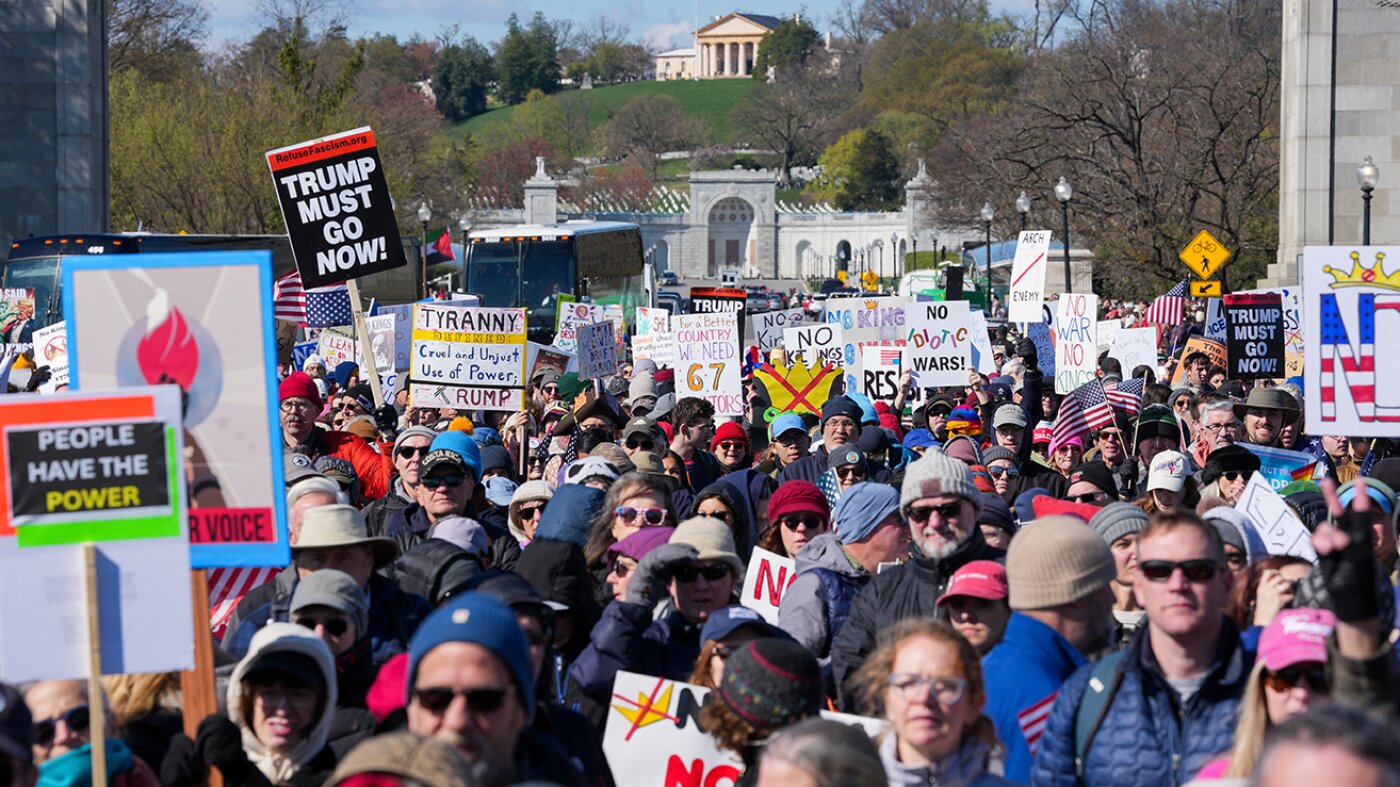
In large cities and small towns across the country, millions took to the streets today in protest against the policies of President Trump and his administration.
Organized by “No Kings,” a network of progressive groups opposed to the administration’s agenda, the protests are the third wave of demonstrations since the President took office for a second term. Last year, millions attended protests in June and again in October.
Crowds assemble at the Embarcadero in San Francisco prior to the start of the protest.
Martin do Nascimento/KQED
hide caption
toggle caption
Martin do Nascimento/KQED
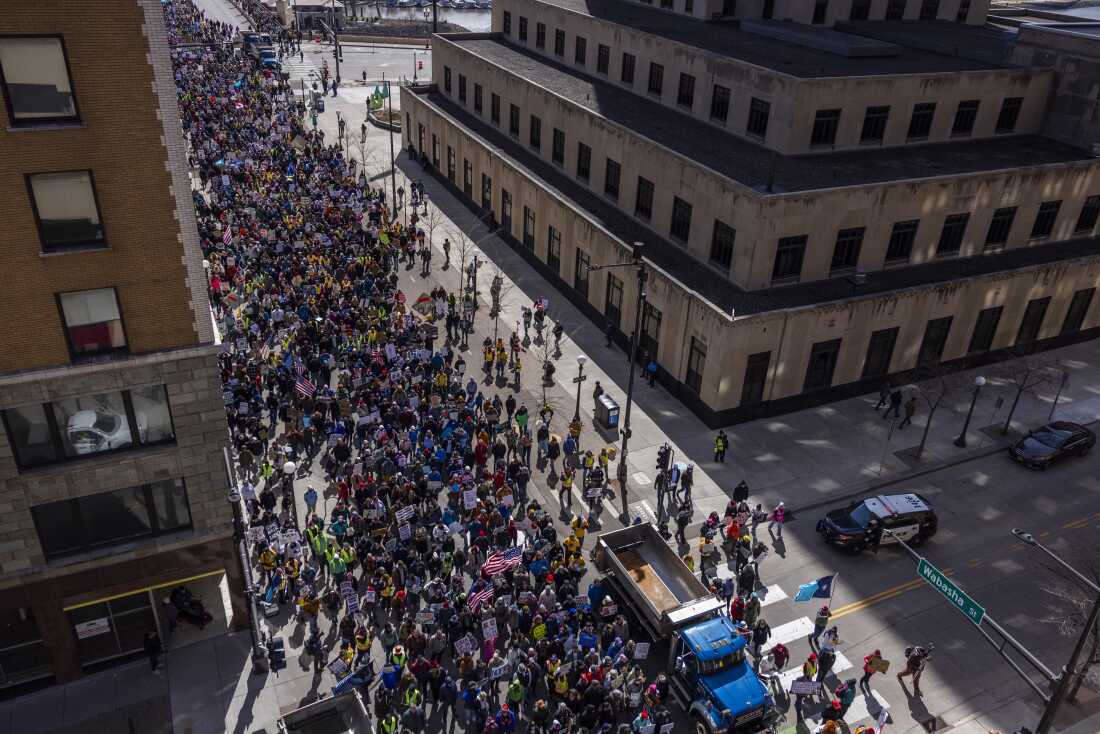
Thousands of community members marched in the flagship “No Kings” protest in St. Paul.
Jaida Grey Eagle/MPR News
hide caption
toggle caption
Jaida Grey Eagle/MPR News
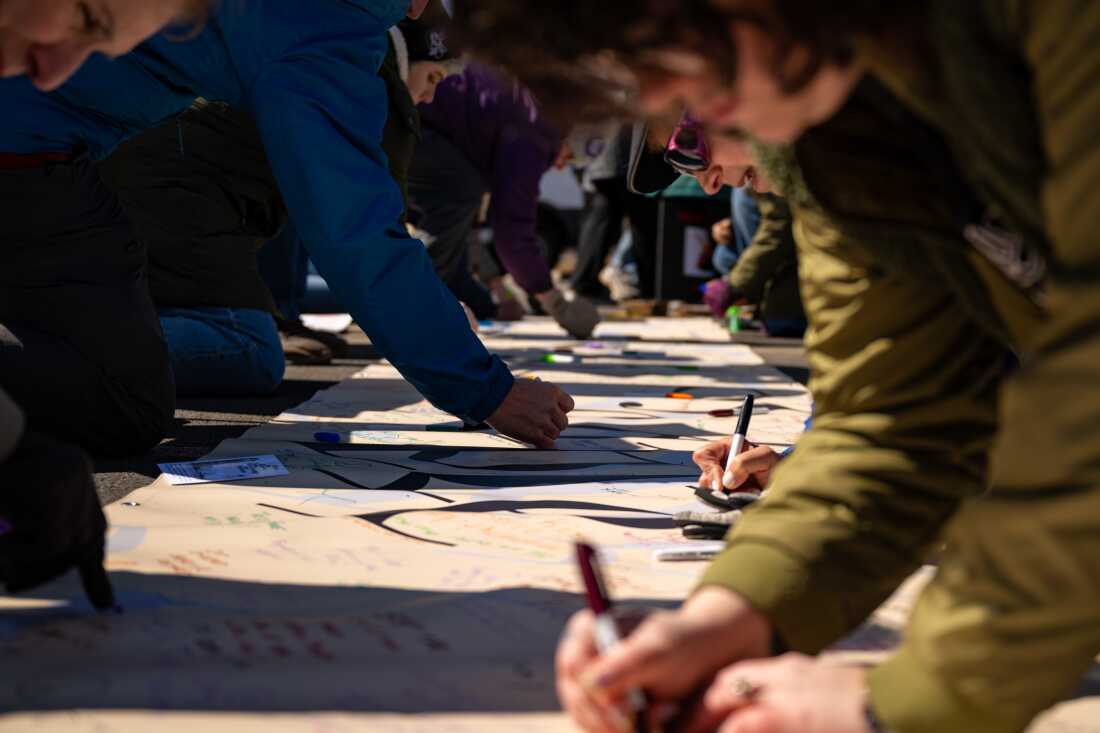
Thousands sign a banner in Hartford at the Capitol that says “We the People.”
Tyler Russell/Connecticut Public
hide caption
toggle caption
Tyler Russell/Connecticut Public
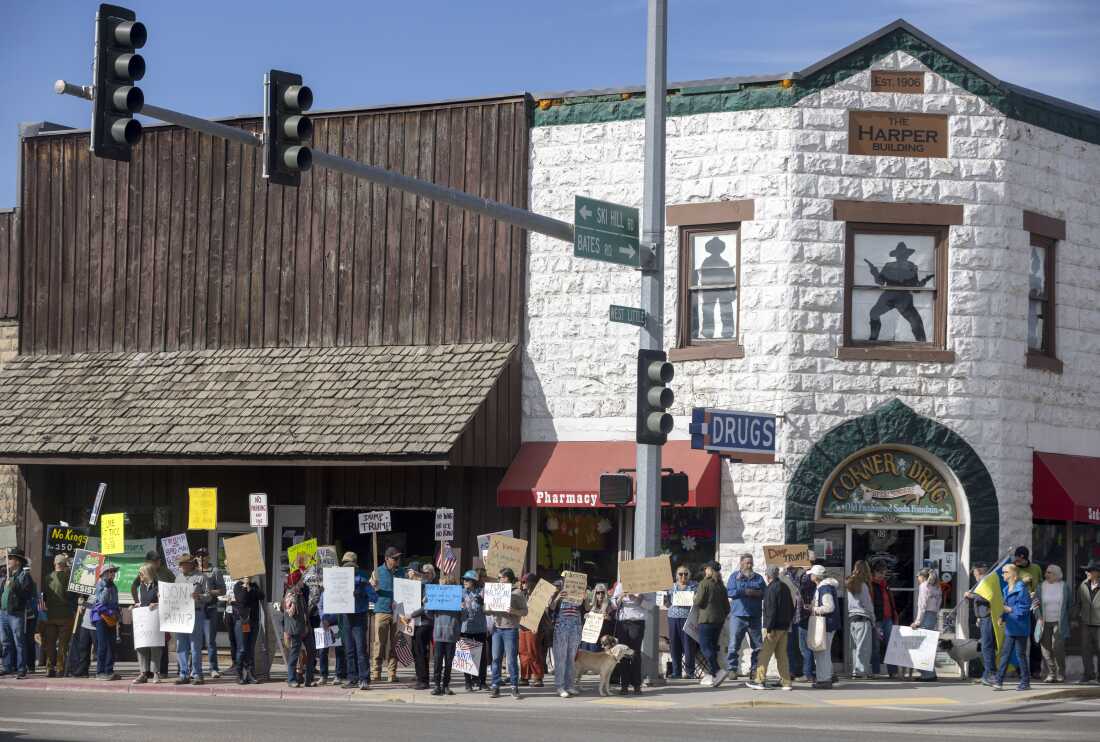
Protesters hold signs and chant slogans in Driggs, Idaho.
Natalie Behring/Getty Images
hide caption
toggle caption
Natalie Behring/Getty Images
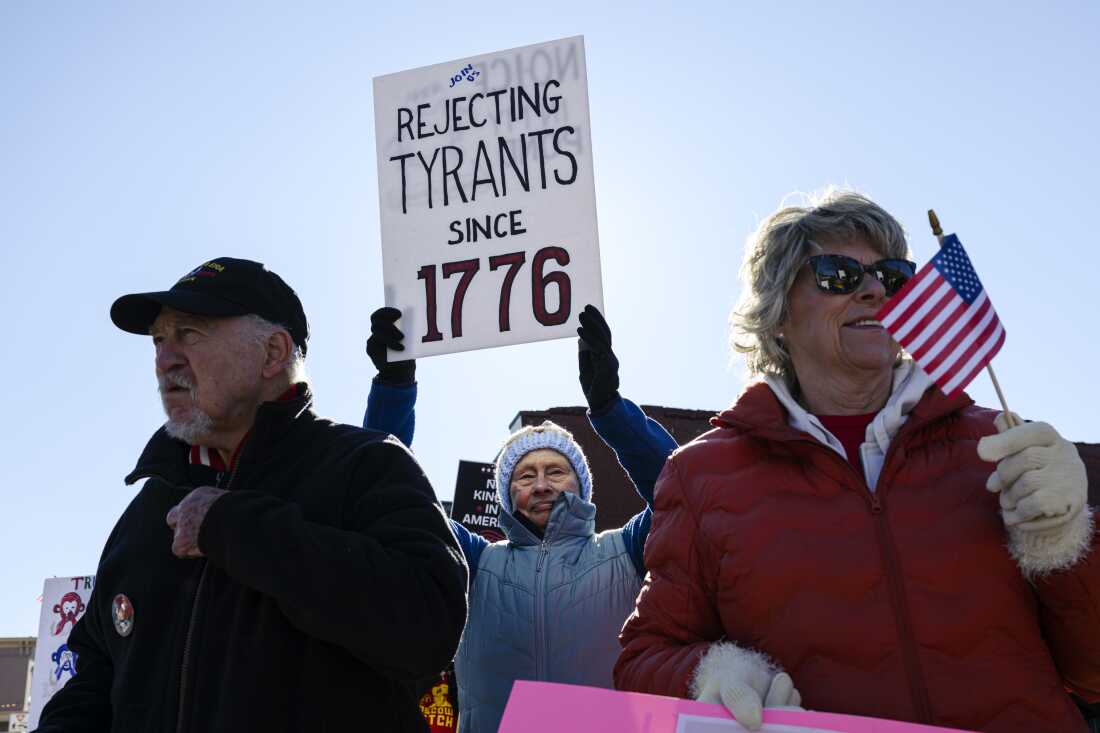
Demonstrators gather while holding signs near a roadside in Shelbyville, Kentucky.
Jon Cherry/Getty Images
hide caption
toggle caption
Jon Cherry/Getty Images
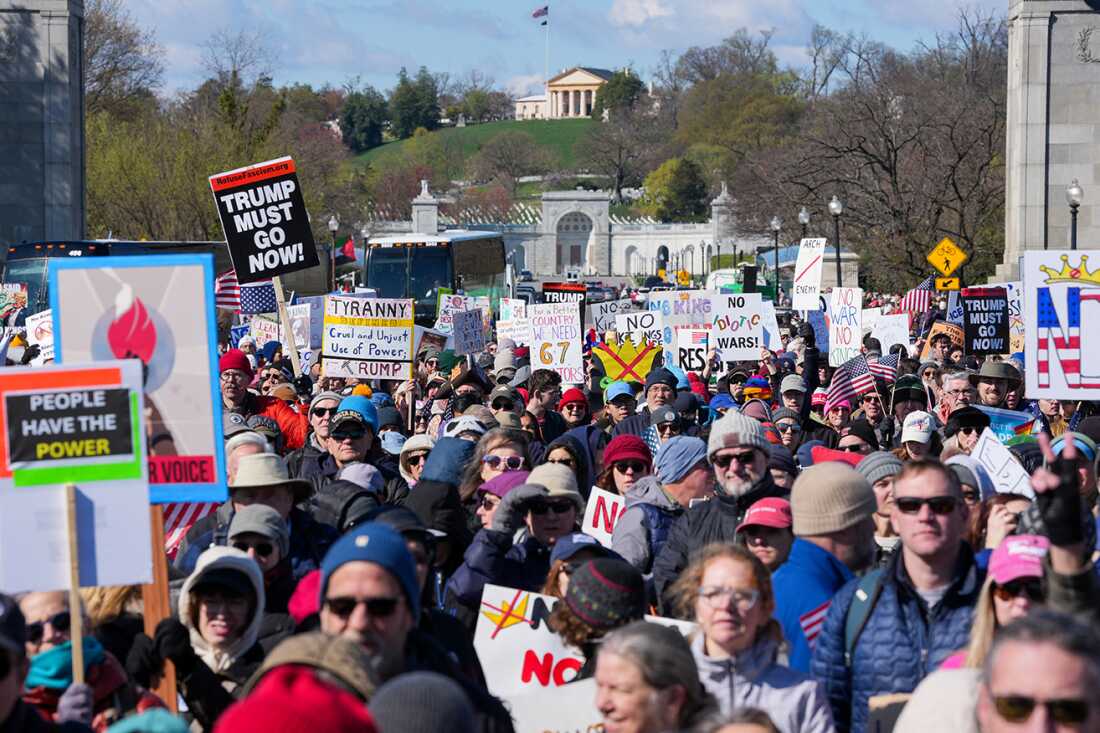
Demonstrators walk across the Memorial Bridge from Arlington, Virginia into Washington, DC.
Ken Cedeno/AFP
hide caption
toggle caption
Ken Cedeno/AFP
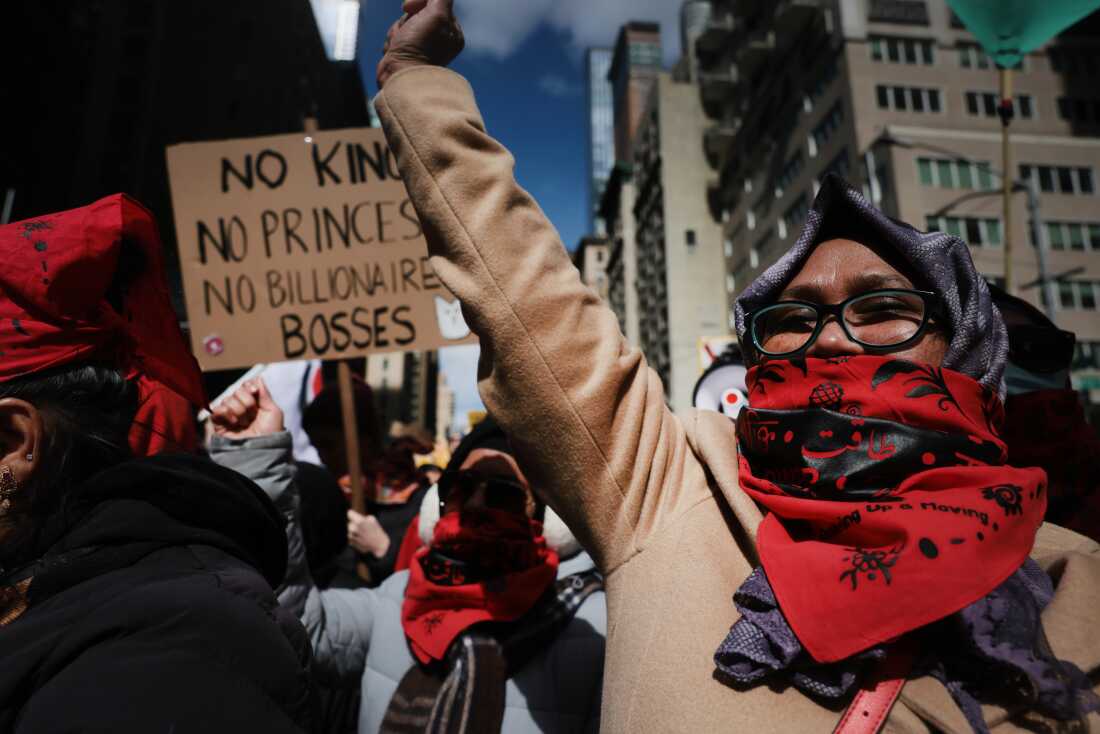
Demonstrators march down 7th Avenue and Broadway in Manhattan.
Spencer Platt/Getty Images
hide caption
toggle caption
Spencer Platt/Getty Images
![HARTFORD, CONNECTICUT, MARCH 28, 2026: Ken MacDonald tears up as he listens to a speech about the plight of his fellow veterans. “[Trump]’s playing with the lives of military people,” he said. Thousands rally at the “No Kings” protest at the capitol in Hartford on March 28, 2026. (Tyler Russell/Connecticut Public)](https://npr.brightspotcdn.com/dims3/default/strip/false/crop/6981x4654+0+0/resize/1100/quality/50/format/jpeg/?url=http%3A%2F%2Fnpr-brightspot.s3.amazonaws.com%2Feb%2F8b%2Fba7a9cb744baa343c85d45caf5ed%2F260328-nokingshartford-trb4371.jpg)
Ken MacDonald tears up in Hartford as he listens to a speech about the plight of his fellow veterans.
Tyler Russell/Connecticut Public
hide caption
toggle caption
Tyler Russell/Connecticut Public

A large crowd marches across the South First bridge toward a gathering at Auditorium Shores in Austin, Texas.
Patricia Lim/KUT News
hide caption
toggle caption
Patricia Lim/KUT News
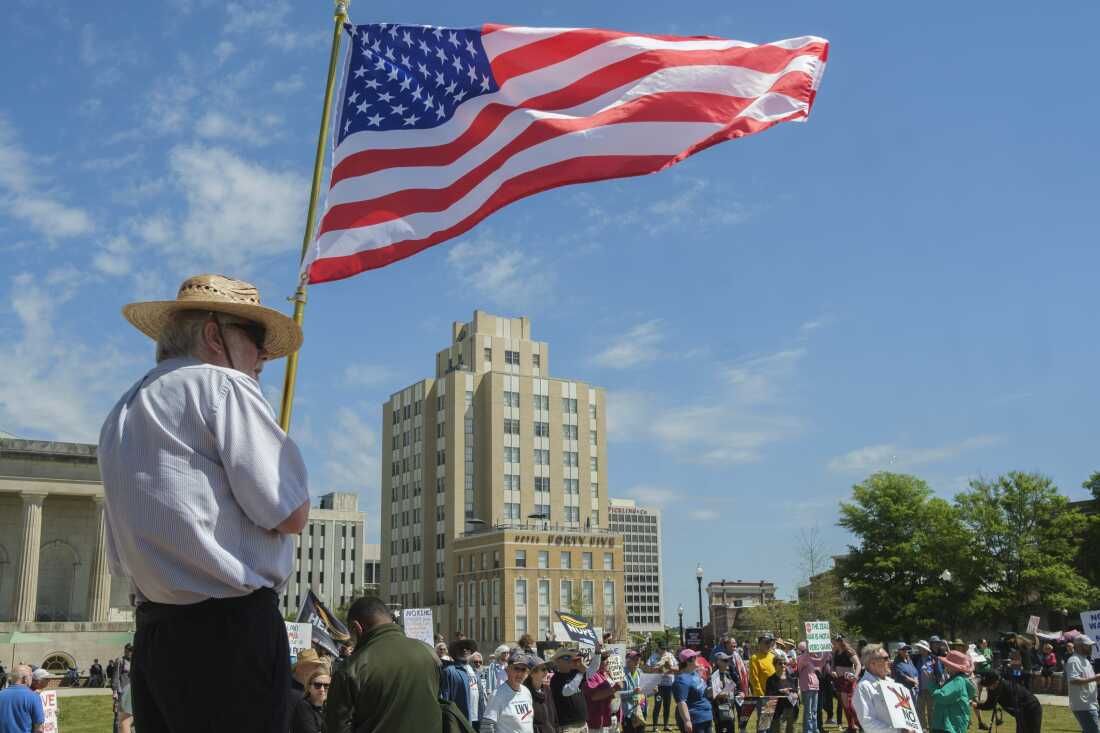
Lindsay Holliday waves an American flag in Rosa Parks Square in Macon, Georgia.
Grant Blankenship/GPB News
hide caption
toggle caption
Grant Blankenship/GPB News
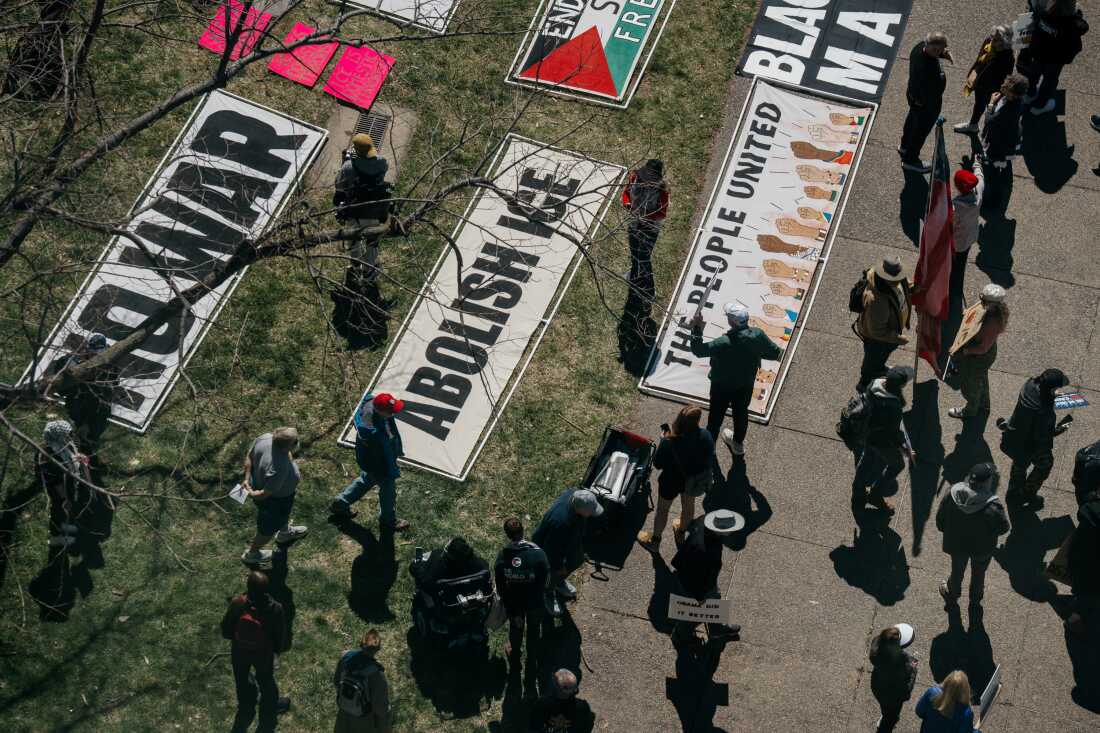
Demonstrators in downtown St. Louis walk by large banners decrying the U.S. conflict in Iran and U.S. Immigration and Customs Enforcement.
Brian Munoz/St. Louis Public Radio
hide caption
toggle caption
Brian Munoz/St. Louis Public Radio
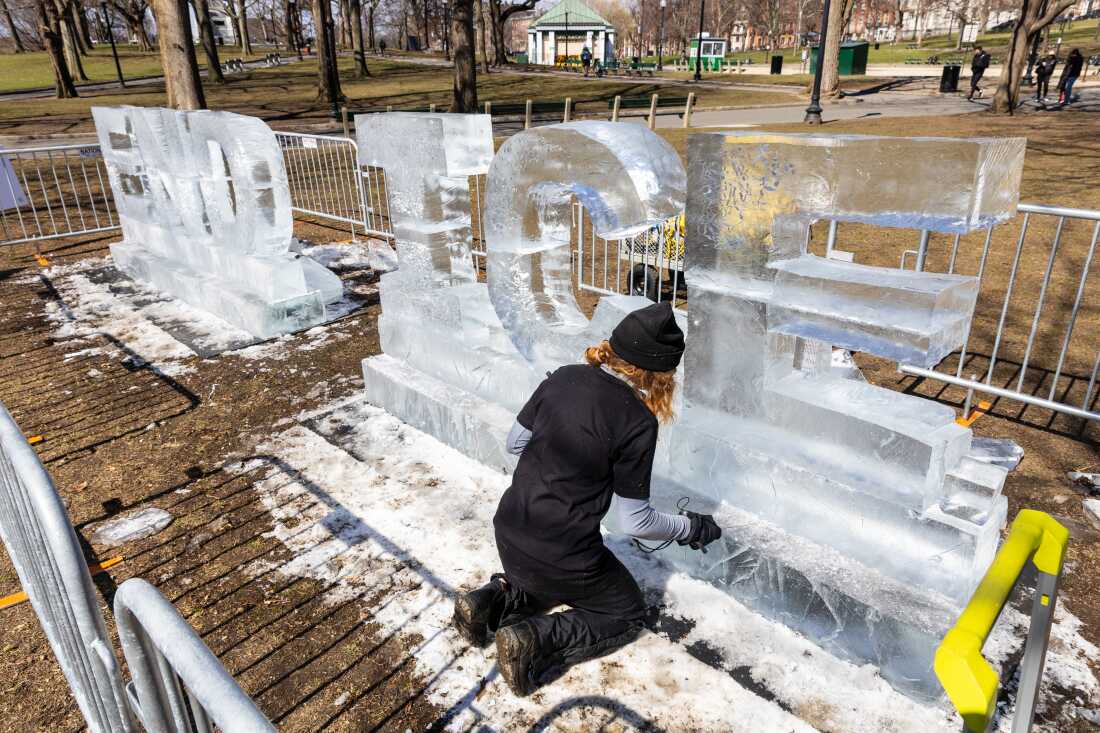
Kat Carves works on a ice sculpture that says ‘End Ice’ ahead of the rally on the Boston Common in Boston.
Arthur Mansavage/GBH News
hide caption
toggle caption
Arthur Mansavage/GBH News
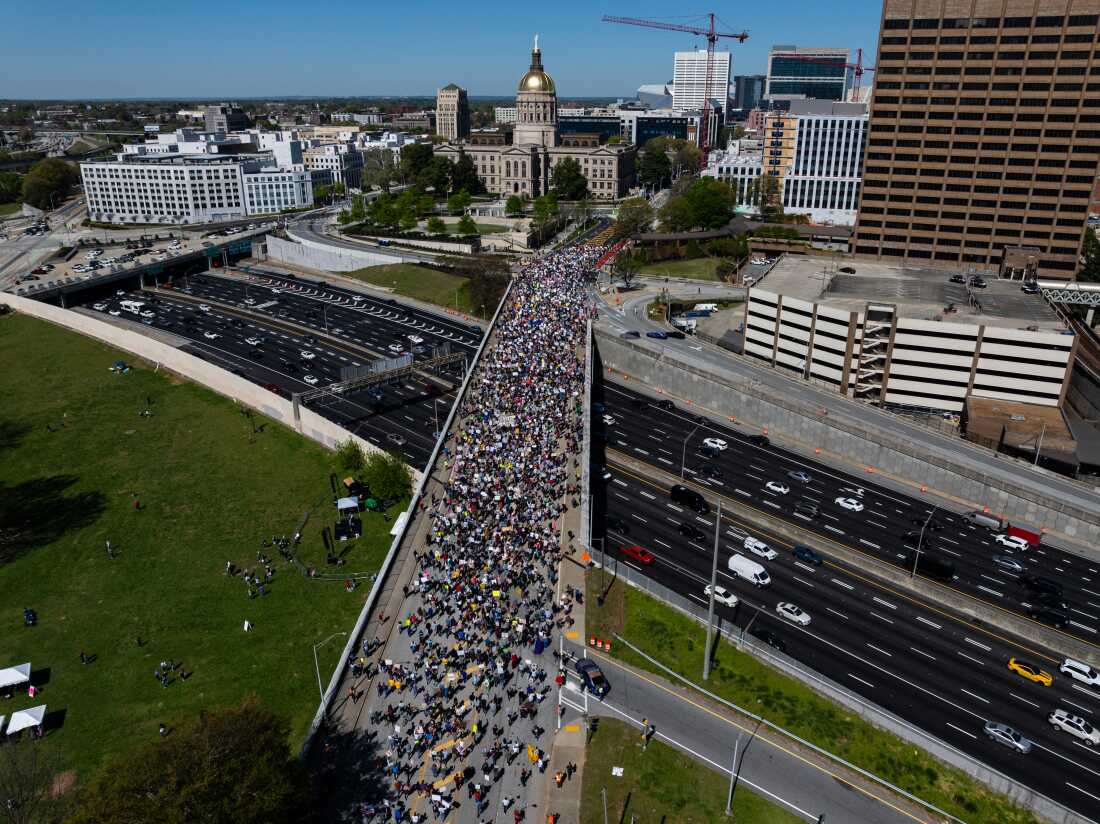
Protestors march across an overpass near the Georgia state Capitol building in Atlanta.
Elijah Nouvelage/AFP
hide caption
toggle caption
Elijah Nouvelage/AFP
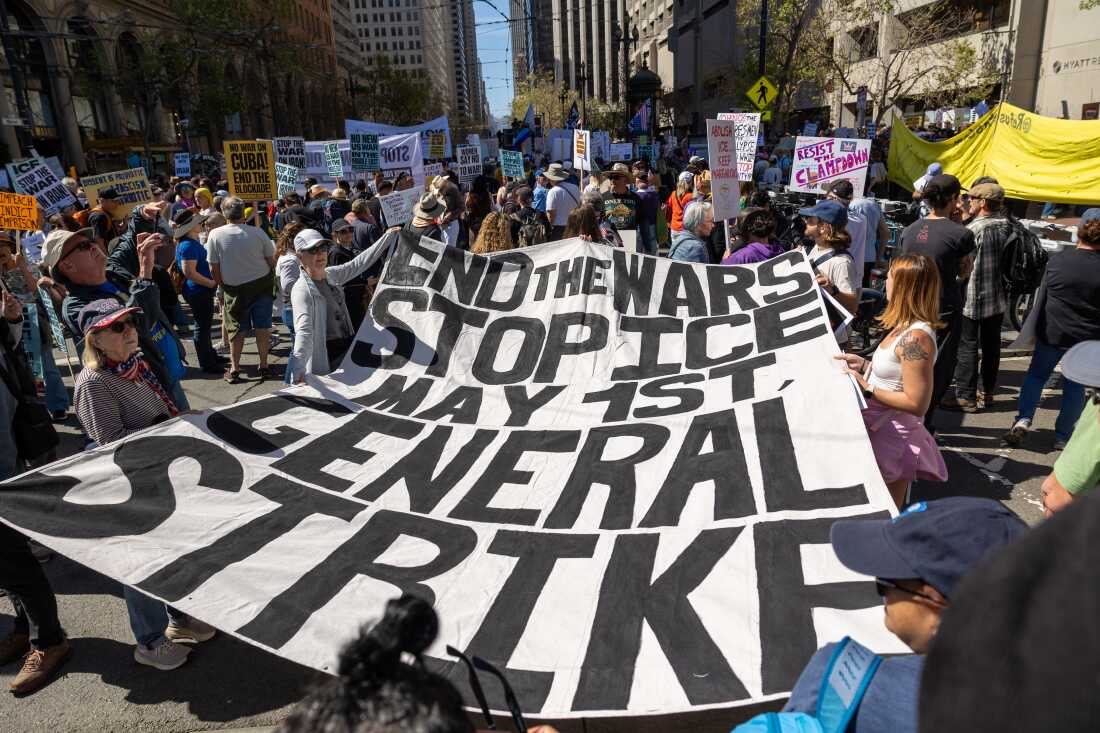
Protesters hold a banner reading “End the wars, stop ICE, general strike” at Embarcadero Plaza in San Francisco.
Gustavo Hernandez/KQED
hide caption
toggle caption
Gustavo Hernandez/KQED

Maria Perry, left, and John Stock, right, joined protesters gathering in Mill Creek Park in Kansas City, Missouri.
Julie Denesha/KCUR
hide caption
toggle caption
Julie Denesha/KCUR
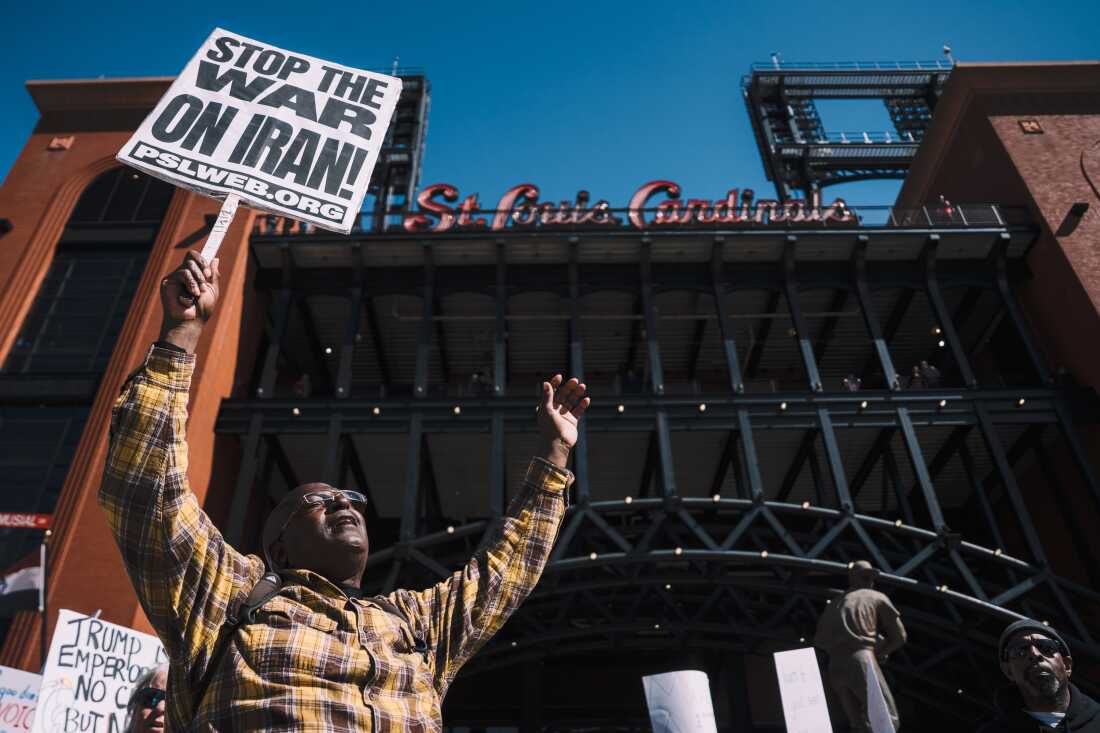
Duane Inge, a 63-year-old demonstrator, protests in front of Busch Stadium in downtown St. Louis.
Brian Munoz/St. Louis Public Radio
hide caption
toggle caption
Brian Munoz/St. Louis Public Radio

A protestor wears a “Let’s be brave” pin at a rally in Richmond, Virginia.
Shaban Athuman/VPM
hide caption
toggle caption
Shaban Athuman/VPM
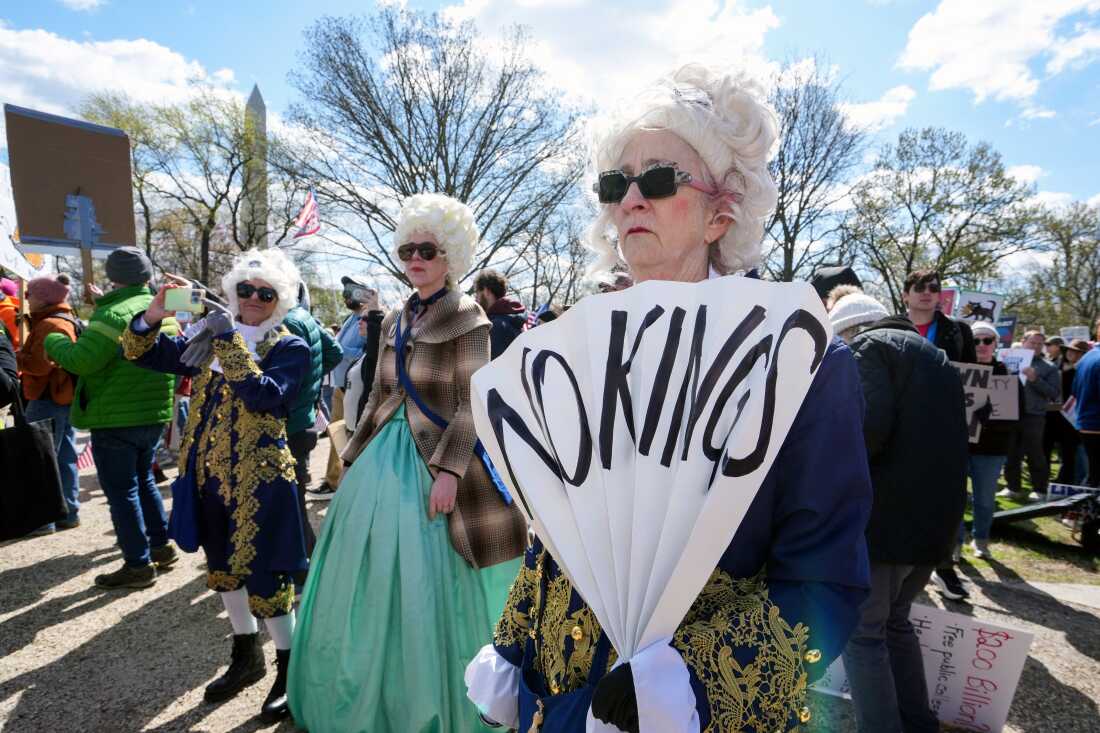
Demonstrators in costumes stand along the National Mall in Washington, DC.
Ken Cedeno/AFP
hide caption
toggle caption
Ken Cedeno/AFP
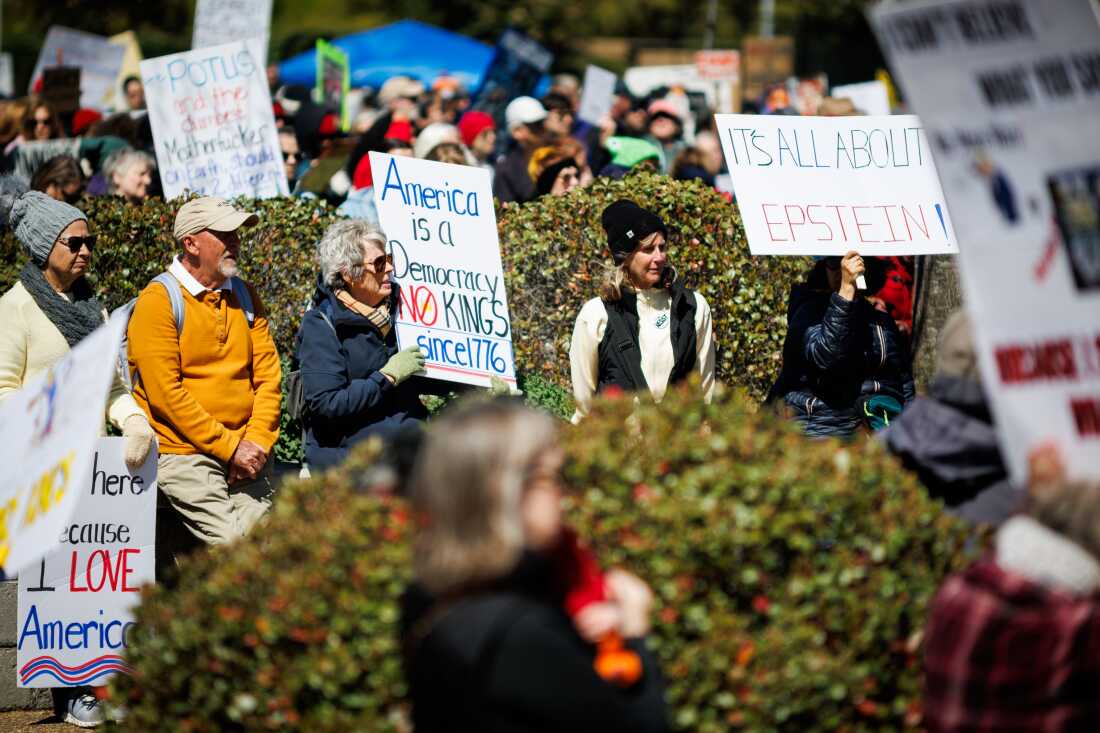
Protestors listens as speakers address the crowd gathered in Richmond, Virginia.
Shaban Athuman/VPM News
hide caption
toggle caption
Shaban Athuman/VPM News
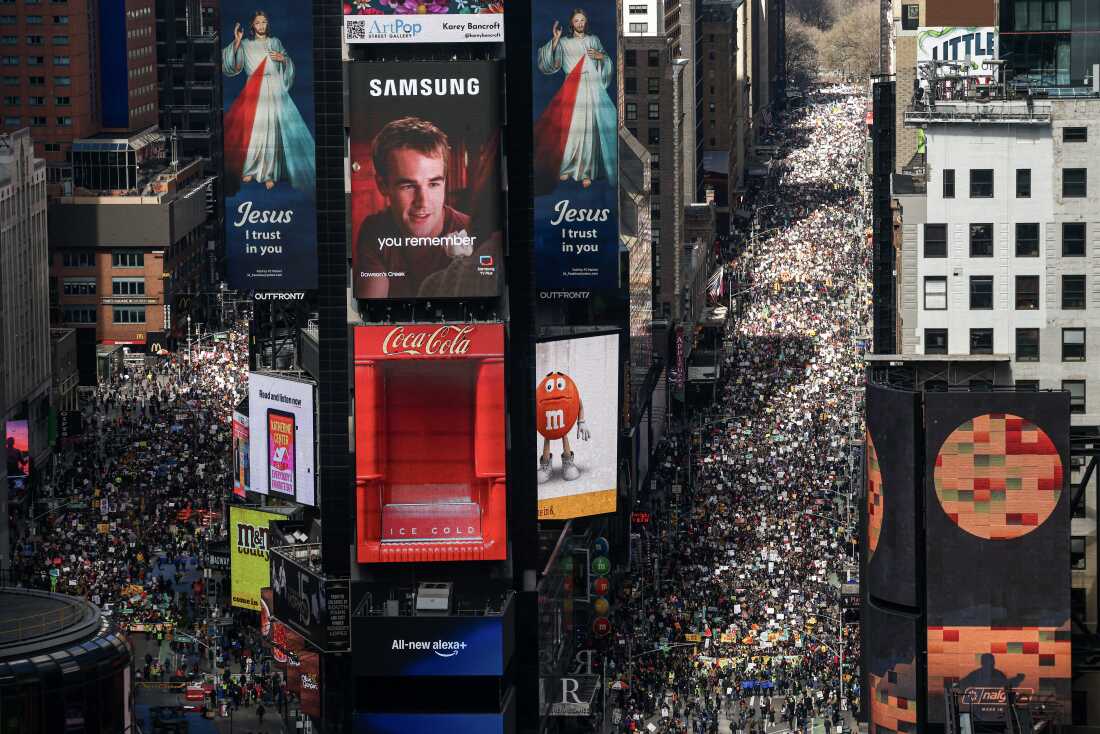
Protesters descend on Times Square in New York City.
Charly Triballeau/AFP
hide caption
toggle caption
Charly Triballeau/AFP
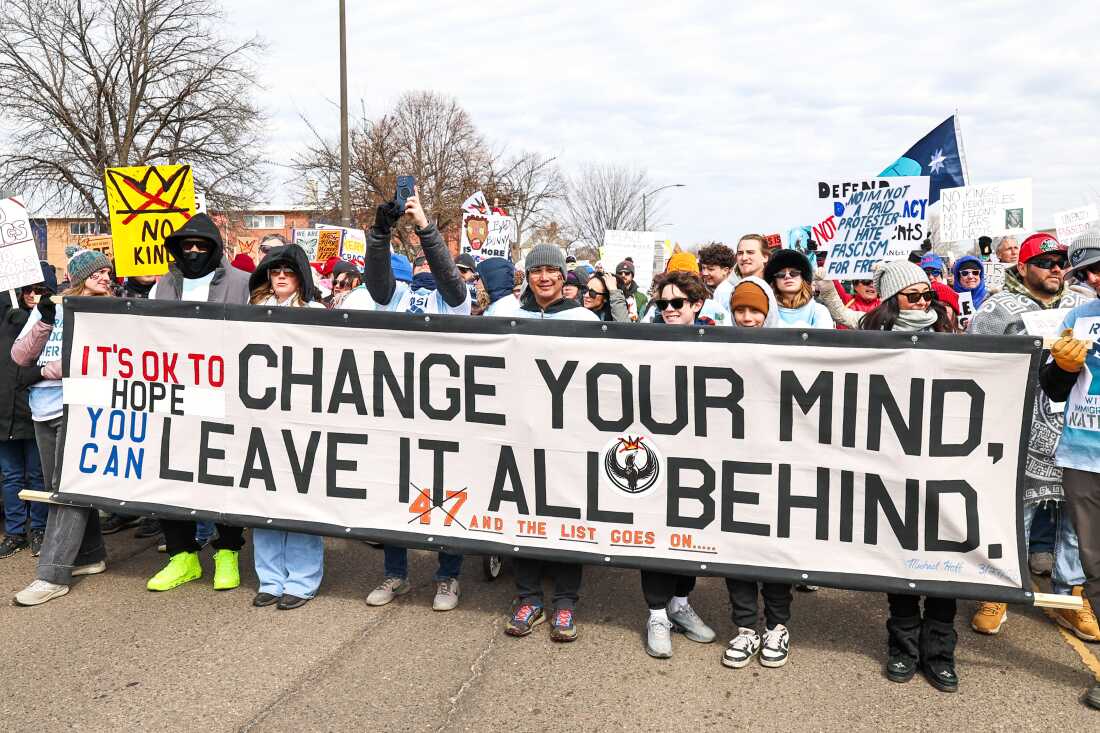
Demonstrators begin to march from the Western Sculpture Garden at the Minnesota State Capitol in St. Paul.
Steven Garcia/Minnesota Public Radio
hide caption
toggle caption
Steven Garcia/Minnesota Public Radio

Thousands march towards the Steel Bridge from the waterfront in Portland, Oregon.
Saskia Hatvany/OPB
hide caption
toggle caption
Saskia Hatvany/OPB

Two students were killed and at least seven other people were injured after a school bus crash in Tennessee on Friday, officials said.
The school bus was carrying 25 students and five adults from Kenwood Middle School in Clarksville for a field trip in Jackson, Tennessee, the school district said in a statement.
The crash, which remains under investigation, involved a Tennessee Department of Transportation dump truck, a Chevrolet Trailblazer and the school bus. It happened around noon on Highway 70 in Carroll County, said Maj. Travis Plotzer, a spokesperson for the Tennessee Highway Patrol.
Plotzer said there were two adults in the TDOT vehicle and one person in the Chevrolet Trailblazer. He said the crash is “a parent’s worst nightmare.”
The cause of the crash is under investigation.
At least seven people who were injured were taken by air ambulance to hospitals across Tennessee, including Memphis and Nashville, CBS affiliate WREG reported. The extent of their injuries was not immediately disclosed.
The school’s principal, Karen Miller, said counselors will be available starting Monday. In a written message to families shared on Facebook, she called the crash an unimaginable tragedy and encouraged parents to be attentive to their child’s emotional needs as they process the deaths of their classmates.
“Please continue to pray with us for our students, families, faculty, and staff,” Miller wrote. “I am grateful for the strength of our Kenwood community, and I trust we will all support each other during this difficult time.”
Four people were taken to Monroe Carell Jr. Children’s Hospital at Vanderbilt in Nashville and were in stable condition Friday, according to a Vanderbilt Health spokesperson.
Another 19 people were taken to Baptist Memorial Hospital-Carroll County, said Kim Alexander, a spokesperson for Baptist Memorial Health Care. All were evaluated and released, though it was unclear how many actually were injured, she said.
CBS affiliate WTVF reported the school bus was on the way to participate in the Toyota Hub City Grand Prix Greenpower USA race in Jackson. The Jackson-Madison County superintendent said in a statement that they were “completely devastated” by the crash and called the loss “immeasurable,” WTVF reported.
The school district was hosting the event.

Police detain Nerdeen Kiswani, an organizer of pro-Palestinian demonstration group “Within Our Lifetime” during a protest on Friday, April 12, 2024, in New York.
Yuki Iwamura/AP
hide caption
toggle caption
Yuki Iwamura/AP
NEW YORK — A man accused of planning to firebomb the home of a prominent Palestinian activist has been arrested following a weekslong undercover operation led by the New York City Police Department, officials said Friday.
The target of the plot was Nerdeen Kiswani, who frequently leads protests in New York against Israel and the war in Gaza through the organization Within Our Lifetime.

Kiswani, 31, said law enforcement officials informed her late Thursday that they had disrupted “a threat on my life that was about to take place.”
Federal authorities said they arrested Alexander Heifler on Thursday at his home in Hoboken, New Jersey, as he was assembling Molotov cocktails that he planned to throw at Kiswani’s home. For weeks, he had discussed the plot with an undercover NYPD detective who had infiltrated a group chat used by Heifler, according to a police department spokesperson.
An official who was briefed on the investigation said Heifler, 26, identified as a member of the JDL 613 Brotherhood, a New Jersey-based group founded in 2024 that describes its membership as “Jewish warriors” fighting back against rising antisemitism.
A website for the group says they are inspired by the original Jewish Defense League, a group linked to numerous bombings and attempted assassinations of Arab American political activists in the 1970s and 1980s.
Heifler planned to flee to Israel following the attack, according to the official, who requested anonymity because they were not authorized to discuss the details of an ongoing investigation.
An email inquiry sent to the JDL 613 was not returned.
Kiswani, who lives in Brooklyn with her infant son and husband, said the plot would not deter her continued activism.
“I feel very blessed that they were able to thwart this, but it’s something that is a constant possibility for people who speak up on behalf of Palestine,” she said.
Heifler was charged in a criminal complaint with separate counts of making and possessing destructive devices, which each carry a maximum penalty of 10 years in prison. A message left with his attorney was not returned. He made an initial appearance in New Jersey federal court on Friday afternoon.
“Let me be clear: We will not tolerate violent extremism in our city,” New York City Mayor Zohran Mamdani said in a statement. “No one should face violence for their political beliefs or their advocacy. I am relieved that Nerdeen is safe.”

According to a court filing written by an FBI agent, Heifler spoke on a video call in February with a group that included an undercover detective about his interest in training for “self-defense” and wanting space where he could throw Molotov cocktails.
The next day, he met with the undercover detective in person and discussed his plan to use them against Kiswani and flee the country, according to the complaint. “We have (Kiswani’s) address,” Heifler allegedly told the undercover. “So it’s like that, that would be easier if you’d be more comfortable with that.”
Heifler and the undercover detective drove to Kiswani’s residence on March 4 to “conduct surveillance” and discussed making a dozen Molotov cocktails to throw at her home and two cars parked outside, complaint said.
On Thursday, the undercover detective and Heifler met at Heifler’s Hoboken residence, where he had assembled components to make the Molotov cocktails, including a large bottle of Everclear, a highly flammable alcohol, the complaint said. Law enforcement officers then executed a search warrant at the residence and recovered the eight Molotov cocktails, the complaint said.
Kiswani co-founded the group Within Our Lifetime, which frequently organizes protests against Israel that draw hundreds of participants and often end in arrests. The group’s calls to “abolish Zionism” and support for “all forms of struggle,” including violence, has drawn fierce criticism. Kiswani denies that her criticism of Israel amounts to antisemitism.
Kiswani has been a frequent target of online vitriol. Earlier this year, U.S. Rep. Randy Fine, a Florida Republican, sparked backlash after writing in a social media post that “the choice between dogs and Muslims is not a difficult one.” The post was a response to a message Kiswani shared about dog owners, which she said was a light joke.

“That hate against Palestinians has been bolstered by public officials, by Zionist organizations, who are never held accountable,” she said. “This is the inevitable result of that.”
The operation was carried out by the Racially and Ethnically Motivated Extremism unit within the NYPD’s counterterrorism bureau, a police spokesperson said.
“This is exactly how our intelligence and counterterrorism operation is designed to work — a sophisticated apparatus built to detect danger early and prevent violence before it reaches our streets,” Police Commissioner Jessica Tisch said.
West Virginia Lottery results: See winning numbers for Powerball, Lotto America on March 28, 2026

Washington Capitals VS Vegas Golden Knights LIVE | Watch on ESPN 2026-03-29

Add massive transmission towers to list of invasive species | Opinion

Second-annual Rhododendron Roll brings thousands to West Virginia State Capitol

Wyoming Has Half Of The West’s 26 100-Year-Old Dude Ranches

Florida High School Football Rankings: Top 25 teams – Oct. 21

How old is Bo Nix? What to know about Oregon quarterback ahead of 2024 NFL Draft

Cleary's 21 help Le Moyne down Central Connecticut State 69-64 in OT

99th annual Pony Swim held in Virginia

Indiana Members Credit Union announced as new anchor tenant at Bottleworks District

JD Vance says he was ‘obsessed’ with UFOs, believes aliens are actually ‘demons’
The EU's recipe for trade deals : easy on beef, tough on wine
Photos: ‘No Kings’ protests across the country

Jeffries declines to break with indicted Democrat after ethics panel’s guilty verdict

Hundreds of thousands march through London in stand against the far right
-

 Sports1 week ago
IOC addresses execution of 19-year-old Iranian wrestler Saleh Mohammadi
-

 New Mexico6 days ago
Clovis shooting leaves one dead, four injured
-

 Tennessee6 days ago
Tennessee Police Investigating Alleged Assault Involving ‘Reacher’ Star Alan Ritchson
-

 Technology7 days ago
YouTube job scam text: How to spot it fast
-

 Minneapolis, MN3 days ago
Boy who shielded classmate during school shooting receives Medal of Honor
-

 Science1 week ago
Record Heat Meets a Major Snow Drought Across the West
-

 Texas1 week ago
How to buy Houston vs. Texas A&M 2026 March Madness tickets
-

 Politics1 week ago
Schumer gambit fails as DHS shutdown hits 36 days and airport lines grow