South Dakota
Half of SD inmates return to prison, new report shows


Half the people released from prison in South Dakota return within three years, according to the state Department of Corrections’ newly released 2025 annual report — the highest recidivism rate in at least the last eight years.
Among Native Americans released from prison, 59% return within three years — the highest of any race. Native Americans comprise 39% of inmates in the state prison system — 35% among men and 61% among women. The recidivism rate among Native American women is 66%.
Department officials shared the statistics and annual report with members of the Correctional Rehabilitation Task Force at its Wednesday, Dec. 17 meeting in Pierre. The recidivism rate is seven points higher than last year.
The task force, made up of lawmakers, government officials and nonprofit leaders, is considering ways to reduce the state’s recidivism rate by expanding prison-based rehabilitation and helping released inmates transition back into their communities. The group was created earlier this year as lawmakers approved construction of a $650 million men’s prison in Sioux Falls, and it’s focusing on behavioral health, educational, faith-based and Native American-themed programs.
The group approved several recommendations at its meeting, including an endorsement of a faith-based seminary program.
Task force member Rep. John Hughes, R-Sioux Falls, said he hopes for “transformational offerings” to inmates.
“If we don’t see lives changed, then I don’t know what we’re doing here,” Hughes said. “We’re just managing statistics and personal failures.”
‘We’re not appropriately supporting the Indigenous population’
Task force member Rep. Kadyn Wittman, D-Sioux Falls, told South Dakota Searchlight the increase in recidivism, especially among Native Americans, will “further strain an already strained system.”
“It’s indicative of the fact that we’re not appropriately supporting the Indigenous population,” Wittman said. “We’re already overincarcerating Indigenous people in South Dakota, and then we’re seeing them return at a much higher rate.”
The task force approved 11 immediate recommendations for the Department of Corrections. The list includes bringing back evening volunteers in prisons, designating the Sisseton Wahpeton Oyate parole program as a “flagship model” in the state, and establishing volunteer roundtables to give feedback on department policy and programs.
The recommendations are “small wins or barriers that can be removed,” Wittman said, while the task force continues to work on more complex issues.
Wittman is most excited about a recommendation that the department hire a tribal cultural liaison to coordinate ceremonies, tribal contacts and volunteer access to the state’s prisons. The position should be piloted for six months, the task force recommended.
“The fact that the DOC is willing to establish an individual whose sole focus is going to be better programming for its Indigenous population is huge,” Wittman said. “They’ll hopefully identify where Indigenous programming will be most effective.”
Lt. Gov. Tony Venhuizen, the task force chairman, confirmed with recently appointed Corrections Secretary Nick Lamb that the department would look into the recommendations and report back which could be viable options.
New corrections secretary lauds faith-based program
The prison seminary program endorsed by the task force was created by Mississippi Department of Corrections Commissioner Burl Cain while he served as warden of the Louisiana State Penitentiary at Angola. Cain resigned from his role in Louisiana in 2015 amid investigations of his business dealings.
The program operates in 26 states and partners with accredited, four-year Christian seminary programs to teach inmates. They can earn a seminary degree through the program, often with graduates serving as ministers in prison systems.
Lamb helped implement the program in the Illinois prison system. Within months of its launch, Lamb said, he saw fewer assaults between inmates and against staff.
“Whatever your religious beliefs are, whatever you think, this program works,” Lamb said. “It worked everywhere they tried.”
Cain spoke to lawmakers in October about the program, ahead of the task force’s first meeting in Sioux Falls. He said the state would need a nonprofit to run it. The task force voted on Wednesday to encourage South Dakota Gov. Larry Rhoden’s administration to authorize the program.
Rhoden said in a Dec. 17 news release that he “accepted” the recommendation. The news release did not say who would operate the program, but said it would be privately supported, requiring neither Department of Corrections nor inmate funding.
“Bringing this seminary program to our state will restore hope, build character, and strengthen our correctional system from the inside out,” Rhoden said in the news release.
Jon Ozmint, the former director of South Carolina prisons, also presented to the task force in October. He said the recidivism rate for state inmates in the faith-based seminary Cain created is around 2% in South Carolina.
Wittman said after Wednesday’s meeting that she has “reservations” about the seminary program.
“I don’t necessarily support Burl Cain-style programming in South Dakota prisons because rehabilitation needs to be voluntary, secular and grounded in evidence,” Wittman said.
Despite those concerns, she voted in favor of implementing the program.
“I voted yes because, despite my reservations, I know how limited current programs are,” Wittman said, “and something is better than nothing.”



The South Dakota Lottery offers multiple draw games for those aiming to win big.
Here’s a look at June 20, 2026, results for each game:
Winning Powerball numbers from June 20 drawing
16-20-44-48-50, Powerball: 15, Power Play: 2
Check Powerball payouts and previous drawings here.
Winning Lotto America numbers from June 20 drawing
08-14-31-41-52, Star Ball: 04, ASB: 03
Check Lotto America payouts and previous drawings here.
Winning Dakota Cash numbers from June 20 drawing
02-09-15-27-34
Check Dakota Cash payouts and previous drawings here.
Winning Millionaire for Life numbers from June 20 drawing
01-10-16-30-31, Bonus: 04
Check Millionaire for Life payouts and previous drawings here.
Feeling lucky? Explore the latest lottery news & results
Are you a winner? Here’s how to claim your prize
- Prizes of $100 or less: Can be claimed at any South Dakota Lottery retailer.
- Prizes of $101 or more: Must be claimed from the Lottery. By mail, send a claim form and a signed winning ticket to the Lottery at 711 E. Wells Avenue, Pierre, SD 57501.
- Any jackpot-winning ticket for Dakota Cash or Lotto America, top prize-winning ticket for Lucky for Life, or for the second prizes for Powerball and Mega Millions must be presented in person at a Lottery office. A jackpot-winning Powerball or Mega Millions ticket must be presented in person at the Lottery office in Pierre.
When are the South Dakota Lottery drawings held?
- Powerball: 9:59 p.m. CT on Monday, Wednesday, and Saturday.
- Mega Millions: 10 p.m. CT on Tuesday and Friday.
- Lucky for Life: 9:38 p.m. CT daily.
- Lotto America: 9:15 p.m. CT on Monday, Wednesday and Saturday.
- Dakota Cash: 9 p.m. CT on Wednesday and Saturday.
- Millionaire for Life: 10:15 p.m. CT daily.
This results page was generated automatically using information from TinBu and a template written and reviewed by a South Dakota editor. You can send feedback using this form.

SIOUX FALLS, S.D. (KELO) — You can celebrate Juneteenth in central Sioux Falls Saturday. The festivities start at 10 a.m. in Fawick Park with a Freedom Walk. Activities also include a Spoken Word, Car show demonstration, community games, a fashion, art and beauty expo, a talent show and a DJ battle.
Also in central Sioux Falls is the Festival of Cultures hosted by Lutheran Social Services. The American Patchwork Quartet will perform at 11 a.m. and Nepali dancers NSKK will take the stage at 12:30. It’s all happening at the Sioux Falls Coliseum. Then, the Parade of Flags will take place at 7:20 p.m. at the Levitt Lawn.
Join cancer survivor Lisa Soundy for for a Walk and Talk about cancer survivorship. Hear Lisa share her personal experience with cancer. The event starts at 9:30 a.m. at the Prairie West Library in western Soiux Falls. It is hosted by Avera McKennan Hospital.
Fly a kite at the Brookings Kite Festival. It goes from 10 a.m. to 4 p.m. Saturday and Sunday and a lighted kite show will go from 8:30 to10 in the evening on Saturday. It takes place at the Fishback Soccer Complex and will also include food trucks and kids games.
Also, enjoy the final day of Czech Days in Tabor. The festivities include a craft fair, kiddie parade, dumpling making demonstration and a lot more. The festivities start at 7 a.m. with a 5K and run through the night.
Head to Sioux Valley Cycle Club in Sioux Falls for an ATV race. Gates open at 1 p.m., practice starts at 3:45, and racing starts at 4:45. Admission is $10, but kids 6 and under are free.
Take in Teapot Days in Tea, South Dakota. Events include a parade at 10 a.m., the Mighty Thomas Carnival beginning at noon and fireworks at 10:15 in the evening in the city park.
Take a lunch break and enjoy live music in downtown Sioux Falls. Head to the Ampt! event at the Phillips Avenue Plaza from 11:30 a.m. to 1:30 p.m.
You can enjoy more music downtown later in the night at Levitt at the Falls. Hear folk songs from the American Patchwork Quartet and openers Alma Latina Grupo Multicultural and the Levitt Vocal Jam Camp Showcase. The music starts at 7 p.m. Admission is free.
There’s also free music to enjoy west river throughout the afternoon and evening at Wild Bill Days on Main Street in Deadwood. Other events include a downtown art festival, gold panning and blacksmithing demonstrations from 10 a.m. to 8 p.m.
See if you can catch any fish at Family Park in western Sioux Falls. All the needed gear is provided, but you can bring your own gear if you would like. It goes from 9 a.m. to 11 a.m., and it is completely free.
There’s another fishing opportunity much further north. Head north to Roy Lake State Park for Cops and Bobbers and fish with local law enforcement. All the needed equipment and bait will be provided. It goes from 9 a.m. to 11 a.m. at the Roy Lake Store Docks and fishing pier. A park pass is required.
Help support Feeding South Dakota at the 13th annual Prime Time Gala & Concert. The event includes a silent auction, live auction, food and music from Dierks Bentley, Muscadine Bloodline and Elizabeth Jo. Guest Check-in is at 4 p.m. at the Denny Sanford Premier Center.
Catch a show at the Orpheum Theater. It’s the last weekend to see Legally Blonde presented by the Premiere Playhouse. The show starts at 7 p.m.
Experience a yarn adventure at Prairie Road Yarn in Sioux Falls. The Yarn Adventure Truck will be paying a visit from 9 a.m. to 5 p.m.
The Falls Park Farmers market in Sioux Falls is open from 8 a.m. to 1 p.m. The Brandon Farmers Market is open from 9 a.m. to 1 p.m. at 925 N. Splitrock Boulevard. The Brookings Farmers Market is open from 9 a.m. to noon in the 300 block of 6th Avenue.
The South Dakota Lottery offers multiple draw games for those aiming to win big.
Here’s a look at June 19, 2026, results for each game:
Winning Mega Millions numbers from June 19 drawing
13-16-21-26-50, Mega Ball: 12
Check Mega Millions payouts and previous drawings here.
Winning Millionaire for Life numbers from June 19 drawing
02-20-28-51-54, Bonus: 02
Check Millionaire for Life payouts and previous drawings here.
Feeling lucky? Explore the latest lottery news & results
Are you a winner? Here’s how to claim your prize
- Prizes of $100 or less: Can be claimed at any South Dakota Lottery retailer.
- Prizes of $101 or more: Must be claimed from the Lottery. By mail, send a claim form and a signed winning ticket to the Lottery at 711 E. Wells Avenue, Pierre, SD 57501.
- Any jackpot-winning ticket for Dakota Cash or Lotto America, top prize-winning ticket for Lucky for Life, or for the second prizes for Powerball and Mega Millions must be presented in person at a Lottery office. A jackpot-winning Powerball or Mega Millions ticket must be presented in person at the Lottery office in Pierre.
When are the South Dakota Lottery drawings held?
- Powerball: 9:59 p.m. CT on Monday, Wednesday, and Saturday.
- Mega Millions: 10 p.m. CT on Tuesday and Friday.
- Lucky for Life: 9:38 p.m. CT daily.
- Lotto America: 9:15 p.m. CT on Monday, Wednesday and Saturday.
- Dakota Cash: 9 p.m. CT on Wednesday and Saturday.
- Millionaire for Life: 10:15 p.m. CT daily.
This results page was generated automatically using information from TinBu and a template written and reviewed by a South Dakota editor. You can send feedback using this form.
-
 Entertainment6 minutes ago
A fake mountain and real magic transform Paris’ oldest bridge
-
Lifestyle8 minutes ago
Day 1,578 of WW3: The UN Security Council will meet on Monday to address Russia's latest strikes on cultural and religious sites, including the attack on Kyiv-Pechersk Lavra. ANGH, of course. This is your Saturday Ukraine discussion
-
 Politics13 minutes ago
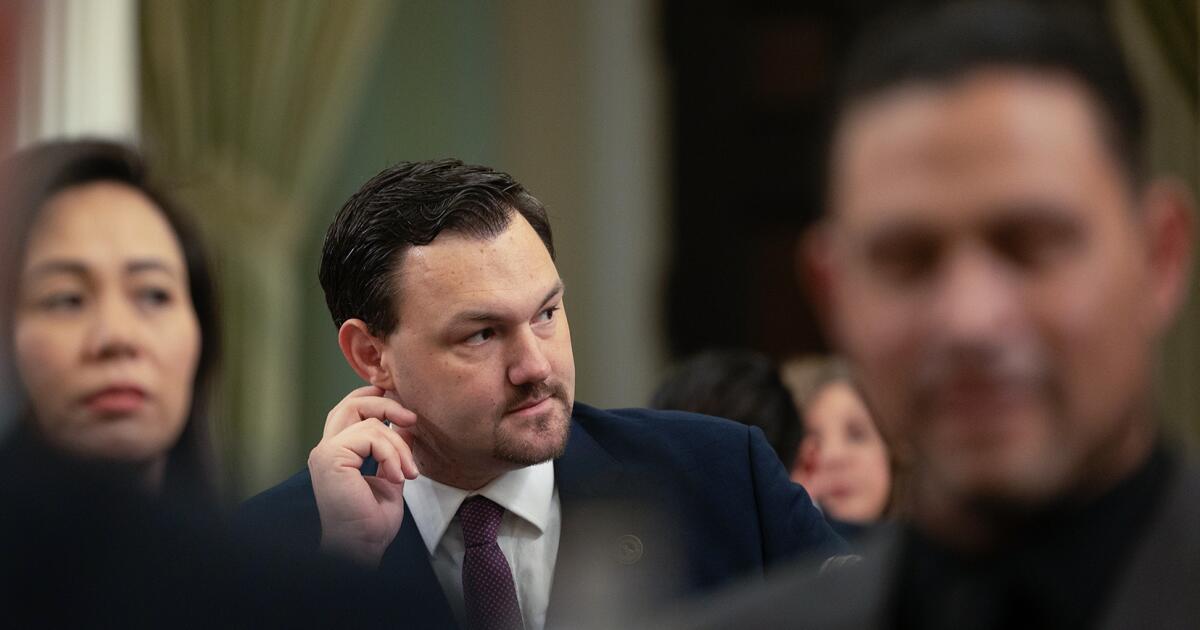
Can a new commission remedy California’s public defender crisis?
-
Sports24 minutes ago
2026 World Cup guide: Full TV schedule, game previews, results and standings
-

 World36 minutes ago
Poland and Ukraine’s ‘honours war’ intensifies
-

 News59 minutes ago
Newsom declares State of Emergency for Boyle Heights warehouse fire
-

 Los Angeles, Ca2 hours ago
Kids, teens can enjoy free lunch at over 90 parks across Los Angeles
-

 Detroit, MI3 hours ago
Metro Detroit church hosts community event to support youth: “We’re here for you”


