North Dakota
Five Years Later: A look back at the early days of the pandemic in North Dakota


FARGO — March 11, 2025 is the five-year anniversary of North Dakota’s first confirmed case of COVID-19. What we didn’t know then is that it was the first of hundreds of thousands of cases for the state, and eventually, more than 100 million in America.
The state’s first case of Coronavirus was reported five years ago in Ward County.
In WDAY News’s 6 p.m. broadcast on March 11, 2020, there were reported supply shortages across the region. Stores across Fargo were out of toilet paper, and panic shopping was underway in Grand Forks.
The landscape of shortages changed dramatically over the pandemic, contributing to the global supply chain crisis that began in earnest the following year.
That same day, the Fargo VA began its first day of Coronavirus screenings, and West Fargo Public Schools canceled all out of state travel in March.
A particularly dramatic announcement came just two days after North Dakota reported its first COVID case. The North Dakota High School Activities Association suspended the winter tournament schedule. At that time, it was one of the few high school tournaments going on in the country. Those tournaments were eventually canceled for the year.
Area colleges transitioned to online classes. Then-Gov. Doug Burgum eventually announced K-12 schools would close for five days beginning March 16, while officials determined next steps. Classes resumed online on April 1 in Fargo. They remained online for the rest of the school year.
On March 13, President Donald Trump declared a national public emergency. Minnesota Gov. Tim Walz and Burgum followed suit the same day.
“We’re taking a pragmatic, proactive, positive step, and again acting out of facts not out of fear,” Burgum said at the time.
Within a week, both governors ordered the closure of bars, restaurants and other entertainment venues via executive order. At the time, many of these were described as temporary measures. But as we all know, dramatic changes to our daily lives continued for years.
According to the latest data from the North Dakota Health and Human Services Vaccine Dashboard, just 10.5% of all people aged six months and older have been vaccinated for the 2024-2025 respiratory season. A total of 27.7% are up to date on their seasonal flu vaccinations.
Grand Forks Public Health epidemiologist Shawn McBride says the pandemic led to a lot of self reflection for people working in public health.
“We certainly saw an erosion of trust in public health agencies and health care providers during the pandemic,” McBride said.
He says the way people receive information has changed over time, and public health organizations need to adapt to those changes.
When it comes to improving the state vaccination rate, McBride points to reducing obstacles people may encounter when getting vaccinated.
“People need to take time off of work, or kids need to get away from school,” McBride said. “Sometimes those are things that are barriers that just don’t get people to go get that immunization. We need to make it easy for people, provide plenty of opportunities, and also make sure that there’s not a cost barrier as well.”
McBride emphasized that vaccines are safe, and effective, citing CDC data from a preliminary analysis of COVID-19 vaccine effectiveness over the last respiratory season.
“it reduced the risk of hospitalizations by 45 to 46%,” McBride said. “In my mind, that’s a significant risk reduction. And we do all kinds of things every day to reduce our risk. We put a seat belt on, we make sure we’re driving the speed limit, or we’re asking kids to put on a bike helmet. It’s about reducing the overall risk to have severe outcomes from things when we encounter them.”
According to the CDC, there have been over 111 million cases of COVID-19 in the United States since 2020. Over 1.2 million Americans have died.



North Dakota
North Dakota approves certificate of site compatibility for 400MWh BESS from NextEra Energy Resources

Skip to content

BISMARCK, N.D. – Gov. Kelly Armstrong today announced the opening of the application period for school, community and church bands, orchestras and choirs across North Dakota to apply to serve as the Governor’s Official State Band/Orchestra Program and Choral Program for the 2026-2027 school year.
The Governor and First Lady will select the two groups from the applications received based on musical talent, achievement and community involvement. The governor may invite the groups to perform at official state functions held throughout the 2026-2027 school year, including the State of the State Address in January 2027 at the Capitol in Bismarck.
Interested groups should submit an application with a musical recording to the Governor’s Office by 5 p.m. Monday, May 4. The Governor’s Band/Orchestra Program and Governor’s Choral Program will be announced in May. Please complete the application and provide materials at https://www.governor.nd.gov/governors-chorus-and-bandorchestra-program-application.
North Dakota
Greenpeace seeks new trial, claiming jury pool biased in case over Dakota Access Pipeline
Greenpeace has asked for a second trial after a judge entered a $345 million judgment against the organization in a landmark case brought by the developer of the Dakota Access Pipeline.
The case “threatens to result in one of the largest miscarriages of justice in North Dakota’s history,” attorneys for the environmental group wrote in a brief filed last week.
After a three-week trial roughly a year ago, a Morton County jury directed Greenpeace to pay Energy Transfer about $667 million, finding the environmental group at fault for inciting illegal acts against the company during anti-pipeline protests in North Dakota in 2016 and 2017 and for publishing false statements that harmed Energy Transfer’s reputation.
Greenpeace denies Energy Transfer’s claims and maintains that it brought the lawsuit to hurt the environmental movement.
Southwest Judicial District Judge James Gion in October slashed the jury’s award to $345 million, though he didn’t finalize the award until late February.
Greenpeace is now taking steps to fight the judgment, which includes its motion for a new trial.
The environmental group’s reasons for the request include claims that the jury instructions and verdict form contained errors, and that Energy Transfer was allowed to present unfair and irrelevant evidence to jurors. The group also alleges the jury pool was biased.
Greenpeace says the jury’s award assumes that Greenpeace was entirely responsible for any injury Energy Transfer sustained related to the protests. Jurors were not given the opportunity to consider whether Greenpeace was only at fault for a portion of the damages, the organization wrote in its brief.
Attorneys for Greenpeace also referenced the mailers and other media circulated to Mandan and Bismarck residents before the trial that contained anti-Dakota Access Pipeline protest and pro-energy industry content.
The environmental group seeks a new trial in Cass County, arguing in part that the jury pool in the Fargo area would be more fair because its residents did not directly experience the Dakota Access Pipeline protests and because the local economy is less dependent on the energy industry.
If Greenpeace’s request for a new trial is denied, it plans to appeal the case to the North Dakota Supreme Court, the organization has said.
Greenpeace previously asked for the trial to be moved from Morton County to Cass County in early 2025, which Gion and the North Dakota Supreme Court denied.
The lawsuit is against three separate Greenpeace organizations — Greenpeace USA, Greenpeace International and Greenpeace Fund.
Energy Transfer as of Wednesday morning had not submitted a response to Greenpeace’s motion for a new trial. Previously, the company has defended the jury’s verdict and disputed Greenpeace’s claims that the court proceedings were not fair.
Energy Transfer has indicated it may appeal Gion’s decision to reduce the award to $345 million.
Greenpeace will not have to pay any of the $345 million judgment for at least a couple of months, Gion ruled Tuesday.
Court documents indicate that the organization could have to pay a bond of up to $25 million while appeals proceed, though the environmental group has asked the judge to waive or reduce this amount. Gion has not decided on this motion.
He noted that obtaining such a large bond will be challenging.
“The magnitude of this matter defies simple decisions,” Gion wrote.
Energy Transfer in court filings urged the judge to require Greenpeace to post the full $25 million.
Any bond money Greenpeace provides would be held by a third party while the appeals proceed, according to Greenpeace USA.
Greenpeace International has filed a separate lawsuit in the Netherlands that accuses Energy Transfer of weaponizing the U.S. legal system against the environmental group. Energy Transfer asked Gion to order that the overseas suit be paused while the North Dakota case is still active, which Gion denied. The company appealed his ruling to the North Dakota Supreme Court, which has yet to make a decision on the matter.

ATHENA Award Honors Lori Kloos For Decades Of Service To SCTCC And Local Charities

‘That’s been my trajectory’: Michael Watson confirms run for Mississippi lieutenant governor – SuperTalk Mississippi

Mizzou expands virtual fencing for cattle in Missouri and Nebraska
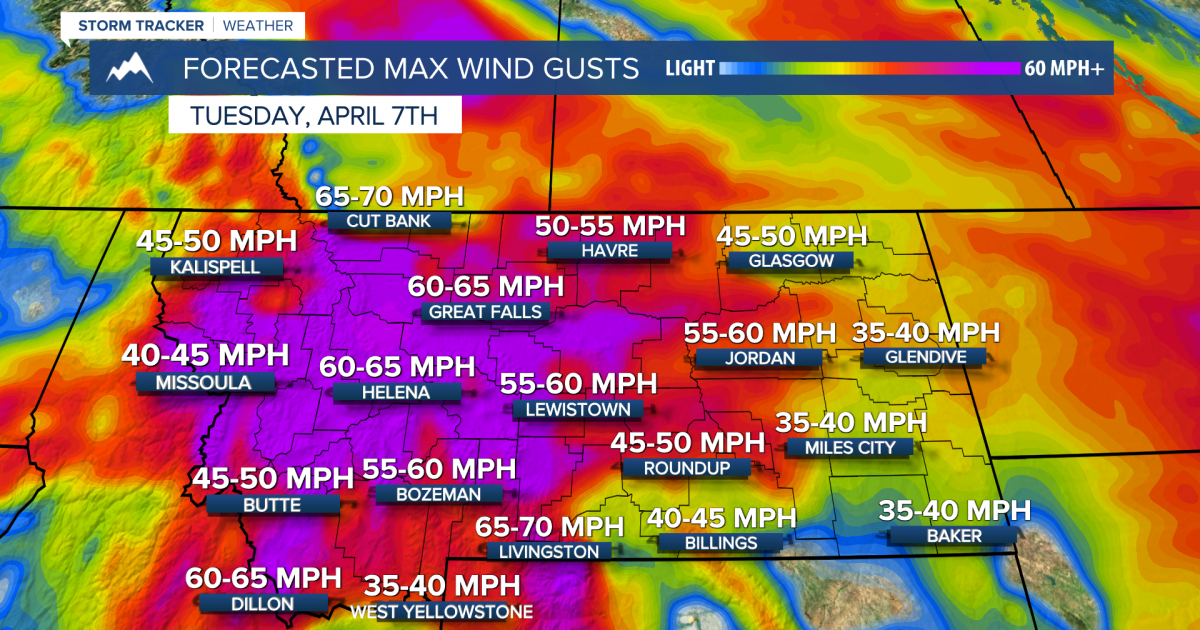
Gusty winds expected as storm system blasts through Montana

Drought-resilient crop options for Nebraska corn-soybean growers

Florida High School Football Rankings: Top 25 teams – Oct. 21

How old is Bo Nix? What to know about Oregon quarterback ahead of 2024 NFL Draft

Cleary's 21 help Le Moyne down Central Connecticut State 69-64 in OT

99th annual Pony Swim held in Virginia

Indiana Members Credit Union announced as new anchor tenant at Bottleworks District

Ilhan Omar calls Trump an ‘unhinged lunatic,’ urges booting him out of office
Between Budapest and Brussels: Péter Magyar’s political tightrope

Michigan muscles its way to program’s 2nd NCAA basketball title, beating UConn

Map: Minor Earthquake Strikes Near San Diego

Trump claims he’d win as the president of Venezuela — just needs to ‘quickly’ learn Spanish
-

 Atlanta, GA2 days ago
1 teenage girl killed, another injured in shooting at Piedmont Park, police say
-

 South-Carolina1 week ago
South Carolina vs TCU predictions for Elite Eight game in March Madness
-

 Movie Reviews5 days ago
Vaazha 2 first half review: Hashir anchors a lively, chaos-filled teen tale
-

 Vermont1 week ago
Skier dies after fall at Sugarbush Resort
-

 Politics1 week ago
Trump’s Ballroom Design Has Barely Been Scrutinized
-

 Politics1 week ago
JD Vance says he was ‘obsessed’ with UFOs, believes aliens are actually ‘demons’
-

 Politics1 week ago
Jeffries declines to break with indicted Democrat after ethics panel’s guilty verdict
-
 Entertainment5 days ago
Inside Ye’s first comeback show at SoFi Stadium