Kansas
Kansas State football quarterback Avery Johnson embraces leadership role at a young age


Kansas State football quarterback Avery Johnson talks about leadership
Kansas State football quarterback Avery Johnson talks about putting in the extra work required to win the respect of his teammates as a leader.
K-State Athletics
Kansas State football coach Chris Klieman knew from the moment he started recruiting Avery Johnson, that there was something about him, a certain presence that you want in a quarterback.
“He had an it factor,” Klieman said of Johnson, who indeed will be the Wildcats’ starting quarterback this season as a sophomore. “You can tell the guys that have it factors, and the confidence but not arrogance.”
From the time he arrived in Manhattan last year as a true freshman after a standout career at Maize High School, Johnson has done nothing to dispel that notion. His athleticism — particularly his speed, agility and arm strength — all were on display at various times last year when he served as Will Howard’s backup.
Johnson’s finest hours came in 2023 came during a game at Texas Tech, where he ran for five touchdowns in a come-from-behind victory, and then as most valuable player as starting quarterback in the Pop-Tarts Bowl after Howard entered the transfer portal.
Kansas State football quarterback Avery Johnson is ready to lead the Wildcats’ offense
But what has stood out about Johnson perhaps as much as his physical tools, is his ability to command the respect of teammates as well as coaches at such a tender age.
“For a young, young player, he has been a great leader, as well as learning from some of these older guys that are here with him,” Klieman said.
Establishing himself as a leader has been a priority for Johnson ever since he learned that he would start the bowl game. It carried over to the spring and now through player-led summer workouts.
“Just trying to be more vocal and get in front of the guys whenever I get the chance and just continue to lead by example, and just doing my best to gain everybody’s trust,” Johnson said. “I feel like the biggest thing is whenever adversity strikes, whether that’s in the weight room or struggling in the warmup or practice, a run, whatever it might be, just get in front of the team and being vocal and encouraging guys.
“Not bringing guys down, but just trying to pick them up and then let them know to get back to our standard.”
Add Kansas State football quarterbacks coach Matt Wells to list of Avery Johnson fans
It didn’t take winning the starting job for Johnson to demonstrate the it factor that Klieman saw during the recruiting process. That is why he didn’t hesitate in bringing Johnson to Las Vegas on Tuesday as one of K-State’s five representatives at Big 12 media days.
“We saw enough last year that for us, we knew he was going to be the guy long term for us, and he was ready for the moment,” Klieman said. “It was his time and I told him when we recruited him, he’s going to be the face of the program.
“And it came up late in his first year where he ended up truly being the face, and I’m excited because he’s taken that mantle really well, and he’s been a great leader.”
Johnson has earned the team’s respect by putting his money where his mouth is, Klieman added.
“He always has been a really mature guy. But he’s a humble guy, and he works his tail off,” Klieman said. “He’s the best competitor I’ve been around since Easton Stick, and I had Easton at North Dakota State for five years, and he’s with the Chargers.
Kansas State football quarterback Avery Johnson’s maturity shines through in bowl victory
“Avery is that kind of competitor. If you come out and watch a morning run, he’s not losing any of the competition drills. He’s not losing any of the races where it’s not a race, where he’s just going to finish first in everything he does.”
Super-senior linebacker and team captain Austin Moore agreed.
“He is accepted as the guy because he puts in the work, and not only is he an exceptional talent, which anyone can see by just watching him,” Moore said in an interview with Go Powercat. “But he’s someone that’s going to put in the work and have the talent, which is a rare thing to see.
“I’ve been around for a long time, and you don’t see that happen a whole lost.”
For Johnson, his leadership remains a work in progress.
“Just trying to be more vocal,” he reiterated. “Other than that, just continuing to put my head down and work and continue to lead by example.”
Arne Green is based in Salina and covers Kansas State University sports for the Gannett network. He can be reached at agreen@gannett.com or on Twitter at @arnegreen.



The Kansas Lottery offers several draw games for those aiming to win big.
Here’s a look at July 10, 2026, results for each game:
Winning Mega Millions numbers from July 10 drawing
02-39-44-46-56, Mega Ball: 23
Check Mega Millions payouts and previous drawings here.
Winning Pick 3 numbers from July 10 drawing
Midday: 4-0-8
Evening: 0-0-3
Check Pick 3 payouts and previous drawings here.
Winning 2 By 2 numbers from July 10 drawing
Red Balls: 01-03, White Balls: 02-08
Check 2 By 2 payouts and previous drawings here.
Winning Millionaire for Life numbers from July 10 drawing
14-42-46-47-57, Bonus: 05
Check Millionaire for Life payouts and previous drawings here.
Feeling lucky? Explore the latest lottery news & results
Are you a winner? Here’s how to claim your lottery prize
All Kansas Lottery retailers will redeem prizes up to $599. For prizes over $599, winners can submit winning tickets through the mail or in person at select Kansas Lottery offices.
By mail, send a winner claim form and your signed lottery ticket to:
Kansas Lottery Headquarters
128 N Kansas Avenue
Topeka, KS 66603-3638
(785) 296-5700
To submit in person, sign the back of your ticket, fill out a claim form, and deliver the form along with your signed lottery ticket to Kansas Lottery headquarters. 128 N Kansas Avenue, Topeka, KS 66603-3638, (785) 296-5700. Hours: 8 a.m. to 5 p.m., Monday through Friday. This office can cash prizes of any amount.
Check previous winning numbers and payouts at Kansas Lottery.
When are the Kansas Lottery drawings held?
- Powerball: 9:59 p.m. CT Monday, Wednesday and Saturday.
- Mega Millions: 10 p.m. CT Tuesday and Friday.
- Pick 3 Midday/Evening: 1:10 p.m. and 9:10 p.m. CT daily.
- 2 By 2: 9:30 p.m. CT daily.
- Lucky for Life: 9:38 p.m. CT daily.
- Lotto America: 9:15 p.m. CT Monday, Wednesday and Saturday.
- Super Kansas Cash: 9:10 p.m. CT Monday, Wednesday and Saturday.
- Millionaire for Life: 10:15 p.m. CT daily.
This results page was generated automatically using information from TinBu and a template written and reviewed by a Kansas editor. You can send feedback using this form.

WICHITA, Kan. (KSNW) — Two Kansas parents were charged Thursday in connection with the shooting deaths of their two children.
The Ellsworth County Attorney’s Office charged Aaron French and Makayla French of Brookville with four counts each of aggravated child endangerment.
On March 28, law enforcement responded to a home near Kansas Highway 141 and Avenue N near Kanopolis Lake.
A 5-year-old girl and an 8-year-old boy had been shot, according to the Kansas Bureau of Investigation. The 5-year-old was pronounced dead at the scene. The 8-year-old was taken to a Wichita hospital, where he died almost a week later.
The KBI said a young child in the home picked up a loaded, unsecured shotgun and shot the siblings.
Aaron French, 37, and Makayla French, 28, have been ordered to appear in court on July 28.
For more Kansas news, click here. Keep up with the latest breaking news by downloading our mobile app and signing up for our news email alerts. Sign up for our Storm Track 3 Weather app by clicking here. To watch our shows live on our website, click here.
KSHB 41 reporter Isabella Ledonne reports on stories in Overland Park, Johnson County and topics about government accountability. Share your story idea with Isabella.
—
Saturday marks the final FIFA World Cup 26 match in Kansas City with Argentina set to meet Switzerland on the pitch at Kansas City Stadium.
Kansas City to reduce bus transit frequency, extended hours after World Cup
Public transportation received a big boost during the World Cup.
Johnson County launched JOCO United, and according to leaders, the airport drop and ride service that was implemented for the tournament will stick around.
“It has been very smooth every time,” Johnson County resident Mariah Wickham said. “I’ve been up and down so many times.”
Kansas City, Missouri, also bumped up its transit options, but not all of the those will be sticking around once the final whistle blows.
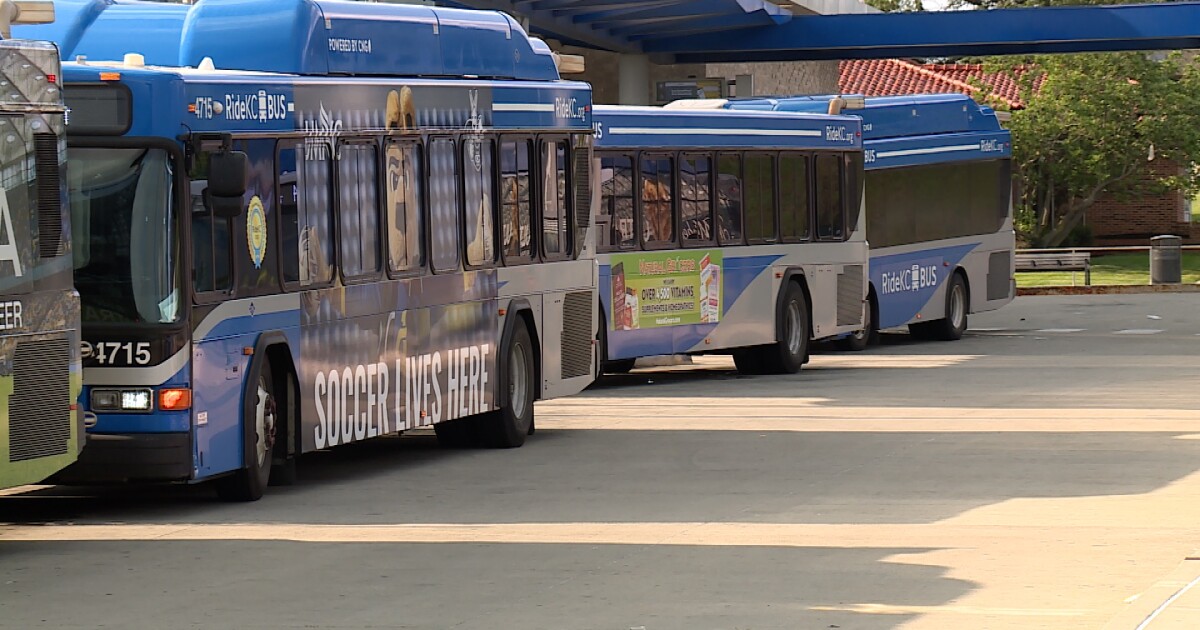
Tens of thousands of people have been using the airport link, streetcar and the buses to get around Kansas City. The city poured millions of dollars into building up its public transit infrastructure. The KCATA added more frequency to bus transit lines and the streetcar, pushing more fans to use public transportation during the tournament.
Brian Luton
“With the World Cup here, I was able to exercise using the streetcar more frequently and that was really fun,” Trish Luancing said. “It wold be nice to not have to drive everywhere and not have to worry about parking.”
But thousands have been relying on public transit for years, regardless of what event was in town.
“It’s been busier since the World Cup,” Jeffrice Jackson, a bus rider, said. “It’s been smooth sailing.”
The KCATA added streetcar ‘bus bridge’ links, extended bus service hours and increased frequency on East-West routes to link riders to the streetcar. It’s benefited both travelers and commuters.
Brian Luton
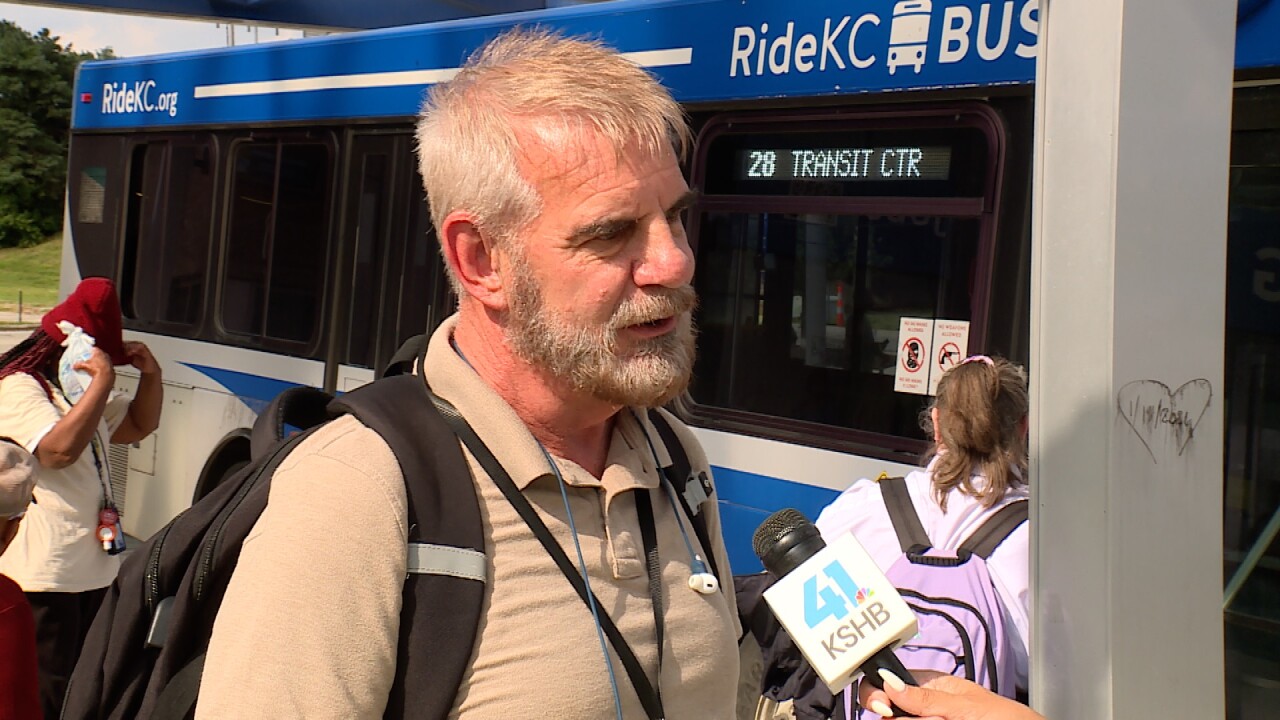
“[Service] has been more consistent with the World Cup than it was previously,” Jerry Breault, a rider said. “We were missing buses or routes because there weren’t enough drivers to drive that route.”
But the add-on’s stop on Sunday, July 12. If the transit authority can’t find more money, more than a dozen routes will be cut, potentially impacting more than 8,000 riders.
“It’s a little frustrating,” Breault said. “A lot of us rely on it just to get back and forth to work, to take care of our daily needs. It looks like we may be having to find alternatives and we’re not very happy about that.”
The KCATA will potentially suspend these weekday and weekend routes by September:
Weekday Route Eliminations:
- 9 – 9th Street, 365 average weekday ridership
- 21 – Cleveland Antioch, 512 average weekday ridership
- 23 – 23rd Street, 266 average weekday ridership
- 25 – Troost Local, 1,460 average weekday ridership
- 27 – 27th Street, 422 average weekday ridership
- 57 – Wornall, 411 average weekday ridership
- 71 – Prospect Local, 464 average weekday ridership
Weekend Route Eliminations:
- 9 – 9th Street, 349 average weekend ridership
- 21 – Cleveland Antioch, 312 average weekend ridership
- 23 – 23rd Street, 312 average weekend ridership
- 25 – Troost Local, 1,431 average weekend ridership
- 27 – 27th Street, 455 average weekend ridership
- 57 – Wornall, 595 average weekend ridership
- 71 – Prospect Local, 982 average weekend ridership
Bus fares came back earlier this summer to offset some of the operation costs, but many have reported issues with the free fare cards and eligibility.
“There’s always funding challenges with the KCATA,” Kansas City, Missouri, Mayor Quinton Lucas said. “How are the fare re-institutions working right now?”
Brian Luton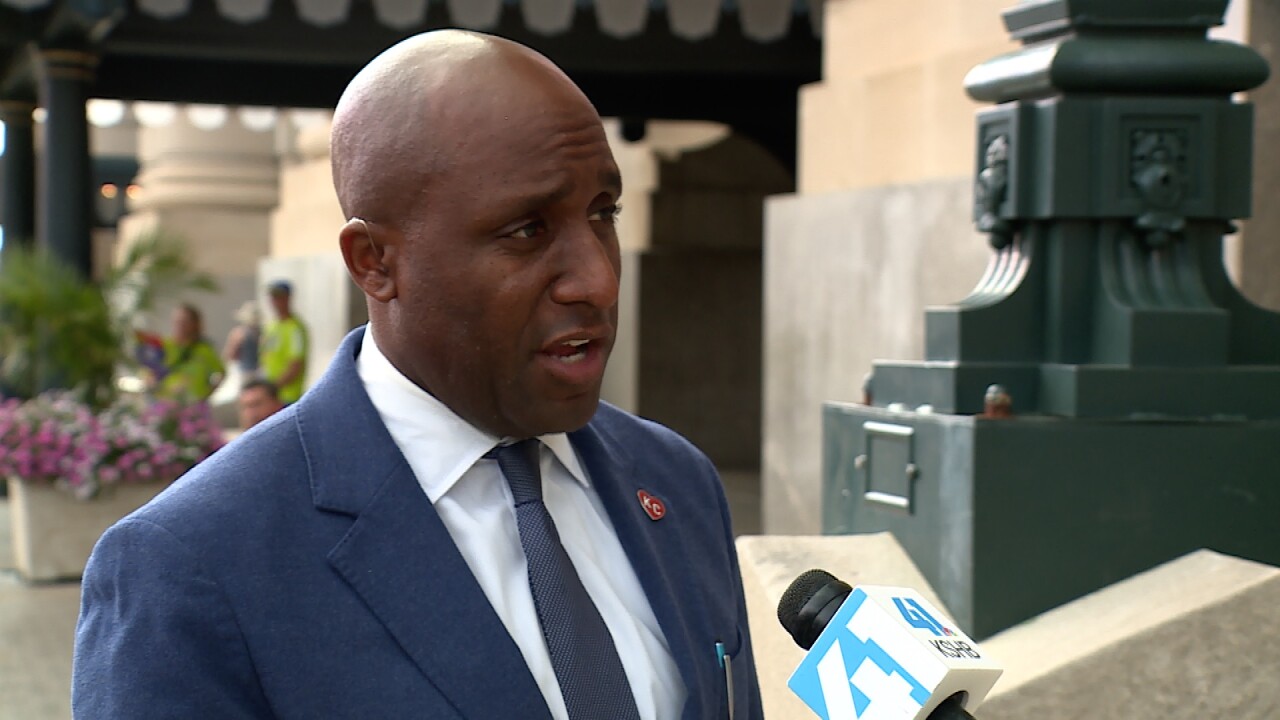
Mayor Lucas told KSHB 41 News Reporter Isabella Ledonne the transit improvements implemented for the World Cup “should continue,” and there are plans to talk with the KCATA commissioners to “make it work”.
“KCATA cannot just be Kansas City supported alone forever,” Mayor Lucas said. “Our approach and our preference is that the region got to see how much they would like [expanded service] during the World Cup. It was always intentional that if they liked it, maybe they would invest and maybe they would want this thing to go further.”
That’s good news to the thousands of daily riders.
Brian Luton
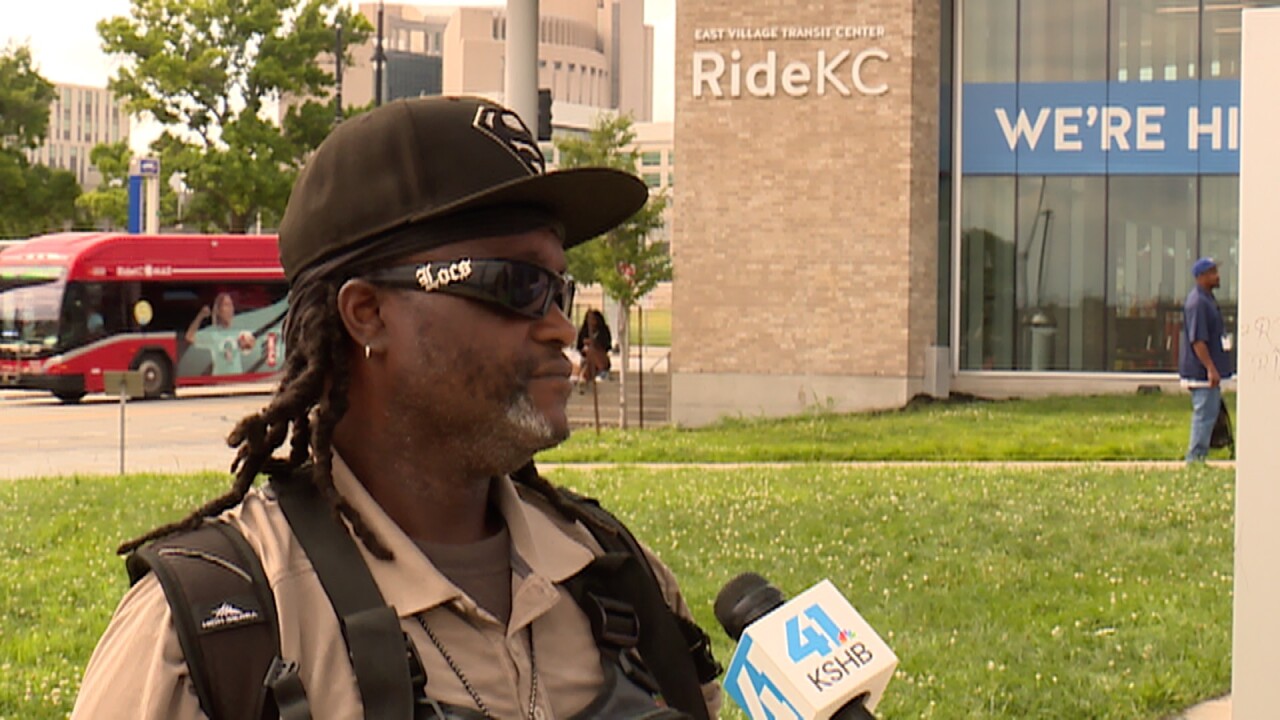
“I think it’s good because it helps people get around if they need to get around,” Jackson said.
The KCATA did not make themselves available for an interview.
—
-
 Politics5 minutes ago
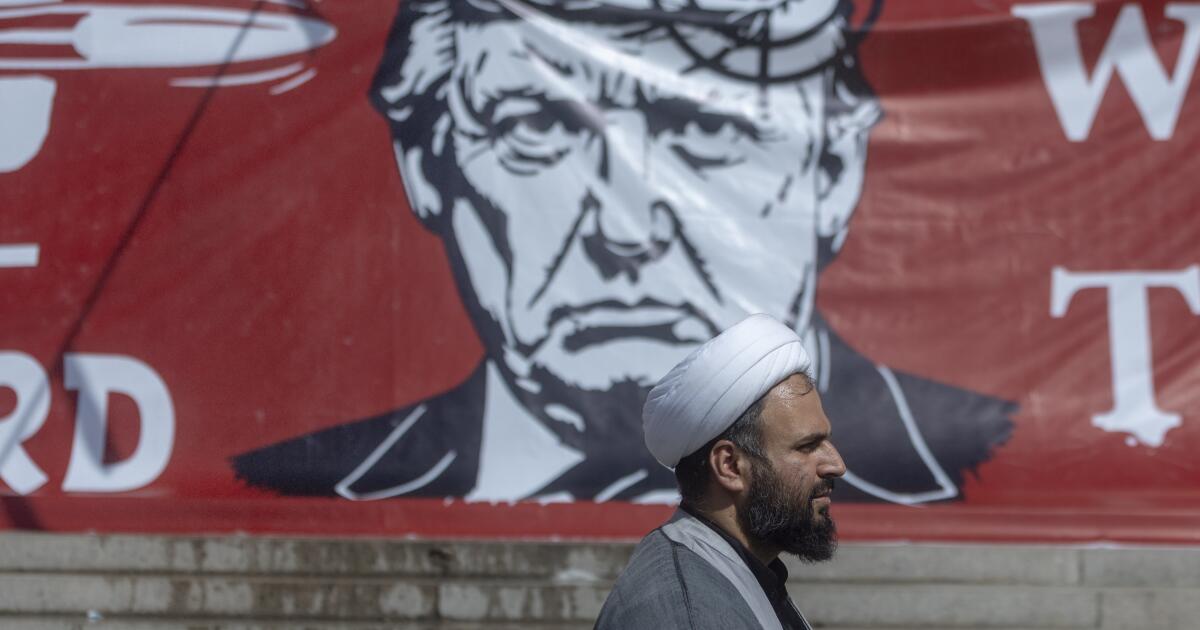
Assassinations unleashed under Trump haunt Iran war endgame
-
 Sports13 minutes ago
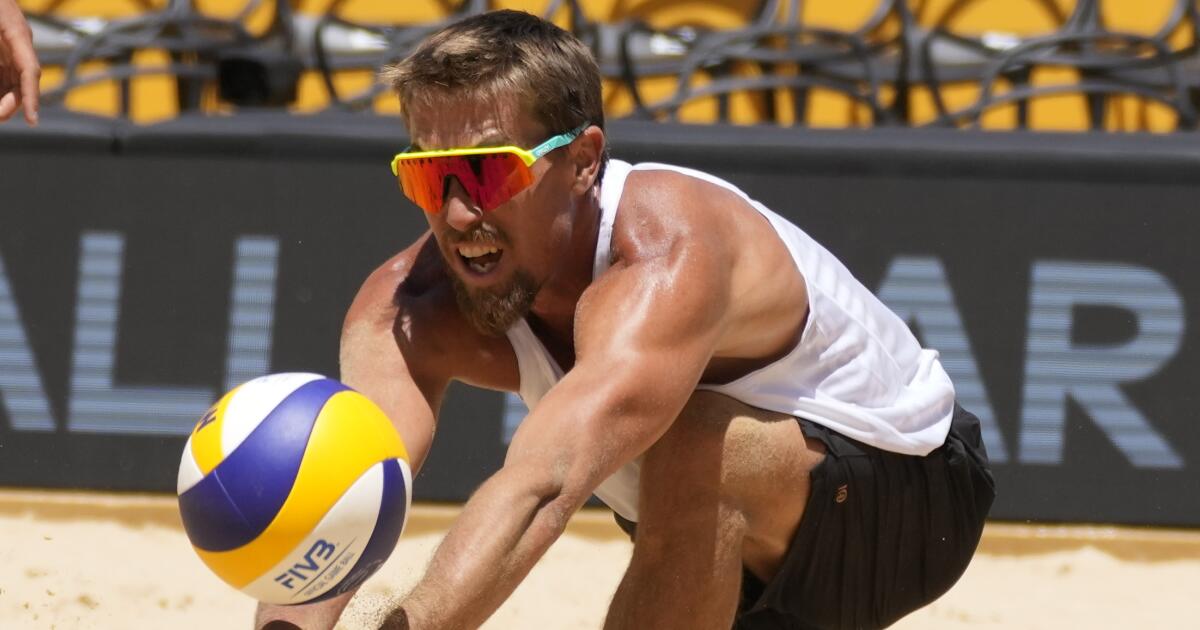
Q&A: Partner, chance to play in Long Beach reignited AVP star Taylor Crabb’s Olympic fire
-

 World23 minutes ago
Moldova president nominates pro-European businessman Tofan for PM
-

 News50 minutes ago
US congressman says he was detained by armed Israeli settlers in occupied West Bank
-

 Los Angeles, Ca2 hours ago
New details emerge in fatal stabbing of boy in El Monte
-

 Detroit, MI3 hours ago
1 dead, 1 injured after two-vehicle crash at Collingwood and Belleterre in Detroit
-

 San Francisco, CA3 hours ago
4 arrested, 3 cited after brawl following Giants vs. Rockies game at Oracle Park
-

 Dallas, TX3 hours ago
Mark Cuban takes legal action against Dallas Mavericks ownership over potential new arena deal

