Illinois
Brad Underwood finally mastered Illinois’ winning formula


Happy Friday, Illinois Land!
Instead of doing the usual column with post-Thanksgiving word puns involving side dishes and jokes about turkeys, I will use my time to point out a few things that I now know about college basketball in 2025, and the place that Illinois occupies inside of that stratosphere.
I will also discuss where Illinois fits into the landscape of the Big Ten. I think you’ll like how I see that unfolding. My pending Big Ten Analysis will highlight the lack of good depth in the conference.
It is not exactly a banner year for the Big Ten in men’s college basketball. To say the least.
Despite the fact that the Big Ten has dropped in the national landscape, and despite the fact that Illinois lost to a True Elite in 2025 against Alabama in Birmingham by double digits, it’s great beyond words to have a head basketball coach leading your program playing basketball the way it needs to be played at this present date.
Brad Underwood has turned Illinois into a National Program. Do not confuse this with being a national powerhouse.
As I see it, here are the five levels of Illinois basketball. National Championship Contender can replace Blue Blood for Illinois. There was no way for me to get in a shot at Indiana and its fans unless I constituted it this way.
For reference: Indiana is now No. 61 in KenPom (76 in OER, and 51 in DER). I was told that they are the conference favorite. I was also told Illinois cannot play defense. More on this in a bit.
- Conference Bottomfeeder (Year 1-2): 26-39 in his first two seasons, 11-27 in the Big Ten. I would call this 1990s Era coaching. Up the line, full court pressure, etc.
- Respected NCAA Tournament Team (Year 3+): This will be five-straight non-bubble NCAATs for Underwood, six if you count the COVID-19 cancellation of 2020.
- Big Ten Power (Year 3+): In turn, this makes you a Final Four contender on semi-annual basis, at a minimum. I don’t mean make a Final Four, but be a Top Four seed. No one believes that NC State had a better season than Illinois last year.
- National (and International) Program (Year 4+): Playing games on CBS on Thanksgiving by request, re-hiring arguably the country’s top assistant coach (Orlando Antigua), signing two potential lottery picks from two countries outside the United States. I could go on, but I won’t. You get it.
:no_upscale()/cdn.vox-cdn.com/uploads/chorus_asset/file/25764337/2186703590.jpg)
- Blue Blood (Never): This outdated term continues to keep Indiana fans from jumping off the nearest bridge for the last three-plus decades. Illinois will never be here. UCONN can’t get into the club with six National Championships since 1999.
Having said that, I’m going to say this.
John Calipari is in the Naismith Memorial Basketball Hall of Fame. He has taken three different programs to the Final Four: Massachusetts, Memphis and Kentucky. He is an all-time great coach with a dazzling record (814-260, for a .758 winning percentage).
Calipari won an NCAA Tournament and cut down the nets in 2012, his third year in Lexington leading the Cats. He was outstanding at Kentucky (410-123), winning games at a .769 clip during his 15-year tenure.
He inexplicably missed the NCAA Tournament twice, going just 9-16 in 2021. His last three years, Kentucky lost 30 games and twice in the NCAAT to vastly inferior teams against No. 15 St. Peter’s and last year against No. 14 Oakland.
:no_upscale()/cdn.vox-cdn.com/uploads/chorus_asset/file/25764338/2186703567.jpg)
Please read the words I type. Do not create a false narrative around comparing Calipari and Underwood, in totality.
Underwood certainly has not had the career of Calipari — it’s not close — nor will he likely end up in the Hall of Fame anywhere outside of Champaign. Not impossible, but not likely.
Looking to the future, it’s clear which coach of the pair from the Thanksgiving matchup in Kansas City has the brighter future. This isn’t close, either.
While Underwood’s Illini blitzed Arkansas with a barrage of threes, high ball screens and floor spacing for play makers, Calipari and Kentu…Arkansas…had a plan “to attack the rim all game,” according to Calipari post-game.
Arkansas ATTEMPTED 17 threes. Illinois MADE 15. Illinois was +30 in in this category.
Frees (points at the free throw line) and threes (points behind the arc) is something I look at during every halftime, and after every game.
Illinois was +29 in this category. BU’s squad scored 90 points on the elite Arkansas defense, which was ranked No. 8 in KenPom DER prior to the contest.
The Illini had 60 of their 90 points (67.7%) of their points on Frees and Threes. Check on this stat every game that Underwood and Illinois play the entirety of the season. It will likely tell the story.
Factor in 2P% defense and you can get the winner of every game Illinois plays this year. The defensive strategy of Illinois is to defend the bucket and the arc. Despite giving a bucket full to Alabama in the lone loss (100-87), Illinois is currently No. 21 in DER.
Let’s take a look at pace of play, and how it affects efficiency, from a large scale perspective. What Illinois is doing is hard to copy.
For that matter, the Illinois offense is now No. 18 in OER (Offensive Efficiency Rating). Of the top 21 in DER on KenPom, Illinois has the FASTEST tempo, at No. 36.
:no_upscale()/cdn.vox-cdn.com/uploads/chorus_asset/file/25764339/2186694659.jpg)
In summary, Illinois plays in the Top 10% in pace of play and ranks even better in efficiency at both ends. It’s not only extremely difficult to do, but largely unnecessary.
When you play fast and efficient on offense, defense lessens in importance in direct correlation with how more efficient your offense can be. In short, play fast and good on offense and you outscore your opponent and win based on simple math.
Here are the avearages for defensive and offensive efficiency. The lower the number, the faster the pace.
Top 5 DERs in terms of pace average: 260.6
Top 5 OERs in terms of pace average: 66.8
Illinois pace of play: 36 (Top 21 in both DER and OER)
I know it’s a lot of numbers. I get it. Underwood has embraced the numbers game and turned Illinois from a Big Ten Bottomfeeder to a National Program.
You may not like it, but you’re gonna learn to love it.
Please take The Scientific Poll.
Poll
What is the win ceiling for Illinois men’s basketball in 2024-25?
This is threes and frees. This is creating space. This is the winning formula.
This is Illinois Basketball.



Illinois
The 595 high school softball players named 2026 all-state by the Illinois Coaches Association

The Illinois Coaches Association announced its all-state softball teams for the 2026 spring season.
A total of 595 athletes were named to the annual honor teams. Here are the teams, split by class and each of the first, second and third teams.
In all, 93 players were named first team; 271 made second team; and 231 made third team.
2026 Illinois Coaches Association all-state softball team
2026 ICA Class 1A first team
- Sophie Monts, Arthur-Lovington-Atwood-Hammond, Pitcher/Infielder, Junior
- Linny Corzatt, Biggsville West Central Heat, Pitcher/Infielder, Freshman
- Ava Goble, Casey-Westfield, Pitcher, Senior
- Lucy Moore, Casey-Westfield, Infielder, Senior
- Morgan Russell, Catlin, Pitcher/Infielder, Junior
- Leah Crompton, Christ Our Rock Lutheran, Catcher/Infielder, Junior
- AJ Howarth, Dakota, Pitcher, Junior
- Byrkleigh Kraft, Deer Creek-Mackinaw, Infielder, Senior
- Curin Oberman, East Dubuque, Pitcher/Infielder, Junior
- Grace Bishop, Edwards County, Catcher/Infielder, Senior
- Sarah Gurley, Elgin St. Edward, Catcher/Infielder, Junior
- Zoe Kunau, Fulton, Outfielder, Junior
- Maddie Simms, Gardner-South Wilmington, Pitcher/Infielder, Senior
- Maggie Clutts, Goreville, Utility, Freshman
- Kaydi Miller, Havana, Catcher, Senior
- Sara Finn, Illini Bluffs, Catcher, Senior
- Morgan Fleming, Le Roy, Infielder, Senior
- Jacey Hageman, Le Roy, Pitcher, Junior
- Shelby Renfro, Macon Meridian, Infielder, Senior
- Hunter Hopkins, Marquette (Ottawa), Infielder, Junior
- Kelsey Curchra, Marquette (Ottawa), Catcher, Junior
- Addison Lucht, Milford/Cissna Park, Infielder, Senior
- Kendra Kingsby, Milledgeville, Pitcher/Infielder, Senior
- Jaycie Buss, Okawville, Outfielder, Sophomore
- Mylee Tracy, Triopia, Pitcher, Senior
- Elyssa Schoenbaechler, Waltonville-Sesser Valier, Pitcher/Infielder, Junior
2026 ICA Class 1A second team
Samantha Abate (Pecatonica, Sr., Catcher); Kendra Alumbaugh (Hutsonville/Palestine, Fr., Infielder); Allie Anderson (Morrison, Sr., Catcher); Brynna Anderson (Henry-Senachwine, Jr., Infielder); Allie Brant (Orangeville, Fr., Pitcher/Outfielder); Kynlee Bryan (Goreville, Fr., Pitcher/Infielder); Zoey Carlson (Newark, Fr., Catcher/Outfielder); Cambell Casteel (Ridgewood, Fr., Pitcher/Infielder); Brynn Christensen (Gardner-South Wilmington, Fr., Pitcher/Infielder); Jaci Derringer (Athens, Jr., Catcher/Infielder); Izzy Dodd (Villa Grove, Sr., Infielder); Chloe Eeten (Illini Bluffs, Sr., Infielder); Brookelyn Eilerman (Carrollton, Jr., Pitcher/Infielder); Cora Ellison (Illini Bluffs, Sr., Pitcher/Infielder); Bella Fasolo (Pope County, Sr., Infielder/Outfielder); Mya Friese (Windsor-Stewardson-Strasburg, Jr., Pitcher/Outfielder); Gabriela Frye (Casey-Westfield, So., Infielder/Outfielder); Kerby Germann (Fulton, Fr., Infielder); Audrey Gooding (St. Thomas More, Sr., Infielder); Leah Graves (Fisher, Jr., Pitcher/Infielder); Allison Groff (Edwards County, Sr., Pitcher); Jade Hammer (Eastland, Fr., Pitcher); Addi Hasheider (Okawville, Jr., Outfielder); Cheyenne Hayes (Grant Park, Sr., Pitcher/Infielder); Kendra Hayes (Windsor-Stewardson-Strasburg, Jr., Pitcher/Infielder); Becca Hinshaw (Biggsville West Central Heat, Jr., Outfielder); Nia Hooper (Yorkville Christian, So., Catcher/Outfielder); Analiese Howell (Marissa/Coulterville, So., Pitcher/Infielder); Ella Humphrey (Ridgewood, So., Outfielder); Chandler John (Liberty, Jr., Pitcher/Infielder); Weslee John (Liberty, Fr., Catcher/Infielder); Adelaide Johnson (Newark, Jr., Infielder/Outfielder); Schae Juenger (Okawville, Jr., Pitcher); Anna Karras (Casey-Westfield, Jr., Outfielder); Grace Kendall (Aurora Christian, Sr., Pitcher/Infielder); Bella Keyes (Dakota, Sr., Outfielder); Autumn Kinney (Dakota, So., Catcher); Megan Kirby (Payson-Seymour, Sr., Infielder); Piper Kiser (Villa Grove, Sr., Pitcher/Outfielder); Kylie Kloess (Dupo, So., Pitcher/Infielder); Anicka Kraft (Orangeville, Sr., Infielder); Lydia Kwiatkowski (Goreville, Jr., Outfielder); Mia McCombs (Triopia, So., Outfielder); Julia Meisenhelter (Macon Meridian, Sr., Catcher); Collins Newton (Carrollton, Fr., Catcher); Alaina Nolan (Elgin St. Edward, Sr., Pitcher/Infielder); Claire Obert (Liberty, Jr., Infielder); Lucy Oetting (Newman Central Catholic, Sr., Infielder); Adri Ortega (Crab Orchard, So., Pitcher); Jessa Read (Fulton, Sr., Pitcher); Sophie Rennecker (Western Wildcats, So., Pitcher/Infielder); Karsyn Rico (Annawan-Wethersfield, Sr., Infielder); Ava Rodriguez-Mansholt (Pawnee, Sr., Infielder); Addison Roos (Blue Ridge, Jr., Catcher/Infielder); Kinnley Ross (Milledgeville, So., Catcher); Bella Schachette (Morrison, Sr., Outfielder); Ashley Schelling (Macon Meridian, Sr., Pitcher); Nellie Smith (Le Roy, Jr., Outfielder); Addi Stanley (Waltonville-Sesser Valier, Fr., Catcher); Adalynn Stickel (Midland, Jr., Pitcher); Miley Stimpson (Biggsville West Central Heat, Jr., Pitcher/Infielder); Shae Taylor (Waltonville-Sesser Valier, So., Infielder); Addilyn Tracy (Triopia, So., Pitcher/Outfielder); Evie Twohig (Woodlands Academy of the Sacred Heart, Jr., Infielder); Briley Williams (Waltonville-Sesser Valier, Fr., Infielder/Outfielder); Sarah Winter (Scales Mound/River Ridge, Sr., Infielder); Zoey Wolf (Steeleville, Sr., Catcher); McKenna Woodcock (Dwight, So., Catcher/Infielder).
2026 ICA Class 1A third team
Adrianne Baker (Stockton/Warren, Sr., Catcher); Finley Banks (Dakota, Sr., Infielder); Taylor Beck (Gibson City-Melvin-Sibley, Sr., Infielder/Outfielder); Ellie Bolen (Pecatonica, Sr., Infielder); Jada Burnett-Hatton (Crab Orchard, Sr., Pitcher/Infielder); Rylie Carlson (Newark, So., Infielder/Outfielder); Laila Carr (Le Roy, Sr., Catcher); Savannah Chandler (St. Teresa, Fr., Infielder); Belle Curley (Fulton, Sr., Outfielder); Ava Duncan (Morrison, Jr., Pitcher); Lily Elston (Tremont, Sr., Infielder); Tori Elvidge (Raymond Lincolnwood, Jr., Pitcher); Avery England (Woodlawn, Sr., Catcher/Infielder); Kacie Fritch (Pope County, Fr., Pitcher/Infielder); Rudy Gilbert (Deer Creek-Mackinaw, So., Infielder); Brynn Griffin (Hutsonville/Palestine, Sr., Outfielder); Kadence Hammer (Orion, Sr., Catcher/Infielder); Natalie Harshbarger (Knoxville, Sr., Pitcher/Infielder); Riley Hazelwonder (Central A&M, So., Pitcher/Infielder); Taylor Heath (Dwight, Sr., Pitcher/Infielder); Lilly Higgins (Biggsville West Central Heat, So., Infielder); Christa Holohan (Watseka, Sr., Infielder); Bridget Hooper (Yorkville Christian, Sr., Pitcher/Infielder); Avery Humphrey (Ridgewood, So., Infielder); Olivia Jones (Blue Ridge, Fr., Pitcher/Infielder); Brooke Kintner (Oblong, So., Infielder/Outfielder); Morgan Knierim (Macon Meridian, So., Outfielder); Hadley Lake (Carrollton, Fr., Infielder); Mackenzie Lotz (Pearl City, Jr., Pitcher); Ella Mack (Gardner-South Wilmington, Jr., Infielder); Hayden McMurtrie (Carrollton, Jr., Infielder); Brynlee McQuay (Western Wildcats, Sr., Infielder); Corinne Mueller (Steeleville, So., Pitcher); Mckenzie Nutter (Illini Bluffs, Sr., Outfielder); Mackenzie Peck (Ridgewood, Jr., Catcher/Infielder); Kendall Pemberton (Elgin St. Edward, Sr., Infielder); Payten Perry (Marissa/Coulterville, Jr., Catcher/Infielder); Jada Reed (Orangeville, Sr., Outfielder); Kinley Rick (Marquette-Ottawa, So., Pitcher); Ella Rigg (ROWVA-Williamsfield, Sr., Catcher); Tegan Rigg (West Prairie-Southeastern, Jr., Infielder); Addison Scherer (Earlville, Jr., Pitcher/Infielder); Kayla Scheuber (Gardner-South Wilmington, Sr., Catcher); Hayden Thomas (Villa Grove, Sr., Outfielder); Kennedy Trieb (Marissa/Coulterville, Jr., Pitcher/Infielder); Gianna Vance (Newman Central Catholic, So., Pitcher/Infielder); Loryn White (Western Wildcats, Sr., Pitcher/Outfielder); Sophie Winkeler (Gibault Catholic, Sr., Pitcher/Outfielder).
2026 ICA Class 2A first team
- Ava Balestri, St. Bede Academy, Infielder, Senior
- Colbie Bennet, Carterville, Infielder, Senior
- Kelly Cahill, IC Catholic Prep, Catcher, Junior
- Gabby Christopher, Marengo, Infielder, Senior
- Christine Chmiel, Marian Central Catholic, Pitcher, Senior
- Anna Craig, Anna-Jonesboro, Infielder, Senior
- Aubrie Dornink, North Boone, Pitcher/Infielder, Freshman
- Sawyer Drury, Brimfield-Elmwood, Pitcher, Senior
- Lauren Durako, Bloomington Central Catholic, Outfielder, Sophomore
- Taryn Ford, Carterville, Pitcher, Senior
- Kaiya Hildreth, Stillman Valley, Pitcher/Outfielder, Freshman
- Makenzie Johnson, Beecher, Outfielder, Senior
- Leah Jones, Flora, Infielder, Senior
- Tessa Krull, Seneca, Pitcher, Senior
- Hannah Louis, Williamsville, Pitcher/Infielder, Freshman
- Taylor Norkus, Beecher, Pitcher, Senior
- Avah Oertel, Princeton, Infielder, Junior
- Julia Ohlau, Red Bud, Pitcher/Outfielder, Junior
- Brooklyn Peterson, Riverdale (Port Byron), Catcher, Sophomore
- Hayden Pfeifer, Seneca, Pitcher, Junior
- Cadence Phillips, Carterville, Pitcher, Senior
- Lexi Russ, IC Catholic Prep, Infielder, Junior
- Molly Southall, Wilmington, Outfielder, Senior
- Aubrey Vogel, PORTA, Infielder, Senior
- Lynn Welborn, Marshall, Infielder, Senior
- Kenzie Wieland, Sacred Heart-Griffin, Pitcher/Infielder, Junior
2026 ICA Class 2A second team
Lilli Armes (Johnston City, Sr., Catcher); Lainey Bellas (Bloomington Central Catholic, So., Infielder); Kendyl Binder (Brimfield-Elmwood, Jr., Infielder); Timera Blackburn-Kelley (St. Joseph-Ogden, Sr., Outfielder); Kennedy Bowker (Pana, Sr., Outfielder); Lily Bosnich (St. Bede Academy, Sr., Infielder); Joharah Boze (Illinois Valley Central, Jr., Infielder); Josie Brannon (Roxana, So., Infielder); Bevin Brummel (Pontiac, So., Outfielder); Peyton Chappelear (Hillsboro, Jr., Infielder); Ava Cherry (Roxana, Sr., Outfielder); Kendall Cleland (Pinckneyville, Jr., Infielder); Katie Cox (Riverdale-Port Byron, Sr., Infielder); Kyah Creek (Prairie Central, Sr., Infielder); Dani Jo Currier (Kewanee, Jr., Infielder); Rylee Dare (Eureka, Jr., Pitcher); Elizabeth Davis (Genoa-Kingston, Sr., Infielder); McKenzie Davis (Marshall, Jr., Catcher/Infielder); Rhaya DePaolo (Bishop McNamara, Jr., Infielder); Maddy Dinino (IC Catholic Prep, Sr., Pitcher/Outfielder); Joslynn Dole (Bishop McNamara, So., Pitcher); Lucy Eicholz (North Boone, Fr., Infielder); Madisyn Eikenberry (Rock Falls, Fr., Outfielder); Danika Eisenmenger (Unity, Jr., Pitcher/Outfielder); Lauren English (Marshall, Jr., Infielder/Outfielder); Emersyn Fleming (Illinois Valley Central, Jr., Pitcher); Gabby Frye (Olympia, Sr., Pitcher); Reese Frye (Unity, Jr., Infielder); Maggie Geuvens (Eureka, Sr., Infielder); Savannah Gibb (Carterville, Sr., Outfielder); Aubrie Goudreau (Manteno, Sr., Catcher/Infielder); Kyla Gustafson (Marshall, Jr., Pitcher); Madison Hackett (Auburn, Fr., Catcher/Infielder); Olivia Heigert (Williamsville, Fr., Pitcher/Infielder/Outfielder); Malea Helmink (Teutopolis, Sr., Infielder); Eva Hermann (Robinson, Sr., Pitcher); Riley Hershey (Mt. Carmel, Jr., Infielder); Riley Holloway (New Berlin, Sr., Infielder); Hadley Hunt (Harrisburg, Sr., Outfielder); Gianna Iovinelli (Marengo, Jr., Outfielder); Gwyneth Jindra (Westmont, So., Pitcher/Infielder/Outfielder); Madison John (Roxana, Jr., Infielder); Alex Jokisch (Shelbyville, Sr., Catcher); Addison Jones (Auburn, Jr., Catcher/Infielder/Outfielder); Khloe Kearns (Beardstown, So., Pitcher); Ella Keene (Pinckneyville, Sr., Pitcher/Infielder); Lyla Keepes (Mt. Carmel, Jr., Pitcher); Chloe Kinkade (Herscher, Sr., Catcher/Infielder); Halle Kitley (Flora, Sr., Pitcher/Outfielder); Sophia Klawitter (Peotone, Sr., Pitcher); Courtney Krause (Pontiac, Fr., Pitcher/Outfielder); Rebecca Lanz (Richmond-Burton, Sr., Catcher); Keely Lawson (Princeton, Sr., Outfielder); Lainey Lessman (Hillsboro, So., Pitcher/Infielder); Kylynn Maltby (Beardstown, Sr., Catcher); Corina Maratea (Aurora Central Catholic, Sr., Pitcher); Maren Milton (Tri-Valley, So., Infielder); Emma Mino (Seneca, Jr., Infielder); Makenzy Moran (Sherrard, Sr., Catcher); Delaney Murphy (Pleasant Plains, Sr., Catcher/Outfielder); Sydney Musial (Stillman Valley, Jr., Infielder); Macayla Nance (Anna-Jonesboro, So., Pitcher); Jayci Needling (Anna-Jonesboro, Sr., Infielder); Khloe Osborne (North Boone, So., Catcher); Charley Perkins (Rockridge, Sr., Outfielder); Khloe Picard (Coal City, Sr., Catcher); Macee Pickering (Kewanee, Jr., Catcher); Sadie Popejoy (Nashville, Fr., Pitcher/Infielder); Peyton Purves (Rochester, Jr., Catcher); Irene Rangel (Oakwood/Schlarman, Jr., Pitcher/Infielder/Outfielder); Wynn Renkes (Erie-Prophetstown, Jr., Pitcher/Infielder); Danika Saddoris (Riverdale-Port Byron, Sr., Pitcher); Brianna Schlapkohl (Rockridge, Fr., Pitcher/Infielder); Laci Schuckenbrock (Gillespie, Jr., Infielder); Mackenzi Shere (Stillman Valley, Jr., Pitcher/Outfielder); Sadie Sholtis (Gillespie, Sr., Outfielder); Alyssa Singleton (Manteno, Sr., Outfielder); Samantha Slagel (Prairie Central, Sr., Catcher); Emma Slingsby (St. Bede Academy, Sr., Outfielder); Angela Smith (Nashville, Fr., Catcher); Taylor Stefancic (Wilmington, Sr., Infielder); Cassidee Stoffel (Monticello, Sr., Pitcher/Infielder); Alyssa Tipton (Teutopolis, Sr., Pitcher); Taylor Valangeon (Westville, So., Pitcher); Aubrey Waeltz (Freeburg, Jr., Pitcher); Morgan Vaghy (Aurora Central Catholic, Sr., Infielder); Ava Wagner (Red Bud, Sr., Outfielder); Keeley Walsh (Wilmington, Jr., Infielder); Sadie Grace Walsh (Monticello, Sr., Infielder); Jaelynn Watts (Rochester, Sr., Pitcher); Emily Webb (Columbia, Sr., Pitcher); Zoey Whittaker (Tri-Valley, Sr., Catcher); Payton White (Greenville, So., Pitcher/Outfielder); Sophia White (Quincy Notre Dame, So., Outfielder); Kimmy Whitlock (Johnsburg, Sr., Infielder); Emma Wombles (Pittsfield, Jr., Pitcher); Grace Wuest (Beecher, So., Infielder); Ariani Zito (IC Catholic Prep, Jr., Infielder).
2026 ICA Class 2A third team
Macey Alexander (Murphysboro, Sr., Catcher/Infielder); Mackenzie Barton (Illinois Valley Central, Jr., Catcher/Infielder/Outfielder); Ellie Beachum (East Alton-Wood River, So., Pitcher/Infielder); Isabelle Berg (Oregon, So., Pitcher); Grace Bickers (Unity, Jr., Catcher); Emilee Black (Rockridge, So., Catcher); Ava Brown (Harrisburg, Jr., Catcher); Madison Bruns (Pinckneyville, Sr., Catcher/Infielder); Molly Carriker (Carlinville, Fr., Catcher/Infielder); Haylee Clark (Greenville, Sr., Infielder); Makaylynne Correa (Canton, Sr., Infielder); Lexie Dallinger-Eaker (Peoria Notre Dame, So., Pitcher/Infielder); Madelyn David (Rockridge, Sr., Infielder); Izabella DeLost (Canton, Jr., Infielder); Madison Dickerson (Herrin, So., Infielder); Mady Dye (Manteno, Fr., Pitcher/Infielder); Nina Egizio (Wilmington, Jr., Infielder); Kennadie Finchum (Olympia, Jr., Catcher); Makayla Gajewski (Nashville, Jr., Infielder); Kalleigh Gale (Kewanee, Sr., Pitcher); Sophia Gengler (Pittsfield, Jr., Infielder); Hallie Gibson (Carlinville, Sr., Pitcher); Rebecca Gonzalez (Horizon Science Academy, Jr., Pitcher/Infielder); Ruby Gregurich (Richmond-Burton, Fr., Infielder/Outfielder); Regan Heubner (PORTA, So., Catcher/Infielder/Outfielder); Remy Hicks (Kewanee, Jr., Outfielder); Chloe Hoene (Teutopolis, Jr., Catcher); Campbell Humphrey (Alleman, So., Outfielder); Olivia Joseph (Freeburg, Sr., Outfielder); Reagan Kelly (Westmont, Sr., Catcher/Infielder); Caroline Keutzer (Princeton, Sr., Outfielder); Thea Key (Monticello, Jr., Infielder); Ayden Klendworth (Erie-Prophetstown, Jr., Pitcher/Infielder); Peyton Kreher (Red Bud, Jr., Outfielder); Elena Kvasnicka (Beecher, Sr., Infielder); Bernie Larsen (Hall, Fr., Infielder); Reese Larson (Williamsville, Jr., Infielder); Addie Malek (Sacred Heart-Griffin, So., Outfielder); Andi Medina (Chicago Hope Academy, So., Pitcher/Catcher/Infielder); Caroline Morris (Hall, Jr., Catcher/Infielder); Anja Nelson (Brimfield-Elmwood, Jr., Outfielder); Rayleigh O’Brien (Sacred Heart-Griffin, Fr., Infielder/Outfielder); Kelsey Oakley (Warrensburg-Latham, Jr., Pitcher/Infielder); Ava Parish (Gillespie, Sr., Infielder); Emma Picco (Canton, So., Outfielder); Ella Ransom (Illinois Valley Central, So., Pitcher/Outfielder); Laken Renkes (Erie-Prophetstown, Fr., Infielder); Arielle Rich (Genoa-Kingston, Jr., Catcher); Izzy Schneider (Alleman, Sr., Infielder); Julia Schultz (Effingham St. Anthony, Jr., Catcher/Infielder); Evie Sellers (Mt. Carmel, Jr., Infielder); Jayda Shepard (Anna-Jonesboro, Sr., Outfielder); Elle Smithers (Williamsville, Jr., Infielder); Macy Strauch (St. Bede Academy, Jr., Pitcher/Infielder); Nat Thomson (Mercer County, Sr., Catcher/Infielder); Aeralyn Thrasher (Sullivan, Sr., Pitcher/Infielder); Courtney Troutt (North Boone, Sr., Pitcher); Maddie Walker (Harrisburg, Jr., Pitcher); Savanna Watkins (Manteno, So., Catcher/Infielder); Lucy Wegner (Sacred Heart-Griffin, Jr., Infielder); Madelyn Weiland (Bishop McNamara, So., Outfielder); Makensie Westfall (Sherrard, So., Pitcher); Ellie White (Marengo, Sr., Pitcher/Infielder); Adelina Wilson (Chicago Hope Academy, Jr., Infielder/Outfielder); Daylin Zaayer (Westville, Jr., Infielder).
2026 ICA Class 3A first team
- Samantha Hillner, Antioch, Infielder, Senior
- Pearl Wenzel, Antioch, Pitcher, Freshman
- Avery Beals, Charleston, Outfielder, Senior
- Sutton Centoni, Dunlap, Pitcher, Senior
- Lexi Hamer, Dunlap, Outfielder, Junior
- Gracie Ahrens, East Peoria, Infielder, Junior
- Sofia Kateeb, Fenwick, Pitcher, Sophomore
- Ryleigh Kiel, Glenwood, Outfielder, Senior
- Irie Lohrenz, Glenwood, Pitcher, Senior
- Addy Rizzatto, Joliet Catholic, Infielder, Senior
- Taylor Vescogni, LaSalle-Peru, Pitcher, Senior
- Claire Podrebarac, Lemont, Infielder, Sophomore
- Addyson Wooden, Metamora, Infielder, Senior
- Halie Olson, Morris, Infielder, Junior
- Addison Rotz, Mt. Zion, Infielder, Senior
- Piper Lewis, Ottawa, Infielder, Junior
- Reese Mosolino, Prairie Ridge, Pitcher, Senior
- Angelina Cole, Providence Catholic, Outfielder, Senior
- Lauren Kennedy, St. Francis, Infielder, Senior
- Bella Jacobs, Sycamore, Pitcher, Senior
- Kairi Lantz, Sycamore, Catcher, Senior
- Addy MacGregor, Washington, Catcher, Sophomore
- Sam Juelfs, Waterloo, Infielder, Senior
2026 ICA Class 3A second team
Ashley Ellevog (Amundsen, Sr., Catcher); Tegan Schuler (Antioch, Jr., Outfielder); Claire Schuyler (Antioch, Sr., Infielder); Addison Webb (Antioch, Sr., Catcher); Ava Morris (Belvidere North, Jr., Pitcher); Lainie Keefer (Charleston, So., Catcher); Ella Arana (Crystal Lake Central, Jr., Outfielder); Riley Barda (Crystal Lake South, So., Infielder); Samara Agredano (De La Salle, Sr., Infielder); Addison Duncheon (East Peoria, So., Pitcher); Alex Purta (Fenwick, Jr., Infielder); Quinn Krzeminski (Freeport, Sr., Catcher); Clara Lyons (Geneva, So., Infielder); Kendyl Wassenhove (Geneseo, Jr., Pitcher); Evangeline Dupuis (Glenbard South, Jr., Infielder); Hope Gilmore (Glenwood, Jr., Infielder); Jemma Lamb (Glenwood, Fr., Outfielder); Autumn Aliff (Grayslake Central, Jr., Outfielder); Kate Davies (Grayslake Central, Sr., Catcher); Madison Kossakowski (Kaneland, Jr., Outfielder); Makenzie Chamberlain (LaSalle-Peru, Jr., Catcher); Anna Riva (LaSalle-Peru, Sr., Infielder); Mila Mardjetko (Lemont, So., Pitcher); Jessica Pontrelli (Lemont, Sr., Infielder); Evelyn Ayala (Marian Catholic, Fr., Infielder); Alana Bryant (Marion, Sr., Pitcher); Avery Boehm (Mascoutah, Sr., Outfielder); Carra Craig (Metamora, Sr., Outfielder); Cameron Fox (Montini, So., Pitcher); Aubrey Raffen (Montini, Jr., Infielder); Mylie Hughes (Morris, Sr., Pitcher); Aubrey McConnell (Morris, Fr., Catcher); Chloe Jacklin (Mother McAuley, Sr., Catcher); Avelynn Ethell (Mt. Zion, Jr., Catcher); Chloe Williams (Mt. Zion, Sr., Infielder); Hailee Morin (Oak Forest, Jr., Pitcher); Morgan Reczkiewicz (Oak Forest, Sr., Infielder); Teagan Darif (Ottawa, Fr., Outfielder); Addie Russell (Ottawa, Jr., Pitcher); Bella Moore (Prairie Ridge, Jr., Infielder); Ava Misch (Providence Catholic, Jr., Infielder); Macie Robbins (Providence Catholic, So., Pitcher); Ava Moreno (St. Viator, Jr., Infielder); Peyton DeMichael (Taylorville, Sr., Infielder); Leah Cruz (Tinley Park, Jr., Outfielder); Meera Sundaram (University, Sr., Infielder); Brooke Gossett (Vernon Hills, Fr., Pitcher); Payton Swanson (Washington, Jr., Infielder); Aidan Dintelman (Waterloo, Sr., Pitcher); Bella Riesing (Waterloo, So., Catcher); Madison May (Wauconda, Jr., Catcher); Kylee Nicholson (Woodstock North, Jr., Pitcher); Madalynn Nordahl (Woodstock North, Jr., Outfielder).
2026 ICA Class 3A third team
Allie Reynolds (Amundsen, Sr., Pitcher); Chloe Schadle (Belvidere North, Jr., Catcher); Lauren Shuey (Bloomington, Sr., Infielder); Paityn Ahlquist (Cary-Grove, So., Pitcher); Raylin Cox (Charleston, Jr., Infielder); Teleeana Ramirez (Crete-Monee, Sr., Infielder); Cassidy Murphy (Crystal Lake Central, Sr., Catcher); Mya Alvarez (De La Salle, Jr., Catcher); Gabby Drake (Dunlap, Sr., Catcher); Halle Reed (Dunlap, Jr., Infielder); Annika Rosecrans (East Peoria, Jr., Outfielder); Ashlyn Sweatt (East Peoria, Sr., Infielder); Molly Goyke (Evergreen Park, So., Outfielder); Shelby Izzo (Evergreen Park, Fr., Pitcher); Maggie Troglia (Evergreen Park, Jr., Infielder); Isabella Delgado (Fenton, So., Pitcher); Sophia Hollis (Fenton, Fr., Infielder); Ellie Brady (Fenwick, So., Catcher); Gianna Pescatore (Fenwick, Sr., Infielder); Penelope Kline (Geneseo, So., Infielder); Addison Snell (Geneseo, So., Infielder); Brena Dalton (Grayslake North, So., Second Base); Lillyana Crawford (Kaneland, So., Catcher); Ellie Peck (Kaneland, Sr., Pitcher); KaLeah Jackson (Kankakee, Sr., Infielder); Ariel Huerta (Kennedy, Sr., Catcher); Zoey Christian (Lakes, Jr., Catcher); Karmen Piano (LaSalle-Peru, Sr., Outfielder); Ella Phelan (Lemont, Sr., Outfielder); Grey Gilbert (Lincoln, Jr., Infielder); Paislee Freebourn (Marion, Sr., Infielder); Mercedes Smith (Marion, Sr., Infielder); Callie Kunze (Mascoutah, Jr., Catcher); Kate Cantwell (Morton, Sr., Infielder); Bobbi Snook (Ottawa, Jr., Catcher); Kylie Carroll (Prairie Ridge, Jr., Infielder); Parker Frey (Prairie Ridge, Sr., Infielder); Lauren Herbert (Rantoul, Sr., Catcher); Lilly Pedd (Ridgewood, Jr., Infielder); Alyssa Freeman (St. Francis, So., Infielder); Lily Konen (St. Francis, Sr., Infielder); Addi Armstrong (Sycamore, Jr., Infielder); Abby Harper (Triad, So., Pitcher); Annie Zbylut (Vernon Hills, Jr., Catcher); Kami Barth (Washington, Sr., Outfielder); Sophie Walker (Washington, So., Infielder); Grayce Mayer (Waterloo, Jr., Infielder); Kenzie Bowles (Woodstock, Jr., Infielder); Aly Jordan (Woodstock North, Sr., Infielder).
2026 ICA Class 4A first team
- Aubrina Adamik, Huntley, Infielder, Senior
- Jaelynn Anthony, Oswego, Pitcher, Senior
- Mackenzie Bacha, Lincoln-Way East, Infielder, Senior
- Miah Berhenke, East Moline United, Infielder, Senior
- Addison Crumly, Minooka, Infielder, Senior
- Taylor Dolecki, Schaumburg, Outfielder, Senior
- Reese Forsythe, Lincoln-Way West, Catcher, Senior
- Lydia Hammond, Bradley-Bourbonnais, Pitcher/Outfielder, Senior
- Shae Johnson, Mundelein, Pitcher, Senior
- Kayla Kersting, Yorkville, Catcher, Senior
- Taylor Lane, Lockport, Outfielder, Senior
- Molly McAnally, Glenbrook North, Catcher/Infielder, Senior
- Abi Monroe, Belleville East, Pitcher/Outfielder, Junior
- Erin Ryan, Buffalo Grove, Catcher, Junior
- Hayden Sujack, St. Charles East, Catcher, Senior
- Katie Taraschewsky, Barrington, Pitcher, Senior
- Soleil Tate, Marist, Pitcher, Junior
- Abby Zawadzki, St. Charles North, Pitcher/Infielder, Senior
2026 ICA Class 4A second team
Rylie Adams (Harlem, Sr., Pitcher); Brooklyn Barber (Lake Zurich, Fr., Infielder); Claire Bolda (Glenbard East, Jr., Pitcher); Lilly Burda (York, Sr., Infielder); Brooke Burris (Edwardsville, Jr., Outfielder); Emily Chavosky (Richards, Sr., Pitcher); Ana Cisek (Andrew, Sr., Infielder); Reese Cusack (Lincoln-Way West, Sr., Infielder); Addi Edlen (Hampshire, Jr., Infielder); Harlow Engel (Barrington, Jr., Infielder); Molly Finn (Lincoln-Way West, Sr., Infielder); Adalynn Fugitt (Oswego, So., Pitcher/Infielder); Lyla Ginczycki (Huntley, Sr., Infielder); Suzana Grosman (Fremd, Fr., Infielder); Angelina Guillen (Leyden, Sr., Outfielder); Leia Hammerschmidt (Oak Park-River Forest, Sr., Catcher); Ella Heimbuch (St. Charles North, Jr., Catcher/Infielder/Outfielder); Taylor Higham (Libertyville, Sr., Pitcher/Outfielder); Cassidy Jagielski (Lincoln-Way East, Sr., Infielder); Mea Johnson (East Moline United, Sr., Catcher); Isla Kapellas (Niles North, Jr., Pitcher/Infielder); Kaelyn Kelly (Hononegah, Jr., Infielder); Grace King (Carmel Catholic, Sr., Catcher); Julianna Kouba (St. Charles North, Jr., Infielder); Addison Kramkowski (Belleville East, Jr., Infielder/Outfielder); AJ Lincoln (Rock Island, Jr., Infielder); Jasmine Lucero (Stevenson, Jr., Infielder); Liana Maggio (Barrington, Jr., Infielder); Megan Maresco (Prospect, Jr., Pitcher); Mia Melendez (Riverside-Brookfield, So., Pitcher/Infielder); Mia Meno (Warren, Sr., Infielder); Molly Milanowski (Saint Ignatius, So., Outfielder); Avery Miller (Glenbard North, Sr., Pitcher/Infielder); Avery Miller (Naperville Central, Jr., Pitcher); Avery Moutrey (Bradley-Bourbonnais, Jr., Infielder/Outfielder); Irelyn O’Brien (Hononegah, Jr., Pitcher); Michaela Power (Taft, Sr., Pitcher/Infielder); Maddie Rogers (Marist, So., Outfielder); Isabella Rosauer (Yorkville, So., Pitcher); Alaina Rosner (Benet Academy, Jr., Catcher); Olivia Segura (Lane Tech, Sr., Outfielder); Jenna Sheehan (South Elgin, Jr., Pitcher/Outfielder); Katie Silva (Oswego East, Jr., Infielder); Emma Sommerfeld (Plainfield Central, Jr., Outfielder); Riley Story (Maine South, Jr., Infielder); Layla Termunde (Marist, So., Outfielder); Kieley Tomas (Mundelein, Sr., Outfielder); Zoe Trunk (Sandburg, Sr., Infielder); Cloe Villa (St. Laurence, Jr., Infielder); Gia Whelan (Glenbard North, Sr., Infielder); Mia Woldman (Palatine, Jr., Pitcher); Hannah Wulf (St. Charles East, Sr., Pitcher).
2026 ICA Class 4A third team
Jordan Balsavich (Downers Grove South, So., Outfielder); Anie Balta (Lincoln-Way East, Sr., Infielder); Mia Balta (Lincoln-Way East, Jr., Pitcher/Outfielder); Morgan Beers (St. Charles East, Jr., Outfielder); Piper Berry (Round Lake, So., Pitcher/Infielder); Ella Bonk (Downers Grove North, Sr., Outfielder); Abby Brueggmann (Lincoln-Way West, Sr., Pitcher); Avery Burns (Benet Academy, Fr., Infielder/Outfielder); Ava Carlson (Minooka, Jr., Infielder); Lilly Carver (Glenbard East, Jr., Infielder); Allison Coppersmith (Willowbrook, Sr., Outfielder); Audrie Corrado (Fremd, Jr., Outfielder); Janelise Cosme (ITW David Speer Academy, Sr., Infielder/Outfielder); Emily Courtney (Mundelein, Sr., Infielder/Outfielder); Jocelyn Cushard (Plainfield East, So., Pitcher); Maggie Dahlman (Bartlett, Fr., Catcher); Caylee Del Boccio (Rolling Meadows, Jr., Outfielder); Gracie Del Toro (West Aurora, Jr., Outfielder); Maggie Demopoulos (York, Sr., Infielder); Giavanna DiCiolla (Lockport, Sr., Infielder); Bridget Faut (Lockport, Sr., Pitcher); Kamya Feigl (Oak Lawn, Jr., Catcher); Ellie Fox (Yorkville, Sr., Pitcher); Marley Fox (Edwardsville, Sr., Pitcher); Piper Heimbrodt (Huntley, Fr., Outfielder); Ali Herrick (Larkin, Jr., Infielder); Norah Howell (Warren, Jr., Infielder); Betsy Jack (Oswego, Sr., Infielder); Alaynna Johnson (DeKalb, So., Infielder); Reagan Kearns (East Moline United, Sr., Infielder); Noel Klody (Benet Academy, So., Pitcher); Lauren Kozlovsky (Glenbard North, Sr., Infielder/Outfielder); Lexi Kyros (Marist, Jr., Catcher); Ava Lazare (South Elgin, Fr., Infielder); Shannon Lee (Bradley-Bourbonnais, Jr., Infielder); Cali Lenz (Naperville Central, Jr., Outfielder); Demi Lotus (St. Laurence, So., Infielder); Arianna Marin (Lane Tech, Jr., Infielder/Outfielder); Maya Mendell (Oak Park-River Forest, Fr., Catcher/Infielder); Hayley Michels (Normal Community, Sr., Outfielder); Anna Montella (Fremd, Jr., Infielder); Alyssa Muhlbach (Yorkville, Fr., Outfielder); Maggie Neally (Quincy, So., Catcher/Infielder); Kate Nelson (Glenbrook North, Sr., Pitcher/Infielder); Alana Nieto (Schaumburg, Fr., Pitcher/Infielder); Riley O’Grady (Grant, Jr., Infielder); Olivia Owles (Oswego East, Sr., Outfielder); Hailey Pacheco (Argo, Fr., Pitcher); Lily Parr (Rockford Auburn, Sr., Catcher); Zoe Peters (Belleville East, Jr., Catcher); Meghan Potenza (Shepard, Sr., Infielder); Sophia Ptak (West Chicago, Sr., Catcher/Infielder); Amelia Pytel (Riverside-Brookfield, So., Pitcher); Carrigan Rich (St. Charles North, Sr., Pitcher); Lillian Roberts (Romeoville, Sr., Pitcher/Infielder/Outfielder); Mia Robinson (Hampshire, Sr., Infielder); Camila Rosas (Thornton Fractional South, Jr., Infielder); Sophia Rosner (Benet Academy, Jr., Infielder/Outfielder); Paige Seivert (Lincoln-Way West, Sr., Outfielder); Emily Stevens (East Moline United, Sr., Pitcher/Infielder); Trinity Stevenson (Riverside-Brookfield, Sr., Infielder); Annalise Stich (Warren, Sr., Outfielder); Lily Stone (Edwardsville, Sr., Infielder); Maren Theyssen (Walter Payton, Sr., Outfielder); Alyssa Tukker (Waubonsie Valley, Jr., Outfielder); Makayla Van Dinther (St. Charles East, Sr., Pitcher/Outfielder); Madi Van Ryn (Barrington, Sr., Outfielder); Alexis VanderTuuk (Lockport, Sr., Infielder); Kasidy Whitaker (Rich Township, Sr., Catcher/Infielder).
Illinois
Illinois lawmakers hold field hearing on pathways to citizenship for DACA recipients and undocumented immigrants

Monday marks 14 years since the announcement of the Deferred Action for Childhood Arrivals initiative, or DACA, a policy which protects immigrants who were brought to the U.S. illegally as children from being deported.
Several Chicago area lawmakers came together on Monday at Wright College Humboldt Park to commemorate the anniversary.
U.S. Reps. Delia Ramirez, Jesus “Chuy” Garcia, and Danny Davis, and Cook County Commissioner Jessica Vásquez held a congressional field hearing to discuss the need to deliver, protect, and expand pathways to citizenship for DACA recipients and other undocumented immigrants.
Officials also heard testimony from people directly impacted by the Trump administration’s immigration policies.
Those enrolled in the Obama-era DACA program came to the U.S. illegally or overstayed their visas as children. They were granted temporary work permits and deportation protections after passing background checks and meeting several requirements, including coming to the U.S. before June 2007, not having serious criminal histories and graduating from an American high school or serving in the military.
Organizers of the hearing said that DACA protections have come under attack by the Trump administration, pointing to an April decision by the Board of Immigration Appeals that determined DACA status alone is not enough to stop deportation.
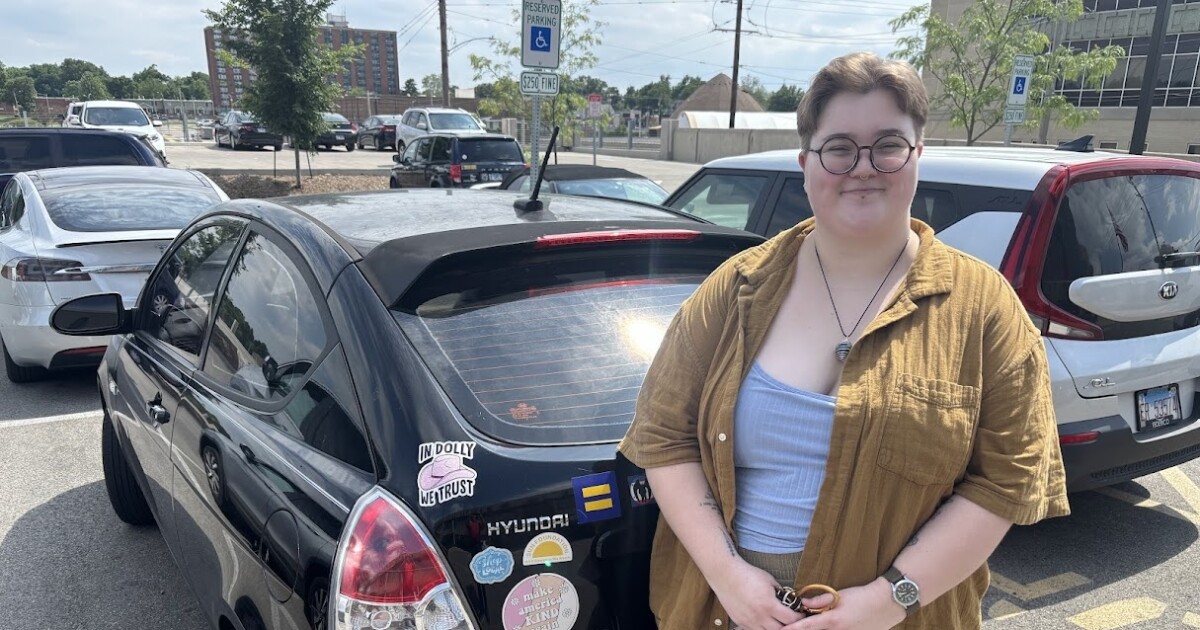
Mika Crumekort and their spouse are missing out on a lot of life because of high gas prices.
The 26-year-old from Bloomington skipped visits to see their mom, who lives north of town. They’ve avoided visiting friends near Champaign-Urbana, Peoria and Springfield. Ditto for long drives to go hiking. Plans to go see Mika’s best friends’ wedding in Washington state this summer are in jeopardy, and Mika doesn’t know when they’ll make it to Kentucky to see their pregnant sister-in-law’s new baby.
“Those aren’t options for us right now, because we have to plan where we’re going and when, and budgeting our money, even tighter,” said Crumekort, who works at the Bloomington Public Library. “It’s been limiting, and that’s been frustrating.”
Crumekort is among many in Central Illinois who’ve found their lives rearranged by a war 7,000 miles away in Iran. The war drove gas prices up close to $5 a gallon this spring, though they’ve settled to about $4.40 today, according to AAA. A year ago it was $3.17.
That extra expense means a lot to Crumekort. Their rental near Franklin Park is $1,300 a month, plus another $400-500 in bills. Then groceries. Crumekort’s disability brings another $200 or so for their medications. They’re also paying off credit card debt.
It used to cost $30 to fill up Crumekort’s two-door Hyundai Accent. Now it’s $46.
“I don’t drive a gas guzzler! I drive this little, tiny thing. And a tank of gas to cover the next couple weeks is the cost of two or three of my medications,” Crumekort said.
WGLT interviewed a dozen Central Illinois residents about how gas prices are impacting their lives – from young people like Mika to longtime food-delivery drivers and commuters.
Our youngest interviewee was Seifer Cole, 17, of Normal, who should be having an awesome summer right now: He just graduated high school and, after saving up for a year, bought his first car about a month ago. But high prices, including for gas, is “burning a hole in his wallet.” Inflation accelerated for the third straight month in May.
It costs about $80 to fill his 16-gallon tank – tough when you’re working near minimum wage.
“It was a very unfortunate time to purchase a car,” Cole told WGLT.
Cole said he’s not been impressed by how elected officials have responded to soaring gas prices. He’s also critical of President Trump’s entry into the war “with no rhyme or reason.”
“To be frank, it’s kind of a clown show – modern-day American politics. As a young person, I don’t have too much faith in our government getting this situation into just even a manageable order, largely due to the fact that they’re contributing to why gas prices are so expensive with the ongoing war,” Cole said. “I don’t think they’re fit to be in office.”
Driving for work
For those who need to drive for work, high gas prices are especially hard to dodge.
About one-third of McLean County workers work outside the county, according to Census data. About 15% of people drive 30 minutes or more to work.
One of those outbound commuters is Lauren Morris of Normal, who teaches in Metamora, about a 40-minute drive. It’s now about $90 to fill up her tank, up from $60-70 before.
“It just started creeping up higher and higher, and with commuting I need to fill up my gas tank at least once a week, and so it’s been hard. It’s a lot, and it adds up too,” Morris said.
Morris does what she can. She’s used the Upside app for cash-back rewards on gas. She uses rewards programs at Circle K and Speedway. She checks Gas Buddy to find the lowest nearby price.
“Every once in a while you can get gas for a little bit cheaper. It helps,” she said.
Summer gives her a little reprieve because she’s not driving to work every day. But she’s still driving her kids to their summer activities – baseball, softball, and dance. She just drove the 90 minutes to see her parents for her dad’s birthday.
“It was about $40 just to go have birthday dinner with him,” Morris said.
Kim Burlison from Lincoln is also a commuter, driving the 30 miles to Bloomington one day a week to work in-office at a large insurance company. That’s typical for those living in Logan County, where about 61% of people drive out of the county to go to work, Census data show.
Burlison works from home the other four days a week – for now.
“It’s really going to impact us a lot differently coming up in September, when we have to start going into the office two days a week, and then I think beginning next year it’s going to be even a bit more than that,” she said. “I’m hoping that the gas prices go down a little bit before then.”
Burlison’s husband is disabled and doesn’t work, so they’re a one-car family. It’s now about $75 to fill up her Kia Telluride, up from $50 before.
To make ends meet, she’s skipping some visits to see family in Chatham and weekly bingo games in Springfield. They’ve opted out of entertainment and eating out. She makes sure to schedule doctor’s appointments in Bloomington-Normal for the day she’s already in town.
“Like any other family that lives on a budget, you have to make some compromises whenever you have to spend more money on necessities,” Burlison said.
An unsolvable math problem
While Morris and Burlison drive to work, Murphy Richard drives for work.
Richard, a 36-year-old single dad from Bloomington, has worked in food delivery off and on for the past 20 years. He’s done food delivery and ride-share full-time the last five years.
Richard says high gas prices complicate a math problem he’s constantly working to solve, through good weeks and bad. He might burn through 75 gallons of gas a week. A $1.50 increase takes $112 out of his pocket per week, or $450 a month. Richard said a lot of newer self-employed gig drivers don’t take into account their expenses, but he does.
“Honestly, they’re completely disconnected from what the average person goes through.”
Mika Crumekort of Bloomington, on elected officials
“You’re still making around the same amount top line income every month, but you’re spending quite a bit more,” Richard said. “It’s a consideration. How much is my time worth to me?”
High gas prices and inflation also mean his customers aren’t tipping as much, Richard said, putting even more pressure on his take-home pay.
All of that added to the urgency for Richard to find another job. A few weeks ago, he did. He’s now working full-time in the hands-on trades. He still drives for work, but it’s not his vehicle – and he’s not paying for the gas.
“I’m glad that I was able to get out. I’m glad that I had something lined up to get out, rather than be stuck in that,” Richard said.
Mika Crumekort, the 26-year-old from Bloomington, said they haven’t seen much of a serious response to high gas prices from elected officials.
“It kind of seems like everybody’s just kind of ducking their heads and waiting for things to pass,” they said. “Honestly, they’re completely disconnected from what the average person goes through.”
Crumekort has faced financial challenges before. This time, they’ve got company.
“Now, everything is expensive, so we keep saying, ‘Oh man, this totally sucks, but everybody thinks it totally sucks.’ So, this is kind of new for us,” they said.
Coming Tuesday: In Part 2 of our series, you’ll learn how higher gas prices are putting the squeeze on many sectors of our economy, including farming, air travel and car sales, and how they are also hurting our most vulnerable.
-
 Lifestyle9 minutes ago
‘Widow’s Bay’ is an island in the scream : Pop Culture Happy Hour
-

 Technology21 minutes ago
Inside the fight over Claude Mythos 5
-

 World24 minutes ago
Russia linked to arson attacks on properties connected to UK PM Keir Starmer, police say
-

 Politics29 minutes ago
Trump admin puts alleged ‘birth tourism’ scheme on notice as expert delivers warning to hospitals
-

 Health36 minutes ago
TV news anchorman reveals he has Alzheimer’s during final night helming broadcast
-

 Sports39 minutes ago
2026 World Cup Golden Boot Odds: Mbappé Favored, Havertz Surges
-

 Technology44 minutes ago
Smart street sensors could be watching your city next
-
 Business51 minutes ago
Meet the Beverly Hills jeweler who crafted the Seattle Seahawks’ Super Bowl ring

