Lifestyle
Maureen Corrigan picks her favorite books from an 'unprecedented' 2024

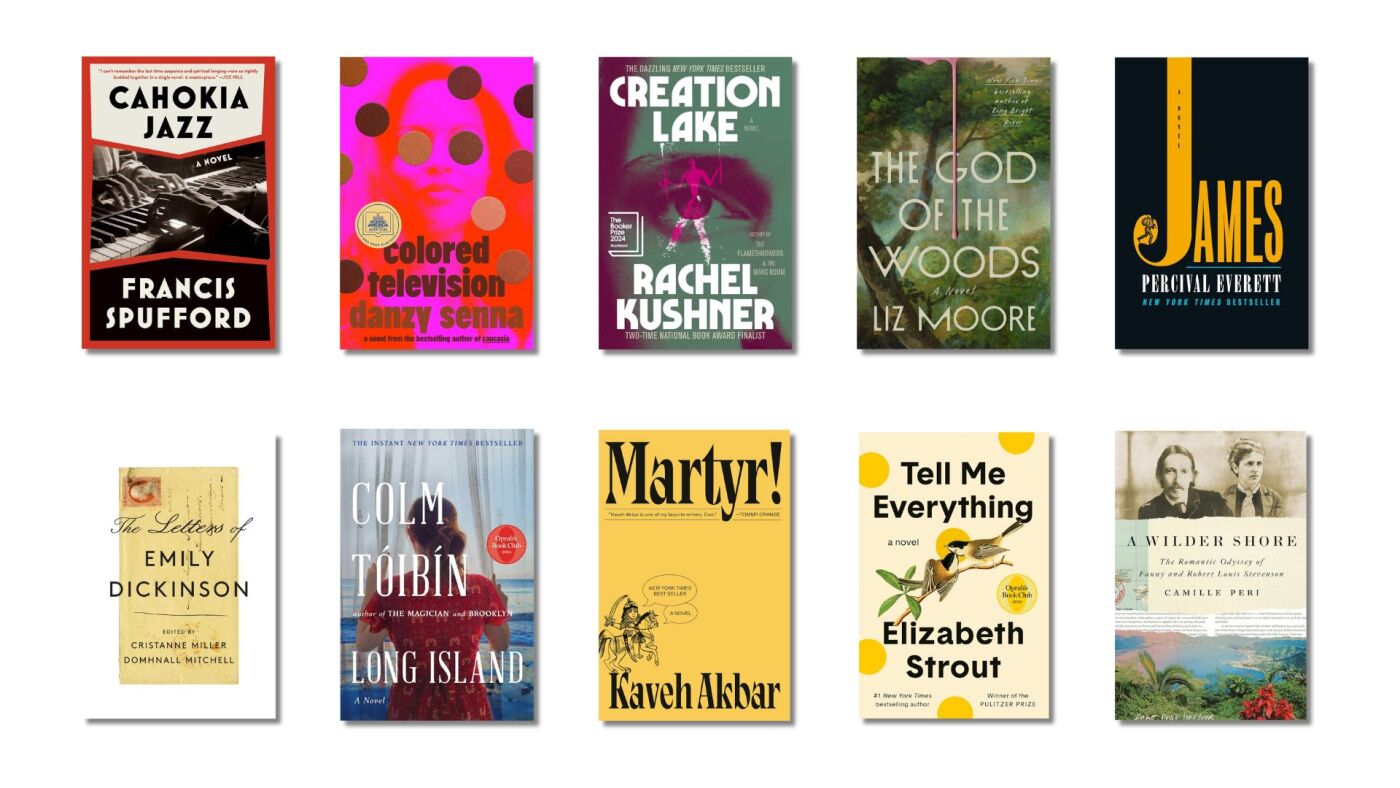
“Unprecedented” surely was one of the most popular words of 2024 so it’s fitting that my best books list begins with an “unprecedented” occurrence: two novels by authors who happen to be married to each other.

James by Percival Everett
James, by Percival Everett, reimagines Huckleberry Finn told from the point of view of Jim, Huck’s enslaved companion on that immortal raft ride. Admittedly, the strategy of thrusting a so-called supporting character into the spotlight of a reimagined classic has been done so often, it can feel a little tired. So, when is a literary gimmick, not a gimmick? When the reimagining is so inspired it becomes an essential companion piece to the original novel. Such is the power of James.
Alternating mordant humor with horror, Everett makes readers understand that for Jim — here, accorded the dignity of the name James — the Mississippi may offer a temporary haven, but, given the odds of him making it to freedom, the river will likely be “a vast highway to a scary nowhere.”

Colored Television by Danzy Senna
Percival Everett is married to Danzy Senna, whose novel, Colored Television, is a revelatory satire on race and class. Senna’s main character, Jane, is a mixed-race writer and college teacher struggling to finish her second novel. Desperate for money, Jane cons her way into meeting a Hollywood producer who’s cooking up a bi-racial situation comedy. Senna’s writing is droll and fearless. Listen to Jane’s thoughts about teaching:
One of the worst parts of teaching was how, like a series of mini strokes, it ruined you as a writer. A brain could handle only so many undergraduate stories about date rape and eating disorders, dead grandmothers and mystical dogs.

Long Island by Colm Tóibín
Long Island is Colm Tóibín’s sequel to his 2009 bestseller, Brooklyn, whose main character, Eilis Lacey, is now trapped in a marriage and a neighborhood as stifling as the Irish town she fled. Abruptly, Eilis decides to visit her 80 year old mother back in Ireland, a place she hasn’t returned to in almost two decades, with good reason. There she’ll discover, much as another Long Islander named Jay Gatsby once did, that you can’t repeat the past. Tóibín floats with ease between time periods in the space of a sentence, but it’s his omissions and restraint, the words he doesn’t write, that make him such an astute chronicler of this working-class, Catholic, pre-therapeutic world where people never speak directly about anything, especially feelings.

Tell Me Everything by Elizabeth Strout
Tell Me Everything reunites readers with the by now familiar characters who populate Elizabeth Strout’s singular novels, among them: writer Lucy Barton, lawyer Bob Burgess and retired teacher Olive Kitteridge — all living in Maine. Nobody nails the soft melancholy of the human condition like Strout — and that’s a phrase she would never write because her style is so understated. Lucy and Olive like to get together to share stories of “unrecorded” lives. At the end of one of these sessions, Olive exclaims:
“I don’t know what the point is to this story!”
“People,” Lucy said quietly, leaning back. “People and the lives they lead. That’s the point.”
“Exactly.” Olive nodded.

Martyr! by Kaveh Akbar
Martyr! is Iranian American poet Kaveh Akbar’s debut novel about a young man named Cyrus Shams struggling with depression and the death of his mother, who was a passenger on Iran Air Flight 655, an actual plane that was mistakenly shot down in 1988 by an actual Navy ship, the USS Vincennes. All 290 passengers on board that plane were killed. Early in the novel, Cyrus articulates his need to understand his mother’s death and those of other “martyrs” — accidental or deliberate — throughout history. Akbar’s tone here is unexpectedly comic, his story antic, and his vision utterly original.

Creation Lake by Rachel Kushner
Rachel Kushner’s Creation Lake is a literary spy novel wrapped up tight in the soiled plastic wrap of noir. Kushner’s main character, a young woman who goes by the name of Sadie Smith, is a former FBI agent turned freelance spy who infiltrates a radical farming collective in France that’s suspected of sabotaging nearby agribusinesses. You don’t read Kushner for the “relatability” of her characters; instead, it’s her dead-on language and orange-threat-alert atmosphere that draw readers in.
Cahokia Jazz by Francis Spufford

In Cahokia Jazz, Francis Spufford summons up a femme fatale, crooked cops and politicians, and working-class resentment as bitter as bathtub gin. He weds these hardboiled elements to an eerie story about the actual vanished city of Cahokia, which, before the arrival of Columbus, was the largest urban center north of Mexico. Spufford’s novel is set in an alternative America of 1922 where the peace of Cahokia’s Indigenous, white, and African American populations is threatened by a grisly murder.
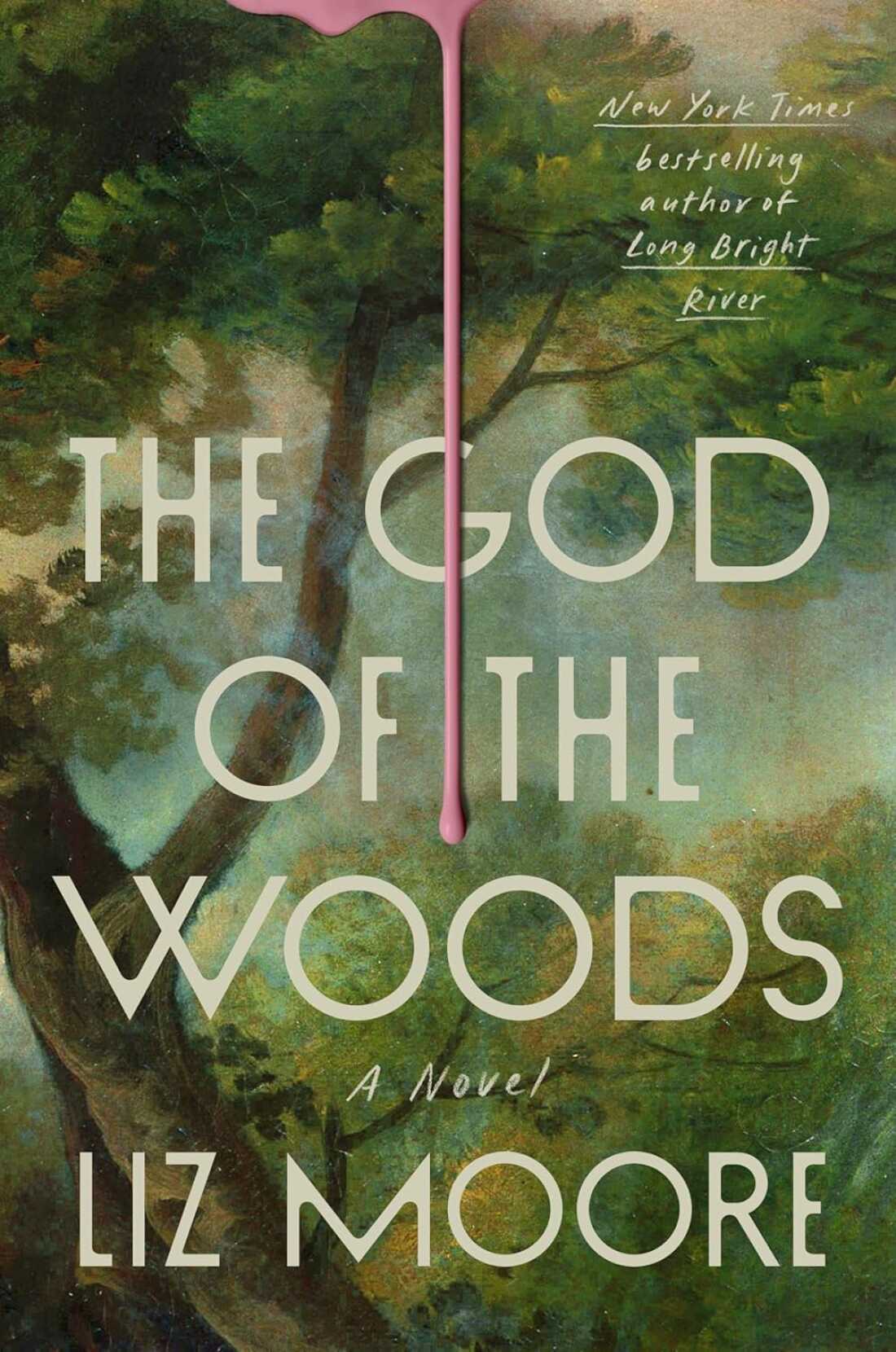
The God of the Woods by Liz Moore
There’s a touch of Gothic excess about Liz Moore’s suspense novel The God of the Woods, beginning with the plot premise that not one, but two children from the wealthy Van Laar family disappear from the same camp in the Adirondacks some 14 years apart. Moore’s previous book, Long Bright River, was a superb novel about the opioid crisis in Philadelphia; The God of the Woods is something stranger and unforgettable.

A Wilder Shore by Camille Peri
I’ve thought about A Wilder Shore — Camille Peri’s biography of the “bohemian marriage” of Fanny and Robert Louis Stevenson — ever since reading it this summer. In her “Introduction” Peri says something that’s also haunted me. She describes her book as: “an intimate window into how [the Stevensons] lived and loved — a story that is at once a travel adventure, a journey into the literary creative process, and, I hope, an inspiration for anyone seeking a freer, more unconventional life.” That it is.

The Letters of Emily Dickinson edited by Cristanne Miller and Domhnall Mitchell
This list began with the word “unprecedented” and I’ll end it with an “unprecedented” voice — that of Emily Dickinson. A monumental collection of The Letters of Emily Dickinson was published this year. Edited by Dickinson scholars Cristanne Miller and Domhnall Mitchell, it’s the closest thing we’ll probably ever have to an autobiography by the poet. Here’s a thank-you note Dickinson wrote in the 1860s to her beloved sister-in-law:
Dear Sue,
The Supper was delicate and strange. I ate it with compunction as I would eat a Vision.
1,304 letters are collected here and, still, they’re not enough.
Happy Holidays; Happy Reading!
Books We Love includes 350+ recommended titles from 2024. Click here to check out this year’s titles, or browse nearly 4,000 books from the last 12 years.


For Iris van Herpen, couture is a laboratory as much as a runway. Our chief fashion critic, Vanessa Friedman, takes us inside this Dutch designer’s latest Paris show — from sci-fi-inspired gowns to an audacious attempt at a dress made of charged plasma.
Lifestyle
The BoF Podcast | Decoding Paris Haute Couture: Wonder, Restraint and the Call of the Void


-

 Nevada3 minutes ago
Nevada climber dies after fall while climbing in Oregon
-

 New Hampshire5 minutes ago
Man From Northwood Arrested On Driving Under The Influence Charge: Concord Police Log
-

 New Jersey7 minutes ago
NJ firefighter dies after crash responding to fire call
-

 New Mexico18 minutes ago
Isolated storm chances continue for parts of New Mexico this weekend
-

 North Carolina20 minutes ago
A 4-year-old boy’s simple habit of waving to his neighbors transformed his North Carolina community
-

 North Dakota26 minutes ago
West Fargo attorney named to North Dakota Ethics Commission
-

 Ohio33 minutes ago
Struggling Ohio county seeks funds to care for 16 kids rescued from squalor and prosecute their family
-

 Oklahoma36 minutes ago
Martha Lillard, last US polio patient using iron lung, dies at 78 in Oklahoma

