Lifestyle
L.A. Affairs: Los Angeles chewed me up and spit me out. Did my husband really want us to move there?


In the fall of 2019, my husband sat me down in our Hudson Valley kitchen, which overlooked our old birch. “I think I need to move back to Los Angeles,” he said.
I had just turned 50, and we’d been married for one year. I looked at him as if he’d suggested Mars.
“I know,” he said. “But I don’t think there’s enough work here.”
He had just finished directing a documentary. He wanted to return to the city where he had lived and worked in the industry for 17 years to see if he could drum up old connections for new work.
Was this a test? I remained silent while my mind reeled.
L.A. was never a place in which I imagined myself thriving. I first moved there after college to pursue acting and live with my mogul-wannabe boyfriend. We broke up within a month, and my life became a California cliche: I joined a cult-like spiritual practice with a glamorous Indian guru.
Although I found chanting and meditation to be very healing, after a year the relentless sunshine grated on my depressive nature and I moved back to my hometown of New York City, where I tried to hide my California woo-woo beneath a wardrobe of black.
When I’d return to L.A. to visit, my insecurities lined up like the palm trees on Hollywood Boulevard. After two days, I’d start eyeing my mushy backside with disdain in restaurant windows. My thick, curly hair made me temperature hot, while everyone around me was slim, tanned and sexy hot. I’d replay the time an agent told me to come back after I’d lost 15 pounds and how my troupe of college friends all got industry jobs and appeared to be thriving in the Hollywood ethos that felt so empty to me.
Moving back to L.A. as a middle-aged married woman felt like reconnecting with an ex with whom things ended badly. Had enough time passed that it could work? Or would all of our “issues” with each other return?
Back in my kitchen, my eyes fixated on the birch, its yellow-brown leaves clinging to its large, twisted frame. Its unique beauty drew me to the house that I’d bought years before my husband and I met. The pros and cons of life in our rural town flashed before me: my hard-won friends, the long, frigid winters, the affordability and the reliable rhythms of a seasonal life. I had lived most of my time here as a single person. Now I was a middle-aged part of a pair. Maybe it was time to compromise.
“OK,” I said, surprising myself. “It will be our adventure.”
We decided to give it six months. My writing and consulting work was portable, and there was something right about the idea of my husband and me creating a new life together. Although he is nine years my elder, his infectious, childlike enthusiasm about making dreams come true was rubbing off on me. We just didn’t count on the world shutting down a month after we moved in the winter of 2020.
At first, L.A. was a terrific place for the shutdown, because we could walk each day in the beautiful sunshine, which I no longer minded one bit, to a stunning view of the coast. Our weekly trips to the grocery store included a traffic-free drive up PCH to a less-crowded supermarket, the ocean sparkling on our left. As my East Coast friends complained in Zoom squares about the cold, we got to hike and take lunch breaks on the Malibu cliffs. Soon we noticed Angelenos gathering with their friends in their backyards for cookouts.
Still, it was a pandemic. Even with the daily walks, my body rebelled from so much sitting. My hips froze, and I limped around our small apartment like Al Pacino playing Richard the III. Our dog, raised in a country house, barked like a banshee at every door closing in the apartment complex, driving us and our neighbors insane. Then, my husband’s mother died alone in a nursing home on the other side of the country. Grief hung over our lives like a marine layer obscuring the view of Catalina. I entered menopause, and my new brain fog only added to the haze. Some adventure.
We found new ways to cope. We bought used bikes on Facebook Marketplace and started biking everywhere. One day, as I arrived breathless at the top of a Mar Vista crest, I saw the ocean behind me and the snow-capped mountains in the distance. The view managed to take whatever breath I had left away. Despite the doom, I felt elated.
In late summer, we drove back east to check on our family and house, which had been rented by some city folk. But we no longer fit. The Hudson Valley charm was dampened by the sensation of wading through 95-degree humid soup. The clothes and books in our old garage didn’t feel like ours anymore, and I felt a strange desire to just give them away. The light and rhythms of L.A. had seduced me.
When we returned, things started to fall into place. We got vaccines. We met in the courtyard with neighbors — the ones who didn’t hate our dog. We figured out how to sell our property back east and finance one in L.A. (for our dog). We made great friends with our new neighbors, one of whom is an actor and not in the least bit flaky. And then, at the farmers market, a friendly vendor was talking to another regular about their aches and pains.
“She’s too young to understand,” he interrupted himself to nod at me. “You’ve got years to go before you reach this point.”
I was 54. It appeared the “coastal ex” and I were indeed having a rapprochement.
These days, I notice fuchsia bursts of bougainvillea instead of my mushy backside. But L.A. has also brought disappointment, financial hardship and the necessity to face hard truths. DOGE (or the White House’s Department of Government Efficiency) slashed the budgets of organizations I work with in my consulting business. And because of COVID-19 and changes in the industry, my husband, the one gung ho about moving back, ended up being the one to struggle. He is in the midst of a brave and grueling career pivot.
It is still our adventure. In midlife, with the right partner and the self-acceptance that getting older brings, I no longer feel the city is stacked against me. We hold on to each other in this complex phase of life and in this vibrant, complex town. And when things feel hopeless, we step outside our door and watch the golden light stream through our old California elm.
The author is a writer and leadership consultant with bylines in HuffPost, Oldster, Longreads, Brevity and more. Her debut memoir, “This Incredible Longing: Finding My Self in a Near-Cult Experience,” will be published by Heliotrope Books in February.
L.A. Affairs chronicles the search for romantic love in all its glorious expressions in the L.A. area, and we want to hear your true story. We pay $400 for a published essay. Email LAAffairs@latimes.com. You can find submission guidelines here. You can find past columns here.



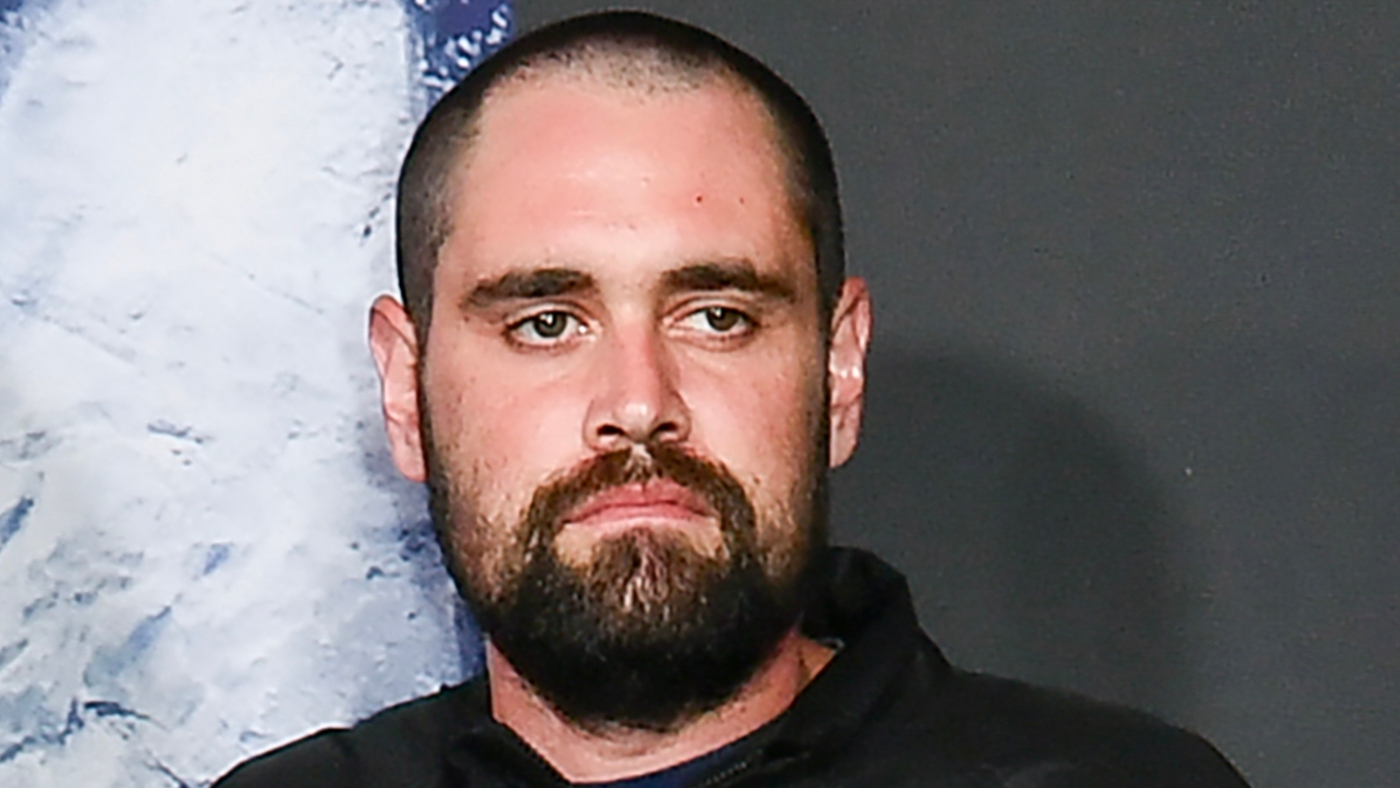
Nick Reiner arrives at the premiere of Spinal Tap II: The End Continues on Tuesday, Sept. 9, 2025, in Los Angeles.
Richard Shotwell/Invision/AP
hide caption
toggle caption
Richard Shotwell/Invision/AP
LOS ANGELES – Alan Jackson, the high-power attorney representing Nick Reiner in the stabbing death of his parents, producer-actor-director Rob Reiner and photographer Michele Singer Reiner, withdrew from the case Wednesday.
Reiner will now be represented by public defender Kimberly Greene.
Wearing a brown jumpsuit, Reiner, 32, didn’t enter a plea during the brief hearing. A judge has rescheduled his arraignment for Feb. 23.
Following the hearing, defense attorney Alan Jackson told a throng of reporters that Reiner is not guilty of murder.
“We’ve investigated this matter top to bottom, back to front. What we’ve learned and you can take this to the bank, is that pursuant to the law of this state, pursuant to the law in California, Nick Reiner is not guilty of murder,” he said.

Reiner is charged with first-degree murder, with special circumstances, in the stabbing deaths of his parents – father Rob, 78, and mother Michele, 70.
The Los Angeles coroner ruled that the two died from injuries inflicted by a knife.
The charges carry a maximum sentence of death. LA County District Attorney Nathan Hochman said he has not decided whether to seek the death penalty.
“We are fully confident that a jury will convict Nick Reiner beyond a reasonable doubt of the brutal murder of his parents — Rob Reiner and Michele Singer Reiner … and do so unanimously,” he said.

Last month, after Reiner’s initial court appearance, Jackson said, “There are very, very complex and serious issues that are associated with this case. These need to be thoroughly but very carefully dealt with and examined and looked at and analyzed. We ask that during this process, you allow the system to move forward – not with a rush to judgment, not with jumping to conclusions.”
The younger Reiner had a long history of substance abuse and attempts at rehabilitation.
His parents had become increasingly alarmed about his behavior in the weeks before the killings.
Legal experts say there is a possibility that Reiner’s legal team could attempt to use an insanity defense.
Defense attorney Dmitry Gorin, a former LA County prosecutor, said claiming insanity or mental impairment presents a major challenge for any defense team.

He told The Los Angeles Times, “The burden of proof is on the defense in an insanity case, and the jury may see the defense as an excuse for committing a serious crime.“
“The jury sets a very high bar on the defendant because it understands that it will release him from legal responsibility,” Gorin added.
The death of Rob Reiner, who first won fame as part of the legendary 1970s sitcom All in the Family, playing the role of Michael “Meathead” Stivic, was a beloved figure in Hollywood and his death sent shockwaves through the community.
After All in the Family, Reiner achieved even more fame as a director of films such as A Few Good Men, Stand By Me, The Princess Bride and When Harry Met Sally. He was nominated for four Golden Globe Awards in the best director category.
Rob Reiner came from a show business pedigree. His father, Carl Reiner, was a legendary pioneer in television who created the iconic 1960s comedy, The Dick Van Dyke Show.

Chiefs
Aware of Dom. Violence Claims
… Made By Rashee Rice’s Ex
Published
The Kansas City Chiefs are addressing the recent social media post made by Rashee Rice‘s ex … where she claimed she was abused during the course of an eight-year relationship, including when she was pregnant.
The shocking allegations were made as part of a lengthy statement shared to the Dacoda Jones’ Instagram account on Wednesday … when said she kept quiet for years to protect her former partner’s image — but can no longer stay silent.
She did not name Rice directly … but certain details about the relationship match up. Rice’s own grandmother even commented on the post … and in a phone conversation with TMZ Sports, she said Jones lied about the abuse after a dispute over paying for an apartment.

In the post, Jones said her relationship ended recently … and “since then it’s been nothing but hell.”
On top of the abuse allegations, Jones claims her ex locked her outside of their home in freezing temperatures after he was caught cheating, damaged her clothes and shoes and showed up at her new home and broke her door.
Jones also claims the man abandoned her and their kids in Kansas and she had to “beg” him for money so she could drive them to Texas.
Jones says he is now trying to force her and their kids out of their home “for no apparent reason.”
“I’ve known this man for YEARS,” Jones said. “He tries to put on this persona like he’s dad of the year. He does the bare minimum and I have to beg for that.”
“I’ve protected his image too long and I’m done doing that. It’s time to protect my peace, protect my children and stand up for myself.”
Jones included images of her alleged injuries from the domestic violence incidents … as well as damage to her home.
We reached out to Rice’s attorney, Royce West, who said his client has not been arrested or charged for domestic violence and hung up the phone.
The NFL declined to comment … but the Chiefs said they are “aware” of the claims made on social media and are in communication with the league.
Rice was suspended six games earlier this season for a 2024 hit-and-run crash in Texas … and teammates like Travis Kelce and Tyquan Thornton wore “Free 4” shirts in support of him during the ban.
He pleaded guilty to two felonies stemming from the incident — one count of racing on a highway causing bodily injury and one count of collision involving serious bodily injury … and was ordered to 30 days in jail and five years of probation.
We’ve reached out to Rice’s camp. No word back.

Timothée Chalamet plays a shoe salesman who dreams of becoming the greatest table tennis player in the world in Marty Supreme.
A24
hide caption
toggle caption
A24
Last year, while accepting a Screen Actors Guild award for A Complete Unknown, Timothée Chalamet told the audience, “I want to be one of the greats; I’m inspired by the greats.” Many criticized him for his immodesty, but I found it refreshing: After all, Chalamet has never made a secret of his ambition in his interviews or his choice of material.
In his best performances, you can see both the character and the actor pushing themselves to greatness, the way Chalamet did playing Bob Dylan in A Complete Unknown, which earned him the second of two Oscar nominations. He’s widely expected to receive a third for his performance in Josh Safdie’s thrilling new movie, Marty Supreme, in which Chalamet pushes himself even harder still.
Chalamet plays Marty Mauser, a 23-year-old shoe salesman in 1952 New York who dreams of being recognized as the greatest table-tennis player in the world. He’s a brilliant player, but for a poor Lower East Side Jewish kid like Marty, playing brilliantly isn’t enough: Simply getting to championship tournaments in London and Tokyo will require money he doesn’t have.

And so Marty, a scrappy, speedy dynamo with a silver tongue and inhuman levels of chutzpah, sets out to borrow, steal, cheat, sweet-talk and hustle his way to the top. He spends almost the entire movie on the run, shaking down friends and shaking off family members, hatching new scams and fleeing the folks he’s already scammed, and generally trying to extricate himself from disasters of his own making.
Marty is very loosely based on the real-life table-tennis pro Marty Reisman. But as a character, he’s cut from the same cloth as the unstoppable antiheroes of Uncut Gems and Good Time, both of which Josh Safdie directed with his brother Benny. Although Josh directed Marty Supreme solo, the ferocious energy of his filmmaking is in line with those earlier New York nail-biters, only this time with a period setting. Most of the story unfolds against a seedy, teeming postwar Manhattan, superbly rendered by the veteran production designer Jack Fisk as a world of shadowy game rooms and rundown apartments.
Early on, though, Marty does make his way to London, where he finagles a room at the same hotel as Kay Stone, a movie star past her 1930s prime. She’s played by Gwyneth Paltrow, in a luminous and long-overdue return to the big screen. Marty is soon having a hot fling with Kay, even as he tries to swindle her ruthless businessman husband, Milton Rockwell, played by the Canadian entrepreneur and Shark Tank regular Kevin O’Leary.
Marty Supreme is full of such ingenious, faintly meta bits of stunt casting. The rascally independent filmmaker Abel Ferrara turns up as a dog-loving mobster. The real-life table-tennis star Koto Kawaguchi plays a Japanese champ who beats Marty in London and leaves him spoiling for a rematch. And Géza Röhrig, from the Holocaust drama Son of Saul, pops up as Marty’s friend Bela Kletzki, a table tennis champ who survived Auschwitz. Bela tells his story in one of the film’s best and strangest scenes, a death-camp flashback that proves crucial to the movie’s meaning.
In one early scene, Marty brags to some journalists that he’s “Hitler’s worst nightmare.” It’s not a stretch to read Marty Supreme as a kind of geopolitical parable, culminating in an epic table-tennis match, pitting a Jewish player against a Japanese one, both sides seeking a hard-won triumph after the horrors of World War II.

The personal victory that Marty seeks would also be a symbolic one, striking a blow for Jewish survival and assimilation — and regeneration: I haven’t yet mentioned a crucial subplot involving Marty’s close friend Rachel, terrifically played by Odessa A’zion, who’s carrying his child and gets sucked into his web of lies.
Josh Safdie, who co-wrote and co-edited the film with Ronald Bronstein, doesn’t belabor his ideas. He’s so busy entertaining you, as Marty ping-pongs from one catastrophe to the next, that you’d be forgiven for missing what’s percolating beneath the movie’s hyperkinetic surface.
Marty himself, the most incorrigible movie protagonist in many a moon, has already stirred much debate; many find his company insufferable and his actions indefensible. But the movies can be a wonderfully amoral medium, and I found myself liking Marty Mauser — and not just liking him, but actually rooting for him to succeed. It takes more than a good actor to pull that off. It takes one of the greats.


Milwaukee stabbing near 40th and McKinley; 1 wounded, 1 arrested

What the $245M refinance of a Midtown office tower signals for Atlanta

Minneapolis residents hold vigil for woman fatally shot by ICE agent – video

Indianapolis Sports Calendar 2026: Final Four, Indy 500 & More

Gov. Josh Shapiro launches re-election campaign; speeches planned in Pittsburgh and Philly

Florida High School Football Rankings: Top 25 teams – Oct. 21

Cleary's 21 help Le Moyne down Central Connecticut State 69-64 in OT

How old is Bo Nix? What to know about Oregon quarterback ahead of 2024 NFL Draft

99th annual Pony Swim held in Virginia

Video: ‘It Didn’t Have to Happen This Way:’ U.Va. Faculty Call for Review of Police Response to Protests

Video: Minnesota Governor Condemns ICE Shooting

Trump greenlights Russian sanctions bill, paving way for 500% tariff on countries supporting Moscow: Graham

Saudi-led coalition says STC’s al-Zubaidi fled to UAE via Somaliland

U.S. to exit 66 international organizations in further retreat from global cooperation

San Diego sues to stop border barrier construction
-
 News1 week ago
For those who help the poor, 2025 goes down as a year of chaos
-

 Detroit, MI5 days ago
2 hospitalized after shooting on Lodge Freeway in Detroit
-

 Dallas, TX3 days ago
Defensive coordinator candidates who could improve Cowboys’ brutal secondary in 2026
-

 Southeast1 week ago
Murder in small-town America: The crimes that tore quiet communities apart in 2025
-

 Technology2 days ago
Power bank feature creep is out of control
-

 Midwest1 week ago
McDonald’s locks doors to keep out individuals who present ‘a risk’ in crime-ridden Minneapolis area
-

 West1 week ago
Apex predator threatening Northwest salmon sparks rare bipartisan push to ‘kill more’
-

 Southwest1 week ago
Missing 19-year-old Camila Mendoza Olmos believed to be ‘in imminent danger,’ Texas sheriff says