Lifestyle
Brain Rot Comes for Italy


The first thing you need to know about Italian brain rot is that it isn’t strictly Italian.
The second thing you need to know is that any discussion of what it means will most likely make you seem very uncool (you’re just supposed to get it) and will probably involve a lot of head scratching.
You have been warned.
A little etymology, to start. Last year, the Oxford University Press designated “brain rot” the word of the year. The phrase refers to the deteriorating effect of scrolling through swathes of “trivial or unchallenging” content online. It can also be used to describe the content itself; in other words, the term refers to both the cause and the effect of intellectual deterioration.
The Italian brain rot subgenre emerged in January, when absurd characters generated by artificial intelligence started to show up in TikTok feeds. The characters melded animals or humans with inanimate objects, and many were tagged with the hashtag #italianbrainrot, which now has over 3 billion views. The memes have some vague Italian-ness to them — either their names sound Italian or they touch on stereotypical (or reductive, depending on who you ask) Italian cultural markers, like coffee, and are often accompanied by A.I.-generated audio of what sounds like a heavily accented Italian man’s narration but, when translated, is often nonsensical.
That the memes are tagged brain rot is a cheeky acknowledgment that the content is “ridiculous” and “mumbo jumbo,” said Yotam Ophir, an associate professor of communication at the University at Buffalo College of Arts and Sciences. It is also, he added, a recognition of the ridiculous universe being created by and for those who would be considered extremely online, with a nod to the broader proliferation of “A.I. junk” or slop.
First, there was a shark with feet wearing Nike sneakers, called Tralalero Tralala (the TikTok account associated with the first iteration of that character has been deleted). Then came Bombardiro Crocodillo, a military bomber plane with a crocodile head. Among the most recent, and most popular, entries into the cast of characters is Ballerina Cappuccina — a ballerina with a cappuccino cup head, created in March by Susanu Sava-Tudor, a 24-year-old in Romania. The entire trend, Mr. Sava-Tudor said in an email, is a “form of absurd humor” that is “less about real Italy and more about the cinematic myth of Italy.” So far, the original Ballerina Cappuccina video, in which Mr. Sava-Tudor spelled the character’s name Balerinna Cappucinna, has racked up more than 45 million views on TikTok and 3.8 million likes.
The lyrics to the Italian soundtrack attached to the video, when translated, are as follows:
Cappucina dancer, mi mi mi
Is the wife of the Cappucino Assasino,
And she loves music, la la la
Her passion is the lo lo lo dancer!
The sheer randomness of the meme is the point, Mr. Ophir said. “What users get from it is the sense that they are in the know,” he said, “that they know something their mom doesn’t know.”
As the trend has grown into an entire universe of brain rot characters, TikTok users have given them back stories or thrown them into adventures together, said Philip Lindsay, a middle school teacher in Arizona who explains emerging language trends of Gen Z and Alpha on TikTok. Ballerina Cappucina, for example, now has babies with other Italian brain rot characters. “It’s not one person making all of this — it’s kind of turned into this big internet collaboration,” he said.
In the decentralized universe, dark undertones have already started to emerge, Mr. Ophir said. There have been complaints that some of the content is attached to racist or Islamophobic soundtracks; some of the videos that feature Bombardiro Crocodilo, for example, have soundtracks that claim the plane is on its way to bomb the children of Gaza and Palestine. While it’s unclear how widespread those types of videos are, it is possible the characters could become “weaponized,” Mr. Ophir said. “We’ve seen this before with Pepe the Frog, which was just a funny internet meme with no big meaning behind it and then it was appropriated by the far right.”
Though the Italian brain rot trend started earlier this year, it’s in recent weeks that Mr. Lindsay has noticed his students really engaging with the meme, even in their offline lives: Their drawings or doodles feature the characters, they discuss which character is their favorite and they randomly yell out their names, almost as exclamations. Like “skibidi toilet” before it — the wildly popular YouTube shorts series that eventually turned into Gen Alpha slang — this meme is slipping into their day-to-day vernacular.
“Maybe at some point there will be meaning to it,” Mr. Lindsay said.



Animated Australian sensation “Bluey” has arrived in Disneyland, and the titular anthropomorphic pastel-coated canine has come ready to play. And dance. And to race some “barky boats.”
The Walt Disney Co. first teased that the Blue Heeler puppy and her younger sister Bingo would be coming to the Anaheim theme park in 2024. Bluey is now the star of a performance-focused takeover of the park’s Fantasyland Theatre, which officially opened Sunday.
Two shows, games and spontaneous dance parties are hallmarks of the experience, as Disneyland’s live entertainment team sought to translate the show’s particular broadcast-based appeal to the real world.
“Bluey” works because it’s charmed children and grown-ups alike, emphasizing imaginative parenting skills as much as it does Bluey’s playful spirit. Though only about seven minutes, each core “Bluey” episode unfolds patiently, often centered on make-believe, wonder and childlike ingenuity. Subtle life lessons, such as cooperation, understanding one’s self-worth, overcoming a fear of the unknown and much more, dot seemingly simple scenarios.
In many episodes, Bluey’s mom (Chilli) and dad (Bandit) indulge in their daughters’ penchant to play pretend, so much so that a friend of mine with a young girl joked that she needed to watch the show to learn how to be a better mom.
-
Share via
I arrived at “Bluey’s Best Day Ever!” as a childless columnist, and yet I came away enchanted by what Disneyland’s live entertainment team, led by Susana Tubert, had concocted. It’s a little silly and corny, yes, but manages to vary the tempo and can even tug at one’s heartstrings by showing the bond between siblings.
Theme park fare, especially when aimed at a preschool set, tends to fall back on high-energy, photo-op-based treatments, and while there’s plenty of amped-up goofiness here, “Bluey’s Best Day Ever!” understands that’s not why the series was the most-streamed program in 2025, according to data from research firm Nielsen.
Two core shows are featured in the experience, and some “Bluey” regulars make an appearance. The overbearing, bratty hand-puppet Unicorse, for instance, plays key roles in launching each performance. Set to play continuously throughout the day, with breaks for Bluey and Bingo to appear on stage and dance or play with youngsters, each has a slightly different tone and feel.
One emphasizes an adventure story, its themes encouraging Bluey to flash some bravery and dispel stereotypes. The other takes a lighter touch, with some of the softer, almost ballad-like songs from the show, such as “Rain (Boldly in the Pretend),” highlighted, seeking to emphasize the bond between Bluey and Bingo. Here, I thought of Bluey’s more tender moments — those, for instance, that emphasize becoming comfortable with growing older and letting go.

“Bluey’s Best Day Ever!” features live music, puppets and dance breakouts.
(Mark Potts / Los Angeles Times)
“We try to hit the humor, the play — shared play — and some of the more profound experiences that these characters go through,” Tubert says. “At the end of the second show, you’ll see a moment that is really quite beautiful. It’s a tribute to sisterhood, and how these two characters of Bluey and Bingo connect with one another.”
While one can certainly sit in the Fantasyland Theatre’s stands and simply take in the two shows, there are plenty of moments geared at getting audiences moving. Dances, for instance, may mimic animal behaviors, or reference popular moments from the series, such as getting grannies to floss.
A nod to the attention-seeking fairies — here, less Tinker Bell and more a metaphor for being noticed — inspires a “Riverdance”-like breakout. The five-piece, brass-heavy band gets a workout when Bluey’s impossible-to-control toy Chattermax has a cameo. The squawking plaything can test even Bluey’s patience.
Throughout, performers walk a line between teaching the maneuvers to the crowd and getting lost in the moment themselves. The challenge for Disney choreographer Taylor Worden was to create dance moves that also doubled as audience encouragement.
Spin, for instance, like a flower in the wind, or lightly snap your fingers to recall the sound of rain. Bounce with your hands in front of you as if you’re driving a car down a rocky street, or put your hand above your head and try for an elegant, ballerina-inspired twirl.
“It actually was letting go of all of those technical things that I’ve learned and letting that inner child come out,” Worden says. “As imaginative as Bluey and Bingo are, I wanted to hone in on that. I want everybody to enjoy, have fun and play. Play is at the forefront of everything. It’s so easy to get set in our ways, and even as an adult, it’s so hard to actually play nowadays. This has been such an experience to get to a childlike state.”

“Bluey’s Best Day Ever!” references many show moments from the series, including one with nods to the fairies.
(Mark Potts / Los Angeles Times)
There’s more, however, to “Bluey’s Best Day Ever!” than the two performances. The Fantasyland Theatre has been outfitted with pop-up installations. Some are purely photo ops, such as an opportunity for little ones to take a class photo with Bluey and her pals, while others aim to inspire exploration, such as a mini gnome village or fairy garden.
Taken as a whole, the feel is something of a fair, like hanging out with Bluey and Bingo at a backyard barbecue. The theater’s walk-up food window is serving pizza-inspired baked potatoes, a colored chocolate pretzel meant to mimic an asparagus pretzel wand, and more.
There’s also a place to race some “barky boats.” In the show, barky boats is a game that takes place on a tiny stream with tree bark, but there’s no water here. Instead, look for a track in a nook above the seating area, where one can race wooden blocks affixed with wheels — think Pinewood Derby — down a track painted to mimic a waterway. Throughout the theater, the colors are springlike and muted, pastels that are lightly bright and storybook-inspired. Even the dance costumes adopt this soft, crayon-like color palette.

“Bluey’s Best Day Ever!” at the Disneyland Resort invites audience participation.
(Mark Potts / Los Angeles Times)
“The color palette works perfectly with the set,” says Trevor Rush, a manager with costume design and development. “Lots of pastel colors. ‘Bluey,’ that world, focuses very much in that primary world. You won’t see a lot of black represented.”
“Bluey’s Best Day Ever!” does not currently have an end date, but is expected to be a Disneyland staple throughout the spring and summer seasons, with showtimes currently set for the late morning and early afternoons. For Tubert, who has an extensive background in theater, “Bluey’s Best Day Ever!” is meant to highlight the theme park as a place of play, where one can be a bit silly, and maybe even a little vulnerable.
“There’s a nonjudgmental safe space that we’ve created in ‘Bluey’s Best Day Ever!’ that invites everyone to feel uninhibited and the joy of playfulness,” Tubert says.
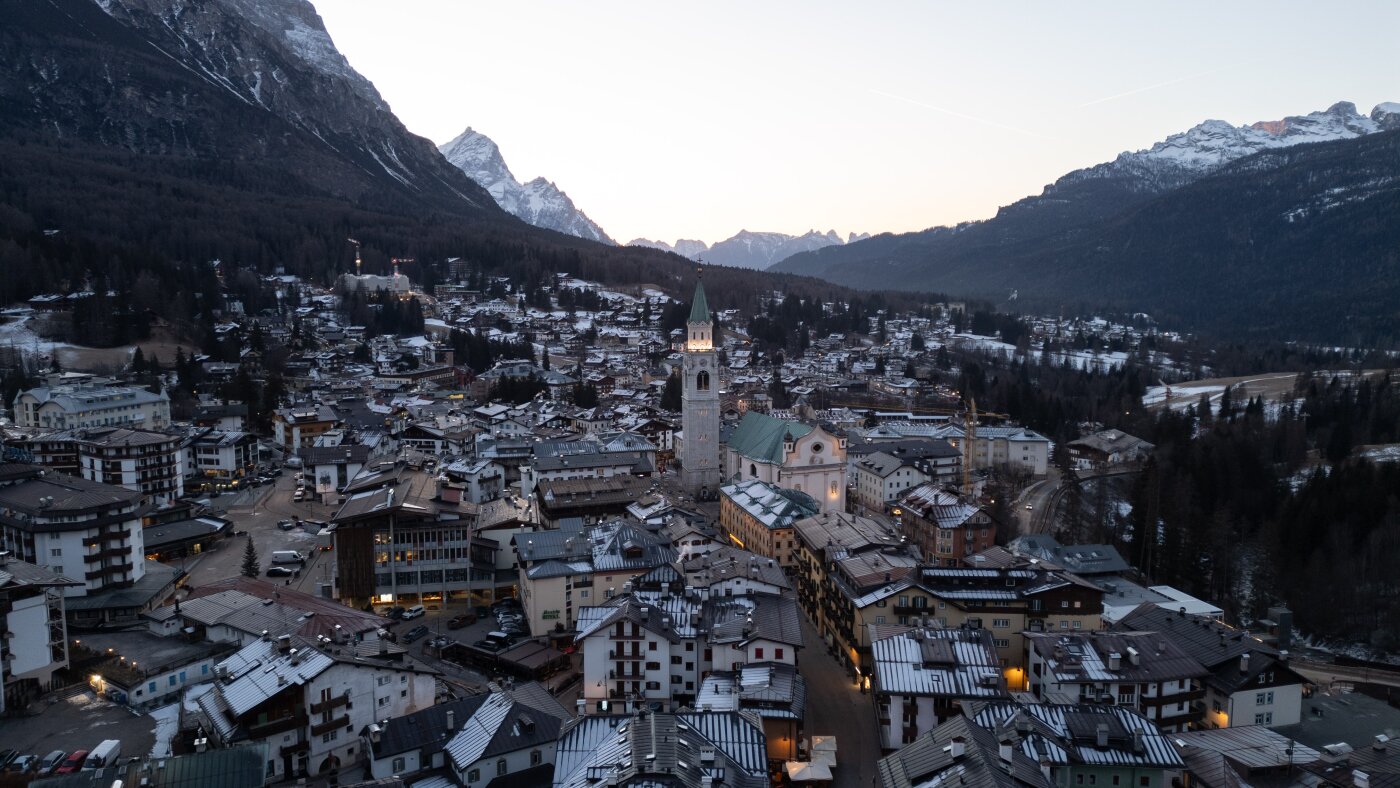
The illuminated bell tower of the Basilica Minore dei Santi Filippo e Giacomo stands at the heart of Cortina d’Ampezzo, Italy, as evening settles over the valley. Once a small village of farmers and shepherds, this storied town has evolved into the “Pearl of the Dolomites,” a renowned luxury destination. Surrounded by the limestone peaks of the UNESCO World Heritage Dolomites, the town’s historic center remains a “living room” for celebrities and high society.
Valerio Muscella for NPR
hide caption
toggle caption
Valerio Muscella for NPR
CORTINA D’AMPEZZO, Italy — Walking the main thoroughfare of Cortina D’Ampezzo is a glamorous experience. It is as if every designer brand has decided it needs to be represented in this small town more than 4,000 feet up in the Italian Alps. In a few short steps, you pass shops for Dior, Fendi, Gucci, Prada and more. Among passers-by, fur coats are in fashion.
Cortina has been in the international spotlight in recent weeks as a host to many of the Olympic and Paralympic Winter Games. But this storied town has a much longer history of fame and fortune that has led to various nicknames like Pearl or Queen of the Dolomites.

A window display for the luxury fashion brand Fendi illuminates a central street in Cortina d’Ampezzo, adjacent to a large outdoor sculpture of a skier. The town’s main thoroughfare is a glamorous hub where premier designer brands like Dior, Gucci and Prada are represented.
Valerio Muscella for NPR
hide caption
toggle caption
Valerio Muscella for NPR
On the mountain slopes nearby, skiers stop for hot chocolate or an alcoholic spritz at an Alpine lodge where they are served by Riccardo Fiore, the grandson of the region’s winter sport champions. His grandmother, Yvonne Rüegg, is an Olympic gold medalist in giant slalom. His grandfather was the trainer of Alberto Tomba — one of history’s greatest Alpine skiers, who learned on these very slopes. “Tomba still stops by here all the time,” he says.

Riccardo Fiore, grandson of Olympic gold medalist Yvonne Rüegg, poses inside his family’s Alpine lodge in the Dolomites.
Valerio Muscella for NPR
hide caption
toggle caption
Valerio Muscella for NPR

American actor Sylvester Stallone (right) and director Renny Harlin on the set of Harlin’s film Cliffhanger.
Leonello Bertolucci/Sygma via Getty Images
hide caption
toggle caption
Leonello Bertolucci/Sygma via Getty Images
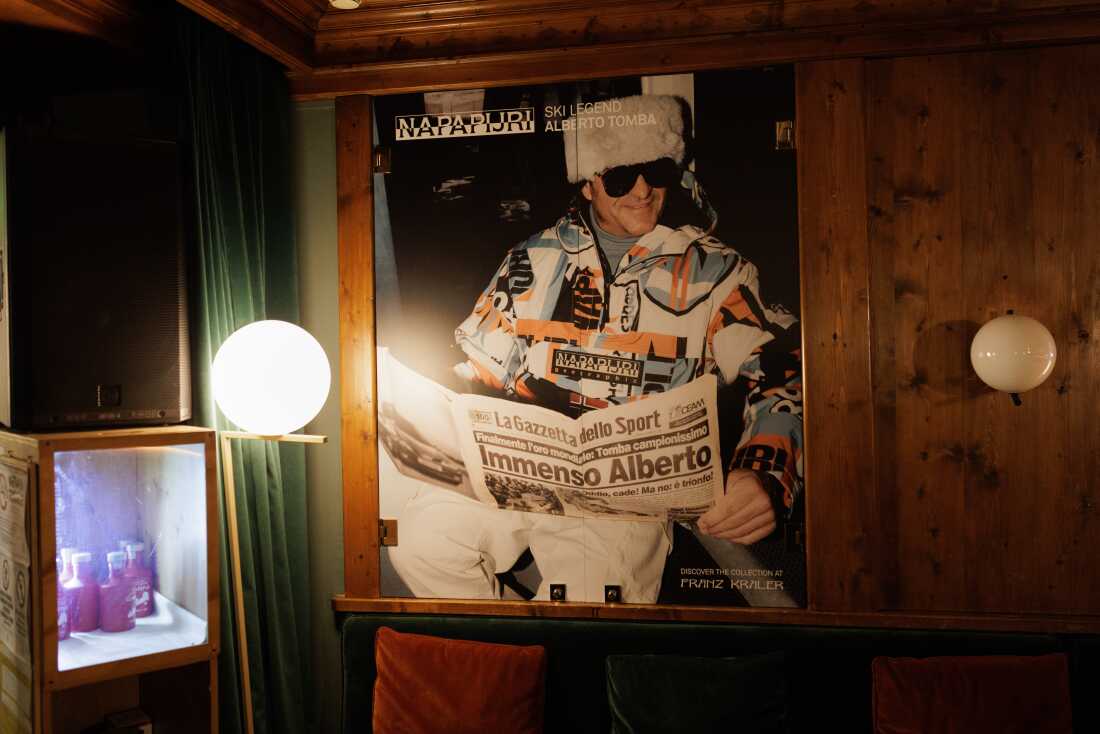
A large-scale photograph of Italian skiing legend Alberto Tomba, wearing a traditional fur hat and reading a sports newspaper with the headline “Immenso Alberto,” is displayed in a wood-paneled interior in Cortina d’Ampezzo. Tomba, one of history’s greatest Alpine skiers, learned to race on these slopes under the guidance of local trainers, further cementing the town’s status as a historical cradle of international winter sports.
Valerio Muscella for NPR
hide caption
toggle caption
Valerio Muscella for NPR
For Fiore, there’s nothing unusual about serving drinks to famous individuals. He names well-known Italian politicians, actors and singers he has spotted in the lodge. And there are international names who visit Cortina, too — Sylvester Stallone, who filmed scenes from the 1993 action movie Cliffhanger here, Snoop Dogg, Justin Timberlake and Ridley Scott, to name a few.
“Many celebrities you barely recognize,” he says. “They try to disguise themselves, as they don’t want to attract too much attention.”
Nonetheless, Cortina has earned another nickname — the “celebrities’ living room.” The Hotel de la Poste bar, with its wood-paneled ceiling and walls, was a favorite haunt of American writer Ernest Hemingway. A small plaque honors him on a wall by the corner table he occupied for countless hours in the 1940s. And the hotel has preserved the room he stayed in — visitors can look in to see his typewriter.

“His room is a time capsule,” says Servane Giol, author of The Queen of the Dolomites, a book about the history of Cortina.
“I found some amazing letters from Hemingway explaining how he was a bit against ski lifts, because he believed it was better for the legs to be warmed up by climbing the mountains and skiing down,” Giol says. “This really made me laugh; to think that somebody could be against ski lifts.”

Servane Giol, renowned expert in Venetian art and lifestyle, poses in the historic wood-paneled Stube of the Hotel de la Poste. Giol, who has dedicated her work to preserving the cultural and aesthetic heritage of the region, sits beside an old painted pendulum clock, a symbol of the hospitality and Ampezzo tradition that the hotel has represented since 1804.
Valerio Muscella for NPR
hide caption
toggle caption
Valerio Muscella for NPR

American writer Ernest Hemingway, wearing a hunter waistcoat, stands behind a bar counter and pours gin in Cortina d’Ampezzo in 1948.
Archivio Cameraphoto Epoche/Hulton Archive/Getty Images
hide caption
toggle caption
Archivio Cameraphoto Epoche/Hulton Archive/Getty Images
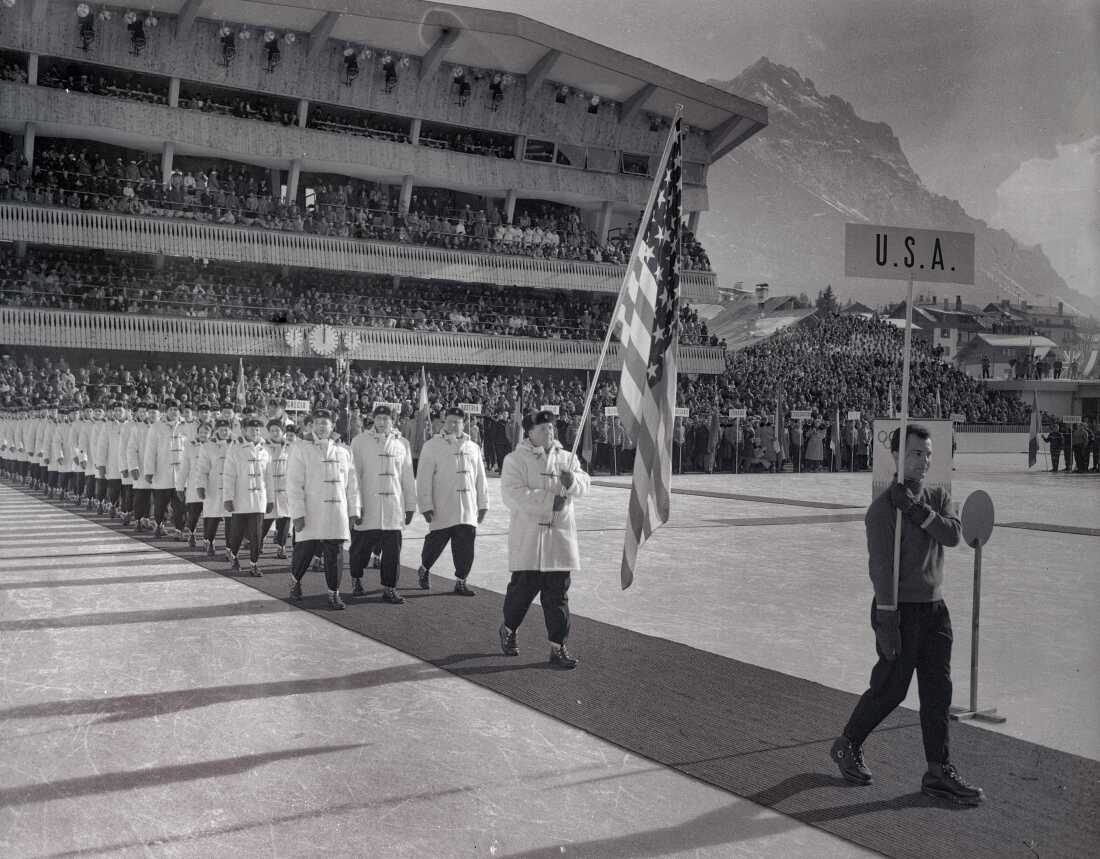
Members of the U.S. Olympic teams walk during the procession into Cortina’s huge ice stadium for opening ceremonies launching 11 days of competition in the 1956 Winter Olympics.
Bettmann Archive/Getty Images
hide caption
toggle caption
Bettmann Archive/Getty Images
Giol says Cortina, once a small village of farmers and shepherds, became famous in the 1920s, when it was visited by the then king of Belgium, who loved to climb the jagged limestone Dolomite peaks that surround it. His daughter then married an Italian crown prince. “Between the 1920s and the 1940s, Cortina was actually the chicest place to be. You’ve got very glamorous royal families,” she says.
It became a destination for Italy’s wealthy. And then in 1956, Cortina hosted the first-ever Winter Olympics to be televised. Archive footage shows grainy black-and-white images of the opening ceremony, described by the news anchor as the “spectacle of peace.” Olympic participants from 32 countries took part in the Games that saw athletes speeding down the mountain slopes or shooting down the bobsled track built at the edge of the town.
The television broadcasts internationalized Cortina’s fame. Hollywood films were shot here — including the first Pink Panther movie, as well as the 1981 film For Your Eyes Only, with actor Roger Moore as James Bond. It includes a high-octane chase, as Bond skis down the mountainside pursued by assassins on motorbikes who shoot at him, the bullets zinging past as he slaloms and performs a somersault on skis.

English actor Roger Moore poses as 007, with a Lotus Esprit Turbo, on the set of the James Bond film For Your Eyes Only in Cortina d’Ampezzo, Italy, in March 1981.
Keith Hamshere/Moviepix/Getty Images
hide caption
toggle caption
Keith Hamshere/Moviepix/Getty Images
Today, the Dolomites are a UNESCO heritage site and their beauty attracts celebrities and huge numbers of other tourists — many lured by images shared on social media of the turquoise Alpine lakes and stunning peaks.
And more crowds came in February and March to watch the Olympics and Paralympics. This time, the Games relied almost entirely on artificial snow. As winters become shorter and warmer because of climate change, there are also questions about the future of this ski resort town.
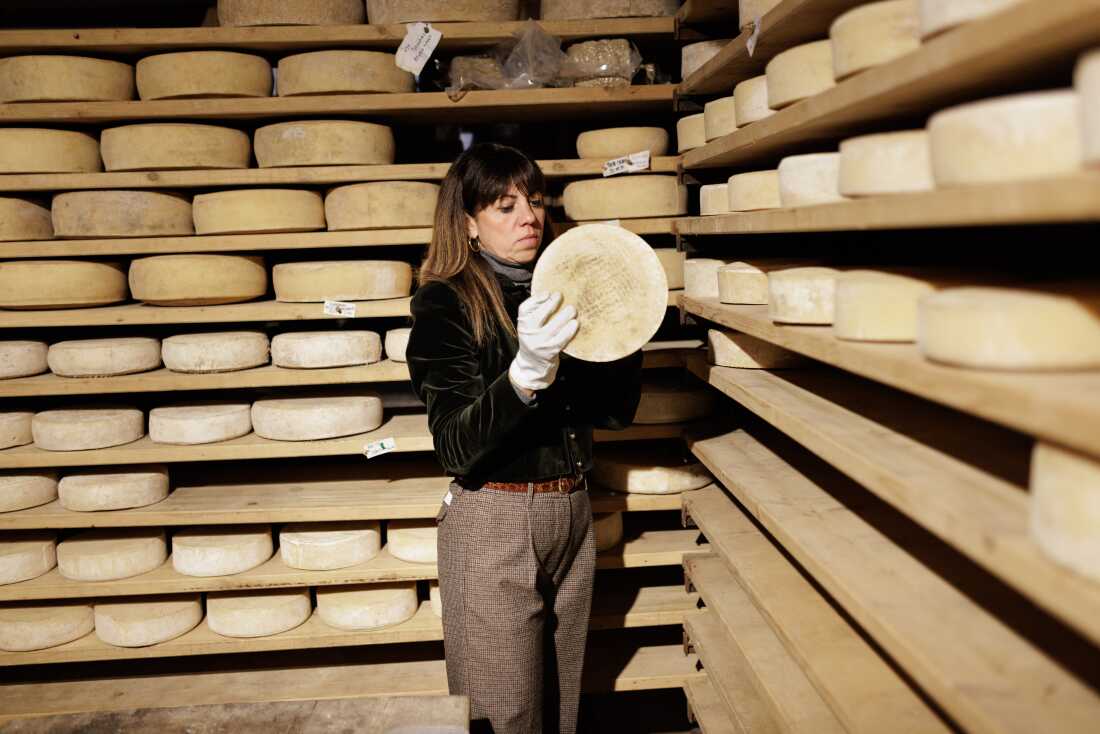
Ludovica Rubbini, co-founder of the Michelin-starred restaurant SanBrite, inspects a wheel of artisanal cheese inside the establishment’s aging cellar. The “agricucina” project emphasizes the traditional preservation and maturation of local dairy products, showcasing the deep connection between the restaurant’s kitchen and its own farm production in the Dolomites.
Valerio Muscella for NPR
hide caption
toggle caption
Valerio Muscella for NPR
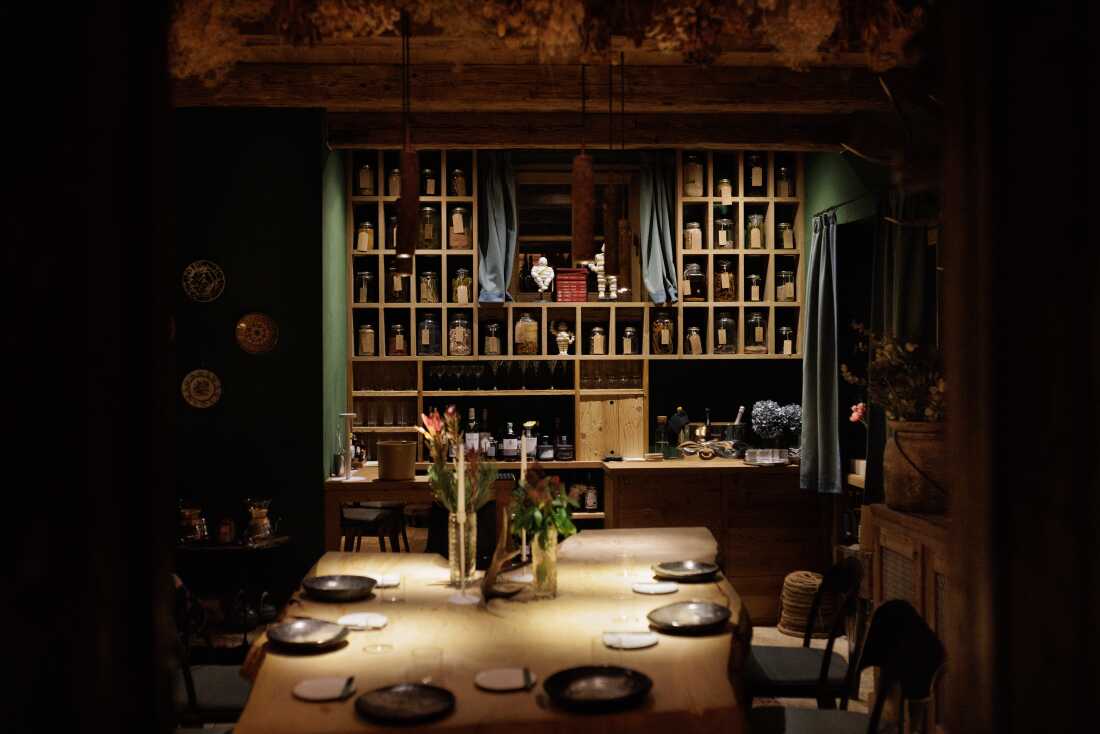
A table setting awaits customers at SanBrite restaurant.
Valerio Muscella for NPR
hide caption
toggle caption
Valerio Muscella for NPR
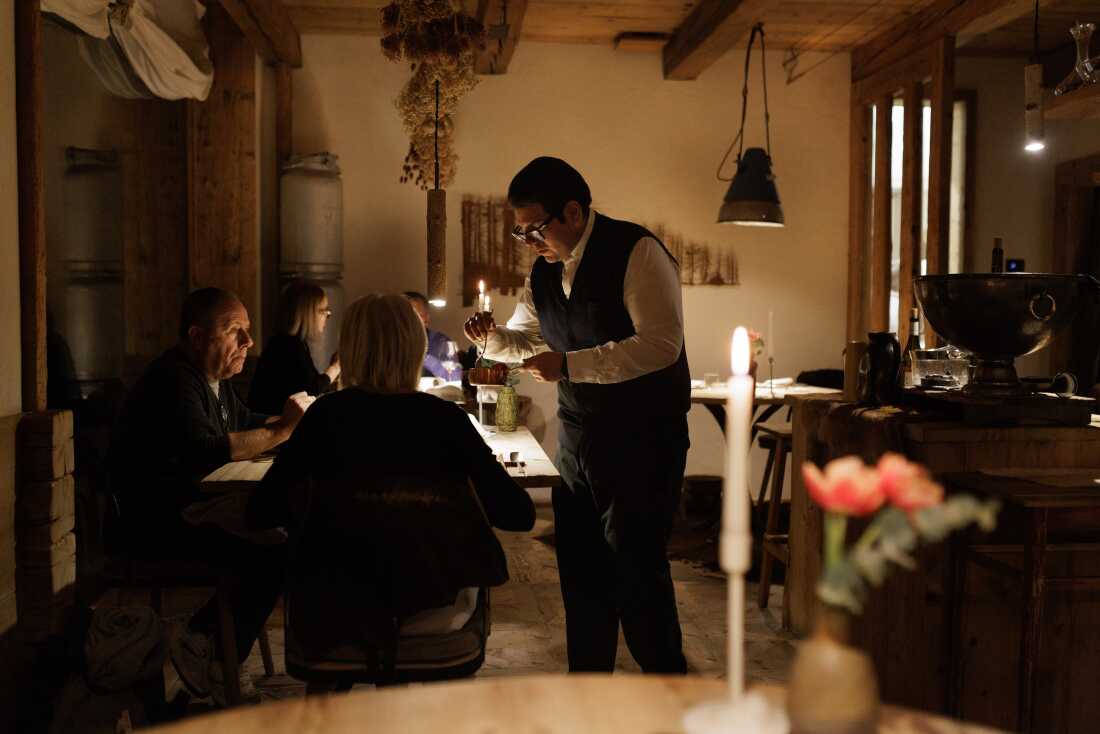
A waiter provides tableside service for guests in the dining room of the Michelin-starred restaurant SanBrite. The establishment, known for its “agricucina” philosophy, combines a refined mountain atmosphere with traditional Cortinese architectural elements, emphasizing a direct connection between local ingredients and high-end hospitality in the heart of the Dolomites.
Valerio Muscella for NPR
hide caption
toggle caption
Valerio Muscella for NPR
But Cortina is changing, too. More people come for summer hiking and for unique fine dining, like that offered by Ludovica Rubbini and her husband, Riccardo Gaspari, whose restaurant SanBrite has earned a Michelin star, as well as the guide’s “green star” for the sustainable agricultural and locally grown ingredients the couple uses on its farm.
In the cozy restaurant, where dried flowers hang from the walls and lights include lamps used during the 1956 Olympics, waiters tell guests at this fine-dining restaurant about the cows that provided the home-churned butter that is served in large pots for sourdough bread.
The dishes are inspired by the mountains and woodland of the area. They include a Jerusalem artichoke cigar served on a bed of moss and filled with the cream of the artichoke, mushrooms and marinated shallots. And a dessert made to look like a frozen lake, with a panna cotta base and layer of frozen water and elderflower, and yogurt powder as a dusting of snow.
“We were out for a walk, and Riccardo crouched by the frozen lake tapping it and examining it,” Rubbini says, remembering the day her husband was inspired to develop this perfect winter dessert.
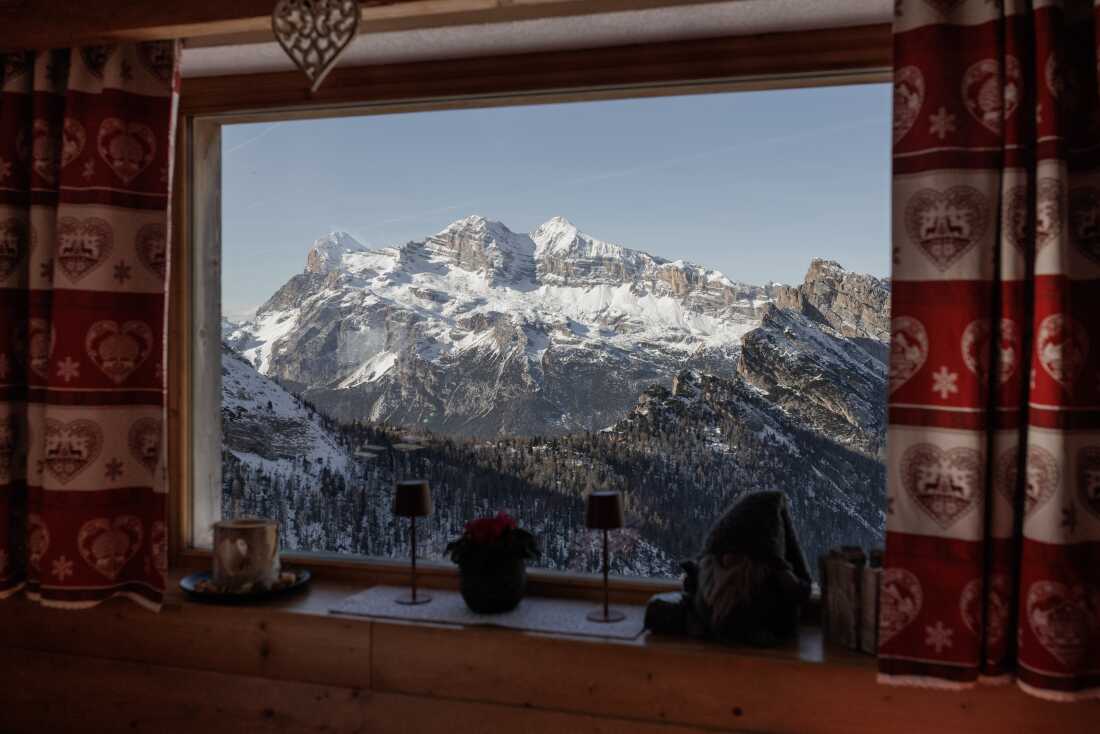
The snow-capped peaks of the Tofane massif are framed through a window of a rifugio, a kind of traditional mountain hut, decorated with typical heart-patterned Ampezzo textiles. These high-altitude lodgings serve as essential rest areas for skiers and hikers, offering a blend of rustic hospitality and panoramic views that define the winter experience in the Dolomites.
Valerio Muscella for NPR
hide caption
toggle caption
Valerio Muscella for NPR

Universal Studios Hollywood has begun peeling back the curtain — or opening the garage? — on its new “Fast & Furious”-inspired coaster coming to the park this summer.
The coaster will feature four heavily detailed miniature cars as ride vehicles. These four-seaters — mimicking a Dodge Charger, Mazda RX-7, Nissan Skyline GT-R and Toyota Supra, all complete with pull-down lap-bars and working taillights — were unveiled at a media event Wednesday.
But perhaps the most exciting news out of the event is just how meaty of a coaster Fast & Furious: Hollywood Drift looks to be.
Fast & Furious: Hollywood Drift will launch this summer at Universal Studios Hollywood and boast ride vehicles that are miniatures of actual cars. The show building is themed like a warehouse with a vibrant, spray-painted mural.
(Todd Martens / Los Angeles Times)
The attraction, the second outdoor coaster at the park after the more kid-focused “Harry Potter” ride Flight of the Hippogriff, was timed at running about two minutes around the track, which goes over and under the park’s famed hillside escalators. Hollywood Drift will reach a top speed of 72 mph.
While a representative for the company said the coaster is intended to reach that 72-mph milestone at various points on the ride, it’s worth noting that it’s still in testing mode and the final speeds and run-time may change. Still, the fact that Universal has been able to pack such a mighty experience into a tight piece of real estate should be positive news for coaster enthusiasts.
By comparison, the family coaster Flight of the Hippogriff is only about a minute, whereas Disney California Adventure’s Incredicoaster comes in at more than 2 and a half minutes. It’s not uncommon for modern coasters today, due to their increasing emphasis on speed and thrills, to last only about a minute.

A look at the ride vehicles and inside mural in the passenger load area of Fast & Furious: Hollywood Drift.
(Todd Martens / Los Angeles Times)
Though packing storytelling into a fast-moving outdoor ride is always a theme park challenge, Universal is doing what it can to make guests feel as if they’re sitting in actual tiny, authentic cars. Check, for instance, the brightly orange Supra, or the black, vintage-style Charger. Each car will be equipped with onboard audio and has unique details, right down to the different placement of the odometers on the dashboard.
One question: Do those odometers actually work and measure speed? A Universal rep declined to answer, but no matter, as most guest will likely be focused on the scenery outside the vehicle, such as the next-door golf course or bird’s-eye views of the park.

An artist rendering of Universal Studios Hollywood’s Fast & Furious: Hollywood Drift, the park’s first high-speed outdoor coaster.
(Universal Studios Hollywood)
The coasters will board two at a time inside the red brick, warehouse-themed show building, which features spray-painted murals from artist Tristan Eaton. Each coaster train holds four cars. There will be a single rider line for solo guests, and the coaster will boast 360-degree rotation, which is meant to create the sensation of a car drifting. The track is 4,100 feet and will take guests on a hillside journey between the park’s upper and lower lots.
The “Fast & Furious” saga spans 11 films, and will soon be recognized with an exhibit at the Petersen Automotive Museum. “A Fast & Furious Legacy: 25 Years of Automotive Icons” opens March 14 and will feature various movie-used vehicles and stunt cars. Among the cars on display will be an early ‘90s Supra driven by Paul Walker’s character Brian O’Conner, one of the vehicles Universal mimicked for the roller coaster.

Amazon Health AI brings a doctor to your pocket

Amazon MGM Studios’ ‘Project Hail Mary’ rockets to the top of the box office

Chappell Roan responds to Jorginho’s accusations that singer’s actions left girl in tears
‘Bluey’ experience opens at Disneyland. Here’s what it’s like

‘It’s the people who are suffering.’ How Cuba is struggling under U.S. oil blockade

Florida High School Football Rankings: Top 25 teams – Oct. 21

How old is Bo Nix? What to know about Oregon quarterback ahead of 2024 NFL Draft

Cleary's 21 help Le Moyne down Central Connecticut State 69-64 in OT

99th annual Pony Swim held in Virginia

Indiana Members Credit Union announced as new anchor tenant at Bottleworks District

French elections: Paris stays left as far right makes mixed gains

ICE officers set to deploy to airports as delays mount, border czar Homan confirms

Video: ICE Agents Will Be Deployed to U.S. Airports, White House Confirms

Schumer knocks Trump on Iran, plan to send ICE to airports: ‘Asking for trouble’

‘Risk of escalation is extremely high as Iran shows it can retaliate’
-

 Detroit, MI4 days ago
Drummer Brian Pastoria, longtime Detroit music advocate, dies at 68
-

 Oklahoma1 week ago
Family rallies around Oklahoma father after head-on crash
-

 Nebraska1 week ago
Wildfire forces immediate evacuation order for Farnam residents
-

 Georgia7 days ago
How ICE plans for a detention warehouse pushed a Georgia town to fight back | CNN Politics
-

 Alaska1 week ago
Police looking for man considered ‘armed and dangerous’
-
 Science1 week ago
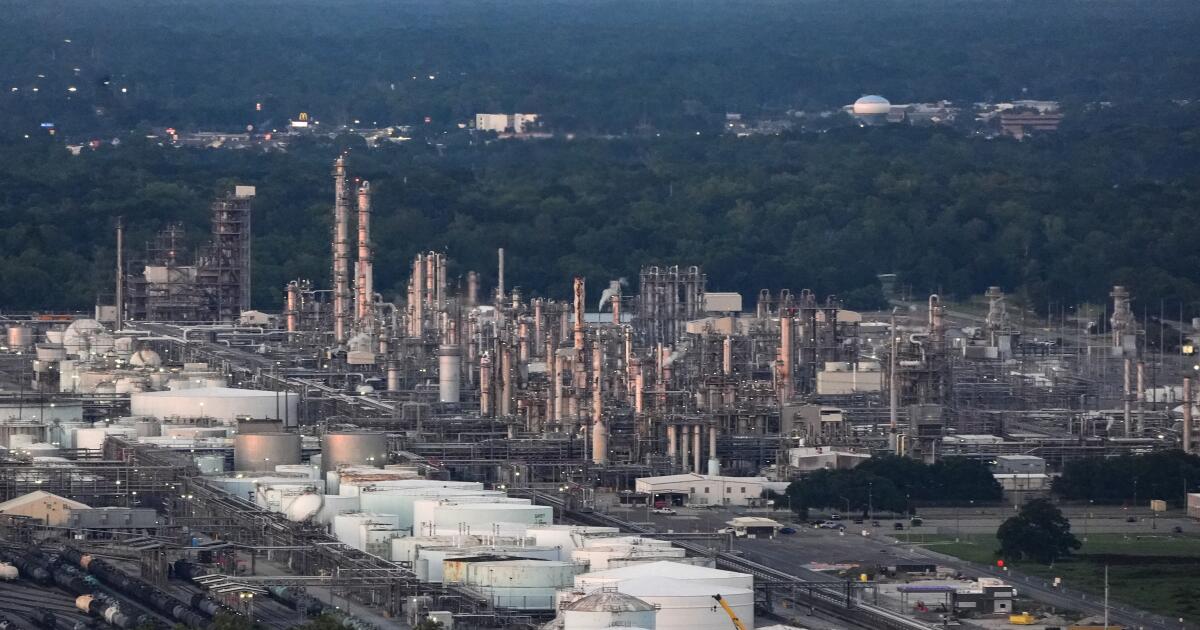
Federal EPA moves to roll back recent limits on ethylene oxide, a carcinogen
-

 Movie Reviews4 days ago
‘Youth’ Twitter review: Ken Karunaas impresses audiences; Suraj Venjaramoodu adds charm; music wins praise | – The Times of India
-

 World1 week ago
Thousands march worldwide in solidarity with Palestine, Iran on al-Quds Day