Health
‘The Pitt’ Captures the Real Overcrowding Crisis in Emergency Rooms


The emergency department waiting room was jammed, as it always is, with patients sitting for hours, closely packed on hard metal chairs. Only those with conditions so dire they needed immediate care — like a heart attack — got seen immediately.
One man had had enough. He pounded on the glass window in front of the receptionist before storming out. As he left, he assaulted a nurse taking a smoking break. “Hard at work?” he called, as he strode off.
No, the event was not real, but it was art resembling life on “The Pitt,” the Max series that will stream its season finale on Thursday. The show takes place in a fictional Pittsburgh hospital’s emergency room. But the underlying theme — appalling overcrowding — is universal in this country. And it is not easy to fix.
“EDs are gridlocked and overwhelmed,” the American College of Emergency Physicians reported in 2023, referring to emergency departments.
“The system is at the breaking point,” said Dr. Benjamin S. Abella, chair of the department of emergency medicine at Mount Sinai’s Icahn School of Medicine in New York.
“The Pitt” follows emergency room doctors, nurses, medical students, janitors and staff hour by hour over a single day as they deal with all manner of medical issues, ranging from a child who drowned helping her little sister get out of a swimming pool to a patient with a spider in her ear. There were heart attacks and strokes, overdoses, a patient with severe burns, an influencer poisoned by heavy metals in a skin cream.
Because this is television, many of the thorny problems get neatly resolved in the show’s 15 episodes. A woman who seems to have abandoned her elderly mother returns, apologizing because she fell asleep. Parents whose son died from an accidental fentanyl overdose come around to donating his organs. A pregnant teenager and her mother, at odds over a medical abortion, come to a resolution following a wise doctor’s counsel.
But over and over again, the image is of a system working way beyond its capacity. There is the jammed waiting room and the “boarders” — patients parked in emergency rooms or hallways for days or longer because there are no hospital beds. (The American College of Emergency Physicians calls boarding a “national public health crisis.”)
There are the long waits for simple tests. There is the hallway medicine — patients who see a doctor in the hallway, not in a private area, because there is no place else to put them.
And there is the violence, verbal and physical, from patients with mental problems and those, like the man who punched the nurse, who just get fed up.
“‘The Pitt’ shows the duress the system is under,” Dr. Abella said. “Across the country we see this day in and day out.”
But why can’t this problem be fixed?
Because there’s no simple solution, said Dr. Ezekiel J. Emanuel, co-director of the Health Transformation Institute at the University of Pennsylvania’s Perelman School of Medicine. The problem, he said is “multipronged and there is no magic wand.”
Part of it is money.
Having patients jammed up in emergency rooms guarantees that no bed will go unused, bolstering revenues for hospitals.
Then there’s the problem of discharging patients. Spaces are scarce in nursing homes and rehabilitation centers, so patients ready to leave the hospital often are stuck waiting for a space to open up elsewhere.
Schedules are another difficulty, said Dr. Jeremy S. Faust, attending physician in the Brigham and Women’s Hospital Department of Emergency Medicine. Many rehabilitation centers admit patients only during business hours, he said. If an E.R. patient is ready to be discharged to one during a weekend, that patient has to wait.
In “The Pitt,” as in real life, patients often show up in emergency rooms with problems — like a child with an earache — that a private doctor should be able to handle. Why don’t they just go to their own doctor instead of waiting hours to be seen?
One reason, Dr. Emanuel said, is that “primary care is going to hell in a handbasket.”
In many cities finding a primary care doctor is difficult. And even if you have one, getting an appointment can take days or weeks.
Many do not want to wait.
“The modern mentality, for better or worse, is: If I can’t get it now, I will look for other solutions,” Dr. Abella said.
That often means the emergency room.
Even building larger emergency rooms has not helped with the overcrowding.
Dr. Faust said that his hospital opened a new emergency room a few years ago with a large increase in the number of beds. A colleague, giving him a tour, proudly told him there was now so much space there would probably be no more hallway patients.
“I looked at him and said, ‘Bwhahahahaha,’” Dr. Faust said. “If you build it, they will come.”
He was right.



NEWYou can now listen to Fox News articles!
The secret to a healthier heart may not be a major lifestyle overhaul, but rather a series of small, sustainable daily habits.
New research published in the European Journal of Preventive Cardiology found that combining modest shifts in daily habits is associated with a significantly reduced risk of major cardiovascular events, including heart attacks, stroke and heart failure.
The study, which followed more than 53,000 adults over an eight-year period, highlighted how even the smallest increase in rest can yield clinically meaningful benefits.
SPECIFIC AMOUNT OF NIGHTLY SLEEP MAY LOWER DIABETES RISK, RESEARCHERS FIND
Researchers found that sleeping for just 11 minutes more per night was a key component of a lifestyle shift associated with a 10% lower risk of major cardiovascular events.
Small daily habits like getting just 11 extra minutes of sleep each night can significantly reduce the risk of heart problems. (iStock)
This modest increase in sleep was most effective when paired with an additional 4.5 minutes of moderate-to-vigorous physical activity and eating an extra quarter-cup of vegetables every day.
“We show that combining small changes in a few areas of our lives can have a surprisingly large positive impact on our cardiovascular health,” said lead author Nicholas Koemel, a research fellow at the University of Sydney.
CLICK HERE FOR MORE HEALTH STORIES
While every extra minute counts, the study identified an ideal range for maximum heart protection that could slash the risk of heart disease by 57% compared to those with the least healthy habits.
The primary pillar of that profile was achieving eight to nine hours of sleep per night, the study noted.
Getting eight to nine hours of sleep each night, along with consistent healthy habits, can reduce the risk of heart disease by up to 57%. (iStock)
This optimal routine also included completing 42 minutes or more of moderate physical activity per day and maintaining a diet high in fish, whole grains, and dairy while remaining low in processed meats and sugary drinks.
CLICK HERE TO SIGN UP FOR OUR HEALTH NEWSLETTER
“Making even modest shifts in our daily routines is likely to have cardiovascular benefits as well as create opportunities for further changes in the long run,” Koemel added. “I would encourage people not to overlook the importance of making a small change or two to your daily routine, no matter how small they may seem.”
Researchers utilized wearable devices to track the sleep and movement of participants, providing more accurate data than previous self-reported studies.
This ideal routine also involves a diet rich in fish, whole grains, and dairy while limiting processed meats and sugary drinks. (iStock)
Several limitations were noted for the research.
TEST YOURSELF WITH OUR LATEST LIFESTYLE QUIZ
The study was observational, meaning it showed a strong link between these small habits and heart health but could not prove that one directly caused the other.
The findings were also based on participants reporting their own dietary habits, which may not always be perfectly accurate.
CLICK HERE TO DOWNLOAD THE FOX NEWS APP
The researchers emphasized that studying these behaviors together is more meaningful than looking at them in isolation because sleep, diet and movement are constantly influencing one another in a daily cycle.

NEWYou can now listen to Fox News articles!
A potentially deadly disease known as “the white plague” has been rising in the U.S. since the pandemic, health officials have warned.
Tuberculosis (TB) gets its nickname from the pale appearance of those affected with the disease.
After a dip in 2020 with the onset of COVID – likely due to underdiagnosis and reduced screenings, according to health experts – cases of TB have increased every year since.
MENINGITIS CASES RISE IN MAJOR MIDWESTERN CITY, PROMPTING PUBLIC HEALTH ALERT
More than 10,600 cases were confirmed in 2024, which is around three people for every 100,000, per the latest available data from the Centers for Disease Control and Prevention.
This marks the third consecutive annual increase, and the total 2024 case count is the highest annual number since 2013.
After a dip in 2020 with the onset of COVID, cases of tuberculosis have increased every year since. (iStock)
Despite the recent increase, TB rates in the U.S. remain relatively low compared to many parts of the world, as the global average is about 131 cases per 100,000, per the World Health Organization. That’s approximately 40 times higher globally compared to the U.S.
TB is a curable bacterial infection that targets the lungs, but can also infect other organs, according to Johns Hopkins. It is spread through airborne particles released when an infected person coughs, speaks or sneezes.
URGENT WARNING ISSUED BY CDC AS CHIKUNGUNYA VIRUS OUTBREAK HITS VACATION DESTINATION
Renuga Vivekanandan, M.D., professor at Creighton University School of Medicine and VP and CMO of CHI Health Physician Enterprise Midwest, said the rise in tuberculosis cases in the U.S. is concerning, but noted that it was foreseeable.
“The COVID-19 pandemic effectively disrupted TB surveillance and treatment programs across the country,” the doctor, who is board-certified in internal medicine and infectious diseases, told Fox News Digital.
TB is a curable bacterial infection that targets the lungs, but can also infect other organs, according to Johns Hopkins. (Getty)
“What we’re seeing now is largely a rebound effect – latent TB infections that went undetected or untreated during the pandemic are now activating.”
Another factor is a return to international travel and increased migration from countries where TB is more prevalent, according to Vivekanandan.
The uptick has also strained healthcare systems. “Local and state public health TB programs became understaffed during the pandemic, and that capacity hasn’t fully recovered,” the doctor said.
Symptoms of disease
While around 25% of people have likely been infected with the TB bacteria, about 5% to 10% will go on to develop active disease, according to health agencies.
MEASLES OUTBREAK POSES RISK OF ‘IRREVERSIBLE’ BRAIN DAMAGE, HEALTH OFFICIALS WARN
A person with a latent infection has been infected with the tuberculosis bacteria, but the bacteria are inactive in the body. While latent-stage TB is not contagious, it can develop into active disease in 5% to 10% of people.
Only people with active TB disease in the lungs or throat can spread the infection.
While around 25% of people have likely been infected with the TB bacteria, about 5% to 10% will go on to develop active disease. (iStock)
Those who get sick with TB may experience mild symptoms, including coughing, chest pain, fatigue, weight loss, weakness, fever and night sweats, per the CDC. In some cases, however, the disease can also affect the kidneys, spine, skin and brain.
CLICK HERE FOR MORE HEALTH STORIES
“TB can affect any organ of the body, but it causes disease in the lung in over 80% of cases,” Masae Kawamura, M.D., a former TB control director in San Francisco and a tuberculosis clinician, previously told Fox News Digital. “This is dangerous because it causes cough, the mechanism of airborne spread.”
“TB can affect any organ of the body, but it causes disease in the lung in over 80% of cases.”
In more severe cases, patients may cough up blood, noted Kawamura, who serves on the board of directors of Vital Strategies, a global public health organization.
“Often, there are minimal symptoms for a long time, and people mistake their occasional cough with allergies, smoking or a cold they can’t shake off,” she added.
Risk factors, treatment and prevention
“The good news is that TB is both preventable and treatable,” Vivekanandan said.
“People who are at higher risk – including those born in or traveling frequently to high TB-burden countries, individuals living in crowded conditions, or those who are immunocompromised – should speak with their doctor about TB testing.”
“People who are at higher risk – including those born in or traveling frequently to high TB-burden countries, individuals living in crowded conditions, or those who are immunocompromised – should speak with their doctor about TB testing,” one doctor noted. (iStock)
Other high-risk groups include people who have diabetes, are malnourished, use tobacco and/or drink excess amounts of alcohol. Babies and children are also more vulnerable to the disease.
Doctors typically use a skin or blood test to detect TB infection, followed by imaging or sputum (mucus) testing to confirm active disease, per the CDC.
CLICK HERE TO SIGN UP FOR OUR HEALTH NEWSLETTER
The disease is treated with antibiotics that are taken every day for four to six months, the CDC states. Some of the most common include isoniazid, rifampicin, pyrazinamide and ethambutol.
CLICK HERE TO DOWNLOAD THE FOX NEWS APP
Failure to take the complete course of medications can cause the bacteria to become drug-resistant, which means it does not respond to standard antibiotics. Drug-resistant TB is more difficult and costly to treat and requires longer, more complex medication regimens, according to experts.
If TB goes untreated, it is fatal in about half of its victims.
“Latent TB, which causes no symptoms and is not contagious, can be treated and cured before it ever progresses to active TB, which is infectious,” the doctor pointed out. (iStock)
“Latent TB, which causes no symptoms and is not contagious, can be treated and cured before it ever progresses to active TB, which is infectious,” Vivekanandan said.
“Identifying and treating latent infection is one of the most powerful tools we have for protecting both individual patients and the broader community.”
TEST YOURSELF WITH OUR LATEST LIFESTYLE QUIZ
The U.S. Preventive Services Task Force recommends screening only for populations at increased risk rather than for the general population.

NEWYou can now listen to Fox News articles!
For women struggling with weight gain after menopause, a new study suggests that adding hormone therapy to a popular obesity drug may lead to greater weight loss.
Postmenopausal women lost about 35% more weight when using menopausal hormone therapy alongside tirzepatide — a GLP-1-based, Food and Drug Administration-approved drug for the overweight and obese — compared to those taking the drug alone, according to a Mayo Clinic study.
The findings, published in February in The Lancet Obstetrics, Gynaecology, & Women’s Health, highlight a possible new strategy for addressing weight gain after menopause, when hormonal shifts can increase the risk of obesity, cardiovascular disease and Type 2 diabetes.
STOPPING OZEMPIC? NEW STUDY REVEALS SURPRISING WEIGHT REGAIN RESULTS AFTER GLP-1S
“This study provides important insights for developing more effective and personalized strategies for managing cardiometabolic risk in postmenopausal women,” Dr. Regina Castaneda, the study’s first author, said in a statement.
A new study found that postmenopausal women lost more weight when combining hormone therapy with a GLP-1-based drug. (iStock)
Researchers analyzed 120 postmenopausal women who were overweight or obese who took tirzepatide for at least 12 months, including 40 who also used hormone therapy and 80 who did not.
Hormone therapy is commonly used to treat menopause symptoms like hot flashes and night sweats, while tirzepatide helps regulate appetite and blood sugar.
WEIGHT LOSS MEDICATIONS COULD IMPACT SEXUAL HEALTH IN UNEXPECTED WAYS
Women in the hormone therapy group lost an average of 19.2% of their body weight, compared to 14.0% in the non-hormone group — about 35% greater relative weight loss — with more women reaching significant weight-loss thresholds, according to the study.
Despite the results, researchers emphasized that the study was observational and cannot prove cause and effect.
Hormonal changes after menopause can increase weight gain and health risks. (iStock)
“Because this was not a randomized trial, we cannot say hormone therapy caused additional weight loss,” said Dr. Maria Daniela Hurtado Andrade, an endocrinologist at Mayo Clinic and senior author of the study.
TEST YOURSELF WITH OUR LATEST LIFESTYLE QUIZ
Outside experts agree that the findings must be interpreted cautiously.
“As with all observational studies, we need to interpret this study with a grain of salt,” Dr. Gillian Goddard, a board-certified endocrinologist, told Fox News Digital.
Goddard, who is also an adjunct assistant professor of medicine at the NYU Grossman School of Medicine, noted that the findings show a link but do not prove that hormone therapy, which usually includes estrogen, directly caused the additional weight loss.
CLICK HERE FOR MORE HEALTH STORIES
“There may be important differences between the two groups,” she added. “For one thing, the group taking estrogen may be healthier than the groups that didn’t take estrogen. … Healthier people are more likely to eat a healthy diet and exercise in addition to taking tirzepatide. That could lead to more weight loss.”
Tirzepatide, a GLP-1-based drug, may be more effective for weight loss when paired with hormone therapy, according to researchers. (iStock)
Symptom relief from the therapy may have also improved sleep and well-being, making it easier for the group to maintain diet and exercise routines, Hurtado Andrade noted.
Researchers also pointed to a possible biological explanation. Preclinical data suggest estrogen may enhance the appetite-suppressing effects of GLP-1-based medications like tirzepatide, according to the study.
CLICK HERE TO SIGN UP FOR OUR HEALTH NEWSLETTER
Goddard said that theory is plausible but unproven.
Hormone therapy may ease menopause symptoms and help women stay on track with diet and exercise. (iStock)
“The other possibility is that estrogen interacts with tirzepatide in some way that makes it more potent,” she said. “We will need randomized studies to get a better handle on that.”
As for safety, experts say using the two together appears safe for most women. However, hormone therapy is not recommended for all patients, especially those with a history of certain cancers, blood clots or other underlying health risks, according to the Mayo Clinic.
CLICK HERE TO DOWNLOAD THE FOX NEWS APP
Researchers say future randomized trials will aim to confirm the findings and explore whether the combination also improves broader cardiometabolic health outcomes, according to the study.
Experts say more research is needed to confirm whether hormone therapy directly boosts weight loss results with GLP-1 drugs. (iStock)
“If confirmed, this work could speed the development and adoption of new, evidence-based strategies to reduce this risk for millions of postmenopausal women navigating this life stage,” Hurtado Andrade said.
Fox News Digital has reached out to the study authors for comment.

Milwaukee police search for suspect after fatal shooting near 105th and Villa

Good Day Atlanta viewer information: March 30, 2026

Minneapolis Parks Equity Plan Ahead of Schedule 2026

HBCU All-Star Experience takes over Indianapolis – Indianapolis Recorder

Wabtec Announces First Quarter 2026 Earnings Release Date – Today in Pittsburgh

Florida High School Football Rankings: Top 25 teams – Oct. 21

How old is Bo Nix? What to know about Oregon quarterback ahead of 2024 NFL Draft

Cleary's 21 help Le Moyne down Central Connecticut State 69-64 in OT

99th annual Pony Swim held in Virginia

Indiana Members Credit Union announced as new anchor tenant at Bottleworks District

Video: Iran to Allow More Oil Ships Through Strait of Hormuz, Trump Says

Dem senator warns deportation could let Virginia woman’s illegal immigrant killer ‘escape accountability’

Newsletter: G7 ministers to hold talks on war’s economic fallout
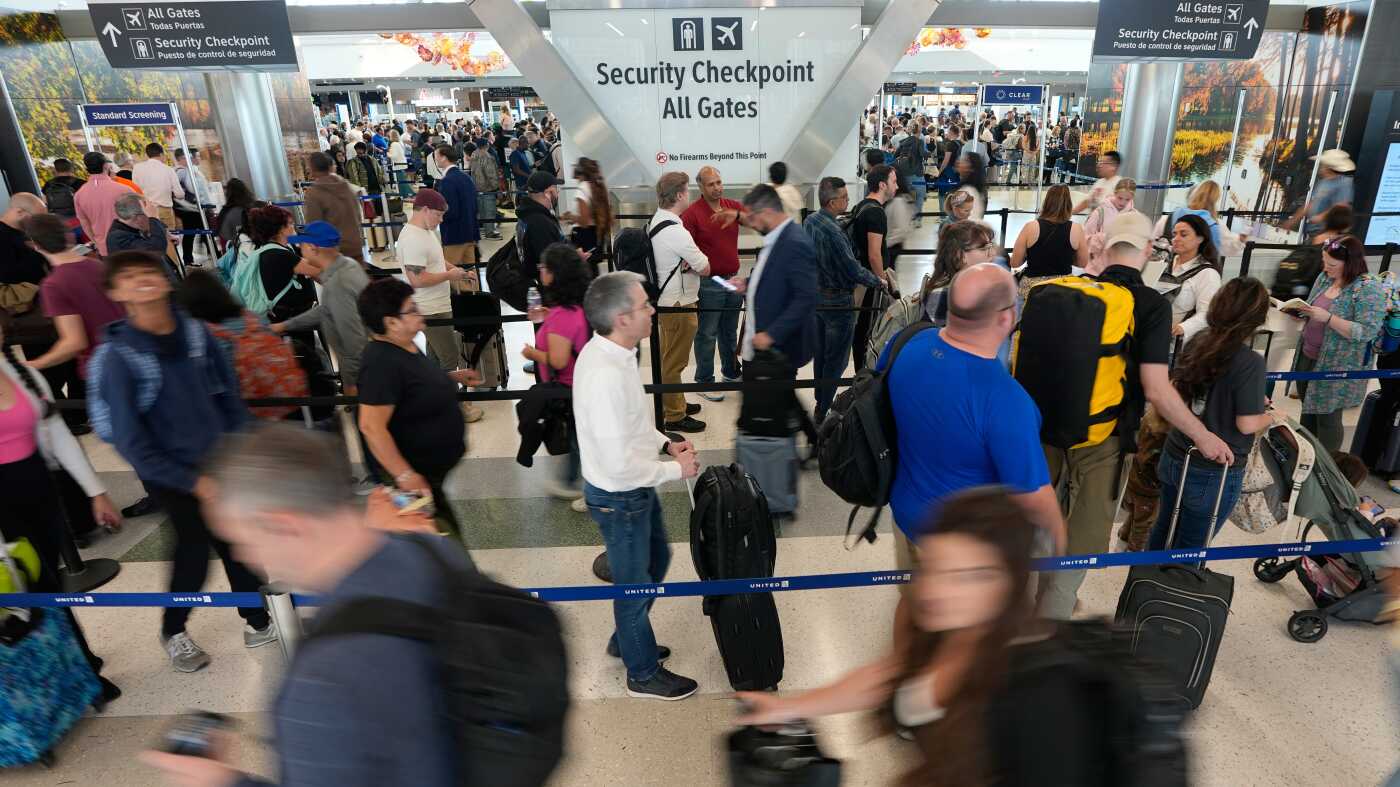
ICE officers could remain at airports after TSA workers are paid

Scathing report claims nation’s oldest labor union ‘betrayed’ MAGA members through ‘shocking’ spending
-

 Sports1 week ago
IOC addresses execution of 19-year-old Iranian wrestler Saleh Mohammadi
-

 Miami, FL4 days ago
Jannik Sinner’s Girlfriend Laila Hasanovic Stuns in Ab-Revealing Post Amid Miami Open
-

 New Mexico1 week ago
Clovis shooting leaves one dead, four injured
-

 Politics1 week ago
Schumer gambit fails as DHS shutdown hits 36 days and airport lines grow
-

 Tennessee7 days ago
Tennessee Police Investigating Alleged Assault Involving ‘Reacher’ Star Alan Ritchson
-

 Minneapolis, MN4 days ago
Boy who shielded classmate during school shooting receives Medal of Honor
-

 Science1 week ago
Record Heat Meets a Major Snow Drought Across the West
-

 Politics1 week ago
Trump gives Iran 48-hour ultimatum to reopen Strait of Hormuz or face strikes on power plants