Health
Some moms are microdosing on mushrooms, touting the benefits – but risks exist, say doctors


Motherhood is a tough job — and now some moms are getting help from an unlikely source.
Thousands of mothers are taking microdoses of psychedelic or “magic” mushrooms — officially called psilocybin — to ease their stress and anxiety, according to some reports.
On an Instagram account called “Moms On Mushrooms,” which has over 30,000 followers, users claim mushrooms are improving their mental health.
MUSHROOM-INFUSED ‘MICRODOSING’ CHOCOLATE BARS ARE SENDING PEOPLE TO THE HOSPITAL, PROMPTING INVESTIGATION: FDA
Others, however, are concerned about the possible health risks and legal issues associated with these psychedelic substances.
Read on for both sides of the issue, including a doctor’s warning.
Potential benefits
Peggy Van de Plassche, a Canada-based former business and finance executive, quit her job to focus her time and energy on the psychedelic industry.
Peggy Van de Plassche (left), a Canada-based former business and finance executive, quit her job to focus her time and energy on the psychedelic industry. (Peggy Van de Plassche / iStock)
Van De Plassche is a mom and founder of The Microdose Diet, a holistic program that includes alternative medicines such as psilocybin to “rewire the brain, calm the body, master emotions and raise energy to reach more success.”
She calls microdosing the new “biohack” for mothers to navigate their stress and anxiety around parenting, aging and work.
“Microdosing can help moms find calm and clarity in parenting, improve their emotional resilience, and even help manage postpartum depression,” Van de Plassche said in a statement to Fox News Digital.
PSYCHEDELIC RETREAT REPORTS 183% SPIKE IN BOOKINGS AS HEALTH EXPERTS CITE ‘DOWNSIDE’ OF UNREGULATED USE
There are three potential benefits of microdosing mushrooms, according to Van de Plassche, who is also the author of the book “MORE! The Microdose Diet – The 90-Day Plan for More Success, Passion, and Happiness.”
1. Enhanced emotional and mental well-being
Many women report significant improvements in their emotional and mental health when they begin microdosing psychedelics, according to Van de Plassche.
“These small, sub-hallucinogenic doses can stabilize mood and improve emotional responsiveness,” she told Fox News Digital via email.
Thousands of mothers are apparently taking microdoses of psychedelic or “magic” mushrooms — officially called psilocybin — to ease their stress and anxiety, according to some reports. (AP Photo/Richard Vogel, File)
“Research and anecdotal evidence suggest that microdosing may help diminish symptoms of depression, anxiety and PTSD, which disproportionately affect women.”
In theory, these substances can balance women’s emotions and make everyday challenges more manageable, claimed Van de Plassche.
One supporter calls microdosing the new “biohack” for mothers to navigate stress and anxiety.
One mother posted on Reddit last year about her positive experience with microdosing.
“No exaggeration, microdosing saved my life. I had terrible reactions to everything commonly prescribed to treat PTSD, and as a last resort I started microdosing,” she wrote.
“There was no high or buzz, I just stopped wanting to kill myself,” the individual wrote. “It’s been two years and my kids have a fully functional mom and my world has color.”
2. Increased creativity and problem-solving
“Women in creative fields, as well as those in more traditional sectors, find that microdosing enhances their problem-solving capabilities and creative thinking,” Van de Plassche said.
“This isn’t about generating a ‘high,’ but rather sparking a slight uplift in cognitive flexibility.”
“Microdosing can help moms find calm and clarity in parenting, improve their emotional resilience, even help manage postpartum depression,” claimed an advocate of mushrooms. (iStock)
In her view, microdosing helps women “think outside the box,” forge new connections and arrive at better solutions.
“Whether at work or at home, women can benefit from more creativity with the help of microdosing,” she said.
3. Menopause relief and hormonal balance
Van de Plassche said she believes that microdosing can help women navigate the psychological and physiological symptoms of menopause, such as mood swings, insomnia and fatigue.
“By modulating the serotonin system in the brain, microdoses of psychedelics might offer a new kind of equilibrium without the side effects associated with traditional hormone replacement therapies,” she told Fox News Digital.
FDA PANEL REJECTS MDMA-ASSISTED THERAPIES FOR PTSD DESPITE HIGH HOPES FROM VETERANS
“Microdosing holds particular appeal for women seeking gentle yet effective transformations,” she also said.
Beyond helping to manage symptoms of aging, microdosing can help women “reclaim a sense of agency” over their minds and spirits, according to Van de Plassche.
What is a microdose?
Microdosing psilocybin involves “regularly taking very small, sub-perceptual doses of LSD or psilocybin,” which is the psychoactive compound found in certain mushrooms, according to Van de Plassche.
The ideal dose, frequency and type of mushroom can vary from one person to the next, she said.
Though some moms are swearing by this today, microdosing psychedelics can cause a psychotic or manic episode, especially in those with a personal or family history of schizophrenia or bipolar disorder, an expert warned. (iStock)
“I have found that 100 milligrams of psilocybin once every three days in the morning on an empty stomach is a great rule of thumb for most,” said Van de Plassche.
Potential risks of microdosing on mushrooms
Some medical professionals warn about a lack of research and safety concerns associated with mushrooms.
“There is not a lot of peer-reviewed research or safety data available for microdosing psychedelics, because these substances are not as well-studied as more traditional interventions,” Dr. Adam D. Scioli, chief medical officer of Caron Treatment Centers in Pennsylvania, told Fox News Digital.
“However, some of what we do know is concerning.”
“There is not a lot of peer-reviewed research or safety data available for microdosing psychedelics.”
Microdosing psychedelics can cause a psychotic or manic episode, especially in those with a personal or family history of schizophrenia or bipolar disorder, Scioli warned.
Other potential risks include paranoia, worsened depression or anxiety, and enhancement of emotions like worry, fear and guilt.
“Individuals microdose to manage emotions or feel better, but they should be aware that you can’t control which emotions you may experience,” Scioli added.
There is a risk that mushrooms may interact with other depression medications, which could be dangerous, even life-threatening, an expert warned. (iStock)
There is also the risk that mushrooms may interact with other depression medications, which could be dangerous or even life-threatening, the expert warned.
For some, the substance could lead to elevated blood pressure or heart rate, or an increased risk of stroke or sudden cardiac arrest.
“Individuals may also experience migraines, vomiting, nausea, loss of consciousness, body temperature dysregulation (too hot or too cold), loss of focus and/or brain fog,” Scioli added.
MAIL-ORDER KETAMINE INJECTIONS CAN BE ‘EXTREMELY DANGEROUS,’ WARNS DR. MARC SIEGEL
Until there is more conclusive research, Scioli believes that adults should avoid microdosing with mind-altering substances outside a clinical setting and under the supervision of a board-certified physician.
Some also warn of the psychological impact the practice could have on kids.
One Reddit user wrote, “I think parents shouldn’t be on any kind of drug (alcohol, vapes, grass, shrooms, tobacco, hard drugs…) when taking care of a child, because of how it will damage the health of the child. Kids can also tell when adults aren’t sober. It makes kids feel unsafe.”
Until there is more conclusive research, one addiction expert believes that adults should avoid microdosing with mind-altering substances outside a clinical setting under the supervision of a board-certified physician. (iStock)
Van de Plassche acknowledged that taking mushrooms too often or in excessive amounts can be risky — as can consuming “low-quality” varieties.
Women who are pregnant and breastfeeding should not microdose, she also advised.
“Men and women with dissociative mental health challenges, such as schizophrenia, should also refrain from using psychedelics,” Van de Plassche added.
Are mushrooms legal?
Psilocybin is classified as a Schedule I substance under the Controlled Substances Act, according to the Drug Enforcement Agency (DEA).
That classification means the substance “has a high potential for abuse, no currently accepted medical use in treatment in the United States, and a lack of accepted safety for use under medical supervision,” as stated on the DEA’s website.
“Most microdosers have to opt for ‘civil disobedience’ in order to benefit from the practice.”
“Some states offer psychedelic-assisted therapy, which consists of large doses of psychedelics administered in a medical environment and combined with therapy,” Van de Plassche said.
“Patients usually have to jump through many hoops to access it, and it is very expensive — and mostly not covered by health insurance,” she added.
CLICK HERE TO SIGN UP FOR OUR HEALTH NEWSLETTER
Availability of the substance varies by state, city and county.
Except for some “open-minded” doctors, Van de Plassche said most health practitioners will redirect patients toward more traditional therapies.
Psilocybin is classified as a Schedule I substance under the Controlled Substances Act, according to the Drug Enforcement Agency (DEA). (iStock)
“Microdosing is not a practice embraced by health professionals — yet,” she said.
“Most microdosers have to opt for ‘civil disobedience’ in order to benefit from the practice.”
In most cases, the substances people use are not standardized or regulated, Scioli reiterated.
“That means you really don’t know what you’re taking — and what you’re taking may be contaminated with other substances that can be extremely dangerous,” he said.
For more Health articles, visit www.foxnews/health
“There is also no way to tell if you’re taking too much of a substance. What may have little to no effect on one person may be extremely harmful to another person.”
Fox News Digital reached out to the DEA requesting additional comment.



NEWYou can now listen to Fox News articles!
Top stories
→ Some 80-year-olds still have razor-sharp brains — and now scientists know why
→ One father’s nightly bathroom habit was missed sign of common cancer
→ 5 ways to preserve vision as you age, according to an ophthalmologist
SuperAger Ralph Rehbock sits with his wife in his home. (Shane Collins, Northwestern University)
On the lookout
→ Heart disease threat projected to climb sharply for key demographic
→ Heavy snow is recipe for serious heart attack risk, experts say
→ Flu season could linger into spring as doctors warn of second wave
A doctor says the second wave of flu season may be worse than previous years. (iStock)
Conversation starters
→ One type of olive oil has a surprising effect on brainpower in aging adults
→ Common vision issue linked to type of lighting used in homes
→ Some supplements may pose risks for people with diabetes, experts say
Medical advances
→ Alzheimer’s symptoms could be predicted years in advance through one simple test
→ Combination nasal spray vaccine could protect against COVID, flu and pneumonia
→ Weight-loss medications could impact sexual health in unexpected ways
Stat of the week
More than 59% of women may have high blood pressure by 2050, according to a new report from the American Heart Association.
CLICK HERE FOR MORE HEALTH STORIES

NEWYou can now listen to Fox News articles!
A new report by the American Heart Association (AHA) included some troubling predictions for the future of women’s health.
The forecast, published in the journal Circulation on Wednesday, projected increases in various comorbidities in American females by 2050.
More than 59% of women were predicted to have high blood pressure, up from less than 49% currently.
The review also projected that more than 25% of women will have diabetes, compared to about 15% today, and more than 61% will have obesity, compared to 44% currently.
As a result of these risk factors, the prevalence of cardiovascular disease and stroke is expected to rise to 14.4% from 10.7%.
The prevalence of cardiovascular disease and stroke in women is expected to rise to 14.4% from 10.7% by 2050. (iStock)
Not all trends were negative, as unhealthy cholesterol prevalence is expected to drop to about 22% from more than 42% today, the report stated.
CLICK HERE TO DOWNLOAD THE FOX NEWS APP
Dr. Elizabeth Klodas, a cardiologist and founder of Step One Foods in Minnesota, commented on these “jarring findings.”
“The fact that on our current trajectory, cardiometabolic disease is projected to explode in women within one generation should be a huge wake-up call,” she told Fox News Digital.
NEARLY 90% OF AMERICANS AT RISK OF SILENT DISEASE — HERE’S WHAT TO KNOW
“Hypertension, diabetes, obesity — these are all major risk factors for heart disease, and we are already seeing what those risks are driving. Heart disease is the No. 1 killer of women, eclipsing all other causes of death, including breast cancer.”
Cardiovascular disease is the leading cause of death for women in the U.S. and around the world. (iStock)
Klodas warned that heart disease starts early, progresses “stealthily,” and can present “out of the blue in devastating ways.”
The AHA published another study on Thursday revealing one million hospitalizations, showing that heart attack deaths are climbing among adults below the age of 55.
The more alarming finding, according to Klodas, is that young women were found more likely to die after their first heart attack than men of the same age.
DOCTOR SHARES 3 SIMPLE CHANGES TO STAY HEALTHY AND INDEPENDENT AS YOU AGE
“This is all especially tragic since heart disease is almost entirely preventable,” she said. “The earlier you start, the better.”
Children can show early evidence of plaque deposition in their arteries, which can be reversed through lifestyle changes if “undertaken early enough and aggressively enough,” according to the expert.
Moving more is one part of protecting a healthy heart, according to experts. (iStock)
Klodas suggested that rising heart conditions are associated with traditional risk factors, like smoking, high blood pressure, high cholesterol, diabetes, obesity and a sedentary lifestyle.
CLICK HERE FOR MORE HEALTH STORIES
Doctors are also seeing higher rates of preeclampsia, or high blood pressure during pregnancy, as well as gestational diabetes. Klodas noted that these are sex-specific risk factors that don’t typically contribute to complications until after menopause.
The best way to protect a healthy heart is to “do the basics,” Klodas recommended, including the following lifestyle habits.
CLICK HERE TO SIGN UP FOR OUR HEALTH NEWSLETTER
Klodas especially emphasized making improvements to diet, as the food people eat affects “every single risk factor that the AHA’s report highlights.”
“High blood pressure, high blood sugar, high cholesterol, excess weight – these are all conditions that are driven in part or in whole by food,” she said. “We eat multiple times every single day, which means what we eat has profound cumulative effects over time.”
“Even a small improvement in dietary intake, when maintained, can have a massive positive impact on health,” a doctor said. (iStock)
“Even a small improvement in dietary intake, when maintained, can have a massive positive impact on health.”
The doctor also recommends changing out a few snacks per day for healthier choices, which has been proven to “yield medication-level cholesterol reductions” in a month.
TEST YOURSELF WITH OUR LATEST LIFESTYLE QUIZ
“Keep up that small change and, over the course of a year, you could also lose 20 pounds and reduce your sodium intake enough to avoid blood pressure-lowering medications,” Klodas added.
“Women should not view the AHA report as inevitable. We have power over our health destinies. We just need to use it.”
Related Article


Use left and right arrow keys to navigate between menu items.
Use escape to exit the menu.
Sign Up
Create a free account to access exclusive content, play games, solve puzzles, test your pop-culture knowledge and receive special offers.
Already have an account? Login

Video: Prada Peels Back the Layers at Milan Fashion Week

Defense secretary Pete Hegseth designates Anthropic a supply chain risk

UN Human Rights Council chief cuts off speaker criticizing US-sanctioned official

ICE blasts Washington mayor over directive restricting immigration enforcement

‘SuperAgers’ stay mentally sharp well past 80, as scientists reveal the reason

Florida High School Football Rankings: Top 25 teams – Oct. 21

Cleary's 21 help Le Moyne down Central Connecticut State 69-64 in OT

How old is Bo Nix? What to know about Oregon quarterback ahead of 2024 NFL Draft

99th annual Pony Swim held in Virginia

Indiana Members Credit Union announced as new anchor tenant at Bottleworks District
ICE blasts Washington mayor over directive restricting immigration enforcement

Did the EU bypass Hungary’s veto on Ukraine’s €90 billion loan?
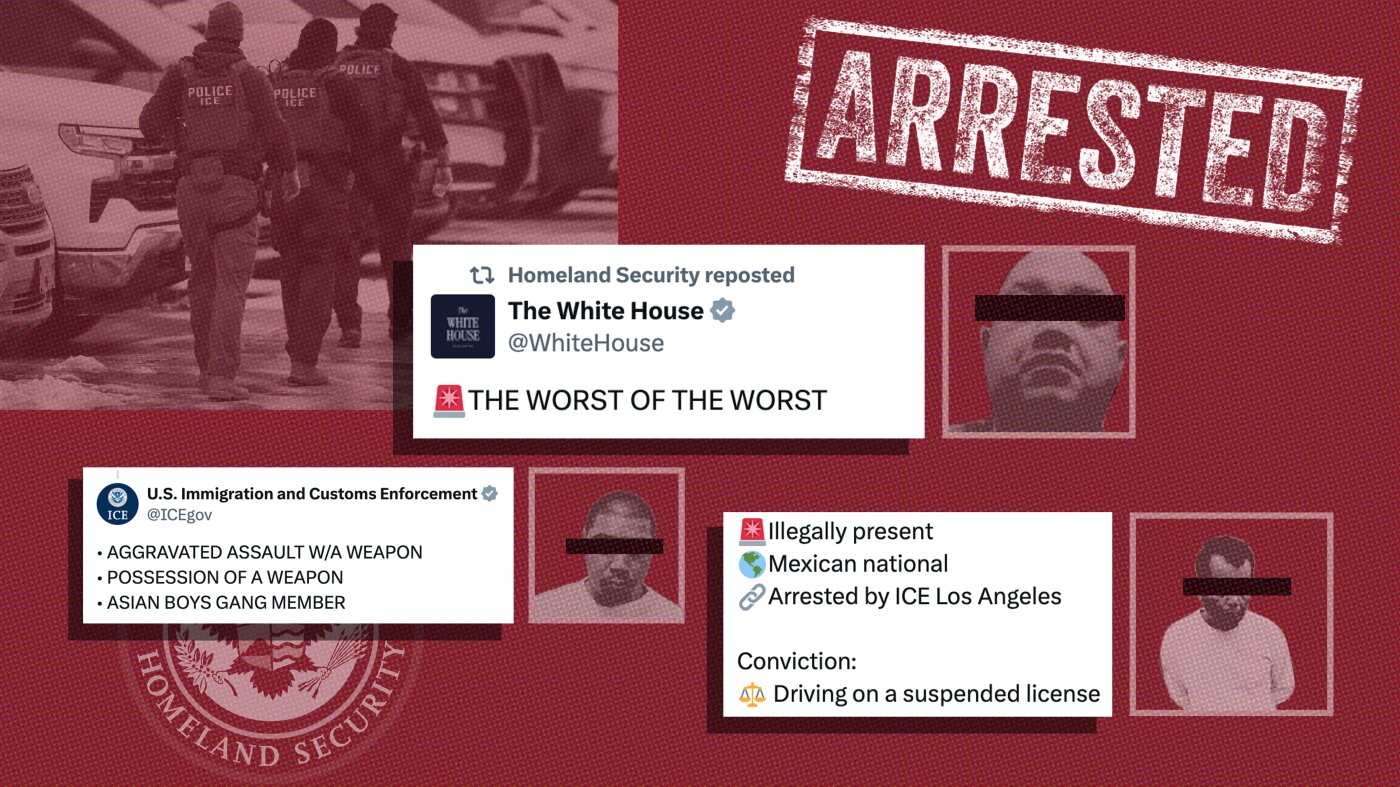
How the federal government is painting immigrants as criminals on social media

Where Iran’s ballistic missiles can reach — and how close they are to the US

Has India’s influence in Afghanistan grown under the Taliban?
-

 World2 days ago
Exclusive: DeepSeek withholds latest AI model from US chipmakers including Nvidia, sources say
-

 Massachusetts2 days ago
Mother and daughter injured in Taunton house explosion
-

 Montana1 week ago
2026 MHSA Montana Wrestling State Championship Brackets And Results – FloWrestling
-

 Louisiana5 days ago
Wildfire near Gum Swamp Road in Livingston Parish now under control; more than 200 acres burned
-

 Oklahoma1 week ago
Wildfires rage in Oklahoma as thousands urged to evacuate a small city
-

 Denver, CO2 days ago
10 acres charred, 5 injured in Thornton grass fire, evacuation orders lifted
-

 Technology7 days ago
YouTube TV billing scam emails are hitting inboxes
-

 Technology7 days ago
Stellantis is in a crisis of its own making