Health
Eye injuries after solar eclipse surge following phenomenon


Immediately after Monday’s solar eclipse, the number of people searching Google for eye-related injuries jumped while one doctor in New York City says she treated a surge of patients with eye pain.
“I had several patients come in panicking saying ‘I don’t want to go blind,’” Dr. Janette Nesheiwat, a New York City-based double board-certified doctor tells Fox News Digital. “I couldn’t believe it, people actually looked at the eclipse without protection.”
Doctors and eye specialists had been warning the public for days not to look directly at the sun, but apparently, some did not heed the advice.
SOLAR ECLIPSE EYE SAFETY: CAN STARING AT THE SUN CAUSE BLINDNESS?
People look toward the sky at the Edge at Hudson Yards observation deck ahead of a total solar eclipse in New York City on April 8, 2024. (Charly Triballeau/AFP)
Looking at the sun without protective equipment such as solar eclipse glasses can harm vision and can lead to serious and permanent damage. Nesheiwat says the sun’s rays can burn the retina and damage the macula, the part of the retina at the back of the eye that is responsible for central vision.
Google searches for “hurt eyes” and “why do my eyes hurt after the eclipse” rose after the moon and sun aligned on Monday.
In terms of national figures, a CDC spokesperson told Fox News Digital that the National Center for Health Statistics does not have any data on eye damage following the eclipse.
However, Nesheiwat says she treated up to eight patients who came into the City MD she works out of near Madison Square Garden in Midtown Manhattan, with one patient looking at the sun either directly or through his phone for about 10 minutes, she says.
“The damage can be irreversible if the retina is severely damaged by looking directly at the without proper eye protection. Some people may have mild symptoms if the exposure to the sun was brief.”
Dr. Janette Nesheiwat says she treated patients for eye damage on Monday following the eclipse. (Fox News, left, and Gary Hershorn/Getty Images, right.)
FOR SOLAR ECLIPSE SAFETY, HERE’S WHAT DRIVERS SHOULD NOT DO ON THE ROAD DURING THE RARE EVENT
“Symptoms my patients suffered included headaches, blurry vision, and nausea while one of my patients said he was seeing spots. Other symptoms can include a change in color vision,” Nesheiwat added, saying she sent that patient to an eye care specialist, known as an ophthalmologist, for further treatment. “Then it was crazy, we were trying to make appointments for them with the eye specialists and all the eye specialists were booked up within an hour.”
She treated some patients with nausea medicine and eyedrops and recommended they have follow-up appointments with an eye doctor.
Symptoms may appear after a few days, Nesheiwat said, and she urged people to visit a medical doctor to have a full eye examination if this is the case.
In the meantime, she said those people should stop looking at the sun, avoid rubbing their eyes, avoid strenuous activities on the eyes like excessive reading or use of electronic devices. She added they need to make sure they are wearing sunglasses that have UV protection when outdoors also.
People watch with solar glasses as the moon starts to cross in front of the sun during a total solar eclipse in Carbondale, Illinois on April 8, 2024. (AP Photo/Jeff Roberson)
While the vast majority took precautions while gazing at the eclipse, there is a chance some may have done so with solar eclipse glasses that have been recalled.
The Illinois Department of Public Health sent out a last-minute recall notice on Monday for eclipse glasses that may have potentially failed to meet safety standards.
The agency asked customers to double-check if they had bought the glasses labeled “EN ISO 12312-1:2022” and warned them not to use the glasses to view the eclipse.
The glasses in question were reportedly sold through Amazon as “Biniki Solar Eclipse Glasses AAS Approved 2024 – CE & ISO Certified Safe Shades for Direct Sun Viewing (6 Packs).” The glasses were also reportedly available at several Southern Illinois retail establishments, including Farm Fresh Market in Breese, Highland Tru Buy in Highland, Perry County Marketplace in Pinckneyville, Sinclair Foods in Jerseyville, Steelville Marketplace in Steelville and Big John Grocery in Metropolis.



NEWYou can now listen to Fox News articles!
In addition to travel and logistical challenges, heavy snowfall can be detrimental to people’s health.
As the northeast faces historic snow accumulation this week, experts are warning of the physical risks of shoveling heavy snow, particularly for those who do not exercise regularly or have pre-existing health conditions.
“The combination of the wet, heavy snow and the heavy winds make it more of a health risk because it’s much harder to get around,” Fox News senior medical analyst Dr. Marc Siegel told Fox News Digital.
“In the aftermath of the storm, as the temperatures drop, the heavy, wet snow forms ice, which makes walking and driving treacherous.”
Heavy, wet snow can get inside clothes and cause “more of a chill,” potentially leading to hypothermia in severe cases, according to Siegel.
People who are not usually physically active are at a greater risk of heart attack while shoveling snow. (iStock)
In a Monday appearance on “Fox & Friends,” the doctor stressed the importance of being properly dressed in these conditions.
“I saw this morning people who weren’t covered properly … weren’t wearing gloves, didn’t have the full hat, or the kind of overcoat they needed,” he said.
“The combination of the wet, heavy snow and the heavy winds make it more of a health risk.”
“They also weren’t looking out for each other. You need to look out for each other. With this kind of wind, you get really easily discombobulated.”
Siegel urged people to stay indoors unless it’s absolutely necessary to leave their home.
“Watch out if you are outside for brief periods — for fallen power lines or for trees that are down. That’s very, very dangerous as well,” he cautioned. “That’s where a lot of the injuries come from.”
Snow covering several cars on the street in New York City on Feb. 23, 2026. (Fox News Digital)
There’s also an increased risk of falling, as well as electrocution from power lines being weighed down by heavy snow. Going without power poses its own health risks, Siegel mentioned.
Dr. Joshua Latzman, cardiologist at White Plains Hospital Physician Associates in White Plains, New York, shared with the American Heart Association (AMA) that research has shown heavy snow shoveling can put “significant stress on the heart.”
CLICK HERE TO SIGN UP FOR OUR HEALTH NEWSLETTER
“In frigid temperatures, that added strain can increase the risk of a heart-related event,” he said. “This can be especially dangerous for people who are out of shape or not used to strenuous activity.”
CLICK HERE TO DOWNLOAD THE FOX NEWS APP
Shoveling in the wind can also increase the risk of a health event, since exposure to colder air can raise blood pressure and constrict the coronary arteries, according to the AMA.
“Many heart-related events occur in people who are usually inactive,” Latzman went on. “When someone who is sedentary suddenly takes on heavy shoveling after a storm, that unexpected strain can unfortunately lead to a serious emergency.”
A woman walks her dog on a closed street in the Upper East Side of Manhattan during a record-breaking snowstorm on Feb. 23, 2026. (Lauren Abbondondolo)
Straining to lift something heavy can have the same effect if normal breathing is impacted.
Other at-risk groups include people who are obese, those who smoke or have smoked in the past, people with diabetes, and those with high cholesterol or high blood pressure. Anyone who has previously had a heart attack or stroke is also at greater risk, the AMA reported.
CLICK HERE FOR MORE HEALTH STORIES
“Anyone with these characteristics, including people who have undergone bypass surgery or coronary angioplasty, should not be shoveling snow,” Latzman concluded.
Exposure to cold temperatures can spike blood pressure, experts warn. (iStock)
Siegel urged those who may be at risk to avoid going out with their shovels and “being a hero.”
“It’s about the most cardiac expenditure of energy that you can have,” he said. “So if you’ve been sedentary, don’t go and shovel. Get a younger person or somebody who’s in much better shape to do it.”
TEST YOURSELF WITH OUR LATEST LIFESTYLE QUIZ
If shoveling is unavoidable, experts advise doing it gradually and at a comfortable pace. The AMA also suggests covering your mouth and nose and dressing in layers, including a hat and gloves.
Pushing or sweeping the snow is safer than lifting and throwing, as it requires less energy.
Related Article


NEWYou can now listen to Fox News articles!
A simple blood test could predict not only a person’s risk of developing Alzheimer’s disease, but also the year symptoms will begin.
Researchers at the Washington University School of Medicine in St. Louis set out to determine if levels of a specific protein in the blood could be used as a “biological clock” to predict when signs of the disease will emerge.
The specific protein, known as p-tau217, forms “tangles” in the brain that disrupt communication between nerve cells. In a healthy brain, tau helps to stabilize the structure of nerve cells.
HIDDEN BRAIN CONDITION MAY QUADRUPLE DEMENTIA RISK IN OLDER ADULTS, STUDY SUGGESTS
In some cases, brain scans can be used to detect these tangles when diagnosing Alzheimer’s. Preliminary studies have suggested that the same method could be used to determine a progression timeline.
As these imaging tests are often complex and expensive, the research team wanted to explore whether a blood test could monitor the same proteins and produce similar results.
By comparing blood samples with participants’ cognitive performance over several years, the team found that p-tau217 levels rise in a “remarkably consistent” pattern long before memory loss begins. (iStock)
The study, published in the journal Nature Medicine, analyzed data from more than 600 older adults enrolled in two long-term Alzheimer’s research projects.
ALZHEIMER’S RISK TIED TO HOW THE BODY HANDLES SUGAR AFTER EATING, STUDY FINDS
By comparing blood samples with participants’ cognitive performance over several years, the team found that p-tau217 levels rise in a “remarkably consistent” pattern long before memory loss begins, according to a press release.
The team then created a model that uses a patient’s age and protein levels to estimate when symptoms will appear, with a margin of error of three to four years.
The team created a model that uses a patient’s age and protein levels to estimate when symptoms will appear, with a margin of error of three to four years. (iStock)
“We show that a single blood test measuring p-tau217 can provide a rough estimate of when an individual is likely to develop symptoms of Alzheimer’s disease,” lead author Kellen K. Petersen, PhD, instructor of neurology at Washington University in St. Louis, told Fox News Digital.
The researchers found that older adults developed symptoms much more rapidly after p-tau217 became abnormal, he noted.
LOWER DEMENTIA RISK LINKED TO ROUTINE VACCINATION IN MAJOR NEW ANALYSIS
“For example, people who first had abnormal p-tau217 levels around age 60 didn’t develop Alzheimer’s symptoms for about 20 years, whereas those who first had abnormal p-tau217 levels around age 80 developed symptoms after only about 10 years,” Petersen said.
This suggests that age and disease-related changes in the brain can influence how quickly Alzheimer’s symptoms become apparent, the researcher concluded.
“At this point, we do not recommend that any cognitively unimpaired individuals have any Alzheimer’s disease biomarker test.”
“This could transform how researchers design clinical trials and, eventually, how clinicians identify people at highest risk for cognitive decline associated with Alzheimer’s years before decline begins,” Chicago-based Rebecca M. Edelmayer, PhD, vice president of scientific engagement at the Alzheimer’s Association, told Fox News Digital.
“A blood test is generally much less expensive and easier to administer than a brain scan or spinal‑fluid test. In the future, it could help doctors and researchers identify people who may benefit from early treatments,” added Edelmayer, who was not involved in the study.
CLICK HERE TO SIGN UP FOR OUR HEALTH NEWSLETTER
The study did have some limitations and caveats.
“We were only able to make predictions for individuals whose p-tau217 levels fell within a certain range, although it was a fairly wide range,” Petersen shared. “The models were developed in relatively healthy and well-educated research cohorts that were not diverse, so the results may not apply well to the broader population.”
The research suggests that age and disease-related changes in the brain can influence how quickly Alzheimer’s symptoms become apparent. (iStock)
While the researchers referenced in-home blood tests in this study, they cautioned against people seeking out and taking these tests themselves.
CLICK HERE FOR MORE HEALTH STORIES
“At this point, we do not recommend that any cognitively unimpaired individuals have any Alzheimer’s disease biomarker test,” Dr. Suzanne Schindler, a neurologist at Washington University who was a co-author of the study, said in the press release.
Peterson acknowledged that these results are still experimental and ripe for improvement.
CLICK HERE TO DOWNLOAD THE FOX NEWS APP
“The current estimate is not yet accurate enough for clinical use or personal medical decision-making, but we expect that it will be possible to create more accurate models,” he told Fox News Digital.
Looking ahead, the team hopes to refine the test by researching other Alzheimer’s-linked proteins to narrow the margin of error, Schindler said. More diverse participants are also needed to confirm the results.
Two large clinical trials are in progress to determine whether people with high levels of the protein can benefit from treatment. (iStock)
Two large clinical trials are now in progress, aiming to determine whether people with high levels of this protein can benefit from treatment with one of two Alzheimer’s drugs before symptoms appear.
Lecanemab and donanemab are the only approved drugs designed to reduce levels of plaques in the brain associated with Alzheimer’s disease. Researchers hope that treating people earlier may boost the drugs’ effectiveness.
TEST YOURSELF WITH OUR LATEST LIFESTYLE QUIZ
“There are many other blood and imaging biomarkers, as well as cognitive tests, that we can combine with plasma p-tau217 to improve the accuracy of predicting symptom onset,” Petersen said. “We hope this work will lead to even better models that will be useful to individuals.”

NEWYou can now listen to Fox News articles!
Brushing your teeth could do more than brighten your smile. It may also help you live longer.
Growing research suggests that good oral hygiene is linked to a reduced risk of serious conditions, including Alzheimer’s disease and rheumatoid arthritis.
At the annual American Association for the Advancement of Science (AAAS) conference in Arizona last week, a group of researchers explored this evidence, calling the mouth a “gateway to overall health.”
3 SIMPLE LIFESTYLE CHANGES COULD ADD ALMOST A DECADE TO YOUR LIFE, RESEARCH SHOWS
During the event, “The Mouth as a Gateway to Overall Health,” panelists from medical schools across the U.S. discussed how the mouth was previously viewed as a separate entity from the rest of the body.
“However, researchers now know that the oral cavity and the body are deeply interconnected,” the presentation synopsis states on the AAAS website.
Recent research suggests that better oral hygiene can reduce the risk of serious health conditions, including Alzheimer’s disease. (iStock)
The panelists noted that past research suggests the oral cavity can influence the health of other organs, including the joints, brain and gut, according to Euro News.
Panelist Alpdogan Kantarci, a professor at the University of Minnesota’s School of Dentistry, reportedly said during the event, “We now think that maintaining your teeth in health may be associated with a reduced risk of more than 50 systemic conditions.”
SLEEP PATTERNS COULD PREDICT RISK FOR DEMENTIA, CANCER AND STROKE, STUDY SUGGESTS
“Research is now showing that in people with mild or moderate diseases, those who are brushing and taking care of their teeth or seeing a dentist and having advanced cleanings are showing much better cognitive responses,” he added.
Gum disease can cause ongoing inflammation that can increase the risk of cognitive issues, experts say. (iStock)
The presenters discussed how periodontitis, a severe form of gum disease that worsens with age, affects the bone and tissues supporting the teeth.
The condition leads to “ongoing inflammation and progressive damage,” triggering immune responses and increasing the risk of rheumatoid arthritis and dementia.
Oral health and longevity
Research from Tufts University School of Dental Medicine in Boston, published in The Lancet, Health Longevity, in 2024, concluded that oral health should be considered an “integral component of the overall healthcare system and an important factor in accessing aging.”
CLICK HERE TO SIGN UP FOR OUR HEALTH NEWSLETTER
“Oral health conditions could be potential risk factors for physical frailty or functional disability,” the authors stated. “The importance of oral health for overall well-being and longevity should be emphasized.”
Additional research published in the journal Neurology in 2023 found that people with good dental hygiene had better memory, while gum disease and tooth loss were linked with less gray matter in the brain and reduced decline in mental health.
“From a preventive health perspective, brushing three times a day helps control the bacterial biofilm that fuels gum disease and chronic inflammation,” a dentist said. (iStock)
The role of daily brushing
Dr. Michael J. Wei, a cosmetic and restorative dentist in New York City, confirmed that there are numerous benefits to brushing your teeth more frequently.
“From a preventive health perspective, brushing three times a day helps control the bacterial biofilm that fuels gum disease and chronic inflammation,” he told Fox News Digital. “Inflammation in the mouth does not remain isolated. It can influence cardiovascular health, metabolic function and immune balance.”
When plaque is disrupted throughout the day, the body’s inflammatory triggers are reduced, Wei said.
CLICK HERE FOR MORE HEALTH STORIES
“Over time, lowering that burden may contribute to healthier aging and a reduced risk of systemic disease,” he said. “Small, disciplined daily habits often have the greatest long-term impact.”
Although maintaining proper oral health is not a “guaranteed safeguard” against dementia, Wei considers it “one meaningful way to reduce modifiable risk factors.”
“Protecting the health of your gums is part of supporting overall brain health,” a dentist told Fox News Digital. (iStock)
Consistently brushing, flossing, getting routine dental cleanings and addressing issues like grinding or jaw tension “all contribute to lowering inflammation and preventing long-term damage,” he added.
Technique matters
Brushing too much or too aggressively can lead to different complications, experts caution.
“Brushing too aggressively or using a hard-bristled toothbrush can lead to enamel wear, gum recession and tooth sensitivity,” Wei warned. “The balance comes down to frequency paired with proper technique, using a soft-bristled or electric toothbrush and gentle, controlled movements.”
TEST YOURSELF WITH OUR LATEST LIFESTYLE QUIZ
Dr. Richard Lipari, a cosmetic and general dentist at Lipari & Mangiameli Dentistry in Chappaqua, New York, agreed that brushing teeth twice a day for two minutes with a soft-bristled toothbrush and gentle pressure is sufficient for proper hygiene and oral health.
“Oral care should be viewed as a core component of preventive medicine,” a dentist said. (iStock)
“Brushing a third time per day is fine as long as it’s done gently and correctly,” he told Fox News Digital. “Think of it as massaging the teeth and gums, not scrubbing them.”
CLICK HERE TO DOWNLOAD THE FOX NEWS APP
Dr. Luis R. Dominicis Jr., associated vice president of dental services at AltaMed Health Services in California, recommends scheduling a routine dental checkup and asking about the proper way to brush and floss.
“Ask which toothbrush and toothpaste are best for you and whether there are signs of gum recession or enamel wear,” he advised in an interview with Fox News Digital. “Following your recommended treatment plan can help you maintain a healthy mouth and support your overall well-being.”

The F1 sideshow that went sideways: Peeing, roof-climbing, and a mayor along for the ride

A targeted approach to dredging White Rock Lake

MLS Power Rankings: LAFC No. 1 after win over Miami, Messi

After nearly 3 feet in areas, the possibility of more snow this week

Denver is poised to pass mask ban for ICE agents, joining other cities in pushing back on enforcement

Florida High School Football Rankings: Top 25 teams – Oct. 21

Cleary's 21 help Le Moyne down Central Connecticut State 69-64 in OT

How old is Bo Nix? What to know about Oregon quarterback ahead of 2024 NFL Draft

99th annual Pony Swim held in Virginia

Indiana Members Credit Union announced as new anchor tenant at Bottleworks District

House Dem compares Trump’s illegal immigration crackdown to ‘terrorism,’ vows to abolish ICE
Exclusive: European Parliament rejects minute of silence for French nationalist student
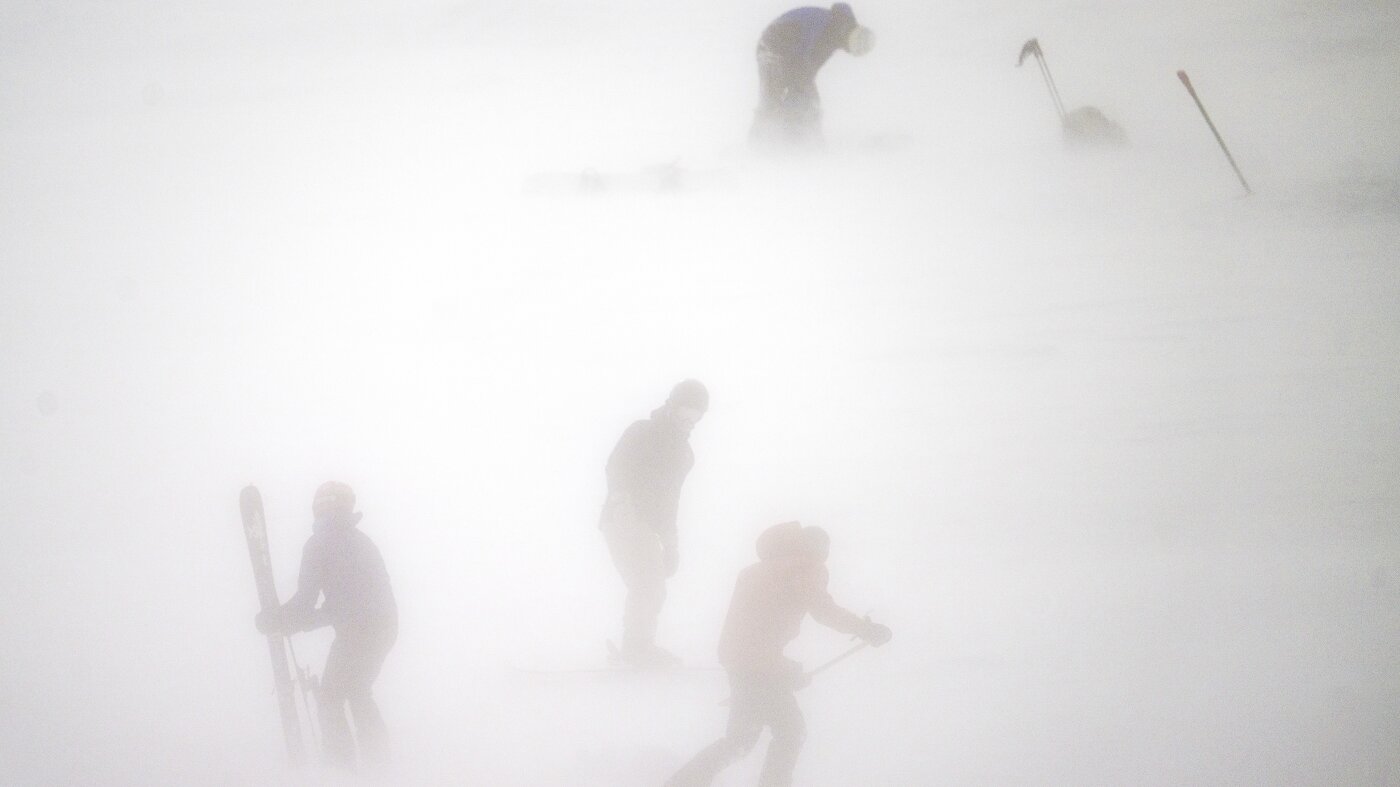
In pictures: Winter storm slams the east coast

Video: Why the Supreme Court Struck Down Trump’s Tariffs

Trump envoy rebukes Greenland leader for rejecting hospital ship proposal
-

 Montana4 days ago
2026 MHSA Montana Wrestling State Championship Brackets And Results – FloWrestling
-

 Science1 week ago
What a Speech Reveals About Trump’s Plans for Nuclear Weapons
-

 Oklahoma6 days ago
Wildfires rage in Oklahoma as thousands urged to evacuate a small city
-

 Technology1 week ago
The DJI Romo robovac had security so poor, this man remotely accessed thousands of them
-

 Technology3 days ago
YouTube TV billing scam emails are hitting inboxes
-
 Science1 week ago
Notoriously hazardous South L.A. oil wells finally plugged after decades of community pressure
-

 Education1 week ago
Video: Secret New York City Passage Linked to Underground Railroad
-

 World1 week ago
AU calls for end to ‘extermination’ of Palestinians, decries African wars