Fitness
If You're Still Training Like This at 40, You're Damaging Your Body


It’s always important to stay up-to-date on ways to improve and enhance your workout routine and overall wellness. We looked into six gym habits you may be doing that are harmful after 40. Let’s see if any of these sound familiar. We spoke with Luke Jones, certified personal trainer at HERO Movement, who feels the biggest mistake made is training like you’re 25 when you’re actually 40. Your body is very different in this stage of life—and your workout should reflect that.
“The main challenge for most people is recovery. It’s not that you can’t train hard, but your body may need a little more time between intense sessions,” Luke points out. “Hormonal shifts, slower tissue repair, and reduced joint lubrication all mean that the “go hard or go home” mentality can backfire. What worked brilliantly at 25 might now lead to chronic soreness, plateaus, or even injuries. That said, your body is still incredibly capable-it just needs a bit more care and attention. The goal isn’t to pull back out of fear, but to train smarter, so you can stay consistent and injury-free.”
Although that’s the biggest bad habit, there are more.
Pushing Every Set to the Limit
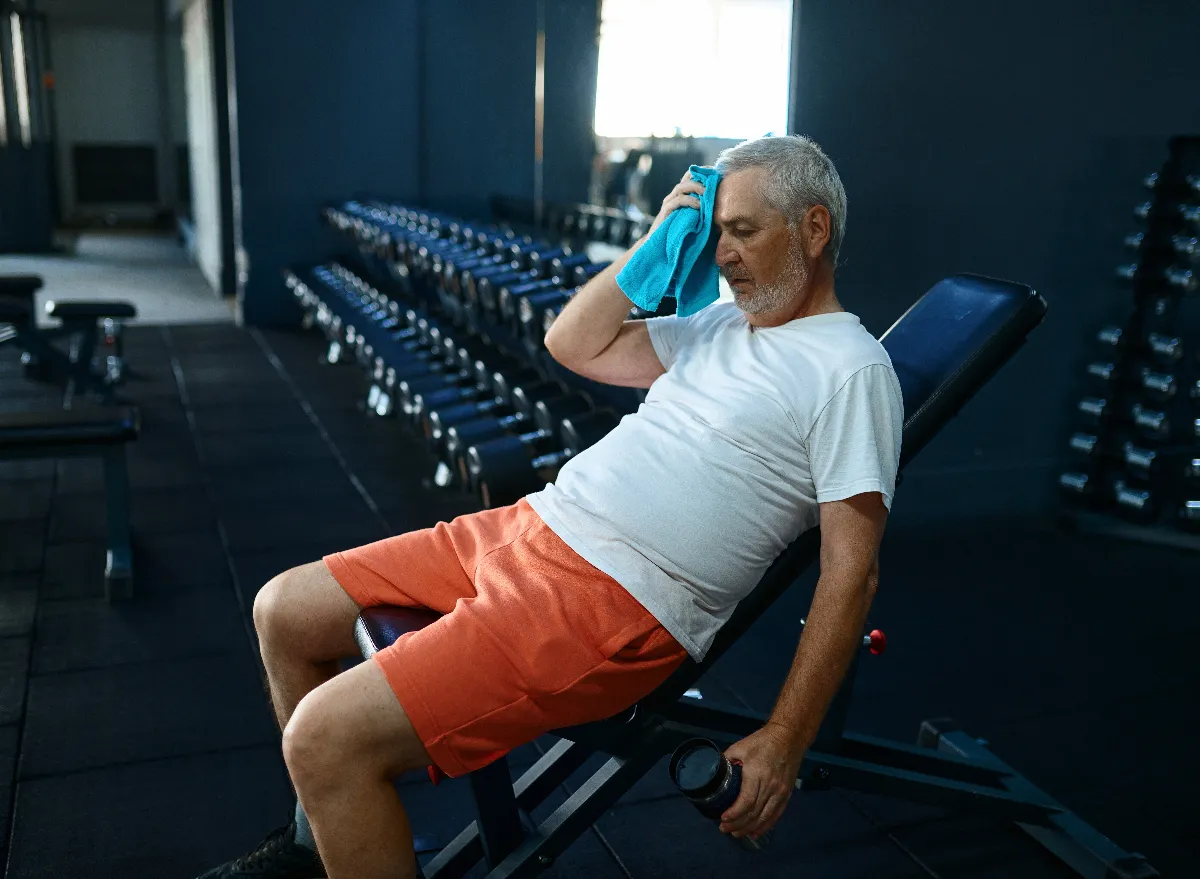
It’s essential to pace yourself and understand your limitations.
“Pushing every set to the limit can feel productive, but over time, it can place unnecessary stress on the joints, connective tissues and nervous system,” says Luke. “Recovery takes a little longer as we age, and constantly flirting with burnout can stall progress instead of speeding it up.”
Skipping Warm-Ups and Mobility Work
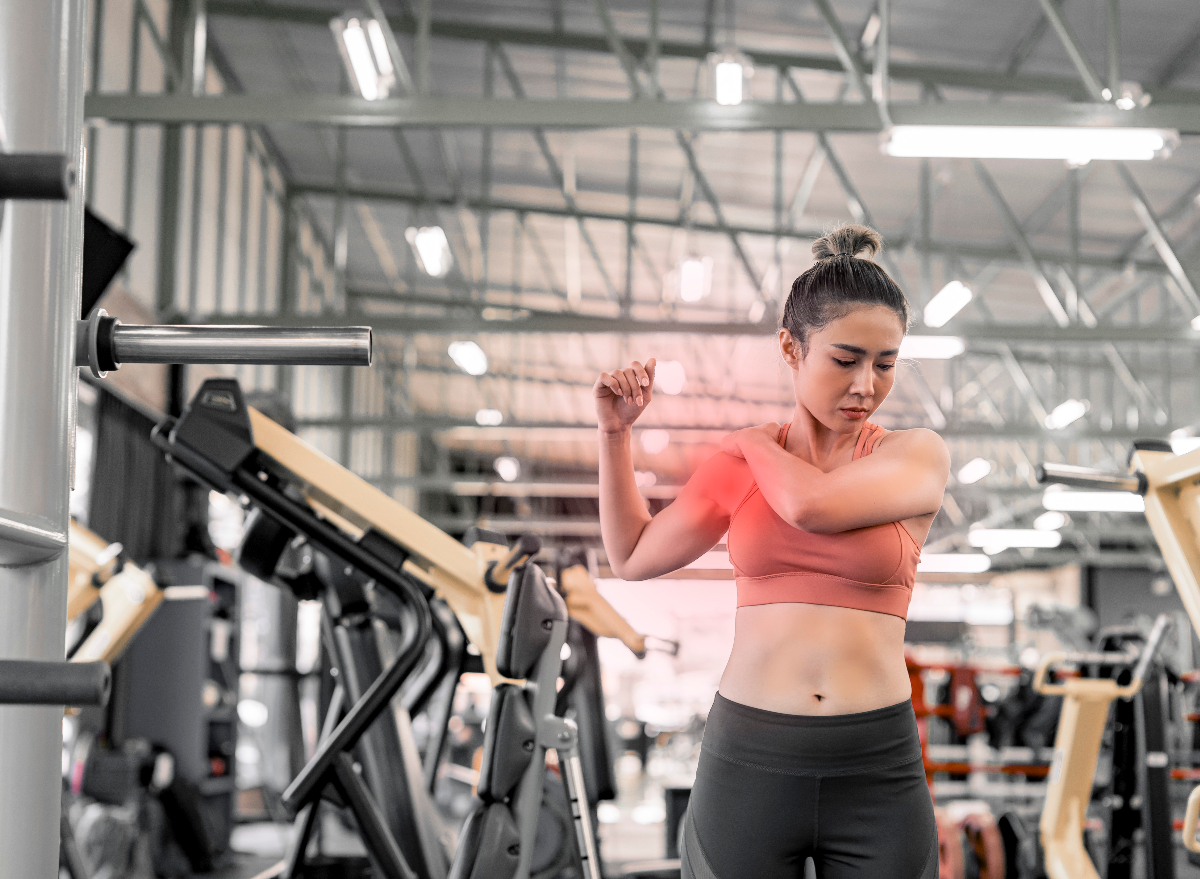
Everyone needs to warm up before a workout; not doing so puts you at risk of sustaining injury. Keep in mind, if you get injured, you won’t be exercising for a while.
“Rushing into training without properly prepping the body can increase injury risk, especially for joints like the shoulders, knees, and spine,” Luke warns. “A few minutes of movement prep can go a long way toward better performance and fewer setbacks!”
Following a Plan That Doesn’t Fit Your Abilities

It’s essential to know your abilities, including performance level and limitations.
“Many gym-goers follow generic online programs or intense workouts designed for younger athletes,” Luke tells us. “But after 40, things like recovery capacity, mobility, and injury history vary widely—training should reflect that, not ignore it.”
Avoiding Unilateral Training

As you age, it’s increasingly necessary to assess your workout and tweak your routine. Little changes can make a big difference in your performance and results.
“There’s still plenty of room to chase the big bilateral lifts—deadlifts, squats, presses—if that’s your thing,” says Luke. “But while asymmetries aren’t something to panic about, they can accumulate as we age. Incorporating more single-leg and single-arm work, and moving through different planes—lateral lunges, rotations, that sort of thing—can help maintain balance, support joint health, and ultimately help you get more out of your big lifts (and everything else you do in day-to-day life).”
Ignoring Recovery
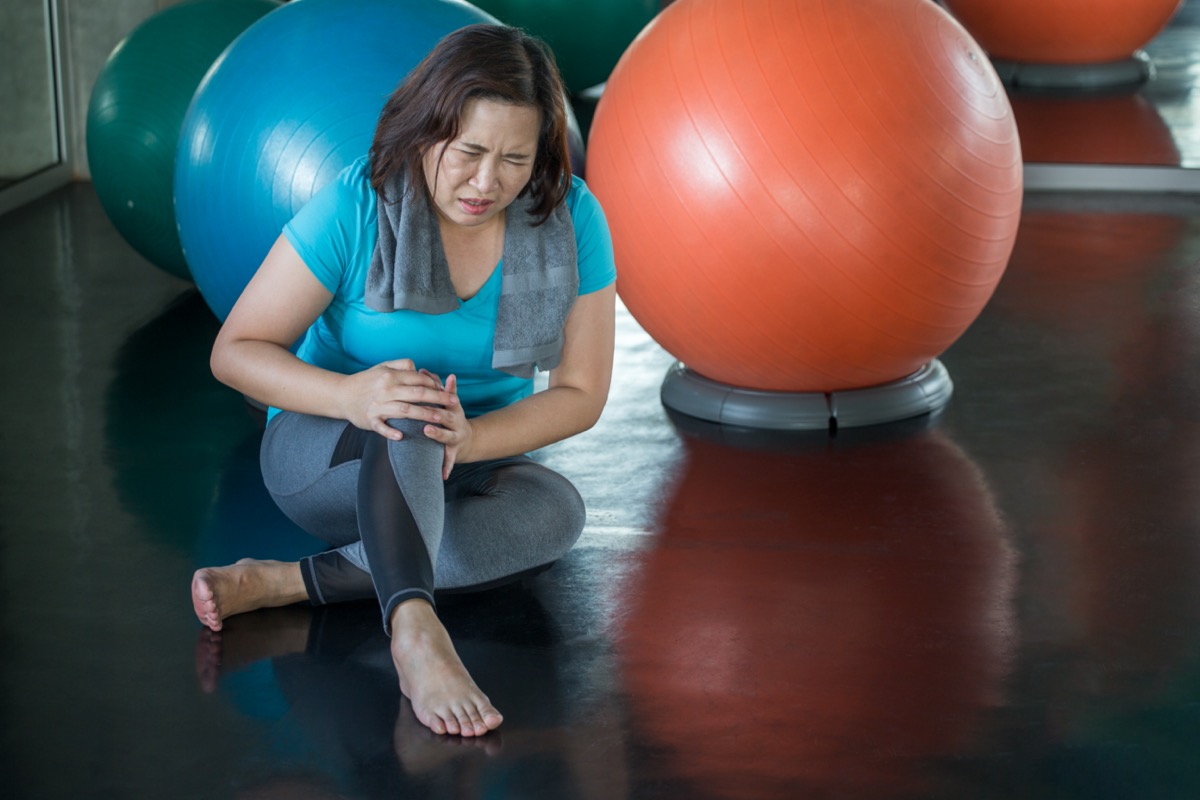
As previously mentioned, recovery is king when it comes to a solid workout plan. Don’t skip rest days and recovery sessions—ever.
“Mobility drills, foam rolling, and active rest days often get skipped in favor of squeezing in another tough workout,” Luke explains. “But building them in is essential for managing stiffness, supporting tissue health, and staying consistent.”
Over-Prioritizing Heavy Lifting
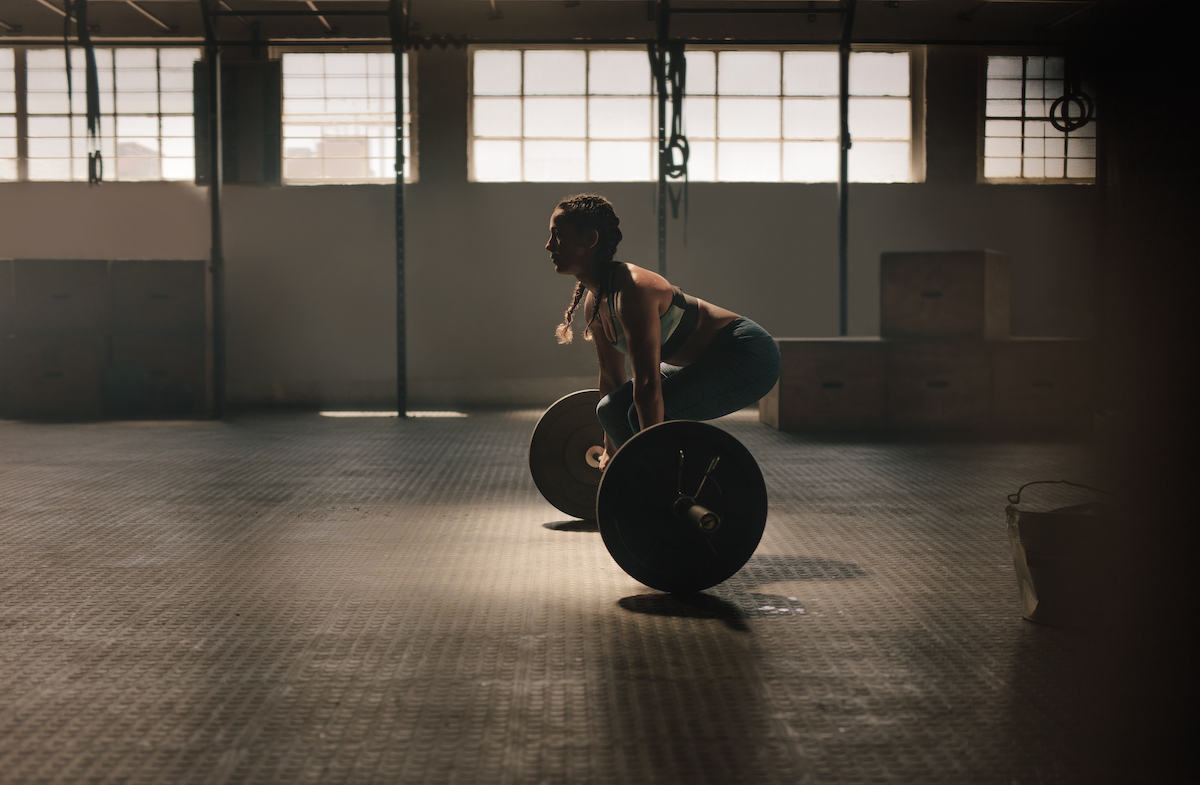
One habit that can easily get overlooked in performing workouts is prioritizing quality over quantity.
“Chasing personal bests week after week is great for motivation, but can be hard on the joints over time,” Luke states. “A more sustainable approach involves rotating load, tempo, and intent to build strength without burnout. Consistency over intensity.”
Alexa Mellardo



Fitness
How Jeremy Clarkson Reset His Health and Fitness at 66 – Walking, Pilates and Trying ‘Not to Die’

Rewind a decade or so, and Jeremy Clarkson had a particular disdain for exercise, healthy eating and denying himself life’s pleasures. He never worked out, smoked 40 cigarettes a day and, in his own words, drank four pints of wine daily. Now, at 65, his entire outlook on health and longevity has shifted.
At the heart of Clarkson’s desire to change are his young grandchildren.
‘I’m not going to dwell on the joys of being a grandparent because what can be said about it has already been said. But I have decided that it is so wonderful that I want it to go on for as long as is humanly possible. Which means I must do everything in my power not to die,’ he wrote in his column forThe Times.
And the British TV personality has certainly had a couple of wake-up calls.
After being admitted to hospital with pneumonia in 2017, Clarkson then suffered what he described as ‘really bad coronary artery problems’ at the end of 2024. Documented in the latest series of Clarkson’s Farm, he experienced a ‘sudden deterioration’ in his health and needed a stent fitted to restore proper blood flow.
Why Clarkson Finally Started Taking His Health Seriously
Since then, he has taken up reformer Pilates, had a pickleball court installed at his Oxfordshire home and started going for walks when the weather is just right.
‘Eventually, I decided that organised, indoor exercise was not for me and decided instead to do walking. Not when it’s raining obviously. Or if it’s too cold, or hot. And not if I’m busy. But on a reasonably temperate Sunday morning, I’d get out there and pootle along,’ he wrote.
‘So far I’ve relied on luck to keep me alive. But I’m in sniper’s alley right now and I have to work at dodging the bullets. Two years ago, I saw old age as a wearisome tangle of tubes and knee-replacement surgery. Now though, thanks to my grandchildren, I’m actively looking forward to it.’
Clarkson’s comments highlight just how much his attitude to ageing has changed.
‘I’m buying time. It hurts and it’s expensive. But it’s better than wasting your money on a new watch.’
The Diet Changes Behind Clarkson’s 3-Stone Weight Loss
Diet has also become a key part of his health overhaul.
He now eats burgers wrapped in lettuce rather than buns and opts for alcohol-free versions of his Hawkstone beer. Underpinning much of that change has been a microdose of the GLP-1 medication Mounjaro, which Clarkson credits with helping him lose more than three stone in six months by suppressing his appetite – although he admits he doesn’t particularly enjoy the experience.
‘When you are on Muntjac [his name for Mounjaro] you can come down in the morning and idly help yourself to a small handful of sunflower seeds,’ Clarkson said. ‘And it’ll feel like you’ve just finished a massive Christmas lunch. You’re stuffed.
‘So you find yourself living a minibar existence. Tiny packets of milk, sachets with only three grains of sugar in them, vodka in thimbles. That’s not living, though. That’s existing.’
If there’s one thing Kori Sampson knows, it’s how to optimise your body composition for performance. To tap into his knowledge as an elite athlete and coach, we asked him to create a 4-week plan to help you move faster, recover quicker and keep pushing when the fatigue sets in – all while improving your muscle-to-fat ratio.
Ready to build muscle, burn fat and come out the other side looking, feeling and performing better? Click here to get 14 days of free access to the plan via the Men’s Health app.

Ryan is a Senior Writer at Men’s Health UK with a passion for storytelling, health and fitness. Having graduated from Cardiff University in 2020, and later obtaining his NCTJ qualification, Ryan started his career as a Trainee News Writer for sports titles Golf Monthly, Cycling Weekly and Rugby World before progressing to Staff Writer and subsequently Senior Writer with football magazine FourFourTwo.
During his two-and-a-half years there he wrote news stories for the website and features for the magazine, while he also interviewed names such as Les Ferdinand, Ally McCoist, Jamie Redknapp and Antonio Rudiger, among many others. His standout memory, though, came when getting the opportunity to speak to then-Plymouth Argyle manager Steven Schumacher as the club won League One in 2023.
Having grown up a keen footballer and playing for his boyhood side until the age of 16, Ryan got the opportunity to represent Northern Ireland national futsal team eight times, scoring three goals against England, Scotland and Gibraltar. Now past his peak, Ryan prefers to mix weightlifting with running – he achieved a marathon PB of 3:31:49 at Manchester in April 2025, but credits the heat for failing to get below the coveted 3:30 mark…
You can follow Ryan on Instagram or on X
Fitness
Fitness coach debunks 8 ‘crazy’ exercise myths women still believe: From periods and workouts to weightlifting

Despite growing awareness around fitness and women’s health, several outdated exercise myths continue to persist. From misconceptions about strength training to beliefs surrounding periods, pregnancy and weight loss, many women still receive advice that isn’t backed by science. These myths can not only slow progress but also discourage women from prioritising their health and fitness. (Also read: Can eating too much protein be harmful? Experts explain why excess intake may do more harm than good )
Fitness coach Zoe recently addressed some of the most common misconceptions women continue to hear in a June 12 Instagram post titled, “craziest exercise myths women still hear.” Here’s what she had to say:
1. Periods mean complete bed rest
According to Zoe, menstruation does not mean you need to stop exercising altogether. “No. You can train. Just adjust intensity if needed,” she wrote, explaining that while energy levels may fluctuate during different phases of the menstrual cycle, movement and exercise can still be beneficial.
2. After marriage or kids, fitness is not important
Many women are often made to feel that fitness should take a back seat after major life changes such as marriage or motherhood. Zoe strongly disagrees. “That is exactly when it becomes more important,” she said, highlighting the need to maintain strength, mobility and overall health while navigating increased responsibilities.
3. A C-section means your core is gone forever
Recovering from a Caesarean delivery can be challenging, but Zoe says it doesn’t mean women should give up on rebuilding strength. “Wrong. It means you need rebuilding, not giving up,” she wrote, emphasising that gradual rehabilitation and proper training can help restore core function.
4. Walking around the house is enough exercise
While daily movement is important, Zoe points out that it isn’t the same as a structured workout. “No. That is movement, not full training,” she explained, noting that a balanced fitness routine should include strength, mobility and cardiovascular exercises.
5. Sweating more means more fat loss
Many people associate excessive sweating with effective fat burning, but Zoe says that’s a common misunderstanding. “No. It means you are hot,” she wrote. Sweat is the body’s cooling mechanism and does not necessarily reflect the number of calories burned or fat lost.
6. Running will ruin your uterus, boobs or joints
This long-standing myth often discourages women from running or high-impact activities. “No. Poor preparation and weak support is the issue,” Zoe said, stressing the importance of proper training, supportive gear and gradually building endurance.
7. Women should only do yoga, not weights
Strength training is still viewed by some as a male-dominated form of exercise, but Zoe believes women benefit greatly from lifting weights. “Women need strength too,” she wrote, highlighting how resistance training supports muscle mass, bone health, metabolism and overall fitness.
8. Carbs at night make you fat
Carbohydrates often get unfairly blamed for weight gain, especially when eaten in the evening. “No. Overeating does,” Zoe explained, pointing out that overall calorie intake and dietary patterns matter far more than the timing of carbohydrate consumption.
Note to readers: This article is for informational purposes only and not a substitute for professional medical advice. Always seek the advice of your doctor with any questions about a medical condition.
This report is based on user-generated content from social media. HT.com has not independently verified the claims and does not endorse them.

For Hobart teacher Mary Holton, health means everything.
She started feeling the squeeze from cost-of-living pressures when fuel prices spiked again.
“Going out for just fitness alone was a bit much,”
she said.
Mary Holton says since joining the group, her fitness across the board has improved. (ABC News: Jake Grant)
Many Tasmanians are feeling cost-of-living pressures in a very physical way, with locals saying exercise routines are being dropped, health appointments delayed and wellbeing pushed to the bottom of the list as budgets tighten.
Ms Holton relies on multiple physiotherapy sessions each week, but says paid fitness classes simply are not an option.
“That costs … so to actually go to other classes as well, it’s out of my budget really.“
Ollie Mathewson conducts a free workout session. (ABC News: Jake Grant)
National data shows that almost half of Australians already fall short of minimum physical activity guidelines, and rising prices are making even basic care unaffordable for many.
Consultant clinical psychologist academic Kimberley Norris says this is exactly how unhealthy patterns begin.
“We tend to focus on the most stressful thing first … and health is one of those things we don’t think about until things go wrong,”
Professor Norris said.
Kimberley Norris says humans tend to focus on alleviating stress first and foremost, and warns de-prioritising health can become a cycle. (ABC News: Jake Grant)
For Ms Holton, going to a free workout group in her local community was a game-changer.
“Came down and absolutely loved it. It’s really nice to have a group and it just keeps growing,” she said.
Finding a free exercise group has drastically improved her health, as noted by her GP, and she is part of a growing trend.
Free exercise classes become a lifeline
At a community exercise class in South Arm, south-east of Hobart, the mood is upbeat, with laughter, movement, and a sense of relief.
Participation has more than doubled in the past year, with more than 100 Tasmanians now involved.
Trainer Ollie Mathewson said the surge was unmistakable.
“It’s free of charge for everybody … and over the last 12 months I’ve noticed a lot more people starting to come along,”
he said.
Ollie Mathewson says attendance at his classes has almost doubled over the past year. (ABC News: Jake Grant)
Across greater Hobart, free and low-cost alternatives are multiplying and include walking groups, community-run circuits, and morning and afternoon fitness meet-ups.
Tasmanians are increasingly organising their own solutions.
Mr Mathewson said connections drive outcomes.
“A lot of people talk about weight and strength, which are obviously insanely important, having other people there to push you single every week makes it a hundred times easier.“
Professor Norris said one’s health can be prioritised for free.
“What we know about health is, it’s more about sustainable wellbeing, it’s about quality of life,” she said.
“So rather than focusing on how much you can deadlift, how far you can run, it’s about how your life has improved and how close your life is to the way you want to live it.”
She said free options were vital because once people stop moving, it becomes harder to start again.
“If we develop routines in which health is not a priority, then we almost get stuck in this cycle of health always being last.“
Health appointments being delayed or dropped
For some Tasmanians, the financial pressure is forcing even tougher choices.
Amy Dakin says she can’t even think about getting a gym membership with all the other costs of living on her mind. (ABC News: Jake Grant)
Amy Dakin, who lives with a compromised immune system, often has no choice but to delay essential care.
“My health needs to be prioritised, but your bills come first, really,” she said.
Jordyn Rowbottom says she’s not the only one changing her hobbies to save on costs. (ABC News: Jake Grant)
Jordyn Rowbottom has seen the same pattern around her.
“People are being forced to cut what they can access,”
she said.
Professor Norris warns that these short-term decisions can create long-term harm, not just for individuals, but for the broader health system.
She said the combination of financial pressure and reduced physical activity would create a public health challenge.
Trainers adapting to shrinking budgets
Personal trainer Nickola Orr works with clients across different income levels, ages and needs.
She said affordability now shapes almost every program she designs.
“You want to make sure they can get as much help as they can within their price range,”
she said.
Nickola Orr is concerned about access to fitness and health services in the face of rising cost pressures. (ABC News: Jake Grant)
With the median individual spend on fitness in Tasmania sitting at almost $600 last year, Ms Orr said the warning signs were already visible.
“We’re going to see more results of long-term neglect; higher injuries, more need for mental health assistance. It’s going to snowball.”
Her concerns echo Professor Norris’s academic findings that once healthy routines break down, the consequences ripple for years.
“The changes are very small … while they add up over time, there is no immediate impact,”
Ms Orr said.
Calls for more free and low-cost options
Mr Mathewson hopes the success of free community classes will inspire governments and private operators to expand accessible fitness programs.
“More free options would be a great thing. There are a few now, but there should be more,” he said.
The Tasmanian government has said it will release its 20-year preventive health strategy this month, titled The Health Revolution.
A Department of Health spokesperson said the strategy “will address the broader social, economic, and environmental factors that influence health and wellbeing”.
“Specific issues about access to health services and programs are being considered through the Access to Health Services project, a Commonwealth-State partnership.
“The Health Revolution will complement that project by addressing the root causes of poor health and the underlying conditions to make it easier for Tasmanians to live well.“
-

 Washington, D.C8 minutes ago
Washington archbishop removes priest as exorcist after comments on UFOs and demons
-

 Cleveland, OH11 minutes ago
Male dead after running from crash scene and shooting another in Cleveland’s Slavic Village neighborhood, police say
-

 Austin, TX16 minutes ago
Austin, TX venue Emo’s on the move again, AEG to take over the building
-

 Alabama23 minutes ago
Alabama Baseball Host St Johns For A Trip To The World Series
-

 Alaska26 minutes ago
First Alaska mule deer harvest follows years of fleeting appearances in the state
-

 Arizona31 minutes ago
Arizona’s dry heat may be deadlier than we thought
-

 Arkansas38 minutes ago
Texas bee swarm hospitalizes 3; Arkansas doctors explain warning signs of severe reactions
-

 California41 minutes ago
California man charged with bringing explosives to Sacramento airport after repeatedly calling FBI tip line | CNN

