Finance
UNEP FI’s Climate Pathways Navigator


The UNEP FI Climate Pathways Navigator is a unique tool that gives financial institutions direct access to the climate scenario data they need to make informed, science-based decisions on their decarbonization pathways.
The tool helps financial institutions to set individual science-based targets, inform their transition plans and those of their clients and better engage clients and investees on climate action by having the right data available to them in one place.
Developed by UNEP FI in collaboration with banks, investors, insurers, and export credit agencies, the International Institute for Applied Systems Analysis (IIASA), and the Potsdam Institute for Climate Impact Research (PIK) it directly links to the Intergovernmental Panel on Climate Change (IPCC) scenarios database and those designed by industry. It cuts through hundreds of complex climate scenarios to make available the exact sectoral and regional data points financial institutions need, in one easy-to-use interface.
UNEP FI works with its members on how to mitigate and adapt to the commercial risks and opportunities they face due to climate change through the Principles for Responsible Banking (PRB) and Principles for Sustainable Insurance (PSI). This easy-to-use visual interface complements that work and addresses a critical need across the finance industry for practical, user-friendly climate analysis resources.
The tool is available at no cost to UNEP FI members and the broader financial community, governments, and policymakers.
Access the tool here
Benefits of the tool
- Enables financial institutions to improve their target setting, find the right scenarios for transition planning, and make well-informed and science-based decisions on decarbonization pathways.
- Financial institutions can download data from one source and use in their existing systems.
- Compare sectoral pathways across key datapoints tailored for target-setting.
- Compare the same sector across regions; highlight divergent points and timing.
- Filter hundreds of scenarios in seconds to find those that align with your target decarbonization ranges and transition plans.
- The tool brings together Intergovernmental Panel on Climate Change (IPCC) scenarios as well as those designed by industry, as has never been done before, in one platform.
- Provides a common reference point for dialogue between financial institutions, corporates, governments, sector associations, and NGOs on how to enable the low-carbon transition.
Testimonials
Frequently Asked Questions
- Power
- Steel
- Cement
- Transport (with sub-sector clusters for road, shipping, and aviation)
- Buildings (residential and commercial)
The tool can provide data on the world, regional groupings (see list below) and multiple individual countries.
- Africa
- China+
- Europe
- India+
- Latin America
- Middle East
- North America
- Pacific OECD
- Reforming Economies
- Rest of Asia
IPCC 6th Assessment Report Scenarios (2022), curated scenarios from the Scenario Compass Ensemble, and Sectoral Decarbonization Pathways developed by organizations such as the International Energy Agency, the One Earth Climate Model, or Mission Possible Partnership. Visit the About page for more information on available scenarios.
- Direct emissions: From fossil fuel combustion within each sector.
- Process emissions: Non-fossil fuel emissions arising from industrial processes, such as cement and steel production.
- Indirect emissions: Emissions from the production of electricity, heat, and hydrogen from fossil fuels, allocated to end-use sectors based on projected consumption.
Emissions are reported for CO₂ alone or for all greenhouse gases (Kyoto gases: CO₂, CH₄, N₂O, HFCs, PFCs, SF₆). Sectoral Decarbonization Pathways cover different scopes and gas combinations. For Systemic Climate Pathways, we have calculated multiple scope variations where underlying data is permitted.
Yes, all data is downloadable via CSV file through the Data Explorer tab.
The categories are defined by the probability of returning to a given temperature by end of century:
- 1.5°C – 50% probability of returning to 1.5°C by end of century
- Below 2°C – Two-thirds chance of reaching 2°C by end of century
- Above 2°C – Less than one-third chance of reaching 2°C by end of century
The first two categories correspond to alignment with the Paris Agreement. The ‘above 2°C’ category is a grouping of scenarios defined by probability thresholds, not by a specific projected temperature outcome. It does not break down each scenario’s individual projected output.
Contact
To find out more about the tool, contact Jes Andrews, Co-Head of Climate at UNEP FI.


Citing fears that an impending dry summer will further erode sales tax revenue, Breckenridge town officials requested another review of the town’s annual budget.
Following a financial report at a meeting Tuesday, March 10, council member Dick Carleton said he wanted to revisit financial projections for the remainder of the year, anticipating potentially more of an economic downturn than initially expected.
“I feel a need to be more conservative in our forecast,” Carleton said.
Carleton requested town finance staff return to a council meeting before the summer — when next year’s budgets must be approved — with five-year market projections that he believes would more accurately predict market trends. Carleton said both national and local economic trends worry him. He suggested the council consider further reducing town operational expenses and consider investing in projects that bolster sales tax revenue.
“I’m personally becoming increasingly concerned with the economy going forward nationally, as well as the resort and ski town economy locally,” Carleton said. “I’m becoming increasingly more uncomfortable with these numbers. … I feel a need to reduce expenses and create some room to invest more on the revenue side.”
Finance director Laurie Best said reports from January and February show Breckenridge’s 2026 revenue forecast remains in line with last year’s estimates.
“So far, two months in, I think we’re going to be okay, but I think there’s a lot of unknown,” Best said.
Best agreed to return to council again with five-year projections using that more recently collected data. She noted the town’s operational budget sits at around $35-36 million.
“It is important for us to talk about what’s in the operational expenses, because that’s our general fund budget, which is essentially what we run the town on.”
Carleton again suggested the council reconsider its upcoming operational budget as soon as possible. He said he feels a pressing need to ensure the town’s budget will allow it to remain competitive with other tourism and resort economies in the region. Given that this year’s historically warm winter has already hampered Colorado’s tourism industry, Carleton said the town should consider reconfiguring its upcoming budget to permit more investments in tourism and guest experiences.
“I’m feeling a great urgency to take a look at it,” Carleton said of the town’s upcoming annual budget.
“I think we need to make some investments in guest-facing capital expenditures,” he said. “We haven’t done a lot to increase the guest experience in years, and I’m afraid if we keep sitting back, we’re going to lose market share.”
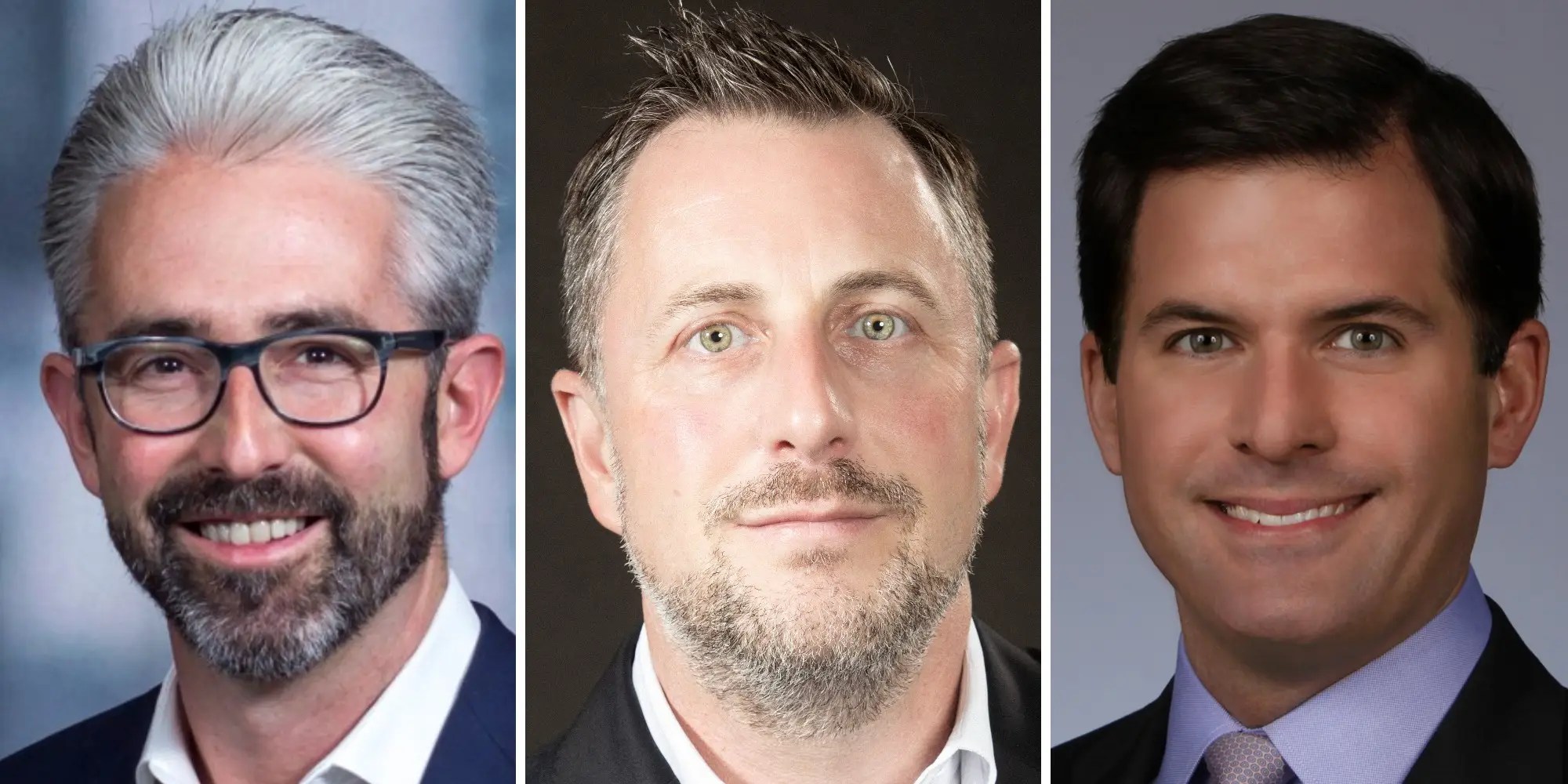
Wall Street banks are racing to finance AI data centers, as deals swell into the tens of billions, forcing a rethink of how these projects are funded.
“If you can’t invest a billion dollars, we don’t even want to talk to you,” said Adam Lewis, a managing director at Citizens, a regional lender that has emerged as a key player in the sector. Just a few years ago, a $100 million financing was a milestone; today, it’s a rounding error.
For Lewis, that billion-dollar floor reflects the rising cost of land and electricity, which has pushed these projects beyond the limits of traditional commercial real estate loans and into the realm of large-scale infrastructure finance.
As deal values surge, banks are focused on seizing what could be Wall Street’s largest-ever financing opportunity. Over the past two years, lenders including Morgan Stanley, Goldman Sachs, and JPMorgan have formed integrated teams across disciplines to become fluent in the mechanics of how data centers are actually constructed.
Citigroup estimates the buildout could require $3 trillion by 2030, according to an internal memo sent in late February by leaders of the firm’s investment banking unit. In the memo, senior bankers from across investment banking, corporate banking, and financing said that Citi would establish a dedicated AI infrastructure group to break through internal silos and evaluate “all pockets of capital” as deals grow larger and more complex.
The sheer scale of the AI buildout is beginning to exhaust the cash reserves of the world’s largest tech giants. While hyperscalers cannot afford to fall behind in the infrastructure race, the costs have become too great to carry on their own balance sheets. To Fred Turpin, the global chair of investment banking at JPMorgan, this represents the “largest investment cycle in the history of capitalism.”
To bridge that gap, Turpin helped organize a firmwide working group that pairs technology and energy experts with bankers versed in private capital markets. The approach allows the bank to jump-start projects using its own balance sheet before connecting them to “long-term” capital from sovereign wealth funds, pension funds, and dedicated infrastructure investors looking for stable, generational returns.
Integrated teams
To put together the unprecedented amount of money to build AI infrastructure, bankers are drawing on multiple sources of capital, from bank loans and bonds to private credit and institutional investors, often assembled into a single structure from the outset.
At Goldman Sachs, the shift has taken shape inside its Capital Solutions Group, a unit formed last year to bring together origination, structuring, and capital distribution as deal sizes and complexity have grown. The group pulls in bankers from across investment-grade and high-yield debt, infrastructure and real estate financing, and equity capital markets, allowing the firm to consider multiple financing options at once.
“We’re elbow to elbow with the bankers that cover sponsors so that we can ensure a direct line between our origination efforts and distribution efforts to financial sponsors,” said John Greenwood, a partner who serves as global head of the infrastructure and real asset finance group within Capital Solutions.
Goldman Sachs

At Morgan Stanley, Richard Myers and William Graham, two top investment bankers, are members of a data-center-focused task force launched in 2024. Last year, Myers and his team arranged a $2.6 billion financing for CoreWeave that used Nvidia chips as collateral. They later pioneered a first-of-its-kind $27 billion bond deal for a joint venture between Meta and Blue Owl. That work increasingly requires bringing together specialists from across the bank — from power and project finance to real estate — to arrange multiple sources of capital.
And Graham, the firm’s global cohead of leveraged finance, has led a $3.2 billion senior secured note offering for TeraWulf and a $2.35 billion raise for Applied Digital — two specialized infrastructure firms that have pivoted from crypto mining to hosting the high-density power loads required for AI.
New vocabulary
Unlike traditional corporate financings, data centers sit at the intersection of real estate, energy, and technology, which means bankers have to weigh not just financial risk — but whether a project can actually be built, powered, and brought online as planned. Bankers said they’ve had to become fluent in a new language — the lexicon behind how these massive projects are built.
“We can read electrical diagrams and mechanical diagrams and understand land use permits and power configurations,” said Lewis, the managing director at Citizens, whose team of more than 30 bankers focuses on advising, structuring, and financing data center projects. Bankers are now required to understand what could delay or derail a project, and to give investors confidence that it will actually come online as planned.
“Most of us just assume it happens magically in some ephemeral thing called the cloud,” said Scott Wilcoxen, who leads digital infrastructure investment banking at JPMorgan. “But physically, what that actually means is there is effectively an unbroken physical connection between individual users and the data sources.”
This technical knowledge is ever more important as bankers say projects are increasingly constrained by limits on power, equipment, and labor. But those constraints don’t appear to be cooling demand, raising questions about how far the buildout can stretch — and what it will take to sustain it.
Goldman’s Greenwood noted that in a recent meeting with a client, someone in the room used a surprising adjective: “terrestrial.”
“I was in a meeting last week, and they were talking about terrestrial data centers,” he said, suggesting the next frontier could be “on the bottom of the sea, or in space.”

The accelerating impacts of climate change on human mobility demand coordinated action across sectors. Despite some progress, last year’s sharp cuts to development, humanitarian, climate, and migration funding for developing countries have worsened many scenarios. Donor nations and private sector investors must step up — but what does meaningful and innovative investment in climate mobility look like?
How can donor support be better used to back fit‑for‑purpose measures across the “spectrum of climate mobility”, prevent displacement where possible, strengthen the resilience of those who stay, and enable safe, dignified, and voluntary mobility when needed? How can investment protect well‑being, reduce risk, and transform climate mobility into an opportunity for more resilient, equitable societies?
Join Carnegie’s Sustainability, Climate, and Geopolitics program for a panel discussion moderated by Alejandro Martin Rodriguez featuring Hon. Senator Dr. Joyelle Clarke, Dilpreet Sidhu, and Vel Gnanendran, bringing together climate, mobility, and finance experts, as well as national and city government leaders, to discuss the role that innovative financing can play in promoting climate mobility solutions that can improve the resilience and adaptation capabilities of societies. More speakers will be announced soon.
Lunch will be served from 12:00pm – 12:30 pm. The panel will take place from 12:30 pm – 2:o0 pm.

Hawaii fitness center combats Parkinson’s with exercise

‘Leader’ Twitter review: Netizens call Legend Saravanan starrer a watchable commercial entertainer | Tamil Movie News – The Times of India

How Israel Is Taking Control of Southern Lebanon

Video: Trump Struck Iran. Now Farmers Are Paying the Price.

Video: President Trump Fires Pam Bondi as Attorney General

Florida High School Football Rankings: Top 25 teams – Oct. 21

How old is Bo Nix? What to know about Oregon quarterback ahead of 2024 NFL Draft

Cleary's 21 help Le Moyne down Central Connecticut State 69-64 in OT

99th annual Pony Swim held in Virginia

Indiana Members Credit Union announced as new anchor tenant at Bottleworks District
Video: Trump Struck Iran. Now Farmers Are Paying the Price.

What B-52 bombers bring to Iran fight — and what it means for the war now

Podcast: Hungary elects: what is at stake and who is likely to win?
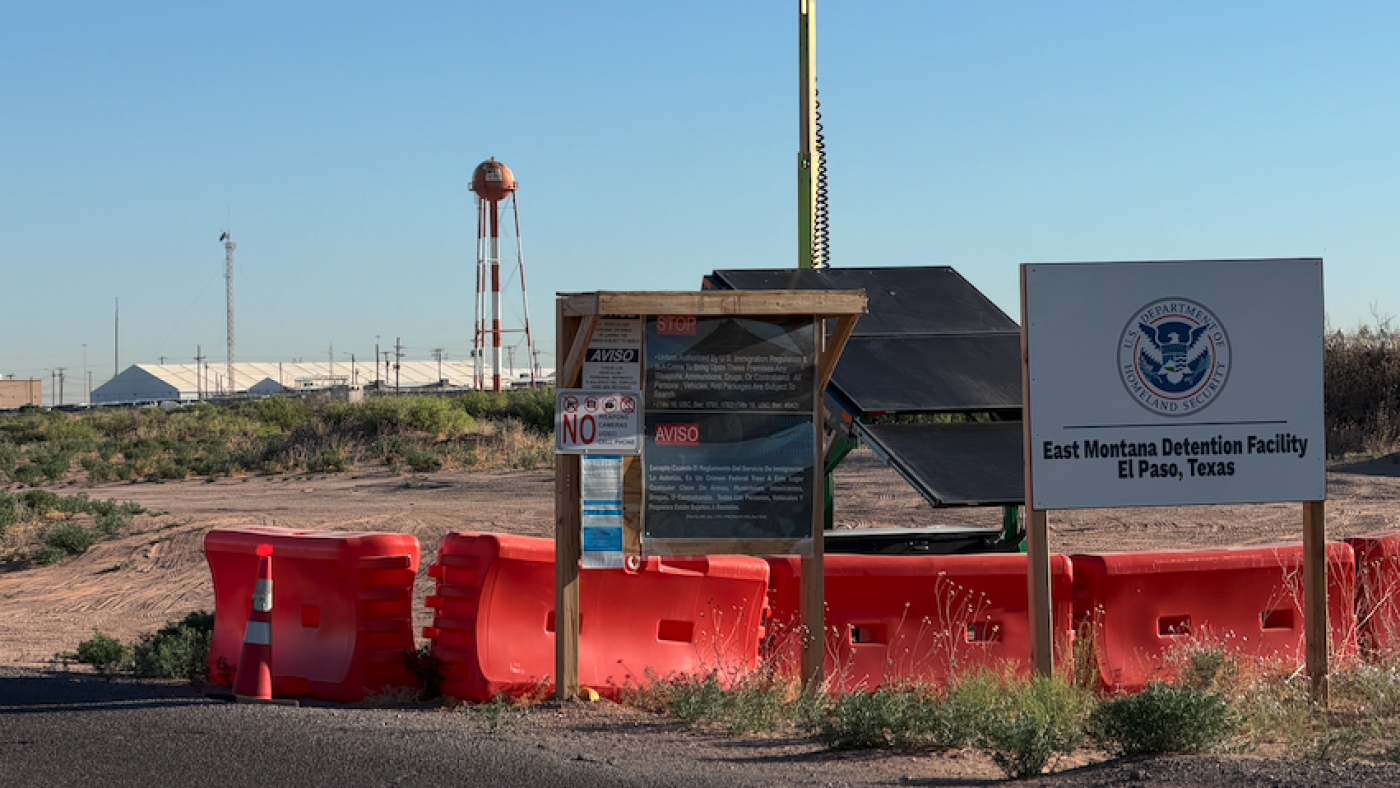
ICE detention deaths are on a record pace. One Texas facility bears the brunt

GOP rails against ‘s— sandwich’ deal as all eyes turn to House to end DHS shutdown
-

 South-Carolina5 days ago
South Carolina vs TCU predictions for Elite Eight game in March Madness
-

 Culture1 week ago
Wil Wheaton Discusses ‘Stand By Me’ and Narrating ‘The Body’ Audiobook
-

 Miami, FL1 week ago
Jannik Sinner’s Girlfriend Laila Hasanovic Stuns in Ab-Revealing Post Amid Miami Open
-

 Culture1 week ago
What Happens When We Die? This Wallace Stevens Poem Has Thoughts.
-

 Minneapolis, MN1 week ago
Boy who shielded classmate during school shooting receives Medal of Honor
-

 Vermont5 days ago
Skier dies after fall at Sugarbush Resort
-

 Education1 week ago
Video: Transgender Athletes Barred From Women’s Olympic Events
-

 Politics5 days ago
Trump’s Ballroom Design Has Barely Been Scrutinized