Crypto
What is a crypto strategic reserve and what would be the point of having one?


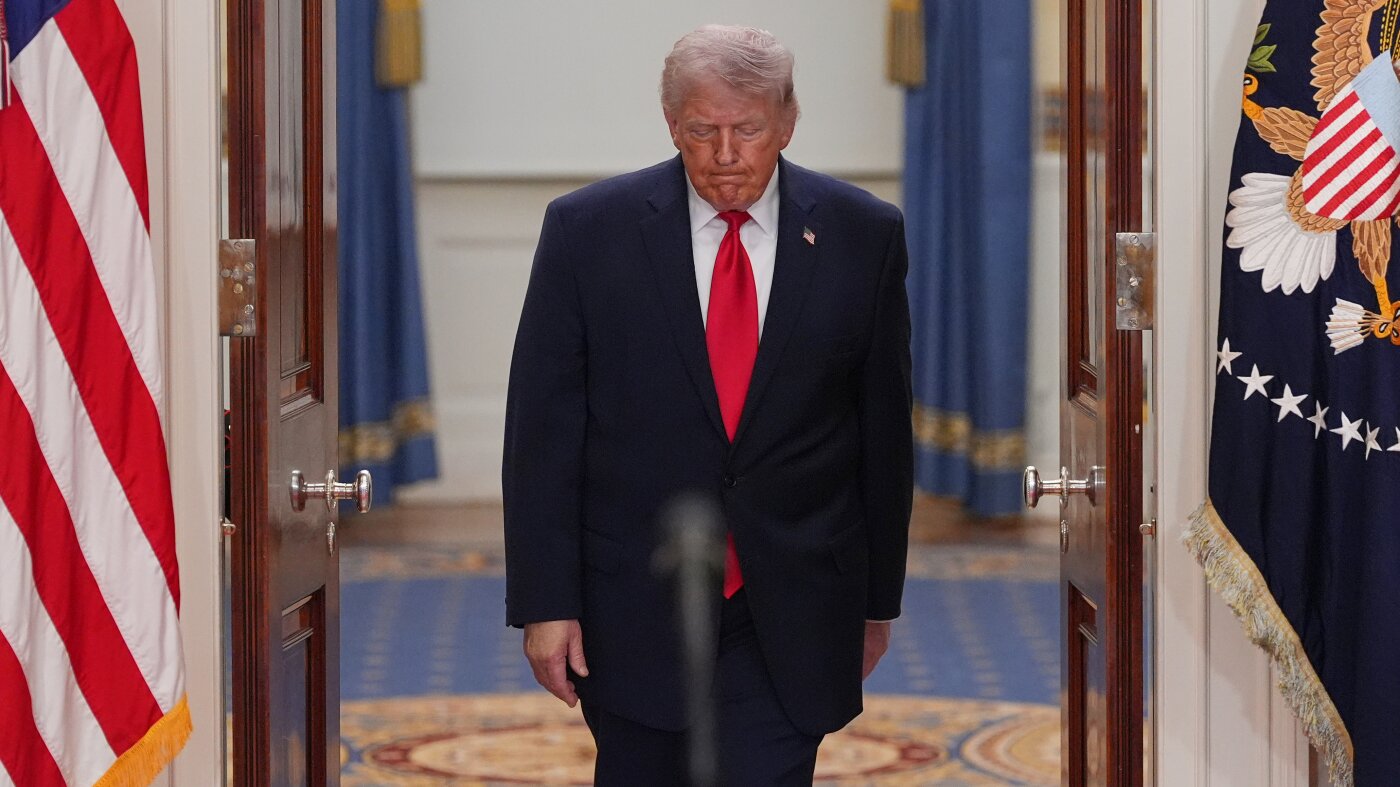
President Trump said on social media Sunday that his administration is working toward creating a “crypto strategic reserve” that will include bitcoin and ethereum, along with lesser-known cryptocurrencies XRP, solana, and cardano. He later followed up with another post saying his planned reserve would also include bitcoin and ether, the two most popular cryptocurrencies.
The announcement helped crypto prices rebound after recent sell-offs, but only for a few hours. After rising to $90,000 Monday morning, bitcoin fell to roughly $87,000, or 7.3%, by Monday afternoon. Ethereum tumbled 14.6% to $2,153. Massive price spikes in XRP, solana and cardano also fizzled, dropping 12.1%, 13% and 12.3%, respectively.
Nic Puckrin, financial analyst, investor and co-founder of The Coin Bureau, said in a note that the cause of the temporary price boost was most likely a “combination of ‘hopium’ with a classic short squeeze,” adding that more concrete information on the crypto reserve plan is needed to reassure investors of its worth.
“While the crypto reserve announcement was a bullish catalyst for crypto prices in the short term, its long-term impact remains questionable. For one thing, no actual details have been disclosed yet,” Puckrin said.
That said, the creation of digital currency reserve is a milestone moment for bitcoin and blockchain technology.
“The launch of a U.S. crypto strategic reserve marks a pivotal moment for digital assets, reflecting a major step in the government’s engagement with the crypto industry,” said Federico Brokate, head of the U.S. business at 21Shares, in an analyst note. “This initiative not only reinforces Bitcoin’s role as a maturing store of value but also highlights the importance of blockchain networks like ethereum, solana, XRP and cardano in financial infrastructure, payments and decentralized finance.”
What is a crypto strategic reserve?
As described in the president’s executive order from January 23, the crypto strategic reserve would be a national stockpile of digital assets created under a federal regulatory framework developed by the newly established Presidential Working Group on Digital Asset Markets.
The working group will be chaired by high ranking officials, including the White House AI & crypto czar, the secretary of the Treasury and chairman of the Securities and Exchange Commission, among others.
On the campaign trail, Trump pledged support for a “strategic national bitcoin” stockpile, which would include bitcoin the U.S. government has previously seized in law enforcement actions. Sunday’s announcement was the first time he advocated for the government to hold other types of cryptocurrencies.
How the crypto strategic reserve would be structured and maintained is not yet clear, as the White House did not immediately provide additional details, including how much of each type of cryptocurrency Trump wants the U.S. to hold, and how the government would acquire them.
But more information could be revealed this week, as Trump has also recently announced he will speak at and host industry leaders on Friday at a White House “Crypto Summit.”
“The first White House Crypto Summit on Friday will be crucial to watch,” said Puckrin. “We will be waiting to see who will be there, what will be discussed, and whether any actual steps toward implementation are outlined. The key question is, how will they fund and legislate this reserve? Until we have some answers, there’s little substance to support this rally, and it could fizzle out as quickly as it started.”
What’s the point of a strategic crypto reserve?
Similar to the Strategic Petroleum Reserve, which protects the U.S. economy from disruptions in oil supplies, a national crypto reserve would help diversify government holdings and hedge against financial risks, according advocates of the plan.
Critics, however, say the volatility of cryptocurrencies makes them a poor choice as a reserve asset.
Potential hurdles
Creating a crypto strategic reserve is likely to require an act from Congress, just as with the Strategic Petroleum Reserve, which was created in December 1975 when then President Gerald Ford signed the Energy Policy and Conservation Act.
Also, the inclusion of cryptocurrencies other than bitcoin is likely to face sustained pushback among some corners of the heavily divided cryptocurrency industry. Bitcoin is the oldest and by far most popular cryptocurrency, and accounts for more than half of the world’s global crypto market cap.
The president has cast himself as hero to the crypto industry, which he said in his announcement had been the target of “years of corrupt attacks by the Biden administration.” The crypto industry felt unfairly targeted by the Biden administration and spent heavily to help Trump win election.
The first several weeks of his administration have seen several moves to boost crypto, including ending or pausing high-profile enforcement actions by the Securities and Exchange Commission.
Crypto prices soared after Trump’s victory last year, and when the price of bitcoin first crossed $100,000 in early December, Trump took credit and posted “YOU’RE WELCOME!!!” on social media.
But prices have fallen since Trump’s inauguration and Trump has faced criticism, including from allies within the crypto industry, for helping launch a personal meme coin just before he took office that has since collapsed in value.
The crash of meme coins linked to First Lady Melania Trump and Argentine President Javier Milei, along with a massive hack of a major cryptocurrency exchange that the FBI has said was undertaken by North Korea, have also dimmed enthusiasm for crypto.



Key Takeaways:
- Bitcoin difficulty rose 3.87% at block 943488 as hashrate fell 60.45 EH/s; a 15.73% cut is projected.
- Miners face $30.67 PH/s hashprice and 0.56% fees, pushing firms toward AI over BTC mining.
- Bitcoin network nears April 19, 2026, adjustment as slower 11:51 blocks signal easing difficulty ahead.
Bitcoin Mining Tightens
The Bitcoin network has logged a total of seven adjustments this year, comprising three increases and four decreases. The most recent reduction, two weeks ago, was sizable, arriving after consecutive gains of 14.73% and 0.45% across the prior two epochs.
Following the latest adjustment, the difficulty rating is now 3.87% higher, making blocks that much harder to discover, and it further stands at 138.97 trillion times more difficult than Bitcoin’s launch.
As of 4 p.m. Eastern time, 181 of the 2,016 blocks in the current epoch have been mined, placing the network roughly 9% of the way toward the next adjustment expected on April 19, 2026. While it remains early and conditions can shift considerably between now and then, current estimates point to a projected 14.27% reduction.
This outlook stems from a noticeable slowdown in block intervals over the past day, with data from hashrateindex.com indicating an average block time of 11 minutes 39 seconds, well above the expected 10-minute cadence.

What’s behind the shift? A decline in hashrate. Bitcoin.com News reported on March 28 that the Bitcoin network’s total computational power had exceeded 1,000 exahash per second (EH/s), or 1 zettahash per second (ZH/s). On that day, hashpower reached 1,022 EH/s, whereas it now sits 60.45 EH/s lower at 961.55 EH/s.
Revenue Compression Tightens the Squeeze
Compressed revenues are likely a key factor behind the downturn, alongside mining operations opting to allocate resources toward artificial intelligence (AI) infrastructure rather than mining BTC in pursuit of stronger returns. An infrastructure provider deploying its megawatts toward AI rather than mining bitcoin can realize significantly higher returns, a dynamic that has persuaded many of today’s operators to redirect their focus.
A daily hashprice of $30.67 per petahash per second (PH/s) ranks among the lowest revenue levels bitcoin miners have faced since the network’s early years, when bitcoin carried a far smaller valuation. With 106,335 blocks remaining until the next halving, conditions are poised to tighten further.

Ethereum Foundation Reaches 70,000 ETH Staking Target With $93 Million April Deposit
The Ethereum Foundation (EF) staked approximately 45,034 ETH on April 3, 2026, bringing its cumulative total to nearly 69,500 ETH…
Read Now


Ethereum Foundation Reaches 70,000 ETH Staking Target With $93 Million April Deposit
The Ethereum Foundation (EF) staked approximately 45,034 ETH on April 3, 2026, bringing its cumulative total to nearly 69,500 ETH…
Read Now
Ethereum Foundation Reaches 70,000 ETH Staking Target With $93 Million April Deposit
Read Now
The Ethereum Foundation (EF) staked approximately 45,034 ETH on April 3, 2026, bringing its cumulative total to nearly 69,500 ETH…
Adding pressure, miners cannot rely on fees, which account for just 0.56% of the block reward. In effect, the system appears to be approaching a breaking point. Yet Bitcoin’s difficulty adjustment is engineered for precisely this scenario. If miners exit and hashrate declines, difficulty adjusts downward, drawing participants back with more accessible conditions.

Cryptocurrency has rapidly transformed from a niche concept into a global financial phenomenon. With increasing adoption, digital currencies are now being explored not only as investment assets but also as tools for innovation across industries. For beginners and experienced participants alike, understanding the broader cryptocurrency landscape is essential to making informed decisions.
What Makes Cryptocurrency Unique?
Unlike traditional financial systems, cryptocurrencies operate on decentralized networks powered by blockchain technology. This means there is no central authority controlling transactions. Instead, transactions are verified by a distributed network of participants, ensuring transparency and security.
This decentralization is one of the key reasons why cryptocurrencies have gained popularity. It allows individuals to have greater control over their assets and reduces reliance on traditional financial institutions.
The Expanding Crypto Ecosystem
Over the years, the cryptocurrency ecosystem has grown significantly. It now includes a wide range of applications such as decentralized finance (DeFi), non-fungible tokens (NFTs), and blockchain-based gaming.
Each of these sectors contributes to the overall development of the industry. DeFi platforms enable lending, borrowing, and trading without intermediaries, while NFTs redefine digital ownership. Together, these innovations highlight the versatility of blockchain technology.
Understanding Market Behavior
Cryptocurrency markets are known for their volatility. Prices can fluctuate rapidly due to various factors, including:
- Global economic conditions
- Regulatory announcements
- Technological advancements
- Market sentiment and speculation
This unpredictability can create both opportunities and risks. While some participants benefit from price movements, others may face losses if they are not adequately prepared.
The Importance of Long-Term Perspective
Many newcomers enter the crypto market with the expectation of quick profits. However, experienced participants often emphasize the importance of a long-term perspective. Instead of focusing solely on short-term price changes, it is beneficial to consider the underlying value and potential of a project.
A long-term approach allows individuals to better navigate market fluctuations and make decisions based on fundamentals rather than emotions.
Spotlight on Emerging Discussions
Within the broader cryptocurrency space, certain tokens and projects frequently become part of ongoing discussions. One such example is ankr crypto. Conversations around ankr crypto often reflect a growing interest in blockchain infrastructure and decentralized cloud solutions. As discussions around ankr crypto continue, they highlight how different projects are contributing to the evolution of the ecosystem in unique ways.
The Role of Technology in Crypto Growth
Technology plays a central role in the expansion of cryptocurrency. Innovations such as smart contracts, layer-2 scaling solutions, and interoperability protocols are helping to improve efficiency and usability.
These advancements address some of the key challenges faced by the industry, including high transaction fees and network congestion. As technology continues to evolve, it is likely to drive further adoption and open up new possibilities.
Risk Management and Strategy
Given the volatile nature of the market, having a clear strategy is essential. Some common approaches include:
- Diversifying investments across multiple assets
- Setting realistic expectations
- Avoiding impulsive decisions
- Staying updated with market developments
Risk management isn’t just about keeping losses from happening. It’s also about keeping participation fair and long-lasting.
Security and Awareness
Security is a critical aspect of engaging with cryptocurrencies. Since users have full control over their assets, they are also responsible for protecting them. This includes using secure wallets, enabling authentication measures, and being cautious of scams.
Awareness and education play a significant role in minimizing risks. By understanding common threats and best practices, individuals can safeguard their investments more effectively.
The Future of Cryptocurrency
The future of cryptocurrency is shaped by continuous innovation and increasing adoption. As more industries explore blockchain technology, the role of digital assets is likely to expand beyond finance.
However, challenges such as regulatory uncertainty and scalability remain. Addressing these issues will be crucial for the long-term success of the industry.
Despite these challenges, the overall trajectory of cryptocurrency remains promising. With ongoing development and growing interest, the ecosystem is expected to evolve in ways that could redefine how value is exchanged and managed.
Conclusion
Cryptocurrency represents a dynamic and rapidly evolving field that offers both opportunities and challenges. By understanding its fundamentals, staying informed about developments, and adopting a disciplined approach, individuals can navigate the market more effectively.
While trends and discussions may come and go, focusing on the broader principles of technology, utility, and risk management can provide a solid foundation. As the digital economy continues to grow, cryptocurrency is set to remain an important part of the financial landscape.

Key Takeaways:
-
Charles Schwab is launching direct Bitcoin and Ether trading for its 46 million clients.
-
With $12 trillion managed, Schwab’s entry proves direct crypto demand rivals ETFs.
-
CEO Rick Wurster indicated that demand for direct crypto holdings is present among customers.
Charles Schwab To Allow Direct Cryptocurrency Trading With Crypto Accounts
While the cryptocurrency markets are not enjoying their most booming phase, institutions are still interested in adding crypto to their investment offerings.
Charles Schwab, a brokerage institution managing over $12 trillion for more than 46 million customers, has announced that it will include cryptocurrency trading services directly from its platform. On its webpage, it disclosed that “Schwab Crypto,” in the form of cryptocurrency trading accounts offered by Charles Schwab Premier Bank, SSB, would be “coming soon.”
While details are scant at the moment, the page did specify that Bitcoin and Ether would be the specific crypto assets offered at launch, and that the service will be available in neither New York nor in Louisiana.
The move was anticipated by the institution’s CEO, Rick Wurster, last month, when he highlighted that while the cryptocurrency fever had subsided, a significant number of its customers were still seeking to directly hold cryptocurrencies, even when having other proxy investment options like exchange-traded funds (ETFs) at their disposal.
He declared:
“Clients are still interested in it. We think it’ll round out our offering. And I think how blockchain and tokenization play out is still to be determined.”
Charles Swab has proven to be a pro- crypto company, being involved in plans to launch a Trump Media ETF offering in partnership with Crypto.com, offering custody to up to $250 million.
The institution recently acquired Forge, a private markets exchange, with the intention of broadening access to pre-IPO company shares.
In the same way, the institution has not ruled out executing crypto-related acquisitions to expand its digital asset footprint, with Wurster stressing that it would consider it “if the right opportunity presented itself at the right price” in December.

Zelenskyy warns US-Iran war could divert critical aid from Ukraine

After the Minnesota surge, ICE is moving to a quieter enforcement approach

Mitch Albom: Detroit Opening Day tradition embraces the local perfectly

San Francisco man missing from Seaside motel under suspicious circumstances

Logan Farrington, Petar Musa stay hot in leading Dallas to 4-0 victory over D.C. United – WTOP News

Florida High School Football Rankings: Top 25 teams – Oct. 21

How old is Bo Nix? What to know about Oregon quarterback ahead of 2024 NFL Draft

Cleary's 21 help Le Moyne down Central Connecticut State 69-64 in OT

99th annual Pony Swim held in Virginia

Indiana Members Credit Union announced as new anchor tenant at Bottleworks District
Zelenskyy warns US-Iran war could divert critical aid from Ukraine
After the Minnesota surge, ICE is moving to a quieter enforcement approach

FBI’s Patel delivers blunt warning to law enforcement attackers: ‘We’re going to put you down’

Indonesia receives bodies of peacekeepers killed in southern Lebanon
Judge halts Trump effort requiring colleges to show they don’t consider race in admissions
-

 South-Carolina7 days ago
South Carolina vs TCU predictions for Elite Eight game in March Madness
-

 Education1 week ago
Video: Transgender Athletes Barred From Women’s Olympic Events
-

 Miami, FL1 week ago
Jannik Sinner’s Girlfriend Laila Hasanovic Stuns in Ab-Revealing Post Amid Miami Open
-

 Minneapolis, MN1 week ago
Boy who shielded classmate during school shooting receives Medal of Honor
-

 Vermont7 days ago
Skier dies after fall at Sugarbush Resort
-

 Politics7 days ago
Trump’s Ballroom Design Has Barely Been Scrutinized
-

 Atlanta, GA7 days ago
Fetishist ‘No Kings’ protester in mask drags ‘Trump’ and ‘JD Vance’ behind her wheelchair
-
 Entertainment3 days ago
Inside Ye’s first comeback show at SoFi Stadium