In an era where ultramarathons, double training days and weekly Hyroxes have become the norm, the signs of exercise dependency are increasingly blurred. Movement is celebrated as medicine, after all – so how do you know when it’s become something more sinister?
At its core, exercise dependency is a pattern of compulsive exercise where working out stops being a flexible, health-enhancing habit and becomes something you feel driven to do – even when it’s harming your body, mood or life. But since it’s widely seen as a “healthy” habit, the signs are often missed.
In reality, depending on exercise (often to avoid painful or difficult emotions) carries significant physical and psychological consequences – and research shows that among people who regularly exercise, 14-42% of them suffer. Below, dietitian and expert in REDS Renee McGregor shares the signs to watch for, then scroll down for advice on how to restore a healthier relationship with exercise.
Signs of exercise dependency
Using exercise to manage emotions: Relying on exercise to fix negative moods or feelings of worthlessness.
Never feeling you’re doing “enough”: Feeling that no matter how much you train, it’s not sufficient.
Hidden workouts: Hiding the amount of exercise done from others.
Distorted priorities: Inflexible, obsessive, and compulsive thinking regarding fitness goals.
Ignoring pain or injury: Continuing to train despite illness, exhaustion or injury.
Withdrawal symptoms: Feeling anxious, depressed, irritable or restless if a session is missed.
Compulsive scheduling: Structuring the entire day around workouts and feeling intense anxiety if the schedule is disrupted.
Increasing intensity/volume: Needing more exercise to achieve the same high or emotional satisfaction.
Prioritising exercise: Skipping work, school, social events or family obligations to exercise.
How to recover
1.Identify compulsive patterns
Studies show exercise dependence shares features with other addictive behaviours, like tolerance, withdrawal and compulsive use. And McGregor says around 60% of people with exercise dependency also show behaviours linked to a dysfunctional relationship with food. Aim to identify what makes you want to exercise: is it a desire to control your weight? Or to avoid guilt or anxiety? How do you feel when you’re not able to exercise?
2. Reduce wearable tech tracking
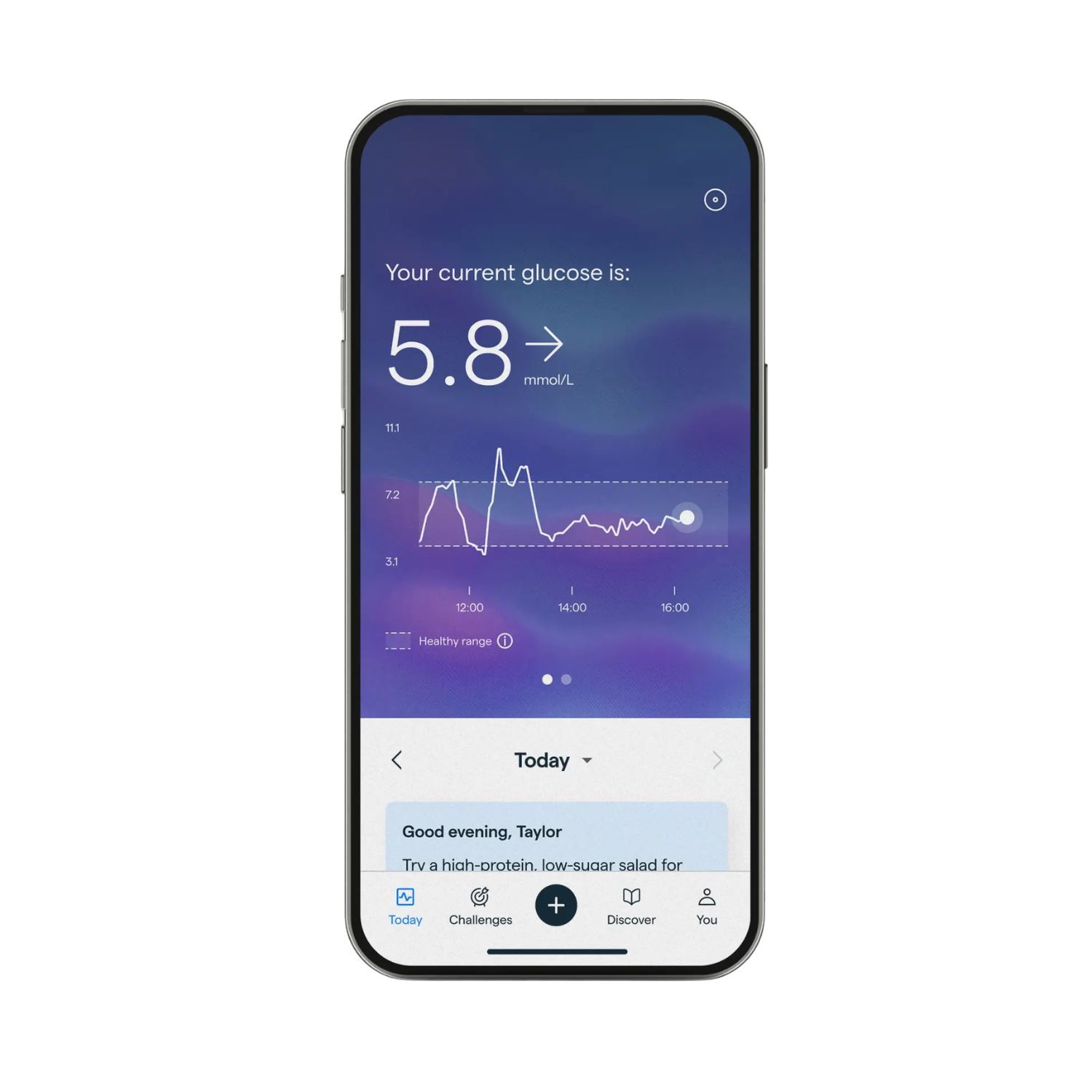
Constantly tracking your steps, workout data and fitness scores can inadvertently increase anxiety, guilt and comparison around metrics and goals, potentially reinforcing obsessive exercise behaviour – instead of healthy motivation. Indeed, studies show wearables can exacerbate harmful compulsive exercise behaviour and should be used with caution in people prone to dependence.
3. Find a non-body-based hobby
Language learning, pottery, chess, or volunteering can all help to reduce stress, build identity outside exercise and improve well‑being by activating new reward pathways and providing a sense of purpose. Research on these types of leisure activities shows that engaging in hobbies is linked to better mental health, reduced depression and anxiety and is also protective in recovery from addictive behaviour.
Advertisement
4. Seek professional psychological support
Other research shows various types of therapy can help explore motivations and past experiences that contribute to compulsive exercise, as well as helping to rebuild social functioning outside of exercise routines.
5. Broaden your coping strategies beyond exercise
Multiple studies show that exercise often serves as an emotional coping strategy for stress, anxiety or low mood – not just physical health. Experts say recognising and addressing this in therapy can help you to broaden your emotional toolbox beyond exercise – for example, studies show walking outdoors (without tracking your pace or steps) can help relieve stress and anxiety. Other research shows five-ten minutes of paced breathing, journalling and short guided meditations can also work. Gardening, long baths and reading fiction can also act as a stress release.
6. Structure balanced activity with rest
Establish a structured, weekly schedule focussing on moderate intensity exercise over high intensity, with rest and recovery also formally scheduled in, as per research. It’s not about completely cutting out all exercise, but making it a realistic, sustainable and healthy part of life.
7. Set training boundaries
Experts recommend built-in rest and setting a minimum duration per exercise session to avoid overexercising and to boost physiological recovery and psychological resilience. Aim for at least one rest day between workouts.
If you recognise these signs in yourself, it’s important to seek support from a GP or qualified mental health professional. Exercise dependency and exercise addiction are treatable, and getting help early can make recovery far easier and more sustainable. Contact your GP or use the NHS’ Mental Health Services, or contact BEAT.
Advertisement
As Women’s Health UK’s fitness director and a qualified Pilates and yoga instructor, Bridie Wilkins has been passionately reporting on exercise, health and nutrition since the start of her decade-long career in journalism. She secured her first role at Look Magazine, where her obsession with fitness began and she launched the magazine’s health and fitness column, Look Fit, before going on to become Health and Fitness writer at HELLO!. Since, she has written for Stylist, Glamour, Cosmopolitan, Marie Claire, Elle, The Metro, Runner’s World and Red.Now, she oversees all fitness content across womenshealthmag.com.uk and the print magazine, spearheading leading cross-platform franchises, such as ‘Fit At Any Age’, where we showcase the women proving that age is no barrier to exercise. She has also represented the brand on BBC Radio London, plus various podcasts and Substacks – all with the aim to encourage more women to exercise and show them how.Outside of work, find her trying the latest Pilates studio, testing her VO2 max for fun (TY, Oura), or posting workouts on Instagram.
If you enjoy working out, then there is no end of exercises and techniques to help you build muscle. If that’s you, we salute you, but politely suggest the following won’t be of interest (perhaps you’d like to read about myo-reps instead).
For those of us who want the benefits of strength training, but don’t have the mental bandwidth to follow complicated plans, I have just the thing: a simple three-move home upper-body workout, courtesy of Denise Chakoian, a certified fitness trainer and owner of Core Cycle and Fitness LaGree.
“Together, these movements provide a balanced upper-body workout by training both pushing and pulling patterns,” she says.
Latest Videos From
“They target the chest, shoulders, back and arms while also requiring core engagement.”
The beauty of this routine is that Chakoian has also shared several options to scale up each exercise, so as you get stronger, you just increase the challenge.
“I like these exercises because they are accessible for most fitness levels and can continue to challenge people for years simply by changing leverage, tempo and stability rather than relying on heavier weights,” says Chakoian.
1. Push-up
How to do a Push-Up | Proper Form & Technique | NASM – YouTube
Watch On
Sets: 3-4 Reps: 8-15
Start your week with achievable workout ideas, health tips and wellbeing advice in your inbox.
“I chose this because push-ups are one of the most effective upper-body exercises because they train multiple muscle groups at once while also challenging core stability,” says Chakoian.
“Small changes in leverage can make them significantly harder without adding weight.”
How to do a push-up:
Advertisement
Get on your hands and knees with your hands slightly wider than shoulder-width apart.
Step your feet back so your body in a straight line from your head to your heels.
Engage your core—this is your starting position.
Bend your elbows to lower your chest toward the floor with control.
Pause when your elbows are bent to 90°.
Press through your hands to lift yourself back to the starting position.
Make it easier:
Possible modified push-ups include:
Make it harder:
2. Pike push-up
Sets: 3-4 Reps: 6-12
“I chose this because many people overlook vertical pushing strength when training without equipment,” says Chakoian.
Advertisement
“Pike push-ups are excellent for developing shoulder strength and can eventually lead to more advanced bodyweight movements.”
How to do a pike push-up:
Begin with your hands on the floor and your hips lifted, so your body forms an inverted V shape. Keep your legs straight or, if your mobility is limited, slightly bend your knees.
Bend your elbows to lower your head, keeping your elbows angled slightly backward as you descend.
Once your head gently taps the floor, press through your palms to extend your arms and return to the starting position.
Make it easier:
Place your hands on a raised platform and lower your head to the platform.
Make it harder:
Slow the lowering phase.
Increase the range of motion by elevating your hands on books or yoga blocks, allowing your head to go below your hands.
“I chose this exercise because pulling movements are often neglected in equipment-free workouts, yet they’re essential for posture, shoulder health, and balanced upper-body strength,” says Chakoian.
“Rows help strengthen the muscles that counteract hours of sitting and computer work.”
How to do an inverted row:
Advertisement
Lie on your back under a sturdy table.
Grasp the edge of the surface with your hands slightly wider than shoulder-width apart.
Engage your core and make sure your body is straight from head to heels—this is your starting position.
Pull your chest toward your hands, squeezing your shoulder blades together.
Lower yourself slowly back to the starting position.
Make it easier:
Bend your knees and place your feet flat on the floor.
Make it harder:
Follow Fit&Well on Google News and add us as a preferred source to see all our workout ideas and wellbeing advice in your feeds.
“Don’t be a lone wolf, that’s my number one life hack”—Peloton instructor and ultra runner Susie Chan shares her weekly fitness routine and tips to get started
In just 16 years, Susie Chan has accumulated more miles and conquered more feats of endurance than most of us achieve in a lifetime.
All seven major marathons? Check. The notoriously punishing 156-mile Marathon des Sables more times than any other British woman? Check. A 12-hour treadmill world record? Check. Check. Check.
Now 51, she’s just added the 81-mile Badwater Salton Sea ultra to her collection, featuring 9,000 feet of total elevation up Palomar Mountain in Southern California.
Latest Videos From
All while holding down a physically and emotionally demanding job as a Peloton instructor, and raising her daughter.
What makes it all the more inspiring is that Chan had zero interest in sport or fitness until her brother signed her up to the Farnham Pilgrim Half Marathon in 2010.
“I didn’t even have trainers,” she tells Fit&Well. “I had gym shoes on. I had no clue.
“It really hurt—I’m not going to pretend it didn’t—but it showed me what I could actually do if I really wanted to.
Start your week with achievable workout ideas, health tips and wellbeing advice in your inbox.
“That’s something I’ve maintained. That one little spark of what I can do if I really want to has propelled me to do all of the other long endurance races since.”
It has also propelled her into a new career as a running coach, to writing a book called Trails and Tribulations about the trials and tribulations she’s encountered along the way, and to inspiring others to lace up their running shoes—or gym shoes—for the first time.
Advertisement
Recently returned from the Salton Sea ultra, I caught up with Chan to discuss what her weekly workout routine typically looks like when not scaling mountains or traversing deserts.
Susie Chan’s weekly workout routine
For the past decade, Chan has been clocking an average of 50 miles a week. When not hitting the road or trails with friends, she’s leading treadmill workouts in Peloton’s London studio or at fitness festivals around the country.
“If I haven’t got a race, I’ll typically run five times a week—minimum,” Chan says, casually.
“It’s my main source of exercise, but I’m also really enjoying my Peloton bike right now. I love it as an alternative. And I’m trying to dial down my mileage and build more strength.”
Advertisement
Here’s how her week typically breaks down.
Monday 30min run or Peloton Bike class for recovery.
Tuesday Leading Peloton treadmill classes and full-body strength workout.
Wednesday Leading Peloton treadmill classes and easy eight-mile run with friends.
Thursday 30-60min interval or speed run, plus leg workout.
Advertisement
Friday Leading Peloton treadmill classes and easy 60min run or ride with colleagues.
Saturday 45-90min long run.
Sunday 60min slow yoga class focusing on single-leg strength.
Susie Chan’s advice on how to get started with running
Start slow and steady
If you’re completely new to running, or you’re getting back into it, think tortoise, not hare.
“You’ve got to start off slow and steady,” Chan says. “In my very first run I just ran as fast as I could. It was awful. Don’t do that!”
Advertisement
Instead, Chan recommends using run-walk intervals at a 1:1 ratio.
“If you’re brand new to running, alternating two minutes of running with two minutes of walking, or whatever it is that you can maintain, is a good place to start.”
After a couple weeks, you can increase the running intervals or reduce the recovery period to progress toward a 2:1 ratio.
Make it social
Chan says everything hard becomes easier when you share it with others. That’s especially true when trying to build momentum at the start of your running journey.
“I’m very much not a lone wolf,” says Chan, of the way she prefers to keep active.
Advertisement
“If you have other people to work out with it just takes the edge off. They help drive you, encourage you, enable you. For me, that’s the number one life hack for training. It just makes everything feel easier.”
I was in my early 20s when I first experienced the power of strength training firsthand. I was working at Women’s Health magazine and was tasked with learning to deadlift for twelve weeks at a CrossFit-style gym with a personal trainer.
I’d always been into movement, but found the concept of weights pretty terrifying before that. Most of the gyms were male-dominated spaces, and the gym plans were male-specific, too; plus, I’d grown up in a generation terrified of weight training making you “bulky” and determined to typecast muscle mass as “non-feminine.”
Thankfully, most of the stigma has shifted in recent years: numerous and extensive studies have proven time and time again how pivotal strength training is not only for muscle mass, bone density and overall wellbeing, but healthy ageing, too. One large study published in the British Journal of Sports Medicine found that people who participated in muscle-strengthening activities had a 10-17% lower risk of all-cause mortality, as well as a reduced risk of cardiovascular disease, cancer and diabetes.
Speaking from personal experience, strength training has changed my life. After a twelve-week induction in my early twenties, strength training became a non-negotiable part of my weekly routine, and I’d head to the gym at least once a week to build strength, move my body and support my mental wellbeing.
That said, in recent years, I was definitely plateauing from a lack of structure. While I enjoyed heading to the gym and moving through whichever compound lifts or mobility exercises took my fancy, I knew it wasn’t the most productive approach. Plus, as a runner, I wasn’t targeting the muscle groups so essential to efficient, injury-resistant running; rather, maintaining a general baseline.
Advertisement
So when Run Coach and Founder of female running collective PASSA, Lillie Bleasdale, offered me the chance to follow a three-month, female-specific strength training programme designed to complement my running, I jumped at the opportunity. A 2:54 marathoner herself, she founded the company with one simple aim: to support women through every stage of their running journey and to offer a holistic approach to performance.
I loved that Bleasdale had built a pretty game-changing female-only online coaching model, but also that her entire approach centres around balancing your training alongside the demands of being a woman. “We recognise that women aren’t simply smaller versions of men; factors such as menstrual cycles, pregnancy, postpartum recovery, perimenopause and menopause can all impact training, recovery and performance,” Bleasdale shares when we chat. “We also work with women navigating conditions such as endometriosis, PCOS/PMOS and adenomyosis, helping them train in a way that supports their bodies, rather than fights against them.”
Celebrity news, beauty, fashion advice, and fascinating features, delivered straight to your inbox!
Bottom line? “We want training to enhance their lives, not become another source of stress.”
Advertisement
So, could a more structured approach unlock performance gains that years of inconsistent gym sessions had left on the table? Over the course of three months, I worked with Bleasdale day in, day out. Below, I share my story and why I think trying your own female-focused strength training plan could be transformative for not only your running, but your general life. Don’t miss our guides to the best strength training moves for runners and the best Pilates moves for runners, plus our guides to running advice for beginners, how to run a mile without stopping and how to run faster, here.
My three-month strength training journey
Getting set up
I check in with Bleasdale for the first time on a video call to discuss my goals, timeframe, and lifestyle, alongside current training load and previous injuries. The chat was informal but detailed; Bleasdale wanted to paint a full and complete picture before cracking on with programming. “The first thing we always do is look beyond race goals and understand the athlete sitting in front of us,” she shares.
For me, my aim was simple: I wanted to get strong ahead of the Boston Marathon and to gain expert insight into the best workout plan and moves to injury-proof my body and support it over both the training block and distance. That said, I also have a demanding 9-5, and knew I needed a sustainable plan that I’d be able to stick to week on week.
Bleasdale was really reassuring on this front, and told me that for most marathon runners, particularly those balancing work and life commitments, one or two high-quality sessions deliver the best balance between adaptation and recovery. “It’s enough to build meaningful strength, resilience and running economy without creating excessive fatigue that compromises key run sessions,” she explains.
Advertisement
At PASSA, they view strength training as part of the overall training load, rather than something that sits separately from their running – a common mistake that many runners fall for.
On the type of strength you’ll need to build for Boston specifically, Bleasdale had done her research. “The course is famous for its challenging downhills, which place huge demands on the quadriceps,” she explained to me. In training, that translated to significant amounts of quad-dominant work, progressing heavy strength-focused lifts into higher-volume, more marathon-specific endurance work as race day approached.
A typical strength session
Following our onboarding call, Bleasdale sent me some simple instructions to download and set up their dedicated strength training app, Everfit. Each week, following a weekend check-in and progress update, she’d upload my workouts: a Tuesday morning session and a Thursday morning session.
While the movements and phases varied over the course of the block, the basic structure was the same:
The mobility and dynamic movement: Five to ten minutes designed to improve movement quality and activate key muscle groups.
The main section of the workout: Which centred around one primary compound lift. “This was the ‘hero lift’ of the session and typically involved a squat, deadlift, leg press or another large movement pattern that allowed us to build meaningful strength,” shares Bleasdale. (She often paired these with core exercises to maximise efficiency, too).
The accessory work: Usually organised into supersets or tri sets. “This is where much of the running-specific work took place,” she explains. “We incorporated unilateral lower body exercises, calf strengthening, rotational and anti-rotation core work, balance exercises and plyometric drills.”
She explained to me that there isn’t one “magic” exercise for strength improvement or injury prevention; rather, it’s the benefit of a balanced programme. “For runners, we want to ensure six key movement patterns are consistently represented: a squat, a lunge, a hinge, a calf strengthening exercise, a core exercise and a balance-based exercise,” she shares. Throughout my programme, this looked like heavy squats and deadlifts for overall strength, split squats and Bulgarian split squats for unilateral control, calf raises for lower leg resilience, Pallof presses and side planks for core stability, and plyometric exercises such as pogo jumps, box jumps and broad jumps to improve force production and tissue resilience.
The overall goal was simple – every exercise needed a purpose, and every session needed to contribute towards making me a stronger, more resilient marathon runner.
Advertisement
How does a female-specific strength training journey differ?
Good question. As Bleasdale explains, “Female-specific coaching isn’t about creating a completely different exercise list for women – rather, about understanding the individual woman in front of you and building a programme that reflects her physiology, circumstances and goals.”
At PASSA, every plan factors in a woman’s menstrual health, hormonal changes, previous pregnancies, medical conditions, injury history, lifestyle demands, stress levels and recovery capacity. For the first time in my life, a coach asked me about my menstrual health and health conditions – something simple, but often overlooked. Bleasdale then paid attention to how consistent strength training could support my PCOS/PMOS management and checked in on my symptoms over the course of the programme.
My strength training journey: Phase one
The training block had three distinct phases, with the first five weeks focused on building maximum strength through heavy compound lifts such as front squats, trap bar deadlifts and deadlift variations. Alongside that, a big focus was on getting me comfortable with the gym equipment. As Bleasdale put it, I had a solid strength-training background and the foundations were already there, but I did lack confidence and a structured strength training routine.
Each workout, I’d film my movements and send them to Bleasdale for review. She’d then send detailed feedback, gradually challenging some of the limits I was subconsciously holding. “Week after week, she realised she was capable of lifting significantly more than she thought,” Bleasdale shares.
One of the most rewarding aspects of the block, for both Bleasdale as a coach and me as a client, was seeing the confidence grow. By the third week, I was moving through more complex compound moves (front foot elevated split squats, I’m looking at you) with relative ease, and felt settled into my new routine.
Advertisement
While the step up to two more workouts a week alongside my runs was definitely noticeable, Bleasdale was always on hand to help me organise my calendar and slot in my movement even when my week was busy, or I was travelling for work – a level of coaching that seriously encourages accountability and which I found incredibly motivating. My strength training workouts were no longer about whether I could fit them in, but when I’d be doing them.
Perhaps the biggest surprise during this first phase was how quickly the sessions stopped feeling intimidating. Walking into a weights area can feel overwhelming, particularly as a woman. But repetition builds familiarity and, in turn, confidence. My sessions felt purposeful, rather than daunting, and I noticed a shift in my mindset as much as my physical strength.
For month one, Ally’s main focus was on getting comfortable with the gym equipment and building her confidence.
(Image credit: Ally Head)
Advertisement
Phase two:
Come week five, and we’d entered a new phase: a six-week maintenance and hypertrophy phase where the focus shifted slightly towards running-specific resilience, unilateral strength and managing fatigue. Mixing things up kept the programme interesting and meant I looked forward to my sessions; I was challenging my body in new ways again, rather than going through the motions.
Single-leg work became more prominent in my workouts, helping to address the imbalances and weaknesses that often creep into a runner’s training. I liked that these exercises felt more transferable to running itself, and demanded balance, coordination and stability with every session. Rather than simply lifting heavier weights, I was learning how to generate force efficiently and control my body under fatigue.
I was pleasantly surprised at how quickly my body adjusted to the training load; I was tired, but I felt physically fitter and like my body was recovering more easily, too. Bleasdale observed this as well: “Sessions that initially created fatigue quickly became manageable, allowing us to progress load, complexity and challenge while maintaining overall freshness.”
During this point of my training block, I ran the Reading Half Marathon as a training race, coming away with a 1:28 personal best and, perhaps more importantly, feeling stronger than I ever have before over the half marathon distance. While it’s impossible to attribute this performance to any one factor, I noticed a distinct difference in how capable I was of maintaining form when fatigue set in, and I was able to kick in the later stages of the race when I’d previously faded.
My strength gains were becoming evident outside of the gym, too. Hills felt less taxing, fast sessions felt smoother, and I felt stronger even as my mileage increased. As a runner, that’s the ultimate goal: not dramatic overnight changes, but the gradual accumulation of resilience that makes training feel easier and more enjoyable.
Advertisement
Ally was pleasantly surprised at how quickly her body adjusted to the training load; she felt physically fitter and like her body was recovering more easily, too.
(Image credit: Ally Head)
Phase three:
For the final few weeks of the training block, I entered a taper phase, prioritising mobility, movement quality, light strength work and low-level plyometrics. “This keeps the body feeling sharp while allowing fatigue to dissipate before race day,” Bleasdale explains.
Although the volume and intensity of the gym work reduced, the sessions still had a clear purpose. The focus shifted away from building fitness and towards arriving at race day feeling fresh, confident and ready to perform. Mobility drills, explosive movements and lighter strength exercises helped maintain the adaptations we’d built over the previous months without creating unnecessary fatigue.
What struck me most during this phase was how calm, confident, and excited I felt for race day. All of my hard work had led up to this point, and I felt like a different person; Bleasdale had helped me to get to race day not only feeling the physically strongest I’d ever felt, but the mentally fittest, too. The months of consistent strength work had given me tangible evidence of progress, not just in the numbers I was lifting, but in how I moved and carried myself as a runner.
Advertisement
Come race day, I surprised even myself, running a 3:08 marathon and feeling by far the strongest I’ve ever felt during a marathon. Bleasdale is undoubtedly to thank: her unwavering support and belief in me made me a stronger runner, athlete, and woman, too.
On the fence about trying your own female-specific strength training plan? Trust me on this one – you won’t regret it.
Come April, Ally ran the 130th Boston Marathon in 3:08 – a five minute PB.