Detroit, MI
Detroit Opera orchestra to set George Clinton, Parliament-Funkadelic hits to classical music


DETROIT – “I was strung out on Bach, and Beethoven was my thing. I dug jazz, I dug rock, anything with a swing” — or so goes Funkadelic’s 1978 groove “Cholly (Funk Getting Ready to Roll!).”
Now Parliament-Funkadelic is going orchestral.
The Detroit Opera will showcase some of funk maestro George Clinton ‘s and P-Funk’s greatest hits this weekend, performed by violins, cellos, horns and other instruments tuned more for arias or sonatas than for tunes like “Flash Light,” “(Not Just) Knee Deep” and “One Nation Under a Groove.”
Ray Chew, arranger and conductor of “Symphonic PFunk: Celebrating the Music of Parliament Funkadelic,” believes Saturday’s show will be the first time an orchestra has performed the iconic group’s music.
Chew, himself a musician, has performed and arranged music for some of the industry’s biggest names. He’s also a fan of the funk.
“The arrangements that I’m making are going to really be key to how we bring it all together,” he said of Saturday’s performance. “George’s and P-Funk’s music is just waiting to explode through that orchestra.”
For Clinton, it was inevitable.
“I’ve been waiting on it to happen over the years,” the 84-year-old founder and frontman told The Associated Press. “We knew we were going to be doing this one day. We expected to gravitate into classical or something.”
Creating the ‘Parliafunkadelicamentthang’
Clinton formed The Parliaments in Plainfield, New Jersey, in 1955. The doo wop group’s “(I Wanna) Testify” became a hit in 1967 for Detroit-based Revilot Records.
Funkadelic was founded the following year after a naming rights issue with Revilot, though Clinton later regained rights to The Parliaments name.
Virtually the same stable of singers and musicians would record albums and perform live under both monikers throughout the 1970s.
Where Parliament was the engine for funk — highlighted by stacked harmonies and overlapping vocals — Funkadelic played the rawest of rock, emphasizing electric and bass guitars, heavy drum beats and (often) NSFW lyrics.
“It started out as a singing group, then a band and a group, and then it became a ‘thang,’” Clinton said. “We call it Parliafunkadelicamentthang.”
Some of the era’s top musicians, vocalists and songwriters carved out roles in the “thang,” including keyboardist Bernie Worrell, guitarist and lead singer Garry Shider and Walter “Junie” Morrison. All wrote and arranged some of P-Funk’s greatest jams.
While setting the group’s catalog to classical might seem unusual, Chew says it’s “just a different discipline,” adding that he believes some P-Funk members would have excelled in the genre if they’d chosen that route.
But can an orchestra play funk?
Rickey Vincent, professor of African American Studies and lecturer at the University of California, Berkeley, says yes.
“Musicians are stumped by how seriously complex this funky music is,” said Vincent, who authored “Funk: The Music, the People, and the Rhythm of The One.” “You can take an orchestra and do all kinds of funky things with it.”
“Audacity of sophistication, that’s what funk plays with,” he added. “Junie Morrison … one of those people like Bernie (Worrell) who could manipulate a string ensemble for fun. They were top-shelf musicians who basically snuck that into their arrangements.”
Legendary Motown musician and arranger Paul Riser says it’s about integrating all the parts.
“You take what they’ve done,” Riser said of Parliament-Funkadelic. “You don’t try to make it different. You just try to add to it. You don’t try to make it your thing.”
Vincent pointed out that bagpipes and banjo were used on Parliament’s 1970 debut album, “Osmium.”
“And they work with that stuff. It’s not just a gimmick,” Vincent said. “Funk has always been about toying with institutions, manipulating canon.”
Chew declined to say which P-Funk songs would be performed, but said 47 players have been assembled in the orchestra. They will play standard orchestral instruments, including a full string section and a harp, and saxophones. About a half-dozen musicians, including a keyboardist and guitarists, will join them on stage.
“The colors that are already in the music are going to be spoken through violins and French horns and everything. We don’t even have to invent new notes. All the notes are there,” he said.
Setting funk operas to dance music
Outside of the music, part of P-Funk’s appeal occurred during packed live concerts as singers and musicians — some taking on far-out alter egos, like Star Child and Dr. Funkenstein — crowded the stage.
Clinton acknowledged that P-Funk’s “Mothership Connection,” “Funkentelechy Vs. The Placebo Syndrome” and other albums were part of a “funk opera” where the mission was simply getting Sir Nose D’Voidoffunk to dance. Sir Nose was the antagonist and embodiment of everything “unfunky.” He vowed never to dance, but eventually succumbed to the power of the funk.
The highlight of those sold-out shows was the “Mothership” — a glittering prop space capsule — descending with lights flashing and smoke billowing onto the stage as Clinton’s P-Funk mob whipped the crowd up with “swing down sweet chariot stop and let me ride.”
The original “Mothership” first was used during a 1976 concert in New Orleans. A new version is under construction.
“We were trying to be the Beatles with the big extravagant arrangements,” said Clinton, a big fan of the Fab Four’s “Sgt. Pepper’s Lonely Hearts Club Band” concept album.
Looking ahead, Clinton said he’s working on a couple of new albums. The group has been on the road for the past three years and last performed in Detroit about a year ago.
“To go back there now feels really good,” he said of the Motor City. “I feel a future coming in the place where we have a helluva past. That’s where all the music was born.”
Copyright 2026 The Associated Press. All rights reserved. This material may not be published, broadcast, rewritten or redistributed without permission.



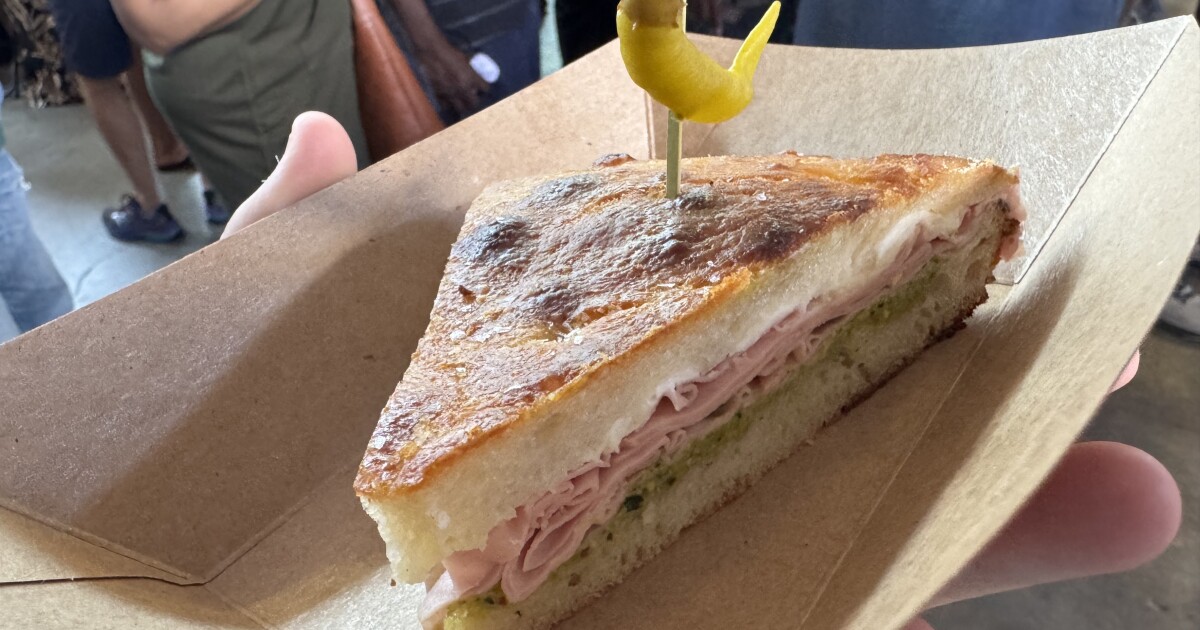
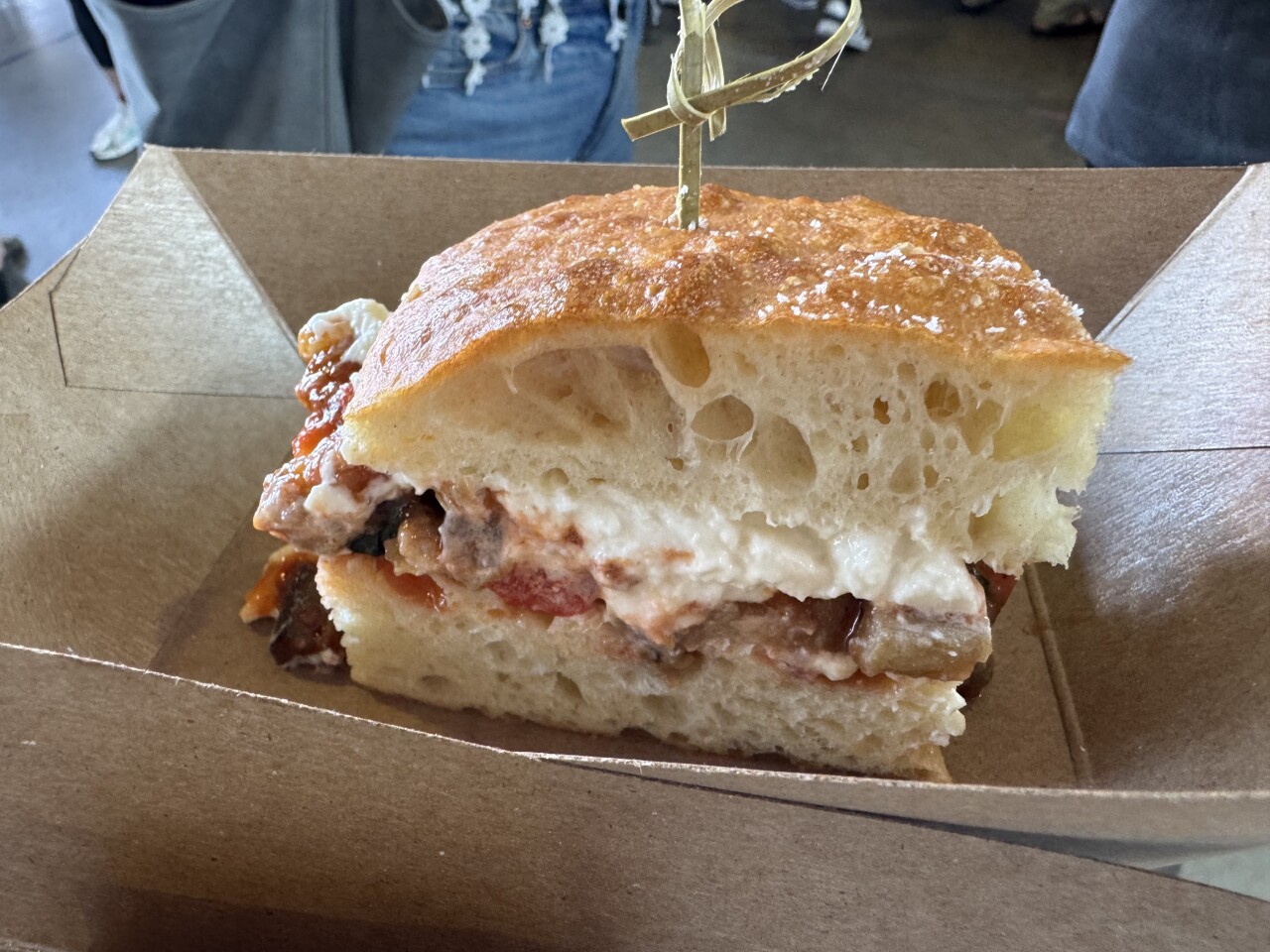
(WXYZ) — The third annual Detroit Sandwich Party is coming to Eastern Market on Labor Day weekend, bringing a massive free festival for sandwich lovers.
The festival is scheduled for Sunday, Sept. 6 at Eastern Market. It’s organized by Carlos Parisi, Will McDowell and Bekah Galang.
Watch our 2025 interview with Carlos in the video below
Detroit Sandwich Party returns to Eastern Market with an expansion on Aug. 31
Organizers are looking for vendors, volunteers and sponsors for the 2026 event. You can learn more and sign up to be a vendor, volunteer or sponsor here.
The event is free to enter, and each vendor will be selling smaller-sized sandwiches for purchase, so people can try as many sandwiches as they want.
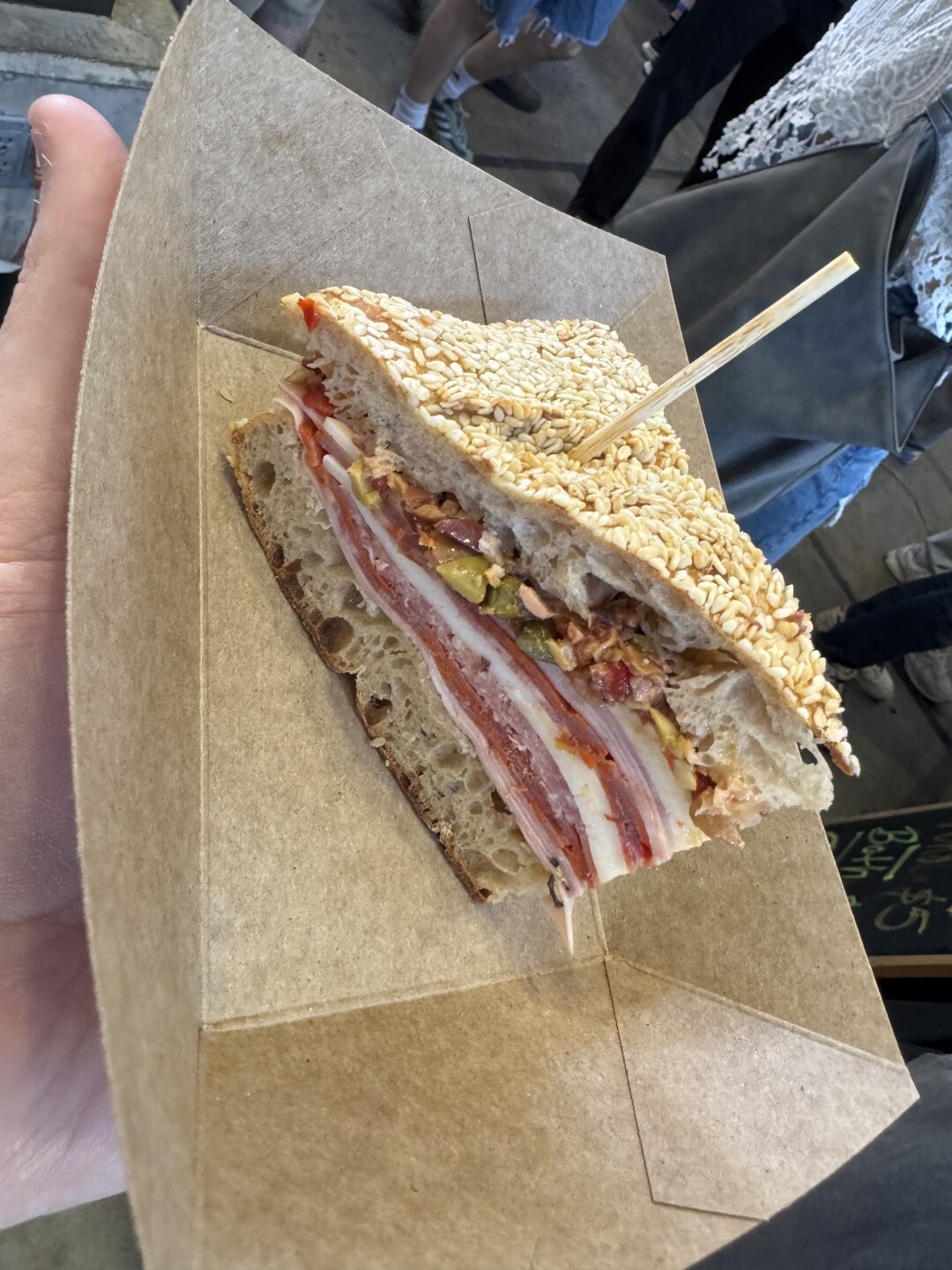
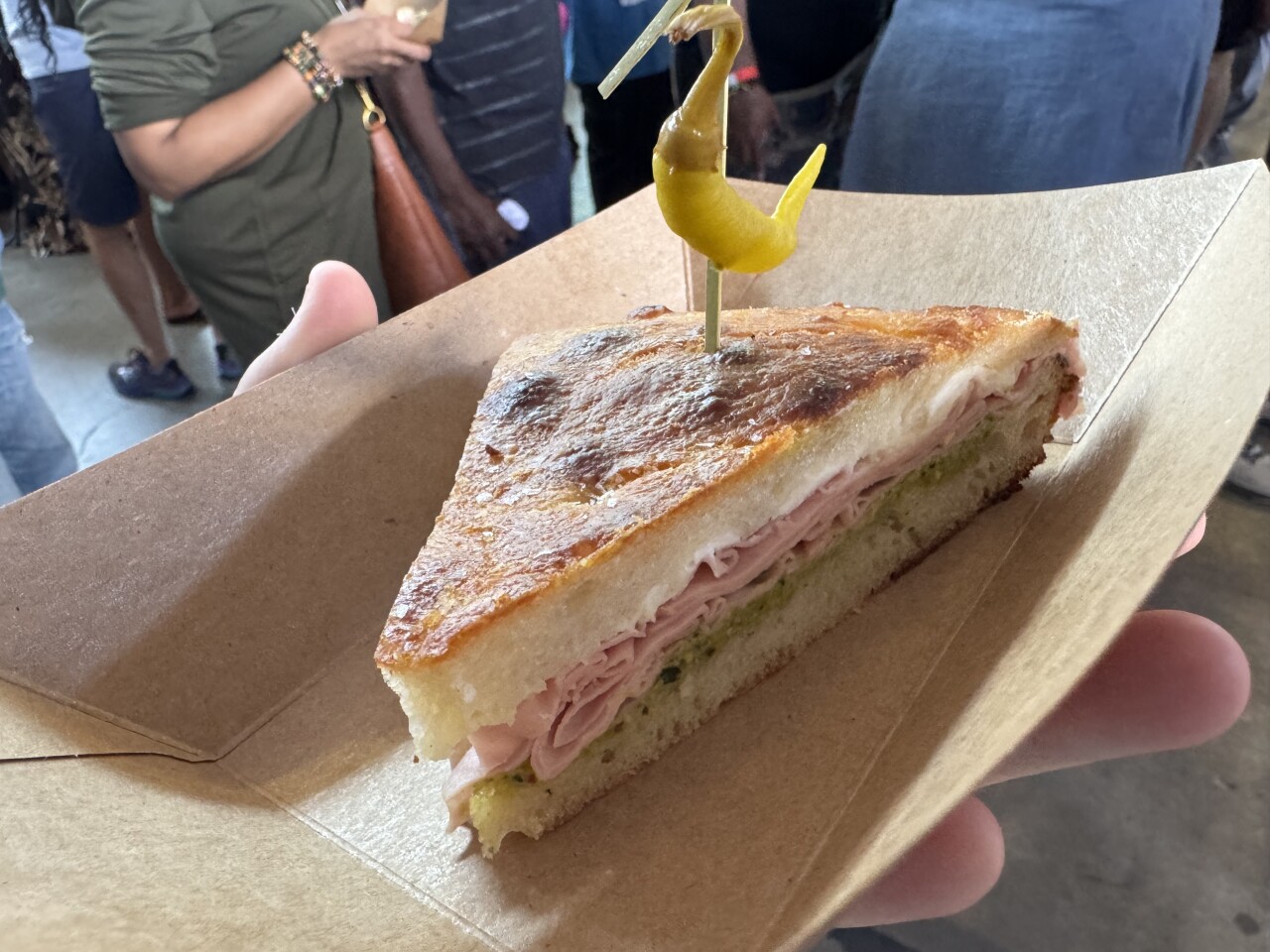
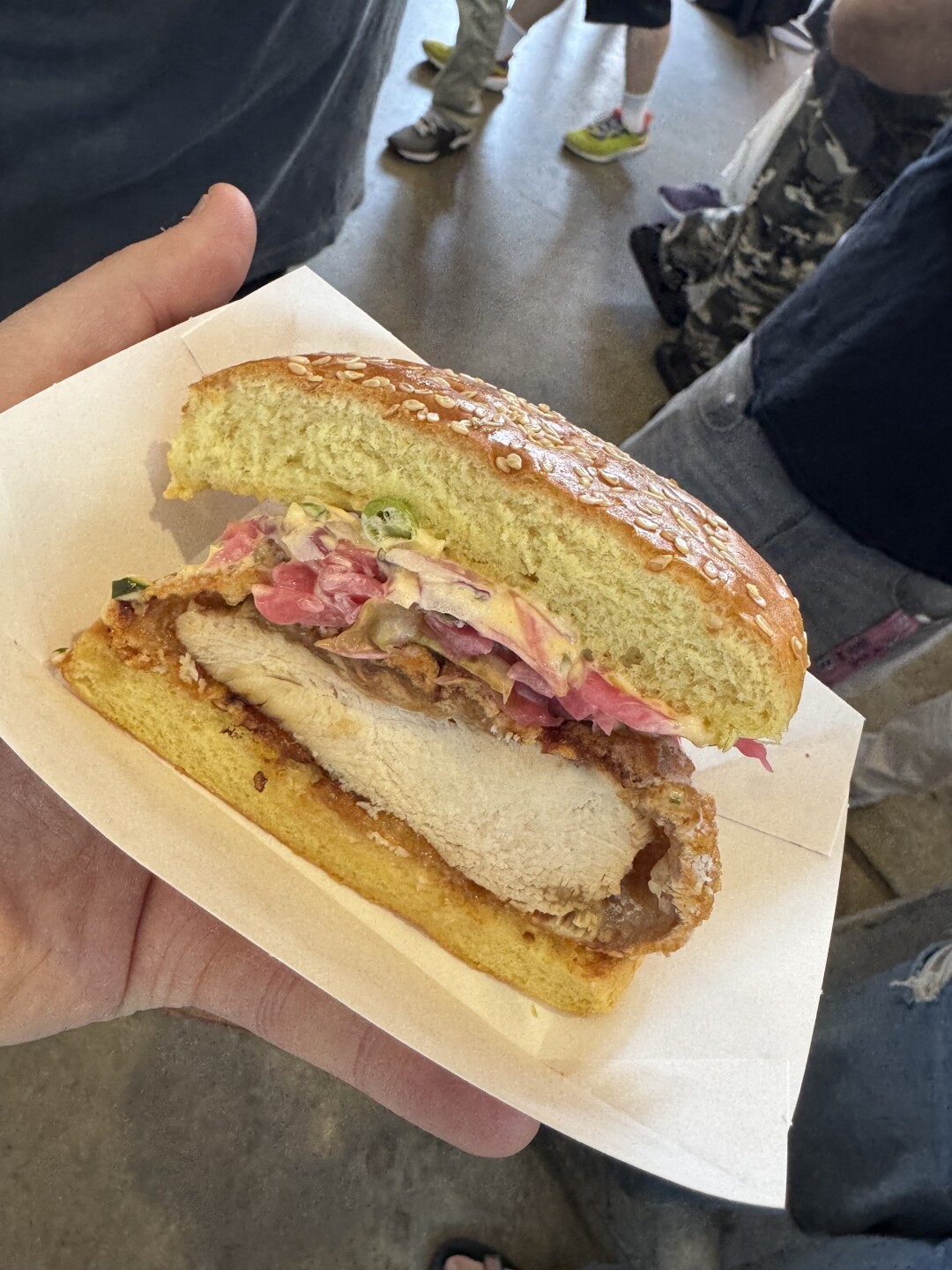
Below are some sandwiches from the 2025 festival from Leña, Tall Trees Cafe, Bar Chenin and more
WXYZ
WXYZ
WXYZ
WXYZ
WXYZ
Detroit, MI
Around 400 pairs of shoes intended for charity giveaway stolen from Detroit nonprofit, organization says

Shoes intended for an annual charity giveaway in Detroit were recently stolen from a local nonprofit organization’s warehouse. Now, the group is asking for your help.
NW Goldberg Cares was set to give away 1,000 pairs of sneakers at its annual Hoopfest, a community event tied to Mayor Mary Sheffield’s “Occupy the Summer” initiative, but on Friday, the nonprofit’s founder made a surprising discovery at their warehouse.
“I just happened to notice that something seemed very off about how many shoes were in the warehouse. Sure enough, I went to the back of the facility, saw a bunch of big boxes, as well as some bags that previously had sneakers in it, completely empty,” Daniel Washington, founder and executive director, NW Goldberg Cares, said.
Washington says a person or group stole about 400 pairs of shoes.
“From the looks of it, it looks like they were somehow able to pry up the door on the backside of the building, crawl underneath, and while somebody else was in, somebody was able to hand shoes out underneath the door,” he said.
Washington says a report was filed with the Detroit Police Department, but so far, they don’t have any leads.
“DPD staff is working on the case right now. We’ve been in contact with several sergeants on the issue, and at this point, we’re just hoping for some type of information on it or recovery of some sort,” Washington said.
The custom-designed brand shoes were donated by Social Status Detroit and USA Basketball. The value is more than $40,000.
“Depending on what shoes you’re talking about, you could go as up to $45,000 to $75,000. Because again, shoes, depending, were as much as $220 a shoe. So, a lot of loss,” Washington said.
Since the news broke, the community has stepped up to help.
“We have about over 130 pairs of individual shoes that were donated via our Amazon wish list, which has truly helped us in so many ways because, you know, without those types of donations, without people stepping up, you know, we would be up a creek without a paddle, as they say,” Washington said.
Hoopfest gives hope to kids and teens.
“For so many kids across this great city, they might not have ever had a brand new pair of shoes, right? Money is tight in the household, and at the end of the day, we want to give them that level of confidence or give them that little boost to say, ‘Hey, you deserve the experience of opening up a brand new pair of shoes,’” Washington said.
Washington shared the following final message with CBS News Detroit on Sunday:
“I encourage anybody who needs help, just reach out before you make it or do an act like this that compromises the integrity of an event like ours. Just reach out. Say, ‘We need help.’ Express your needs. Say, ‘Hey, we’d love some support in this way. Is there any way we could work alongside you?’”
The nonprofit founder says they’re resilient and they’re not going to let the incident stop Hoopfest from being a success. The event runs Friday through Sunday at Curtis Jones Park.
-

 Dallas, TX1 minute ago
Top 10 Dallas Cowboys of 2026: Rashan Gary is Complete EDGE Dallas Needed
-

 Miami, FL7 minutes ago
Girl, 12, shot while sitting in parked car in northwest Miami-Dade, deputies say
-

 Boston, MA13 minutes ago
GBH Daily: Come sail away
-

 Denver, CO19 minutes ago
New ice cream shop with a ‘waffle theater’ bets big on downtown Denver
-

 Seattle, WA25 minutes ago
Seattle weather: Sunny skies and warmer temperatures Tuesday
-

 Milwaukee, WI37 minutes ago
Milwaukee cooling centers, heat advisory tips; what to know
-

 Atlanta, GA43 minutes ago
Warnock, Dickens talk about new housing legislation
-

 Indianapolis, IN55 minutes ago
Indiana heat index to hit 100 as hot, dry pattern holds | July 14, 2026

