Seattle, WA
Seattle Voters Approve Transportation Levy to Maintain and Modernize City Streets with Paving, Bridge Repairs, Sidewalk Construction, and Connections to Light Rail – Office of the Mayor


Mayor Harrell thanks voters for supporting the levy, which will generate $1.55 billion over 8 years to fund transportation improvements in Seattle
SEATTLE – Mayor Bruce Harrell and City of Seattle leadership appreciate the preliminary approval by voters of City of Seattle Proposition No. 1, the $1.55 billion Seattle Transportation Levy. The levy is passing with over 66% of the vote in yesterday’s election according to King County Elections.
The levy will provide approximately $170 million annually over 8 years to fund transportation projects and programs. With this revenue, the Seattle Department of Transportation (SDOT) will maintain and modernize the city’s aging infrastructure by building sidewalks, paving streets, repairing bridges, and improving connections to transit for a safe, reliable, and connected Seattle.
“Seattle’s election results show that voters want to build a safe transportation system that works for everyone,” said Mayor Harrell. “The 2024 Transportation Levy was shaped by community input and reflects the City of Seattle’s commitment to a One Seattle vision for a safe, reliable, and connected transportation system, as well as our ongoing efforts to improve transportation infrastructure and services citywide. Our administration worked closely with community members, advocates, and stakeholders to create a bold plan for safer streets, reliable transit, and better connections for all Seattle neighborhoods. This levy means safer bridges, smoother roads, more sidewalks, better transit connections, and much more to support people who live, work, and play in Seattle.”
The levy will fund a range of projects reflecting the city’s evolving transportation needs and priorities. Key investments include:
- Accelerating new sidewalk construction and making thousands of repairs
- Improving safety for the city’s most vulnerable travelers
- Prioritizing paving, street maintenance, and modernization
- Extending the lifespan of Seattle’s aging bridges
- Creating jobs across the region
“We are very grateful to Seattle voters for their support of maintaining and modernizing our streets and bridges over the next eight years,” said Greg Spotts, SDOT Director. “SDOT is ready to get off to a strong start on the many projects and programs contained in the Levy package, working collaboratively with community members, other city departments, King County Metro and Sound Transit.”
Unanimously supported by the Seattle City Council earlier this year, the Transportation Levy is the culmination of extensive planning and collaboration, involving city leaders, community organizations, and transportation advocates. Seattle City Council is expected to approve the final 2025-2026 budget this month, and the election will be officially certified on December 5. Collection of Levy funds begin on January 1, 2025.
“I want to thank Seattle voters for approving the 2024 Transportation Levy. Let’s move Seattle!” said Councilmember Rob Saka (District 1) who chairs the Council’s Transportation Committee. “The Mayor’s Office and my colleagues on the Council worked hard to ensure that the transportation projects included in the levy would meet Seattle needs now, but also invest in the future. I can’t wait to work with our Seattle Department of Transportation – making our streets safer, building out our sidewalk network, giving our residents more reliable options to move around, and improving our transportation infrastructure.”
SDOT is taking steps now to be ready to start work on the new levy in January 2025. This includes prioritizing crew-delivered projects that can be completed in winter, beginning public engagement to plan for new sidewalks, and developing several large capital projects, such as major upgrades on the City’s busiest streets and bridges.
For more information about the levy visit, https://www.seattle.gov/transportation/levy.
What People Are Saying
“Voters’ approval of the Seattle transportation levy shows they see the value in making sure people can safely and reliably get where they need to go: to work, school, recreational and cultural centers, the outdoors, and back home to their families. Thank you to Mayor Bruce Harell, City Council Transportation Committee Chair Rob Saka, and the entire Seattle City Council for proposing a transportation levy that matched voter priorities and supports a thriving, equitable, and inclusive regional economy. We couldn’t agree more with the voters, and we’re thrilled with this result!” Rachel Smith, President and CEO, Seattle Metropolitan Chamber of Commerce
“By passing Seattle Prop 1, voters have shown, once again, they care strongly about creating safe, sustainable, and accessible transportation options throughout the city. Seattle Prop 1 will invest in safety improvements on our most dangerous streets, build 350 blocks of missing sidewalks, and connect neighborhoods with safe bike routes. This levy will make big improvements for people who walk, bike, or roll to where they need to go. But no matter how you get around, this levy will make your neighborhood safer, more sustainable, and more accessible.” Clara Cantor, Community Organizer, Seattle Neighborhood Greenways
“Thank you, Seattle voters, for passing the Keep Seattle Moving Levy. This outcome represents a mandate for the city to continue transforming our streets to make them safe for everyone—regardless of how we get around. This includes adding new bike lanes and improving the existing bike network to make it safer and more equitably accessible. For Cascade Bicycle Club, this is just the beginning. We’re committed to ensuring the city delivers on the bike safety commitments that were fundamental to the formation and passage of this levy!” Lee Lambert, Executive Director, Cascade Bicycle Club
“By passing this levy, Seattle voters made a historic investment in our transportation infrastructure. This will mean safer and faster options for working people to get around and more than 11,000 good jobs for our community.” Katie Garrow, Executive Secretary-Treasurer, MLK Labor
“Accessible sidewalks and crosswalks are a lifeline for people with disabilities and make our city safer for everyone. By nearly doubling the rate of sidewalk construction, this levy is a critical step to creating an accessible transportation system within our lifetimes.” Cecelia Black, Seattle Transit Organizer, Disability Mobility Initiative, Disability Rights Washington
“We can’t wait for the transit improvements that this levy will build! Because we passed Prop. 1, Seattleites will have better access to light rail stations, and enjoy bus trips with fewer delays. By improving access to frequent and reliable transit, we’ll make it possible for more people to get around without a car.” Kirk Hovenkotter, Executive Director, Transportation Choices Coalition
“SDOT’s Transportation Equity Workgroup (TEW) is grateful to voters that the Seattle Transportation Levy has passed. We worked closely with SDOT to ensure the levy reflects the values of the Transportation Equity Framework (TEF), prioritizing underserved communities. This levy is dedicated to making transportation investments that are community-driven and equitable, centering the needs of low-income, BIPOC, immigrant, refugee, disabled, and aging communities. It aligns with the City’s Race and Social Justice (RSJ) Ordinance and ensures that future transportation projects meet the needs of those historically overlooked.” Seattle Department of Transportation’s Transportation Equity Workgroup
“The passage of the Keep Seattle Moving Levy by voters is a great win for Seattle’s University District. This levy will drive economic growth and connectivity in the U District by funding essential infrastructure improvements, like maintenance of our bridges, expanded bike lanes, and safer pedestrian corridors. These enhancements will make it easier for people to access local businesses and connect to jobs, education, and housing across Seattle, helping our neighborhood thrive as a key economic and cultural hub.” Don Blakeney, Executive Director, U District Partnership
“By passing the Transportation levy, Seattle voters have once again prioritized safer streets and increased transportation options that make our city a more vibrant, equitable, sustainable place to live. Transportation infrastructure touches our lives every day. The voter-approved levy investments will give people real choices in how they navigate our city and ensure our system remains well-maintained, modernized, and connected now and well into the future.” Alex Hudson, Executive Director, Commute Seattle
“Over the next 15 years, Sound Transit will be expanding light rail to West Seattle, to Ballard and adding a station in the Rainier Valley at Graham Street. Thanks to the support of voters, the levy will now provide critical funds for projects that give people safe, convenient and equitable access to stations in our growing light rail network.” Goran Sparrman, Interim CEO, Sound Transit
“The Port of Seattle looks forward to working in partnership with the City of Seattle to implement the Seattle Transportation Plan, which is critical investment in support of the movement of people and freight throughout our region. A robust transportation system is essential for our gateways and in support of our goal of economic development for the region. The Port is committed to supporting implementation of the significant investments that will serve our ground, air, and maritime transportation sectors.” Toshiko Hasegawa, Vice President, Port of Seattle Commission


9:20 PM: Seattle Fire has a water-rescue response headed to Alki Avenue and 64th SW after a report of someone hanging onto a capsized watercraft – possibly a kayak, per dispatch – about 50 yards offshore.
9:29 PM: SFD responders report another kayaker appears to be towing in the person who was in trouble, or trying to.
9:34 PM: Rescuers, including an SFD boat, are deciding where to take the kayaker once he’s out of the water.
9:36 PM: They’re going to move a medic unit and battalion chief to Don Armeni Boat Ramp and take the kayaker there for evaluation.

I caught this neighbor red-handed cleaning up the beach at Lincoln Park after last night’s … festivities…
She�…

SEATTLE, WA – JULY 4: Dominique Malonga #14 of the Seattle Storm drives to the basket during the game against the Portland Fire on July 4, 2026 at Climate Pledge Arena in Seattle, Washington. (David Ryder / NBAE / Getty Images)
SEATTLE – Carla Leite scored 20 points to lead the Portland Fire to a 77-72 victory over the Seattle Storm on Saturday night.
Leite made 4 of 8 shots and all 12 of her free throws, adding four assists for Portland (9-12). Bridget Carleton totaled 14 points and seven rebounds, while Megan Gustafson added 10 points and nine boards.
Dominique Malonga had 22 points to pace Seattle (5-17) and Natisha Hiedeman scored 15. Awa Fam had 12 points, while fellow rookie Flau’jae Johnson was held to a season-low one point.
Leite had two three-point plays to start the third quarter and Frieda Buhner came off the bench to score all nine of her points over a six-minute span as Portland turned a 32-30 halftime lead into a 54-47 advantage. Gustafson sank a 3-pointer for a 41-38 lead and the Fire never trailed again.
Emily Engstler had all nine of her points and six of her eight rebounds by halftime, helping Portland outscore Seattle 22-10 in the second period for a two-point lead at the break.
Hiedeman had nine points in the first quarter and Seattle used a 13-2 run over the final 5:27 to take a 20-10 lead before falling to 0-12 against Western Conference opponents this season.
Portland went 1-3 on a four-game trip.
Up next
Seattle: At Los Angeles Sparks on Monday.
Portland: Hosts Las Vegas Aces on Thursday.
The Source: Information in this story came from The Associated Press.
MORE STORM NEWS FROM FOX 13 SEATTLE
Kahleah Copper’s 23 points leads Mercury to 90-67 win over Seattle Storm
Flau’jae Johnson, Awa Fam lead Seattle Storm 105-90 over Dream
Flau’jae Johnson scores career-high 28 as Seattle Storm end losing streak with 99-88 win over Liberty
Seattle Storm losing streak reaches 10 with 93-73 loss to Mercury
Dominique Malonga scores career-high 28 points, but Seattle Storm lose ninth-straight 94-89 to Fire
To get the best local news, weather and sports in Seattle for free, sign up for the daily FOX Seattle Newsletter.
Download the free FOX LOCAL app for mobile in the Apple App Store or Google Play Store for live Seattle news, top stories, weather updates and more local and national news.
-

 Lifestyle25 seconds ago
Luxury Clients Want Meaning More Than Status
-
 Politics3 minutes ago
Commentary: Even in ugly times, the bicentennial united us. America 250 still can
-
 Sports15 minutes ago
‘I wish she was alive.’ Eliezer Alfonzo has emotional day as Dodgers lose to Padres
-

 World23 minutes ago
Photos: Khamenei funeral procession under way in Tehran
-
 News48 minutes ago
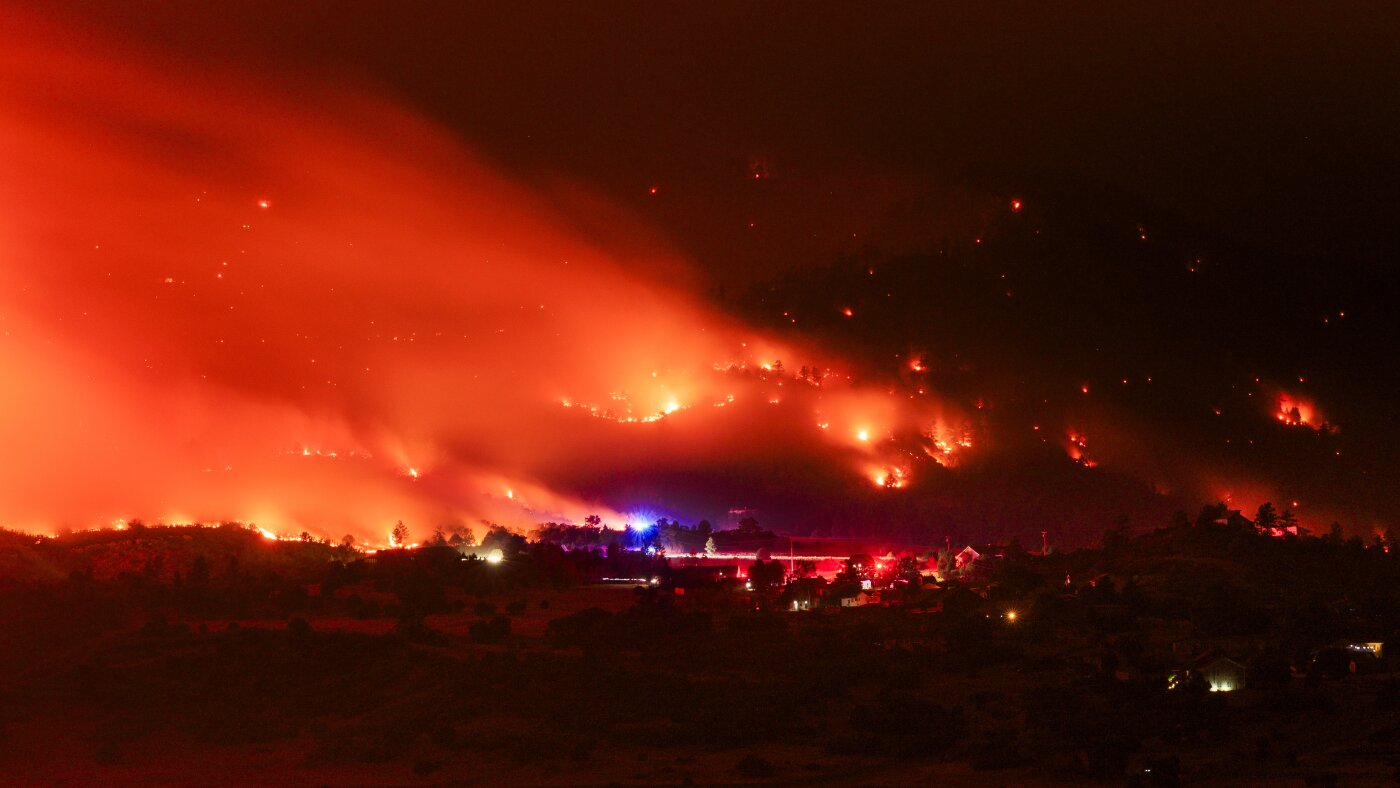
Thunderstorms, heat and wind will hamper efforts to contain Colorado wildfires
-

 New York2 hours ago
10-Minute Challenge: The Ceiling at Grand Central
-

 Los Angeles, Ca2 hours ago
1 killed, multiple people injured in Tarzana 4-car crash
-

 Detroit, MI3 hours ago
Power outage forces flaring at Marathon’s Detroit refinery; portion of Schaefer Road closed

