California
I was a true L.A. snob. Long Beach forced me to open my eyes

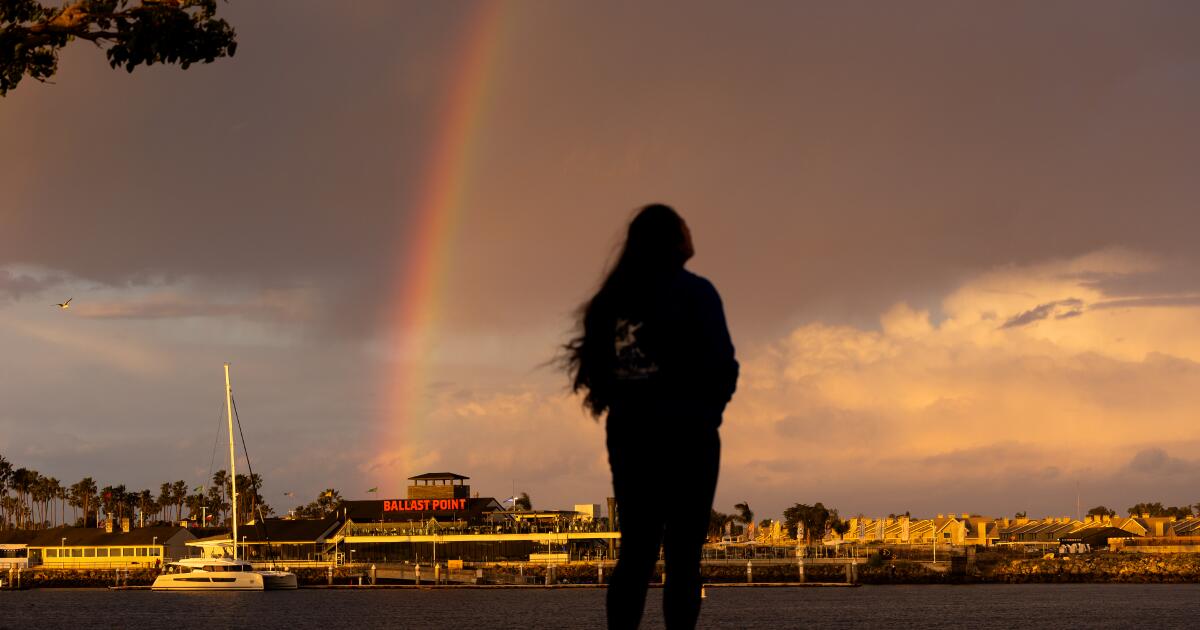
Good morning, and welcome to the Essential California newsletter. It’s Saturday, Aug. 17. Here’s what you need to know to start your weekend:
How Long Beach forced me to leave L.A. snobbery behind
I grew up in the smoggy shadow of Hollywood, which I always felt gave me a bit of unearned cachet.
When the world watched the Oscar afterparties unfold on TV, I just glanced up at the searchlights sweeping the sky in front of L.A.’s most overpriced restaurants and the news choppers circling above the phalanx of limos snaking down Sunset Boulevard. Movie and book backdrops that seemed so exotic to outsiders — “Shampoo,” “Down and Out in Beverly Hills,” “Play It as it Lays,” “Double Indemnity,” “Less Than Zero,” “The Big Sleep” — felt like familiar tours through the old neighborhood.
When I got my first job as a reporter in The Times’ suburban Orange County office, my colleagues offered excited suggestions of things to do in my uber-hip West Hollywood neighborhood. The breakfast place where Quentin Tarantino held court. The industrial Thai eatery inhabited by Johnny Depp. The rooftop pool bar used as an “Entourage” backdrop.
I was too embarrassed to admit my Friday evening plans typically centered on Chinese takeout and a date with Hugh and Barbara on “20/20.”
But it didn’t matter. I felt a bit cooler just because I lived in close proximity to cool people.
Then I moved to the Long Beach area.
Mine was a typical Gen X Southern California migration story: Cheaper housing, shorter commute, “discovering” a place before the hipsters arrived, and in my case, being closer to work friends trying to make it on a journalist’s salary.
At first, I leaned into the Tinseltown snobbery with my L.A. friends. I’ve never seen so many Buicks and Oldsmobiles in my life. Will I ever watch another Wong Kar-wai movie again?
Learning to love Long Beach
Looking out at downtown Long Beach.
(Allen J. Schaben/Los Angeles Times)
But few of them ever ventured down the 710 Freeway to visit. And it did not take long for me to find my place here in ways I never could in West Hollywood. I fell in love with the scrappy charm of a city without airs that was never really ready for its close-up.
The wave-free beach where each view of the ocean must include a cargo ship or an oil well. The rows of vintage bungalows with the chimneys curiously cut off (thanks to the 1933 earthquake). The pickled egg as the city’s favored delicacy and a rickety ocean liner as its top landmark. How one of the most culturally diverse communities anywhere still can’t shake its boring Midwestern roots (Times columnist Jim Murray joked that the city was formed “by a slow leak in Des Moines”). The way there were always people dressed down as much as me
Long Beach is the seventh-largest city in California, and its port some years is the biggest in the country. Yet to the outside world, it never could escape second-banana status compared with the glamorous metropolis to the north. Every few years, there was the article declaring Long Beach the next big thing (“A Gleaming New Long Beach Sheds Its Cornfed Iowa Image.” “Once Moribund Long Beach Is Booming.”). But it never lasts. Long Beach remains Long Beach.
During one of its boom periods in the late 1990s, writer Alan Rifkin got the L.A.-L.B. dynamic just right: “L.A. gets the superiority, Long Beach the deaf ear.” Or put another way, he wrote, Los Angeles feels like a place where “anything can happen,” while Long Beach is a place where it probably won’t happen.
Olympics and ‘Long Beach erasure’

Max Cota and Charlie May reset their lines as the Marjorie C nears its dock in the Port of Long Beach.
(Allen J. Schaben/Los Angeles Times)
And this brings me to the roars of anger that echoed through the city and beyond Sunday afternoon during the closing ceremony of the Paris Olympics.
France handed off the Games to Los Angeles, which will host in 2028. Cut to the beach, where Snoop Dogg and Dr. Dre, the Red Hot Chili Peppers and Billie Eilish performed a mini concert. The spot was widely misidentified as being in Venice … 28 miles and about a million vibes away from the actual location … Long Beach.
Residents were not going to let this slight stand. So they took to social media, correcting the record, sending love to the city and letting loose some long-simmering grievances.
“This is Long Beach erasure,” one loyalist fumed.
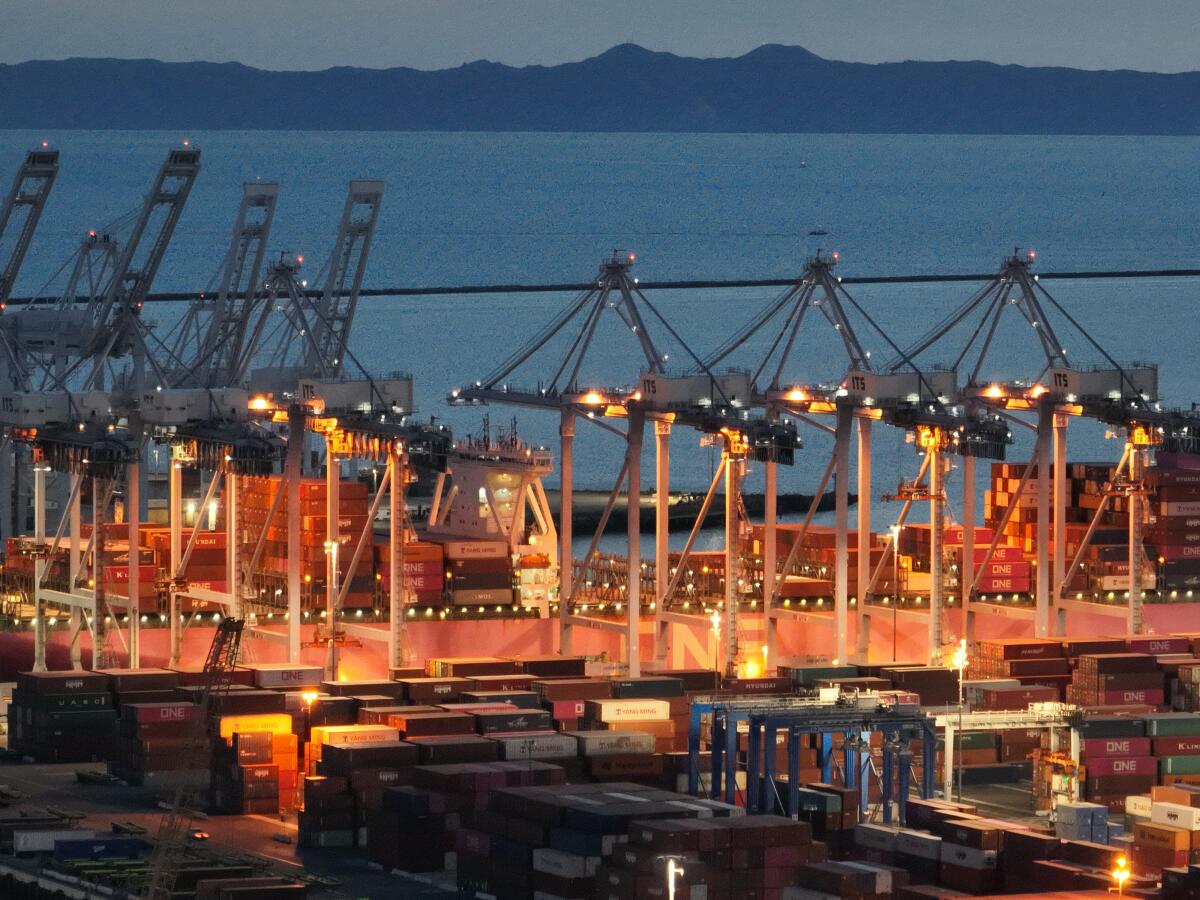
An aerial view of the Port of Long Beach at dusk.
(Allen J. Schaben/Los Angeles Times)
I watched clips of the concert on my phone and felt my own civic pride. I grew up in one of the most filmed places on the planet. But this felt different. This is my chosen home. That beach is where I took my first beach ride after buying my electric bike early in the pandemic and feeling for the first time like things were going to be OK. It was not far from where I perfected my spare rib recipe during a beach barbecue for a friend’s birthday, beginning my love of grilling.
It’s where I stepped out of L.A.’s shadow and became my own person.
And it’s where I had this epiphany: There is much more to life than watching Johnny Depp sample overpriced Pad Thai or eating pancakes a few booths away from Quentin Tarantino.
The week’s biggest stories
(Myung J. Chun/Los Angeles Times)
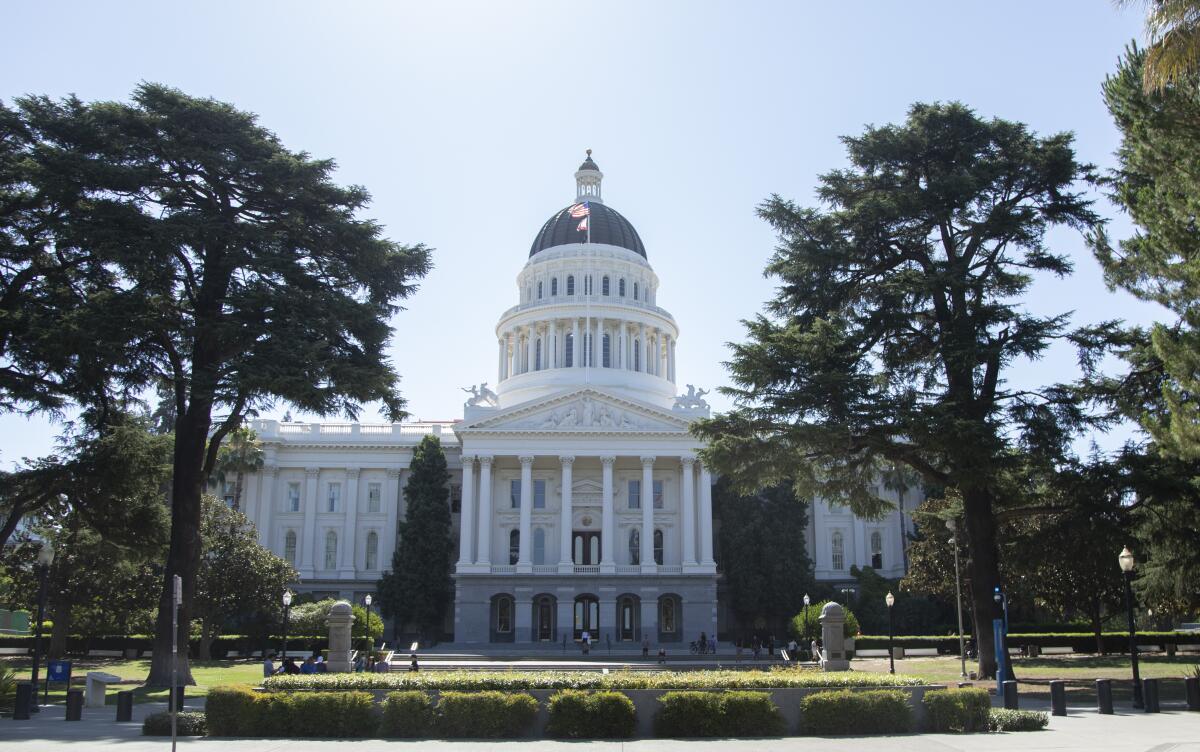
The state Legislature has been busy
Arrests were made in connection to Matthew Perry’s overdose death
Monday’s earthquake was a reminder of California’s vulnerabilities
There’s interesting new polling on Californian voters
More big stories
Get unlimited access to the Los Angeles Times. Subscribe here.
Column One
Column One is The Times’ home for narrative and longform journalism. Here’s a great piece from this week:
(Gina Ferazzi/Los Angeles Times)
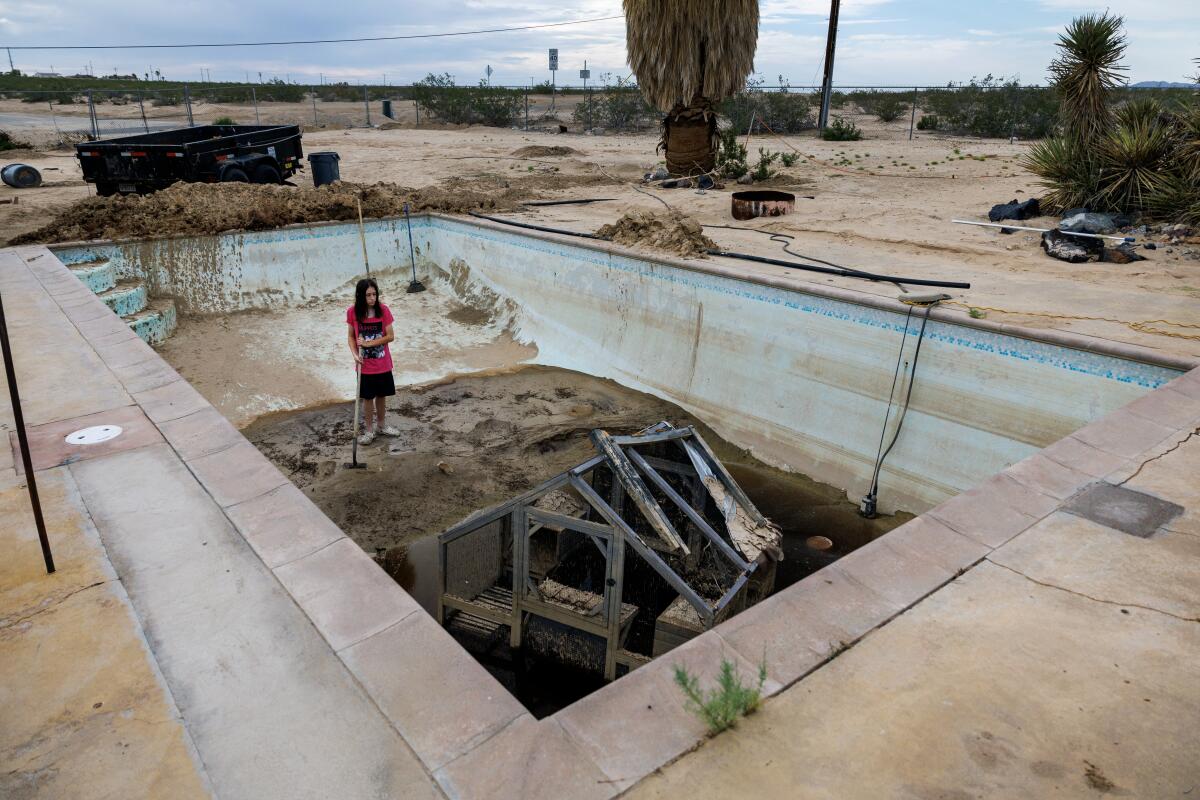
Fast, wet and furious: How the North American monsoon floods the California desert. The North American monsoon plays an important role in the climate of the Four Corners states, bringing crucial moisture to areas that would otherwise be dry.
More great reads
How can we make this newsletter more useful? Send comments to essentialcalifornia@latimes.com.
For your weekend
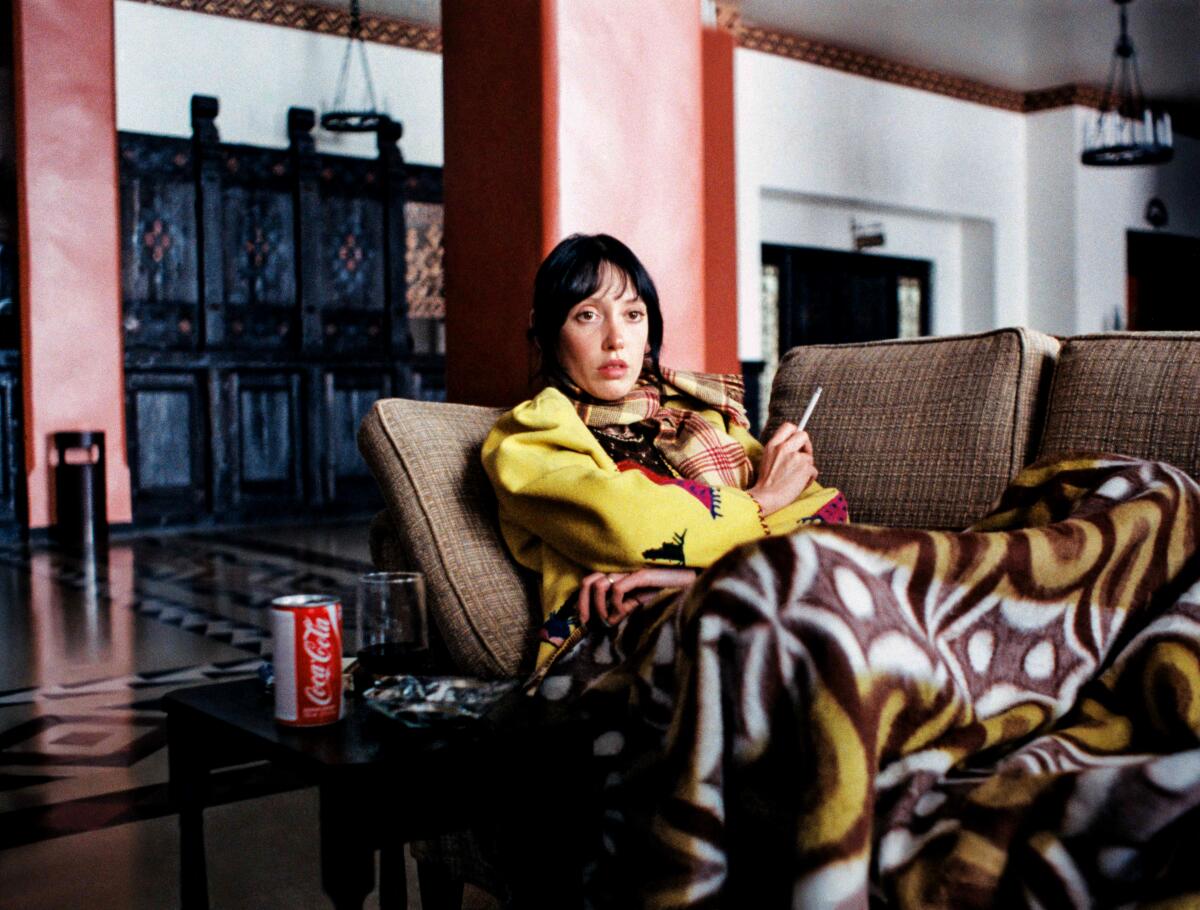
Wendy (Shelley Duvall) watches television in the Overlook Lobby in Stanley Kubrick’s “The Shining.”
(Lee Unkrich/Warner Bros. Pictures)
Going out
Staying in
How well did you follow the news this week? Take our quiz.

(Times staff and wire photos)
At the recently wrapped Paris Olympics, the U.S. tied with which other country for the most gold medals at 40 each? Plus nine other questions from our weekly news quiz.
Have a great weekend, from the Essential California team
Shelby Grad, deputy managing editor
Karim Doumar, head of newsletters
Check our top stories, topics and the latest articles on latimes.com.


Long Beach city officials have confirmed California’s first human case of West Nile virus in 2026.
In a news release shared Friday, the Long Beach Department of Health and Human Services said that the person was hospitalized with “neuroinvasive illness” and has since been recovering at home.
“While there have been WNV positive mosquito detections in California, including in Long Beach, this is the first symptomatic case reported in California for the 2026 season,” the release said.
Health officials said that West Nile virus typically spreads through the bite of an infected Culex mosquito. While most people who get infected with WNV have no symptoms, one in 150 may develop more serious illnesses like brain inflammation, paralysis or death. Typical symptoms include fever, rash, body aches, headache, nausea and vomiting.
They advised anyone exhibiting such symptoms to seek immediate medical care.
“The risk of WNV and other mosquito-borne diseases increases during hot weather, typically from June to October,” officials said. “People who are over 55 years old or have chronic health conditions are at higher risk for severe illness.”
Acting Long Beach City Health Officer Dr. Cliff Okada urged residents to take several precautions to prevent infection, including:
- using insect repellent to prevent mosquito bites
- wear long-sleeved shirts and long pants if spending time outdoors during dawn or dusk
- install or repair window screens
- remove standing water around their homes
- report increased mosquito activity so health officials can take action
People seeking further information or who wish to know more about how to protect themselves from mosquito bites was asked to contact the city’s mosquito hotline at 562-570-4132.
Health officials said the risk of West Nile virus and other mosquito-
borne diseases increases during hot weather, typically from June to October.
WNV spreads through the bite of an infected Culex mosquito.
Symptoms of may include fever, body aches, rash, nausea, vomiting and
headaches. Most people infected have no symptoms; approximately one in 150 may
develop more serious disease, such as brain inflammation, paralysis or death.
Those who are over 55 years old or have chronic health conditions are
at higher risk for severe illness. People with these symptoms should seek
immediate medical care.
There is no vaccine or treatment for West Nile virus.
Acting City Health Officer Dr. Cliff Okada urged residents to take the
following precautions:
— Dump and drain standing water around your home.
— Prevent mosquito bites by applying insect repellent with EPA-
registered active ingredients such as DEET, picaridin, IR3535 or lemon
eucalyptus before going outside.
— Wear long-sleeved shirts and long pants if spending time outside
during dawn and dusk.
— Install or repair door and window screens.
Additional information about mosquito prevention and West Nile virus
is available at longbeach.gov/mosquitoes.

California GOP delegates Roxanne Hoge and Elizabeth Barcohana join Trace Gallagher to discuss multiple issues impacting California.
California GOP delegates Roxanne Hoge and Elizabeth Barcohana dissect the state’s pressing issues with Trace Gallagher. They criticize the SF Giants’ ‘Pride Night’ controversy and players’ right to religious expression. The delegates also discuss Los Angeles’s economic decline and Sacramento’s expensive homeless campsite, highlighting concerns about over-regulation and social issues. They conclude by addressing California’s large-scale Medicaid fraud, suggesting a lack of accountability.

Oakdale’s first Pride event is moving forward this weekend after organizers changed venues following pushback over its original location and a planned drag performance.
Some residents pushed back over the event’s original location at Dorada Park and a planned drag performance.
“I also understand staff has issued a permit for a so-called Pride event,” one speaker said during the latest City Council meeting.
Another speaker raised concerns about the event being advertised as open to all ages, including children, and having a drag queen host.
After the public pushback, organizers moved the event indoors to the Bianchi Center.
“It was a huge upgrade to be able to provide a more accessible space in the heart of Oakdale,” said Ryan Hall, president of CalPride.
Hall said the idea to bring Pride to the city did not come from outside Oakdale, it came from people living there.
“That’s my place as a mom of rainbow kids, absolutely,” said Elizabeth May, owner of Sisters Coffee.
May’s coffee shop hosts a monthly LGBTQ+ social.
“I had a young man walk in here and say, ‘We don’t have anywhere to have a social here for LGBTQ.’ I said, ‘Heck yes,’” May said.
Still, the backlash has left parents like May concerned.
“How does it feel? Scary. I’m excited, but as a mom of a kid in the community, I’m nervous for them,” May said.
May said the venue change helped ease some of the tension.
“The different venue made a win-win situation for everyone. I was very proud of the kids for making that hard decision,” May said.
For organizers, the drag performance is part of the celebration.
“Enjoy some line dancing, enjoy some live music, enjoy the drag show, and then also enjoy community members and our local businesses, our local artists and partner organizations,” Hall said.
Oakdale Pride is scheduled for Sunday from 10 a.m. to 2 p.m. Entry is free.
-

 Technology9 minutes ago
TMD’s keyless bike lock is a $280 solution to a $60 problem
-

 World14 minutes ago
American rescue teams pull infant alive from rubble in Venezuela days after devastating twin earthquakes
-

 Politics21 minutes ago
Trump scores another endorsement win with Louisiana Senate runoff victory
-

 Health24 minutes ago
New blood test detects 90% of aggressive prostate cancer cases, beating current screenings
-

 Sports29 minutes ago
2026 World Cup Round of 16 Odds: Which Teams Will Make It?
-

 Technology36 minutes ago
Apple raises prices as AI chip costs surge
-
 Business39 minutes ago
Wildfire rebuilding boosts L.A. County job growth in May
-
 Entertainment51 minutes ago
Peter Asher has heard it all

