Lifestyle
Want to be fearless? Try this fierce Zen priest's belly button method

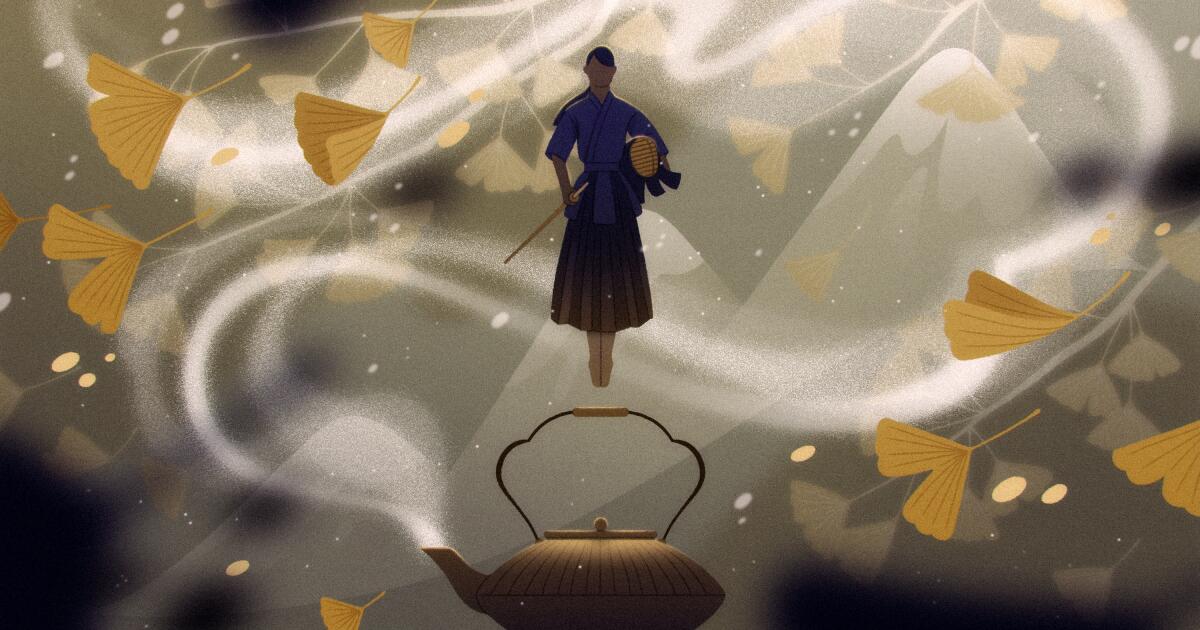
If there are many paths up the mountain that is spiritual self-discovery, writer, strategist and Zen priest Cristina Moon is on one with an especially steep incline. “I think the majority of paths have a lot of switchbacks, but some people want straight up the mountain,” she said. “That works for them, it worked for me.”

Shelf Help is a new wellness column where we interview researchers, thinkers and writers about their latest books — all with the aim of learning how to live a more complete life.
In her new memoir “Three Years on the Great Mountain: A memoir of Zen and Fearlessness,” (Penguin Random House) Moon details a spiritual journey that led her from working as a human rights activist in Burma (now Myanmar), to running marketing for a corporate mindfulness training group in the Bay Area, to ultimately living at Daihonzan Chozen-ji, a Zen temple and martial arts dojo in Hawaii known for its monastic intensity.
She eventually became a Zen priest herself, and continues to live at the temple today, where she trains in a particularly rigorous form of Japanese swordsmanship called kendo. She also instructs students in martial arts, ceramics and other Japanese art forms to aid them in the discovery of what Japanese Zen Buddhists call the “true self” — a version of oneself that is happy, free and beyond fear and any self-imposed limitation.
Moon knows the arduous path she chose is not for everyone, but her hope is that by writing honestly and vulnerably about the challenges and growth she experienced in her first three years at Chozen-ji she will inspire others to seek teachers and communities that will best help them meet life’s obstacles with fearlessness.
“In training hard, it is possible to find your way home,” she writes in the book’s introduction.
Moon spoke to The Times about her transformative experience at Chozen-ji, what it means to face challenges with “your belly button facing forward” and how all of us can work towards living life with less fear.
This interview has been edited for length and clarity.
One of the goals of the Zen Buddhism you practice is to cultivate fearlessness, which feels very relevant right now, given that, between war, climate change and political turmoil, there’s a lot to be afraid of in our world. What does fearlessness mean to you and how can we work to achieve it?
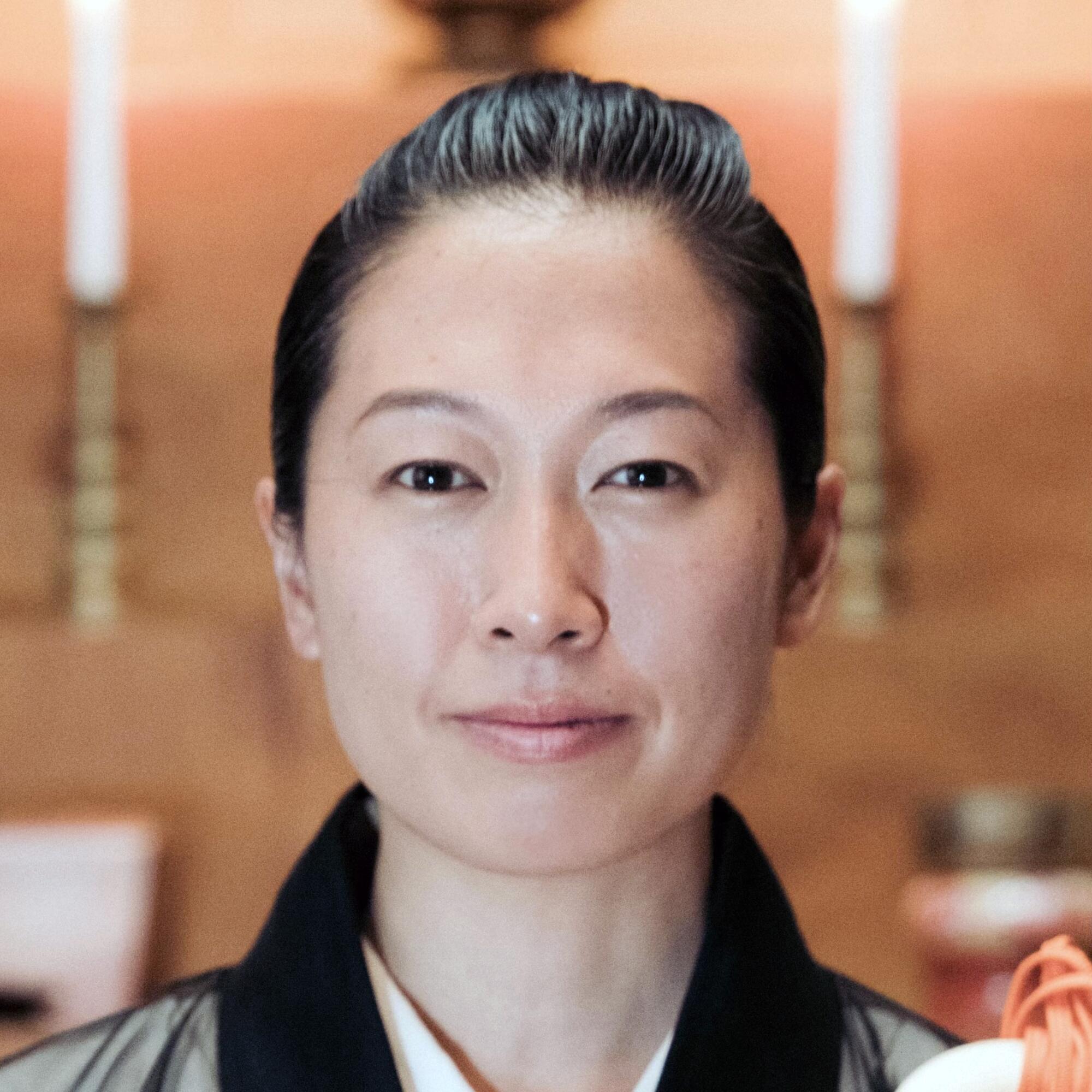
Cristina Moon (Michelle Mishina Kunz)
In a very practical sense fearlessness is simply: Can I figure out how to live my life without hesitation? If I see an opening, if I see an opportunity, can I just go for it 100% without being held back by fear? And, can I inspire or transmit that to other people as well?
Overcoming my fear at the beginning of my time at Chozen-ji was really straightforward stuff, like not ducking and getting small when someone was about to hit me over the head in [the Japanese martial art] kendo, or not being afraid of being uncomfortable and being in pain while sitting for long periods of meditation.
But for anyone doing any kind of physical training or exercise, it’s the same thing. When you push yourself through the moment of doubt, when you’re running up a hill, and you think, I’d love to give up now and walk up this hill, but I know I’m almost there. There’s something about doing it physically that allows you to do it in other parts of your life emotionally, mentally and interpersonally.
In your time at Chozen-ji you studied kendo — the way of the sword — and chado — the way of tea. Can you describe these disciplines and what they had to teach you?
“Do” is the Japanese pronunciation of the Chinese word “tao,” which is sort of a universal energy, a universal truth. When you append that word to a discipline or an art, it basically says that you can take this martial or fine art and use it as a way of training that will shape who you are.
“Ken” means sword, and “do” means way, so kendo is the way of the sword. It’s a traditional Japanese martial art form that is pretty intense and aggressive. Back when samurai actually existed it was done with metal swords, but now we use bamboo or wooden swords. In our approach to kendo we don’t learn any defensive maneuvers. We train in how to go forward and cut straight.
The goal is that you are cutting more down the center, faster and with less hesitation then your opponent, so even in the face of attack, you’re the one landing the hit first. That particular kind of training cultivates fearlessness so that you don’t mind getting hit. You can face the hit and still move forward and do what you have to do.
“That particular kind of training cultivates fearlessness so that you don’t mind getting hit. You can face the hit and still move forward and do what you have to do.”
— Cristina Moon, on the Japanese martial art of kendo
Chado, or the way of tea, is very different. Chado is remarkable because it incorporates philosophy and all the art forms — cooking, calligraphy, aesthetics, the tea itself and the sweets, ceramics — it really is a whole integrated space when you are in the tearoom. What I didn’t realize before I started training is that male samurai were the original people who trained in tea ceremony. It was something that was done as a counterpoint to their lifestyle and livelihood — a brief moment of peace.
What they both have in common is the cultivation of what’s called “kiai,” or the vital energy. The ideal is that the separation between kendo opponents, between the person and the sword, between the tea host, the utensils and the guest — all those boundaries disappear. It is an opportunity to experience the interconnectedness and the oneness of everything.
Your book details how difficult training at Chozen-ji can be. In addition to the physical exertion of long meditation sittings and martial arts, your teachers were constantly correcting you. Did you have to build a tolerance to being told you’re doing something wrong?
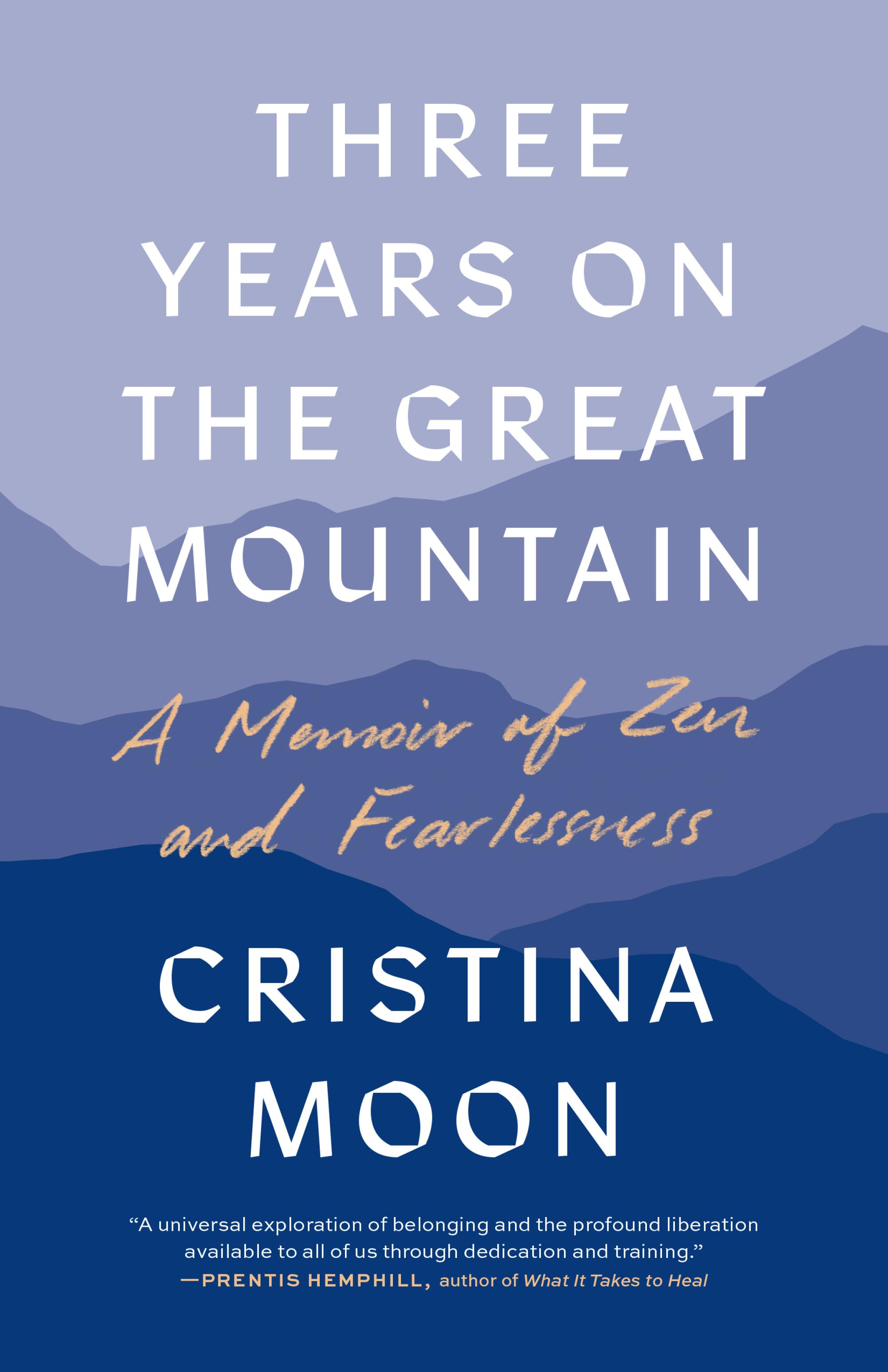
(Courtesy of Shambhala Publications)
In Hawaii we call it scolding. You get scoldings for all sorts of things, and it’s one of the first things anyone who comes to train at Chozen-ji has to figure out how to deal with. Sometimes the feedback is very warm, but it’s jarring for people when it’s sharp. We’re always reminded that if the scoldings and feedback stop, that’s actually when you should get concerned because it means people have given up on you.
We don’t do anything because it’s precious or holy. So, how you hold your hands, how you walk, how you tie your hakama [traditional Japanese martial arts training clothes] — all of those things are meant to help you learn how to pay attention and also, heighten your senses.
I love this phrase in your book: “approaching life with your belly button facing forward.” What does that mean to you?
It means tackling the challenges and opportunities in life head-on rather than trying to find a sneaky or clever way away around things. It means honesty and integrity, and in particular when things are hard, to be willing to face it.
You titled one chapter in your book: “2-1=3.” Can you explain that?
That’s a formulation I have to credit to one of the teachers here, Kangen Roshi. It’s this idea that when you let go of something you can free up all this energy and space to have an understanding that is so much more transcendent than the everyday understanding we have about the world being zero sum and how things are supposed to work.
He also gave me a copy of “Jitterbug Perfume” by Tom Robbins. In the end of that book a couple of characters die and they are at this way station to figure out if they are going to go to heaven. The test is that you weigh your heart on a scale against a feather and only the hearts that are lighter than the feather go to heaven. The idea is that you have to have let go of all of your baggage. You have to let go of everything.
The book details the first time you did sesshin, an intense week of training where you only get four hours of sleep a night. One of your teachers said, “Stop feeling bad for yourself, and wasting all that energy.” Why was that a breakthrough moment for you?
Sesshin is an extreme situation where you have to figure out how to let go of your baggage and the things that are holding you back. The conditions make it so that you don’t have a choice.
On that first sesshin I was preoccupied with how tired I was. I had this monologue in my head that was like: “I’m so tired. I can’t do this. I don’t think I can make it.” For me, the most effective scolding was to be told: You are young, you are healthy, you’ve been doing this every day for six months. And look around you at all these people who are not in as good shape as you, who don’t know what they’re doing, who don’t have as much experience as you, and what impact are you having on these people by being so down.
TAKEAWAYS
From “Three Years on the Great Mountain”
After that, every time that voice started up that said, “I’m so tired,” I would just sort of say, “No!” and put more energy into whatever I was doing. Very quickly I realized that I had more energy.
The really painful and difficult realization coming out of that was that for my entire life I had been leaving something on the table.
Most people are probably not going to leave their jobs and homes to live and train at a dojo in Hawaii for three years. What are some things they can do in their everyday lives to challenge themselves, like you did?
My experience at Chozen-ji is really abnormal. Ninety-nine percent of the people who train here don’t live at Chozen-ji; they have jobs, they have families, they live on Oahu and they come here one or a couple days a week. But my advice to other folks is to find the dojos that exist in your communities. A great place to start is the martial arts dojo or the boxing gym. It’s something that is accessible for people who are ready to rethink how they want to approach their life.
I know that after an eight-hour workday and an hour commute it’s tempting to just drink a beer, eat dinner, watch four hours of Netflix and go to bed. But how is that preparing you for the things that are inevitable that you are going to face in your life — the best and the worst, the hardest moments?
A lot of people are experiencing fear and anxiety about the future. What have you learned that might help someone overcome those particular fears?
The real answers are not the rational ones we are seeking. Even beyond something like climate change, we can be certain that everyone we love is going to die and so are we, and there’s something that comes from embracing that in a certain way that can lead one to actually be free and happy and to cherish the life that we do have. The worst thing we can do is become depressed or nihilistic or give up, knowing that’s the outcome for all of us.
It’s actually a pretty amazing opportunity to be able to live, knowing that that’s coming. Maybe every moment matters. Maybe what I’m doing right now matters. How can I make it matter?
I’ve read a lot of Buddhist memoirs and self-help books over the years and I’m struck that yours is the first one I’ve read written by an Asian American woman. Have I missed others or have there not been others?
There are a few. Sharon Suh wrote “Occupy This Body: A Buddhist Memoir,” but I think that was a very small press. Chenxing Han published the memoir “One Long Listening” about her experience in Buddhist chaplaincy and also about losing her best friend to leukemia. Those are the two I know of that are very recent.
As much as my book is very much a Buddhist book, I did try hard to make it relatable and read more like a mainstream memoir. And that was for exactly this reason: Our stories aren’t out there. I think there is a greater movement toward representing the Asian American people in the Buddhist space generally, but we still have a long ways to go.
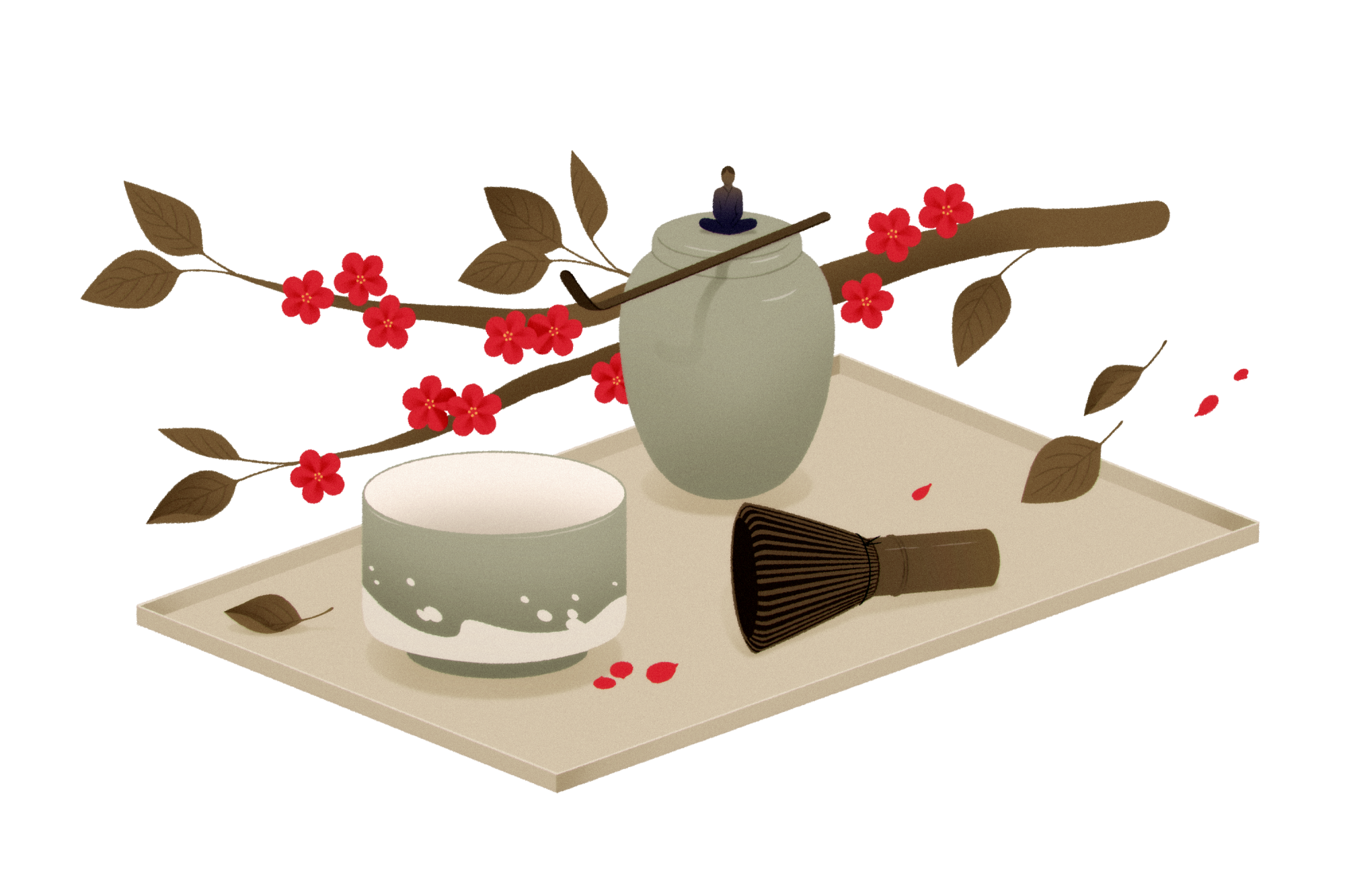
(Maggie Chiang / For The Times)
Shelf Help is a new wellness column where we interview researchers, thinkers and writers about their latest books — all with the aim of learning how to live a more complete life. Want to pitch us? Email alyssa.bereznak@latimes.com.



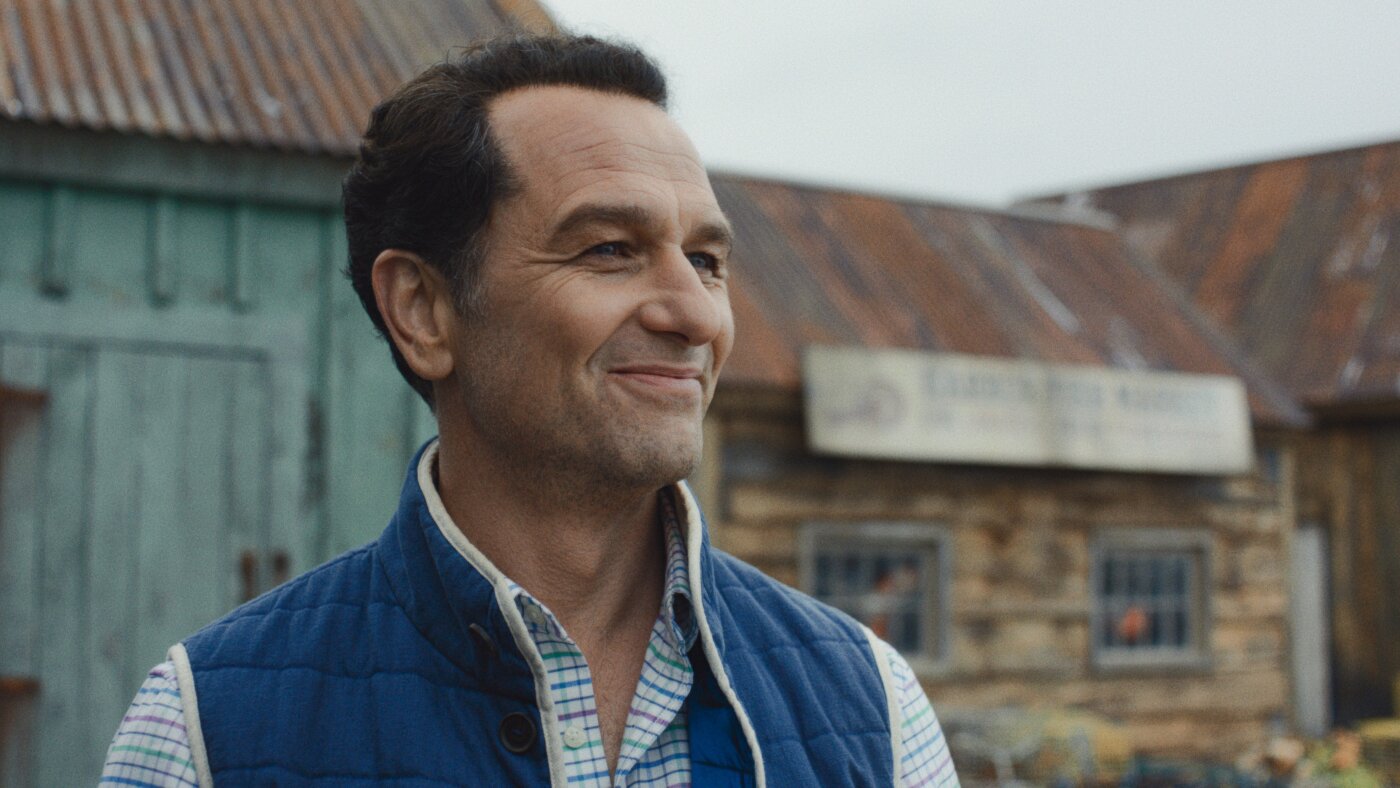
Matthew Rhys was nominated for his role in Widow’s Bay.
Apple TV
hide caption
toggle caption
Apple TV
The 2026 Emmy nominations are here. We’re unpacking the record-breaking nominations for Hacks, plus a big day for Widow’s Bay, The Pitt, and The Bear. We’ll also talk about the snubs and make some early predictions of who will win.
Connect with Pop Culture Happy Hour:
Letterboxd / Facebook
Our weekly newsletter
Support Pop Culture Happy Hour+


Can you say no to a friend’s wedding?
Getty Images/Getty images
hide caption
toggle caption
Getty Images/Getty images
Are we spending too much on other people’s weddings?
Going to a friend’s weddings can be so fun and meaningful… but it can also really hurt your wallet. A survey by LendingTree found that 31% of people who had been to a wedding in the past five years had accrued debt to attend. So what’s driving up the cost of weddings for guests? And what makes it so hard to say no to these expenses?
Brittany breaks it down with Allyson Rees, senior analyst at trend forecasting firm WGSN, and Annie Joy Williams, assistant editor at The Atlantic.
This episode was produced by Liam McBain, with additional support from Corey Antonio Rose. It was edited by Neena Pathak. Our Supervising Producer is Cher Vincent. Our Executive Producer is Barton Girdwood. Our VP of Programming is Yolanda Sangweni.
-

 Seattle, WA40 seconds ago
Study finds dangerous chemicals in the breast milk of Seattle moms
-

 San Diego, CA4 minutes ago
Tom Krasovic: Justin Verlander’s announcement recalls Padres’ 2004 draft blunder
-
 Milwaukee, WI9 minutes ago
‘Peace on Every Block’ brings Milwaukee community together to fight gun violence
-

 Atlanta, GA16 minutes ago
Atlanta smash-and-grab: Masked men ram U-Haul into clothing store
-

 Minneapolis, MN19 minutes ago
Minneapolis police drone debate sparks privacy concerns
-
Indianapolis, IN24 minutes ago
Adam Vinatieri will celebrate on the field in Indianapolis again as Colts’ Ring of Honor member
-

 Pittsburg, PA31 minutes ago
U.S. launches more strikes against Iran
-

 Augusta, GA34 minutes ago
Augusta groups work to keep veterans housed through SSVF program

