Washington
Part Eighteen – Nearing the End: Through Washington – The Trek


September 5th. It’s been five months since I started the trail. Five months. It seemed like an eternity ago and as if it was yesterday at the same time. As I walked through the day, I reminisced about the various challenges I had gone through so far during this journey – the San Jacinto mountains, the Mojave desert, the Sierra Nevada, injuries & solitude in Oregon… I had gone through so much and was now getting so close to the end. I would stop at nothing.
Since starting Washington, I have been full of energy. My body handled the dramatic elevation changes well and on most days, I was able to push further than the mileage I had planned in the morning. Tonight, I camped a few miles away from Snoqualmie Pass, where I would resupply next. After pitching my tent, I sat down and removed my shoes. Suddenly, I stopped. The sky was blue and the sun was about to start its descent behind the horizon line. I felt relaxed. I looked around and took in the moment. The buzzing sound of bees in the bushes. The wind brushing the leaves and gently caressing my face. The clouds moving in slow-motion in the sky. The squeaking sound of squirrels hiding in their trees. I felt present, and lucky. Lucky to be here, to be able to enjoy all my senses, and to do it to the fullest. Because that’s what living is about.
Quick Stop in Snoqualmie Pass
Late in the morning, I reached Snoqualmie Pass — a small community crossed by the loud and busy I-90. There, I met up with Splat, Jennie, her brother Mike, and their golden retriever Olly. I had first seen them in White Pass before we all slept together in the Ulrich Cabin a few days ago to shelter ourselves from the weather. Over the several times that we leap-frogged each other, we started bonding. We shared a similar sense of humour and their dog was adorable. Plus, I felt ready to spend time with other people again without overstepping my need for independence. Nearing the end of this journey, I had just sat into the seat of a soon-to-start emotional rollercoaster and I was happy to have people to share some of these feelings and moments with. We stayed in the Alpine Lodge for one night, enough time to resupply, shower, and do our laundry. We planned together the rest of our trip to Canada: right after Stehekin, a wildfire had forced the PCTA to close a section of the trail until Harts Pass, the last “road” on the trail and last access to a town before reaching the border. A detour had been proposed, which added another 30 miles, and we had heard comments about the poor trail conditions following a lack of maintenance. In addition to that, we were not safe from this detour being closed as well if the fire were to grow bigger, as it had done so far. I wavered between two options: following the detour and putting myself behind schedule, or taking the ferry from Stehekin to Chelan and hitch to Harts Pass where I would rejoin with the PCT and walk the last 30 miles there and back. The latter option would make me miss about 30 miles of the trail, but not the official one. Plus, 30 miles represented nothing compared to the 2655 plus miles I would end up hiking by the end. I didn’t need to prove anything to myself anymore. This time, I wanted to enjoy the last remaining miles. To take the time, to take it all in. It felt right. Once in Stehekin, I would take the ferry. It was decided. Now I needed to find a ride. A few minutes after I had decided to take the ferry, Splat offered to give me a ride with her parents to Harts Pass once we would berth in Chelan. That was a sign for me that I had made the right choice.

Yeehaw and the Wasp: PCT-mania
Before reaching Steheking, we still had a few days of hiking ahead of us, including going through the difficult Glacier Peak wilderness – a section of the trail known to be remote and hence less maintained. Passing through Stevens Pass, a ski resort in the winter, I crossed paths with a lot of day hikers and weekend warriors. Some were more intrigued than others about my appearance – full untamed beard, long hair, dark skin, face marked by the journey, and probably the smell too – and stopped me to ask a few questions. Every time, the sole mention of having walked from Mexico to here provoked their mouth to open in cartoonish awe. It amused me and made me grasp the extent of the feat I was about to accomplish. When you are in the heat of the moment for so long, it gets difficult to realize what you are doing as it becomes your reality over time, a reality different than what most people expect. This life was my new “normal.”
Although there was a lot of elevation gain, I kept a decent pace. Washington was steep and it had become harder to make miles as we got closer to Glacier Peak wilderness. « Fuck this! » I said, out of breath. « Fuck this shit! » My body was exhausted and I felt drained of all energy. You’d think that a week away from the end, my motivation level would be up the roof. But today it was the opposite. And the steepness of Washington’s climbs wasn’t helping. « Why do I do this to myself? Nobody asked me to do this! Why do I keep putting myself through this suffering? » I kept asking myself internally. But I kept moving forward. One foot in front of the other. I kept tripping over roots and rocks sticking out of the trail, each one bringing additional frustration. But I kept moving forward. The trail had become a parkour with giant roots, fallen trees across the trail, and small boulders which ended up slowing down my progress. Not that I was going fast anyway, but still. I kept moving forward. I swore at the overgrowth slapping my body and the spider webs getting stuck on my face. I kept moving forward. I promised myself that at the next switchback, I’d take a break. But once I reached it, guess what? I kept moving forward. I knew that if I stopped, getting up and walking again would be harder than just not stopping. So I’ll stop at the top of the climb. And once at the top, the answer was clear as to why I was going through all of this. Once at the top, everything made sense.
A few miles away from camp, I walked through light overgrowth when suddenly a sharp pain hit my right quadricep: “Ouch!” I yelled while slapping my leg. I looked down at the trail. A wasp. “Damn you!” I had been stung a few days before and knew exactly what the type of pain when a wasp stung you felt like. Luckily for me, I didn’t mind the pain. I was more worried about an allergic reaction, but having not reacted the previous time, I quickly forgot about it. My body didn’t. The next morning, my right quadricep had doubled in size. While hiking, the swelling continued to the point where by the end of the day, I couldn’t completely bend my knee. Small blisters appeared around the bite and along my leg, as well as hives in various areas of my body. I struggled to keep up the pace with the others. I didn’t know what was wrong with my body. I felt light-headed, exhausted, and deprived of all energy. That last climb of the day was torturous. But I pushed through and made it to camp, not without letting out a few screams of pain and suffering. Immediately, I hid in my tent, ate dinner, and went straight to bed.
A few hours after the bite. The swelling has already started.
Arriving in Stehekin
I slept in and woke up around 8 am. I felt instantly better from it. My leg was still swollen and a few blisters had popped and were seeping down my shin, but I was okay. I hiked down the mountain pretty fast, feeling good physically and mentally boosted. I caught up with Jenny, Mike, Splat, and Olly as we arrived at the campsite together in the rain. On the descent, we could see the switchbacks from the big climb that was waiting for us tomorrow – one of the last like this. At camp, we made a campfire to dry some of our gear and get some warmth. My leg, still swollen from the shin to the thigh, looked like I had gotten fat overnight. We laughed about it. Mike had gotten stung too and his thigh had started swelling as well. I learned that I had reacted pretty strongly to the sting, but it was behind me now.
The next two days, I climbed over Suittle Pass and made it to High Bridge, where a dirt road led to Stehekin and its famous bakery. After stuffing myself with pastries and ice cream, I took the shuttle down to downtown Stehekin and the banks of Lake Chelan. In the soft warmth of the evening, I sat on the patio of the restaurant facing the lake and caught up on messages, edited some pictures, and enjoyed the view of the lake. In my tent that night, I couldn’t fall asleep. My mind was all over the place. I was almost there, I could touch it, and it seemed unreal. What an adventure it had been.
This website contains affiliate links, which means The Trek may receive a percentage of any product or service you purchase using the links in the articles or advertisements. The buyer pays the same price as they would otherwise, and your purchase helps to support The Trek’s ongoing goal to serve you quality backpacking advice and information. Thanks for your support!
To learn more, please visit the About This Site page.



Washington Capitals vs Vegas Golden Knights
Washington Capitals vs Vegas Golden Knights live: Washington Capitals vs Vegas Golden Knights look to seize control of thrilling Washington Capitals vs Vegas Golden Knights. Every team in the Washington Capitals vs Vegas Golden Knights has two wins apiece as we go into the final two game weeks. Washington Capitals vs Vegas Golden Knights will host Washington Capitals vs Vegas Golden Knights at Durban’s Kings Park Stadium with the Washington Capitals vs Vegas Golden Knights a single point ahead of Washington Capitals vs Vegas Golden Knights in the standings and just one behind leaders Washington Capitals vs Vegas Golden Knights.
Washington
!$+∇√$[+[!LIVESTREAMs!]+] Washington Capitals vs Vegas Golden Knights Live Free Streams On Tv Channel 2026-03-29
![!$+∇√$[+[!LIVESTREAMs!]+] Washington Capitals vs Vegas Golden Knights Live Free Streams On Tv Channel 2026-03-29](https://i2.wp.com/encrypted-tbn0.gstatic.com/images?q=tbn%3AANd9GcReQZPBURuIIuh0fPF6YTAqOY-y1_BeWJWzPA&s&ssl=1 "!$+∇√$[+[!LIVESTREAMs!]+] Washington Capitals vs Vegas Golden Knights Live Free Streams On Tv Channel 2026-03-29")
Washington Capitals vs Vegas Golden Knights
HERE’S (*WAY TO WATCH*) Washington Capitals VS Vegas Golden Knights Free LIVE 2026-03-29 Rose Bowl Parade 2026 live: Rose Bowl Parade 2026 look to seize control of thrilling Rose Bowl Parade 2026. Every team in the Rose Bowl Parade 2026 has two wins apiece as we go into the final two game weeks. Rose Bowl Parade 2026 will host Rose Bowl Parade 2026 at Live NHL mAtch Durban’s Kings Park Stadium with the Rose Bowl Parade 2026 a single point ahead of Rose Bowl Parade 2026 in the standings and just one behind leaders Rose Bowl Parade 2026.


Scathing report claims nation’s oldest labor union ‘betrayed’ MAGA members through ‘shocking’ spending

Cases of ‘white plague’ rising in US as doctors warn of ‘rebound effect’

F1 star Max Verstappen suggests he’s considering retirement at age 28

FBI email hack shows why you must lock down your tech
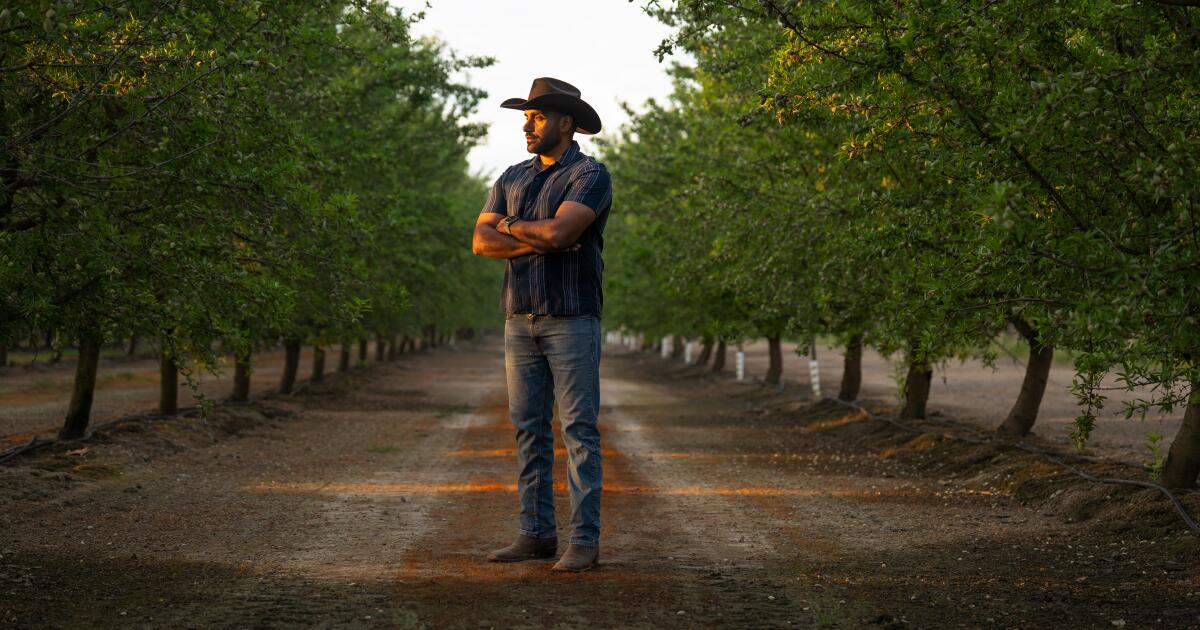
California farmers were already struggling. Then came the Iran war

Florida High School Football Rankings: Top 25 teams – Oct. 21

How old is Bo Nix? What to know about Oregon quarterback ahead of 2024 NFL Draft

Cleary's 21 help Le Moyne down Central Connecticut State 69-64 in OT

99th annual Pony Swim held in Virginia

Indiana Members Credit Union announced as new anchor tenant at Bottleworks District
Scathing report claims nation’s oldest labor union ‘betrayed’ MAGA members through ‘shocking’ spending

Republican US lawmaker demands Congress vote on any Iran troop deployment

So you went to a No Kings protest. Now what?

JD Vance says he was ‘obsessed’ with UFOs, believes aliens are actually ‘demons’
The EU's recipe for trade deals : easy on beef, tough on wine
-

 Sports1 week ago
IOC addresses execution of 19-year-old Iranian wrestler Saleh Mohammadi
-

 New Mexico7 days ago
Clovis shooting leaves one dead, four injured
-

 Miami, FL3 days ago
Jannik Sinner’s Girlfriend Laila Hasanovic Stuns in Ab-Revealing Post Amid Miami Open
-

 Tennessee6 days ago
Tennessee Police Investigating Alleged Assault Involving ‘Reacher’ Star Alan Ritchson
-

 Minneapolis, MN3 days ago
Boy who shielded classmate during school shooting receives Medal of Honor
-

 Technology1 week ago
YouTube job scam text: How to spot it fast
-

 Politics1 week ago
Schumer gambit fails as DHS shutdown hits 36 days and airport lines grow
-

 Science1 week ago
Record Heat Meets a Major Snow Drought Across the West