Oregon
BLM Expedites Massive Logging Expansion in Western Oregon


The Trump Administration has tasked the Bureau of Land Management (BLM) with boosting resource extraction from public lands across the U.S. That charge includes everything from establishing new oil and gas leasing in Alaska to expanding lithium mines in Nevada.
Now, Western Oregon is the latest area slated for increased commercial output by the BLM. On Feb. 18, the agency announced plans to increase timber harvesting across nearly 2 million acres. Supporters see the move as an economic necessity, while opponents worry about the environmental impacts.
BLM Oregon Timber Harvest: The Plan
The section of public land in question covers about 2.46 million acres of public land across 18 counties in Western Oregon. About 23% of the land is excluded from the project (including areas with low tree density and areas next to streams). That leaves about 1.9 million acres up for harvest.
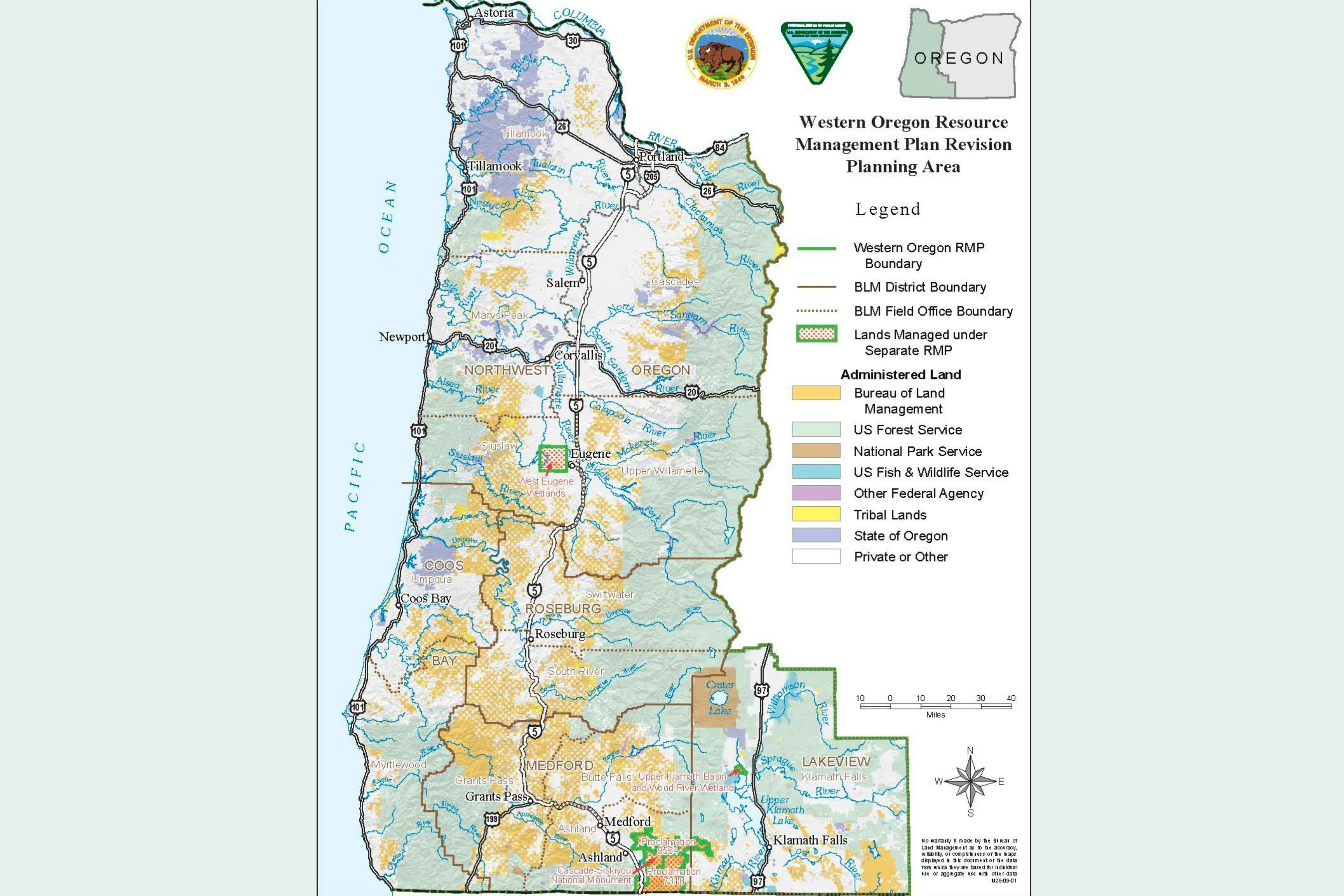
In a public notice issued on Feb. 19, the BLM announced its intent to revise the resource management plan (RMP) for this area. An RMP is an expansive document that covers recreation use, regulations, and resource extraction for an area of public land. The last RMP for this area was approved in 2016. The agency stated that this “revision” would entail replacing the 2016 RMP with a new one.
The stated goal of the effort is to “seek an increase in sustained yield of timber harvest that aligns with the historically higher levels of production on BLM-administered public lands,” according to the agency.
The 2016 RMP allowed a total harvest volume of 278 million board feet, of which 9% was from large logs. In 2025, the total harvest measured 275 million board feet. The 2026 RMP aims to increase these numbers, but no document explicitly states the target number.
GearJunkie reached out to the BLM for further information, but did not receive a response.
Based on the language in the notice, it’s possible to approximate the levels that the BLM is aiming for. The document says it wants to return production to “historically higher levels of volume.” Data show that harvests peaked in 1964 at 1.638 billion board feet. From 1960 to 1989, the annual average was 1.078 billion board feet.
If the BLM achieves volume 1 billion board feet, that would be around a 260% increase from 2016’s numbers.
‘Reviving Local Economies’ & Reducing Wildfire Threats
The effort to boost timber production relates to Trump’s March 2025 executive order entitled “Immediate Expansion of American Timber Production.” The order mandated that agencies like the BLM and U.S. Forest Service (USFS) “issue new or updated guidance regarding tools to facilitate increased timber production and sound forest management, reduce time to deliver timber, and decrease timber supply uncertainty.”
“Bringing timber production back to historic levels is essential for reviving local economies and reducing the threat of catastrophic wildfires,” Acting BLM Director Bill Groffy said in a press release. “President Trump has made it clear — enhanced domestic timber production is vital for our national security, economic prosperity, and effective wildfire management.”
The notice of intent also cited local economic impacts. It notes that more timber would deliver more jobs. When timber production decreased in the 1990s, “this revenue collapse triggered mill closures, job losses, and shrinking tax bases, devastating local communities and forcing counties to cut services and raise local taxes,” the BLM claimed.
The agency also connected increased timber harvesting with a reduction in wildfire risk.
“This RMP revision will assist in reducing fuel loads in order to battle these unprecedented and destructive fires and will aid in keeping the American people safe,” it said.
One of the counties in the RMP, Marion, experienced a major wildfire in 2020. The Lionshead Fire burned 192,000 acres and destroyed 264 homes.
BLM Oregon Timber Harvest Plan: The Opposition
Oregon Wild
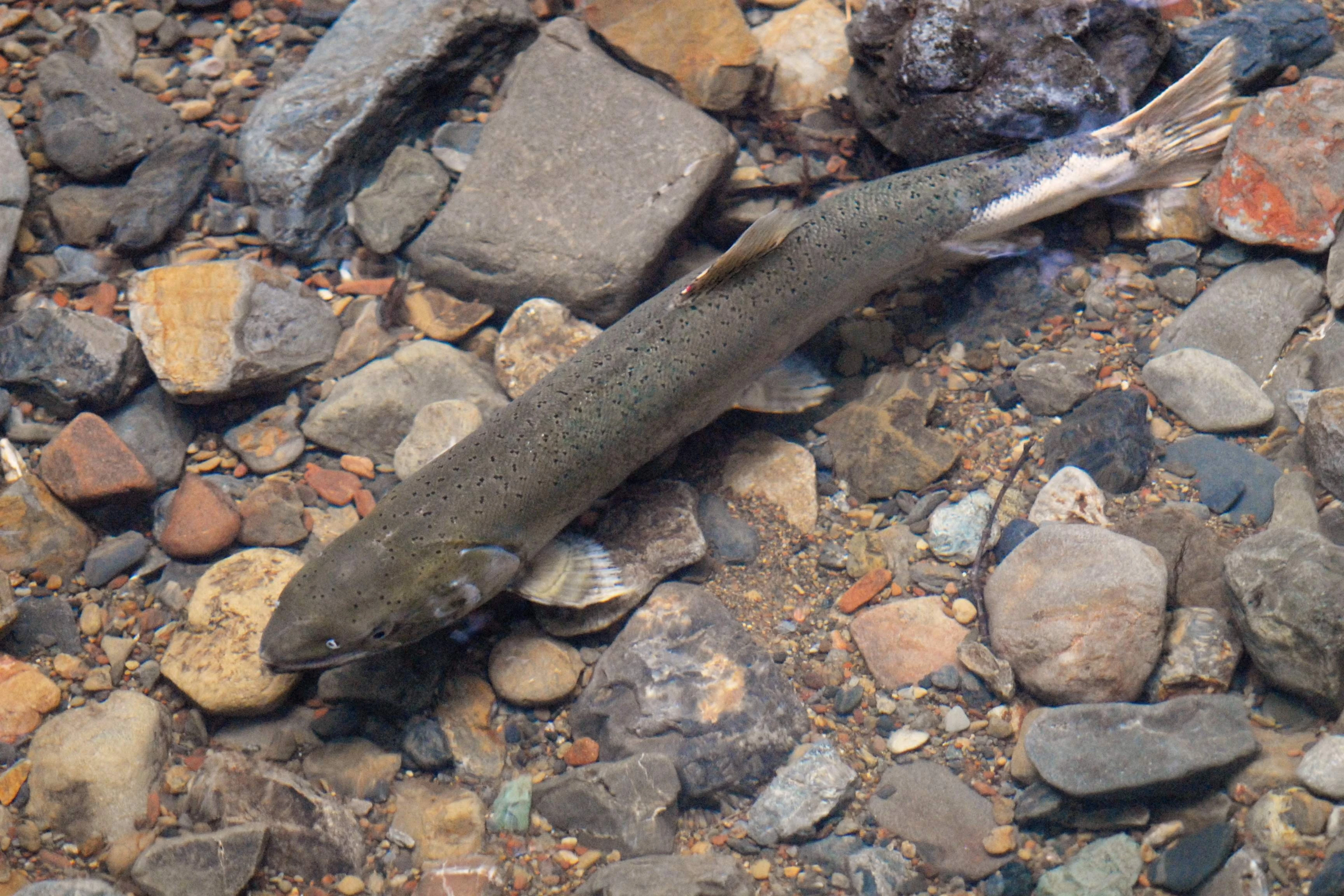
Opposition to the move comes primarily from environmental groups. Oregon Wild, a conservation nonprofit, objected on several grounds. It’s concerned about the long-term health of these forests. It also fears the impact that increased timber production would have on wildlife such as the coho salmon and the northern spotted owl.
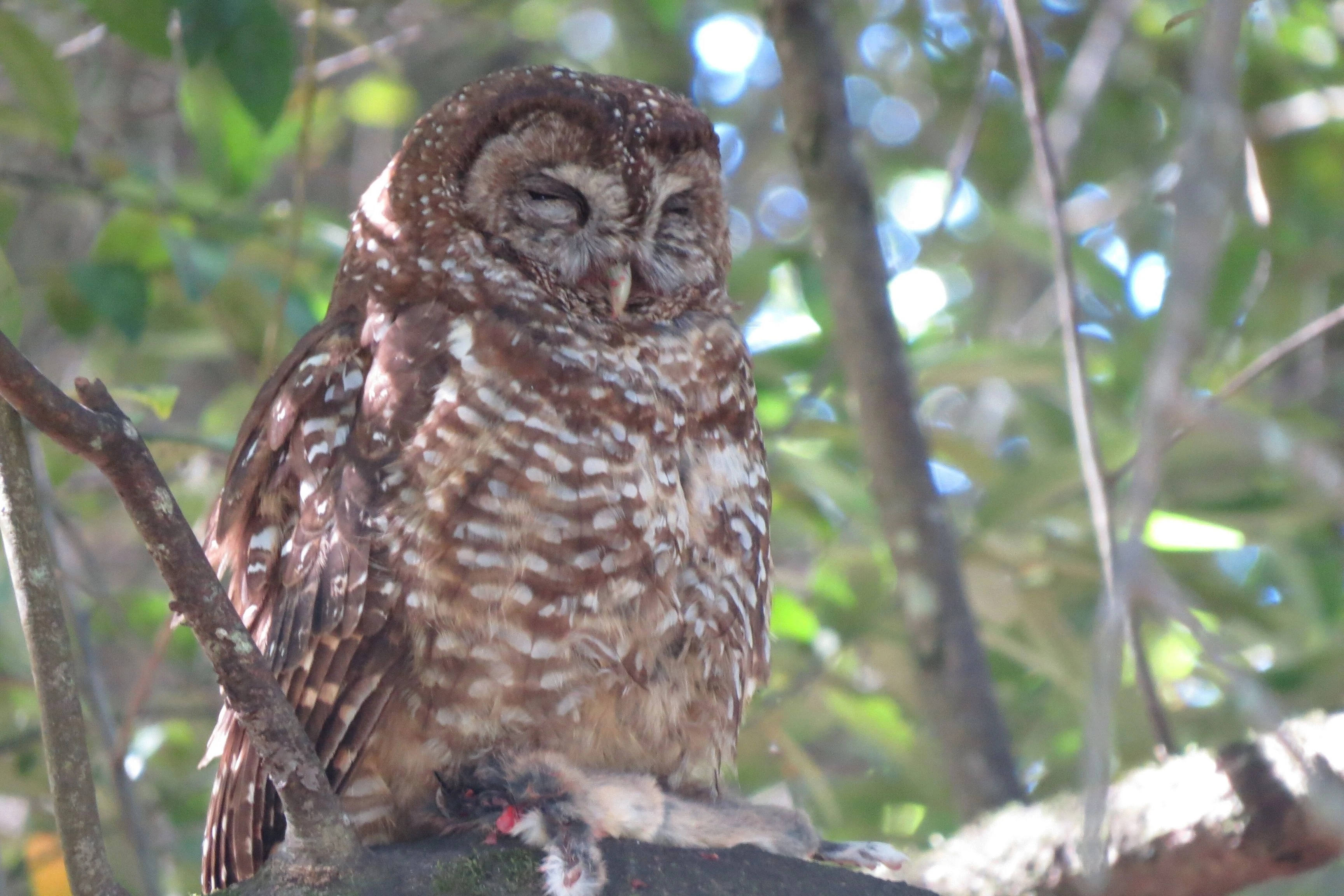
The production levels the BLM aims to return to in the 1960s occurred before these species were listed under the Endangered Species Act.
“It’s safe to assume the Trump administration is going to try to get back to roughly 1 billion board feet. However, that would be nearly impossible to do without logging coho salmon and other endangered species habitat,” Oregon Wild’s Communications Director Arran Robertson said in an email to GJ.
Oregon Wild also rejected claims that upping timber production would reduce wildfire risk.
“Clearcutting and similar forms of logging increase fire hazards for up to 50 years. Despite hotter, drier, and longer fire seasons, the Trump Administration aims to again prioritize this practice on public lands,” it said in a press release.
Sierra Club
The Sierra Club also criticized the move as industry-friendly.
“Opening up millions of acres to logging and supercharging harvest quotas isn’t some minor change — it’s a radical and dangerous departure from decades of careful management for the benefit of logging companies,” Forest Campaign Manager Alex Crave said in an email to GearJunkie. “It aims to take us back to the days of logging old growth across the northwest at a pace that was, quite literally, unsustainable.”
The local Oregon chapter of the Sierra Club was deeply concerned about how this effort would affect outdoor recreation.
“The proposed plan to quadruple logging levels is a threat to the very things that make Oregon Oregon: Forests with clear rivers and streams that provide water for thousands of rural residents and critical habitat for fish and wildlife. Rafting, hiking, mountain biking, hunting, fishing, and other incredible recreation opportunities that Oregonians enjoy and that draw the visitors that rural economies depend on,” it said.
What’s Next
The proposal is open for public comment until March 23. The BLM stated that it does not plan to hold any public meetings about the matter. In accordance with the law, the BLM will consult with Tribal Nations.
“Tribal concerns, including impacts on Indian trust assets and potential impacts to cultural resources, will be given due consideration,” it stated.
The agency will also be required to produce an environmental impact study for its proposed RMP. There is no clear timeline yet; the BLM has stated it wants to complete this process “in an expeditious manner.” Past revisions to RMPs have taken 3 to 4 years, and the BLM aims to finish the process more quickly this time.


Entering the 2026 college football season, the Oregon Ducks are looking to not only win their first national championship in program history but also their second Big Ten title in the last three seasons.
When the Ducks joined the Big Ten in 2024, they kicked off their inaugural season in the conference in style, finishing the regular season undefeated at 13-0. This regular season was concluded with a thrilling 45-37 win over the Penn State Nittany Lions in the Big Ten championship game.
Eug 040522 Lanning 02 | USA TODAY Network via Reuters Connect
The Ohio State Buckeyes, however, got revenge for their loss to the Ducks at Autzen Stadium earlier in the regular season, beating Oregon 41-21 in the CFP Quarterfinal at the Rose Bowl. Entering the 2026 season, here’s a look at the Ducks’ chances of winning the Big Ten for the second time.
Oregon Ducks Big Ten Title Odds: Who’s The Biggest Threat?
According to the latest betting odds by FanDuel Sportsbook, the Ducks have +270 odds to win the Big Ten championship this season. The one team ahead of them is the Ohio State Buckeyes at +190, who, believe it or not, are in search of their first Big Ten title since 2020. The Buckeyes were upset by the Indiana Hoosiers 13-10 in the Big Ten championship last season.
Among the top teams in the Big Ten next season, Ohio State poses the biggest threat to the Ducks’ chances of not only winning a conference title but also the national championship. The Buckeyes and Ducks will face off in what could be the game of the year in Columbus on Nov. 7.
As exciting as this matchup will be for college football fans, it likely won’t be the only one between the Buckeyes and Ducks. Regardless of which team wins the Nov. 7 showdown in Columbus, the Buckeyes and Ducks could match up again in the Big Ten title game and in the CFP.
Other Teams That Pose a Threat to Oregon
While the Buckeyes are the main threat to the Ducks’ Big Ten title aspirations, other teams will be worth watching. One of those teams is the defending national champions, the Indiana Hoosiers.
Despite the key losses this offseason, which include Heisman Trophy-winning quarterback Fernando Mendoza, coach Curt Cignetti’s Hoosiers restocked talent with the addition of TCU Horned Frogs transfer quarterback Josh Hoover and Michigan State Spartans wide receiver Nick Marsh.
The only two losses that the Ducks suffered last season came against the Hoosiers. If the two face off in the Big Ten championship, Indiana looks to continue its dominance over the Ducks. The Hoosiers and Ducks don’t play each other during the regular season.
The USC Trojans, whom the Ducks will face at the Los Angeles Coliseum on Sept. 26, also look to knock off Oregon in what should be one of the top games of the first month of the college football season. Oregon coach Dan Lanning is undefeated 2-0 against USC’s Lincoln Riley and looks to extend the Ducks’ winning streak against the Trojans to five games.
Game odds refresh periodically and are subject to change. If you or someone you know has a gambling problem and wants help, call 1-800-GAMBLER.
Sign up to our free newsletter and follow us on Facebook, X and Instagram for the latest news.
 Add us as a preferred source on Google
Follow
The Oregon Lottery offers several draw games for those aiming to win big.
Here’s a look at July 14, 2026, results for each game:
Winning Mega Millions numbers from July 14 drawing
02-04-10-48-56, Mega Ball: 22
Check Mega Millions payouts and previous drawings here.
Winning Pick 4 numbers from July 14 drawing
1PM: 6-3-6-3
4PM: 7-0-0-9
7PM: 2-0-6-0
10PM: 2-5-1-5
Check Pick 4 payouts and previous drawings here.
Feeling lucky? Explore the latest lottery news & results
When are the Oregon Lottery drawings held?
- Powerball: 7:59 p.m. on Monday, Wednesday and Saturday.
- Mega Millions: 7:59 p.m. on Tuesday and Friday.
- Pick 4: 1 p.m., 4 p.m., 7 p.m. and 10 p.m. daily.
- Win for Life: 7:30 p.m. on Monday, Wednesday, and Saturday.
- Megabucks: 7:29 p.m. on Monday, Wednesday, and Saturday.
This results page was generated automatically using information from TinBu and a template written and reviewed by an Oregon editor. You can send feedback using this form.

DESCHUTES COUNTY, Ore. — Oregon State Police are asking for additional witnesses to come forward after a three-vehicle crash on Highway 20E in Deschutes County left two people seriously injured.
Troopers responded at 12:47 p.m. Friday, July 10, to the crash near milepost 41. A preliminary investigation found a westbound 2013 black Chevrolet Silverado pickup truck pulling a single-axle utility trailer attempted to pass a black Dodge 4500 towing a trailer. Police said an eastbound Hyundai Elantra tried to avoid a collision with the Chevrolet, lost control in the gravel on the eastbound shoulder, veered into the westbound lane and collided with the trailer pulled by the Dodge 4500.
The driver and passenger of the Hyundai were flown by air medic to a local hospital with serious injuries.
The crash affected traffic for about five hours. The driver of the Chevrolet was cited for careless driving and unsafe passing.
OSP is asking anyone who may have seen the Chevrolet driving westbound on Highway 20 at the moment of, or prior to, the collision to contact the OSP Northern Command Center dispatch at 800-442-0776 or *OSP (*677) from a mobile phone. Callers should reference case number SP26-255130.
-

 Los Angeles, Ca11 minutes ago
Remains of murder victim identified as missing Southern California millionaire
-

 Detroit, MI35 minutes ago
4Warn Weather Alert: Wildfire smoke leading to ‘unhealthy’ air quality in Metro Detroit
-

 San Francisco, CA47 minutes ago
San Francisco fishermen recount harrowing rescue after boat capsizes near Alcatraz
-

 Dallas, TX53 minutes ago
Timothée Chalamet ‘Starstruck’ by Dallas Cowboys Cheerleaders
-

 Miami, FL59 minutes ago
Wives of detained men allege inhumane conditions at federal detention center in Miami
-

 Boston, MA1 hour ago
Driver charged in Norwood pedestrian crash that left man seriously injured
-

 Denver, CO1 hour ago
Boys, 12 and 14, arrested in deadly shooting in Denver’s Sunnyside neighborhood
-

 Seattle, WA1 hour ago
Outreach groups respond to the reported relocation cycle of Ballard’s homeless population

