Idaho
Two Idaho Falls mayoral candidates want your vote; here is their take on the issues – East Idaho News


IDAHO FALLS — With less than a week to go before a runoff election, two candidates are still in the race to become Idaho Falls’ new mayor.
Thousands of votes were cast on Nov. 4, but Jeff Alldridge and Lisa Burtenshaw did not obtain a 50% majority, resulting in a runoff election being declared.
Looking at the numbers, Alldridge secured the most votes with 47.17% or 5,599 votes, with Burtenshaw trailing behind with 46.65% or 5,537 votes. The third candidate, Christian Ashcraft, received 6.18%, or 733 votes, and will not be on the ballot for the runoff.
RELATED | Here’s who is donating to Jeff Alldridge and Lisa Burtenshaw in the Idaho Falls mayoral runoff
Idaho Falls is one of two cities hosting runoff elections in eastern Idaho, with Pocatello holding theirs to elect a new mayor between Greg Cates and Mark Dahlquist.
RELATED | Idaho Falls and Pocatello, here’s what you’ll see on your ballots in the runoff elections
EastIdahoNews.com created new questions and sent them to Alldridge and Burtenshaw to gain a deeper understanding of each candidate’s platform. Their responses, listed below, were required to be 250 words or less, and were only edited for minor punctuation, grammar and length.
The runoff election is scheduled for Dec. 2. To find a voting location near you, visit VoteIdaho.gov.
RELATED | Who will be the next mayor of Idaho Falls? These three candidates are hoping to secure your vote
QUESTIONS
How will you persuade local voters to choose your name on the ballot during the upcoming runoff election? Why should someone vote for you?
Alldridge: I built this campaign on truth and real issues, not personal attacks.
I’ve shared a clear vision for Idaho Falls, been honest about where city leadership has fallen short, and offered solutions that put current residents and families first. Candidates should debate ideas, not rely on slander or innuendo to sway voters.
On November 4, I received the most votes, showing the citizens are ready for a new direction. My support came from regular citizens and local voters. The other campaign is backed by establishment figures and officials who can’t even vote in this mayoral race. That contrast matters.
I’m running to represent the people who live here, pay taxes here, raise their families here, and want a mayor who listens, adjusts when needed, and works to make Idaho Falls stronger for everyone.
Burtenshaw: Idaho Falls deserves a mayor who is experienced and ready for the job on Day 1. It’s time for the city to get back to doing what it does best, providing essential services and getting out of the way so that businesses can prosper. This city has been and will always be my home. I want to protect the quality of life we all cherish here. I will work hard to keep our neighborhoods safe, maintain reliable city services, and protect the heart of Idaho Falls, even as we grow. My mechanical engineering degree and critical thinking skills are very valuable for understanding infrastructure, planning, and long-term city development issues. I have a comprehensive knowledge of public finance and experience in large organizational structures.
I’ve built businesses here, raised a family here, and volunteered in nearly every corner of this city. I’m honored to make my case to the citizens of Idaho Falls. With every conversation I’ve had during this campaign, I’ve left convinced that we can do better as a City. My goal is to establish strong relationships between residents and the city so you can have confidence we’re working for you on the priorities that matter to the community.
Our community wants common sense, transparency, and accountability, and that’s the kind of leadership I’ll bring to the Mayor’s office.
Do you support the Idaho Falls Airport’s new 20-year Master Plan to expand onto nearby private property? Why or why not?
Alldridge: No. The sanctity of the neighborhoods around the airport matters far more than adding another terminal or expanding runways onto nearby private property. The city should never have threatened to take the adjacent soccer park without full transparency or letting homeowners in on the discussion from the start. Until the airport fully uses land it already leases and serves passengers effectively, I will not support further expansion.
Burtenshaw: The airport is a tremendous asset for our region. I helped grow the airport to provide more travel options for our community. I fully support the continued growth of this airport. With 5 airlines operating in Idaho Falls and 12 non-stop destinations, the airport is Idaho’s second busiest. The 20-year master plan does not disrupt the soccer complex, and provides a blueprint for a new control tower, more hangars, a second taxiway and air cargo buildings. Due to the proximity of the private land, including it as a “future land acquisition” allows for the potential purchase using federal dollars if the land becomes available. It does not obligate the Idaho Falls Airport or the property owner.
Growth should be guided by facts, public input, and respect for property rights. The airport can continue to grow responsibly through smart land use planning, infrastructure improvements, and strategic partnerships that balance regional economic opportunity with local impacts.
What are your thoughts on the citywide installation of water meters?
Alldridge: I am opposed to metering residential water.
Burtenshaw: Water metering is as complicated as it is controversial. The city has gradually been installing water meters for commercial property over the past 20 years. Due to our current infrastructure limitations, city-wide residential water metering is not feasible. The water landscape in Idaho is evolving, and to comply with state law, all new construction since 2007 has included meter pits. The city is proactively installing these pits (not the meters themselves) as part of a long-term plan. Should the state mandate full metering in the near future, our focus will be on implementing the change with an emphasis on water conservation and maintaining affordability. Idaho Falls is in a region where new groundwater rights are unavailable. The city is becoming better stewards of our current water rights by using surface water (canals) for irrigation. Pinecrest Golf Course, Sunnyside park and Community park have already been converted to surface water irrigation, saving millions of gallons of potable water each year. The city will continue to look for ways to conserve and protect our water.
As Idaho Falls grows, traffic, commuting, and parking in the downtown area are quickly becoming more difficult. What kinds of solutions would you propose to ease these transportation issues?
Alldridge: Idaho Falls isn’t growing as rapidly as we’re led to believe. New developments are happening faster than our actual population growth. Meanwhile, the growth we do have is straining our current roads and infrastructure.
When we build mostly apartments, we bring more people who eventually want single-family homes. This drives up demand and prices for locals.
Downtown access is already tight. When the city tried to fast-track paid parking downtown, residents and small-business owners pushed back hard. That tells you something. We should be making parking easier, not harder.
The city should consider public-private partnerships to expand free, convenient parking and better signal timing. The solution is making sure growth and our transportation system stay in sync.
Burtenshaw: For many years, during the 1990’s and early 2000’s, downtown was often described as “deserted.” I am glad to see the downtown become vibrant with more local shops and new restaurants, but this revitalization is creating traffic and parking issues. Bonneville County is the largest downtown employer, providing essential county services and operating the courthouse, DMV, and elections offices. The city, county, merchants, IFDDC, and landlords must work collaboratively to address employee parking and parking alternatives for a wide variety of downtown businesses.
Downtown needs to remain accessible and welcoming for residents, visitors, and businesses alike. Possible options include expanding shared parking, improving pedestrian crossings, and dedicated parking for employees.
Do you believe that Idaho Falls would benefit from more options for public transportation? If so, what kinds and who should pay for it?
Alldridge: Yes. For Idaho Falls, small and flexible public transit makes more sense than big buses on fixed routes. Point-to-point micro-transit can serve people more directly.
Public transportation will never fully pay for itself through fares, and that’s okay. It’s a public good, especially for seniors, people with accessibility needs, and residents with mobility challenges. Because it won’t be self-sufficient, we need to be honest that it must come from our local budget and not rely on the assumption that federal dollars will cover ongoing costs.
We should design transit so it can scale up or down based on real demand and what our revenues can support. We need to improve mobility for people who need it most, in a way the city can maintain over time.
Burtenshaw: Reliable transportation options strengthen our workforce, improve access to education and healthcare, and support economic growth. I am a strong supporter of the current GIFT program, which already provides valuable service to Idaho Falls residents. It’s a great example of a practical, right-sized transit solution that fits our community.
Looking ahead, we need to increase GIFT service to our metropolitan area. Idaho Falls and Ammon are not divided by daily life because we share employers, schools, shopping areas, and neighborhoods. Our transportation planning should reflect that reality. My established regional and statewide networks can help facilitate GIFT’s reach to improve efficiency and accessibility for everyone.
Funding should continue to come from a mix of local, state, and federal sources, along with creative grant opportunities. The focus for public transportation in Idaho Falls should remain on services that meet real needs without creating an unsustainable burden on taxpayers.
According to Zillow, the average house price in Idaho Falls is $468,436, while the average annual income is $50,907. What will you do to help locals work and live in Idaho Falls more affordably?
Alldridge: The numbers vary by source. According to the city’s 2026 Adopted Annual Budget, the median household income in Idaho Falls is $63,000 and the median home value is $420,000. At today’s interest rates, a family putting 20 percent down would need to earn roughly $109,000 a year to afford that home. That shows how far out of reach ownership has become for many working families.
The city can’t fix interest rates, but we can influence what gets built and where. We should encourage community-minded developers to build homes people can actually buy. Ownership gives families stability, helps build equity, and strengthens neighborhoods. More rentals will not solve our affordability problem.
We also need to grow good-paying jobs in Idaho Falls. We have talented people connected to the Idaho National Laboratory and some of the most affordable electricity in the country through Idaho Falls Power. Groups like REDI and the Idaho Innovation Center already work to attract and grow businesses. The city should be an active partner helping local entrepreneurs access programs like America’s Seed Fund through SBIR and STTR, which bring federal support to new tech and research ideas. We have what we need to become a real tech-and-innovation hub. We can become another Silicon Slopes. That would help local incomes better match today’s housing costs.
Burtenshaw: Housing affordability is a national issue and is one of Idaho Falls’ biggest challenges.
The city can lead on this issue by reducing red tape, making development predictable, and responsibly using impact fees to ensure that infrastructure keeps up with growth. As mayor, I’ll focus on promoting a mix of housing options that fit individuals and families. That mix includes entry-level homes and quality options in every price range. I can help address the other side of affordability by working to attract and retain businesses in our local economy that pay good wages and offer stable employment. I support the next generation of nuclear reactors being developed at the INL, and its alignment with workforce development at the College of Eastern Idaho. We can continue to expand our footprint as a regional hub for healthcare, and champion the long-standing companies that contribute to the stable job market. A healthy job market and balanced housing supply are the foundation for long-term affordability.
If elected, how will you govern differently from the previous administration?
Alldridge: I would not be a continuation of the current leadership. I would govern differently in three ways: by improving communication, rebuilding trust and engagement with residents, and strengthening the culture inside city government.
First, communication has to change. City Council meetings are too restrictive because residents can’t speak to agenda items. Under my leadership, agendas will be posted two weeks in advance on every city channel, and public comment will be allowed before votes. After each meeting, the city will share a short update on what was decided and what comes next. Livestreams should be easy to find on the city website and on YouTube.
Second, we need better ways for residents to engage. Formal council meetings can feel intimidating and don’t always invite real conversation. I will hold regular, informal Q&As and open discussions where people can ask questions and understand the reasoning behind decisions. When people understand the why, trust grows. The citizens are the best consultants the city will ever have.
Third, the culture inside city government needs attention. Employees do their best inside a system that often works against them. Departments are stuck in silos. I want employees to have more autonomy to solve problems, work across departments, and raise concerns without fear of reprisal.
That’s the kind of new leadership I plan to bring to Idaho Falls.
Burtenshaw: My candidacy is driven by genuine change and a shift from top-down decision making. In my administration, communication, accountability, and partnership with the people of Idaho Falls will have priority. I’ll work to make what we do at City Hall more accessible with regular communication, better information tools, and useful community updates on major projects and spending. My opponent and I agree that listening to the citizens needs to increase, where we differ is the fact that listening alone is not helpful unless you have the experience and skills to solve their concerns.
I am solutions oriented and understand that problems are best identified and resolved in a collaborative work environment. We need to break down internal barriers and focus on excellent customer service for every resident and business.
What role can the city government play in partnering with grocery stores, local farms, or food distribution networks to help make food prices in Idaho Falls more stable and affordable?
Alldridge: The city’s role is not to set grocery prices. What the city can do is help people’s food budgets stretch further by supporting a healthy economy where wages rise and cost pressures go down.
That means growing jobs that pay decent wages so people aren’t choosing between housing costs and groceries. It also means partnering with nonprofits like Community Food Basket that help families when they need support.
Burtenshaw: City government can’t and shouldn’t control food prices, but we can play a role in supporting and protecting our agricultural economy. Idaho Falls can work with Bonneville County and the City of Ammon to implement growth management policies that protect agricultural land. We can support local farmers through our relationship with the Greater Idaho Falls Chamber Agricultural Advocacy group. Together we can advocate for state policies that keep Eastern Idaho a thriving agricultural region.
The city also has several community gardens. As the mayor, I will continue to support and promote farmers markets and explore partnerships that make it easier for small producers to connect with Idaho Falls consumers.
=htmlentities(get_the_title())?>%0D%0A%0D%0A=get_permalink()?>%0D%0A%0D%0A=htmlentities(‘For more stories like this one, be sure to visit https://www.eastidahonews.com/ for all of the latest news, community events and more.’)?>&subject=Check%20out%20this%20story%20from%20EastIdahoNews” class=”fa-stack jDialog”>

Idaho
Idaho is home to the nation's first DarkSky Reserve. Now it's home to the nations first DarkSky Certified Resort


IDAHO FALLS, Idaho (KIFI) – A controversy is brewing as the City of Idaho Falls reviews its alcohol ordinance.
The goal is to consolidate four existing ordinances for beer, wine and liquor into a single law and ensure compliance with state code.
However, at its meeting last Thursday, the Idaho Falls City Council unanimously voted to remove the proposed ordinance from its agenda, in order to receive and consider additional public comment.
The proposed ordinance would:
1. Require commercial establishments selling, dispensing or permitting consumption of alcohol – including beer, wine or liquor – to have an alcohol license, alcohol catering permit or a charitable event permit.
2. Business events with 20 or less employees consuming alcohol at the business would be allowed.
3. Require alcohol servers to complete training every three years.
4. Individuals who violate the law could be charged with a misdemeanor.
Idaho Falls City Council President Jim Francis said the changes were the culmination of months of collaboration between law enforcement, business owners and city attorneys.
“We wanted to provide a safe environment – the primary point here – for public gatherings,” Francis said. “We recognize that certain antiquated elements of the current code are overly restrictive and needed to be addressed. We wanted to make the code more accessible to the public. We needed to address over-pouring issues. We wanted to reduce penalties where possible for violations, particularly the first offenses, and yet make the code clear enough to be enforceable consistently by law enforcement.”
But City Council Member John Radford said the changes represent an overreach by city government.
“I believe it’s a bad policy. What problem are we solving in the name of trying to solve a non-problem?” Radford said. “We’re becoming big brother around alcohol in your private property. I’m concerned that landlords will be at risk of being charged with a misdemeanor if they knowingly, which I made sure that was in there, because that is what we’ve been talking about, allowed people to drink in our business. We will be outside the norm of Idaho cities. This is a big step, and I don’t think the public has weighed in on this.”
At a City Council Work Session on June 1, Idaho Falls Chief of Police Bryce Johnson cited an increase in alcohol-related crime – particularly downtown – as a reason for the changes.
“DUI is there, but this would include sexual assaults, assaults, batteries, disturbances, urination, public vandalism, shooting – all sorts of crimes,” Johnson said.
But business owners are concerned about the potential impact on commercial enterprises.
“The ordinance doesn’t address the real problem – which is people drinking … at one event and then showing up in a bar or restaurant already hammered and causing problems anyway,” ” said Terri Ireland, representing the Idaho Falls Downtown Merchants Association. “The industry is really well-regulated by state and local laws already.”
The City of Idaho Falls began the process of updating its alcohol ordinance in January 2026, seeking input from community stakeholders.
Multiple community members spoke out about the ordinance.
For more in-depth information, you can read the full 39-page proposed alcohol ordinance here.

BOISE, Idaho (CBS2) — A simmering dispute between Idaho’s top elections official and the U.S. Department of Justice escalated this month after federal officials warned Secretary of State Phil McGrane about possible prosecution tied to non-citizens voting in Idaho.
The Justice Department sent a letter earlier this month threatening McGrane with prosecution. The warning came amid a broader conflict between the Trump administration and McGrane, whom the administration has sued over his refusal to provide unredacted voter rolls to the federal government.
Idaho’s chief of civil litigation, James Craig, responded on July 10. In a letter first reported by the Idaho Statesman, Craig pushed back on the federal warning, writing, “Insinuations of criminal violations of the federal election laws are not well taken,” and asking the department to “stop threatening your friends in Idaho.”
Craig also requested that the lawsuit against McGrane be dismissed and criticized the Justice Department for sending its letter directly to McGrane rather than to the Idaho attorney general’s office.
The attorney general’s office said the state has already referred 15 cases of possible non-citizen election violations to the Justice Department but is not aware of any of them being prosecuted. Craig’s letter ends by asking the department to do so.
-

 Movie Reviews2 minutes ago
Saari Review: Memory, Betrayal and Identity Converge at River Valley Film Festival – Hollywood Times
-
Science38 minutes ago
New Winged Robot Can Fly and Swim Like a Puffin
-
 Lifestyle1 hour ago
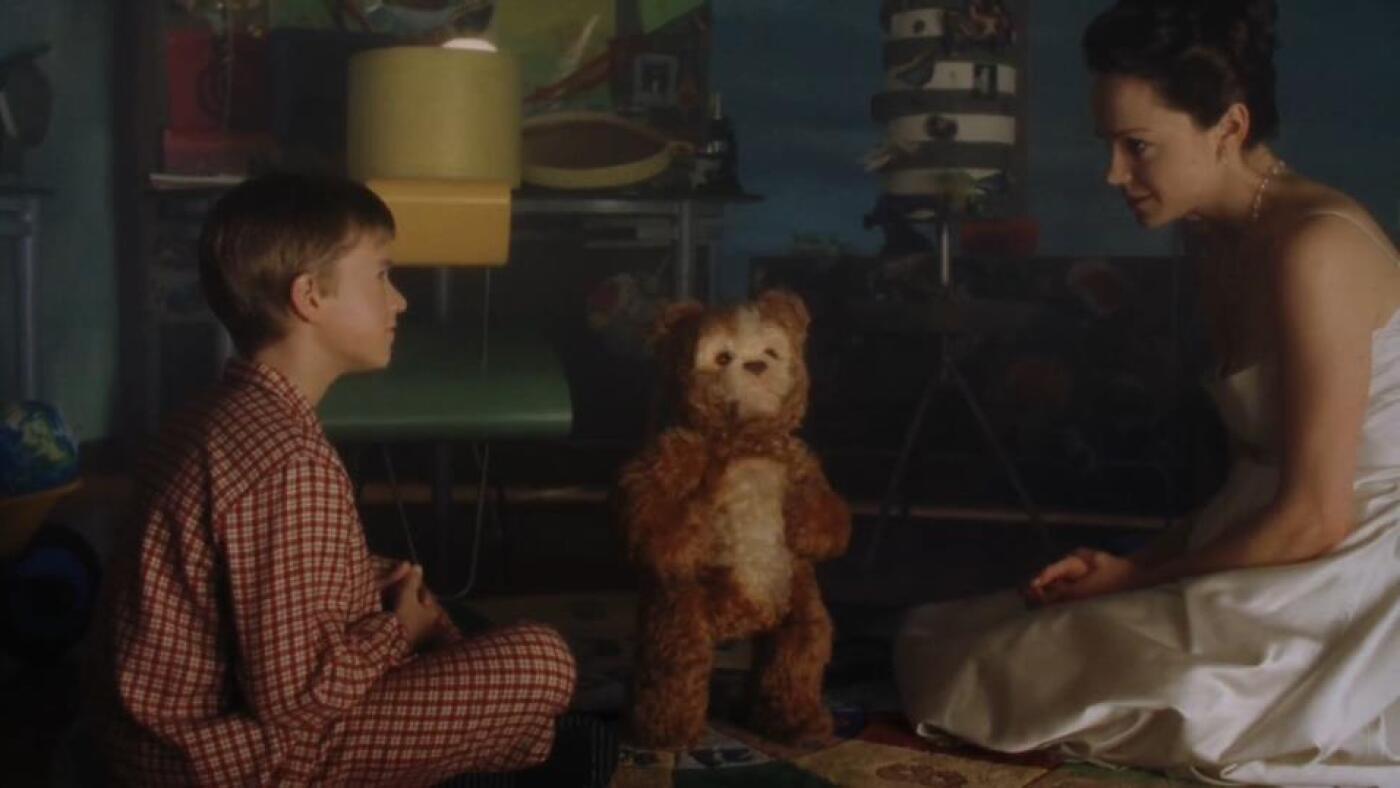
‘The Trojan Teddy Bear’: The promise and peril of childhood in the age of AI
-

 Technology1 hour ago
Google and Epic give up fighting — third-party Android app stores are coming next week
-

 World1 hour ago
FBI snares an American heir indicted for allegedly bankrolling anti-cop, pro-Hamas communist revolution
-

 Politics1 hour ago
Biden special counsel’s ‘runaway train’ scooped up sensitive lawmaker info: ‘Abuse of power’
-

 Health2 hours ago
‘Miracle on the Hudson’ hero Captain ‘Sully’ Sullenberger reveals Alzheimer’s diagnosis
-

 Sports2 hours ago
American League stars outshine National League in 96th MLB All-Star game

