Idaho
Idaho Board of Ed sets new minimum number of school days – Local News 8


POCATELLO, Idaho (KIFI) – Students in Idaho will need to attend school a minimum of 152 days per school year. That is the new requirement from the State Board of Education.
The board held its regular meeting at Idaho State University in Pocatello on Wednesday.
The board said, “The recommendation was based on findings that Idaho public schools operating on a four-day calendar currently average 146 student instructional days per year, compared to an average of 172 instructional days conducted by schools operating five days per week.”
More than half of Idaho’s schools are holding four-day school weeks, they reported.
House Bill 521 and House Bill 766, recently signed into law, require LEAs to meet minimum instructional days or hours to be eligible for state school facilities funding.
The new minimum requirements will begin with the 2025/26 school year.
Other Board actions include:
- Extended president contracts for one year for three of Idaho’s institution presidents along with FY25 salaries for:
- Dr. Marlene Tromp; Boise State University – $473,448.77
- C. Scott Green; University of Idaho – $479,191.78
- Dr. Cynthia Pemberton; Lewis-Clark State College – $297.412.50
Idaho State University President Dr. Robert Wagner was appointed president six months ago will be eligible for a potential salary increase next year.
- Approved the FY25 Athletic Spending Limit increases of state appropriated funding at Idaho’s four-year institutions by the following amounts:
- Boise State University; $1 million increase – FY25 Athletic Spending Limit: $10,004,500.
- Idaho State University; $1.2 million increase – FY25 Athletic Spending Limit: $7,832,800.
- Lewis-Clark State College; $500,000 increase – FY25 Athletic Spending Limit: $4,574,900.
- University of Idaho; $1.35 million increase- FY25 Athletic Spending Limit: $9, 251,700.
The institutions requested spending limits increases to help pay increased athletic department inflationary costs, support future program growth, and accurately reflect indirect expenditures.
- Approved contracts for Boise State University’s head football coach; University of Idaho’s head football coach; and Idaho State University’s head women’s basketball coach.
- Boise State Head Football Coach Spencer Danielson’s contract runs through February, 2029. His FY25 base compensation is $1,555,000, with incentives.
- University of Idaho Head Football Coach Jason Eck’s contract was extended until January, 2029. His FY25 base compensation is $375,000 with incentives.
- Idaho State University’s Head Women’s Basketball Coach Seton Sobolewski’s contract was extended until May, ,2029. His salary was increased from $139,287 to $151,287.
- Approved contracts for three Boise State University assistant football coaches:
- Offensive Coordinator Dirk Koetter’s FY25 base compensation is $460,000 in addition to a $5,000 signing bonus.
- Defensive Coordinator Erik Chinander’s FY25 base compensation is $440,000, with incentives.
- Assistant Head Coach Stacy Collins’s FY25 base compensation FY25 base salary is $350,000 with incentives.
- Approved a University of Idaho request to begin the bid and construction phase of expansion of Huckabay Medical Education Building on the Moscow campus. The building houses the Washington Wyoming Alaska Montana Idaho (WWAMI) medical education program. The project is expected to cost nearly $4.5 million and will add additional classrooms and faculty office space
The Board meeting will continue tomorrow morning (June 13) starting at 8 a.m. Mountain Time.

Idaho
Idaho is home to the nation's first DarkSky Reserve. Now it's home to the nations first DarkSky Certified Resort


IDAHO FALLS, Idaho (KIFI) – A controversy is brewing as the City of Idaho Falls reviews its alcohol ordinance.
The goal is to consolidate four existing ordinances for beer, wine and liquor into a single law and ensure compliance with state code.
However, at its meeting last Thursday, the Idaho Falls City Council unanimously voted to remove the proposed ordinance from its agenda, in order to receive and consider additional public comment.
The proposed ordinance would:
1. Require commercial establishments selling, dispensing or permitting consumption of alcohol – including beer, wine or liquor – to have an alcohol license, alcohol catering permit or a charitable event permit.
2. Business events with 20 or less employees consuming alcohol at the business would be allowed.
3. Require alcohol servers to complete training every three years.
4. Individuals who violate the law could be charged with a misdemeanor.
Idaho Falls City Council President Jim Francis said the changes were the culmination of months of collaboration between law enforcement, business owners and city attorneys.
“We wanted to provide a safe environment – the primary point here – for public gatherings,” Francis said. “We recognize that certain antiquated elements of the current code are overly restrictive and needed to be addressed. We wanted to make the code more accessible to the public. We needed to address over-pouring issues. We wanted to reduce penalties where possible for violations, particularly the first offenses, and yet make the code clear enough to be enforceable consistently by law enforcement.”
But City Council Member John Radford said the changes represent an overreach by city government.
“I believe it’s a bad policy. What problem are we solving in the name of trying to solve a non-problem?” Radford said. “We’re becoming big brother around alcohol in your private property. I’m concerned that landlords will be at risk of being charged with a misdemeanor if they knowingly, which I made sure that was in there, because that is what we’ve been talking about, allowed people to drink in our business. We will be outside the norm of Idaho cities. This is a big step, and I don’t think the public has weighed in on this.”
At a City Council Work Session on June 1, Idaho Falls Chief of Police Bryce Johnson cited an increase in alcohol-related crime – particularly downtown – as a reason for the changes.
“DUI is there, but this would include sexual assaults, assaults, batteries, disturbances, urination, public vandalism, shooting – all sorts of crimes,” Johnson said.
But business owners are concerned about the potential impact on commercial enterprises.
“The ordinance doesn’t address the real problem – which is people drinking … at one event and then showing up in a bar or restaurant already hammered and causing problems anyway,” ” said Terri Ireland, representing the Idaho Falls Downtown Merchants Association. “The industry is really well-regulated by state and local laws already.”
The City of Idaho Falls began the process of updating its alcohol ordinance in January 2026, seeking input from community stakeholders.
Multiple community members spoke out about the ordinance.
For more in-depth information, you can read the full 39-page proposed alcohol ordinance here.

BOISE, Idaho (CBS2) — A simmering dispute between Idaho’s top elections official and the U.S. Department of Justice escalated this month after federal officials warned Secretary of State Phil McGrane about possible prosecution tied to non-citizens voting in Idaho.
The Justice Department sent a letter earlier this month threatening McGrane with prosecution. The warning came amid a broader conflict between the Trump administration and McGrane, whom the administration has sued over his refusal to provide unredacted voter rolls to the federal government.
Idaho’s chief of civil litigation, James Craig, responded on July 10. In a letter first reported by the Idaho Statesman, Craig pushed back on the federal warning, writing, “Insinuations of criminal violations of the federal election laws are not well taken,” and asking the department to “stop threatening your friends in Idaho.”
Craig also requested that the lawsuit against McGrane be dismissed and criticized the Justice Department for sending its letter directly to McGrane rather than to the Idaho attorney general’s office.
The attorney general’s office said the state has already referred 15 cases of possible non-citizen election violations to the Justice Department but is not aware of any of them being prosecuted. Craig’s letter ends by asking the department to do so.
-

 Technology5 minutes ago
Google and Epic give up fighting — third-party Android app stores are coming next week
-

 World11 minutes ago
FBI snares an American heir indicted for allegedly bankrolling anti-cop, pro-Hamas communist revolution
-

 Politics17 minutes ago
Biden special counsel’s ‘runaway train’ scooped up sensitive lawmaker info: ‘Abuse of power’
-

 Health23 minutes ago
‘Miracle on the Hudson’ hero Captain ‘Sully’ Sullenberger reveals Alzheimer’s diagnosis
-

 Sports29 minutes ago
American League stars outshine National League in 96th MLB All-Star game
-

 Technology35 minutes ago
Before you connect another smart TV, tablet or phone, lock it down
-
 Business41 minutes ago
Commentary: Trump greenlights California’s dumbest water project
-
 Entertainment47 minutes ago
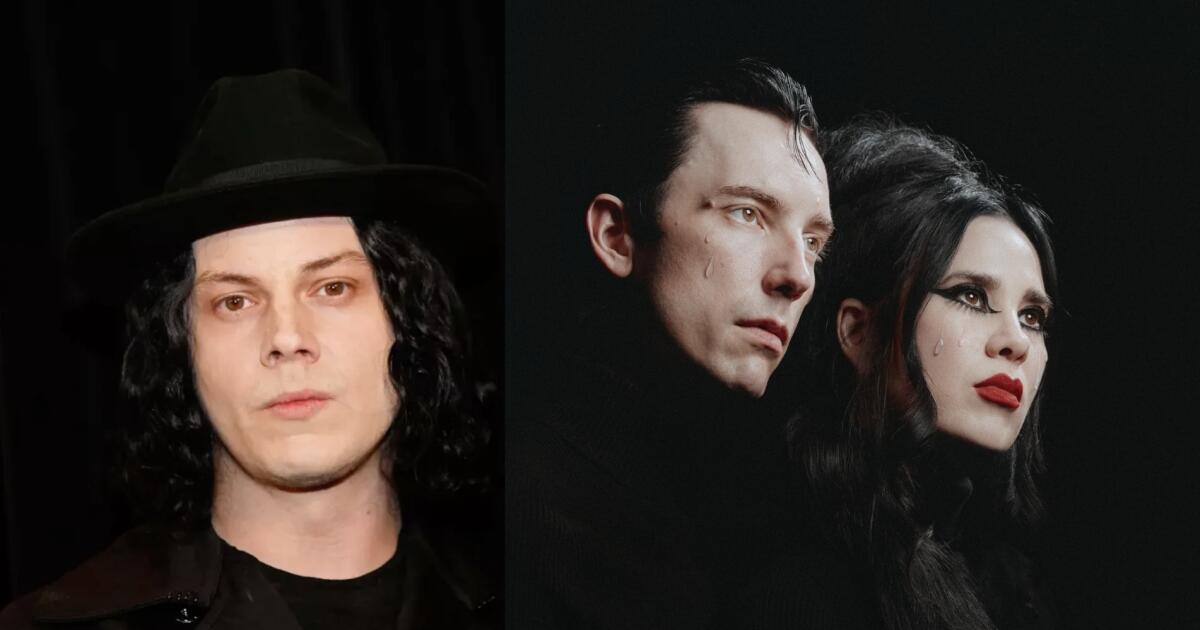
‘Hail Satan? Not me.’ Charley Crockett fires satanic duo Twin Temple, so Jack White hires them

