Idaho
A National Forest In Idaho Is A Camping And Fishing Paradise Within A Day’s Drive Of Yellowstone – Islands


One national forest spans most of eastern Idaho, includes more than 3 million acres of public lands, and offers some of the best camping and fishing in the West. And the best part? It’s all part of the Greater Yellowstone Ecosystem, situated on the doorsteps of both Grand Teton and Yellowstone national parks. The Caribou-Targhee National Forest includes everything from trophy trout streams, like the Henry’s Fork and the South Fork of the Snake River, to high-elevation lakes bursting with wild native trout that are accessible only on foot, via off-road vehicle, or on the back of a horse. This vast national forest offers visitors the chance to take in all of the wildlife they might otherwise find in nearby national parks, but without the painstaking national park traffic, pricey entrance fees, or throngs of tourists crowding trails and boardwalks.
The Caribou-Targhee National Forest is not a substitute for visiting Yellowstone National Park, where visitors will find a vibrant geyser basin with a unique ecological environment. But it does offer a more subtle experience, where campsites aren’t so hard to come by, and the crowds are drastically diminished. What’s more, it offers anglers the opportunity to take in some incredible trout waters, both in the form of its storied rivers, and in its quiet mountain streams and hidden lakes that burst with fishy possibilities. It boasts dozens of formal campgrounds where visitors can pitch tents or park their RVs, and it offers some wonderful dispersed camping for folks who want to experience something more primitive while enjoying the woods and waters of this gorgeous national forest. For travelers visiting the area from afar, the Caribou-Targhee National Forest’s southern reaches are just two and a half hours from Salt Lake City and its international airport by car.
Idaho’s Caribou-Targhee is a trophy trout fishing paradise

Anglers, particularly fly fishers, will find ample opportunity in the rivers, lakes, and streams of the Caribou-Targhee. From Henry’s Lake in the north near the border with Montana, to the Bear River drainage in the south near the Utah border with Idaho, the forest is home to more trout water than most anglers could explore in a lifetime. It’s tough to beat the storied waters of the Henry’s Fork and the South Fork, two high-profile trout rivers that are home to opportunities to catch the trophy fish of a lifetime. Throw in stellar backcountry options, like upper Palisades Lake, and the streams that flow from the western shoulders of the Tetons and the Jedediah Smith Wilderness Area, and Caribou-Targhee National Forest is decidedly fishy.
One of America’s top fly-fishing destinations — Swan Valley, on the South Fork of the Snake River below Palisades Reservoir — bisects the forest and offers some incredible angling for big cutthroat trout, rainbow trout, brown trout, and native mountain whitefish. The river is a dry-fly paradise, and anglers visiting it can stay at gorgeous, high-end fishing lodges like the South Fork Lodge, or even rent a drift boat and navigate the fish-filled river on their own. To the north, running across the Island Park Caldera and eventually off the plateau and onto the Snake River Plain, is the fabled Henry’s Fork, long a bucket-list fly-fishing destination for anglers who want to test their mettle against the river’s sophisticated brown trout and rainbow trout. The Henry’s Fork is also among the most scenic rivers in the West. It’s home to upper and lower Mesa Falls, a stunning cascade that rivals any waterfall in the West, except for maybe Yellowstone Falls, about a two-hour drive east in Yellowstone National Park.
The Caribou-Targhee offers excellent camping on Yellowstone’s doorstep
The northern reaches of the Caribou-Targhee National Forest border both Grand Teton and Yellowstone National Parks, making for great camping opportunities for visitors who don’t want to shoulder their way into cramped campgrounds in either national park. In Island Park, the most underrated gateway to Yellowstone, just west of the boundary with Yellowstone National Park, visitors can pitch tents or park RVs at several national forest campgrounds, including Box Canyon, Riverside, Buffalo, and Flat Rock. Campers should always reserve a spot well in advance of their scheduled arrival by visiting recreation.gov. It’s very difficult to find a vacant campsite in a designated campground in Island Park, simply because the area is just a short drive from Yellowstone National Park.
Throughout the forest, there are literally hundreds of miles of Forest Service roads to explore, and many are suited to passenger vehicles. On others, high-clearance vehicles are best, but along most Forest Service roads, dispersed camping is available on a first come, first served basis. In most dispersed camping locations, both tents and RVs can be accommodated, but RVs must be totally self-contained and campers must not dump their gray or black water anywhere but in a designated RV dump. Campers are only allowed to camp in one spot for 14 days out of any 28-day period. This rule gives others a chance to enjoy some of the many stunning campsites in the forest. The best part is that there are no campground fees at dispersed campsites. It’s totally free, which is sure to put a smile on any visitor heading off on a signature western vacation. The Caribou-Targhee National Forest especially makes for a great home base for a Yellowstone or Grand Teton adventure.

Idaho
Idaho is home to the nation's first DarkSky Reserve. Now it's home to the nations first DarkSky Certified Resort


IDAHO FALLS, Idaho (KIFI) – A controversy is brewing as the City of Idaho Falls reviews its alcohol ordinance.
The goal is to consolidate four existing ordinances for beer, wine and liquor into a single law and ensure compliance with state code.
However, at its meeting last Thursday, the Idaho Falls City Council unanimously voted to remove the proposed ordinance from its agenda, in order to receive and consider additional public comment.
The proposed ordinance would:
1. Require commercial establishments selling, dispensing or permitting consumption of alcohol – including beer, wine or liquor – to have an alcohol license, alcohol catering permit or a charitable event permit.
2. Business events with 20 or less employees consuming alcohol at the business would be allowed.
3. Require alcohol servers to complete training every three years.
4. Individuals who violate the law could be charged with a misdemeanor.
Idaho Falls City Council President Jim Francis said the changes were the culmination of months of collaboration between law enforcement, business owners and city attorneys.
“We wanted to provide a safe environment – the primary point here – for public gatherings,” Francis said. “We recognize that certain antiquated elements of the current code are overly restrictive and needed to be addressed. We wanted to make the code more accessible to the public. We needed to address over-pouring issues. We wanted to reduce penalties where possible for violations, particularly the first offenses, and yet make the code clear enough to be enforceable consistently by law enforcement.”
But City Council Member John Radford said the changes represent an overreach by city government.
“I believe it’s a bad policy. What problem are we solving in the name of trying to solve a non-problem?” Radford said. “We’re becoming big brother around alcohol in your private property. I’m concerned that landlords will be at risk of being charged with a misdemeanor if they knowingly, which I made sure that was in there, because that is what we’ve been talking about, allowed people to drink in our business. We will be outside the norm of Idaho cities. This is a big step, and I don’t think the public has weighed in on this.”
At a City Council Work Session on June 1, Idaho Falls Chief of Police Bryce Johnson cited an increase in alcohol-related crime – particularly downtown – as a reason for the changes.
“DUI is there, but this would include sexual assaults, assaults, batteries, disturbances, urination, public vandalism, shooting – all sorts of crimes,” Johnson said.
But business owners are concerned about the potential impact on commercial enterprises.
“The ordinance doesn’t address the real problem – which is people drinking … at one event and then showing up in a bar or restaurant already hammered and causing problems anyway,” ” said Terri Ireland, representing the Idaho Falls Downtown Merchants Association. “The industry is really well-regulated by state and local laws already.”
The City of Idaho Falls began the process of updating its alcohol ordinance in January 2026, seeking input from community stakeholders.
Multiple community members spoke out about the ordinance.
For more in-depth information, you can read the full 39-page proposed alcohol ordinance here.

BOISE, Idaho (CBS2) — A simmering dispute between Idaho’s top elections official and the U.S. Department of Justice escalated this month after federal officials warned Secretary of State Phil McGrane about possible prosecution tied to non-citizens voting in Idaho.
The Justice Department sent a letter earlier this month threatening McGrane with prosecution. The warning came amid a broader conflict between the Trump administration and McGrane, whom the administration has sued over his refusal to provide unredacted voter rolls to the federal government.
Idaho’s chief of civil litigation, James Craig, responded on July 10. In a letter first reported by the Idaho Statesman, Craig pushed back on the federal warning, writing, “Insinuations of criminal violations of the federal election laws are not well taken,” and asking the department to “stop threatening your friends in Idaho.”
Craig also requested that the lawsuit against McGrane be dismissed and criticized the Justice Department for sending its letter directly to McGrane rather than to the Idaho attorney general’s office.
The attorney general’s office said the state has already referred 15 cases of possible non-citizen election violations to the Justice Department but is not aware of any of them being prosecuted. Craig’s letter ends by asking the department to do so.
-

 Movie Reviews2 minutes ago
Saari Review: Memory, Betrayal and Identity Converge at River Valley Film Festival – Hollywood Times
-
Science38 minutes ago
New Winged Robot Can Fly and Swim Like a Puffin
-
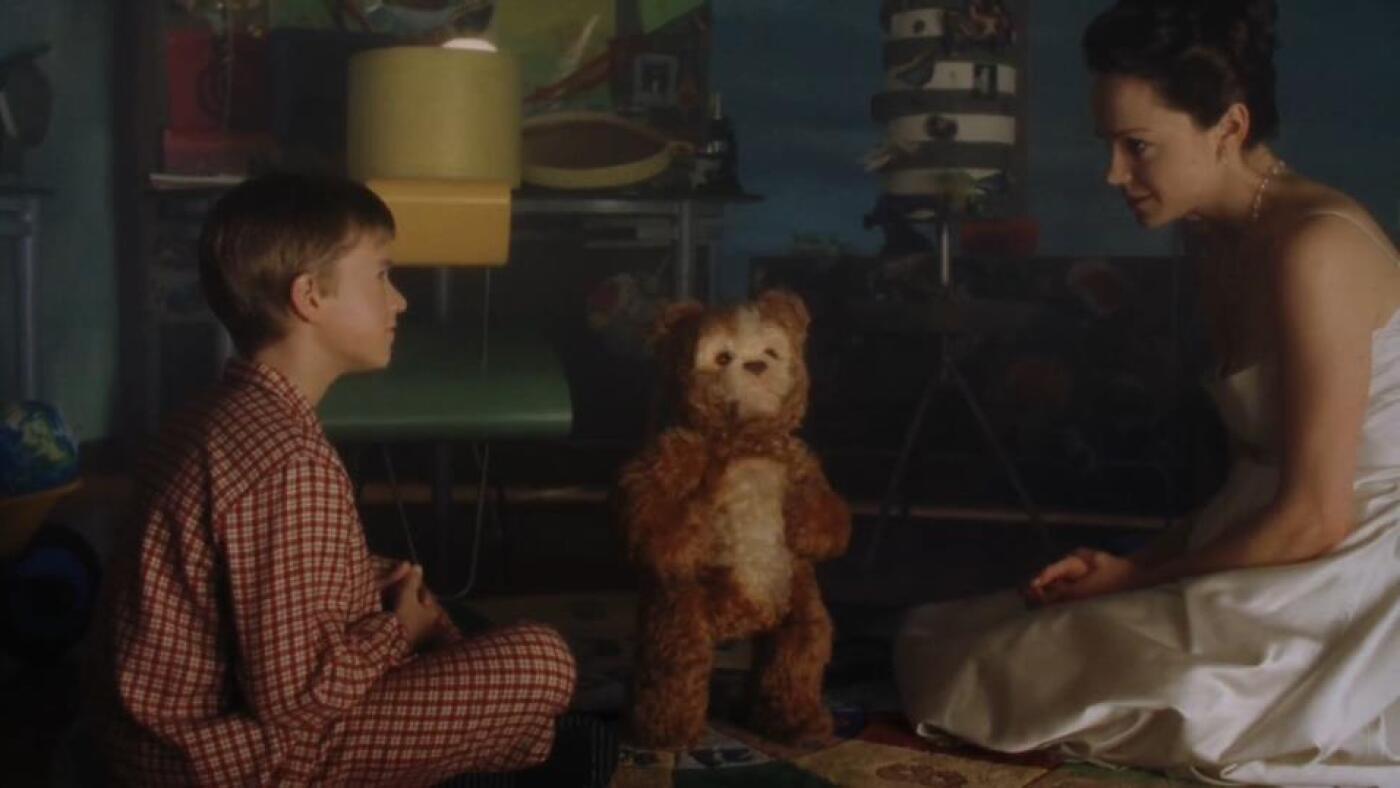 Lifestyle1 hour ago
‘The Trojan Teddy Bear’: The promise and peril of childhood in the age of AI
-

 Technology1 hour ago
Google and Epic give up fighting — third-party Android app stores are coming next week
-

 World1 hour ago
FBI snares an American heir indicted for allegedly bankrolling anti-cop, pro-Hamas communist revolution
-

 Politics1 hour ago
Biden special counsel’s ‘runaway train’ scooped up sensitive lawmaker info: ‘Abuse of power’
-

 Health2 hours ago
‘Miracle on the Hudson’ hero Captain ‘Sully’ Sullenberger reveals Alzheimer’s diagnosis
-

 Sports2 hours ago
American League stars outshine National League in 96th MLB All-Star game

